Dublin
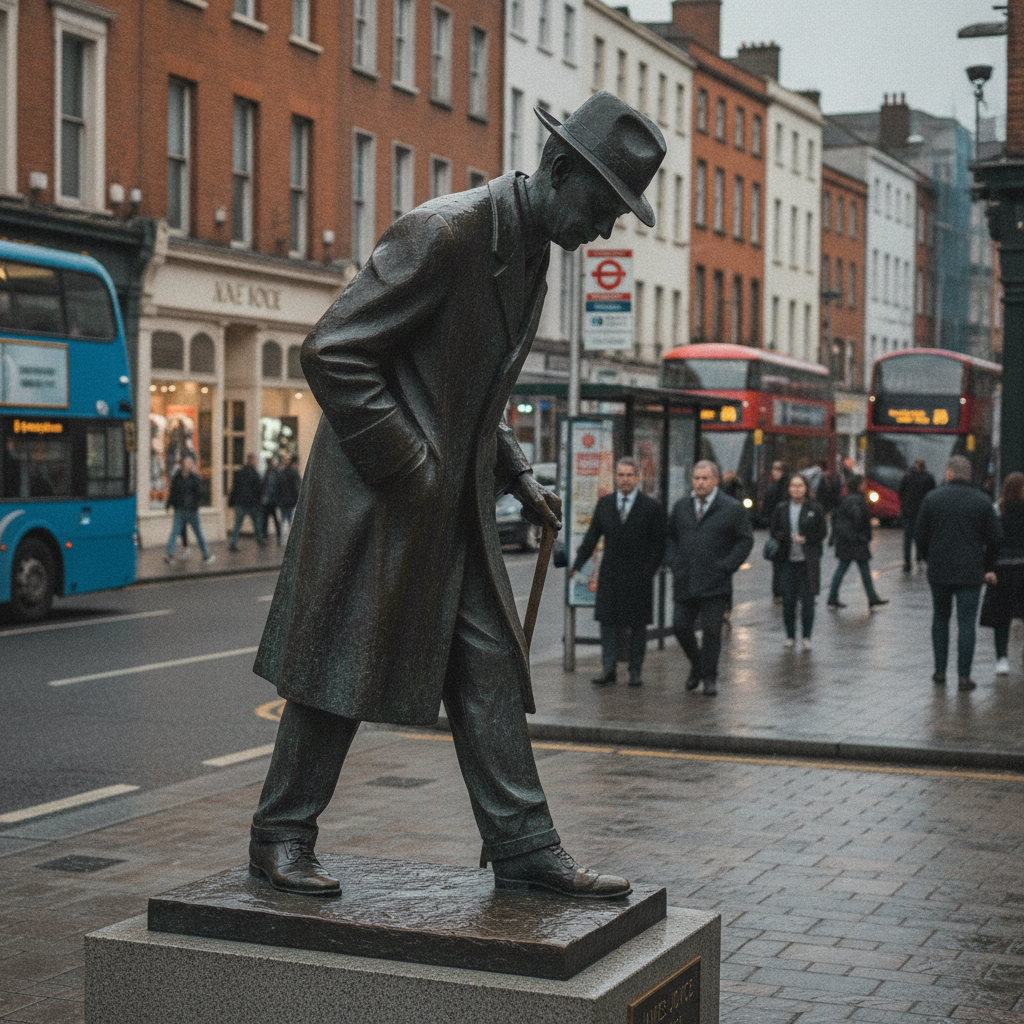
Literary Dublin — Joyce, Beckett, Wilde, Yeats & the Irish Literary Tradition
Dublin has produced a disproportionate share of world literature: four Nobel Prize in Literature laureates (William Butler Yeats (1923), George Bernard Shaw (1925), Samuel Beckett (1969), and Seamus Heaney (1995)), the author of the most important novel in the English language (James Joyce's Ulysses (1922)), the greatest wit in the English literary tradition (Oscar Wilde), and a continuous tradition of literary production that makes Dublin (per capita) the most literary city in the world.
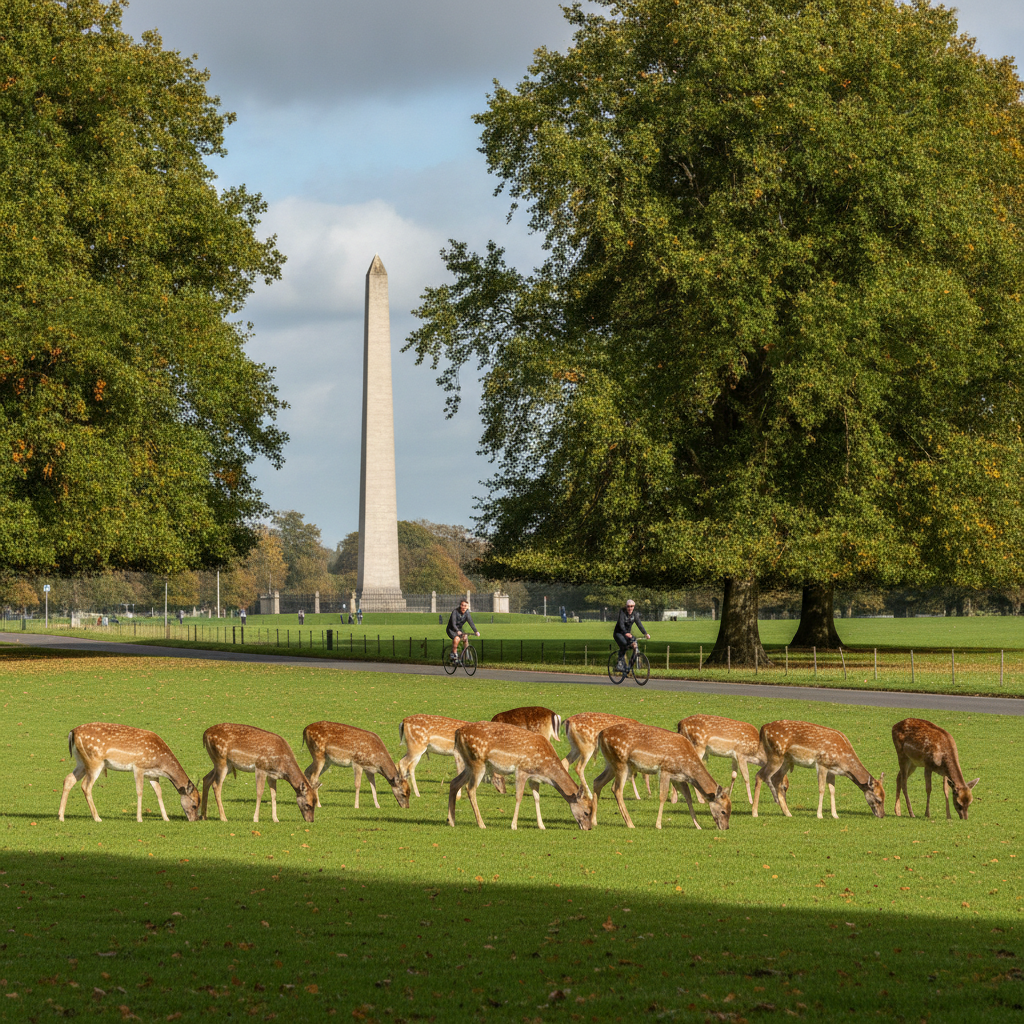
Phoenix Park & Howth Head — Dublin's Natural Escapes
Dublin's natural spaces: Phoenix Park (the 707-hectare public park on the north bank of the Liffey, the largest urban park in any European capital city (larger than Hyde Park, Regent's Park, and the Bois de Boulogne combined), containing the herd of approximately 600 free-ranging fallow deer (established in the 1660s by the Duke of Ormond), Áras an Uachtaráin (the Irish President's residence), the US Ambassador's Residence, Dublin Zoo, and the Wellington Monument) and Howth Head (the rocky peninsula and fishing village 13 km north of Dublin city centre, accessible by DART suburban train).
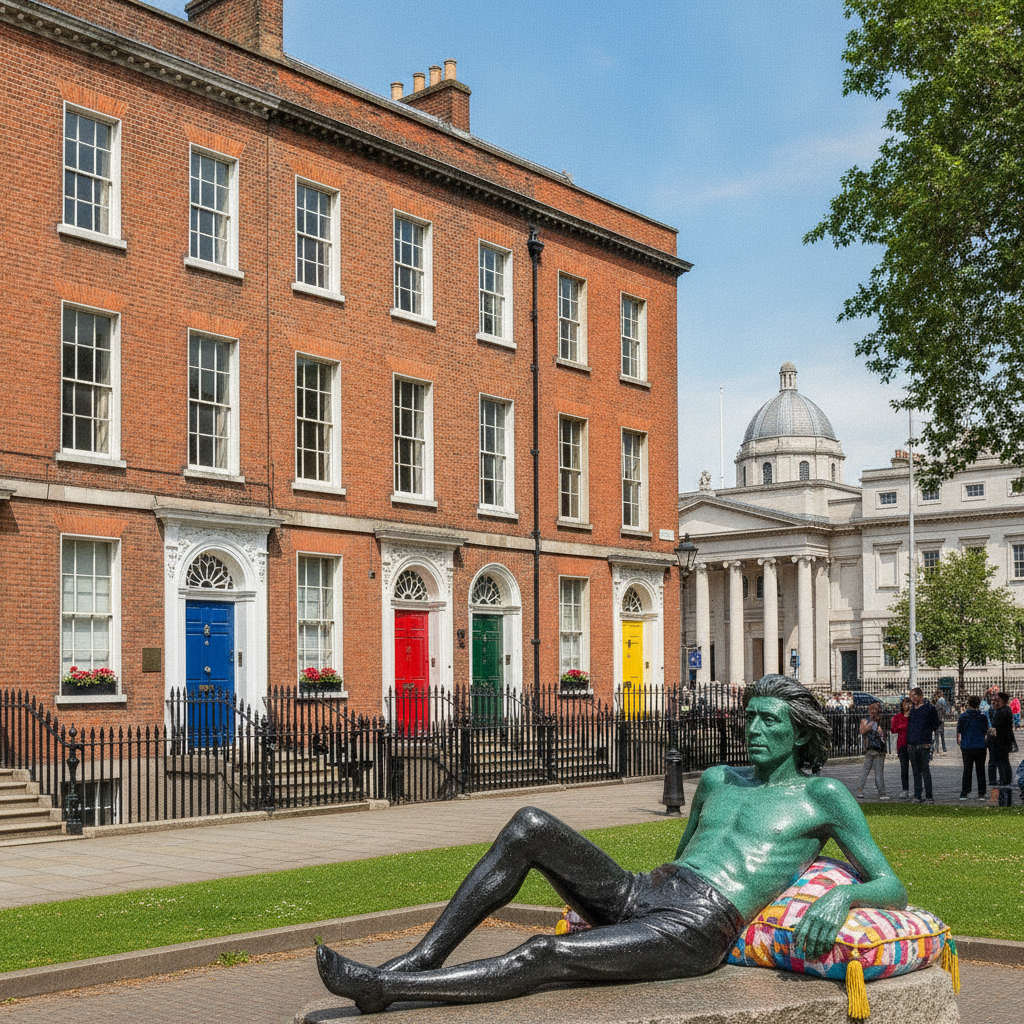
Georgian Dublin — Merrion Square & the Georgian Architecture
Georgian Dublin (the architectural legacy of the 18th century, when Dublin was the second city of the British Empire and one of the wealthiest and most elegant cities in Europe): the Georgian squares of Dublin (Merrion Square, Fitzwilliam Square, St. Stephen's Green, Parnell Square) represent the finest and most coherent Georgian townscape in the world — the characteristic Dublin Georgian terrace (red-brick, doorways with fanlight windows and elaborate plasterwork porticos, cast-iron railings, window boxes, and the distinctive Dublin door (the brightly coloured front doors — each house's door painted a different colour — that have become the defining visual symbol of Dublin)) is a UNESCO-potential landscape.
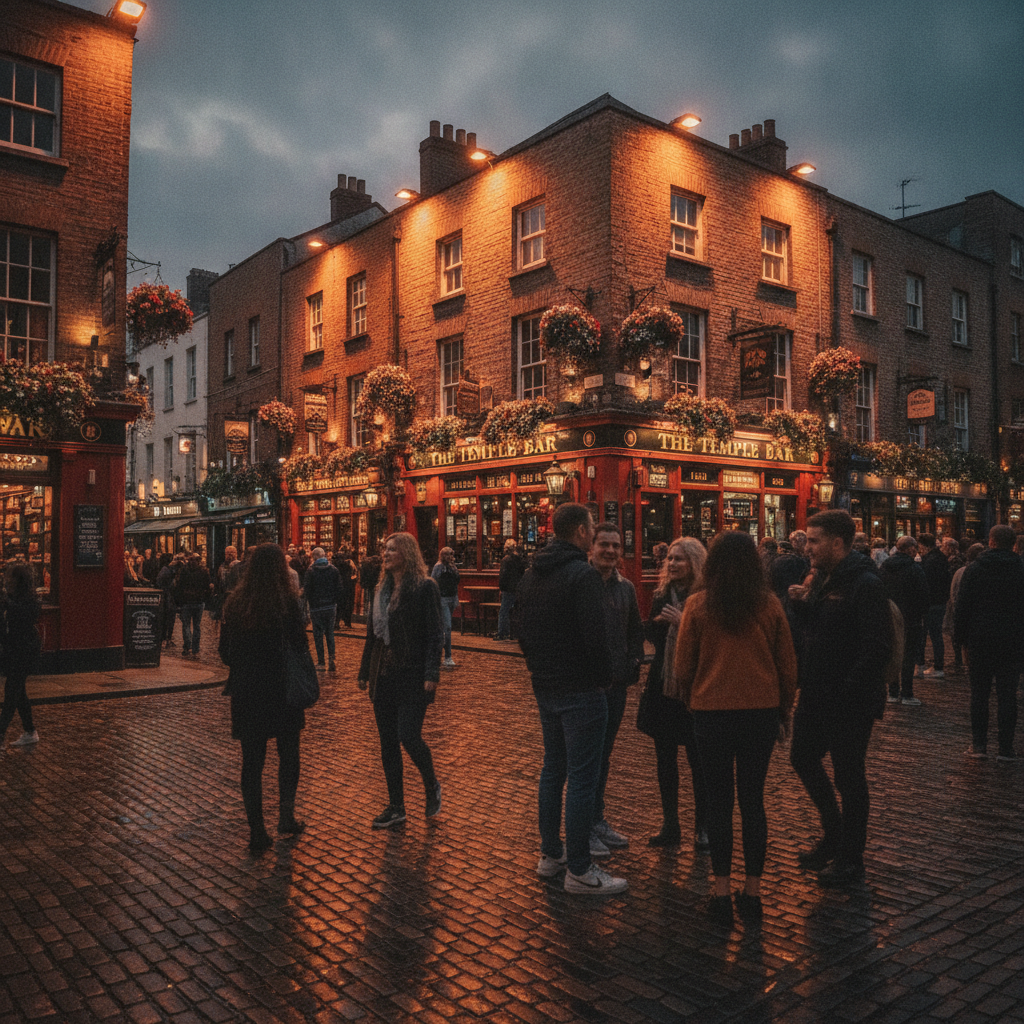
Temple Bar, Trinity College & the Book of Kells — Dublin's Historic Core
Dublin (Baile Átha Cliath — 'Town of the Hurdled Ford' in Irish — the capital and largest city of Ireland, population 1.4 million in the greater Dublin area, situated at the mouth of the River Liffey on the east coast of Ireland): the historic core of Dublin clusters around the south bank of the Liffey — Temple Bar (the cultural and entertainment quarter), Trinity College (Ireland's oldest and most prestigious university, home to the Book of Kells), and Grafton Street (the primary pedestrian shopping street) form the essentials of Dublin's identity.
National Museum of Ireland — Bog Bodies, Celtic Gold & Irish Archaeology
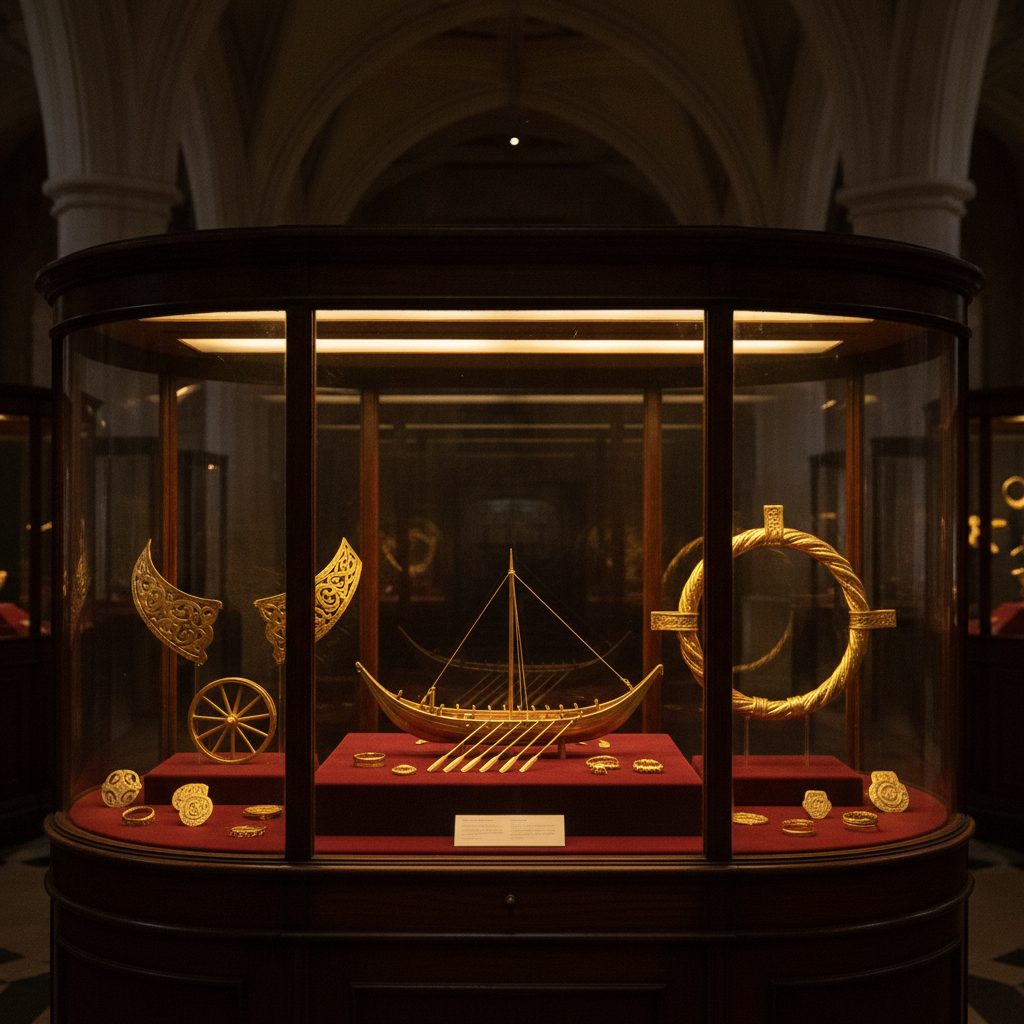
The National Museum of Ireland (Archaeology) (Kildare Street — the national archaeology museum, in the Victorian Neoclassical building (1890) designed by Thomas Newenham Deane — the most important collection of Irish archaeological material in the world): the museum's greatest treasures are the bog bodies (the Iron Age human remains preserved in Irish peat bogs — Clonycavan Man, Old Croghan Man, and Cashel Man, the three most important preserved Iron Age human remains in the world, preserved for 2,000 years in the anaerobic, acidic conditions of the Irish boglands), the Celtic gold (the Treasury gallery — the largest collection of prehistoric gold in Western Europe, including the Broighter Gold hoard (100 BCE), the Gleninsheen Collar (800 BCE, the finest Late Bronze Age gold gorget in the world), and the Ardagh Chalice).
Easter Rising 1916, the GPO & Irish Independence
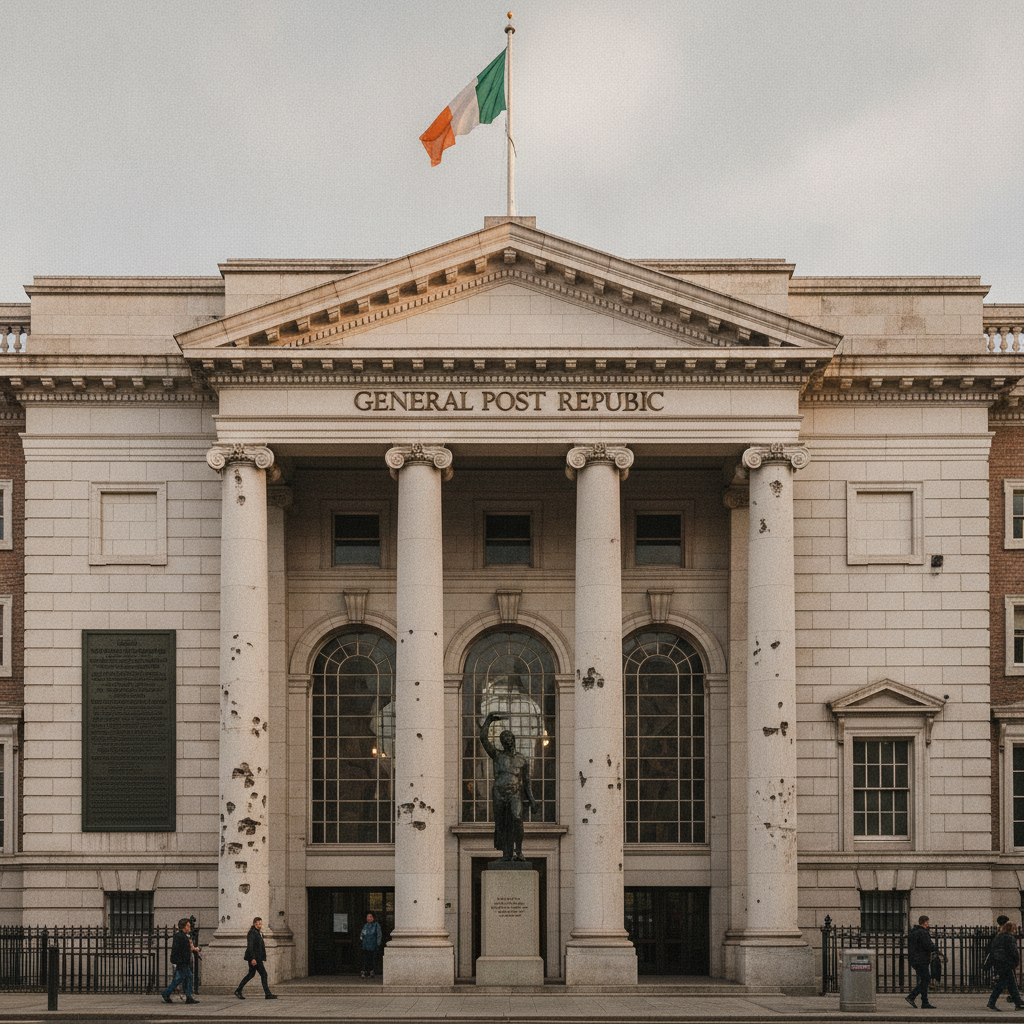
The Easter Rising (An Éirí Amach na Cásca — the armed insurrection against British rule that began on Easter Monday, April 24, 1916, in Dublin): the Easter Rising (led by Patrick Pearse (1879-1916) and James Connolly (1868-1916) at the head of approximately 1,200 Irish Volunteers and Irish Citizen Army) was the pivotal event of modern Irish history — the Proclamation of the Irish Republic (read by Pearse on the steps of the General Post Office (GPO) on O'Connell Street) on April 24, 1916, is the founding document of the Irish state; the Rising was suppressed within a week and its leaders executed, but the executions transformed public opinion and led directly to the Irish War of Independence (1919-1921) and the establishment of the Irish Free State (1922).
Wicklow Mountains & Glendalough — Medieval Monastic City
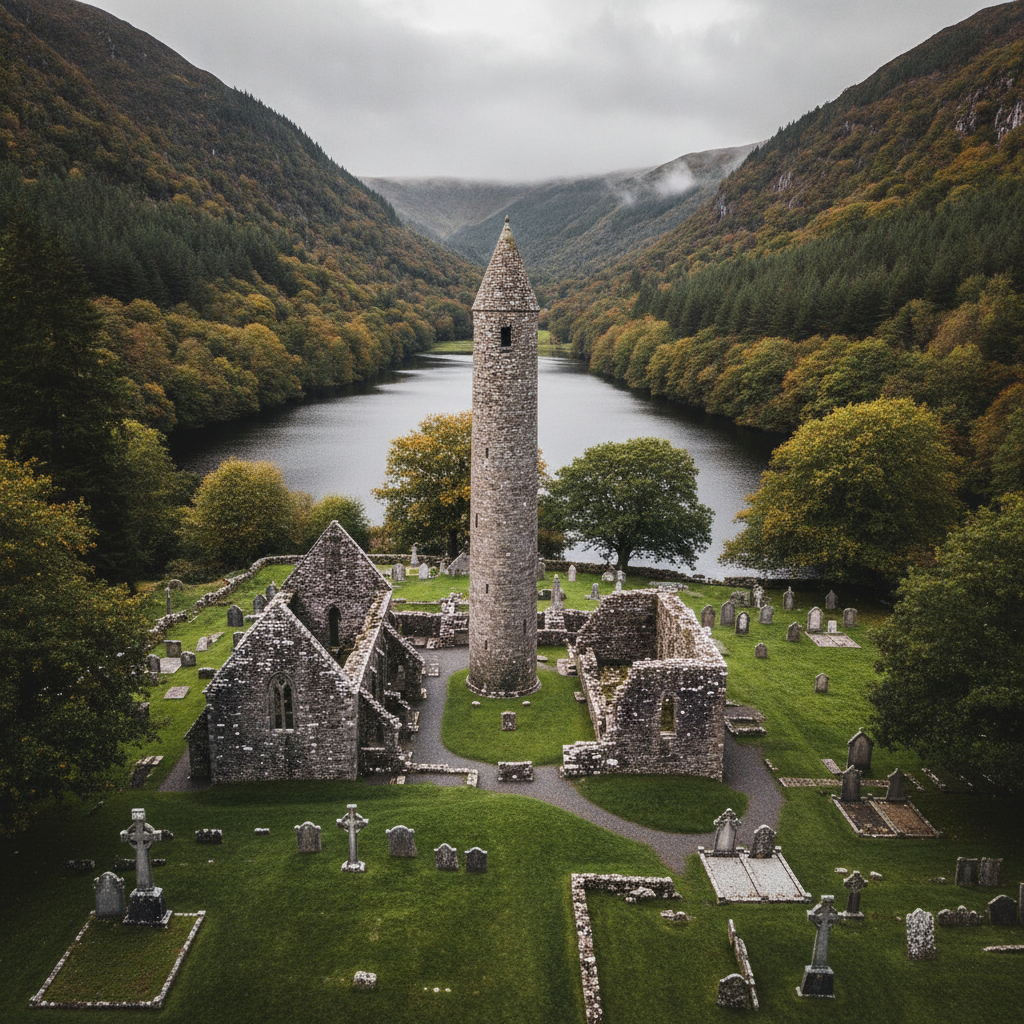
Wicklow Mountains (the mountain range immediately south of Dublin, accessible in 1-1.5 hours by bus from Dublin city centre — the 'Garden of Ireland,' the most beautiful natural landscape accessible from the Irish capital): the defining attraction of the Wicklow Mountains is Glendalough (Gleann Dá Loch — 'Valley of the Two Lakes' in Irish), the early medieval monastic settlement founded by St. Kevin (Coemgen, c.498-618 CE) in a glacially carved valley between two lakes (Upper Lake and Lower Lake), one of the most important early Christian sites in Ireland and one of the most atmospheric ruined monastic complexes in Europe.
Guinness Storehouse, Irish Whiskey & Dublin's Food Scene
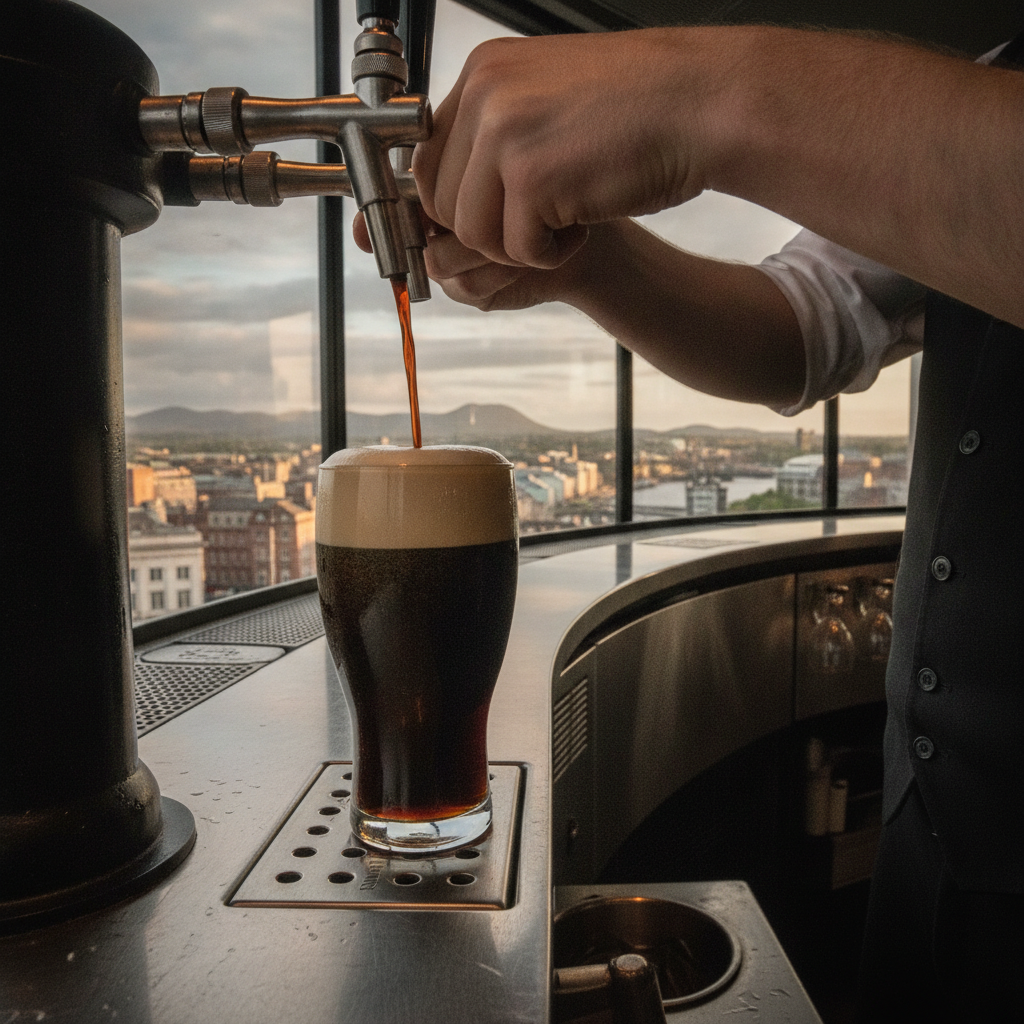
Dublin's food and drink culture is inseparable from two iconic Irish products: Guinness (the Irish dry stout, first brewed by Arthur Guinness at St. James's Gate in 1759, now produced at the largest stout brewery in the world on the same site and consumed in 150 countries) and Irish whiskey (the world's fastest-growing premium spirits category, with distilleries including Jameson (Bow St., Dublin), Teeling (Newmarket, Dublin), and over 30 craft distilleries opened since 2010).
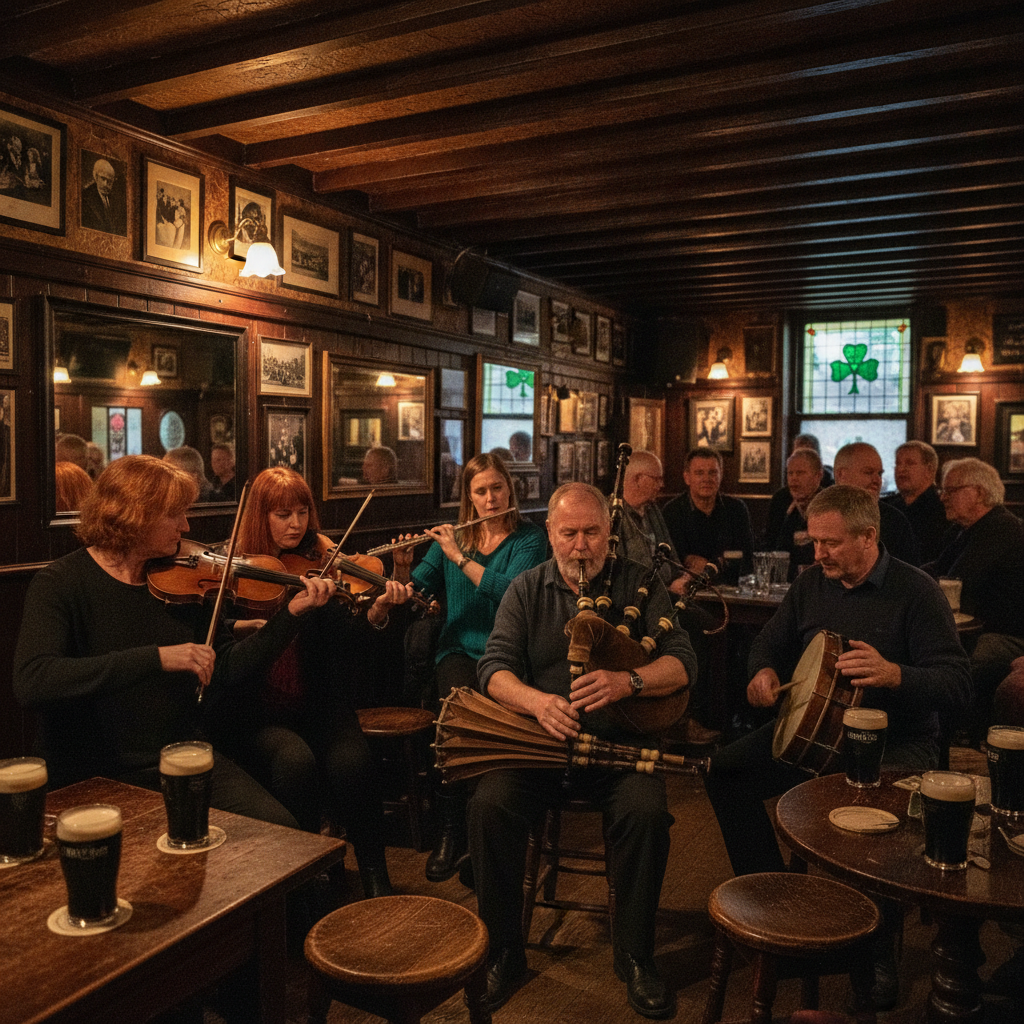
Traditional Irish Music — Trad Sessions, Uilleann Pipes & Sean-Nós
Traditional Irish music (the genre of instrumental and vocal folk music indigenous to Ireland — jigs, reels, hornpipes, slow airs, and polkas performed on fiddle, uilleann pipes (the Irish bellows-blown bagpipe), tin whistle, flute, accordion, concertina, and bodhrán (the Irish frame drum)) is the living musical tradition that defines Irish cultural identity globally: the traditional music session (the informal gathering of musicians in a pub to play tunes together, open to all who can keep up) is the most democratic musical tradition in the world, and the Dublin trad scene is the most concentrated and accessible in Ireland.