Sao Paulo
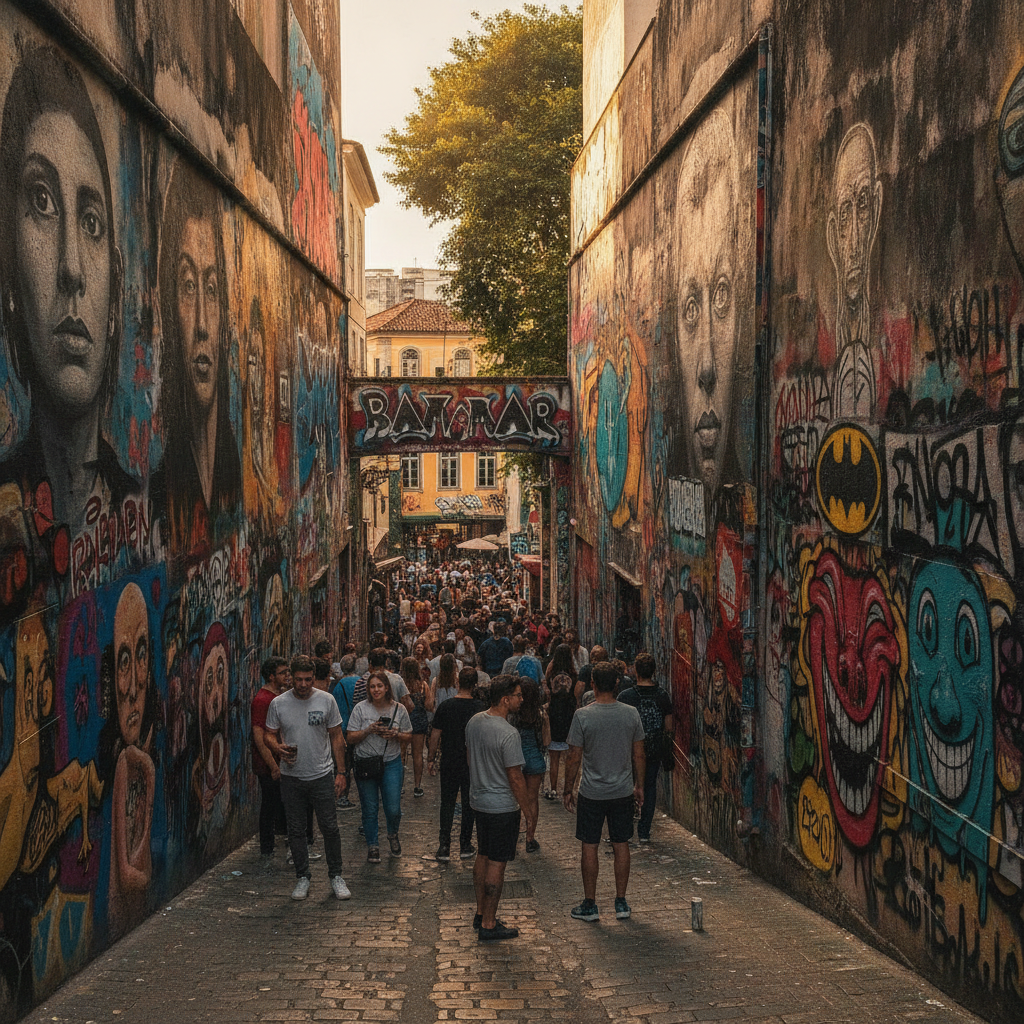
Pinheiros, Vila Madalena & São Paulo's Legendary Nightlife
São Paulo's nightlife (the nightlife of the city that never sleeps — the city that is the undisputed entertainment capital of Brazil and one of the most vibrant nightlife destinations in the world): the Pinheiros and Vila Madalena neighbourhoods (the two adjacent bohemian neighbourhoods west of Avenida Paulista that are the centre of São Paulo's cultural and nightlife scene) host the greatest concentration of bars, nightclubs, live music venues, and independent restaurants in the city.
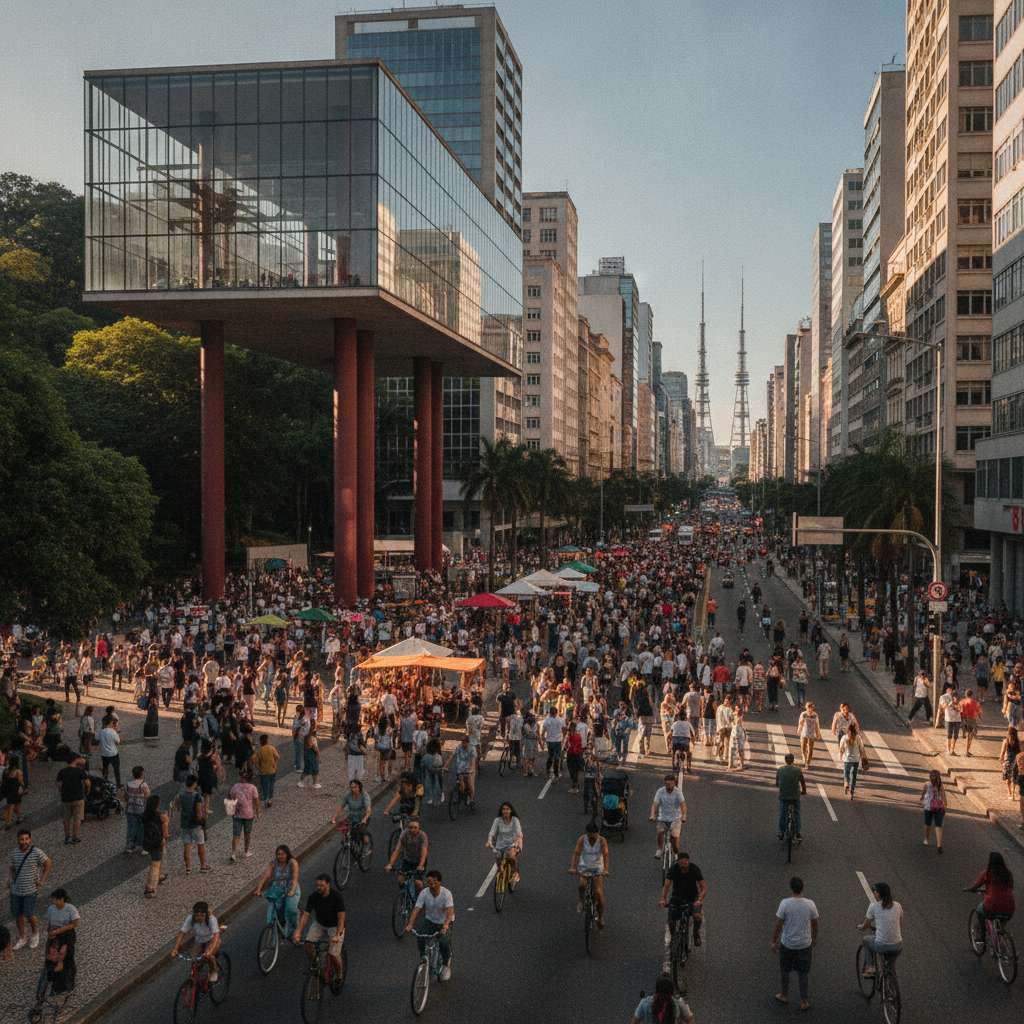
Avenida Paulista, MASP & São Paulo's Cultural Heart
São Paulo (the largest city in Brazil and in the Southern Hemisphere — population approximately 12.3 million in the city and 22 million in the Greater São Paulo metropolitan area, the largest metropolitan area in the Southern Hemisphere and the 4th largest in the world): Avenida Paulista (the 2.8-kilometre boulevard that runs through the heart of São Paulo — the most important street in Brazil, the street that concentrates the headquarters of the largest Brazilian banks and corporations, the largest art museum in Latin America (the MASP), and the most vibrant street life in the city) is the axis around which São Paulo's cultural, financial, and social life revolves.
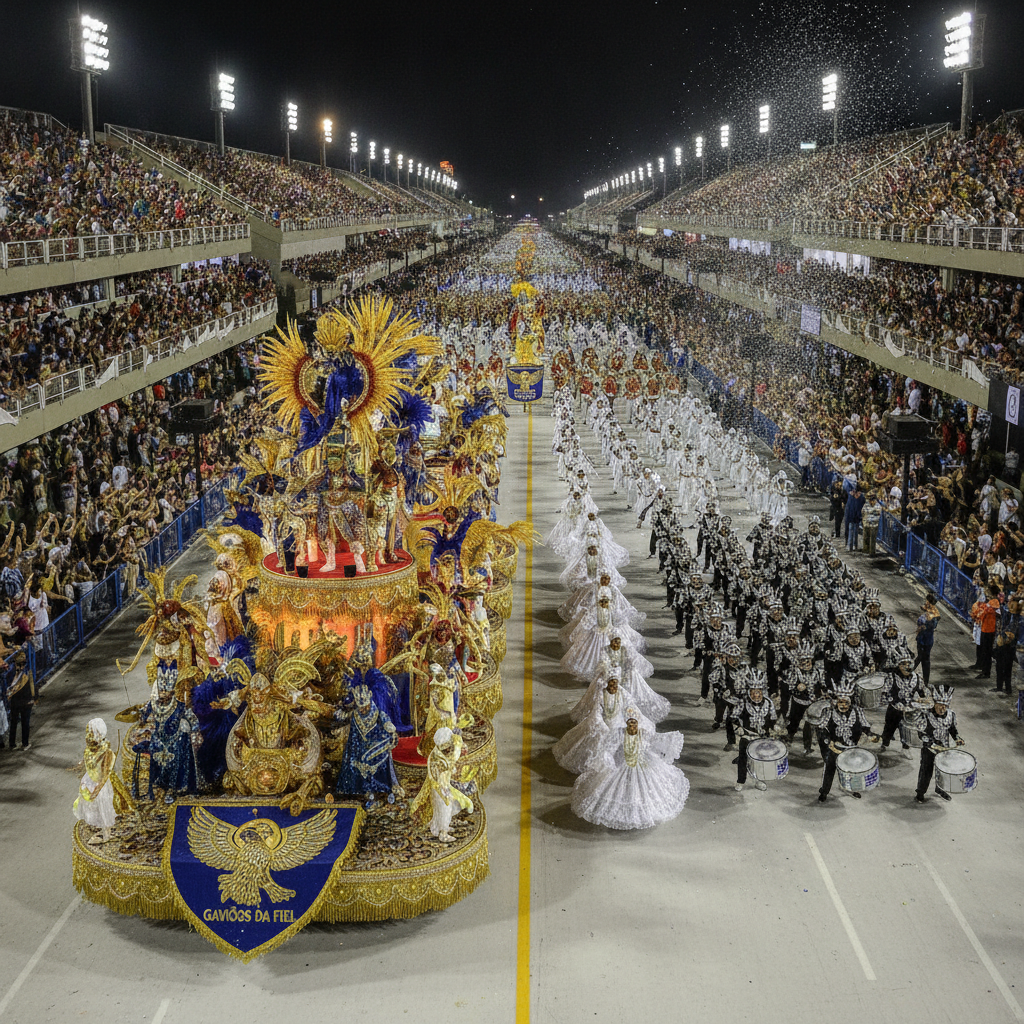
Samba, Carnaval & São Paulo's African-Brazilian Cultural Heritage
São Paulo's Carnaval (the São Paulo Carnival — the second largest Carnival in Brazil after Rio de Janeiro, held in the Sambódromo do Anhembi in the Santana neighbourhood every February — a spectacle of Brazilian popular culture, music, and dance that is as much a product of São Paulo's African-Brazilian community as of the Carioca culture of Rio) and the samba tradition (the music and dance form that originated in the African-Brazilian community of Rio de Janeiro and Salvador da Bahia and became the national music of Brazil) are at the core of São Paulo's cultural identity.
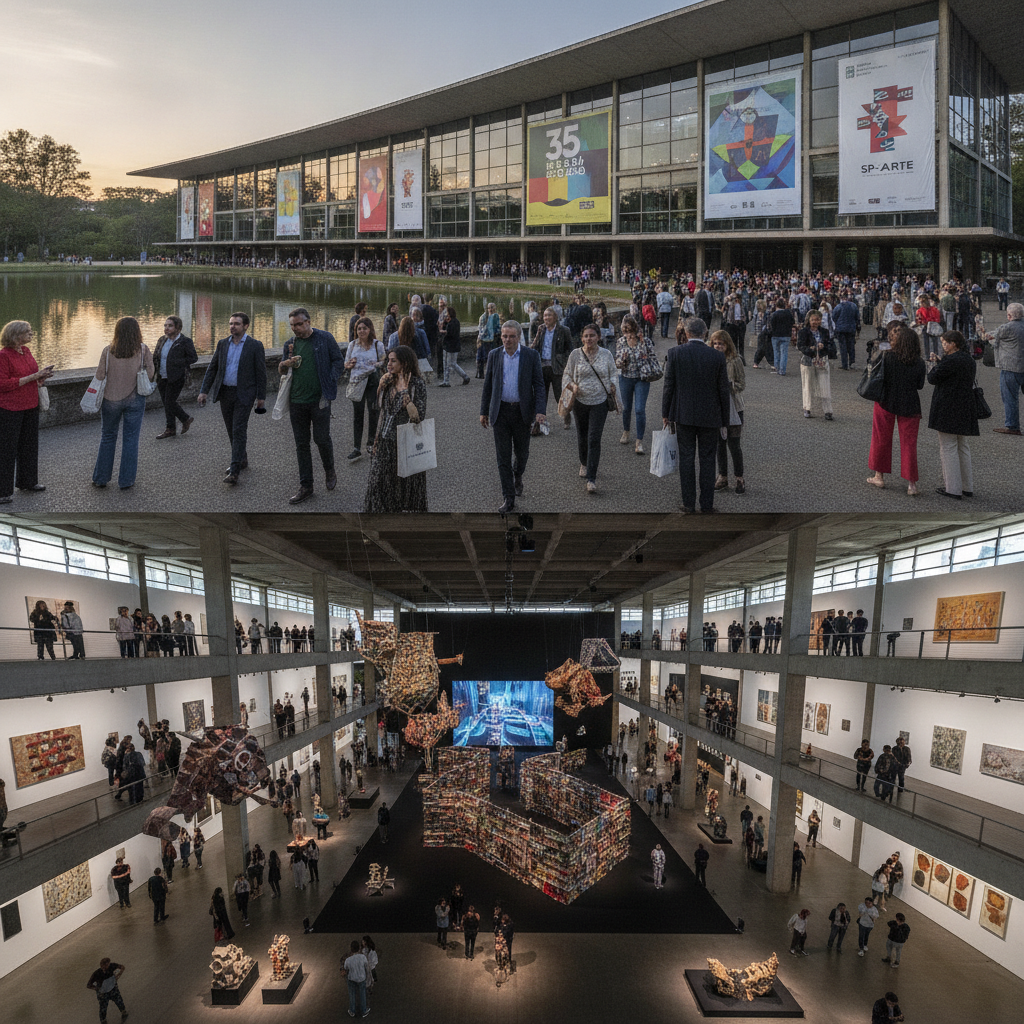
SP-Arte, Museums & São Paulo's World-Class Cultural Scene
São Paulo's cultural scene (the arts and culture infrastructure of the city that is the most important art market in Latin America — the city that hosts the SP-Arte (the São Paulo International Art Fair — the most important contemporary art fair in Latin America, held annually in April at the Pavilhão da Bienal in Ibirapuera Park), the São Paulo Biennial (the 'Bienal de São Paulo' — the second oldest art biennial in the world (after the Venice Biennale), the biennial that has showcased international contemporary art in São Paulo since 1951)) represents the most important art ecosystem in the Southern Hemisphere.
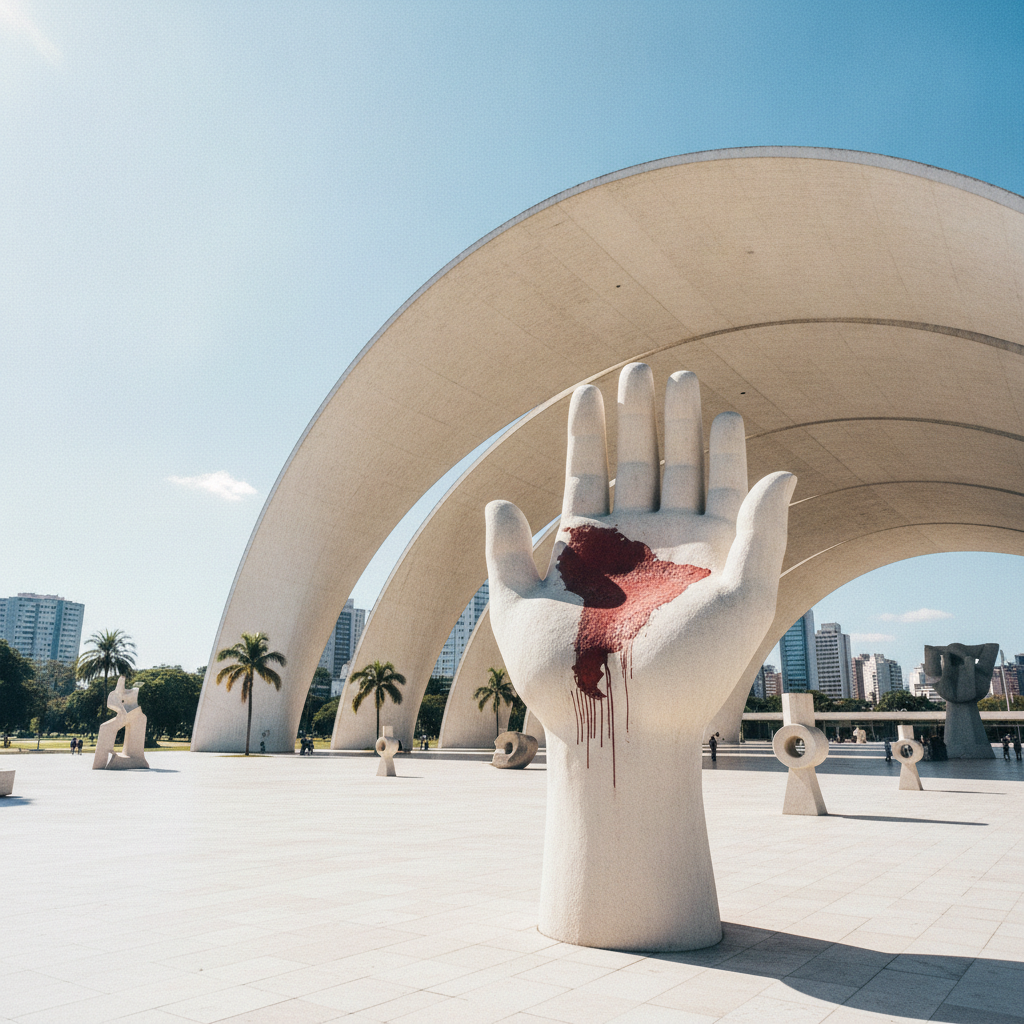
São Paulo's Architecture — Modernism, Niemeyer & the Concrete Jungle
São Paulo's architecture (the built environment of the city that is the largest and most architecturally complex urban area in the Southern Hemisphere — the city of Oscar Niemeyer (1907-2012) (the most celebrated architect in the history of Latin America, the architect of Brasília, the co-designer of the United Nations Headquarters, and the designer of dozens of the finest public buildings in São Paulo), Lina Bo Bardi (1914-1992) (the Italian-Brazilian architect who designed the MASP and the SESC Pompeia — the two buildings that are the most important works of architecture in São Paulo), and the anonymous concrete jungle of the paulistano urban fabric): São Paulo is the modernist architecture capital of Latin America.
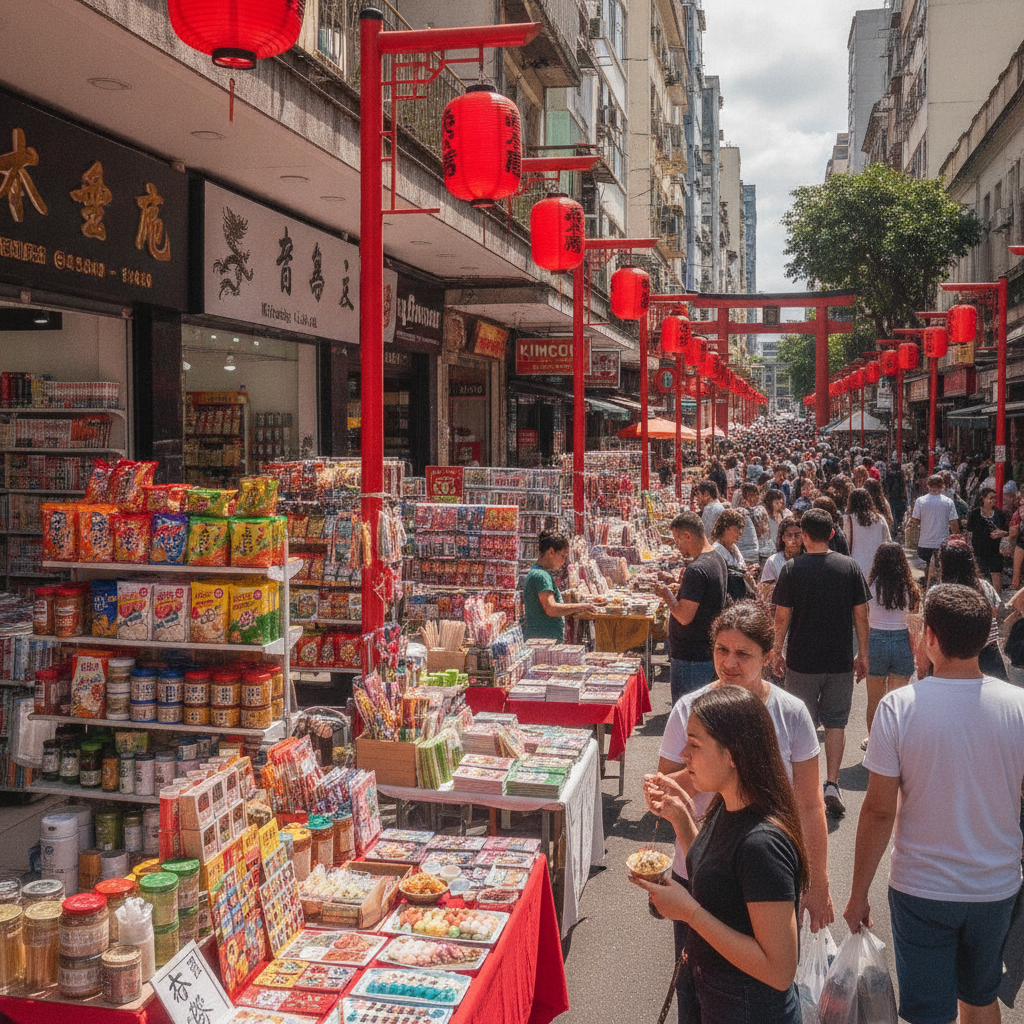
Liberdade, the Japanese Community & São Paulo's Asian Soul
São Paulo's Liberdade neighbourhood (the neighbourhood immediately south of the Centro Histórico — the heart of the Japanese-Brazilian community, the largest Japanese diaspora community outside of Japan) is the most important Japanese cultural district in the world outside of Japan, and a window into the remarkable story of Japanese immigration to Brazil and the integration of Japanese culture into Brazilian identity.
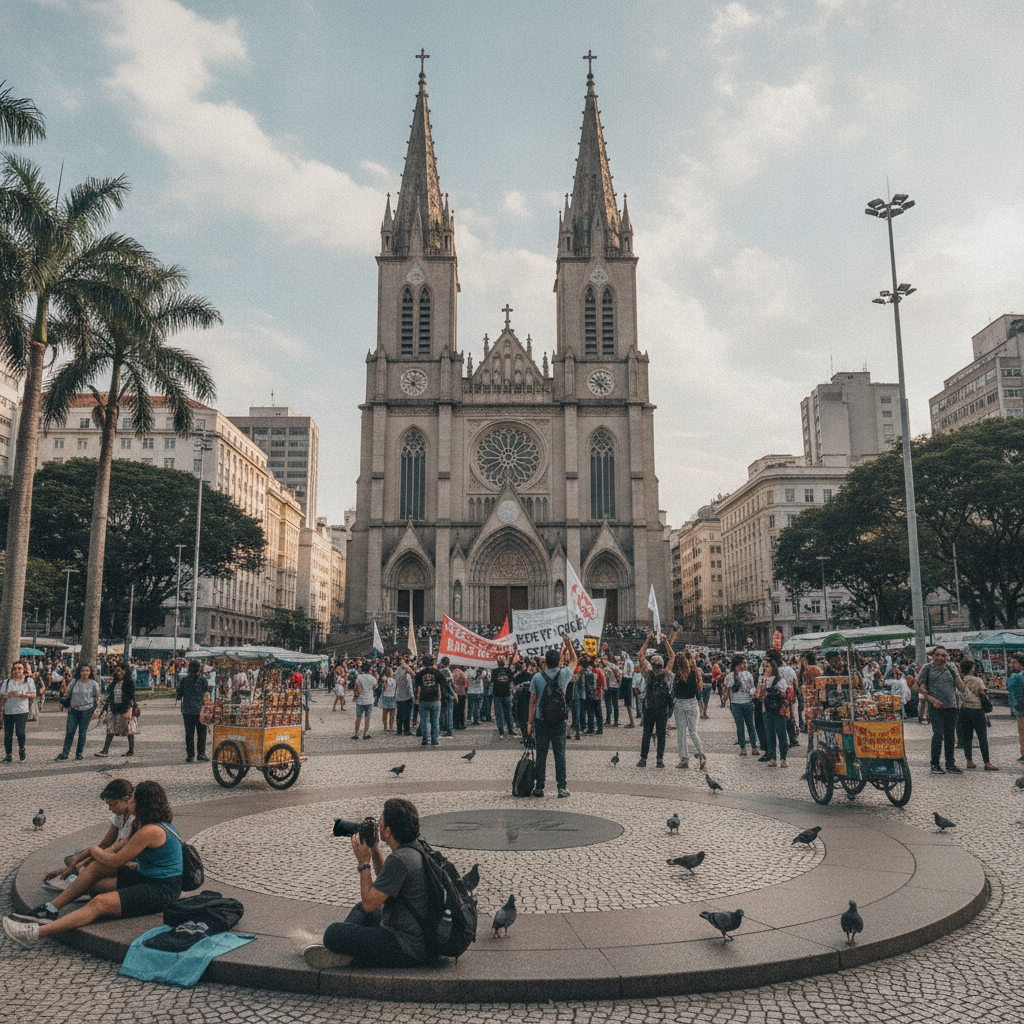
Centro Histórico, Praça da Sé & the Founding of São Paulo
São Paulo's Centro Histórico (the historic centre of São Paulo — the neighbourhood of the founding of the city in 1554 by the Jesuit priests José de Anchieta and Manuel da Nóbrega on the high ground of the Piratininga Plateau above the confluence of the Tamanduateí and Anhangabaú Rivers) and the Praça da Sé (the Cathedral Square — the geographic and symbolic heart of the largest city in the Southern Hemisphere) are the origin point of the entire urban civilization of Brazil's industrial heartland.
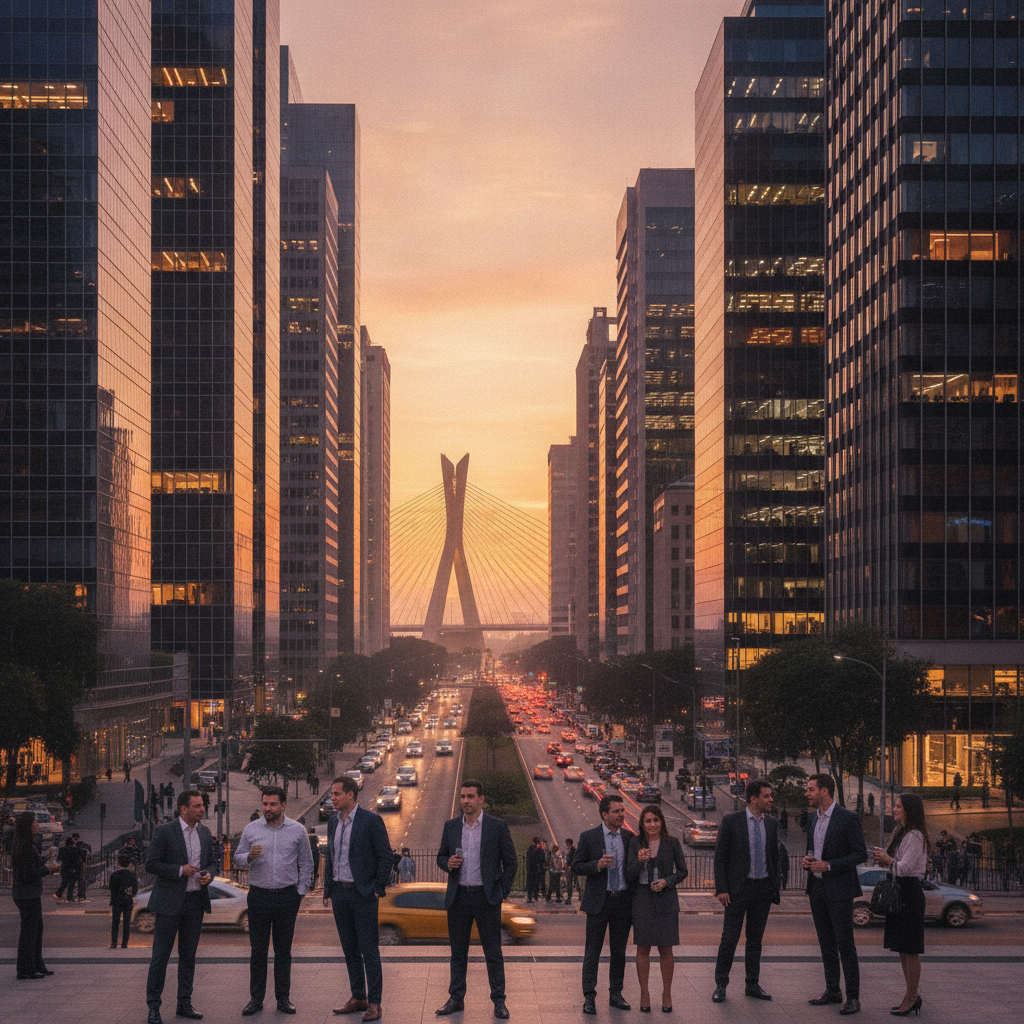
Faria Lima, Itaim Bibi & São Paulo's Business District
Faria Lima (Avenida Brigadeiro Faria Lima — the 'Brazilian Wall Street') and Itaim Bibi (the upscale business and residential neighbourhood at the core of São Paulo's new financial district) are the engines of the Brazilian economy — the district that concentrates the headquarters of Brazil's largest banks, investment funds, and technology companies, and the district that, in the post-2016 period, has emerged as the primary hub of Brazil's startup ecosystem and venture capital industry.
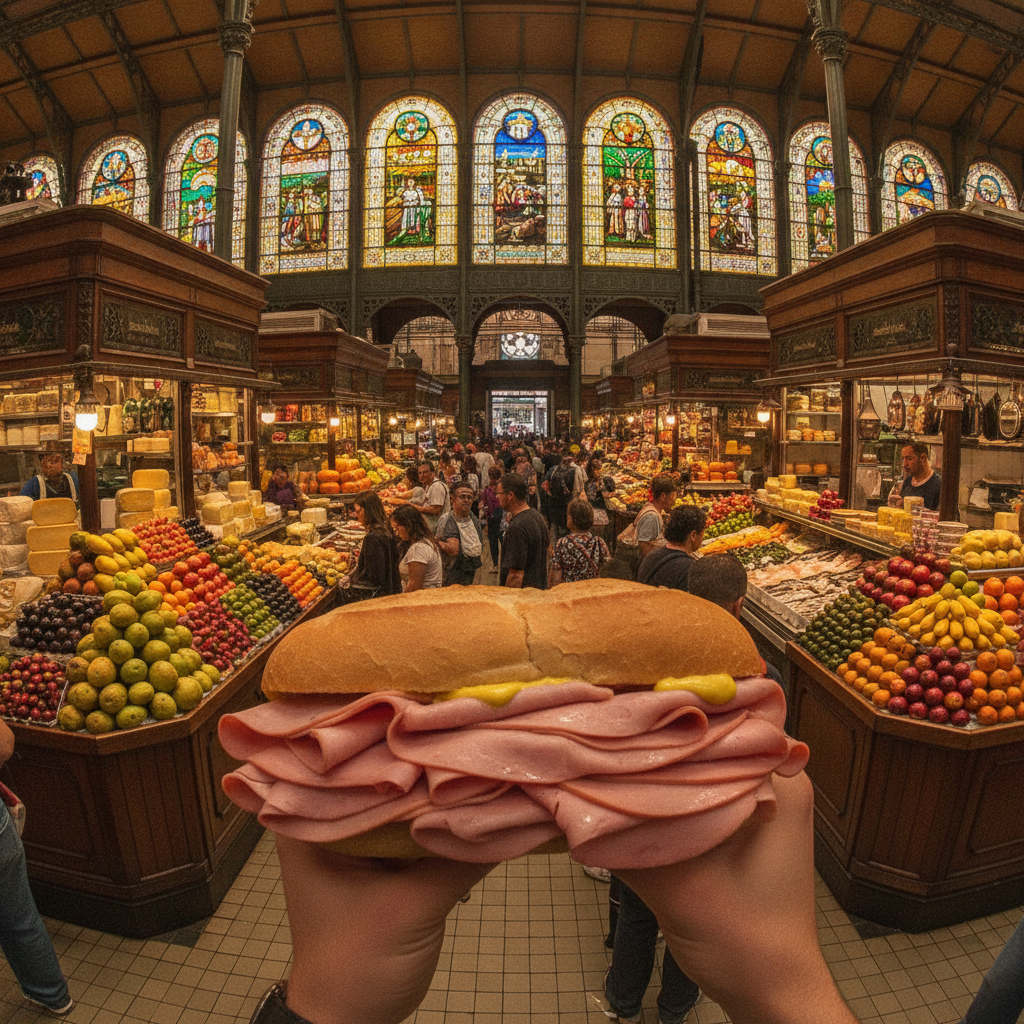
Mercadão, Street Food & São Paulo's Gastronomic Universe
São Paulo's food culture (the gastronomic culture of the city that is the undisputed culinary capital of Latin America — the city with over 50,000 restaurants, the most diverse food scene in the Americas (the food scene that encompasses Japanese, Italian, Portuguese, Lebanese, Korean, Peruvian, and every regional Brazilian cuisine in unparalleled concentration), and the greatest food market in South America (the Mercado Municipal, or 'Mercadão')): São Paulo is the only city in the world where you can eat at a Japanese izakaya, a Bahian acarajé street stall, an Italian cantina, and a Lebanese esfirra bakery all within a 10-minute walk.