Seoul
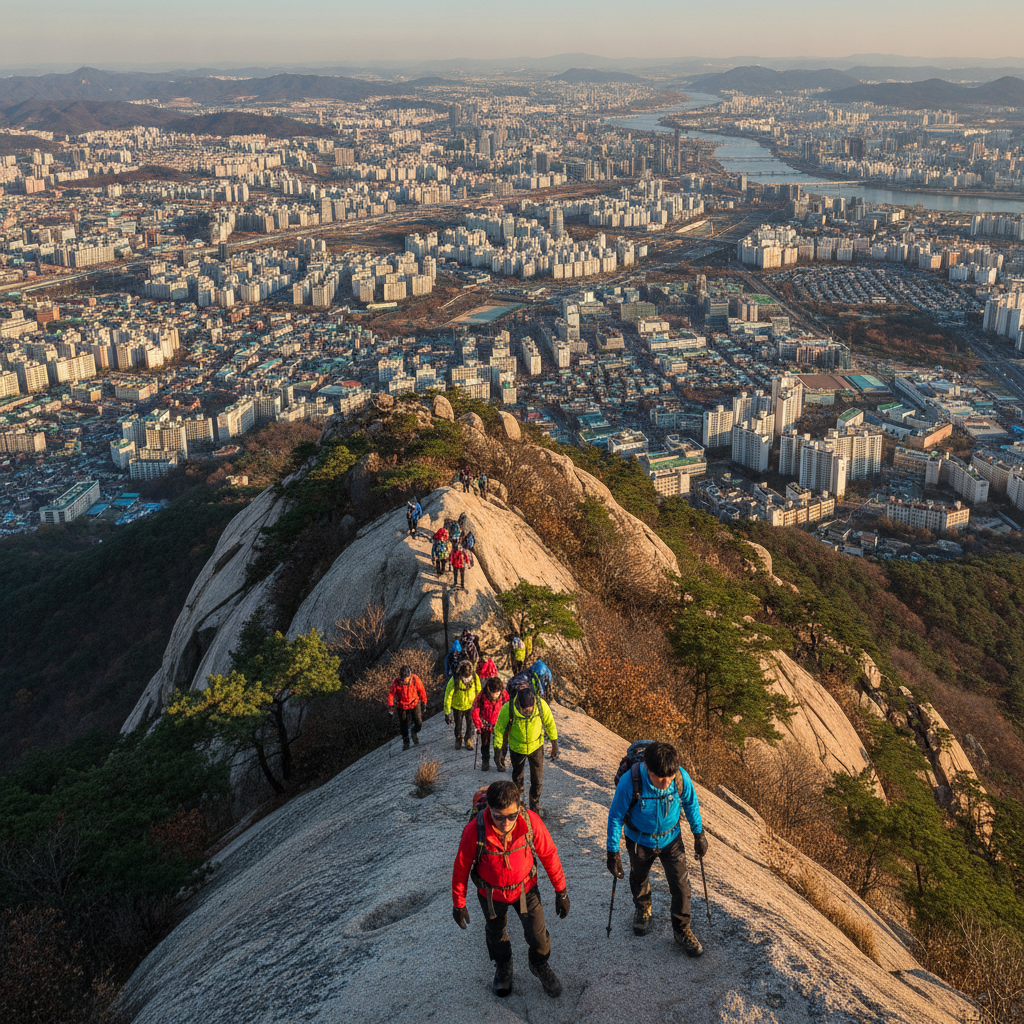
Bukhansan National Park — Granite Peaks & the Seoul City Fortress Walls
Bukhansan National Park (북한산국립공원, 'north of the Han Mountain National Park' — the 80-square-kilometre national park in the northern outskirts of Seoul, encompassing the Bukhansan massif (the highest peak Baegundae 836 metres) and the Dobongsan massif (Jaunbong 740 metres) — is the most visited national park in the world per unit area, with over 5 million visitors annually accessing it directly from Seoul's subway system.
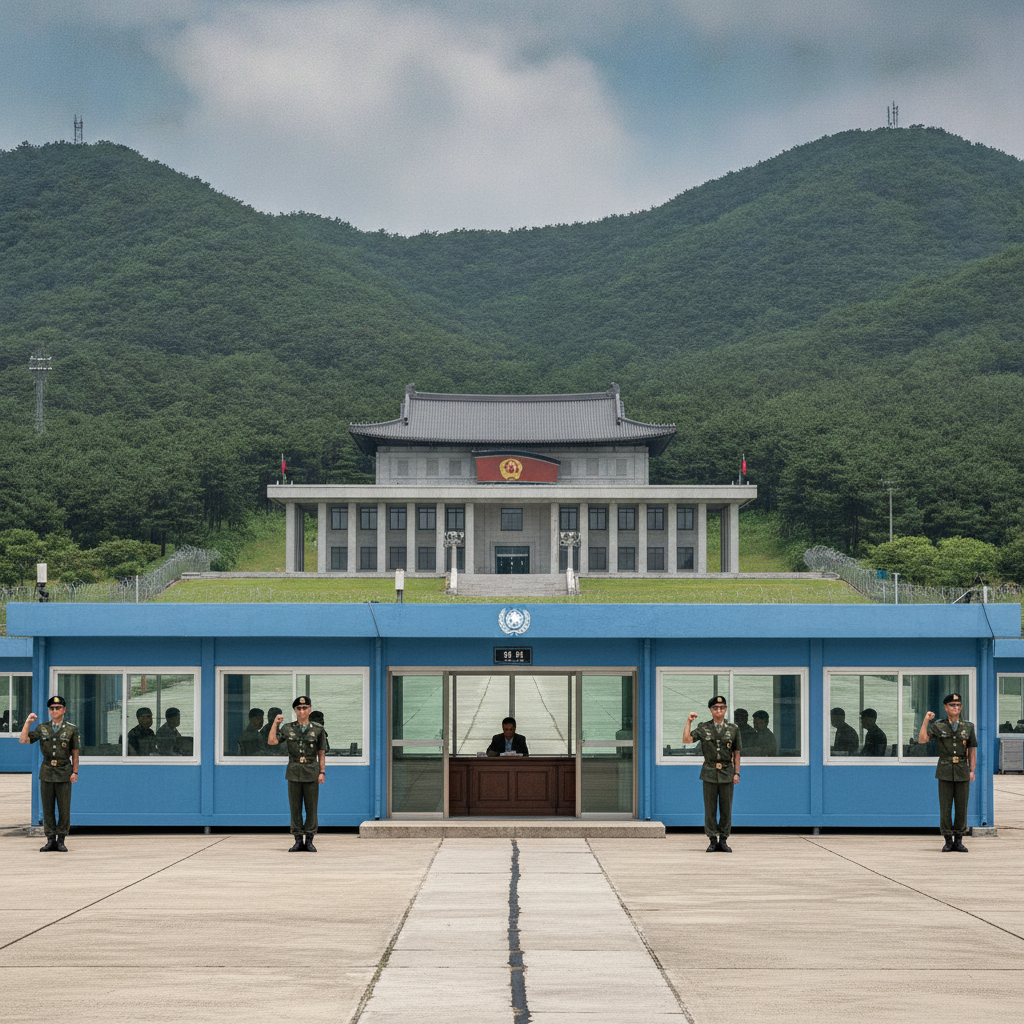
The DMZ, Panmunjom & the Joint Security Area — Korea's Divided Border
The Korean Demilitarized Zone (DMZ) — the 4-kilometre-wide, 248-kilometre-long buffer zone separating North and South Korea, established by the Korean Armistice Agreement of July 27, 1953, which ended the active fighting of the Korean War (1950-1953) without a formal peace treaty — is one of the most heavily militarised borders in the world and one of the most historically significant sites in the Asia-Pacific region, accessible on organized tours from Seoul (approximately 55 kilometres to the south).
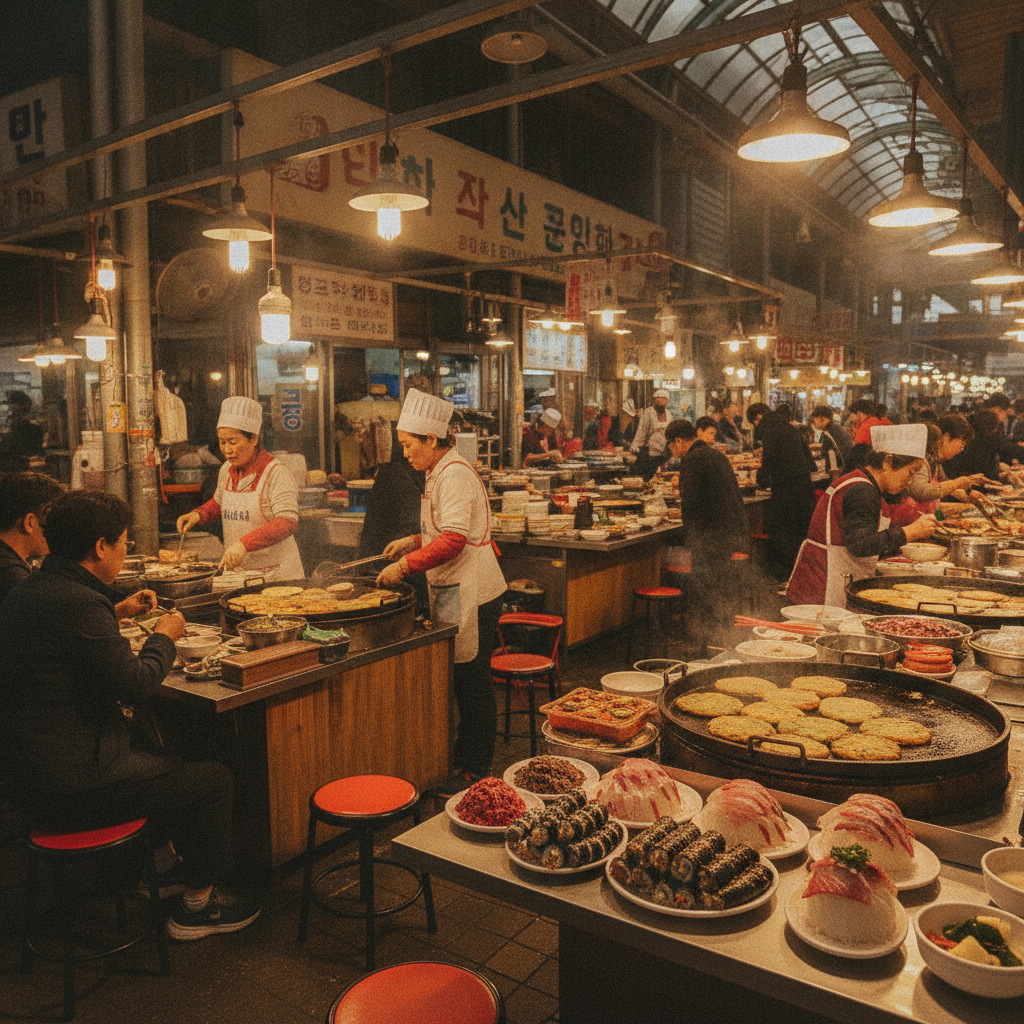
Korean Food Culture — Gwanjang Market, Bibimbap, Samgyeopsal & Banchan
Korean cuisine — one of the most distinctive, complex and beloved national cuisines in the world — is centered on the principles of balance (the five flavours of sweet, sour, salty, bitter and spicy; the five colours of red, green, yellow, white and black), fermentation (kimchi, doenjang, ganjang, gochujang), and the communal table (the banchan system of shared small dishes); Seoul is the best place in the world to explore the full range of Korean food culture, from the traditional market food halls of Gwanjang to the Michelin-starred Korean fine dining of Jongno.
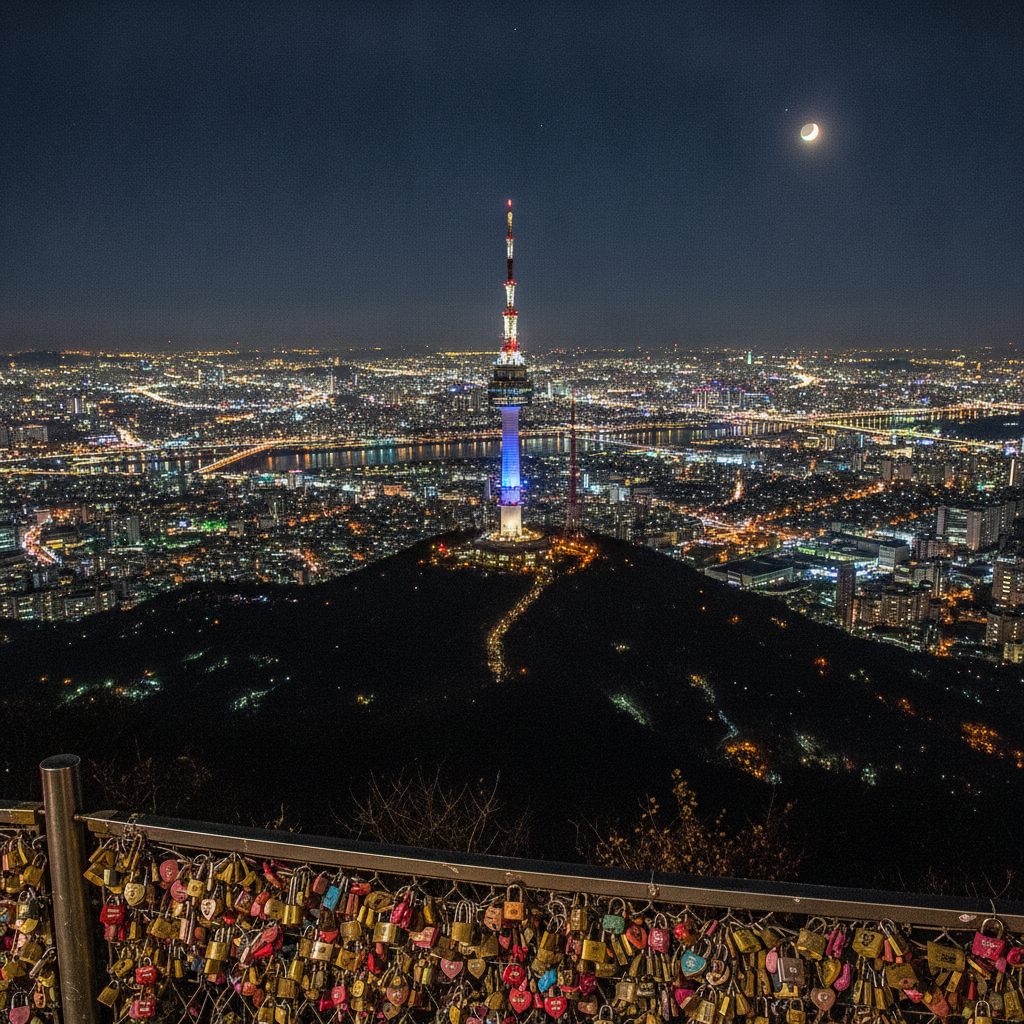
Myeongdong, Namdaemun Market, N Seoul Tower & Namsan
The triangle formed by Myeongdong (Seoul's premier shopping and K-beauty district), Namdaemun Market (the largest traditional market in Korea, operating continuously since 1414), and Namsan Mountain (with the N Seoul Tower at its summit) constitutes the most visited tourist corridor in Seoul — a seamless progression from hypermodern commercial culture to centuries-old market traditions to panoramic views over the Han River metropolis.
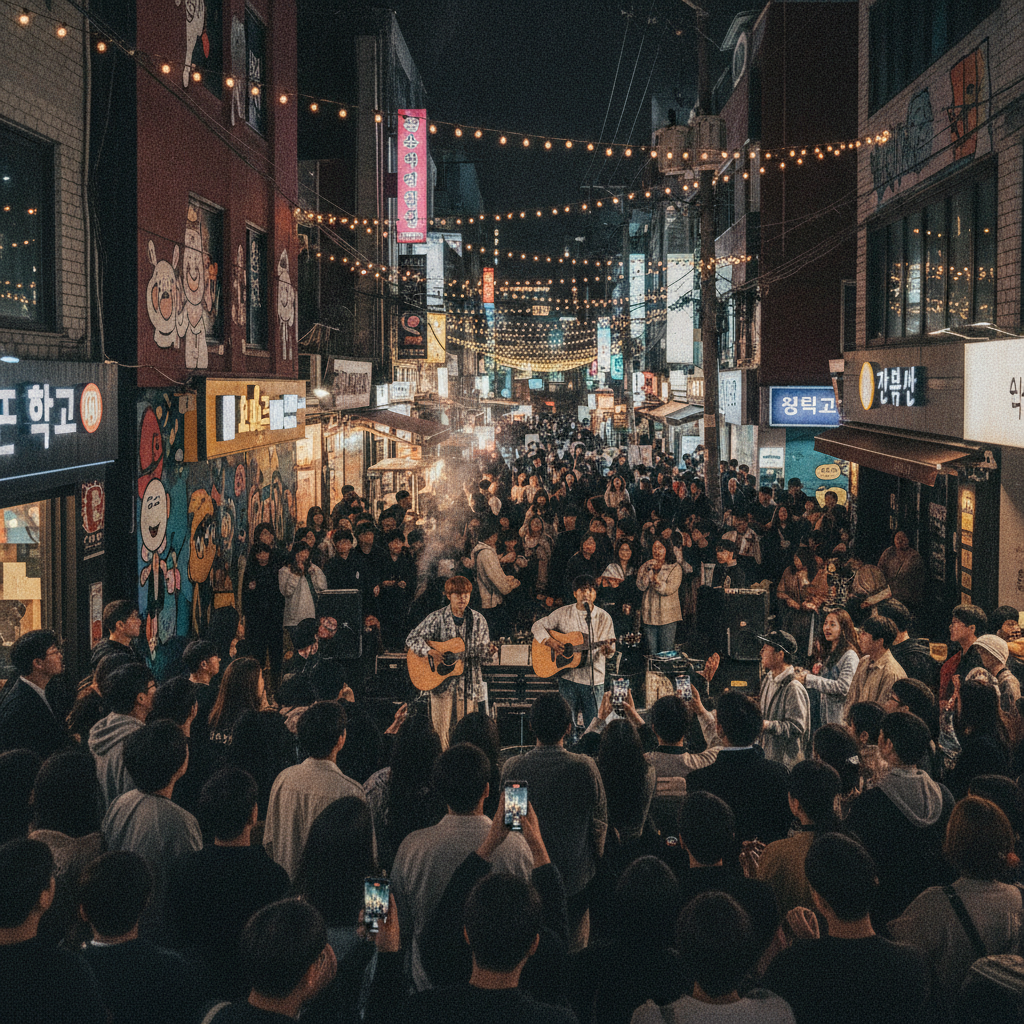
Hongdae, Sinchon & the University Districts — Street Art, Clubs & Youth Culture
Hongdae (홍대, short for Hongik University — the area surrounding Hongik University in Mapo-gu, approximately 6 kilometres west of central Seoul) is Seoul's premier youth culture and nightlife district, combining independent music venues, street performance culture, underground clubs, independent cafés, vintage fashion, and some of the most concentrated street art in Korea in a compact and highly walkable neighbourhood that never really sleeps.
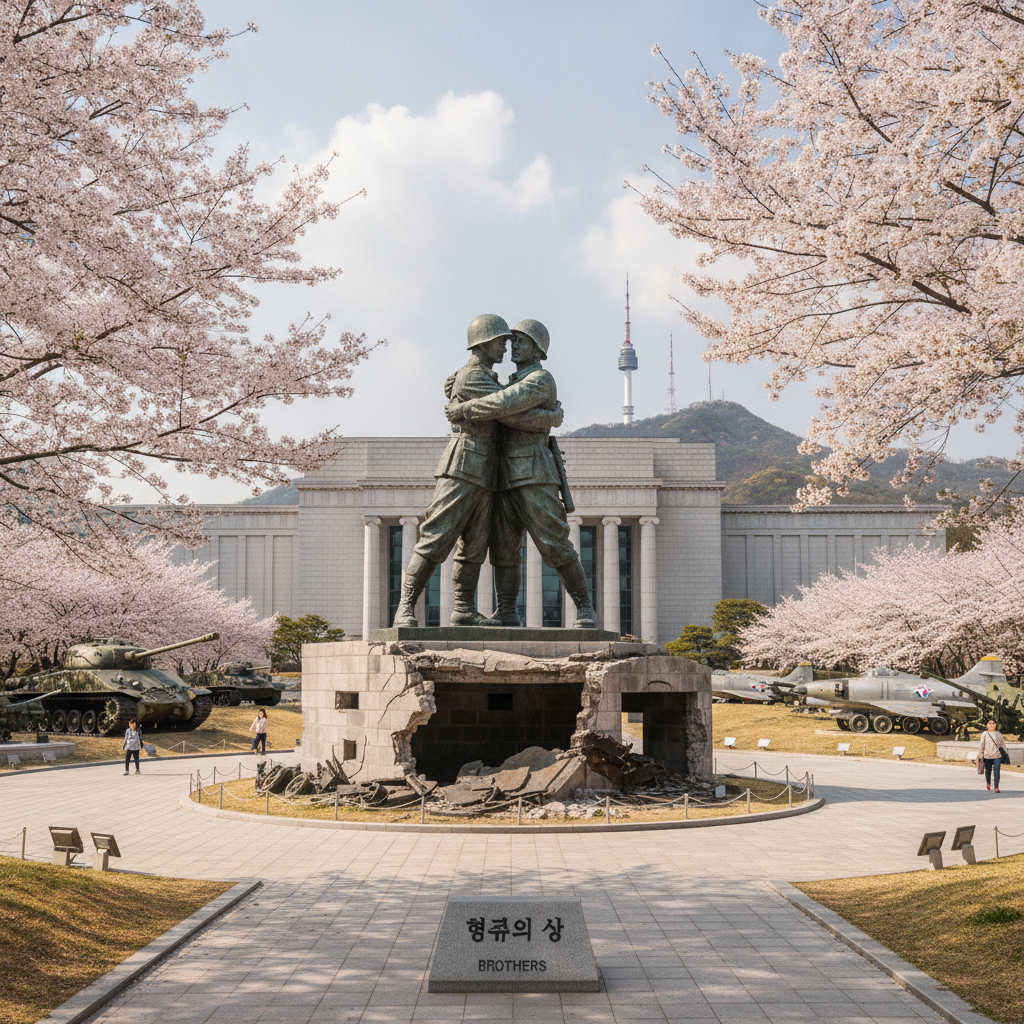
War Memorial of Korea, Yongsan & Itaewon — History & Multicultural Seoul
The Yongsan district — home to the War Memorial of Korea (the most comprehensive military history museum in Asia), the former US military headquarters in Korea (now being transformed into a public park), and the Itaewon international quarter — forms a bridge between Seoul's painful 20th-century history and its contemporary multicultural present.
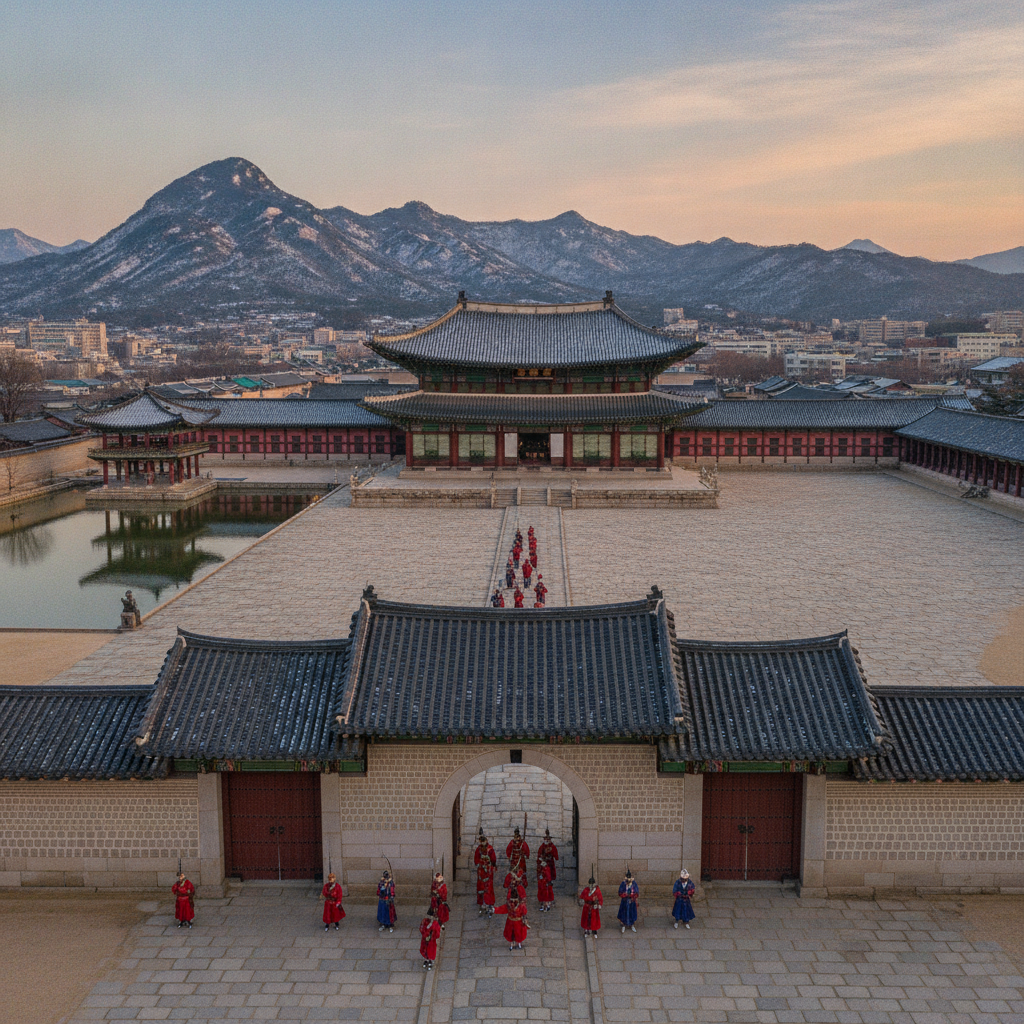
Gyeongbokgung Palace, Bukchon Hanok Village & Changdeokgung
The royal palaces and traditional neighbourhood of central Seoul preserve the living heritage of the Joseon dynasty (1392-1897) — from the magnificent Gyeongbokgung Palace with its ceremonial throne halls and pavilions, through the winding alleyways of Bukchon Hanok Village (where hundreds of traditional Korean houses survive in an urban village between two palaces), to the Changdeokgung Palace and its UNESCO-listed Secret Garden.
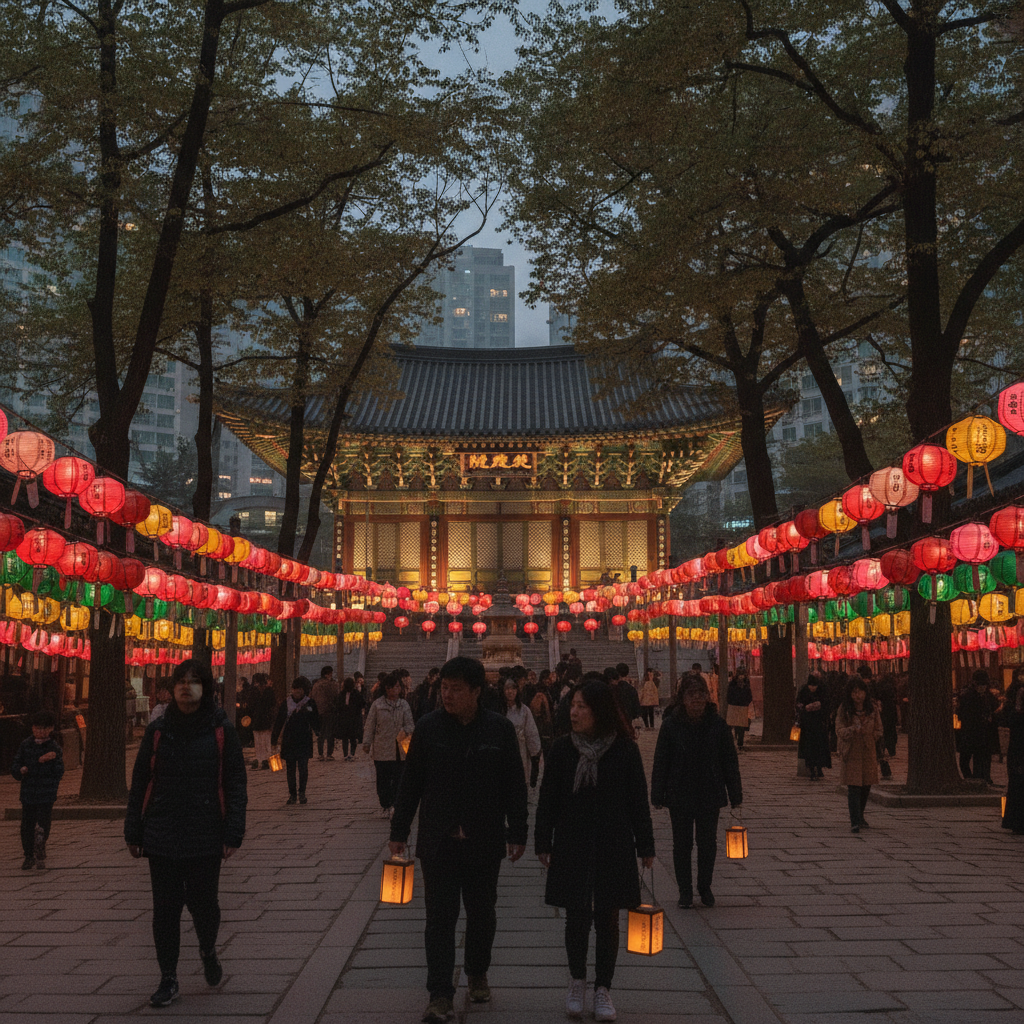
Jongno, Insadong, Tapgol Park & Jogye Temple — Old Seoul's Heart
Jongno ('Bell Street') — the east-west artery that was the main commercial street of the Joseon capital Hanyang — runs through the historic heart of Seoul, connecting Gyeongbokgung Palace to the west with the Dongdaemun Gate to the east; the streets surrounding Jongno contain the most significant concentration of Buddhist temples, traditional markets, crafts districts, and historic sites within walking distance of each other in Seoul.
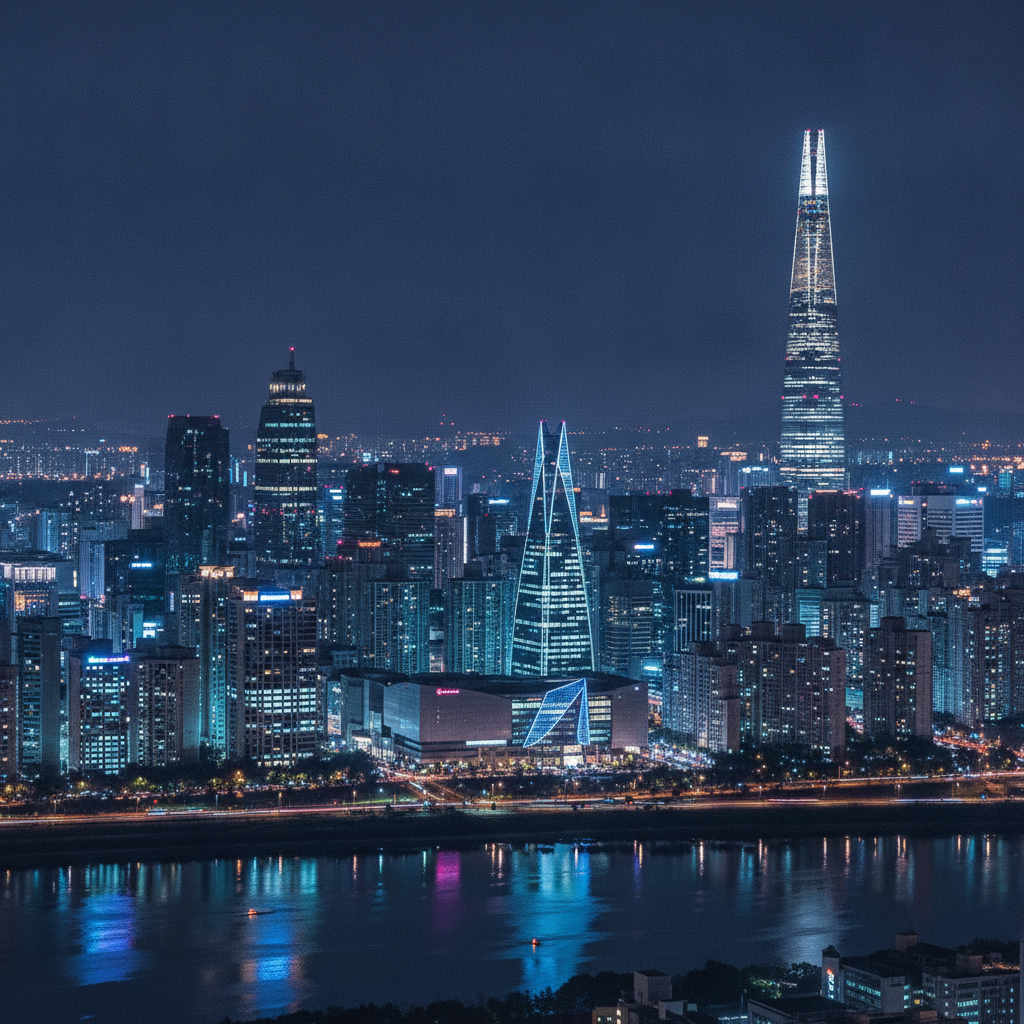
Gangnam, K-Pop, Hallyu & the New Seoul South of the Han
Gangnam ('south of the river') — the modern commercial and entertainment district developed south of the Han River from the 1970s onwards, now home to Seoul's luxury boutiques, K-pop entertainment agencies, the COEX convention centre, and the Lotte World Tower (the 5th-tallest building in the world) — represents the face of contemporary Korean economic success and the global K-culture phenomenon.