Seville
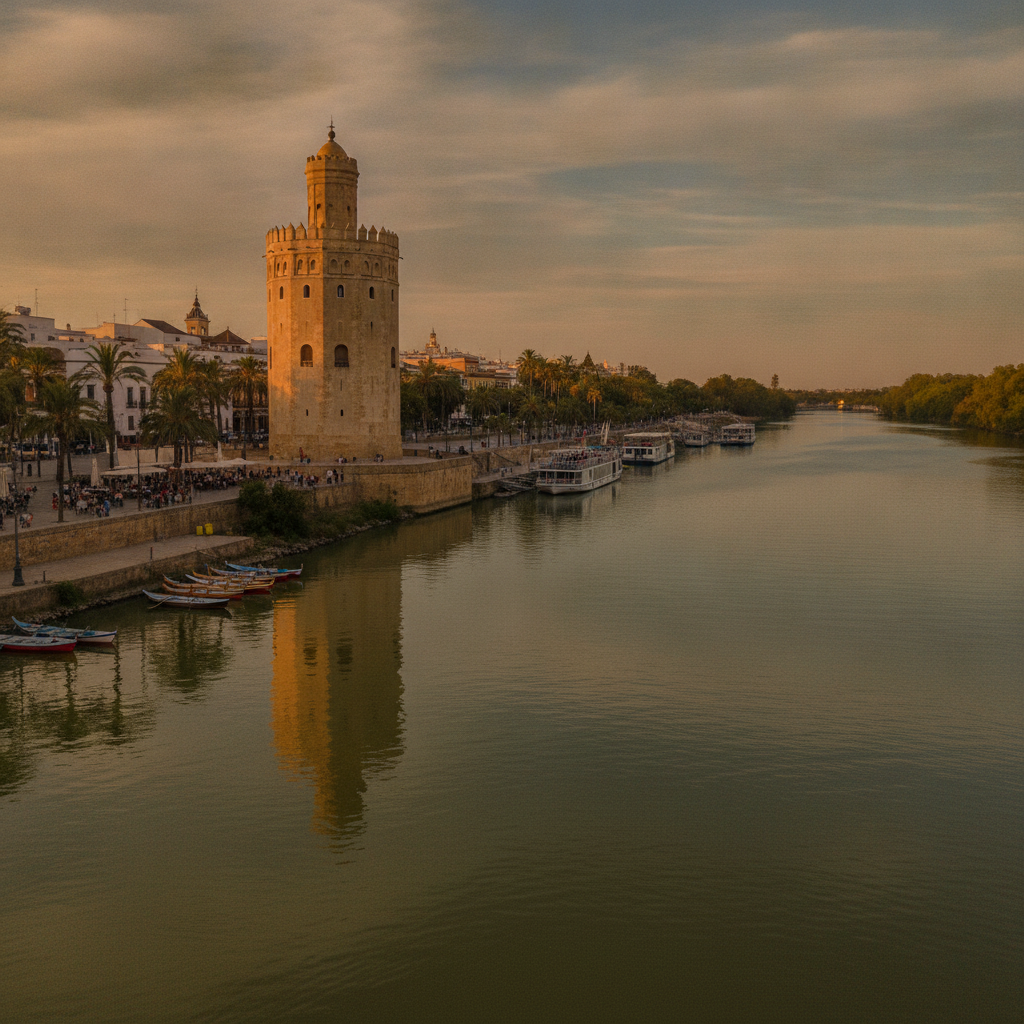
Guadalquivir River, Torre del Oro & Seville's Waterfront
The Torre del Oro (the 'Golden Tower' — the 13th-century Almohad watchtower on the bank of the Guadalquivir River, built c.1220 as part of the defensive wall of Almohad Seville) and the Paseo de Colón (the riverside promenade along the Guadalquivir — the promenade from which Columbus set sail for the Americas in 1492) are the defining landmarks of Seville's historic waterfront.
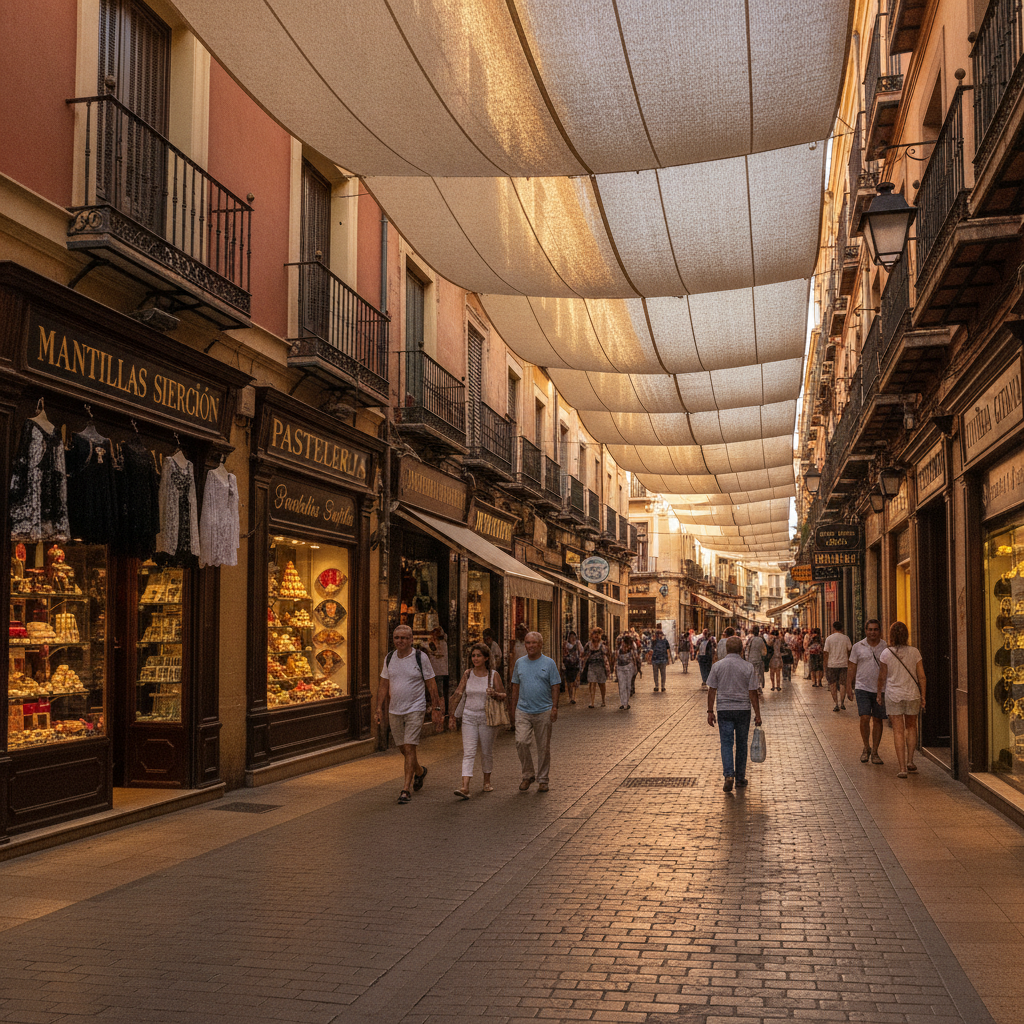
Calle Sierpes, Mantillas & Seville's Shopping Traditions
The Calle Sierpes (the 'Street of Snakes' — the main pedestrian shopping street of Seville, the most celebrated commercial street in the history of the city) and the adjacent Calle Tetúan and Calle Velázquez (together forming the pedestrian shopping heart of central Seville) are the place to find the traditional Seville crafts and fashion: the mantillas, the folding fans, the flamenco dress fabrics, and the pastries of the convent tradition.
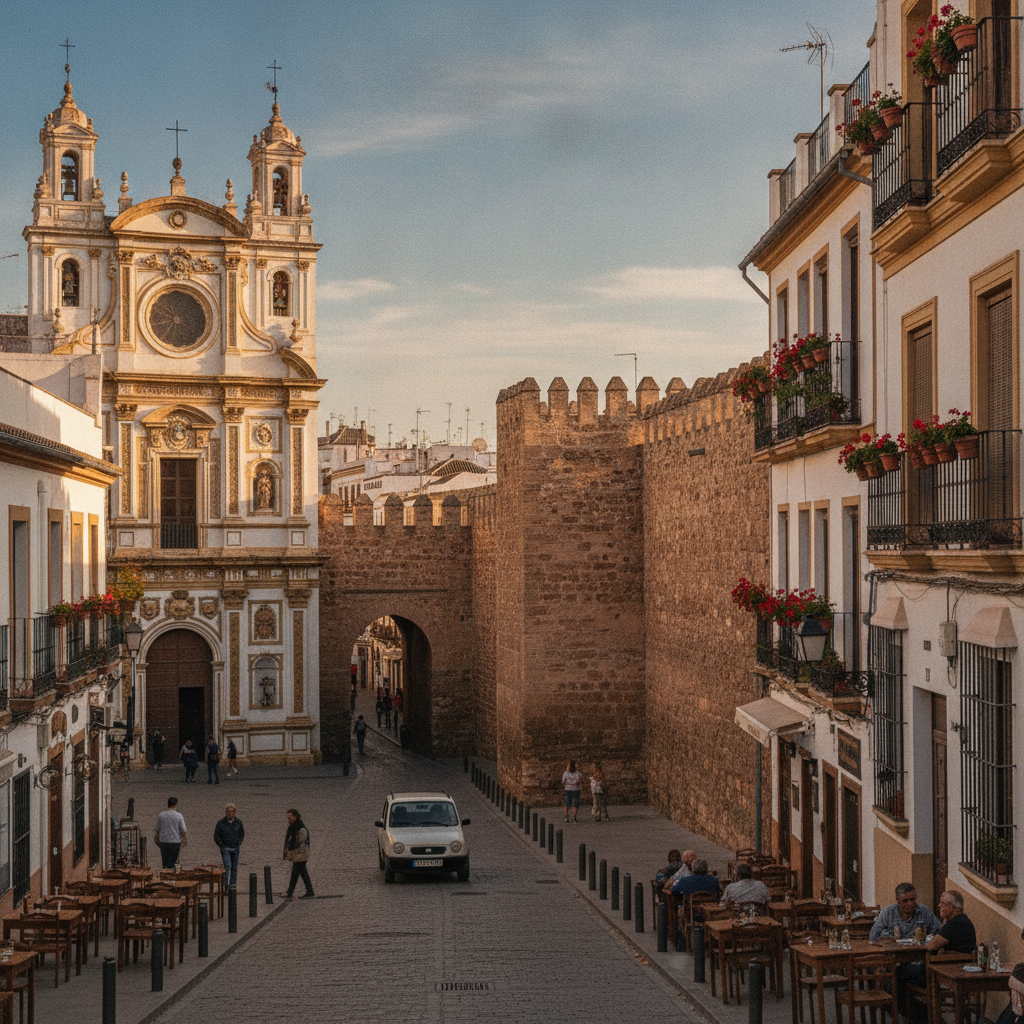
La Macarena, La Alameda & Seville's Working-Class Soul
La Macarena (the working-class neighbourhood north of the historic centre — the neighbourhood of the Basílica de la Macarena (the church of the most beloved Virgin in Seville), the surviving section of the Almohad city walls, and the neighbourhood that is the spiritual home of the most devoted Semana Santa following in Seville) and La Alameda de Hércules (the oldest public promenade in Europe, the bohemian heart of modern Seville) together reveal the authentic, non-touristic soul of the city.
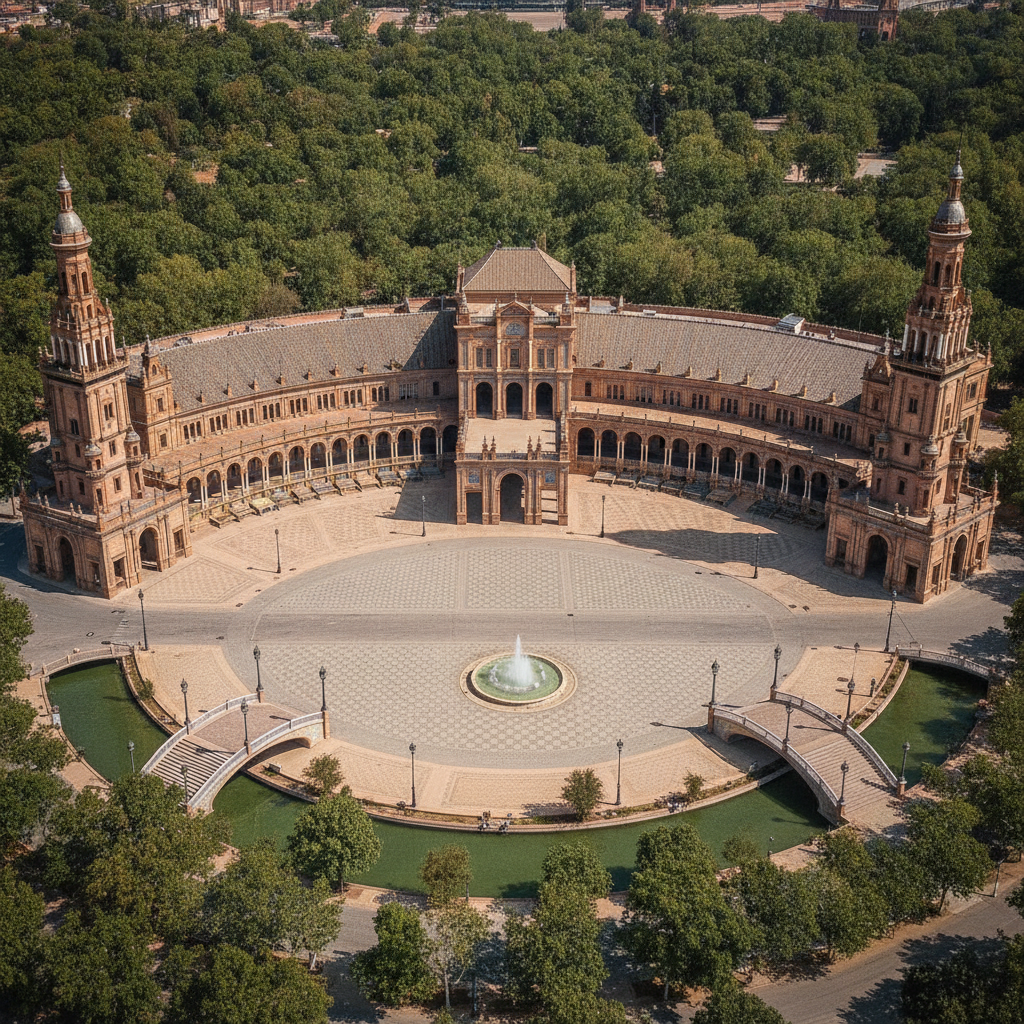
1929 Exposition, Park Architecture & Seville's Modernist Legacy
The 1929 Ibero-American Exposition (the 'Exposición Iberoamericana de Sevilla 1929' — the world exposition held in Seville from May to December 1929) left a permanent legacy of monumental buildings (the Plaza de España, the national pavilions of the Latin American countries, and the María Luisa Park redesign) that constitute the most impressive ensemble of early 20th-century civic architecture in Spain.
Feria de Abril, Semana Santa & Seville's Great Festivals
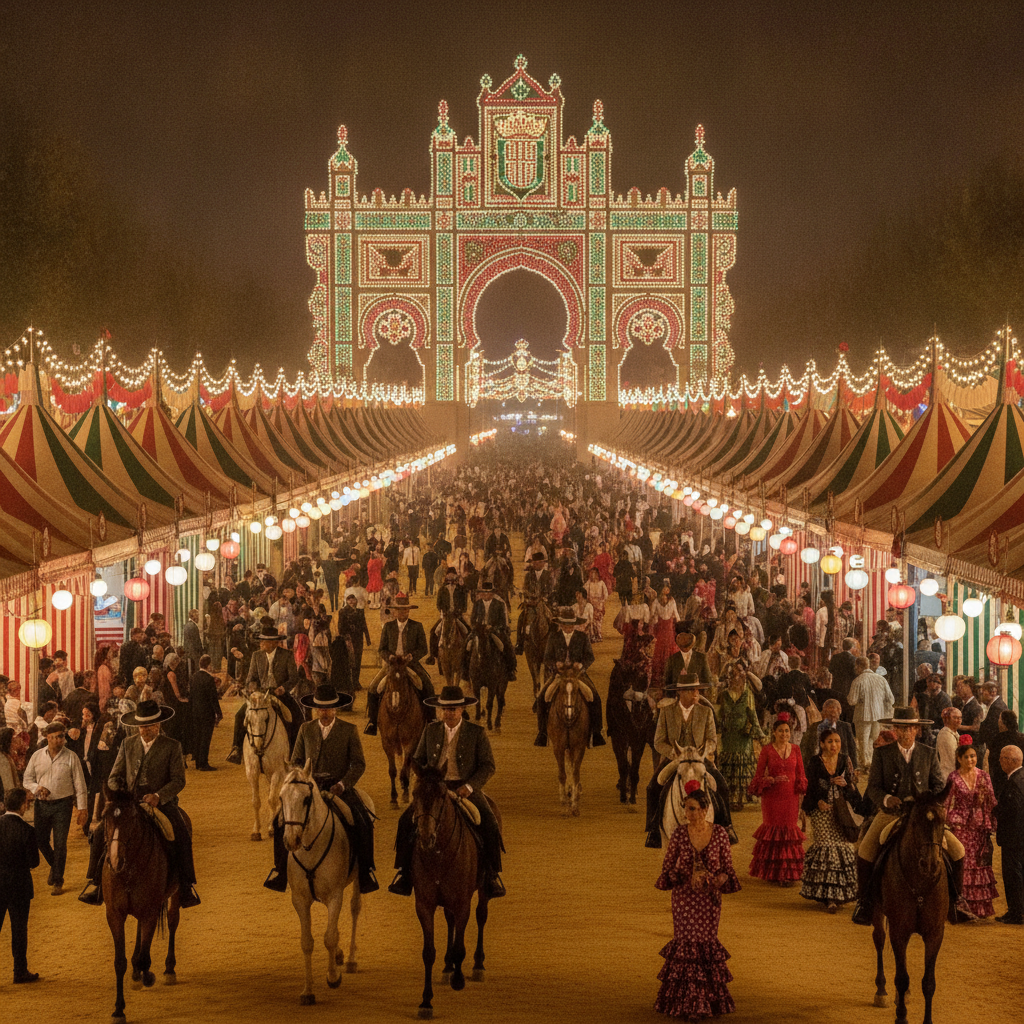
The Feria de Abril (the 'April Fair' — the week-long spring festival held two weeks after Easter in the Los Remedios neighbourhood of Seville) and the Semana Santa (the 'Holy Week' — the Easter week processions of the Seville cofradías (the religious brotherhoods), the most elaborate and the most emotionally powerful religious spectacle in Spain) are the two supreme expressions of Seville's unique festive identity and the most celebrated annual events in Andalusia.
Real Alcázar, Seville Cathedral & the Giralda Tower
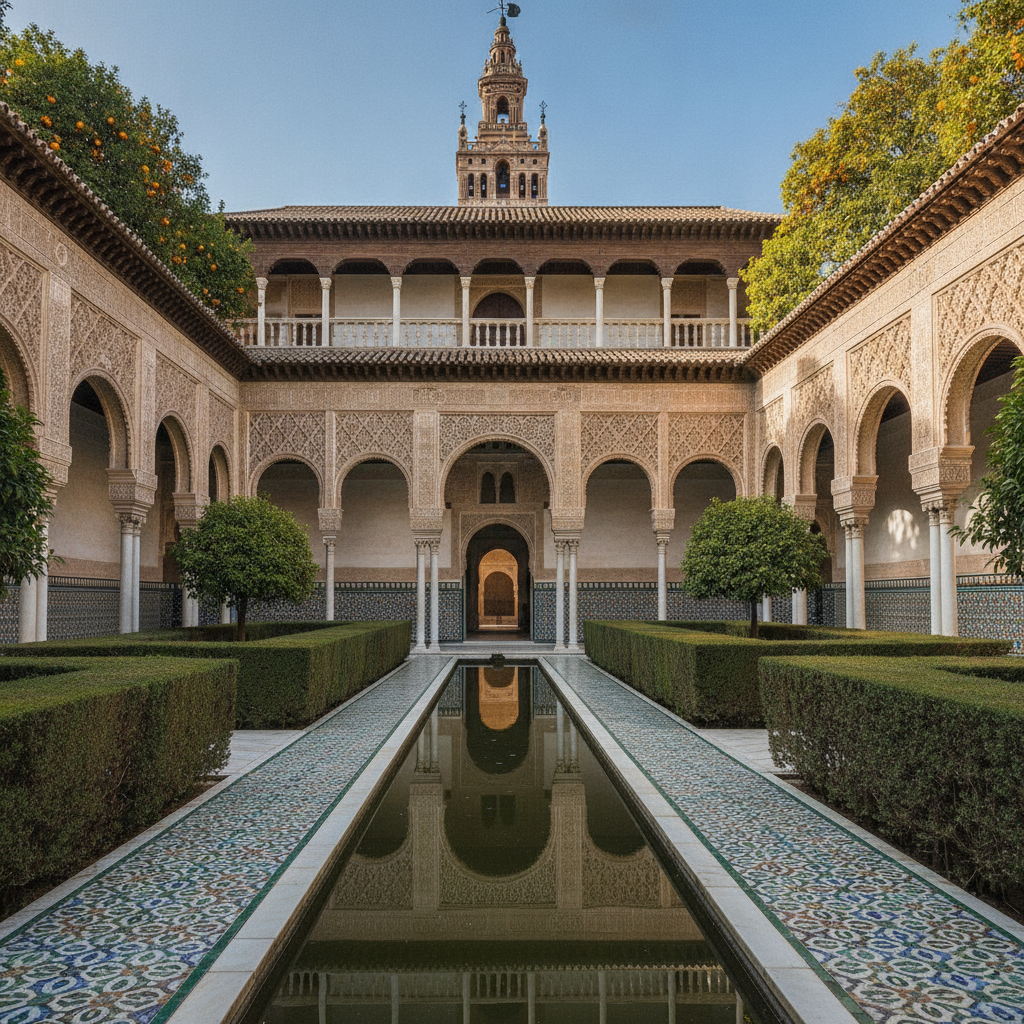
Seville's UNESCO World Heritage Site (designated 1987 — the three monuments: the Real Alcázar de Sevilla, the Catedral de Sevilla, and the Archivo General de Indias): the Alcázar (the Royal Palace of Seville — the Mudéjar palace begun in 913 CE and rebuilt in its current form by King Pedro I of Castile in 1364, the finest Mudéjar architecture in Spain), the Cathedral (the Gothic cathedral begun in 1402 on the site of the Great Mosque of Seville, the largest Gothic cathedral in the world and the third largest church in the world), and the Giralda (the 12th-century Almohad minaret converted to a cathedral bell tower) — together the supreme expression of Seville's layered Islamic and Christian heritage.
Itálica Roman Ruins & the Origins of Seville
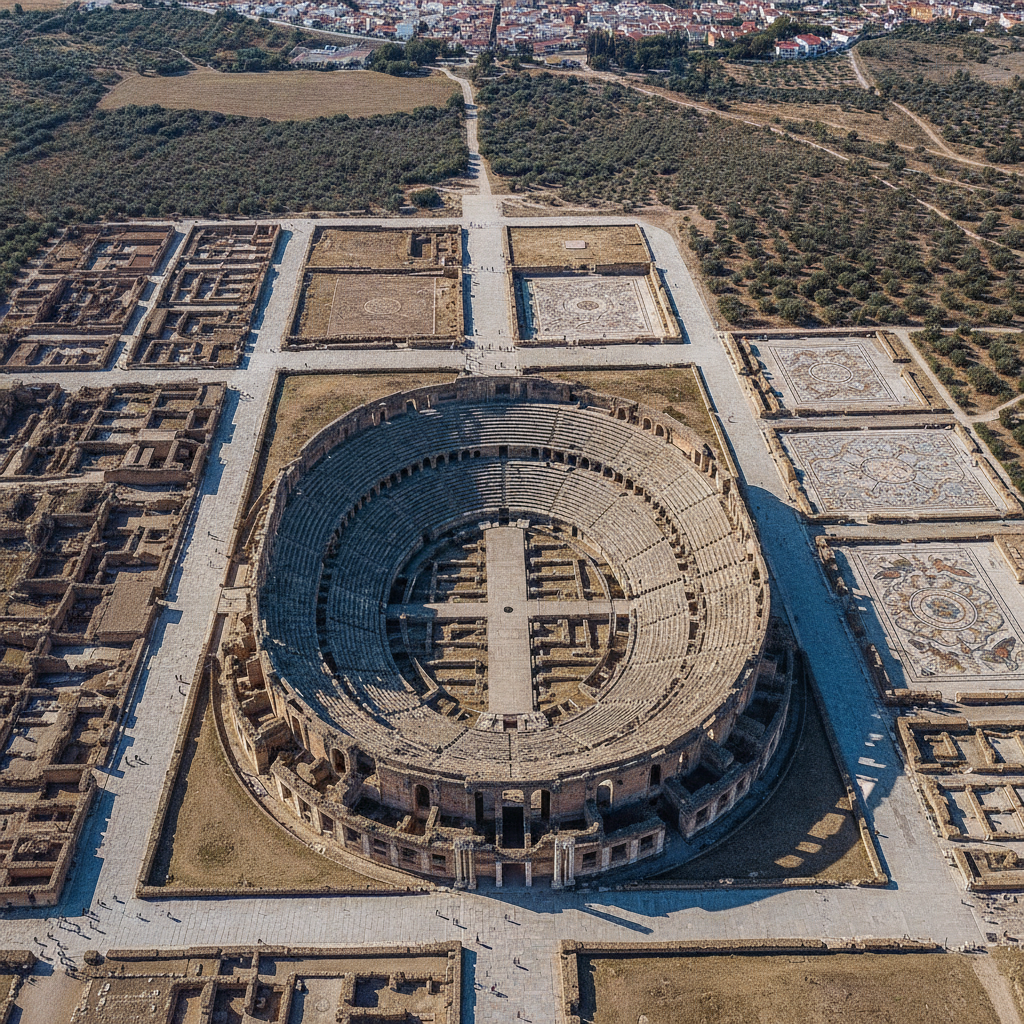
Itálica (the Roman city immediately north of Seville, in the modern municipality of Santiponce — founded in 206 BCE by the Roman general Scipio Africanus (the general who defeated Hannibal at the Battle of Zama in 202 BCE) as the first Roman city in Hispania, the birthplace of the emperors Trajan (53-117 CE) and Hadrian (76-138 CE)) is the most important Roman archaeological site in Andalusia and one of the most significant Roman sites in the Iberian Peninsula.
Casa de Pilatos, Mudéjar Palaces & Seville's Noble Heritage
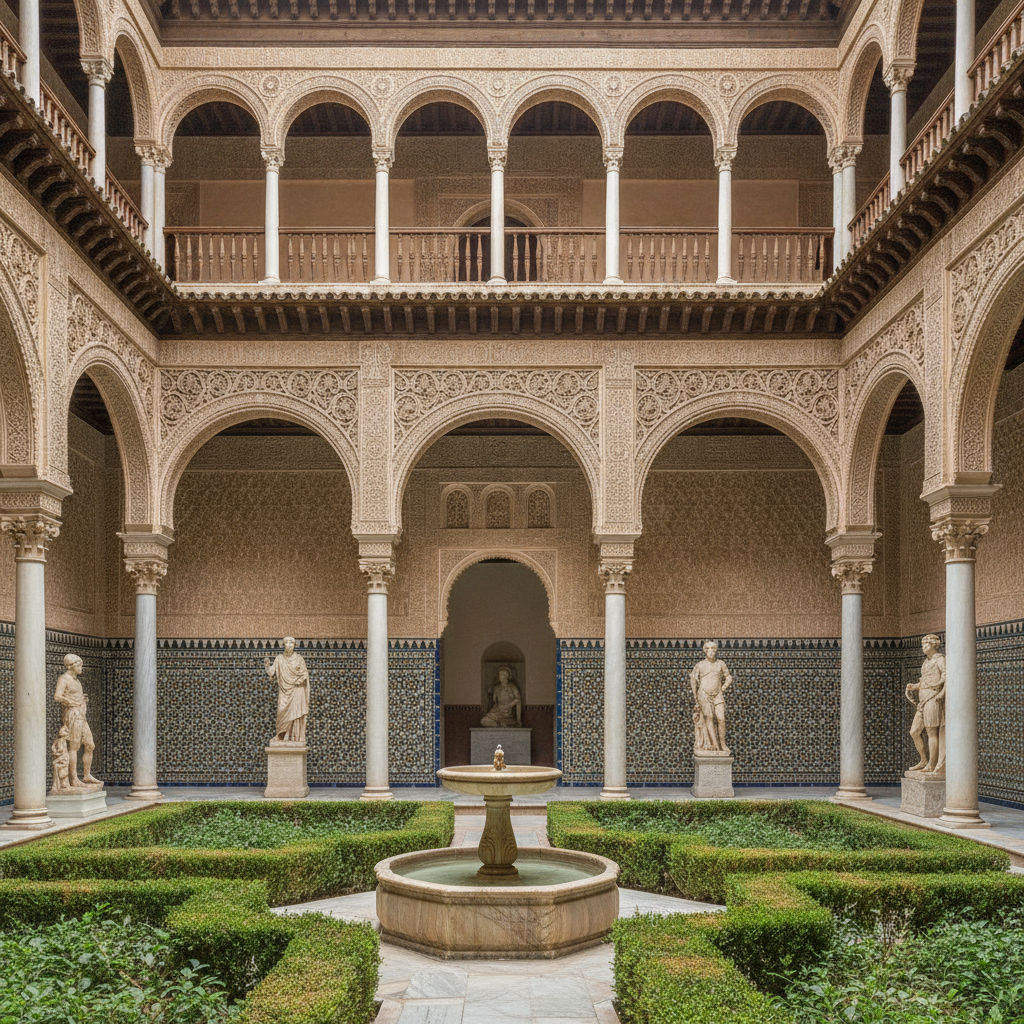
The Casa de Pilatos (the 'House of Pilate' — the 15th-16th century Mudéjar Renaissance palace of the Dukes of Medinaceli in the Santa Catalina neighbourhood of Seville, the finest private palace in Seville and the best-preserved example of the Mudéjar-Renaissance hybrid style that defined the architecture of 16th-century Seville) and the other noble palaces of the Seville historic centre reveal the extraordinary wealth and cultural ambition of the Sevillian aristocracy at the height of the Spanish Golden Age.
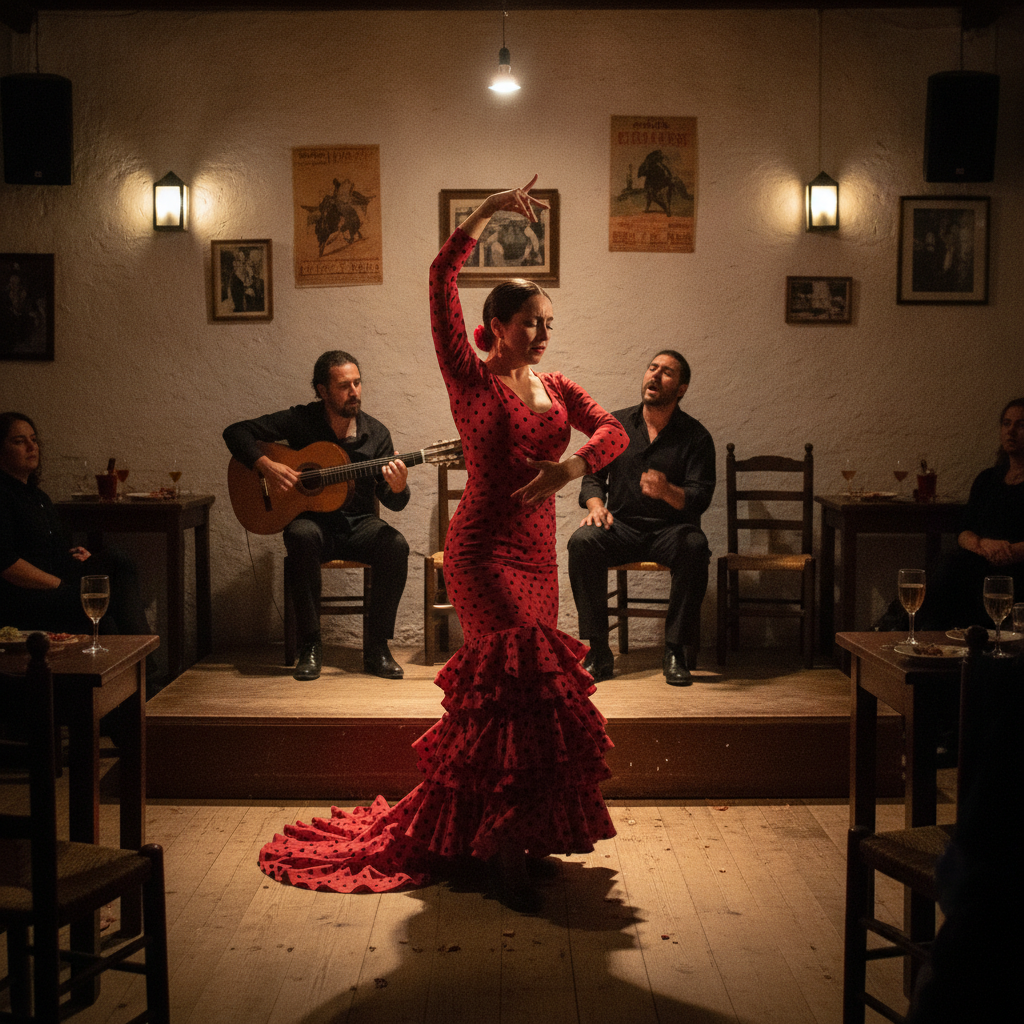
Flamenco, Tapas & the Andalusian Soul of Seville
Flamenco (the art form designated UNESCO Intangible Cultural Heritage of Humanity in 2010 — the musical and dance tradition that was born in the Gypsy ('Gitano') communities of Andalusia in the late 18th century and that reached its fullest expression in Seville) and the tapas culture of the Seville taverns (the 'tabernas' and the 'bares de tapas' of the Triana and La Macarena neighbourhoods) together constitute the living soul of Andalusian culture.