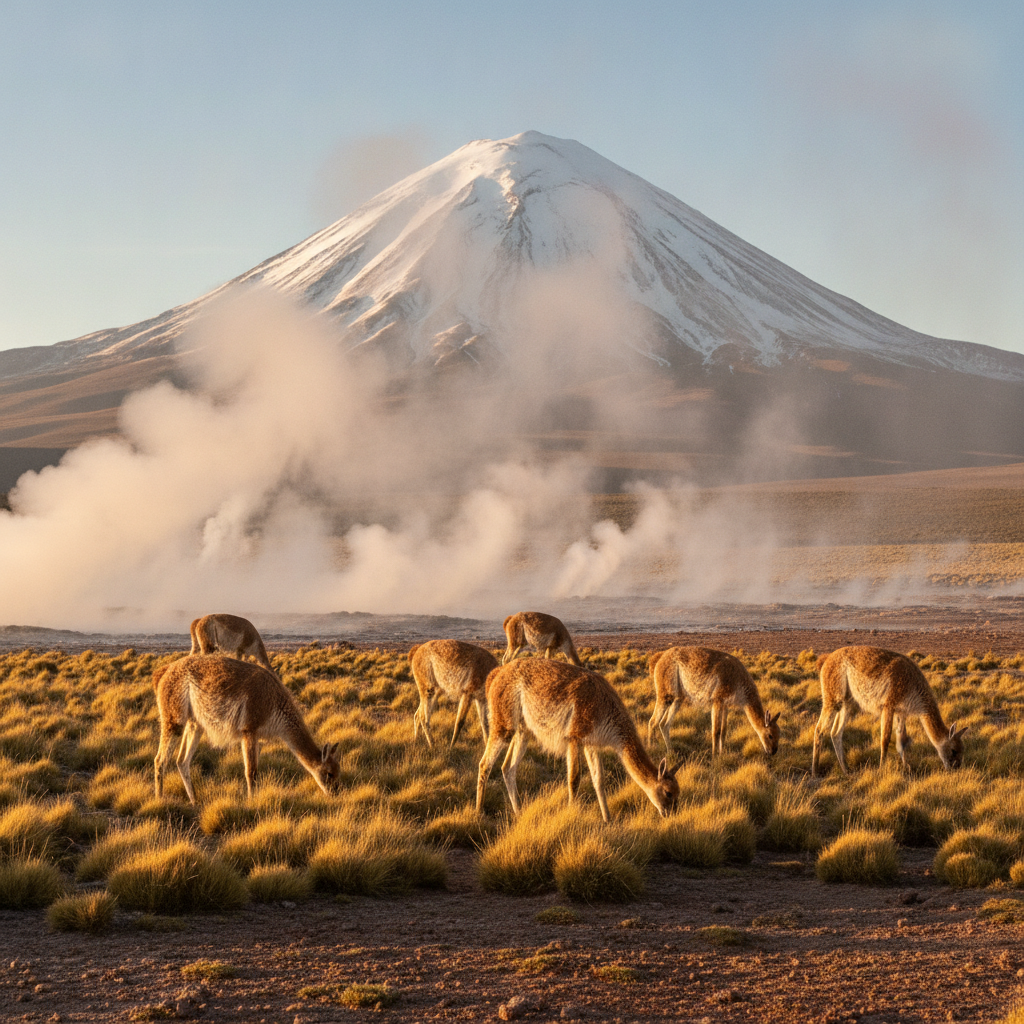

Atacama Wildlife: Vicunas, Flamingos, Viscachas, and the Andean Cat
The extreme aridity of the Atacama is deceptive as a wildlife habitat: the high-altitude wetlands, salt lakes, and altiplano grasslands of the desert support a surprisingly rich community of endemic and near-endemic species adapted to the extreme conditions, including three flamingo species, the vicuna, the viscacha, and one of the rarest cats on Earth.
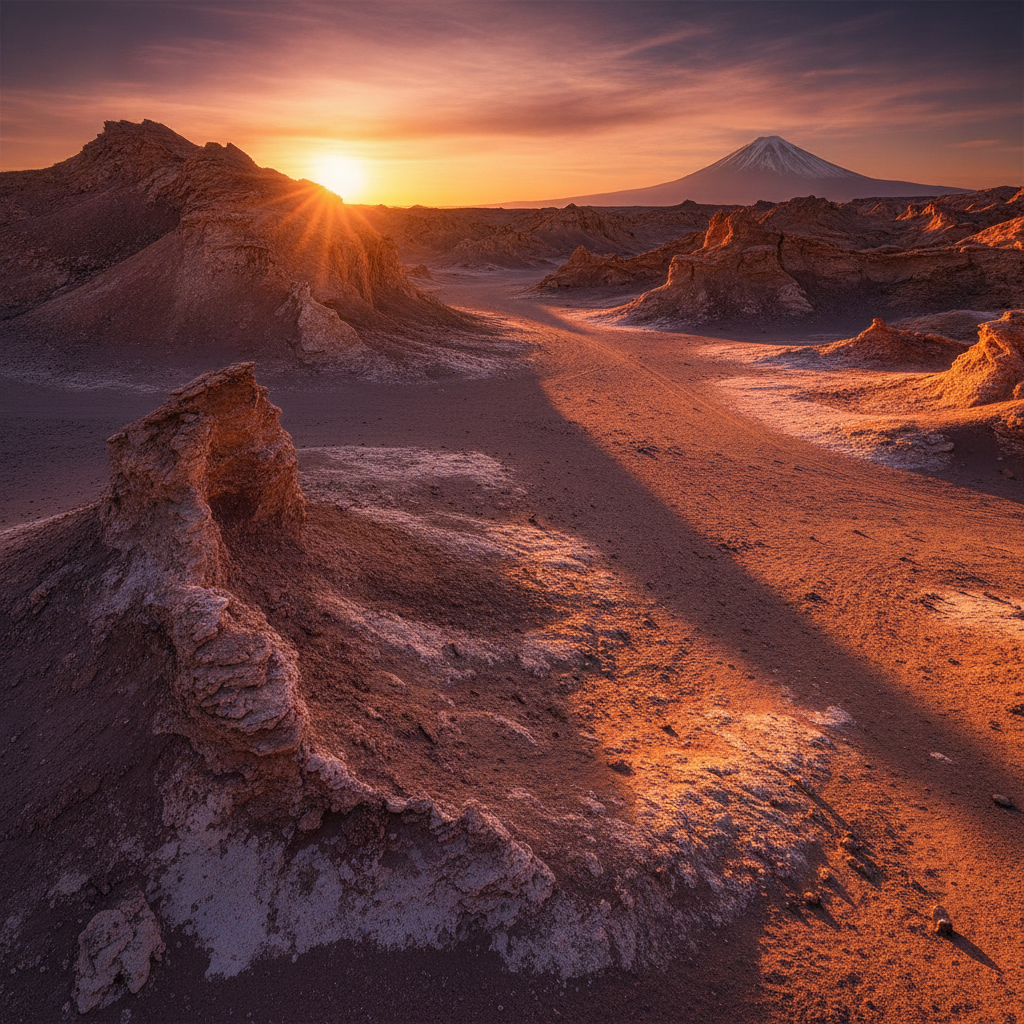
Atacama Desert: Moon Valley, El Tatio Geysers, Flamingo Lagoons, and the World's Best Stargazing
The Atacama Desert, the driest non-polar desert on Earth and one of the most geologically dramatic landscapes in the world, offers an experience of extreme natural phenomena that includes the otherworldly erosion forms of the Valle de la Luna, the world's highest geyser field at El Tatio, the flamingo-inhabited salt lakes of Los Flamencos reserve, and the clearest skies on Earth for astronomical observation.
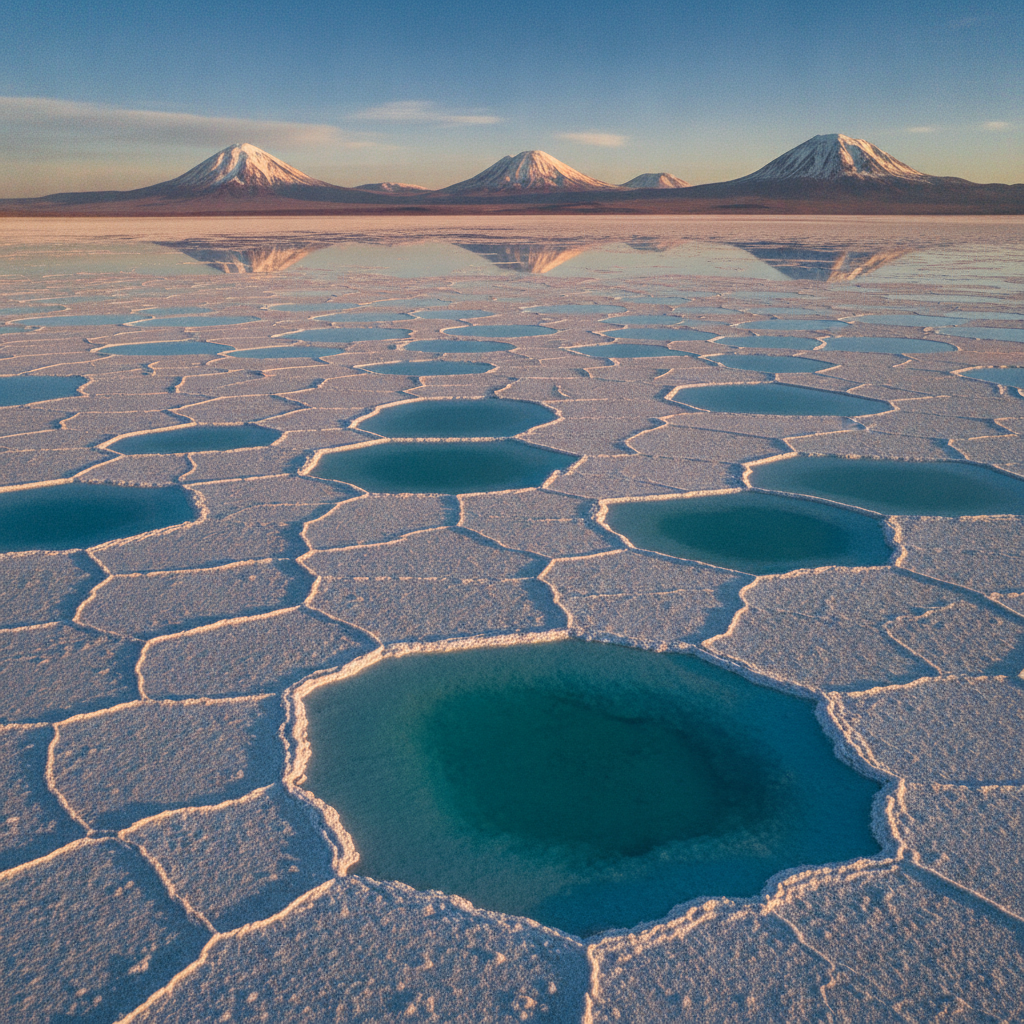
Atacama Geology: Salt Flats, Volcanoes, and the Science of the World's Driest Desert
The Atacama Desert is a geological laboratory of extraordinary richness, preserving in its extreme aridity geological features and biological records that would be destroyed by moisture in any wetter environment, from the ancient salt flat deposits that record millions of years of Andean uplift to the active volcanic system of the altiplano that continues to reshape the desert surface.
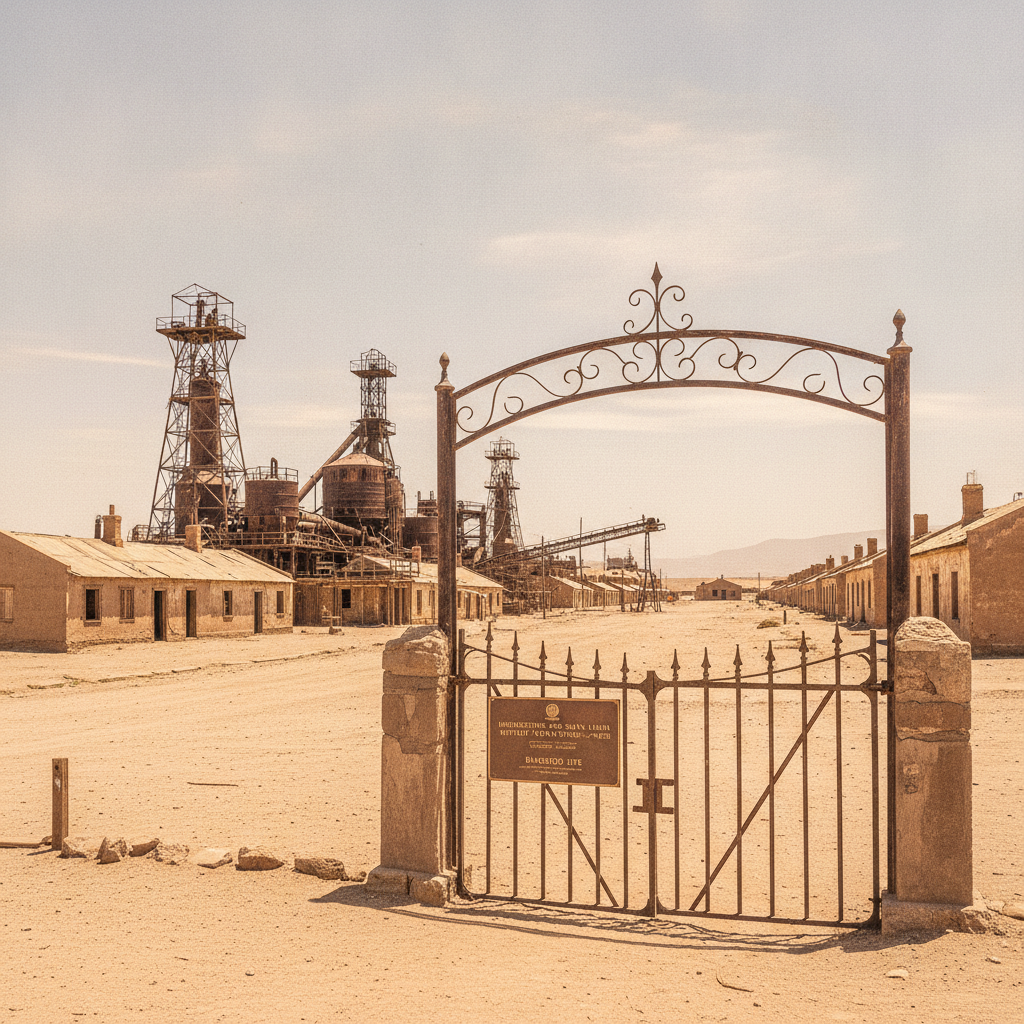
Atacama Nitrate Era: Ghost Towns, Humberstone, and the Rise and Fall of White Gold
The Atacama Desert witnessed the most dramatic economic boom and bust in South American history during the nitrate era from 1880 to 1930, when the desert became the world's primary source of the natural fertilizer that fed the agricultural revolution in Europe and North America, creating enormous wealth for the Chilean state and then collapsing into ghost towns when synthetic nitrogen fertilizer was invented in Germany.
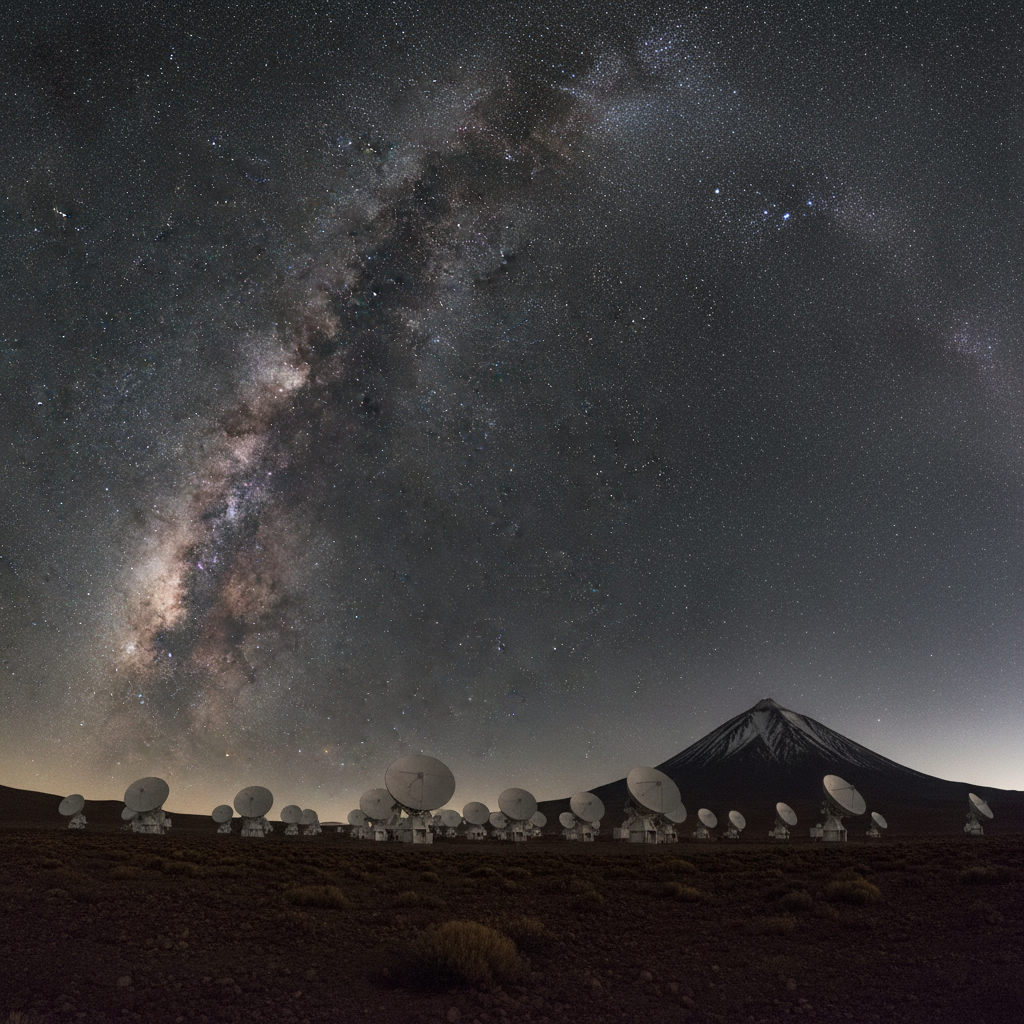
Atacama Astronomy: ALMA, World-Class Observatories, and Astrophotography
The Atacama plateau hosts the most important concentration of professional astronomical observatories in the world, including the ALMA radio telescope array, the VLT at Paranal, and the future Extremely Large Telescope, exploiting the unique atmospheric conditions that make the Atacama the most productive astronomical observation site on Earth.
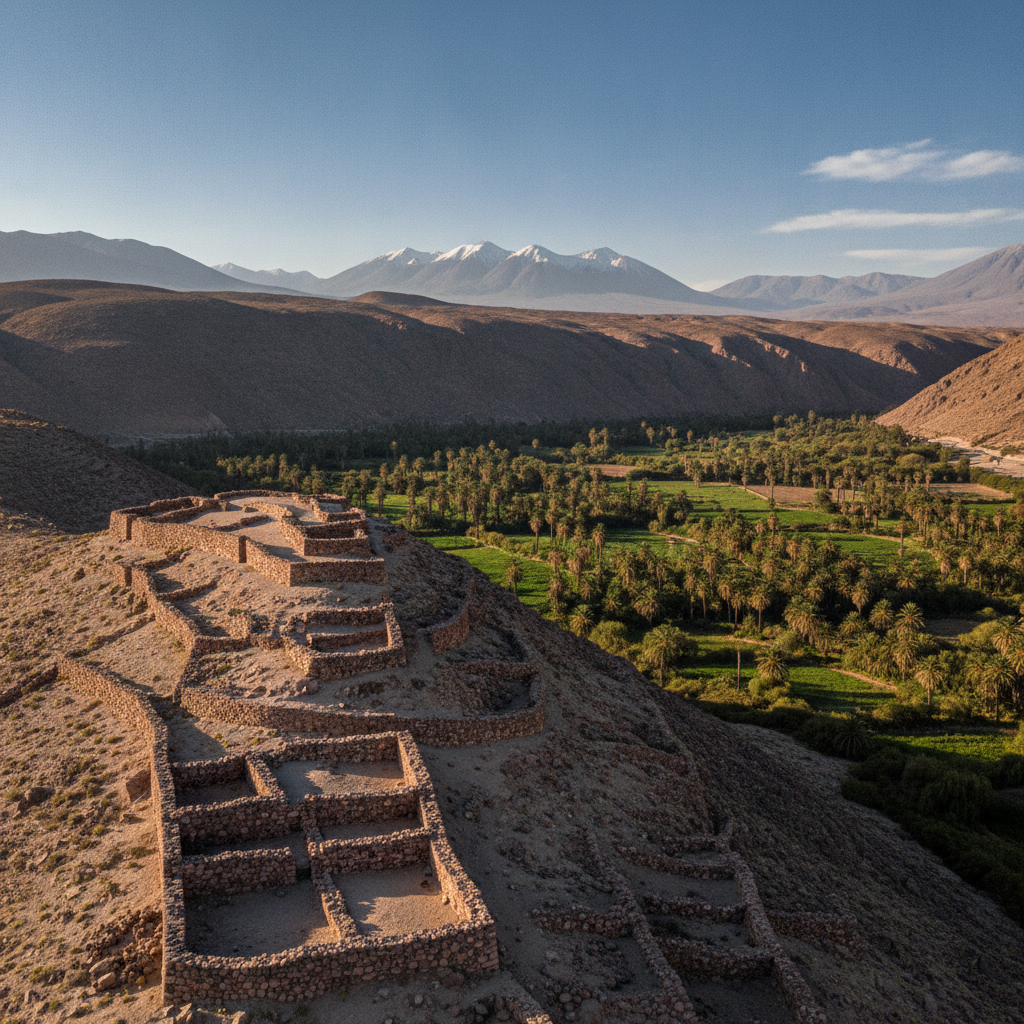
Atacameno Culture: Pukara Fortresses, Village Traditions, and 10,000 Years of Desert Life
The Atacameno or Lickanantay people developed one of the most sophisticated adaptations to extreme aridity of any human culture, managing water resources, agricultural terraces, and trade routes across the desert for millennia before Spanish colonization disrupted but did not eliminate their way of life.
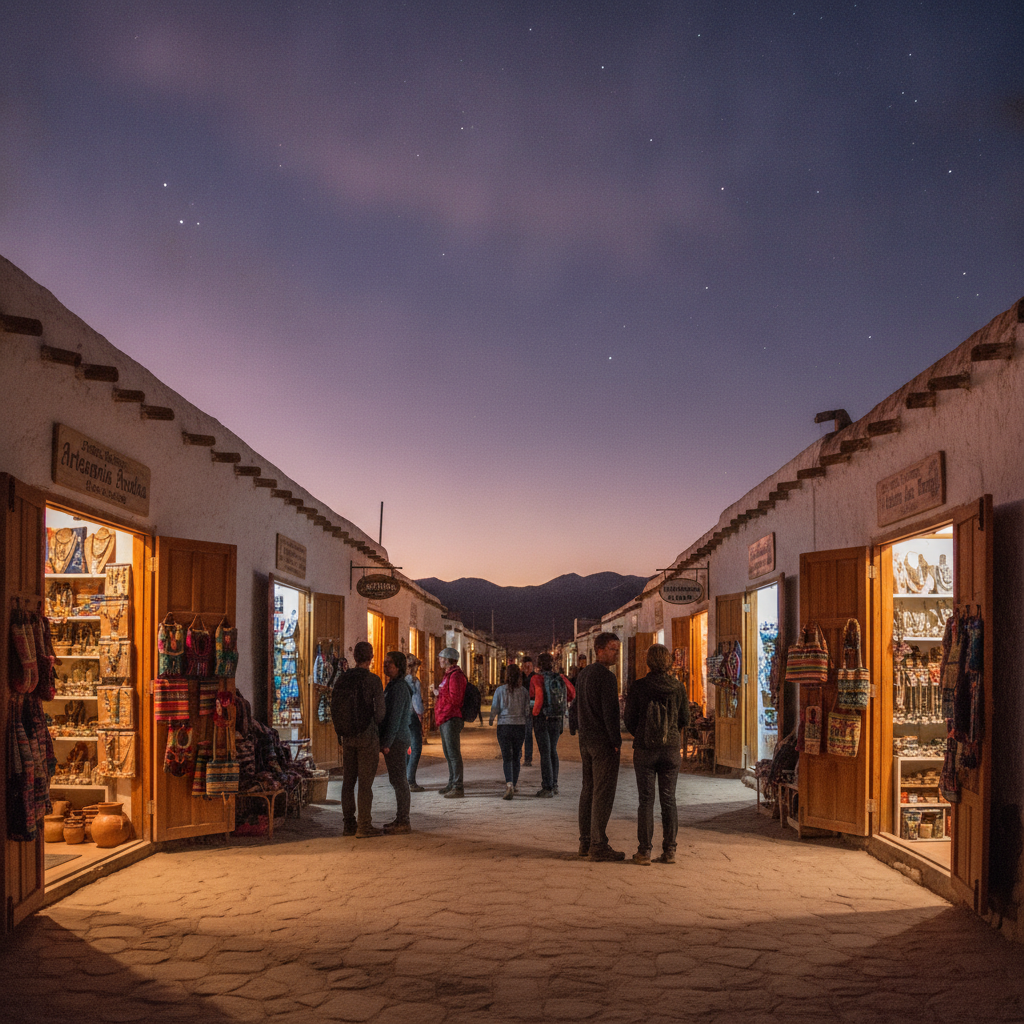
Atacama Practical Guide: San Pedro de Atacama, Altitude, Tour Booking, and Border Crossings
San Pedro de Atacama is the comfortable and well-equipped base for exploring the Atacama Desert, with a concentration of tour operators, restaurants, and accommodation that makes the logistics of visiting the extreme desert landscape straightforward despite the remote location.
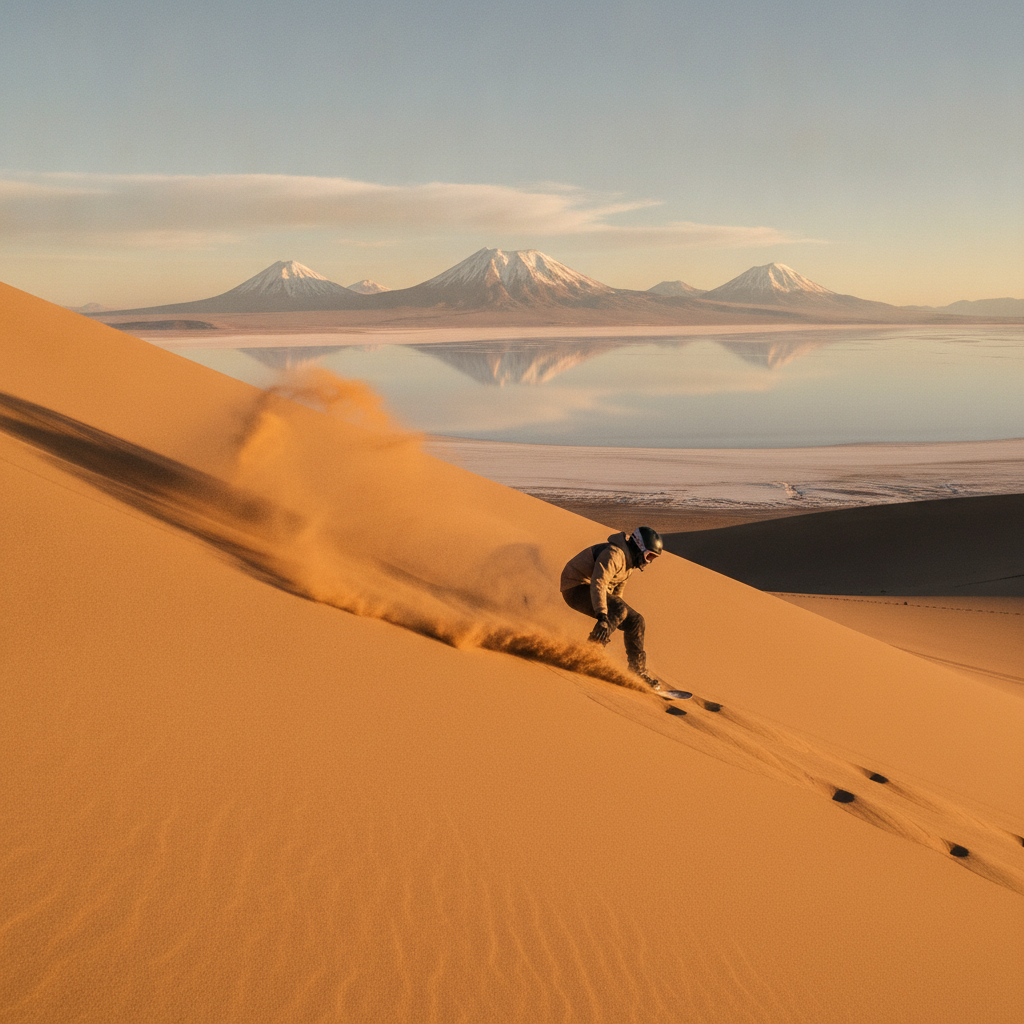
Atacama Adventure: Sandboarding, Quad Biking, Volcano Hiking, and Multi-Day Desert Treks
The Atacama offers a range of adventure activities that exploit the extraordinary landscape of the desert, from the relatively accessible sandboarding on the dunes of the Valle de la Muerte to the demanding multi-day trekking routes that cross the altiplano between Chile and Bolivia through some of the most remote terrain in South America.