Montevideo Architecture and Neighborhoods: Art Deco, Pocitos, and the Coastal Suburbs
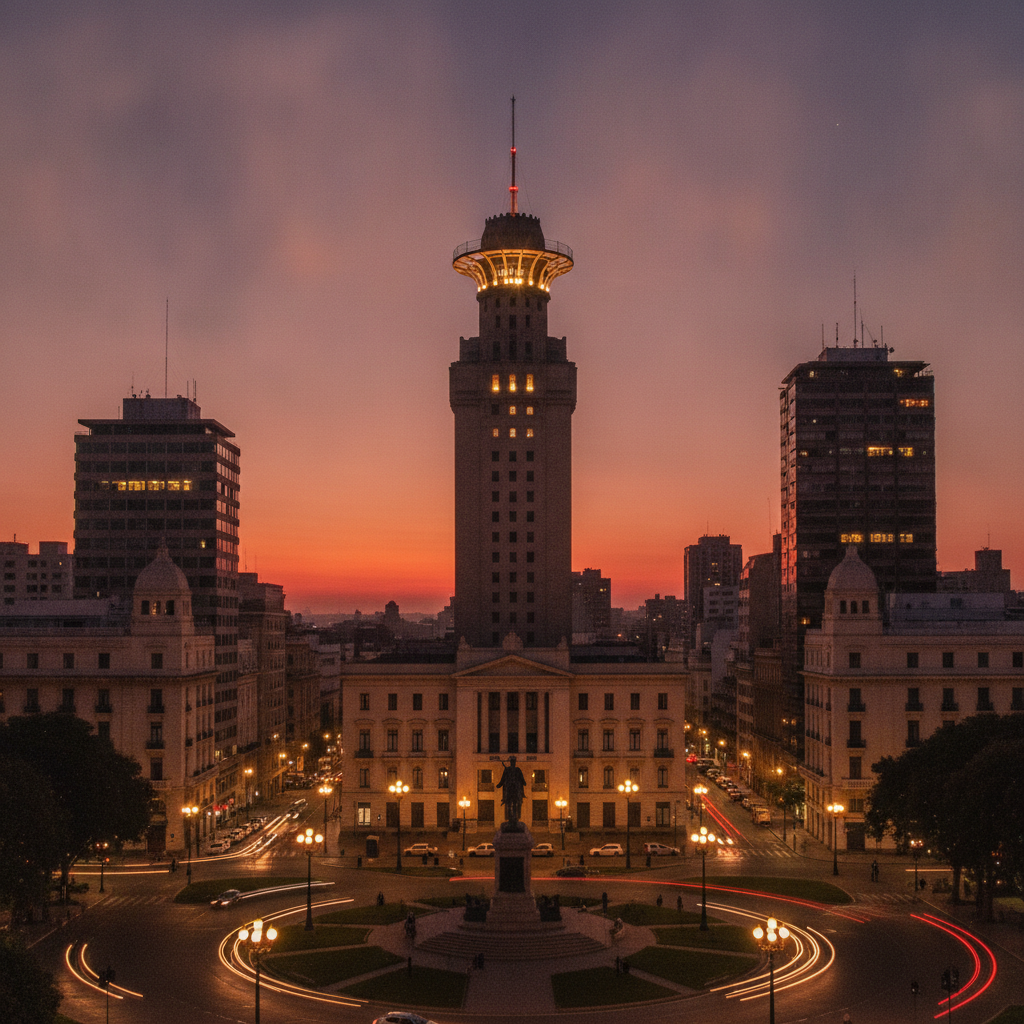
Montevideo developed its distinctive architectural character primarily in the late 19th and early 20th centuries, when waves of European immigration brought builders and architects who applied Italianate, French Beaux-Arts, and subsequently Art Deco styles to a compact coastal city with the resources to build grandly. The result is a city with an unusually rich stock of early 20th century architecture, particularly Art Deco, that has been preserved by the economic stagnation that prevented demolition and replacement in the late 20th century. The neighborhoods from the historic Ciudad Vieja through Pocitos, Punta Carretas, and Carrasco to the east display successive layers of urban development from colonial to modernist, with the Rambla coastal promenade providing the connective thread.
Montevideo Food: Asado, Chivito, Dulce de Leche, and the Uruguayan Table
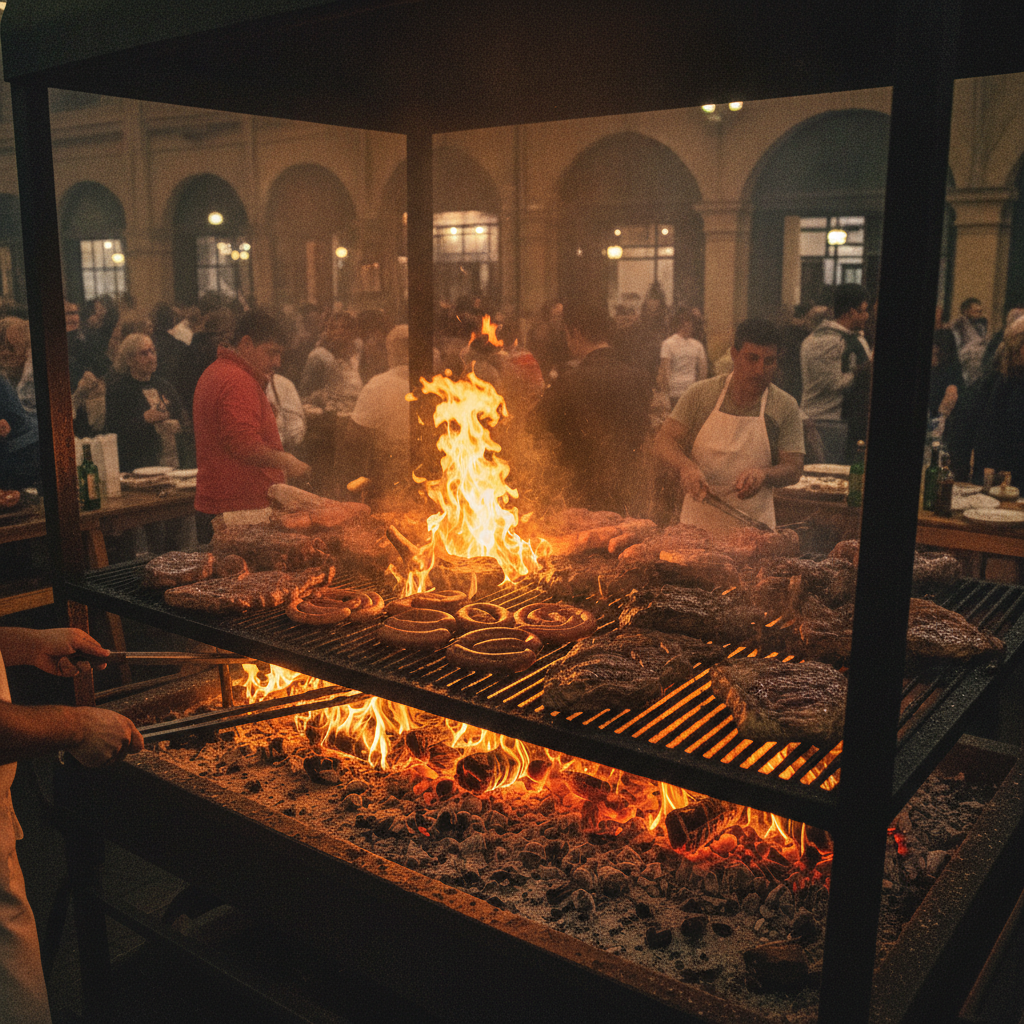
Uruguayan food culture is anchored by beef more completely than almost any other national cuisine in the world: Uruguay has the highest per capita beef consumption and one of the highest cattle-to-human ratios on Earth, and the asado grilled beef tradition shapes every aspect of social eating from family Sunday gatherings to restaurant culture to street food. The chivito sandwich is Uruguay's contribution to the global sandwich canon, the dulce de leche caramel spread is the foundational Uruguayan sweet, and the alfajor cookie sandwich with dulce de leche filling is the most exported Uruguayan food product. The Italian immigration of the late 19th century left a pasta tradition that runs through Uruguayan home cooking alongside the beef culture, and the gnocchi on the 29th of each month is a ritual that every Uruguayan household observes regardless of ethnicity.
Montevideo: The Rambla, Tango, and the Most Liveable Capital in Latin America
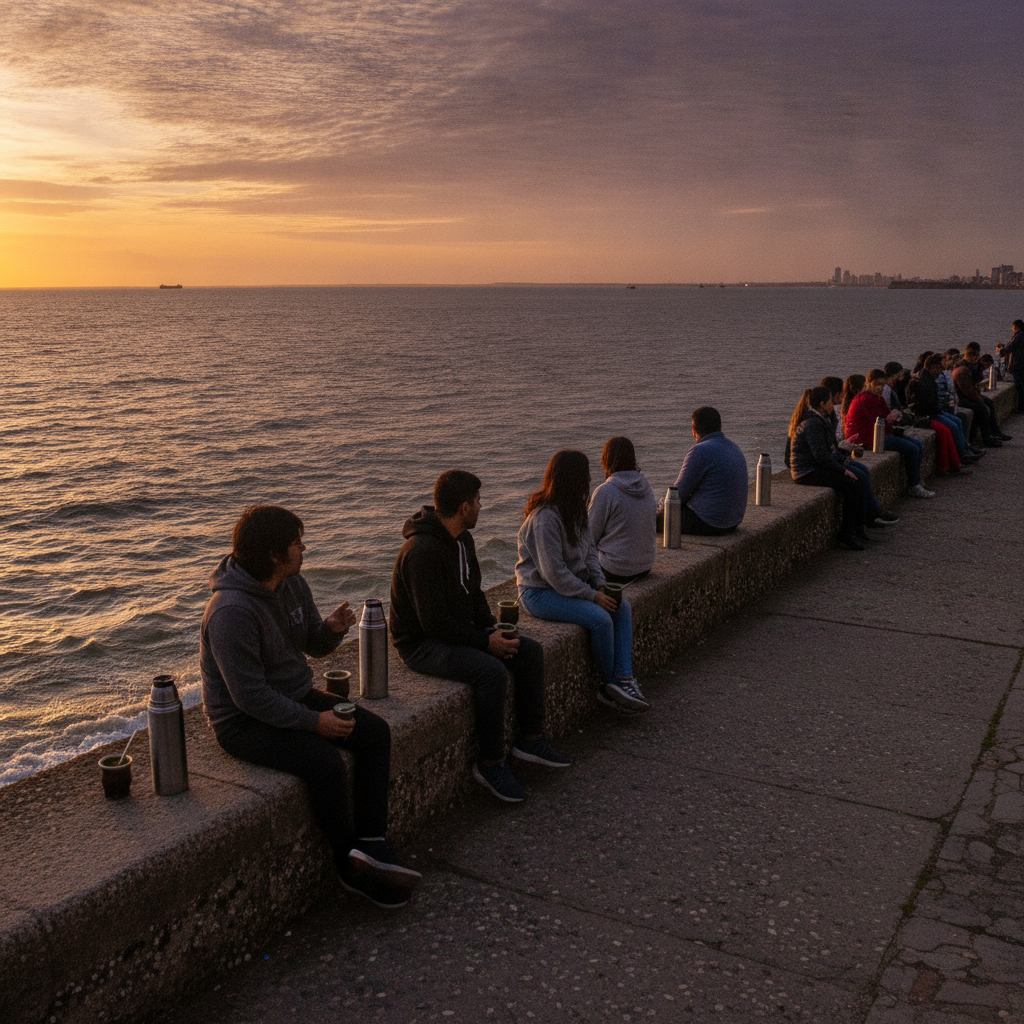
Montevideo, the capital and only major city of Uruguay with approximately 1.4 million residents in the metropolitan area, spreads along the northern shore of the Rio de la Plata estuary where the Uruguay and Parana rivers meet the Atlantic, giving it a coastal character unlike any other South American capital. The city consistently ranks as the most liveable city in Latin America in quality of life surveys, reflecting Uruguay's progressive social policies, high levels of social equality by regional standards, functional public institutions, and a relaxed urban culture that values quality of life over economic growth. The 22-kilometer Rambla coastal promenade is the defining public space of Montevideo, where residents jog, cycle, fish, and socialize at all hours. Tango, shared with Buenos Aires across the estuary, claims Uruguayan roots in the conventillo tenement houses of Montevideo's port neighborhood.
Montevideo Practical Guide: Getting There, Transport, Buenos Aires Ferry, and Uruguay Circuit
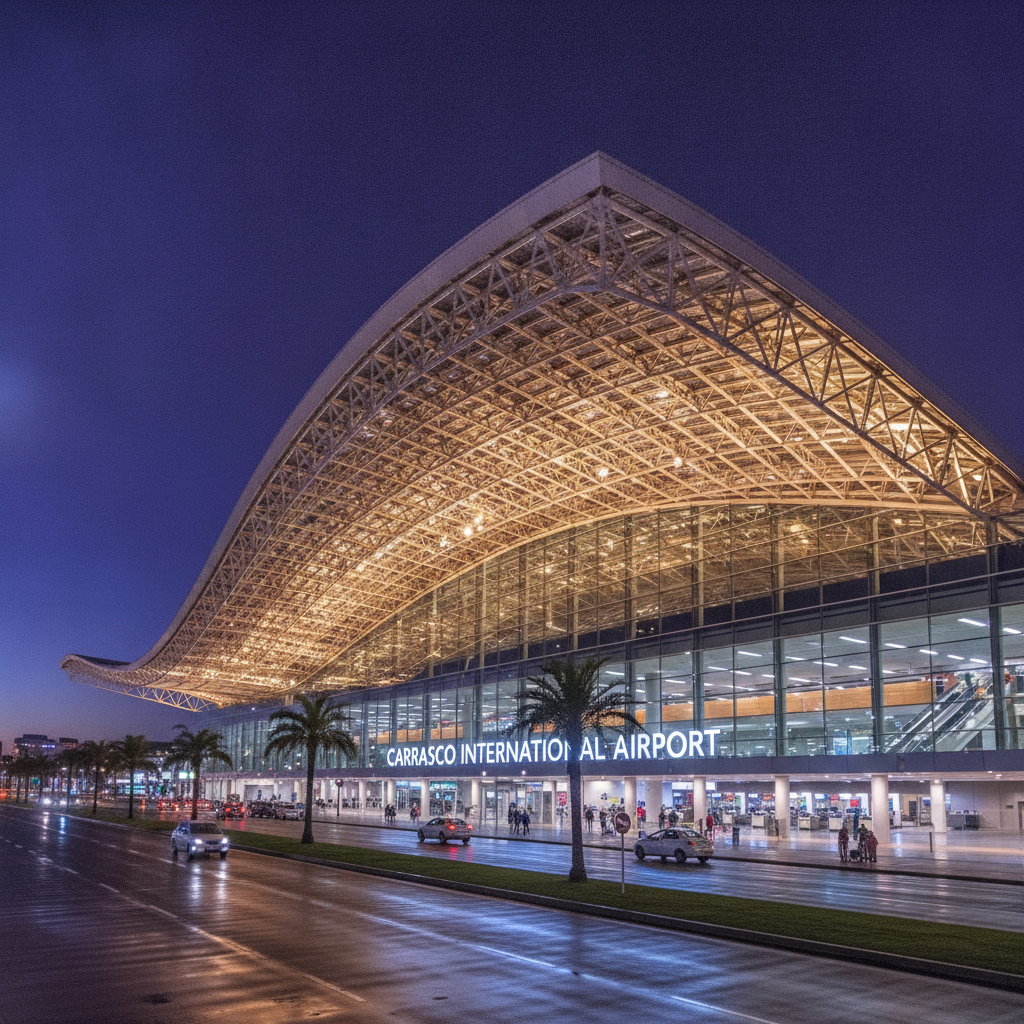
Montevideo is served by the Carrasco International Airport with direct flights to Buenos Aires, Sao Paulo, Santiago, Miami, Madrid, and other regional hubs. The city is compact enough that the main visitor areas are navigable by foot, taxi, and the STM bus network. The most common visitor approach combines Montevideo with a ferry crossing from Buenos Aires, which takes approximately one hour on the fast catamaran and connects the two Rio de la Plata capitals in a half-day excursion or overnight trip. The Uruguayan circuit extends east from Montevideo to Colonia del Sacramento, Punta del Este, and the Rocha beaches and wetlands.
Montevideo Carnival: The Longest Carnival in the World and the Murga Tradition
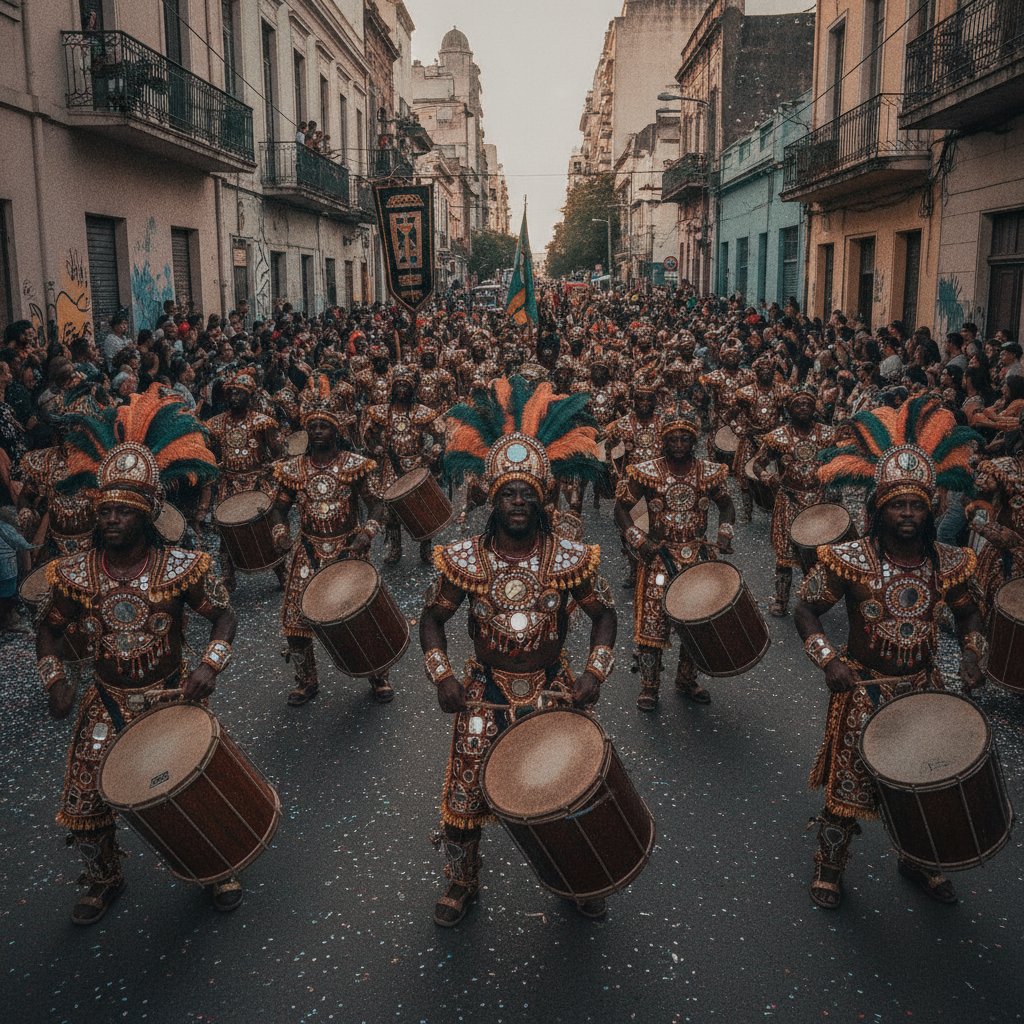
The Montevideo Carnival is the longest carnival in the world, running for approximately 40 days from late January to early March each year, and is organized around a set of performance genres that are unique to Uruguay and have no precise equivalent in the Brazilian or Caribbean carnivals that define the international imagination of the form. The principal Montevideo carnival genres are the murga, a theatrical-musical form combining costumed group performance, political satire, and social commentary with elaborate choral singing; the candombe drumming of the Afro-Uruguayan comparsas; the parodistas and revistas, comedy and variety show groups; and the humoristas, comedian performers. The carnival theater venues called tablados are temporary stages erected throughout the city's neighborhoods where groups perform their shows in competition for the public and judges.
Montevideo Birdwatching: Wetlands, Rambla Shore, and the Uruguayan Interior
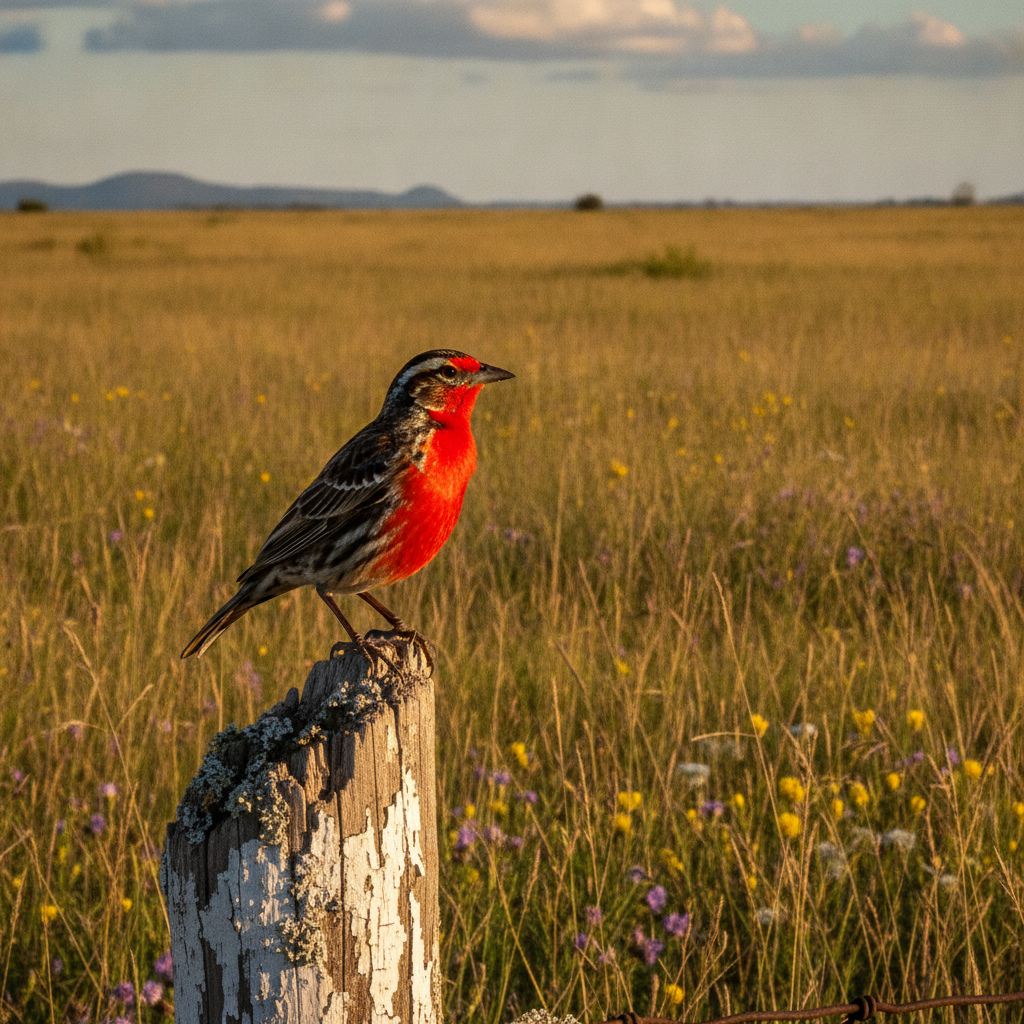
Uruguay, despite its small size and high agricultural development, supports a substantial bird list of approximately 450 species including notable concentrations of waterbirds in the coastal lagoons and wetlands, raptors across the rolling pastoral interior, and seabirds on the Atlantic coast. The Montevideo area provides productive birdwatching within easy reach of the city center, particularly at the Parque Lecoq and the coastal rocky points of the Rambla. The Laguna del Sauce near Punta del Este, the Laguna de Rocha on the Atlantic coast, and the Bañados del Este wetlands system in the eastern department of Rocha constitute some of the most important waterbird habitats in South America, holding large populations of threatened species including the Pampas Meadowlark and wintering shorebirds from the North American breeding grounds.

Uruguay and Progressive Politics: Social Democracy on the Rio de la Plata
Uruguay has long distinguished itself within Latin America as a country of progressive social policy, functional democratic institutions, and relatively low inequality by regional standards. The Batllista tradition of state intervention in the economy and social welfare, established in the early 20th century by President Jose Batlle y Ordonez, created the foundations for a welfare state unusual in South America. The return to democracy in 1985 after the 1973 to 1985 military dictatorship was followed by progressive legislative changes that made Uruguay an international reference point for drug policy reform, same-sex marriage, and abortion rights. The presidency of Jose Mujica from 2010 to 2015, the former Tupamaro guerrilla who lived in a farmhouse and donated most of his presidential salary to charity, became globally famous as an embodiment of a different approach to political leadership.
Montevideo Football: Nacional, Peñarol, and the Birthplace of World Cup Football
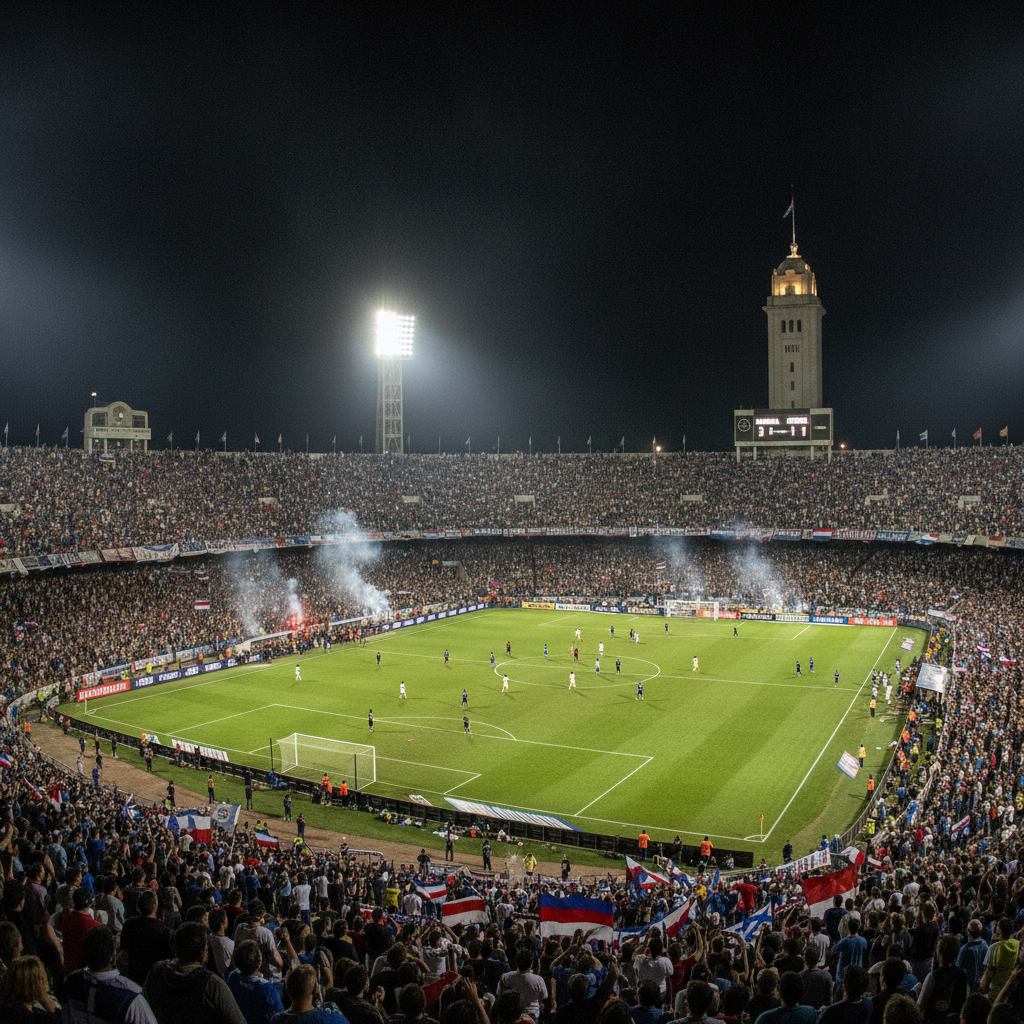
Uruguay has an outsized place in football history relative to its small size: the country won the first two FIFA World Cups in 1930 and 1950, the 1930 final being played in Montevideo at the Estadio Centenario built specifically for the tournament, and the 1950 victory over Brazil in the Maracana in what Brazilians call the Maracanazo remains one of the most dramatic upsets in World Cup history. The two Montevideo clubs Nacional and Peñarol are the most decorated clubs in Uruguayan football history and two of the most historically significant clubs in South American football, with multiple Copa Libertadores titles between them. Football in Uruguay is not merely a sport but an expression of national identity that punches far above the country's weight on the world stage.