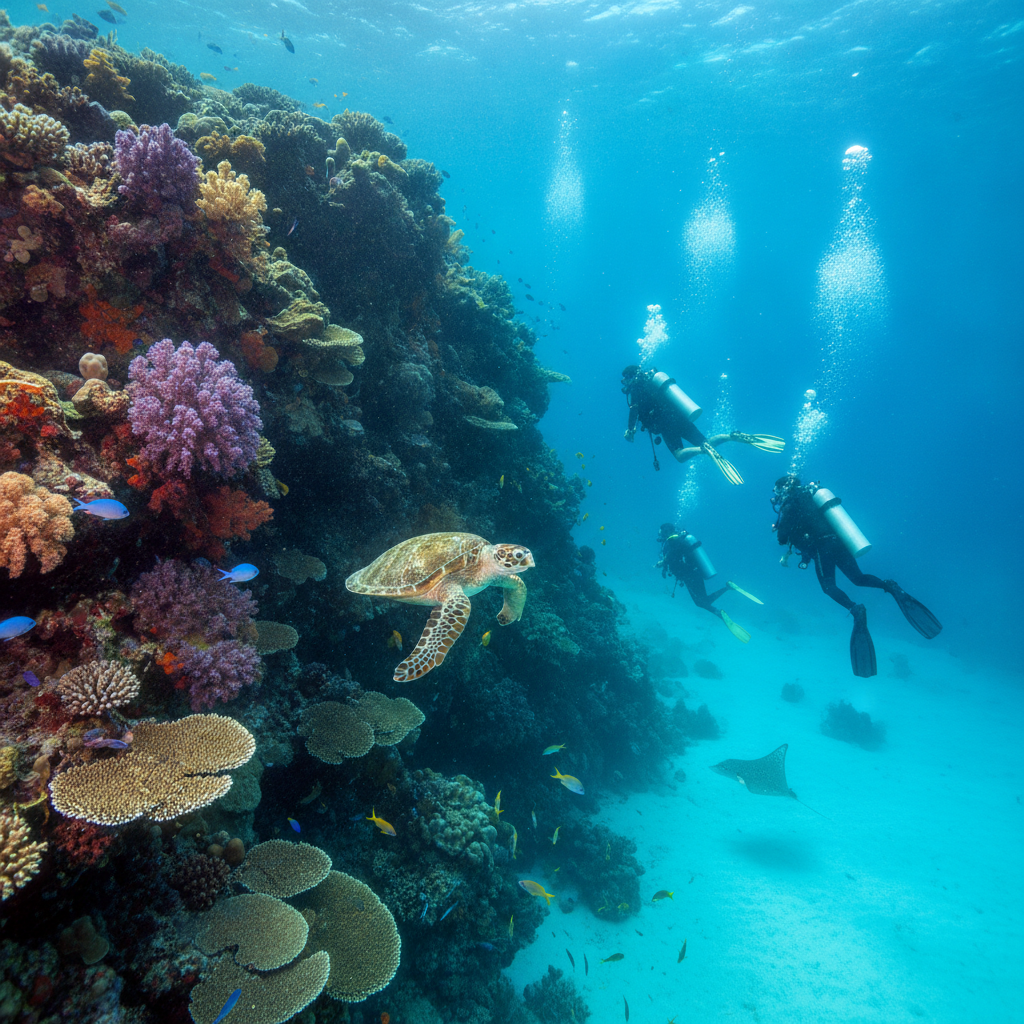

Tulum Riviera Maya Circuit Akumal Xel-Ha Xcaret and the Full Caribbean Coast Experience From the Cancun Hotel Zone to the Sian Kaan Biosphere Reserve
The Riviera Maya coast from Cancun south to the Sian Kaan biosphere reserve boundary constitutes the Caribbean coast tourism circuit of Mexico, 130 kilometres of coastline whose development progression from the full-service mass tourism of the Cancun hotel zone through the boutique mid-range of Playa del Carmen, the eco-luxury of Tulum, and the community ecotourism of the Sian Kaan reflects the full spectrum of Caribbean Mexico tourism models. The Riviera Maya tourism development began with the Cancun hotel zone in 1974, when the Mexican government computer-selected the Cancun sand bar as the optimal site for a planned tourist resort, and has spread south continuously since then, with Playa del Carmen developing from a small town to a city of 350,000 in 30 years and Tulum transforming from a fishing village to an international destination in 15 years. The cruise ship tourism that originates from the Cozumel port, the island 20 kilometres off the Playa del Carmen coast where 3 million cruise passengers per year disembark for excursions to the mainland, is the volume end of the Riviera Maya tourism spectrum, with the cruise day-trip busses carrying passengers to the Tulum ruins, the Xel-Ha eco-park, and the cenotes in numbers that set the daily visitor count records at these sites. Akumal, the small bay community 25 kilometres north of Tulum where the resident sea turtle population of the seagrass beds provides the in-water turtle encounter that the international wildlife tourism market values, has developed the most significant marine wildlife tourism product on the Riviera Maya coast outside the Cozumel dive circuit. The Xel-Ha natural park and the Xcaret cultural park south of Playa del Carmen represent the managed eco-park model of the Riviera Maya, where the natural cenote and inlet environments are organized for tourist access at all-inclusive entry prices that provide the financial model for maintaining the ecological and cultural interpretation programs.
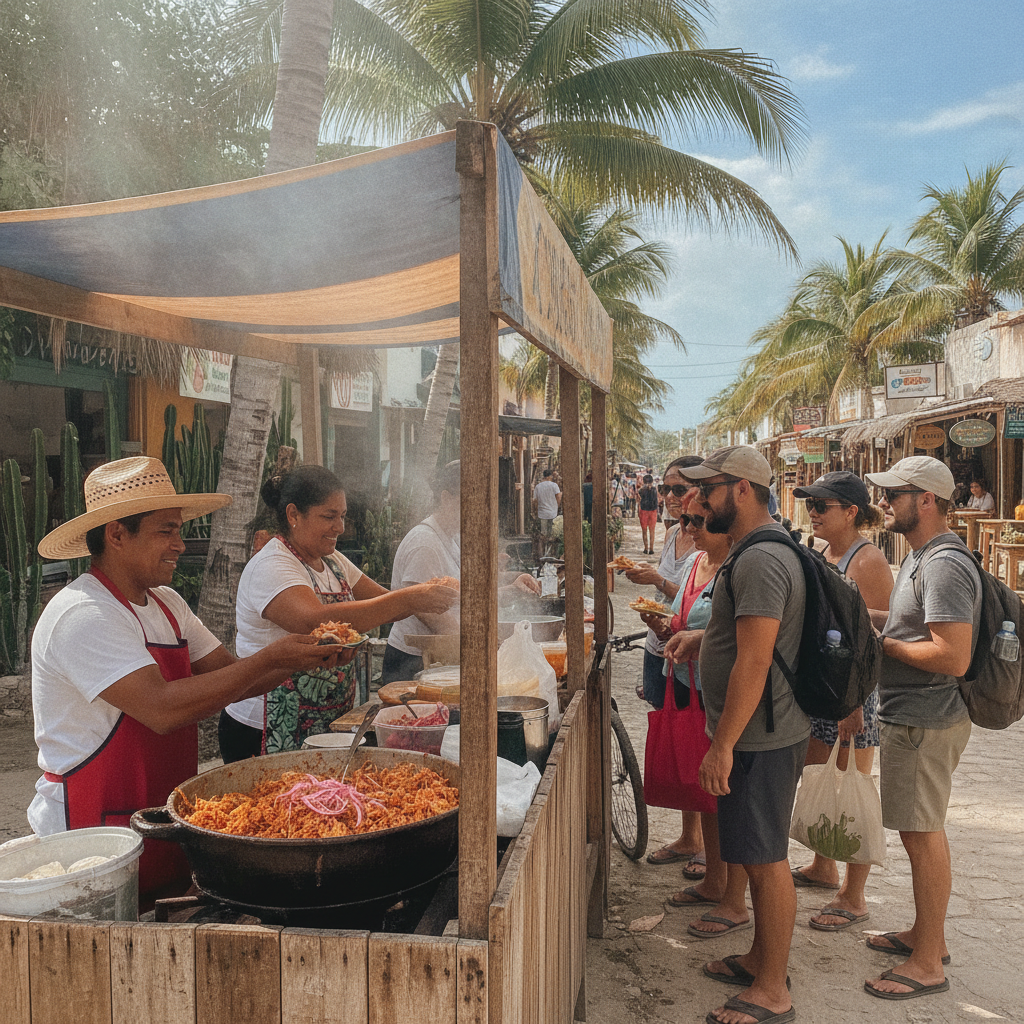
Tulum Practical Guide Getting There Transport Budget Safety and How to Visit the Riviera Maya Without Paying New York Prices for Mexican Beach Sand
Tulum is one of the most expensive tourist destinations in Mexico, with the hotel zone beach clubs and boutique hotels charging prices benchmarked to New York and London rather than to the peso economy that the surrounding region operates in, creating the paradox of a destination that markets itself as an eco-conscious retreat while delivering a consumer experience accessible only to the upper income brackets of the international tourism market. The practical approach to Tulum that avoids the worst of the price premium involves staying in Tulum town rather than the hotel zone, eating in the town market and taco stands rather than the hotel zone restaurants, cycling to the ruins and the Gran Cenote rather than taking the taxi circuit organized by the hotel zone, and choosing the community ecotourism operations of the Sian Kaan for the wildlife experience rather than the private boat operators of the hotel zone. The ADO bus service from Cancun airport, Playa del Carmen, and the inland Yucatan cities connects to the Tulum town bus station, which is the practical arrival point for the visitor who does not require the private transfer that the hotel zone properties arrange for their guests. The safety environment of Tulum has been affected by the organized crime territorial conflict that has produced violent incidents in the hotel zone from 2021 onward, and the practical safety advice for the Tulum visitor involves the awareness of the organized crime context without the level of concern that would be appropriate in the active conflict zones of northern Mexico, as the incidents have been targeted rather than indiscriminate and the tourist has not been specifically targeted in the documented events.
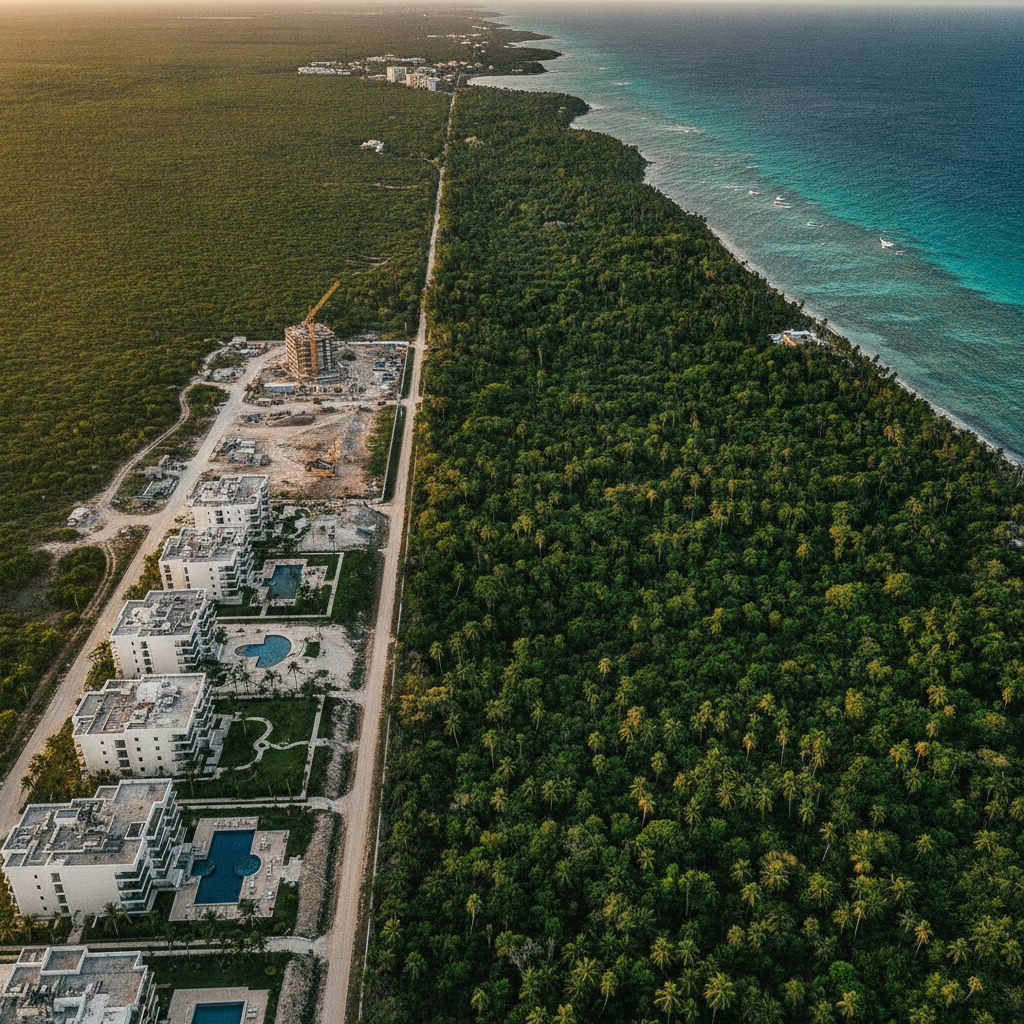
Tulum Real Estate Speculation Narco Investment Organized Crime and the Political Economy of How the Most Beautiful Beach in Mexico Was Sold to Money Launderers Hedge Funds and Instagram Influencers
The real estate economy of Tulum is one of the most dramatic examples of speculative development in the history of Mexican tourism, a 15-year process that transformed the value of undeveloped beachfront from a few thousand to millions of dollars per hectare and that attracted investment from organized crime organizations, international hedge funds, Mexican political families, and the global Instagram influencer economy that converted undeveloped jungle into branded lifestyle destinations. The initial land acquisitions in Tulum were made possible by the ejido land reform system that gave indigenous Maya communities communal land titles after the Revolution, land whose legal ambiguity between collective communal ownership and individual sale was exploited by real estate developers who purchased individual ejido parcels from community members willing to sell, often at prices that the sellers had no framework for evaluating given that the land had no prior market value. The organized crime investment in Tulum real estate, documented by the Mexican financial intelligence unit in multiple money laundering investigations, has produced a pattern where the ownership structures of the most prominent hotel zone properties trace through shell companies in the Caribbean, Panama, and Delaware back to beneficial owners whose identity the corporate structures are designed to conceal. The political economy of the Tulum development boom intersects with the Maya Train infrastructure project launched by the Lopez Obrador administration in 2019, whose station at Tulum has been anticipated to generate additional real estate appreciation and whose construction through the jungle and the cenote zone has been challenged by environmental organizations for the damage to the aquifer that tunneling through the karst limestone produces.
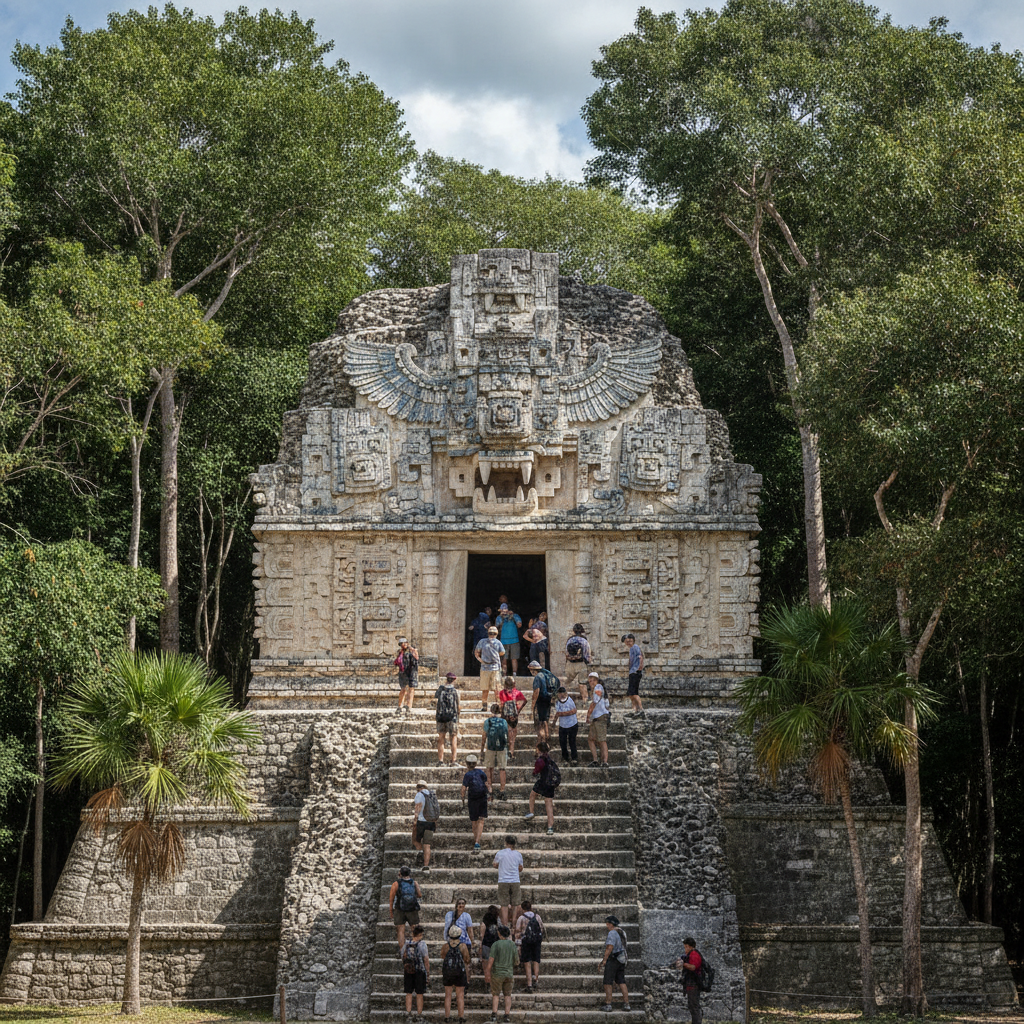
Tulum Maya Heritage Valladolid Chichen Itza Ek Balam and the Post-Classic Coastal Trade Network That Connected the Caribbean to the Heart of Mesoamerica
The Tulum archaeological site sits at the southern end of a chain of Maya post-Classic coastal sites that extends north through Xel-Ha, Akumal, and Xcaret to the major trading port of Pole, serving the maritime trade route that the post-Classic Maya civilization developed as the inland Classic period cities declined. The post-Classic Maya maritime economy of the Yucatan coast connected the Caribbean coast ports to the inland agricultural cities through the canoe routes that transported cacao, vanilla, salt, dried fish, obsidian, jade, and copper goods between the producing communities and the consuming markets of the Yucatan interior and the Gulf Coast. Chichen Itza, the most famous Maya site in the world and the destination of the tourist circuit from Tulum, is 155 kilometres northwest of Tulum and accessible as a day trip or as part of the longer inland circuit that includes the Valladolid colonial city and the Ek Balam site. Valladolid, the colonial city equidistant between Chichen Itza and Tulum, is the logical overnight base for the inland Yucatan circuit before returning to the Caribbean coast. Ek Balam, the less visited Maya site 30 kilometres north of Valladolid whose acropolis pyramid preserves the finest late Classic stucco relief sculpture surviving in the Maya world, is the architectural discovery that rewards the visitor who ventures beyond the Tulum and Chichen Itza circuit.
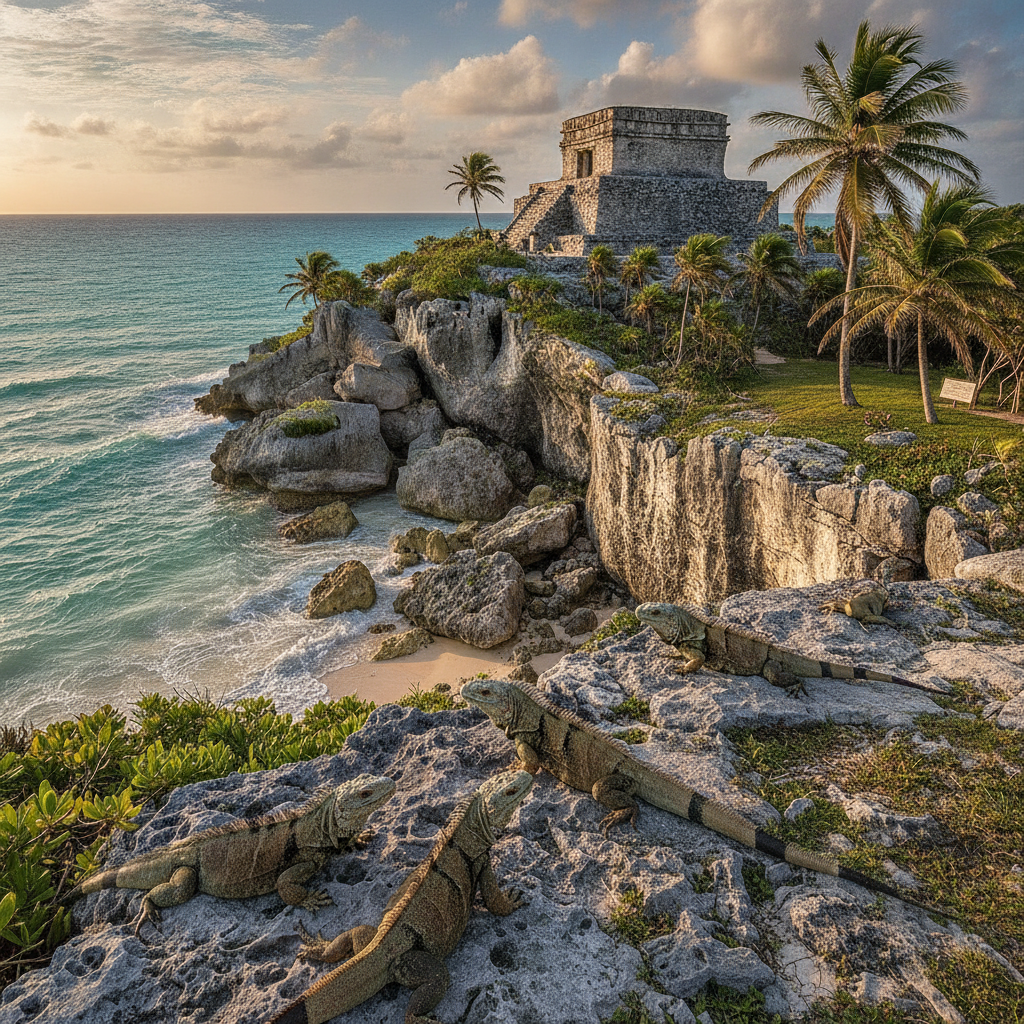
Tulum Maya Ruins on the Caribbean Cliff Gran Cenote Sian Kaan Biosphere and the Beach Town That Became the Worlds Most Instagrammed Destination and Its Own Ecological Crisis
Tulum occupies the most dramatically situated Maya archaeological site in Mexico, a walled ceremonial city built on a limestone cliff above the turquoise Caribbean at the moment when the Classic period Maya civilization was transitioning to the post-Classic maritime trade economy of the Yucatan coast, and whose silhouette of the Castillo pyramid against the sea has become one of the most reproduced images in global travel photography. The archaeological site of Tulum, active from approximately 1200 to 1550 CE as a trading port and religious center serving the coastal route between the Gulf Coast and the Bay of Honduras, is smaller and less monumentally impressive than the inland Maya sites of Chichen Itza or Uxmal, but its combination of cliff-top setting, Caribbean backdrop, and the resident iguanas sunning on the temple stones creates an atmosphere that no other archaeological site in Mexico replicates. Below the ruins, the beaches of Tulum arc north and south along a coast where the limestone platform meets the Caribbean, with the cenotes, the sinkholes in the limestone platform that provide access to the underground freshwater river system of the Yucatan aquifer, scattered through the hotel zone and the jungle behind the beach. The Gran Cenote, 4 kilometres from Tulum town on the road to Coba, is the most visited cenote in the Tulum area, with stalactite-hung chambers, underwater tunnels, and the crystal clarity of the aquifer water that the cenote system preserves. The Sian Kaan Biosphere Reserve, the UNESCO World Heritage protected area covering 528,000 hectares of coastal lagoon, mangrove, tropical forest, and marine reef south of Tulum, contains the highest biodiversity concentration on the Caribbean coast of Mexico and represents the ecological baseline against which the destruction of the tourist economy can be measured.
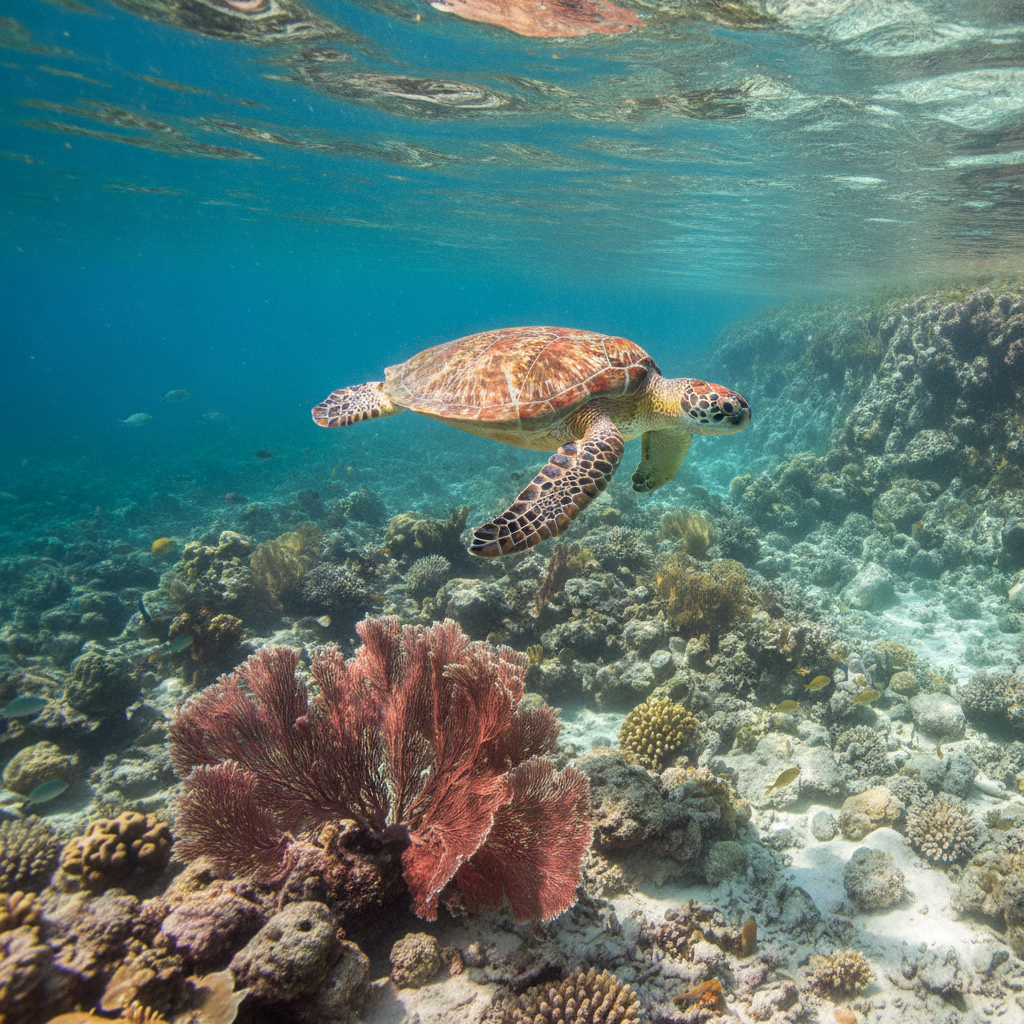
Tulum Sea Turtles Coral Reef Manatees Jaguars and the Caribbean Marine Ecosystem That Surrounds the Worlds Most Photographed Beach Town
The marine and terrestrial ecosystems surrounding Tulum are among the most biodiverse in the Caribbean, protected within the Sian Kaan Biosphere Reserve and the Mesoamerican Barrier Reef Marine Protected Area, but facing the combined stresses of mass tourism, aquifer contamination, climate-driven coral bleaching, and the sargassum influx that have made the Tulum environment the most documented ecological crisis in Mexican tourism. The loggerhead, green, and hawksbill sea turtles that nest on the Tulum beaches from May through October are the most visible wildlife of the tourist zone, with the community-run turtle protection program marking and protecting the nests along the hotel zone beach while the tourist infrastructure that surrounds the nesting sites creates light pollution, beach chair obstacles, and the foot traffic that disorients the females seeking nest sites. The jaguar population of the Sian Kaan Biosphere Reserve, estimated at 50 to 80 individuals as part of the larger Yucatan jaguar corridor that connects the reserve to the Calakmul Biosphere Reserve 200 kilometres to the south, represents the northernmost significant jaguar population on the Caribbean coast of Mexico, and the conservation of the Sian Kaan corridor is essential to the long-term viability of the Yucatan jaguar metapopulation. The manatee population of the Sian Kaan coastal lagoons, estimated at 30 to 50 individuals, feeds on the seagrass beds of the Bahia de Ascension and the Bahia del Espiritu Santo, with the boat tours of the biosphere reserve providing the most reliable manatee observation opportunity on the Mexican Caribbean coast. The Mesoamerican Barrier Reef, the world's second-largest coral reef system extending 1,000 kilometres from the Yucatan tip through Belize to Honduras, faces the multiple stressors of warming ocean temperatures producing bleaching events, crown-of-thorns starfish outbreaks, and the chemical contamination entering the reef from the aquifer discharge through the coastal submarine springs.
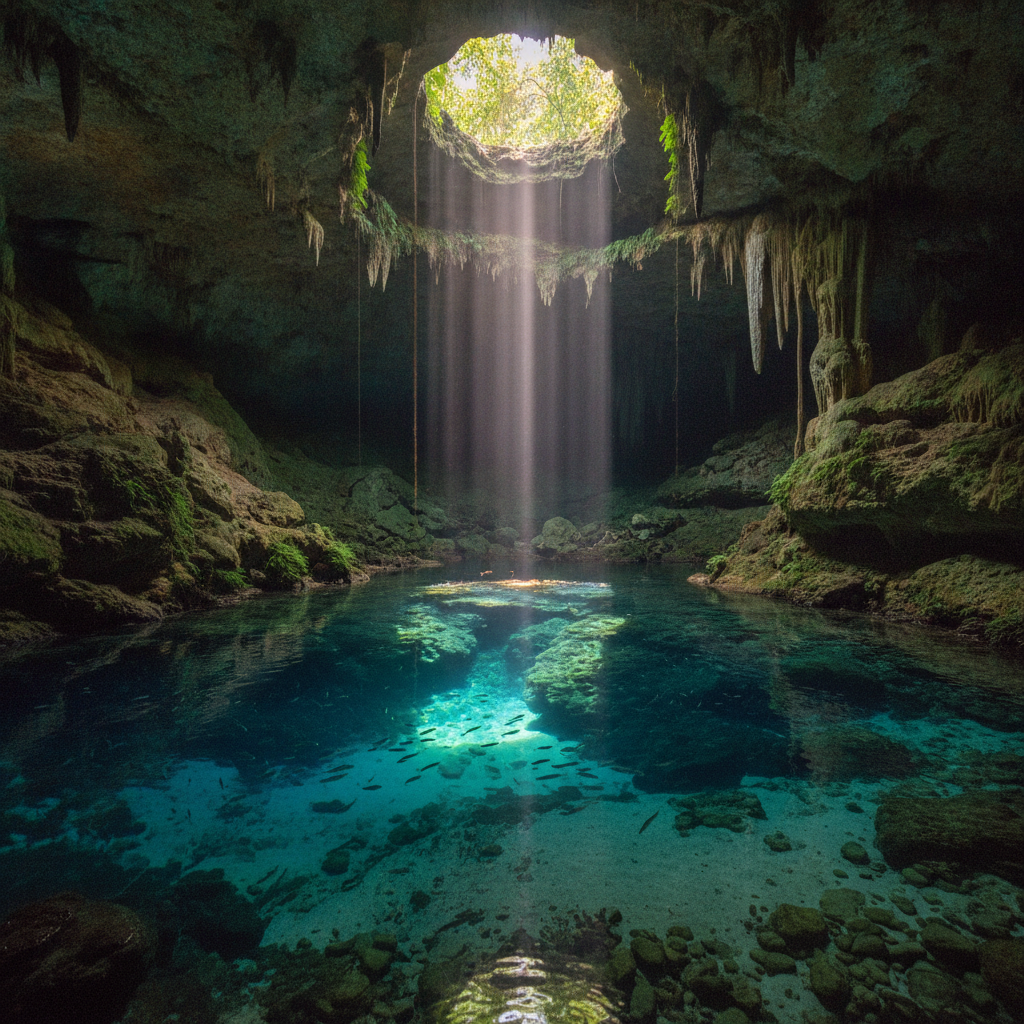
Tulum Cenote Circuit Hidden Gems Underwater Cave Systems and the Complete Guide to Swimming Snorkeling and Diving in the Worlds Largest Underground River System
The cenote circuit of the Tulum area provides access to the most extraordinary freshwater swimming environment in the world, the underground river system of the Yucatan aquifer whose cenotes, the natural skylights into the limestone cave system, offer swimming in water of crystal clarity maintained by the natural limestone filtration at temperatures of 24 to 26 Celsius year round. The Sistema Sac Actun, the largest known underwater cave system in the world with over 347 kilometres of surveyed passages as of 2024, is accessible through multiple cenotes in the Tulum-Akumal corridor, with the Gran Cenote, the Dos Ojos cenotes, and the Cenote Calavera all providing entry points to different sections of the system. The diversity of cenote types available within 30 kilometres of Tulum town spans the full range of the Yucatan cenote typology: the open circular cenote with turquoise water under a collapsed limestone sky, the semi-collapsed cavern with stalactites above and the halocline boundary between fresh and salt water visible at depth, the dark cave system that requires torch equipment and orientation training, and the shallow jungle pool cenote that functions as a natural swimming hole. The cenote tourism infrastructure of the Tulum area includes the organized circuits operated by the major cenote sites, the smaller family-run cenotes accessible from the Tulum-Coba road, and the remote cenotes reached by jungle trail that maintain the wild experience that the organized circuit sacrifices for convenience. The underwater archaeology of the cenote system, which has produced discoveries of extinct Pleistocene megafauna bones, human skeletal remains dating to 13,000 years ago, and Maya ritual offerings deposited over millennia, continues to generate research discoveries that make the Tulum cenote system one of the most scientifically significant underwater archaeological zones in the Western Hemisphere.
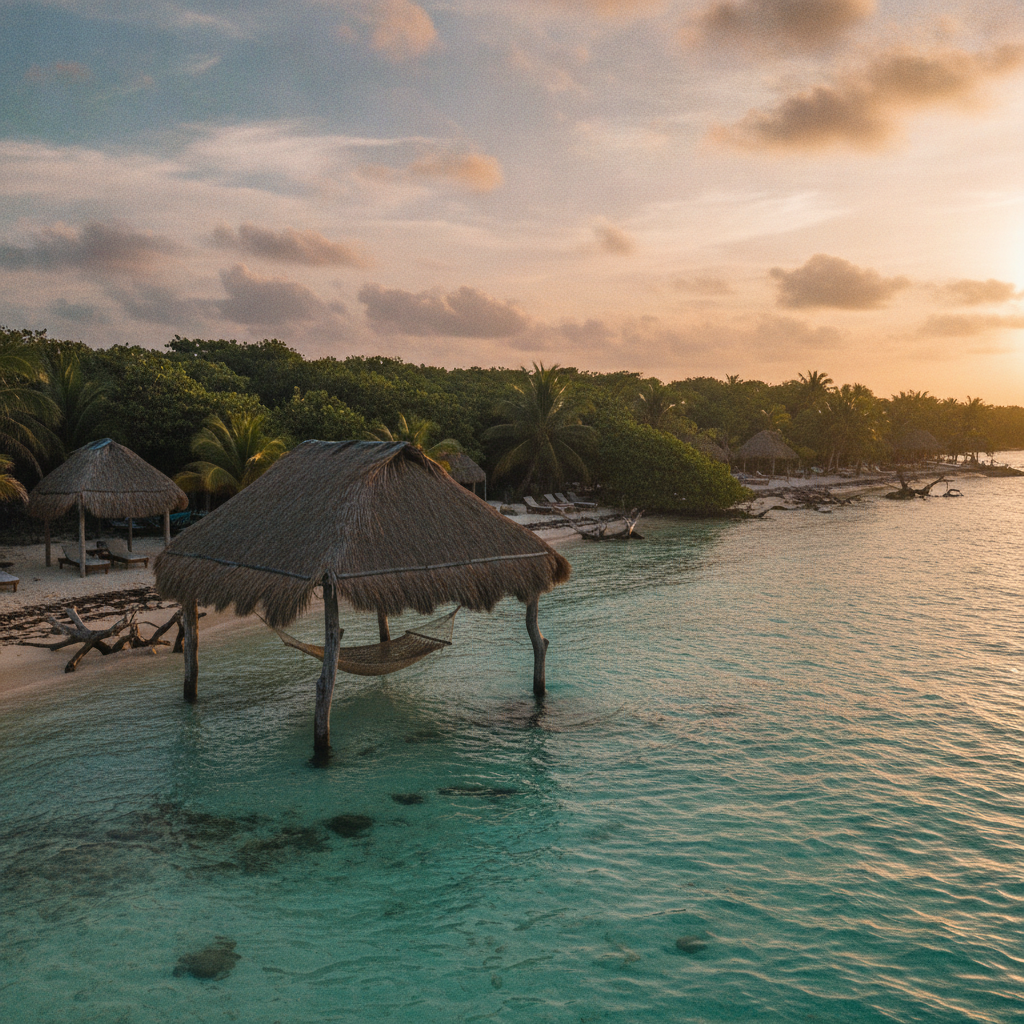
Tulum Wellness Yoga Retreats Holistic Tourism and How a Mexican Fishing Village Became the Global Capital of Spiritual Tourism Where Every Hotel Is a Temple and Every Menu Mentions Chakras
Tulum's identity as the global capital of wellness and spiritual tourism is the product of a specific cultural migration that began around 2012 when the international yoga and meditation community, seeking an alternative to the commercialized retreat circuits of Bali and Ibiza, discovered in Tulum a combination of natural beauty, cenote swimming, warm weather, relative accessibility from New York, and a pre-existing bohemian infrastructure of small eco-hotels that could be converted to the retreat format. The wellness tourism economy of Tulum, which by 2019 generated more revenue per tourist than any other destination in Mexico, positioned itself as the anti-Cancun: where Cancun offered all-inclusive mass tourism and neon nightclubs, Tulum offered boutique eco-lodges with thatched roofs, jungle-set yoga shalas, plant-based menus, cacao ceremonies, and the Mayan cosmology aesthetic of crystals, copal incense, and the underground cenote as a portal to spiritual transformation. The yoga retreat industry of Tulum, concentrated in the beach hotels of the hotel zone and the jungle retreats accessible from the Tulum-Coba road, delivers a week-long immersive experience that the premium wellness tourist from New York, London, or São Paulo pays 3,000 to 7,000 dollars to access, generating a revenue per visitor ratio that no other category of Mexican tourism approaches. The plant medicine ceremony economy of Tulum, involving ayahuasca, psilocybin mushroom, and peyote ceremonies facilitated by both authentic indigenous practitioners and by non-indigenous ceremony providers who have adopted the indigenous formats for the international wellness market, operates in a legal grey zone that the Mexican authorities tolerate without actively regulating. The Tulum wellness economy has attracted the global wellness celebrity circuit, with prominent yoga teachers, wellness influencers, and alternative health practitioners establishing their primary retreat base in Tulum or visiting annually for the festival season.