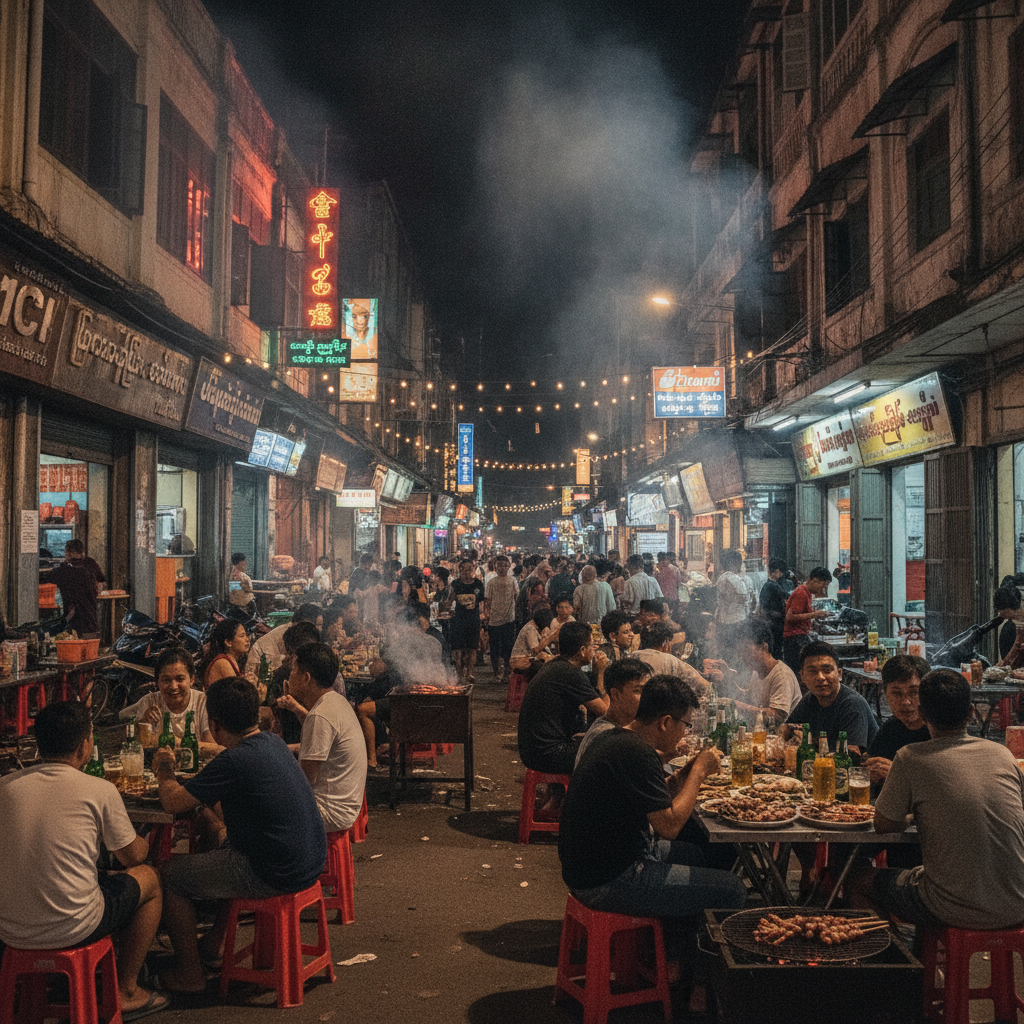
Yangon Deeper: The $0.10 Circular Train Loop, 19th Street Chinatown Barbecue & Aung San Suu Kyi's Lake House
The human Yangon—the 45.9 km circular railway loop for 200 kyat where market women board with fish-paste baskets and vendors sell grilled corn through the open windows of 1950s carriages, the Indian quarter's 1871 Shri Kali Temple and Surti Mosque from communities that were 50% of the British-era population before 1962 nationalisation expelled them, 19th Street's charcoal grills and $1 beer tables in the street where Cantonese clan associations still maintain 19th-century buildings, Aung San Suu Kyi's Inya Road house where thousands gathered at the balcony gate during her 15 years of house arrest (she remains imprisoned in 2026 on fabricated charges), the 9-storey seated Buddha at Koe Htat Gyi before dawn, and the overnight train to Bagan's 2,200 temple plain.
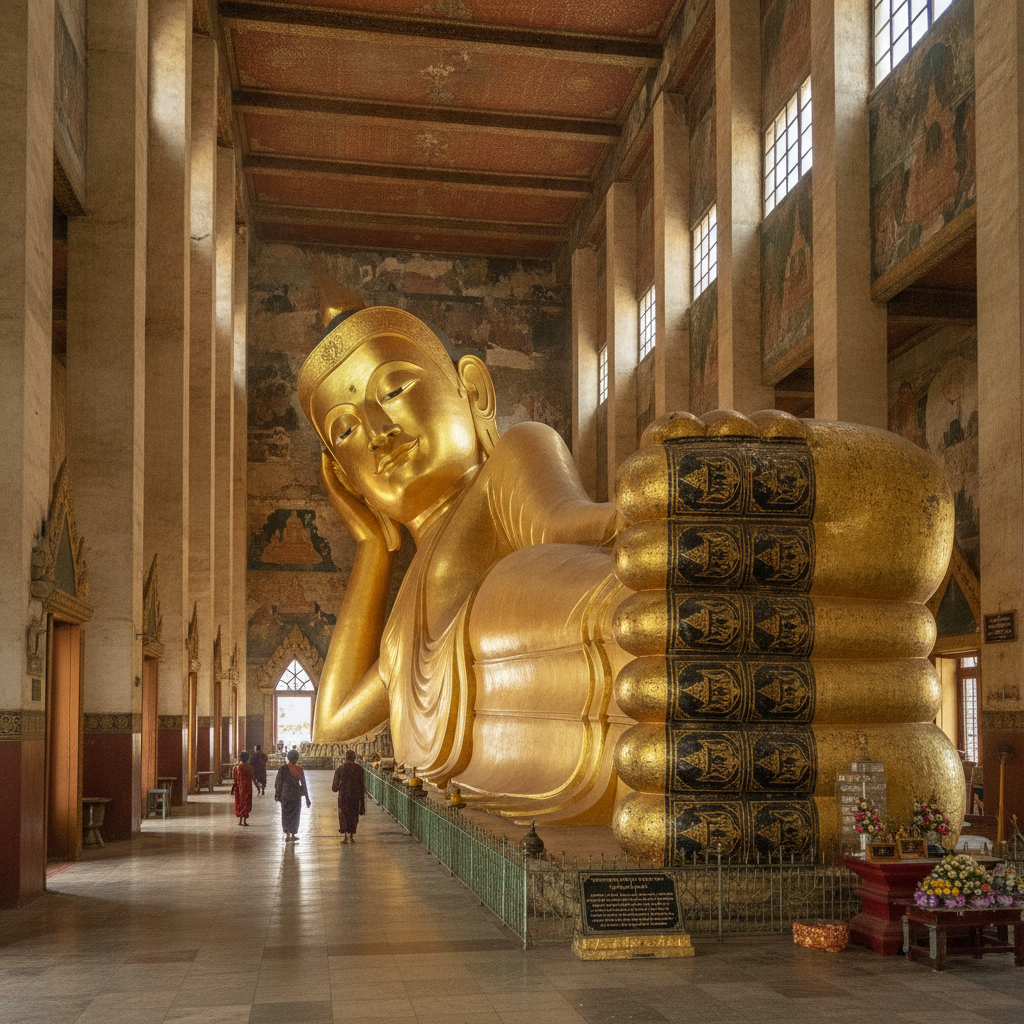
Yangon's Weight: Bago's 55-Metre Reclining Buddha, the 1962 Military Coup's Roots & a City of Resilient Dignity
The deeper Yangon—Bago's Shwethalyaung reclining Buddha (55 metres, built 994 CE, 'lost' for 400 years until British railway builders found it in 1880) and Shwemawdaw at 114 metres taller than Shwedagon, the Golden Valley diplomatic quarter where UN agencies coordinate Myanmar's humanitarian crisis from colonial bungalows, pagoda festivals where anyein variety theatre and hsain waing drum circles continue through every political era, the straight line from Ne Win's 1962 coup through the 8888 Uprising and Saffron Revolution to February 2021's coup and the ongoing civil war, the mohinga cart at 05:00 and the tea house conversation that exist independently of tourists and governments, and what the city leaves you with when you go.
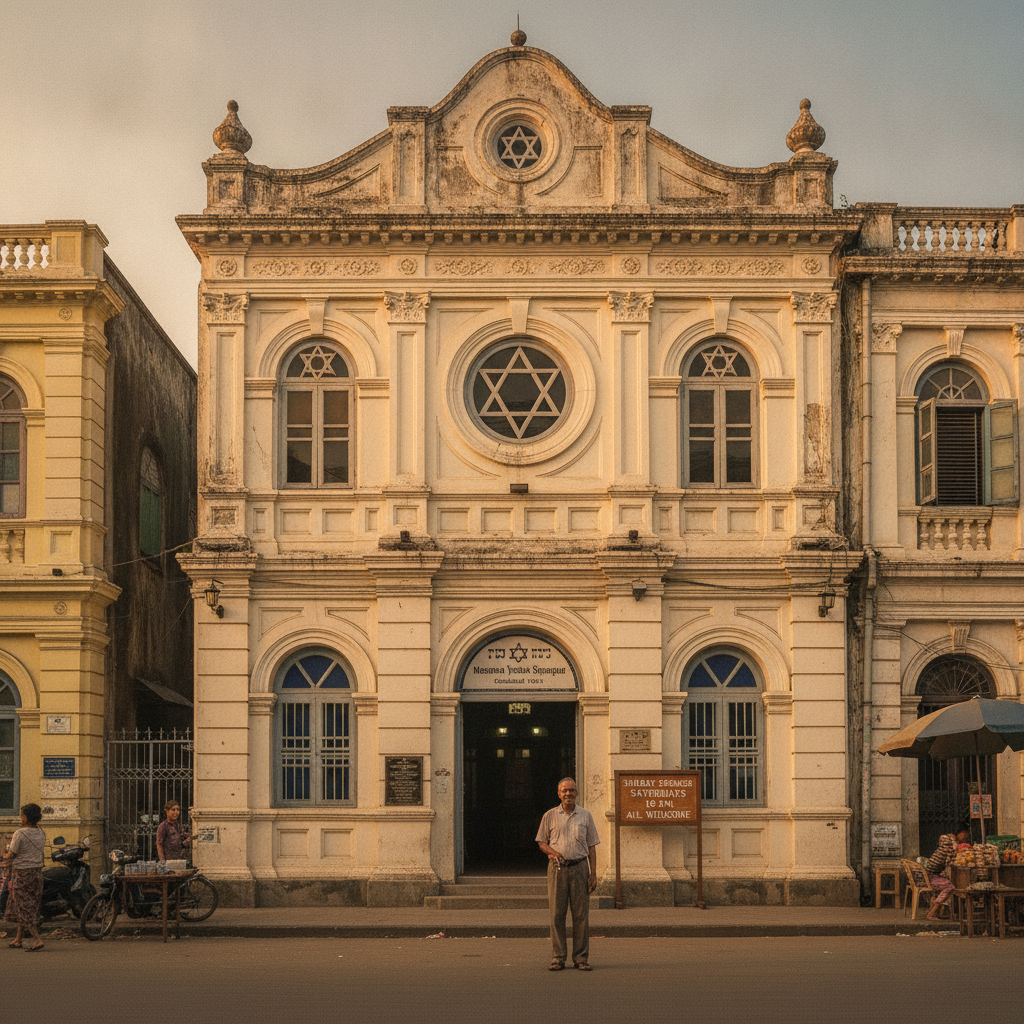
Yangon 2026: The Last Synagogue With 20 Jews, World's Largest Opium Producer & a City of 7 Million Persisting
The final Yangon—longyi silk from Inle Lake's Intha weavers at Bogyoke market (the wave-pattern achiek the most prestigious textile in a country where everyone wears a sarong), the Musmeah Yeshua Synagogue's caretaker family maintaining services for fewer than 20 remaining Jews in a community that once produced Rangoon's mayor, the UWSA's Shan State drug operation that made Myanmar the world's largest opium producer again in 2023 (surpassing Taliban-suppressed Afghanistan), the Press Scrutiny Board that required pre-print censorship approval until 2012 and the Frontier Myanmar journalists now filing from exile in Thailand, the Strand Road ferry to Dalah as the last working river transport, and a city where 12-hour power cuts and 70% currency devaluation coexist with Shwedagon still gold at dawn and the circular train still running for 200 kyat.
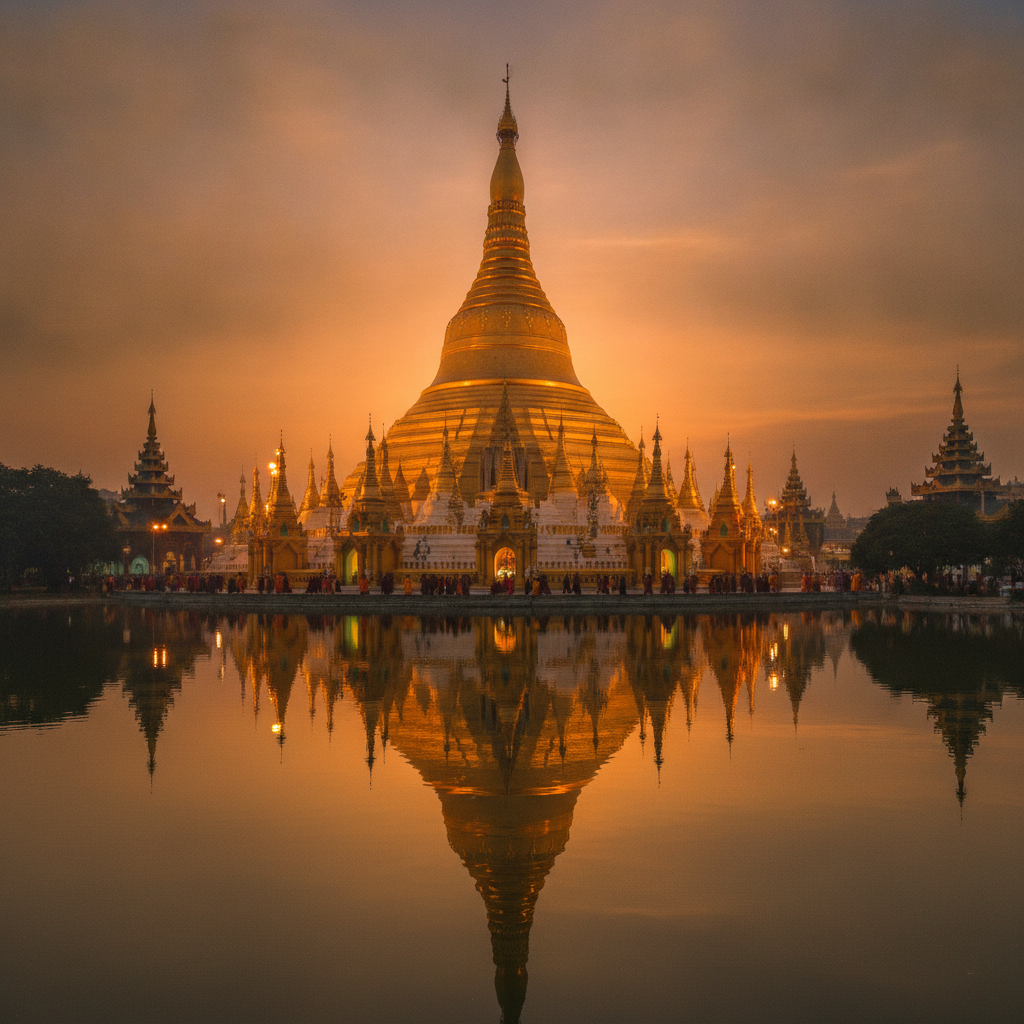
Yangon: 60 Tonnes of Gold on Shwedagon Pagoda, Victorian Rangoon's Last Streets & the Tea House Where Myanmar Talks
Myanmar's largest city in full complexity—Shwedagon's 98-metre gold stupa enshrining Buddha hairs received by merchants who met him at enlightenment (the planetary posts where you pour water over your birth-day Buddha), the Victorian downtown grid of the Strand Hotel and 1905 Secretariat where Aung San was assassinated in 1947 that the Yangon Heritage Trust has been fighting to save since 2012, Bogyoke Market's pigeon-blood rubies and the Kachin jade mine human cost behind the jewellery stalls, the Karaweik Palace barge on Kandawgyi that hosted the 1974 Non-Aligned Movement, mohinga fish noodle soup and laphet fermented tea-leaf salad as the tastes that define Yangon, and the military coup of February 2021 that changed everything for visitors and residents alike.
Yangon's Hard Questions: Rohingya Genocide Context, the Ethics of Visiting & Shan Noodles in the Tea House
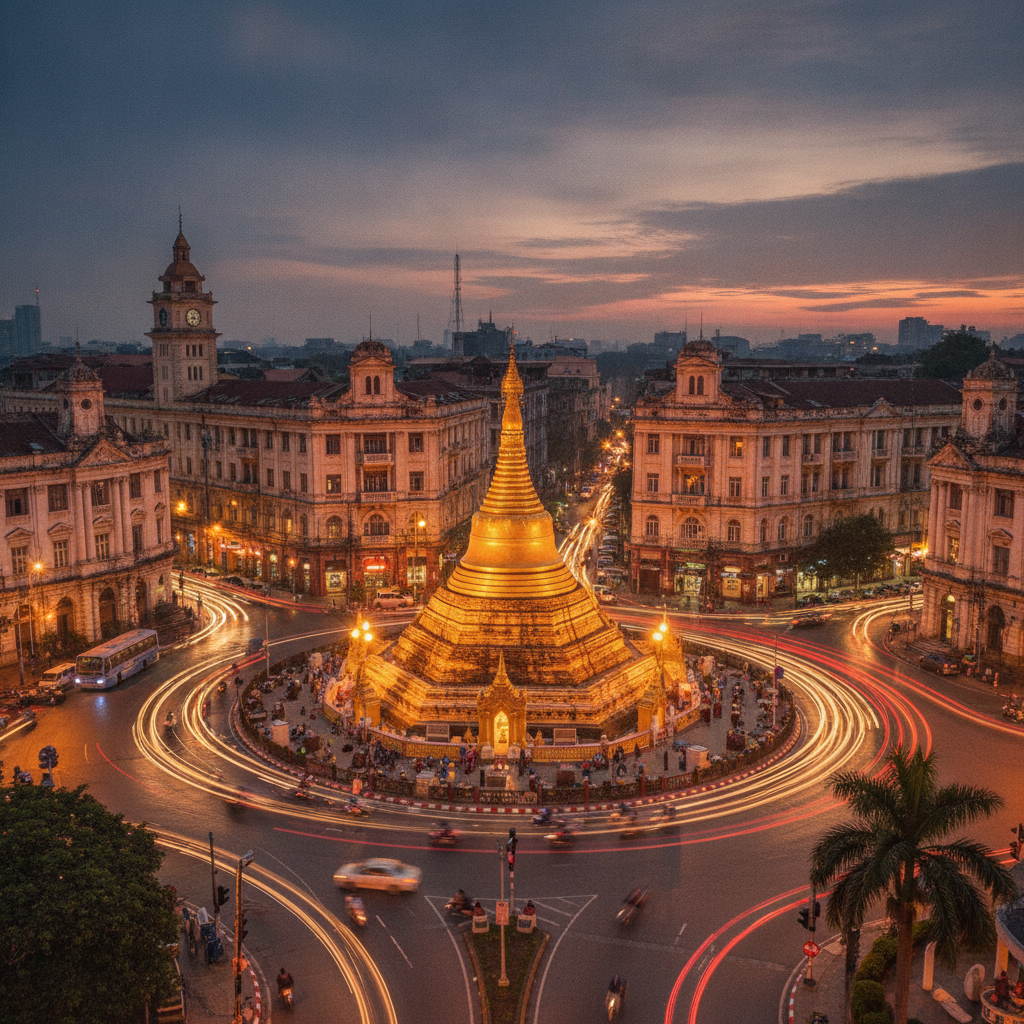
The necessary Yangon—Shan noodles and mont hin gar as the migration story of a city where every state's food arrives with its people, the Myanm/art gallery's 2014–2021 window of politically engaged contemporary art now operating in exile or coded language since the coup, the Sule Pagoda's 2,000-year-old stupa marooned in a British colonial roundabout showing two cities occupying the same space, the Rohingya crisis context: 730,000 people fled to Bangladesh in 2017 after village burnings the UN called genocide (and Aung San Suu Kyi's silence that cost her the Nobel community's respect), Iron Cross frontman Lay Phyu's post-coup political music, and the hotel-tax-to-military-government ethical question every 2026 visitor must answer.
Myanmar Beyond Yangon: Bagan's 2,200 Temples, Inle Lake's Leg-Rowing Fishermen & the Golden Rock at Dawn
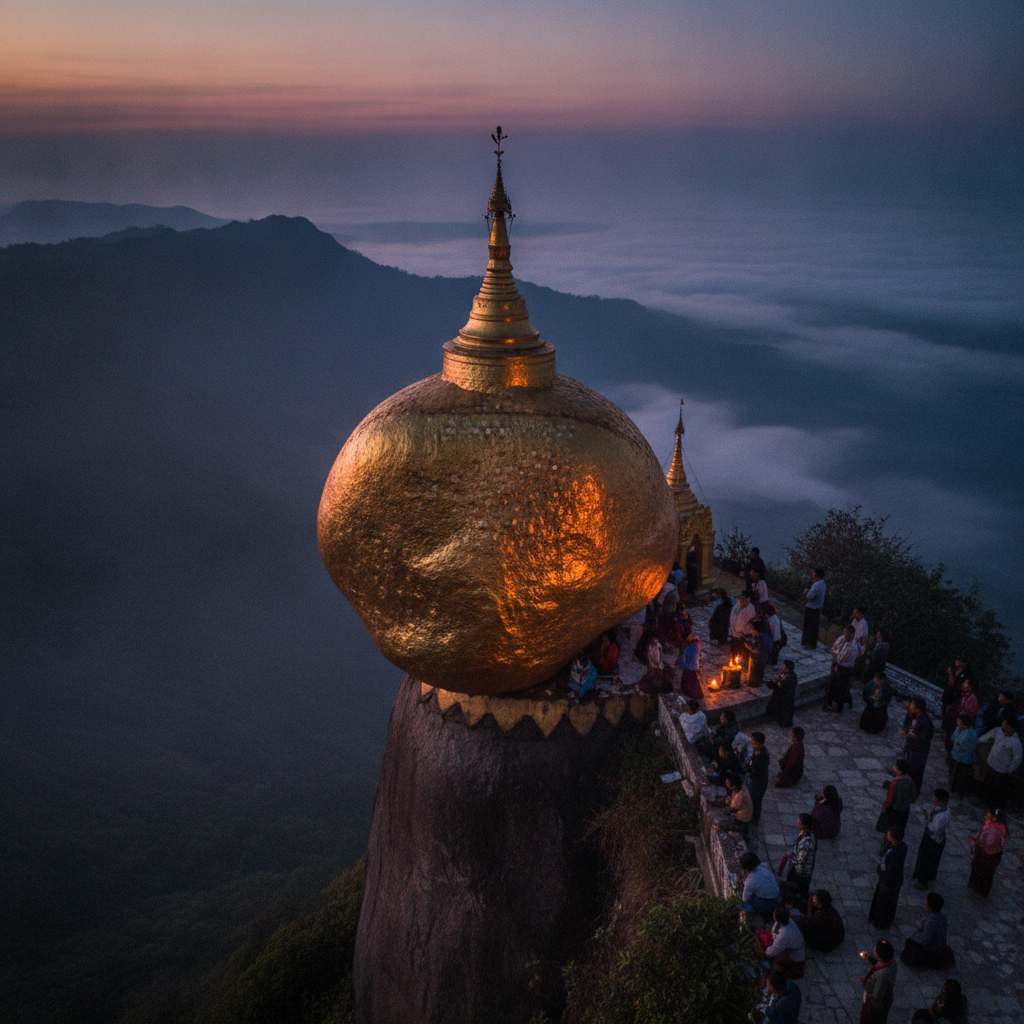
The Myanmar travel circuit from Yangon—Inle Lake's 70,000 stilt-village residents and the Intha leg-rowing silhouette at dusk on floating tomato gardens, Bagan's 10,000 temples reduced by earthquake to 2,200 across a 40 km² dry-zone plain (and the gold paint controversy at the renovated Ananda), Mandalay's 729 marble slabs of the entire Pali canon each in its own white miniature pagoda, Kyaiktiyo's golden boulder balanced on a cliff edge at 1,100 metres that women cannot touch, the Hukaung Valley tiger reserve larger than Sri Lanka now complicated by civil conflict in Kachin State, and the 50-100 remaining Ayeyarwady dolphins whose mutualistic fishing partnership with Bhamo fishermen is documented since the colonial era.