marrakech
Entdecke Routen, Sehenswürdigkeiten und Reiseführer in Marrakech.
9 Routen
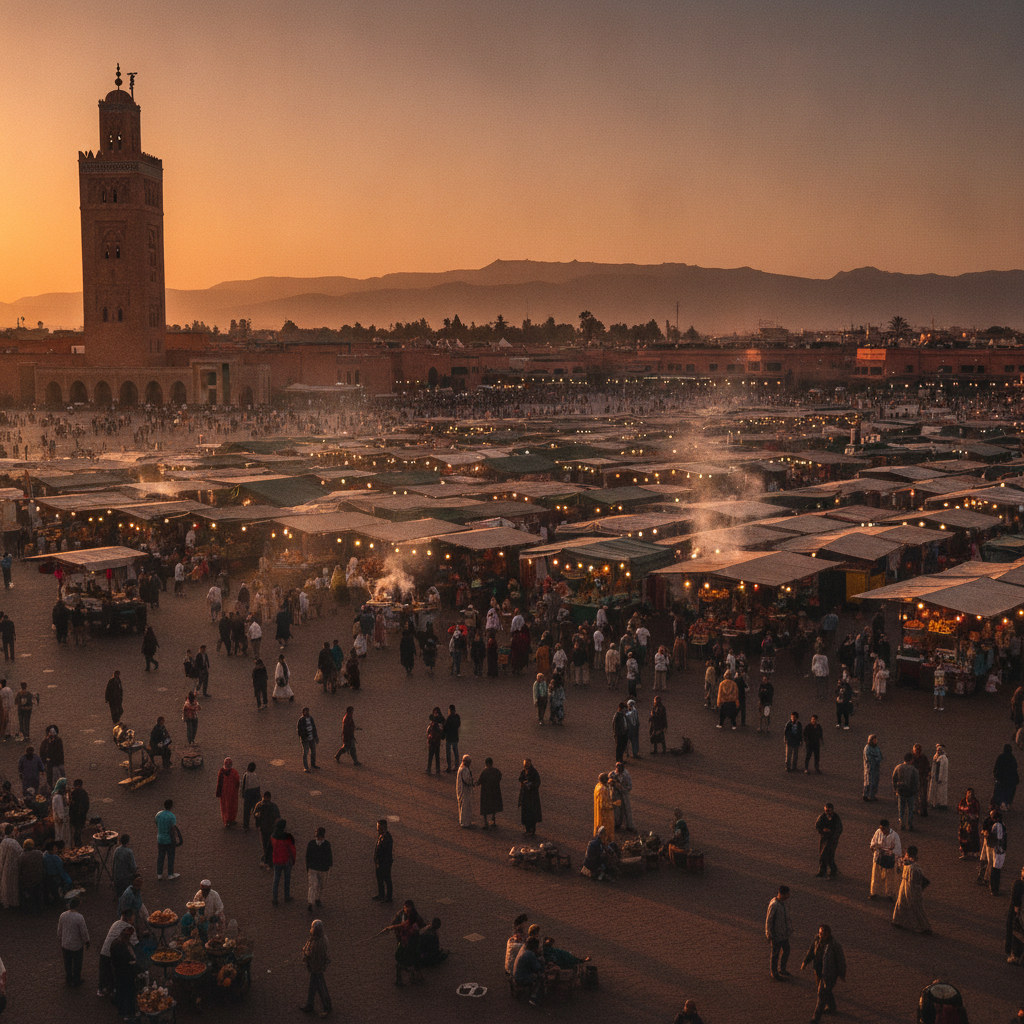
Djemaa el-Fna, die Medina & die Souks — Marrakesch's Lebendes UNESCO-Erbe
Marrakesch — die 'Rote Stadt', die imperiale Stadt mit ockerfarbenen Mauern am Fuße des Atlas — ist die meistbesuchte Stadt Afrikas und das international bekannteste marokkanische Reiseziel, mit seiner Medina (UNESCO-Welterbe seit 1985) und dem spektakulären Djemaa el-Fna im Zentrum.
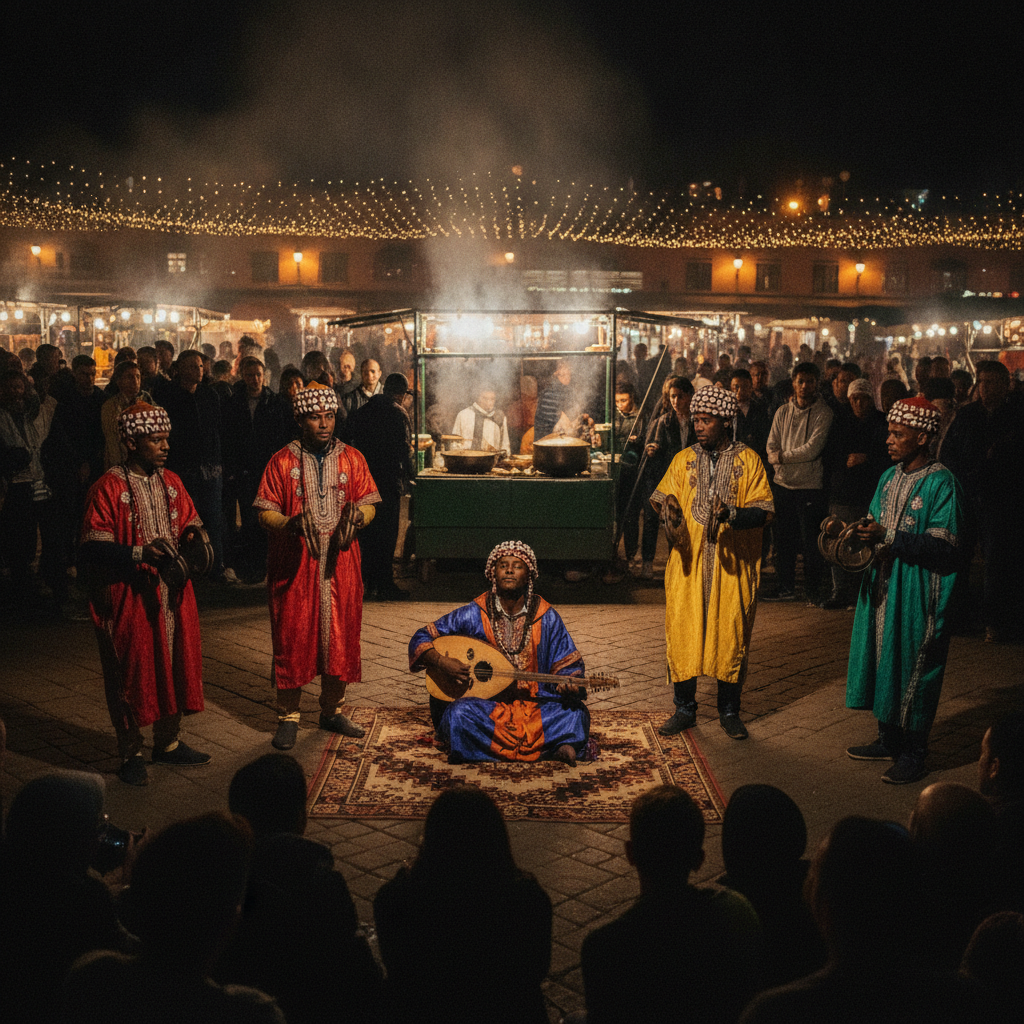
Gnawa-Musik, Sufi-Kultur & das Spirituelle Herz Marrakesch
Marrakesch ist die spirituelle Hauptstadt der marokkanischen Musikkultur — Heimat der Gnawa-Tradition (2019 von der UNESCO als Immaterielles Kulturerbe anerkannt) und der Sufi-Bruderschaften, die die devotionalen Musiktraditionen der islamischen Welt fortführen.
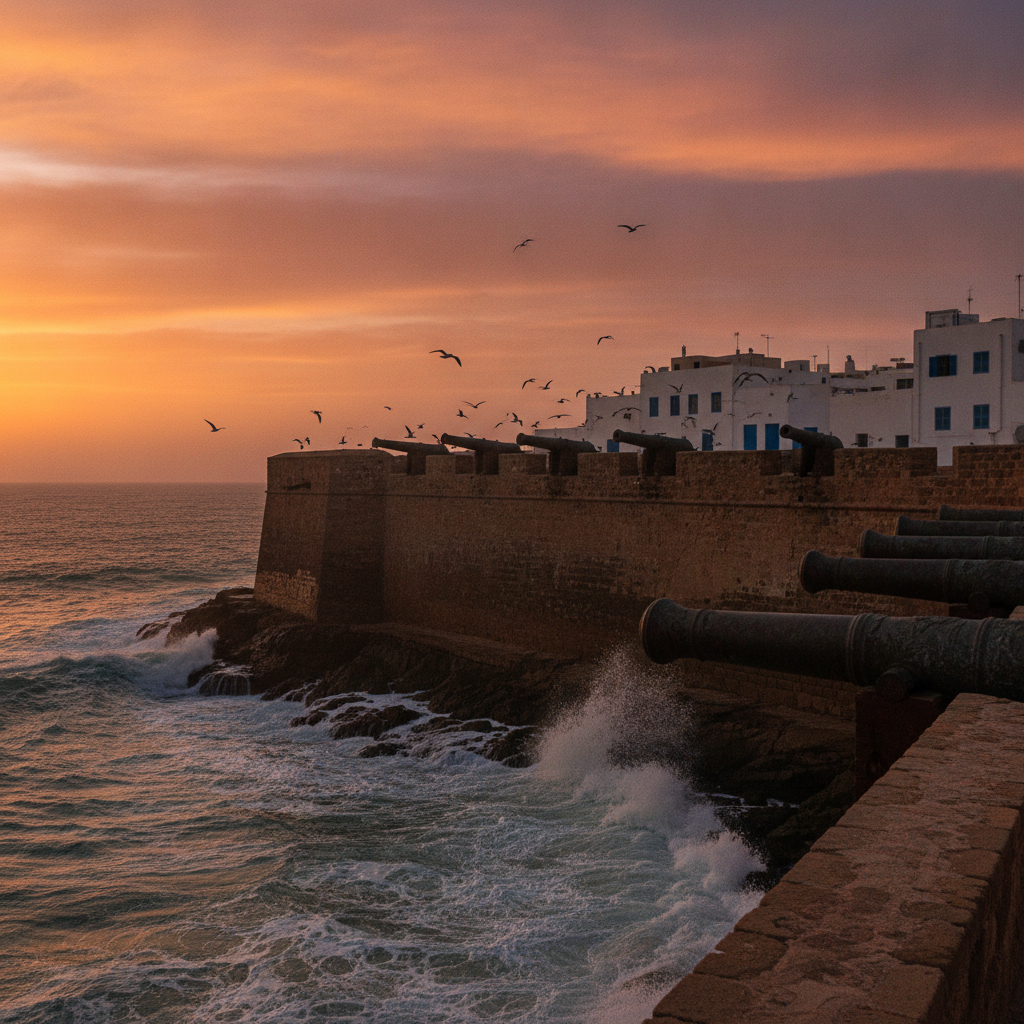
Essaouira — Marrakesch's Atlantisches Ausflugsziel
Essaouira (the Atlantic coastal city 180 km west of Marrakech (2.5-3 hours by bus or private transfer) — the wind-swept fortified city on the Atlantic coast, UNESCO World Heritage since 2001): Essaouira (the name means 'the well-designed' in Amazigh) was built as a new city in 1765 by the Alaouite Sultan Mohammed III, designed by the French military architect Théodore Cornut, creating a European-designed medina with wide straight streets within a Moroccan context — unique in Morocco; Essaouira was the most important port in Morocco from the 18th to the early 20th century, a cosmopolitan city of Jewish, European, Arab, and Amazigh communities.
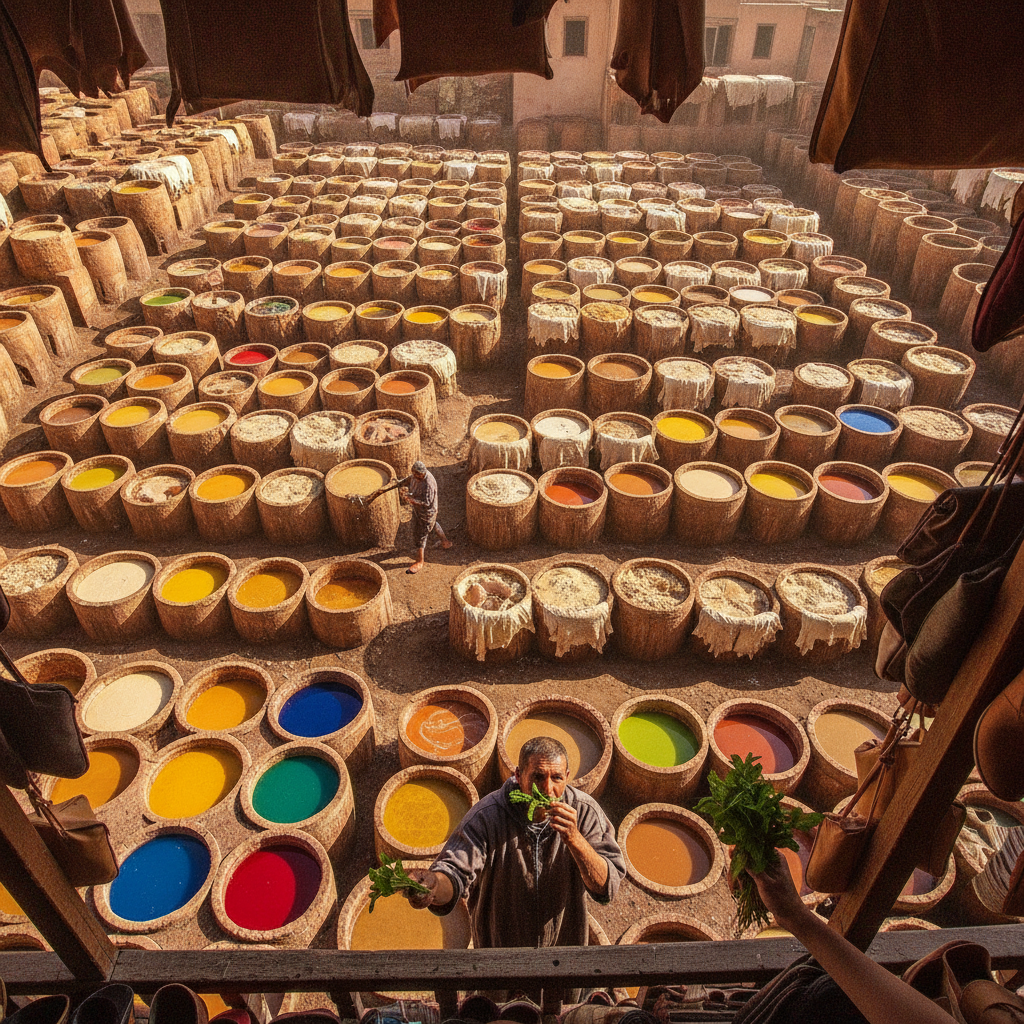
Marokkanisches Handwerk — Ledergerber, Töpferei & Handwerker
Moroccan traditional crafts (the body of skills and techniques that has been practiced in Moroccan artisan workshops (the medersas (ateliers)) for centuries, representing one of the richest and most intact craft traditions in the world): the most important Moroccan crafts are: leather (the Moroccan leather industry, centred on the tanneries of Fez (the most famous, though Marrakech also has traditional tanneries), producing babouche (the Moroccan leather slipper), bags, belts, and decorative items), pottery (the traditional Moroccan painted pottery, particularly the distinctive black-on-white geometric designs of Salé and the multi-coloured painted pottery of Safi), and the zellij (the cut ceramic tilework that covers floors, walls, and fountains in traditional Moroccan architecture).
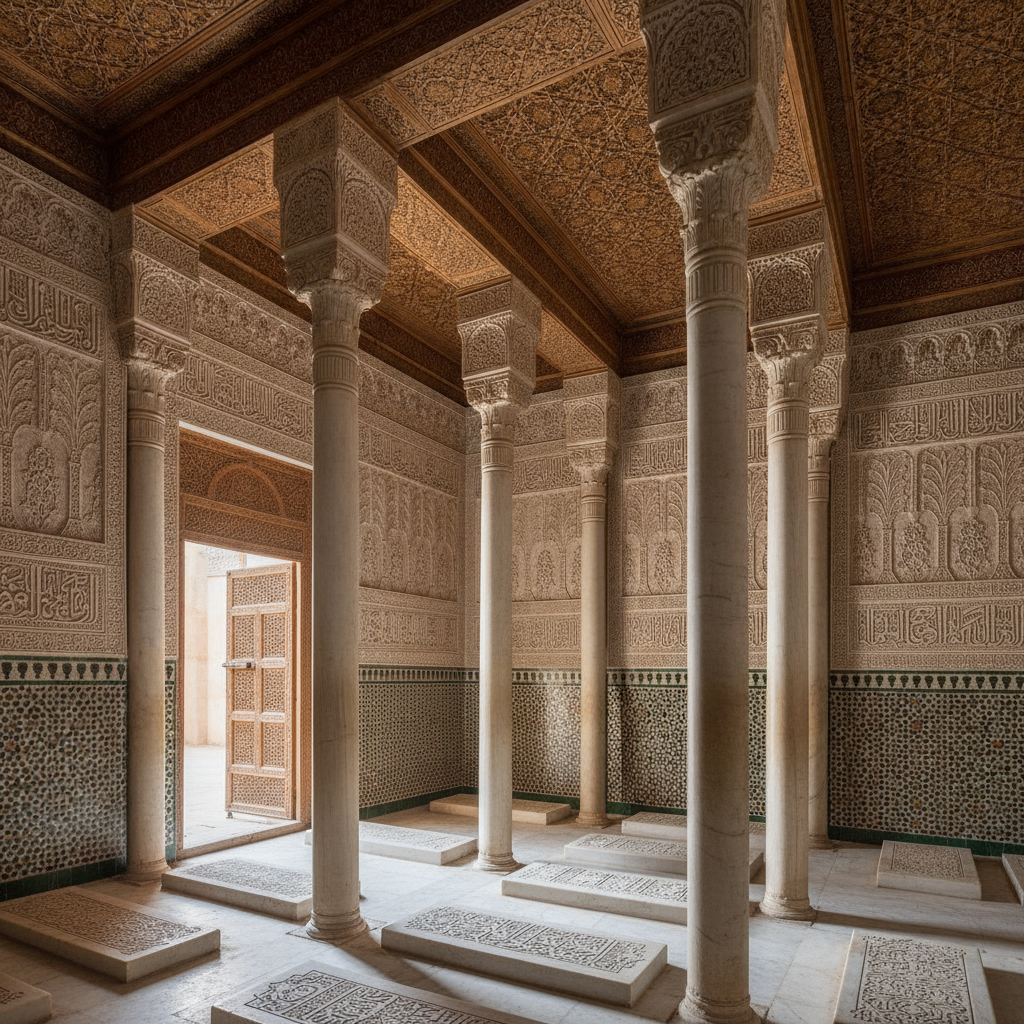
Saadische Gräber & die Imperiale Geschichte Marrakesch
The Saadian Tombs (the royal necropolis of the Saadian dynasty (1549-1659), the most important dynasty in Moroccan history, who made Marrakech the capital of a Moroccan empire that stretched from sub-Saharan Africa to the Mediterranean): the tombs were sealed by the Alaouite Sultan Moulay Ismail (who despised the Saadians) in the 17th century and rediscovered in 1917 from aerial photography by the French — the best-preserved Saadian monuments in Morocco.
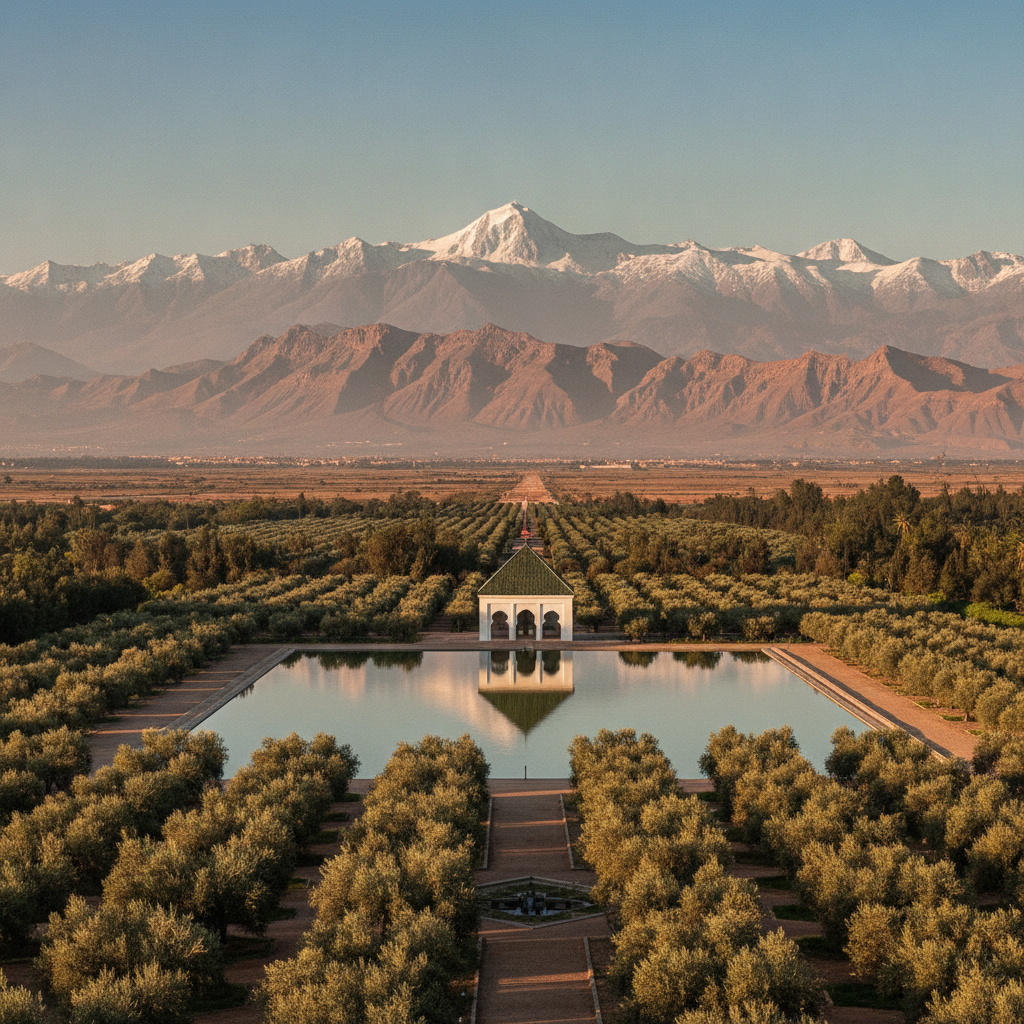
Atlasgebirge, Ourika-Tal & Berberdörfer — Tagesausflüge von Marrakesch
Der Atlas, an klaren Tagen von Marrakesch sichtbar, beherbergt den Jbel Toubkal (4.167 m, der höchste Gipfel in Nordafrika) und die als Tagesausflüge zugänglichen Amazigh-Täler und -Dörfer: Ourika (60 km) und Aït Benhaddou (200 km) sind die bekanntesten Ziele.
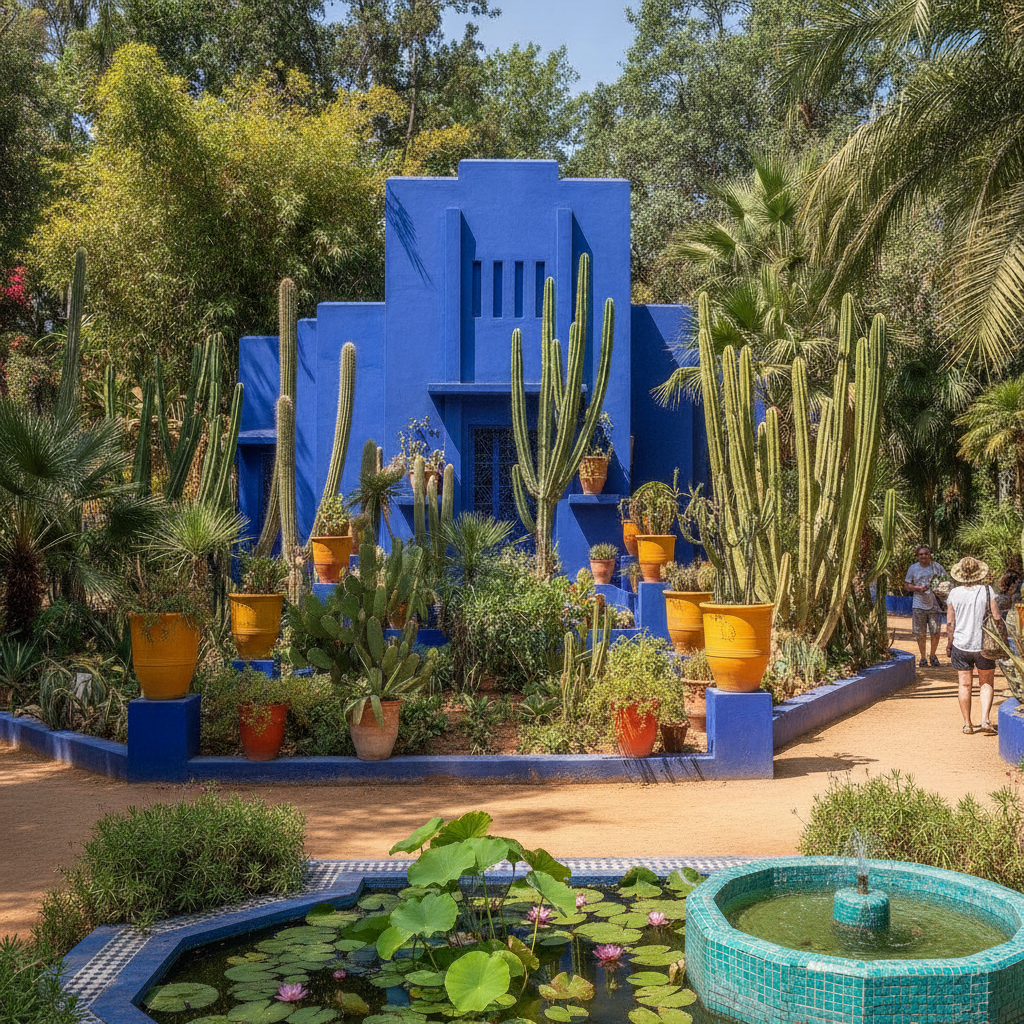
Majorelle-Garten, das YSL-Museum & Guéliz — Marrakesch's Modernes Viertel
Jenseits der Medina beherbergt das Gueliz-Viertel von Marrakesch — die französische Ville Nouvelle, die ab 1912 gebaut wurde — zwei der meistbesuchten Attraktionen Marokkos: den Majorelle-Garten und das Musée Yves Saint Laurent.
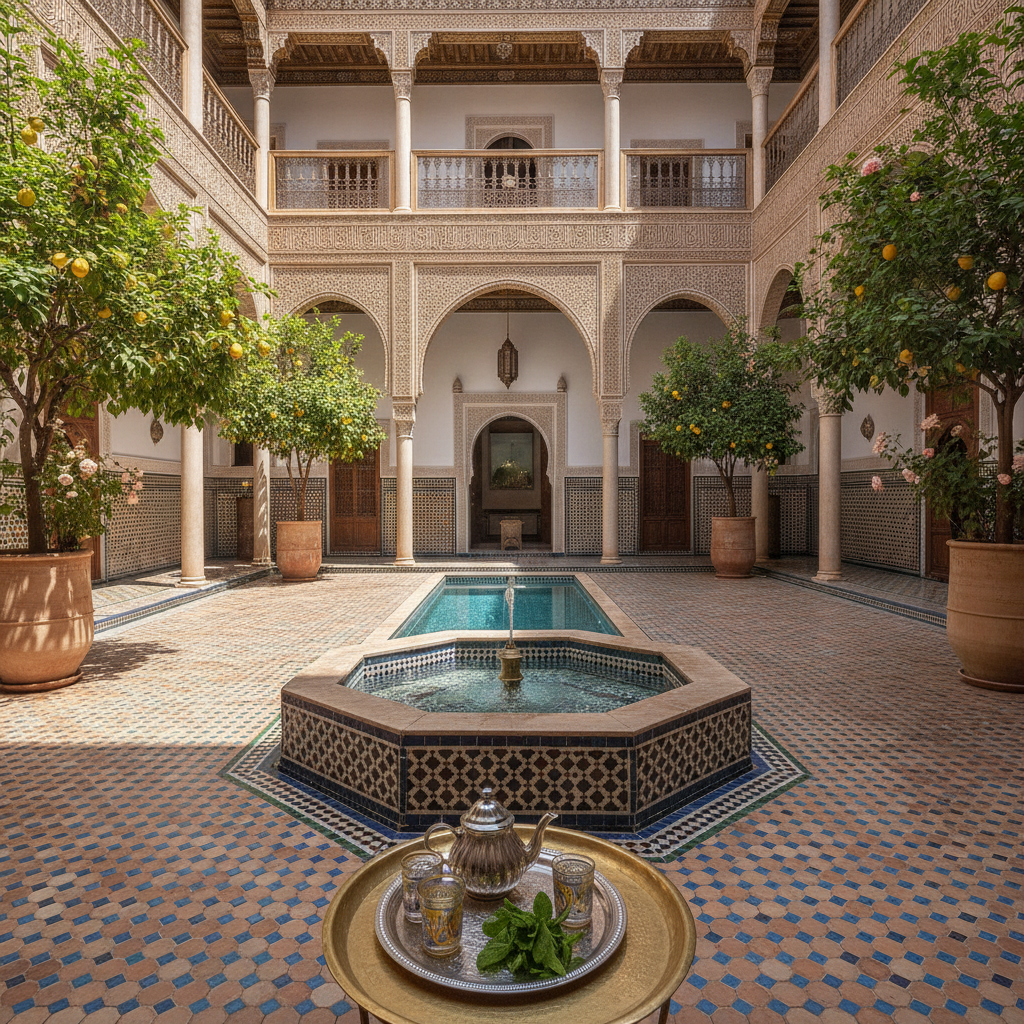
Riad-Leben — Traditionelle Marokkanische Hofhäuser
The riad (the traditional Moroccan courtyard house of the medina — from the Arabic riad, meaning garden) is the defining architectural form of Marrakech: the inward-facing design (blank exterior walls, all rooms opening onto a central courtyard garden with a fountain or pool) reflects both the Islamic preference for private domestic space and the need for shade and cooling in the North African climate; the conversion of riads into boutique hotels began in the 1990s and has transformed the Marrakech accommodation industry, with over 1,000 riad guesthouses now operating in the medina.
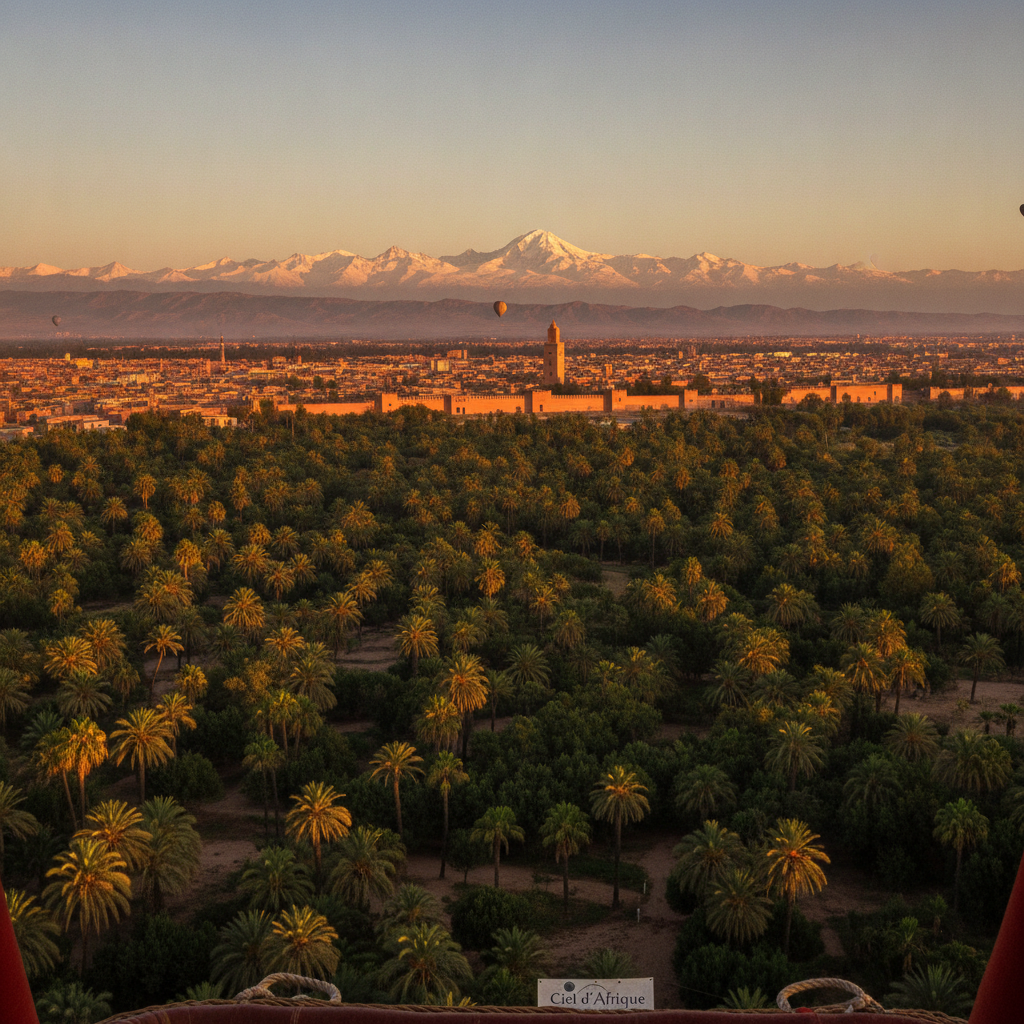
Die Palmeraie — Kamelreiten, Heißluftballons & Wüstenaktivitäten
The Palmeraie (the palm grove of Marrakech — the large area of date palms (Phoenix dactylifera) on the northeastern outskirts of the city, covering approximately 13,000 hectares and containing an estimated 100,000 date palms, traditionally associated with the legend that Almoravid soldiers planted the dates they had brought from the Sahara on the site): the Palmeraie is the primary destination for tourist activities in Marrakech — camel (dromedary) riding through the palm groves, quad biking, horse riding, and (from March-November on calm mornings) hot-air ballooning over the city and the Atlas Mountains — the finest way to see the relationship between Marrakech, the Palmeraie, and the Atlas.