seoul
Entdecke Routen, Sehenswürdigkeiten und Reiseführer in Seoul.
9 Routen
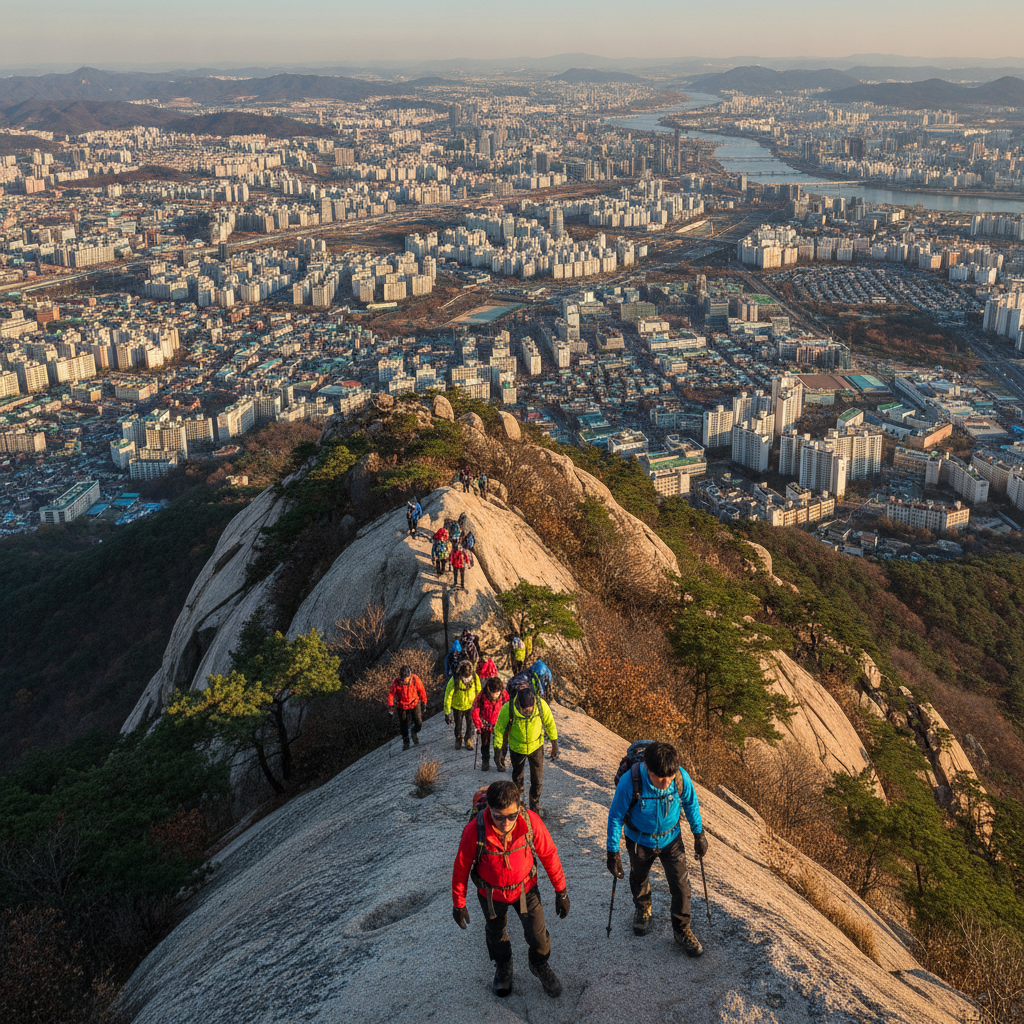
Bukhansan-Nationalpark — Granit-Gipfel & die Stadtfestungsmauern Seouls
Bukhansan National Park (북한산국립공원, 'north of the Han Mountain National Park' — the 80-square-kilometre national park in the northern outskirts of Seoul, encompassing the Bukhansan massif (the highest peak Baegundae 836 metres) and the Dobongsan massif (Jaunbong 740 metres) — is the most visited national park in the world per unit area, with over 5 million visitors annually accessing it directly from Seoul's subway system.
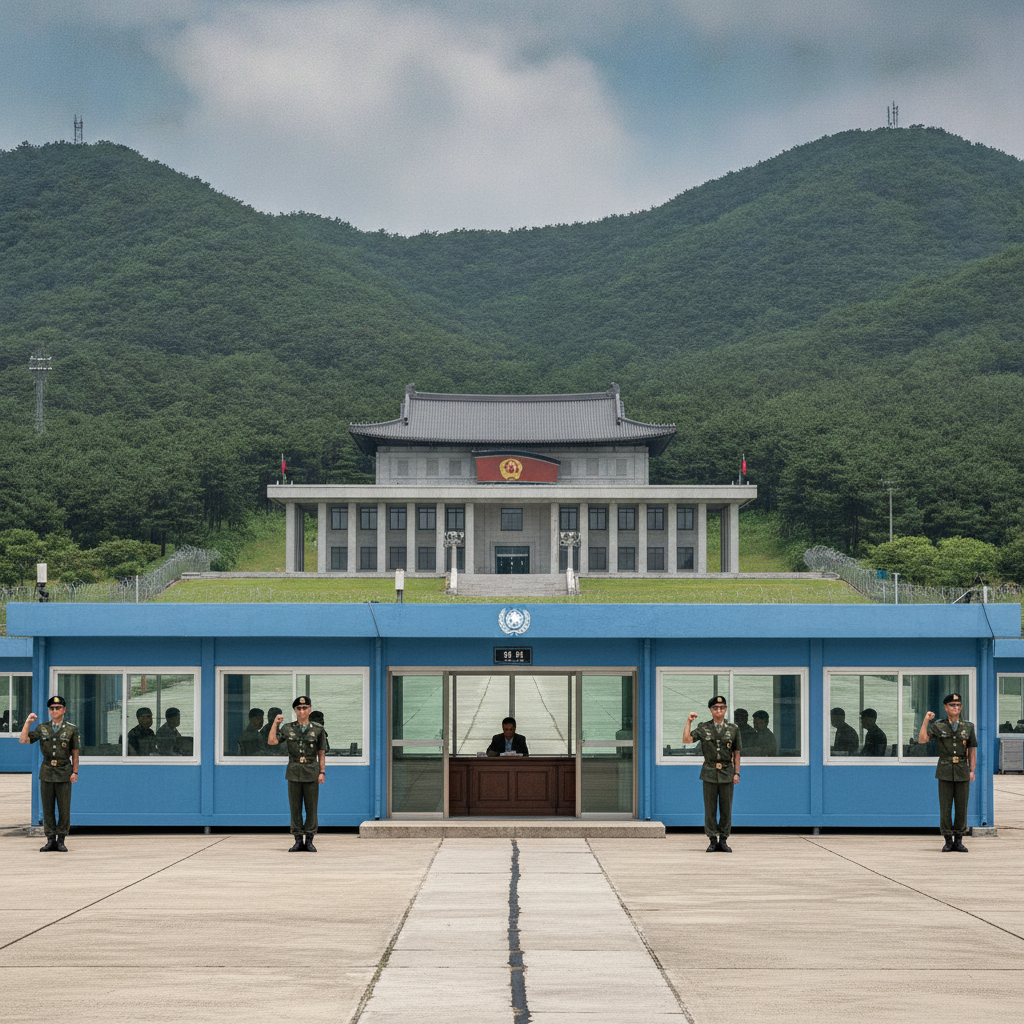
Die DMZ, Panmunjom & die Gemeinsame Sicherheitszone — Koreas geteilte Grenze
The Korean Demilitarized Zone (DMZ) — the 4-kilometre-wide, 248-kilometre-long buffer zone separating North and South Korea, established by the Korean Armistice Agreement of July 27, 1953, which ended the active fighting of the Korean War (1950-1953) without a formal peace treaty — is one of the most heavily militarised borders in the world and one of the most historically significant sites in the Asia-Pacific region, accessible on organized tours from Seoul (approximately 55 kilometres to the south).
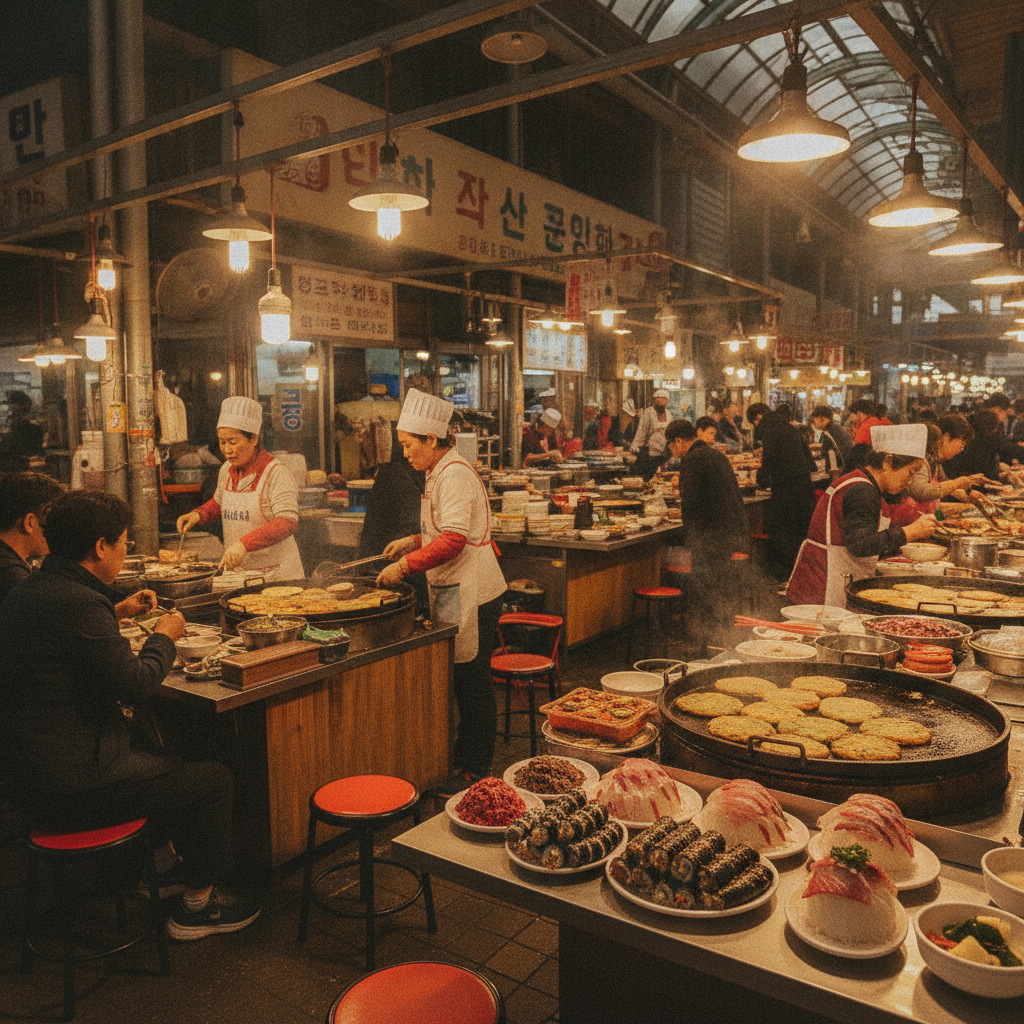
Koreanische Esskultur — Gwanjang-Markt, Bibimbap, Samgyeopsal & Banchan
Korean cuisine — one of the most distinctive, complex and beloved national cuisines in the world — is centered on the principles of balance (the five flavours of sweet, sour, salty, bitter and spicy; the five colours of red, green, yellow, white and black), fermentation (kimchi, doenjang, ganjang, gochujang), and the communal table (the banchan system of shared small dishes); Seoul is the best place in the world to explore the full range of Korean food culture, from the traditional market food halls of Gwanjang to the Michelin-starred Korean fine dining of Jongno.
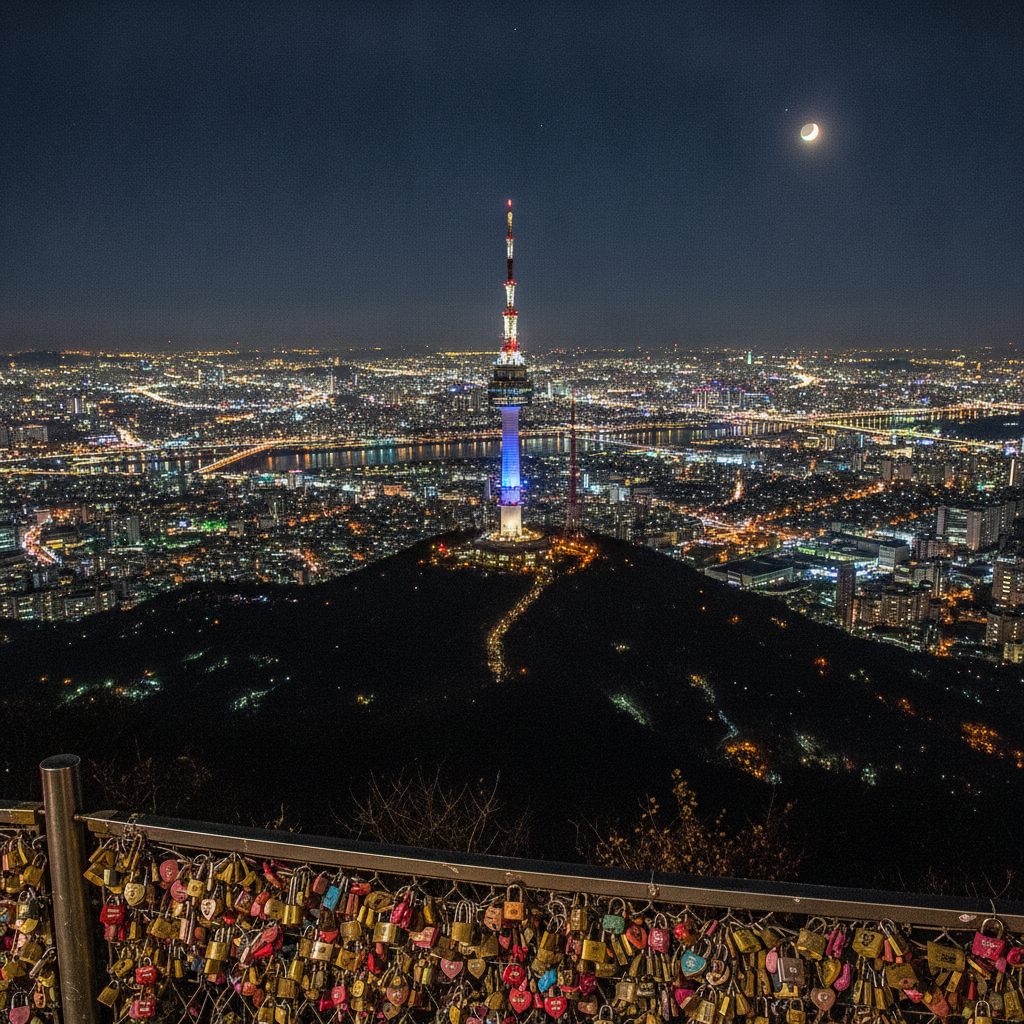
Myeongdong, Namdaemun-Markt, N Seoul Tower & Namsan
Das Dreieck aus Myeongdong, dem Namdaemun-Markt und dem Namsan-Berg bildet den meistbesuchten Touristenkorridor Seouls — ein nahtloser Übergang von hypermoderner Kommerzkultur zu jahrhundertealten Markttraditionen und Panoramablicken über die Han-River-Metropole.
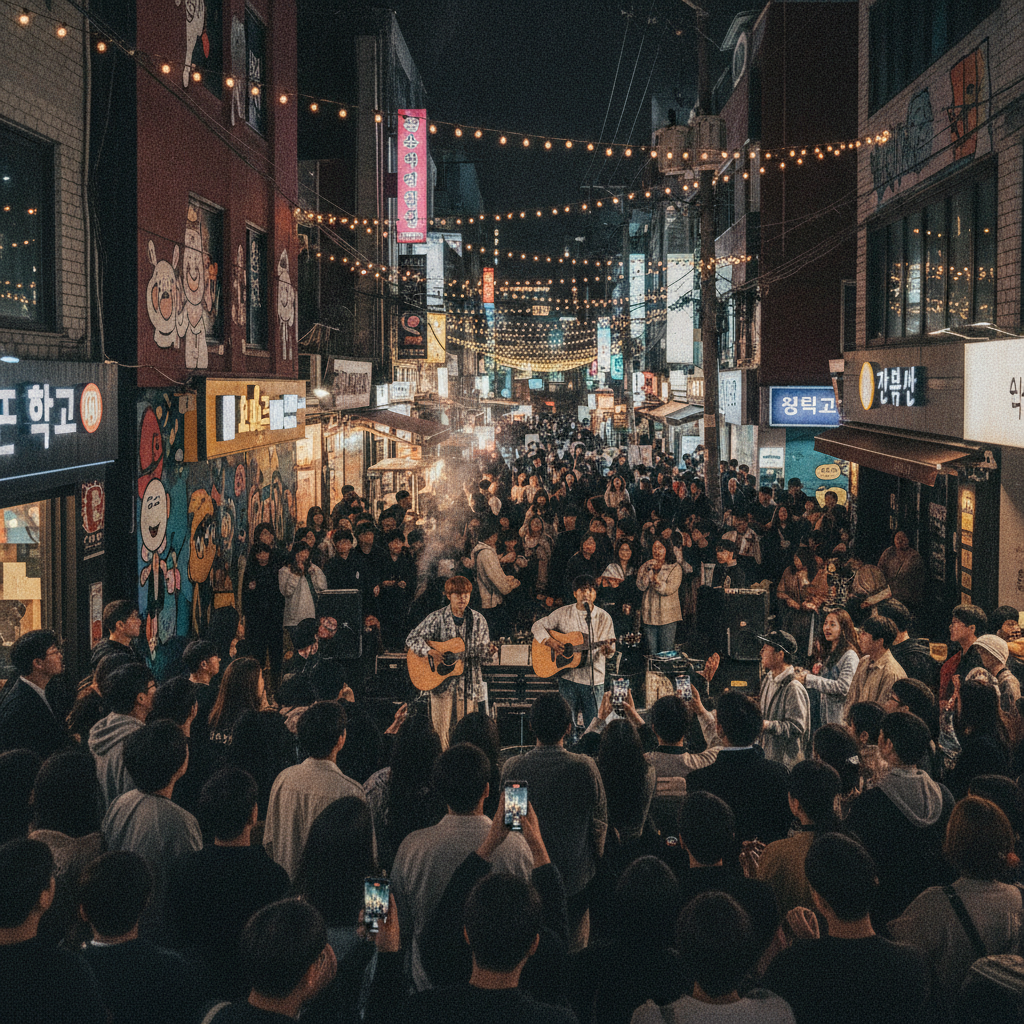
Hongdae, Sinchon & die Universitätsviertel — Straßenkunst, Clubs & Jugendkultur
Hongdae (홍대, short for Hongik University — the area surrounding Hongik University in Mapo-gu, approximately 6 kilometres west of central Seoul) is Seoul's premier youth culture and nightlife district, combining independent music venues, street performance culture, underground clubs, independent cafés, vintage fashion, and some of the most concentrated street art in Korea in a compact and highly walkable neighbourhood that never really sleeps.
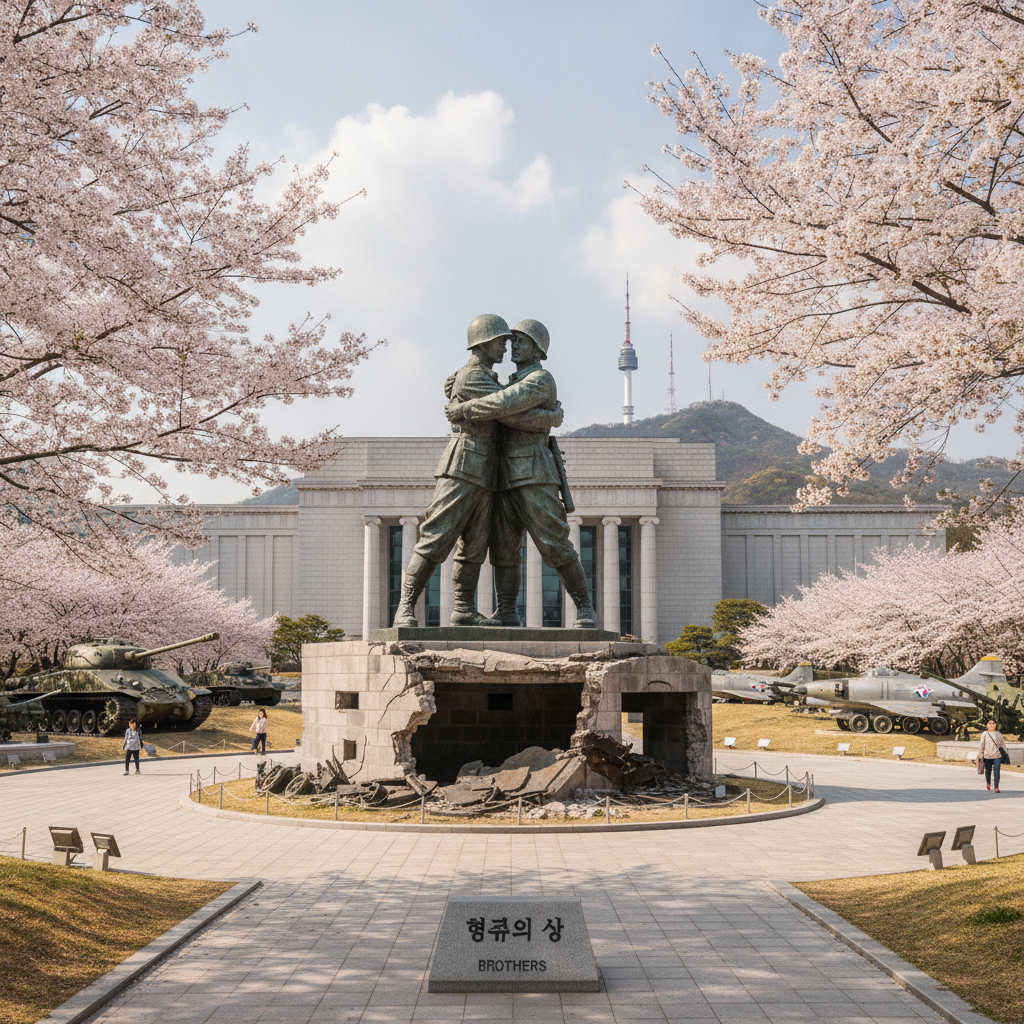
Kriegsgedenkstätte Korea, Yongsan & Itaewon — Geschichte & Multikulturelles Seoul
Das Yongsan-Viertel — Heimat der Kriegsgedenkstätte Korea, des ehemaligen US-Militärhauptquartiers in Korea und des internationalen Viertels Itaewon — bildet eine Brücke zwischen Seouls schmerzhafter Geschichte des 20. Jahrhunderts und seiner zeitgenössischen multikulturellen Gegenwart.
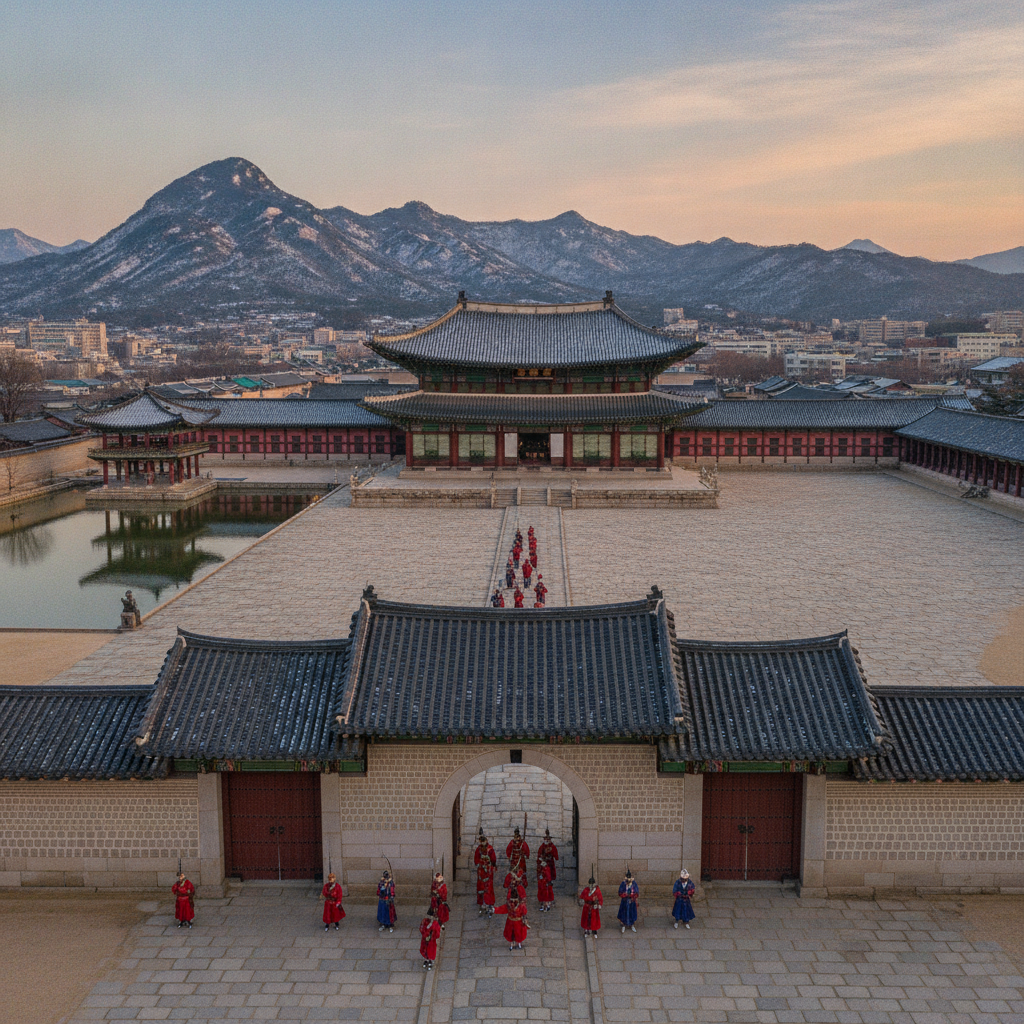
Gyeongbokgung-Palast, Bukchon Hanok-Dorf & Changdeokgung
Die Königspaläste und das traditionelle Viertel im Zentrum Seouls bewahren das lebendige Erbe der Joseon-Dynastie (1392-1897) — vom prächtigen Gyeongbokgung-Palast durch die gewundenen Gassen des Bukchon Hanok-Dorfes bis zum Changdeokgung-Palast mit seinem Geheimen Garten.
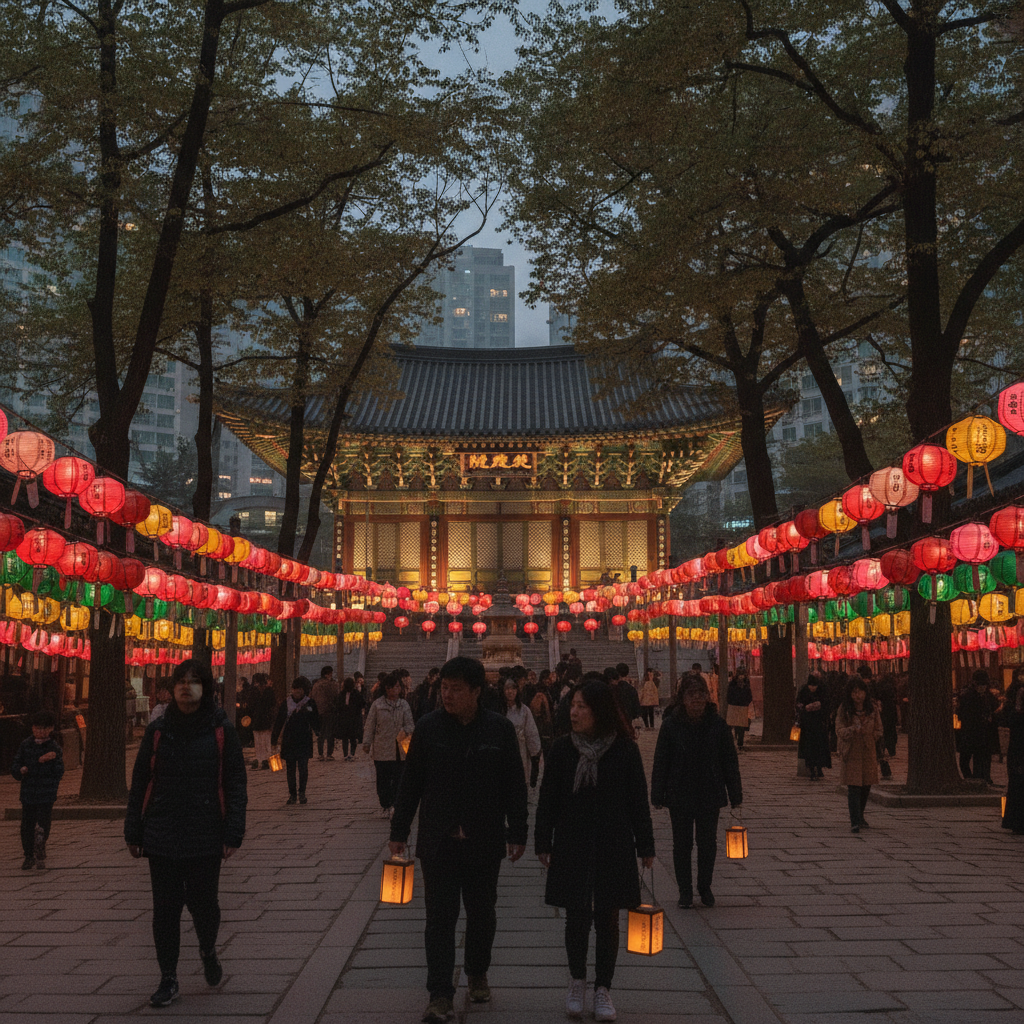
Jongno, Insadong, Tapgol-Park & Jogye-Tempel — Das Herz des alten Seouls
Jongno ('Bell Street') — the east-west artery that was the main commercial street of the Joseon capital Hanyang — runs through the historic heart of Seoul, connecting Gyeongbokgung Palace to the west with the Dongdaemun Gate to the east; the streets surrounding Jongno contain the most significant concentration of Buddhist temples, traditional markets, crafts districts, and historic sites within walking distance of each other in Seoul.
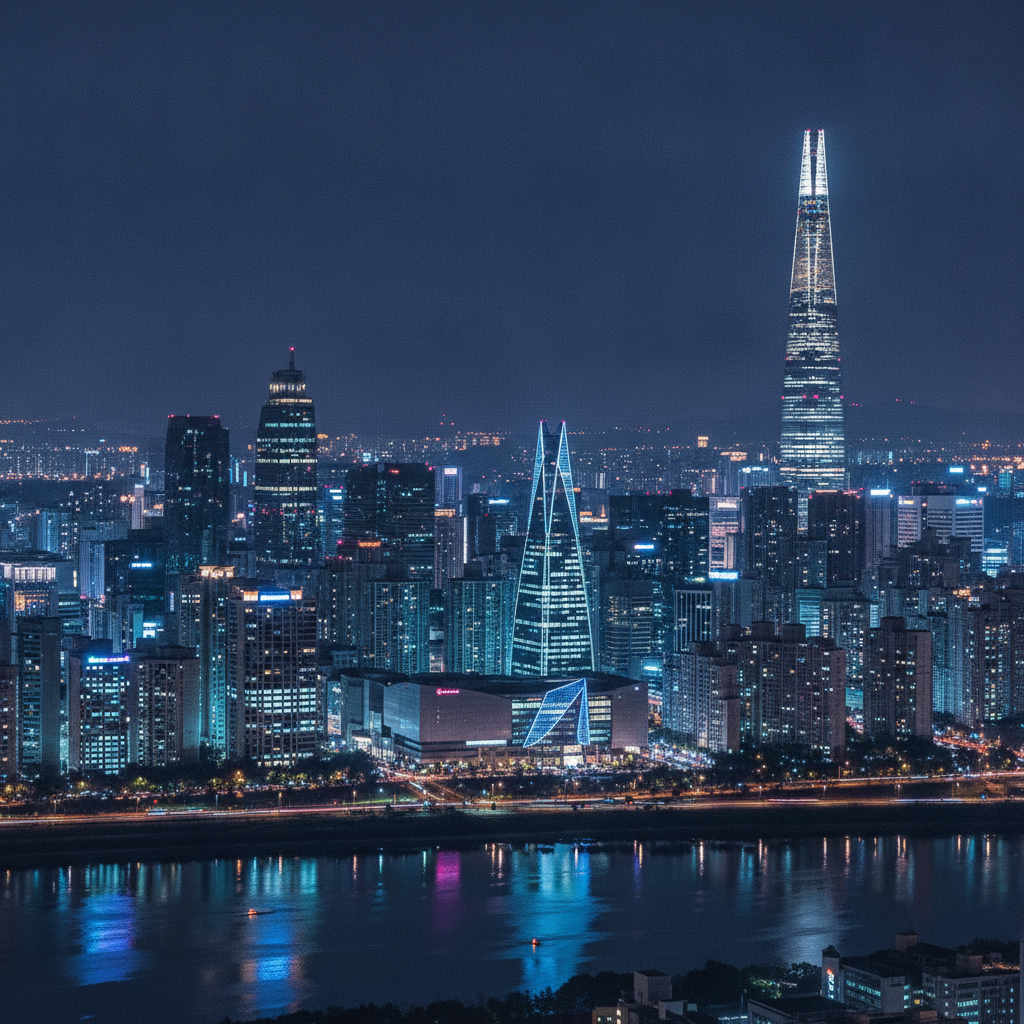
Gangnam, K-Pop, Hallyu & das neue Seoul südlich des Han
Gangnam ('südlich des Flusses') — das moderne Geschäfts- und Unterhaltungsviertel, das seit den 1970er Jahren südlich des Han-Flusses entstanden ist und Seouls Luxusboutiquen, K-Pop-Agenturen und den Lotte World Tower beherbergt — repräsentiert das Gesicht des modernen koreanischen Wirtschaftserfolgs und das globale K-Kultur-Phänomen.