Vietnam Museum für Ethnologie — Das Kulturelle Mosaik der 54 Völker Vietnams
Vietnam Museum für Ethnologie (Bảo tàng Dân tộc học Việt Nam — im Bezirk Cau Giay von Hanoi, ca. 8 km vom Stadtzentrum entfernt — das feinste Museum Vietnams und eines der besten ethnographischen Museen Asiens): Das Museum dokumentiert die materielle Kultur, Traditionen und Lebensweisen aller 54 offiziell anerkannten ethnischen Gruppen (dân tộc) Vietnams, von denen die Kinh (ethnische Vietnamesen) mit ca. 85% der Bevölkerung die größte Gruppe sind.
- 1
Vietnam Museum für Ethnologie — 54 Ethnische Gruppen unter einem Dach
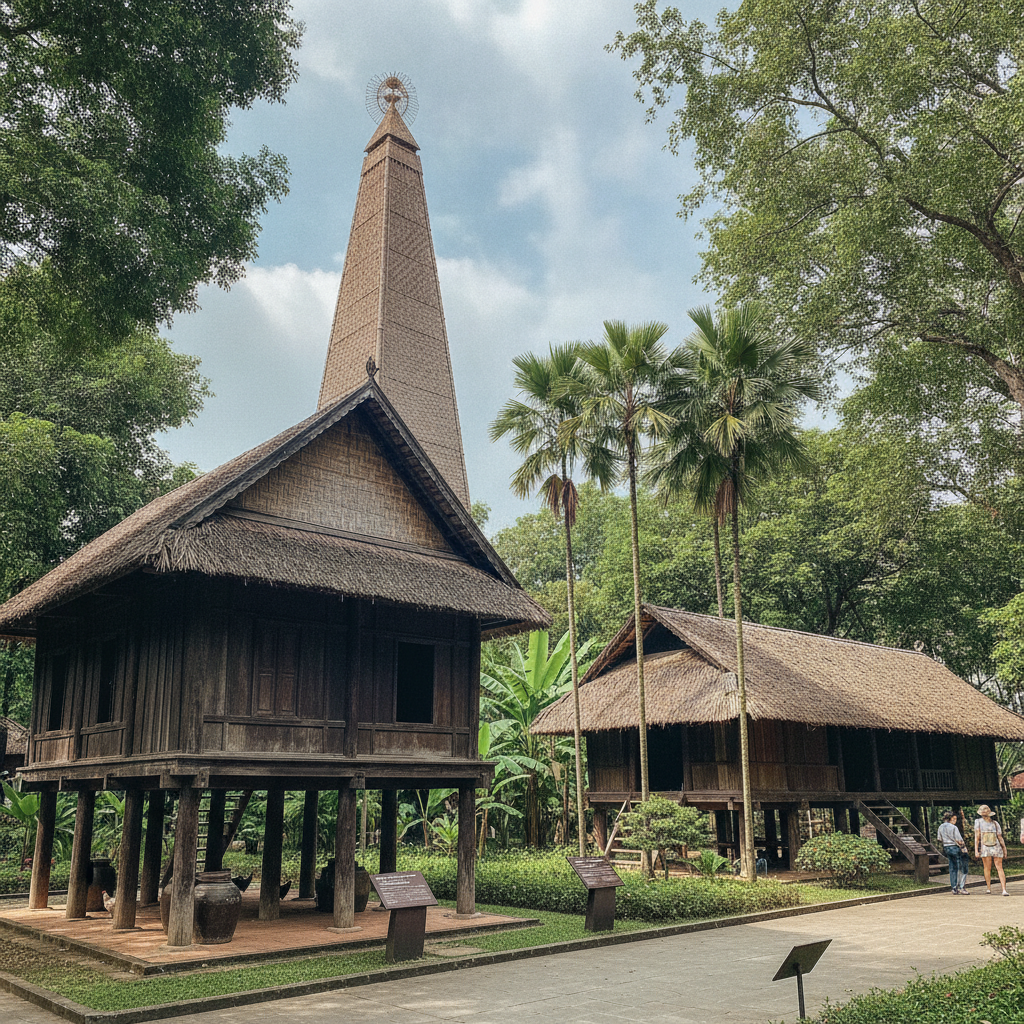
Das Vietnam Museum für Ethnologie (Từ Liêm, 8 km von der Altstadt entfernt, Bus #14 oder Taxi) dokumentiert alle 54 offiziell anerkannten ethnischen Gruppen Vietnams — die Innensammlung (45.000 Objekte) umfasst aufwendigen Hmong-Silberschmuck, bestickte Red Dao-Kopftücher und ein lebensgroßes Ede-Langhaus; der Außengarten beherbergt 10 authentische Nachbauten von Minderheitenhäusern, die Besucher betreten können.
- 2
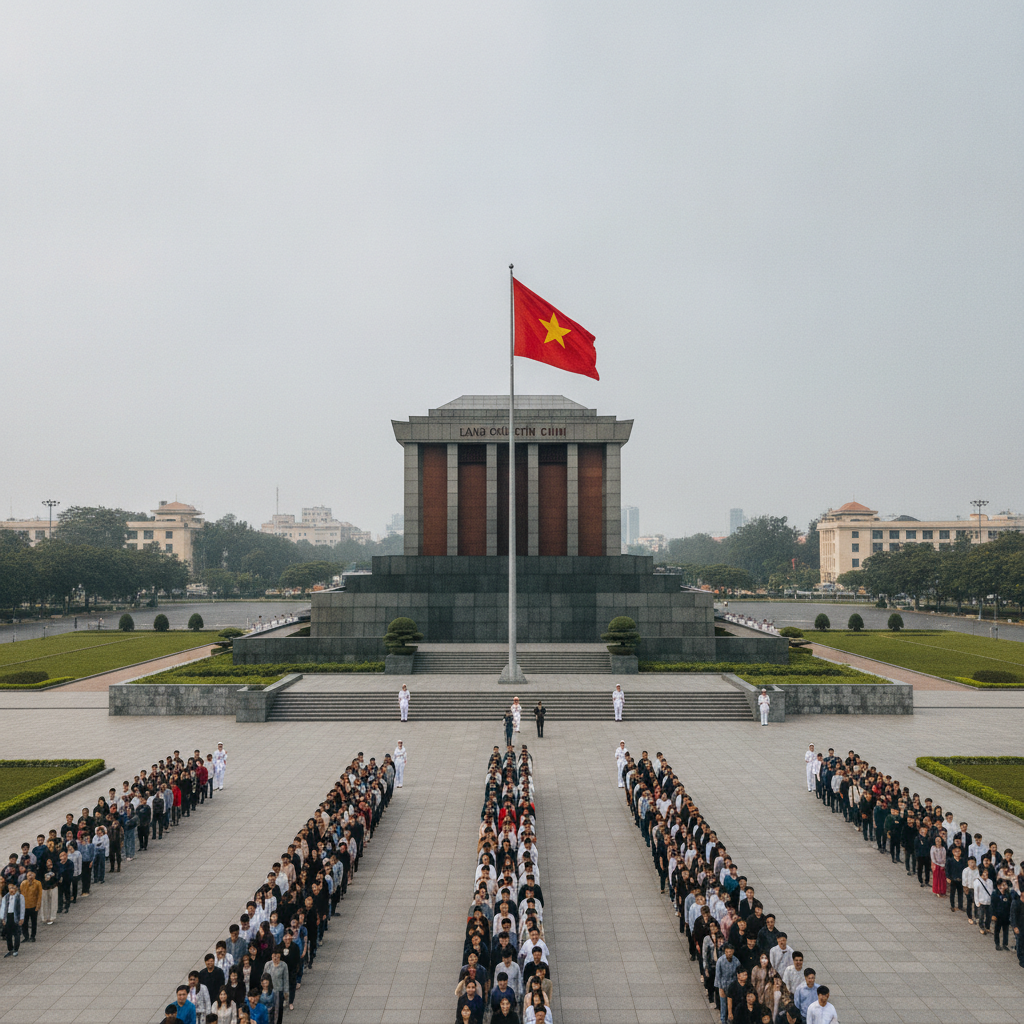
Hồ Chí Minh Mausoleum — Morgenliche Schlange für den einbalsamierten Führer
Das Hồ Chí Minh Mausoleum (Bà Đình Platz, geöffnet Dienstag–Donnerstag und Samstag–Sonntag, 7:30–10:30am) beherbergt den einbalsamierten Körper von Vietnams Revolutionsführer (1890–1969) unter strenger Bewachung — Besucher müssen sich respektvoll kleiden (keine Shorts, Schultern bedeckt), Stille bewahren und in einer Reihe am gläsernen Sarkophag vorbeigehen; Kameras müssen am Eingang abgegeben werden (werden bei Fund im Inneren konfisziert).
- 3
Ein-Säulen-Pagode — 11. Jahrhundert Lotusblumen-Architektur
Die Chùa Một Cột (Ein-Säulen-Pagode, angrenzend an das Hồ Chí Minh Mausoleum, 1049, 1954 wiederaufgebaut, nachdem französische Truppen das Original bei ihrem Abzug zerstört hatten) ist auf einer einzigen Steinsäule errichtet, die aus einem Lotus-Teich ragt — die Architektur symbolisiert den Lotus, wie er im Traum von Kaiser Lý Thái Tông beschrieben wurde; die aktuelle Struktur ist kleiner als das Original, behält aber das architektonische Prinzip bei.
- 4
Literaturtempel — Vietnams Erste Universität (1070)
Văn Miếu (Literaturtempel, 1070, Đống Đa, 2 km vom Hoàn Kiếm See entfernt) war Vietnams erste nationale Universität, die von 1076 bis 1779 in Betrieb war — der Fünf-Höfe-Komplex enthält 82 steinerne Doktorstelen (die 1.307 Preisträger der königlichen Prüfungen von 1442–1779 auflisten); der Brunnen der Himmlischen Klarheit ist das am meisten fotografierte Element; Universitätsabsolventen besuchen ihn traditionell vor Prüfungen.
- 5
Kunstmuseum von Vietnam — Seidenbilder & Lackwaren
Das Vietnam Fine Arts Museum (Nguyễn Thái Học, Ba Đình) beherbergt vietnamesische Kunst von der Đông Sơn Bronze trommelperiode (500 BC) bis zu zeitgenössischen Werken — die Đông Hồ Holzschnitttradition (aus dem Dorf Bắc Ninh) wird durch die markanteste Sammlung des Museums repräsentiert; ein Raum aus den 1950er Jahren mit Kháng chiến (Widerstandskunst) dokumentiert, wie vietnamesische Künstler den Krieg gegen Frankreich und die USA darstellten.
- 6
B-52 See — Abgeschossener Bomber in einem Wohnsee
Hồ Hữu Tiệp (B-52 See, Ngọc Hà, Ba Đình) enthält die Wrackteile eines amerikanischen B-52 Stratofortress-Bombers, der während des 'Weihnachtsbombardements' im Dezember 1972 abgeschossen wurde — der Rumpf des Bombers liegt in 2 Metern Wassertiefe in einem Nachbarschaftssee, umgeben von Hausbooten und Lotusblumen; Anwohner angeln vom Ufer neben dem Heckbereich; der Ort hat keine offizielle Beschilderung.
Walk this route with audio
Stories play automatically as you reach each stop — no tapping needed.
Mehr in hanoi
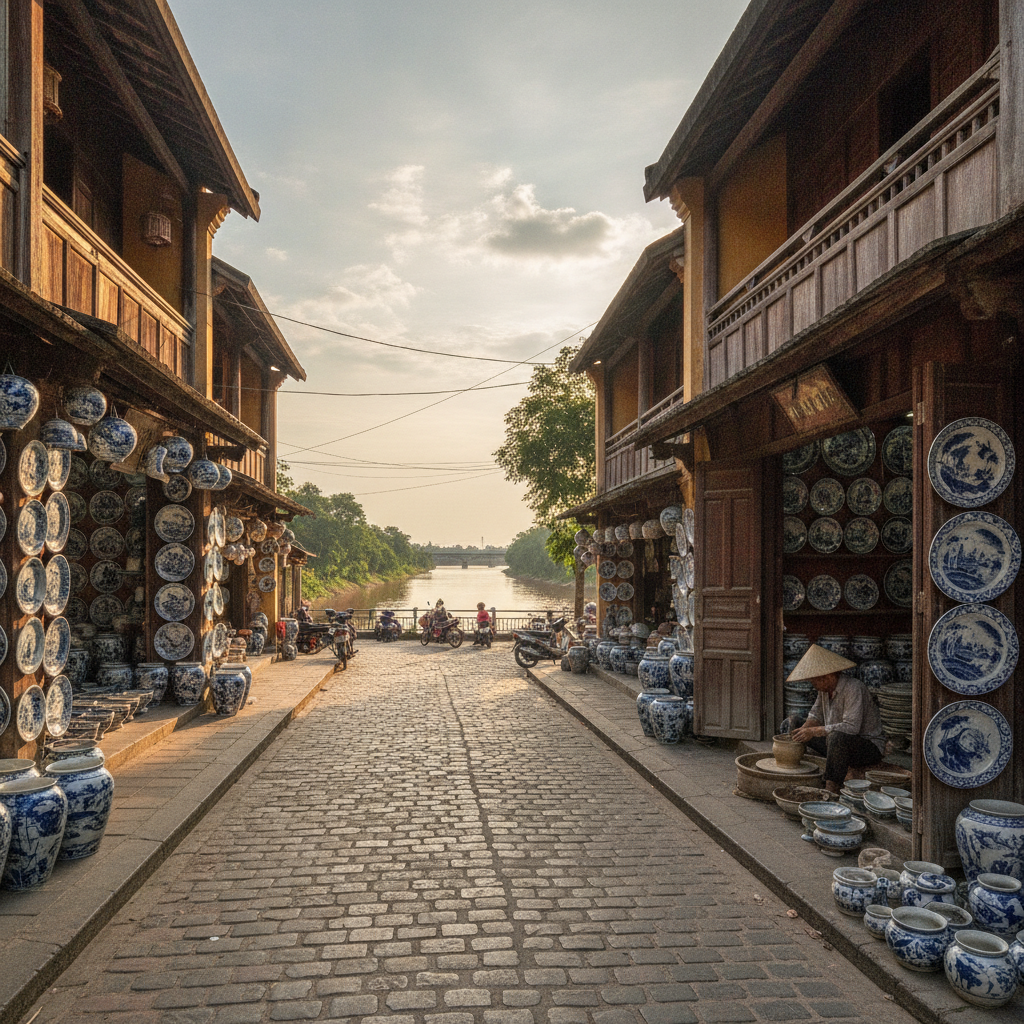
Van Phuc Seide, Bat Trang Keramik & Hanois alte Handwerksdörfer
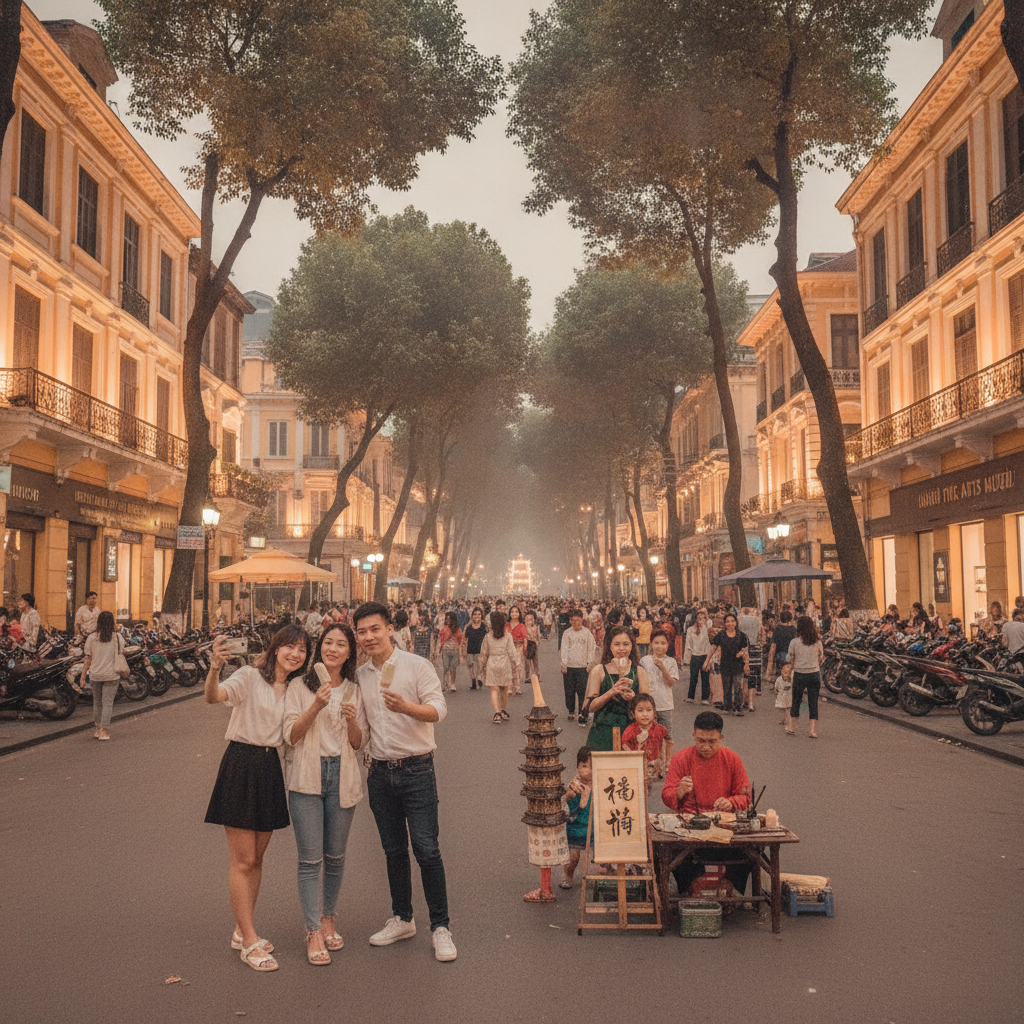
Zeitgenössisches Hanoi — Kunstgalerien, Street Art & die Neue Vietnamesische Hauptstadt
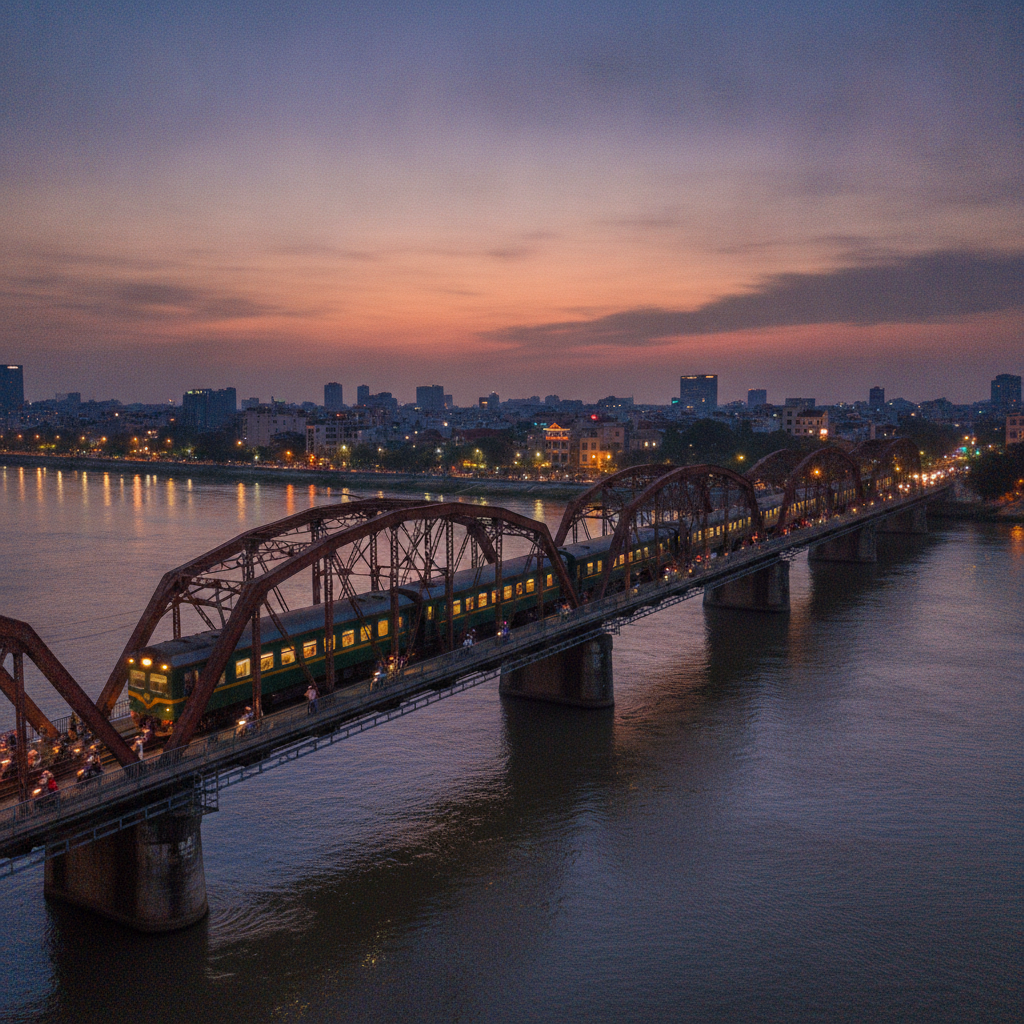
Long Bien Brücke, Roter Fluss & die Schichten der Geschichte Hanois
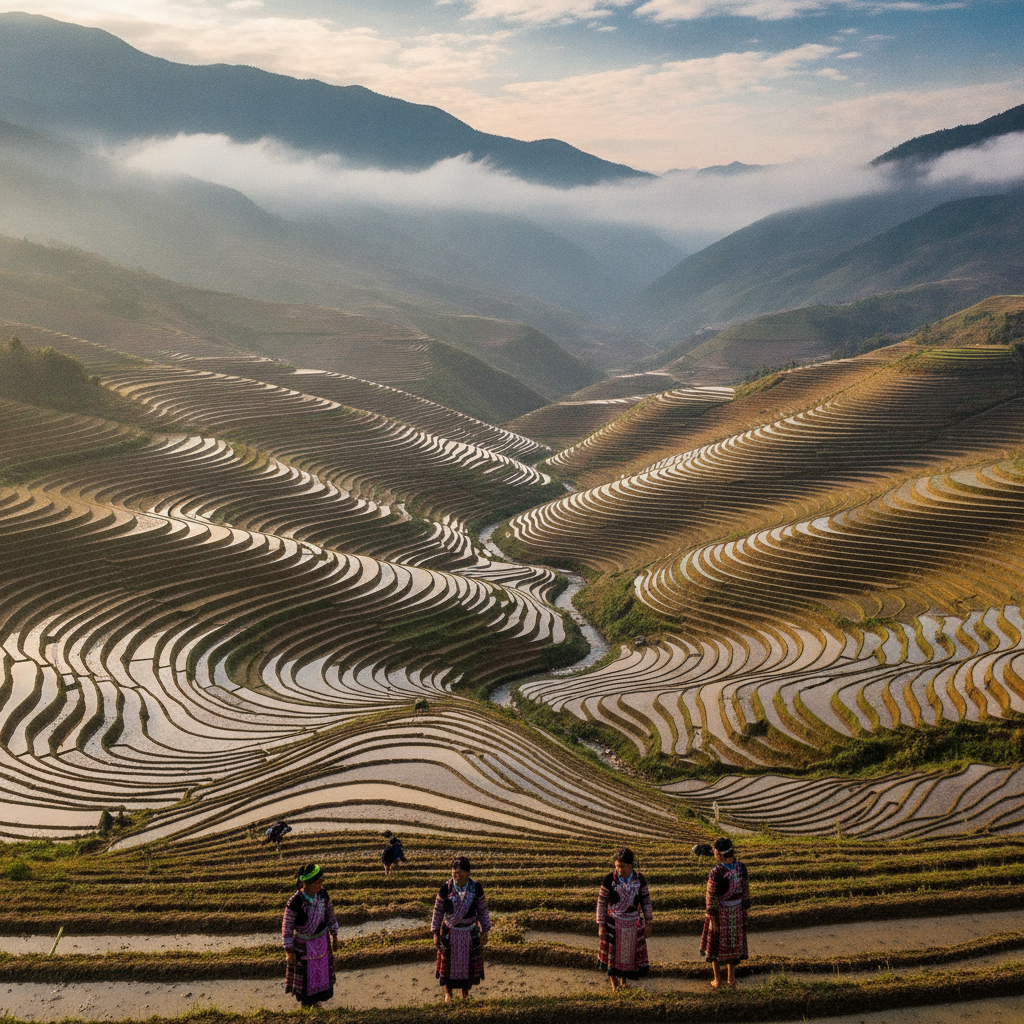
Sapa, Fansipan & das Nördliche Hochland – Vietnams Dach der Welt
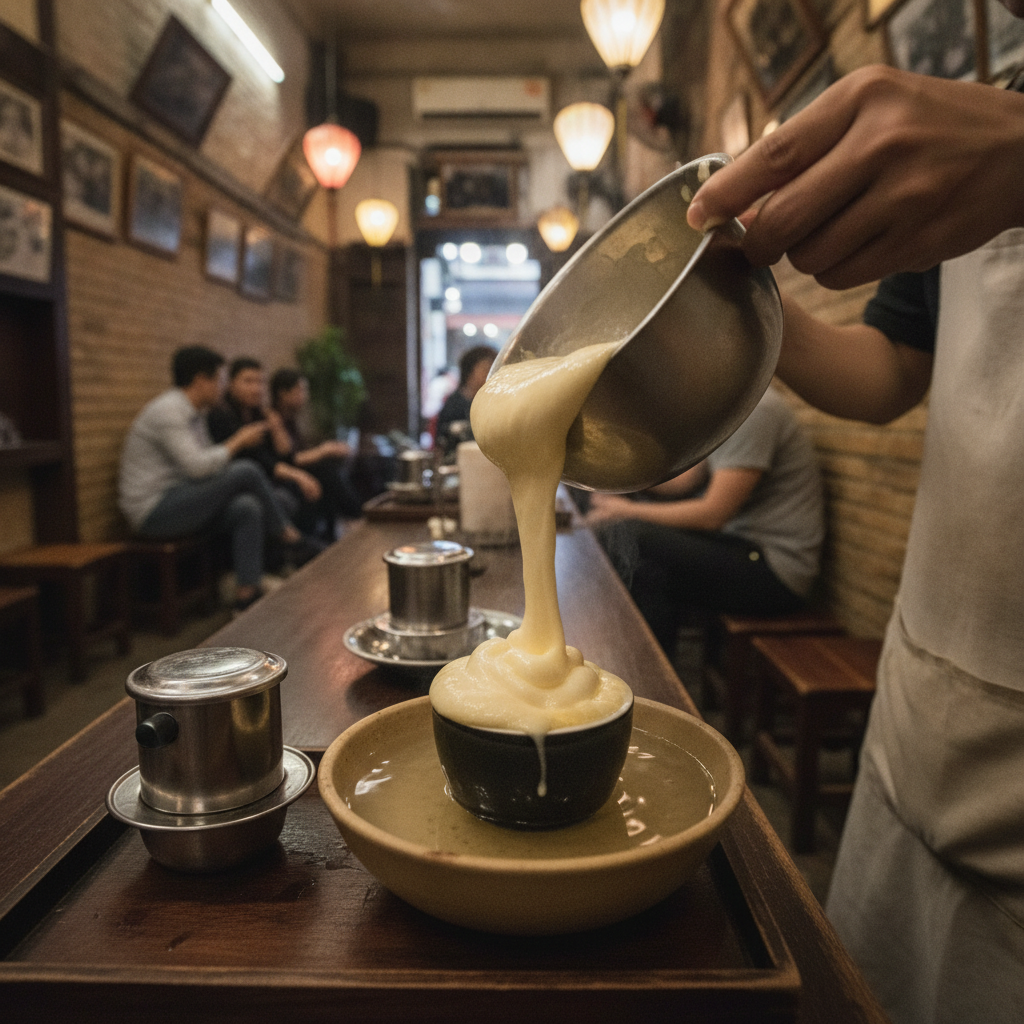
Hanoi Street Food — Phở, Bún Chả, Bánh Mì & Eierkaffee