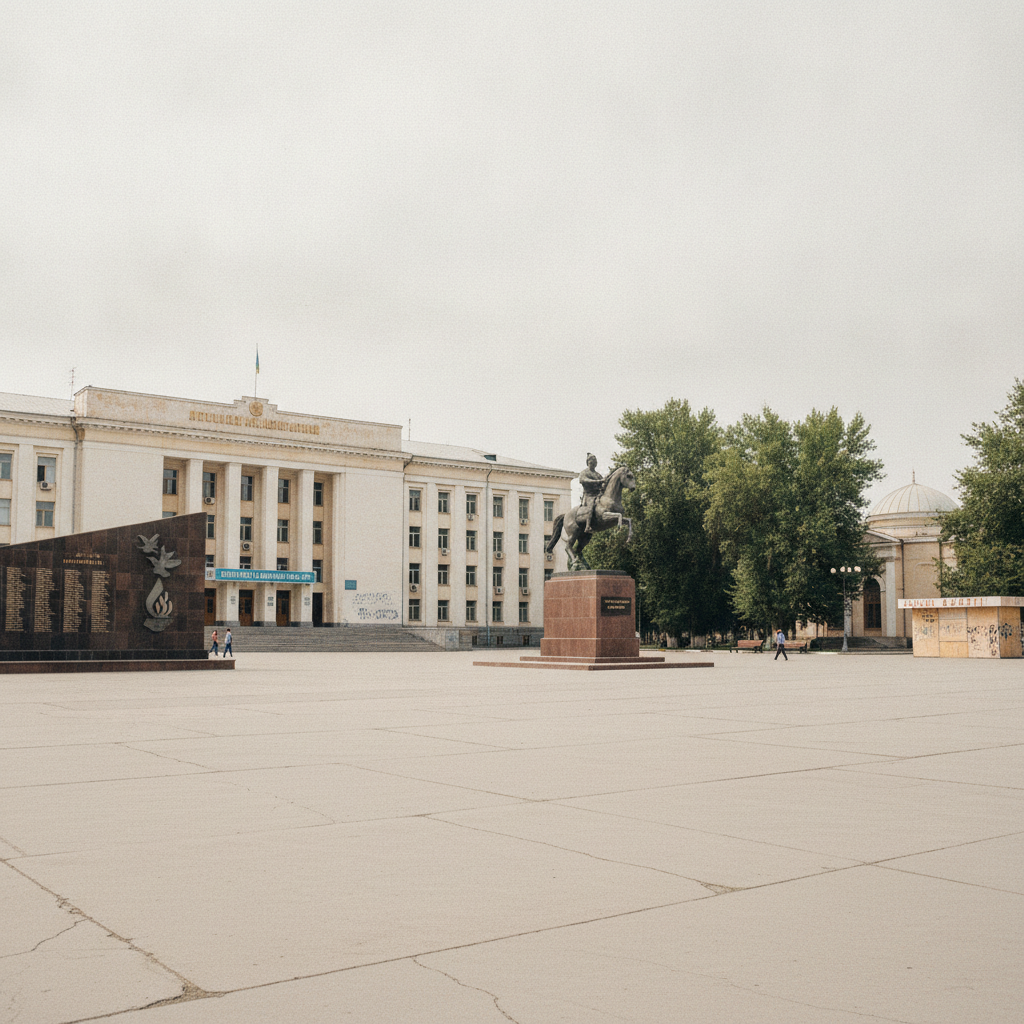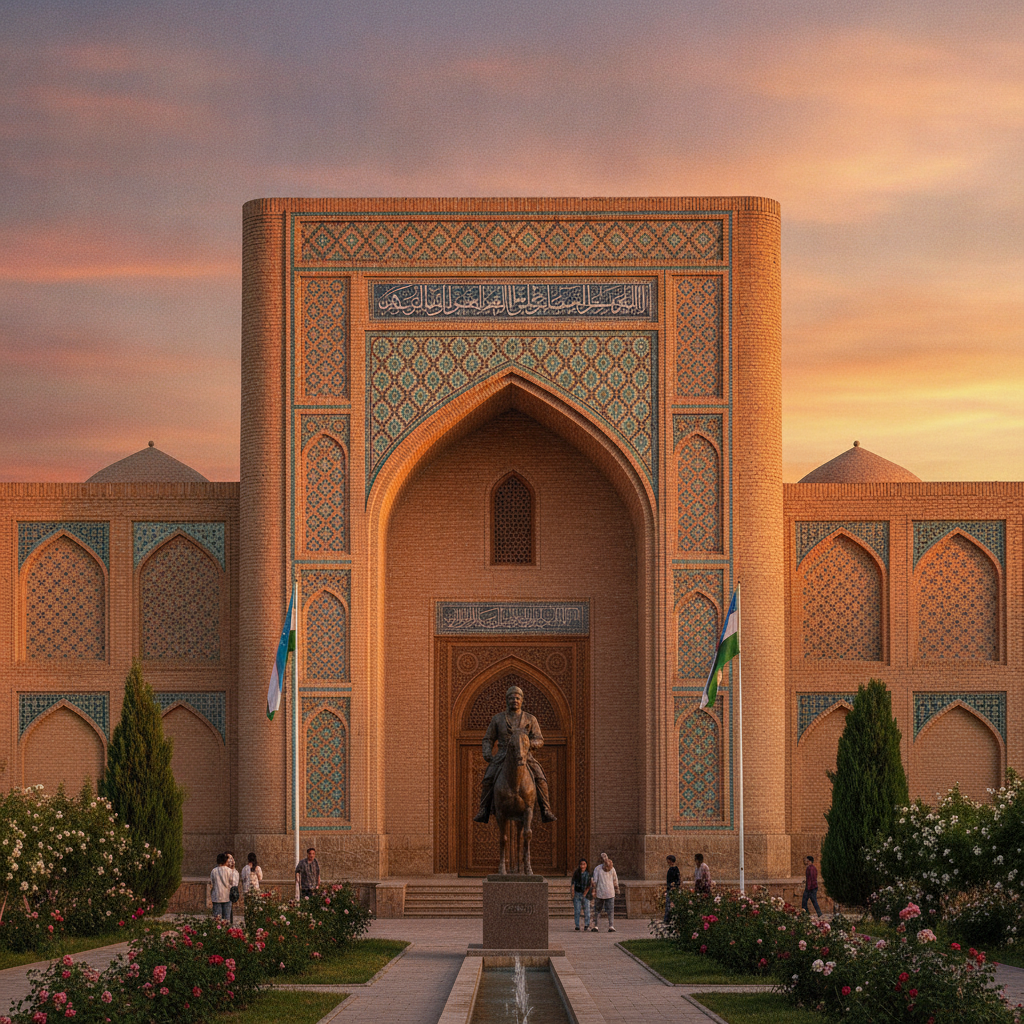
Andijan Babur's Birthplace Historical Heritage
Explore Andijan — the ancient city in the eastern Fergana Valley where Zahir-ud-din Muhammad Babur was born in 1483, the prince who left to found the Mughal Empire in India after losing his Fergana throne at age 12, the city devastated by the 1902 earthquake and rebuilt, with a history stretching back over 2,500 years as one of the easternmost cities of the Silk Road network.
- 1
Babur Literary Museum
The Babur Literary Museum in Andijan — the museum dedicated to the life and writings of the Timurid prince born here in 1483, the collection including editions of the Baburnama memoir in multiple languages, the literary and artistic legacy of a ruler who was simultaneously a conqueror, a poet, and a naturalist whose memoirs are among the greatest in the Turkic literary tradition.
- 2
Jome Mosque Complex
The Jome Mosque complex of Andijan — the large Friday mosque rebuilt after the 1902 earthquake in a style combining traditional Fergana architecture with late-19th-century craft techniques, the complex including a madrasa, minaret, and courtyard that functions as the spiritual center of the largest city in eastern Uzbekistan.
- 3
Andijan Regional Museum
The Andijan Regional Museum — the collection tracing the history of the eastern Fergana Valley from the archaeological period through the Silk Road, the Kokand Khanate, Russian colonial rule, and independence, the museum's exhibits including the material culture of the valley's agricultural and craft traditions.
- 4
Old City Mahalla Quarter
The old city mahalla quarter of Andijan — the traditional neighborhood structure of mud-brick courtyard houses and narrow alleyways surviving amid the reconstructed city, the mahalla community organization that has structured urban life in Central Asian cities for centuries, the quarter where craft workshops and family compounds cluster around the neighborhood mosque.
- 5
Andijan Bazaar
The Andijan bazaar — the commercial center of the eastern Fergana Valley, the market serving a population of nearly half a million people and the agricultural hinterland of the most densely settled part of Uzbekistan, the bazaar's silk fabric section displaying the ikat weaving of the nearby Margilan workshops alongside the valley's abundant fruit and vegetable production.
- 6
1902 Earthquake Memorial
The 1902 earthquake memorial context of Andijan — the seismic event of December 16, 1902 that killed over 4,500 people and destroyed most of the historical city, the reconstruction that followed creating the current urban fabric where Russian colonial administrative buildings stand alongside rebuilt traditional structures, the earthquake erasing much of the pre-colonial historical record.
Walk this route with audio
Stories play automatically as you reach each stop — no tapping needed.
More in andijan
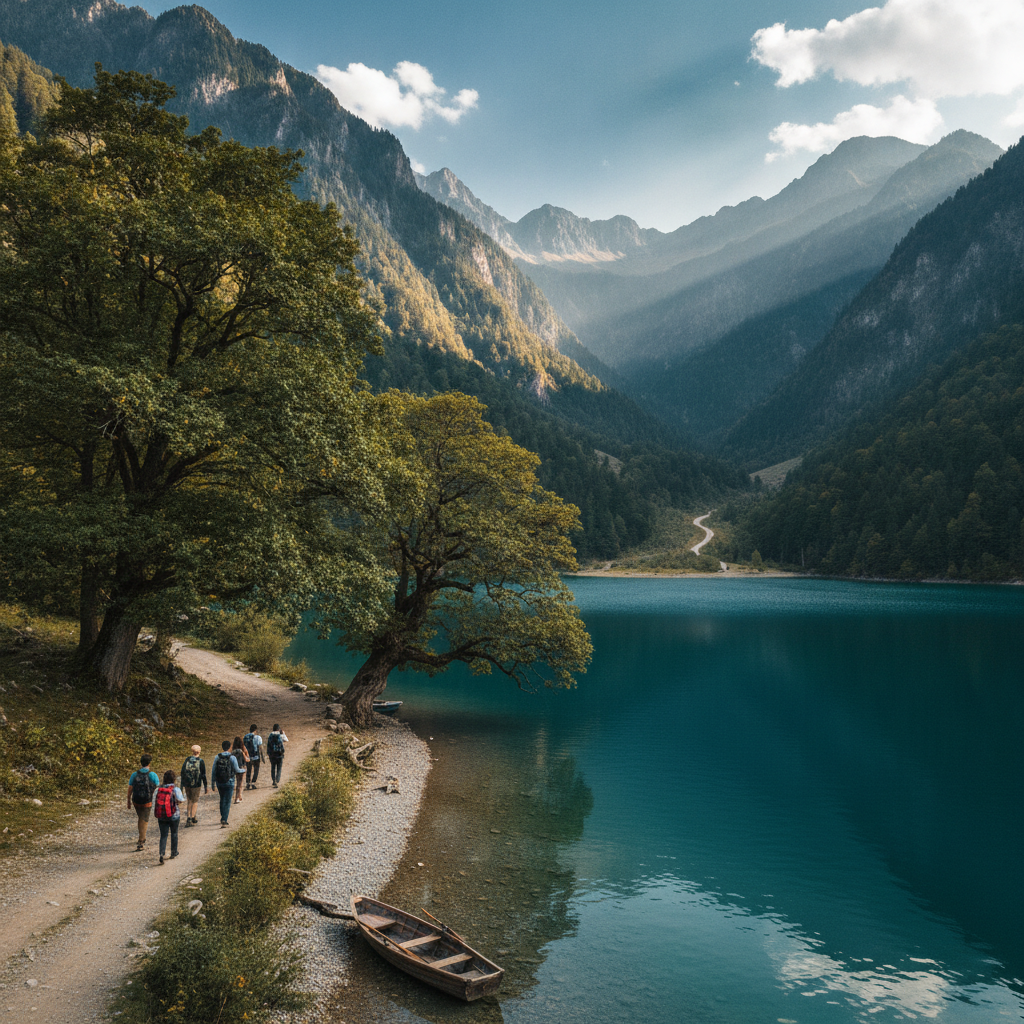
Andijan Mountain Nature Day Trips Eastern Valley
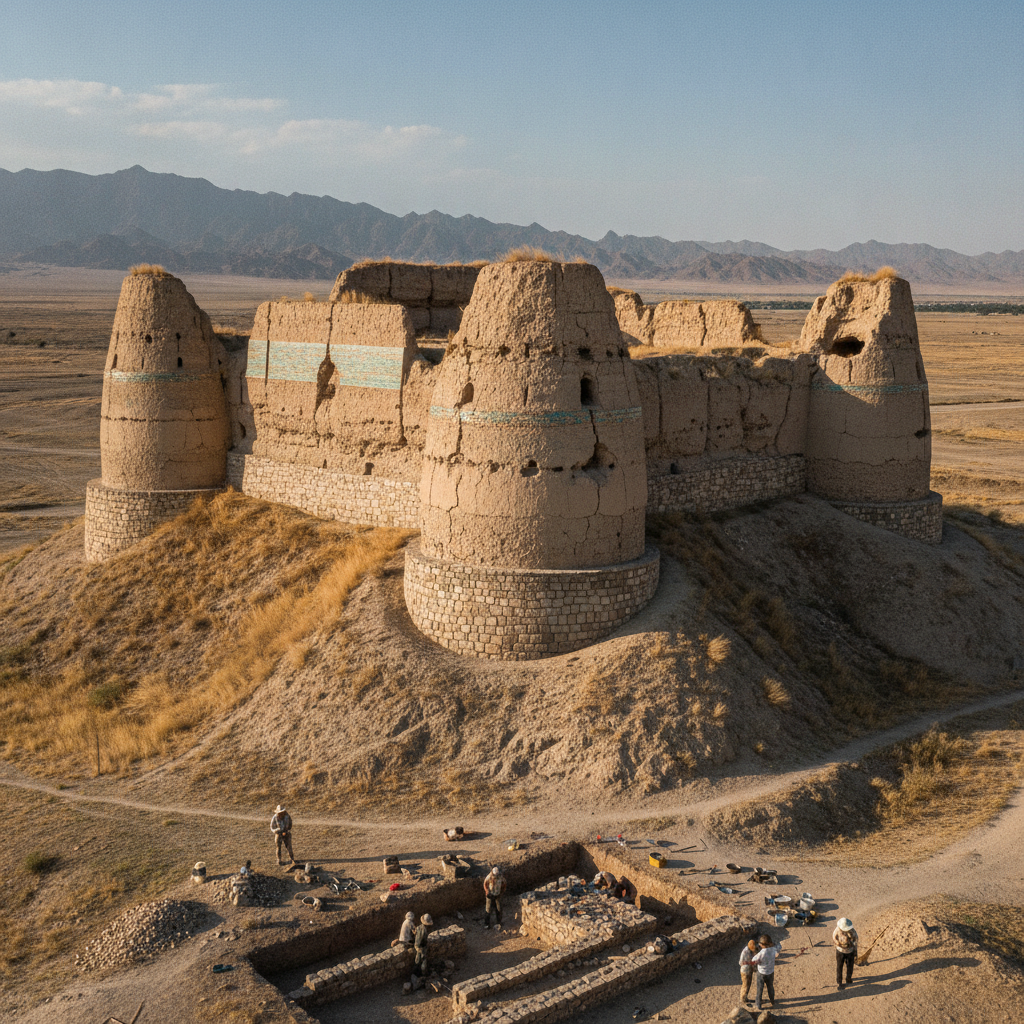
Andijan Kokand Khanate Eastern Frontier Heritage
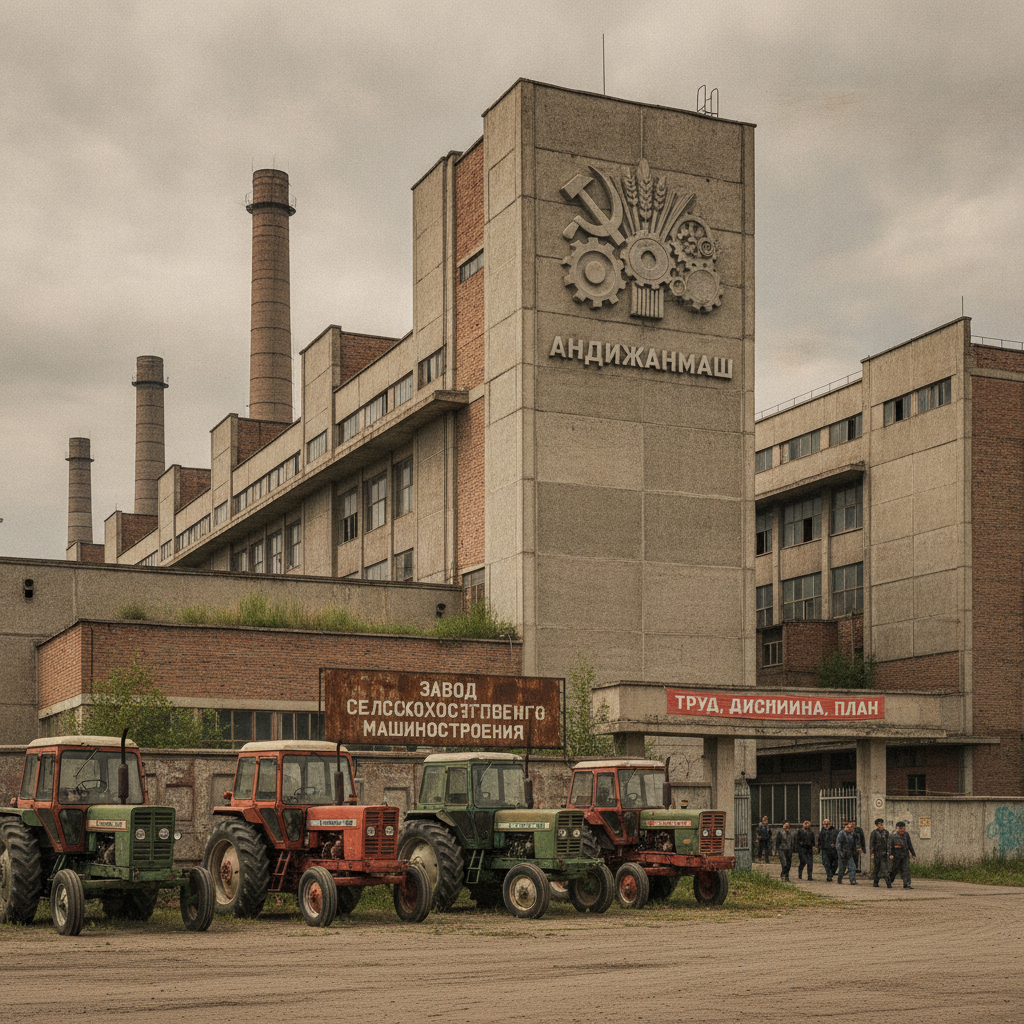
Andijan Khanabad Industrial Heritage District
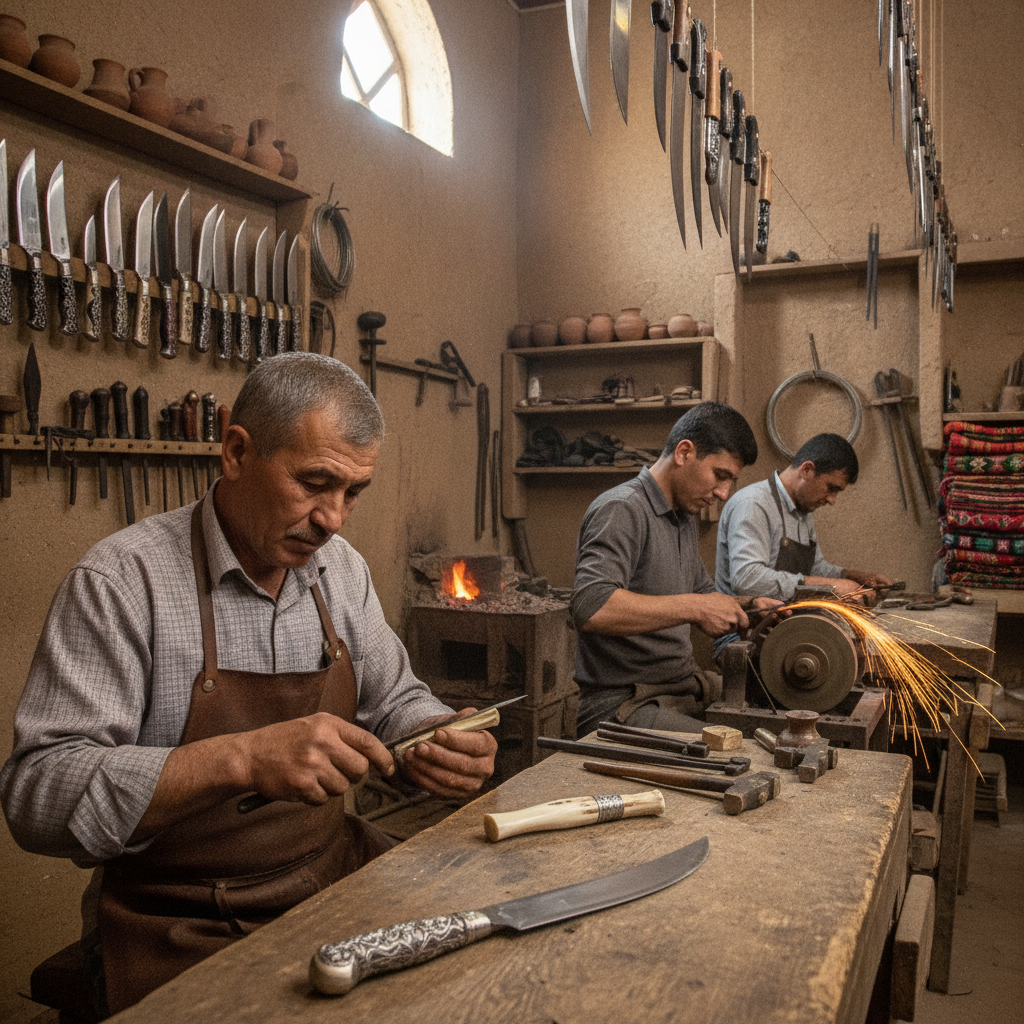
Andijan Traditional Craft Workshops Knife Making
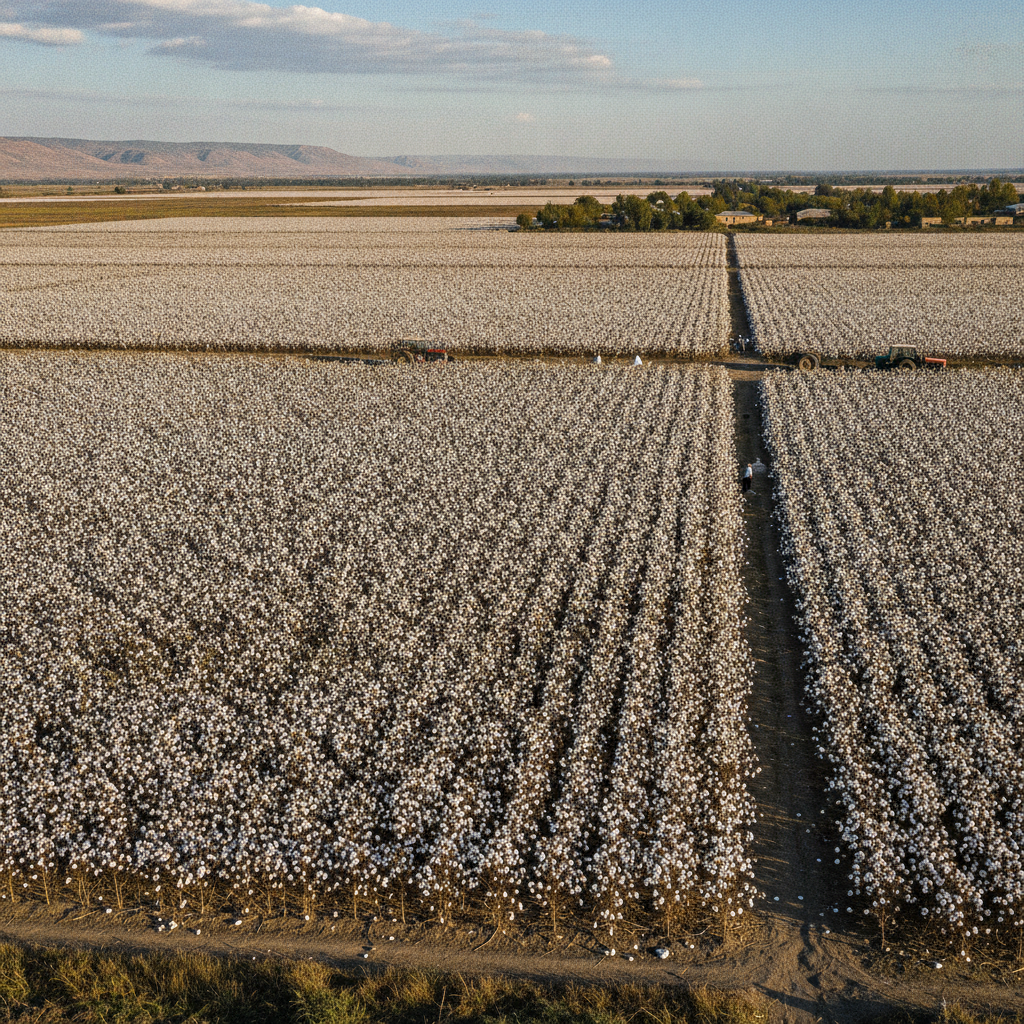
Andijan Fergana Valley Agricultural Heartland