Collagua Textiles: The Living Art of the Colca Valley
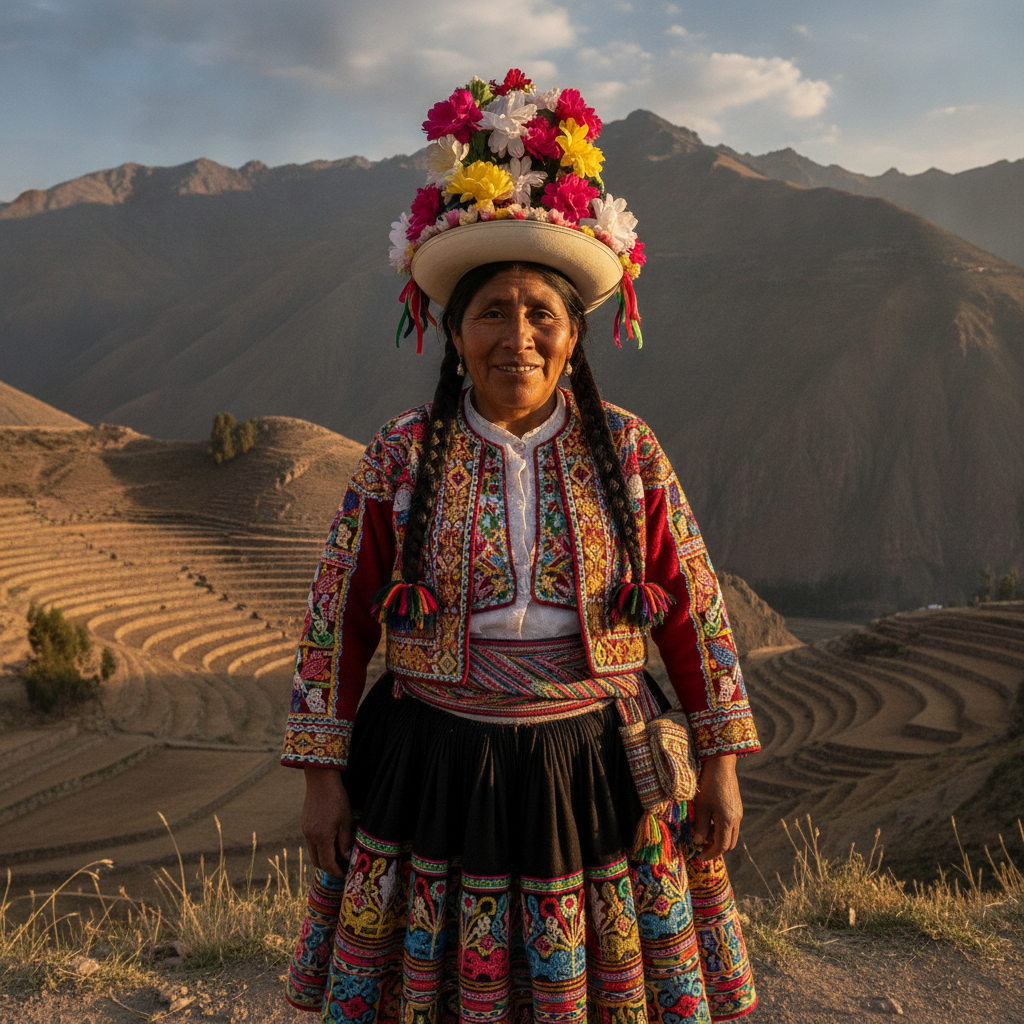
The Collagua and Cabana communities of the Colca valley — part of the Arequipa region — maintain one of the most extraordinary living textile traditions in the Andes; the embroidered costumes, the distinctive hats, and the weaving techniques are UNESCO-recognised
- 1
Embroidered Suits
The Collagua women's costumes – exquisitely hand-embroidered with flowers, birds and geometric motifs in vibrant colors – are worn daily, not just for ceremonies; each village has distinctive motifs and colors that identify the wearer's community; the skill of embroidery is passed down from mother to daughter
- 2
Distinctive Hats
Collagua and Cabana wear different hats - Collagua's hat is a white cylindrical style, Cabana's is embroidered; the hat tradition reflects the pre-Inca distinction between the two ethnic groups who have maintained separate identities despite centuries of Inca, colonial and Peruvian absorption
- 3
Back strap weaving
Colca Valley weavers use the traditional Andean backstrap loom — a portable loom attached to a fixed point and the weaver's body; the intricate woven textiles produced with this simple tool achieve a density and complexity that industrial looms cannot replicate
- 4
Natural Dye Tradition
The textile traditions of the Colca Valley include the use of natural dyes - cochineal (from cactus insects) for reds and purples, indigo for blues and indigenous plant dyes for yellows and greens; The palette of natural dyes has a warmth and depth that synthetic dyes cannot achieve
- 5
Sunday market in Chivay
The Sunday market in Chivay - the capital of the Colca Valley - is the social and commercial heart of the valley communities; the traditional costumes of the women vendors, the produce of the terraced fields and the handicrafts of the valley communities make it one of Peru's most authentic markets
- 6
Textile schools
Several communities in the Colca Valley have established textile schools to pass on the embroidery and weaving traditions to younger generations; the schools teach both the techniques and the cultural meanings of the design; the connection between craft knowledge and cultural identity is clear in the school programs
Walk this route with audio
Stories play automatically as you reach each stop — no tapping needed.
More in Arequipa
Colca Canyon: Condors Above the World's Deepest Gorge
Arequipa Cuisine: Peru's Second Capital of Gastronomy
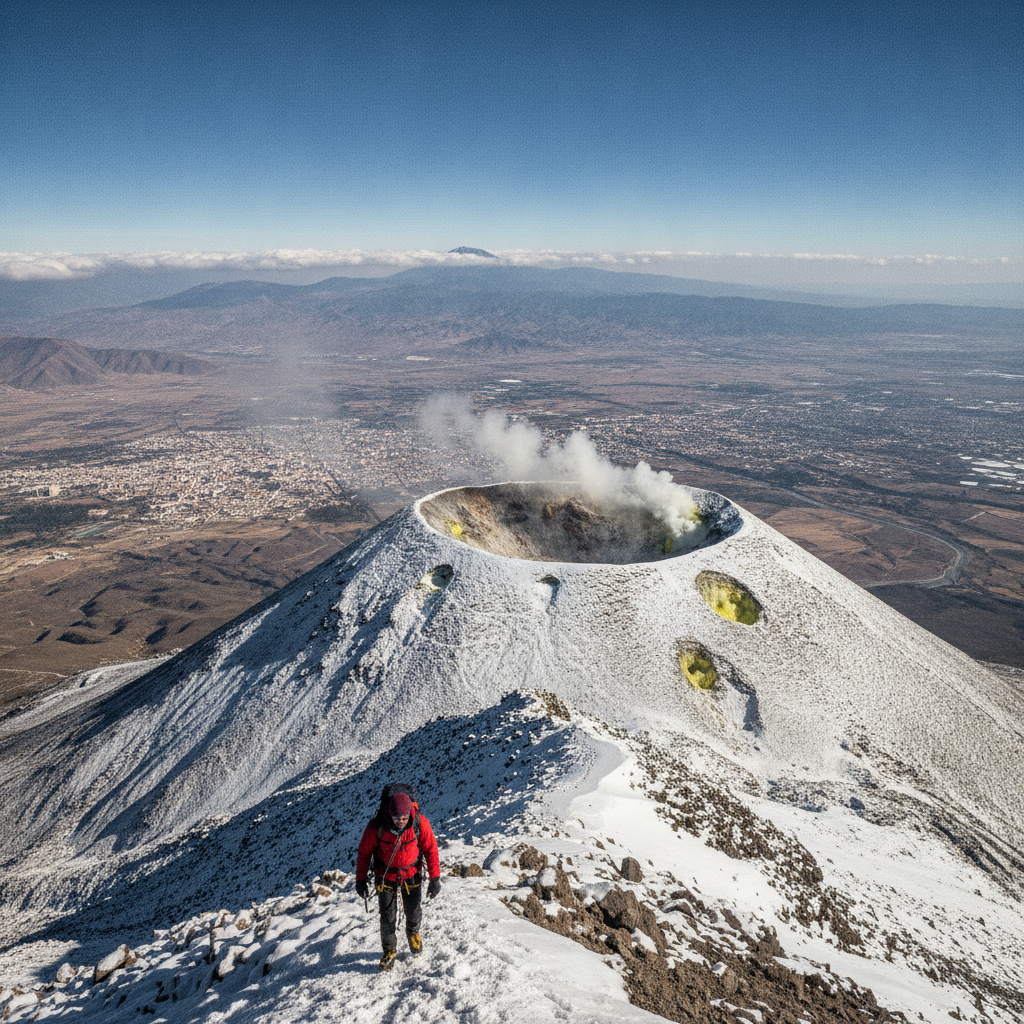
Climbing El Misti: The Volcano Above Arequipa
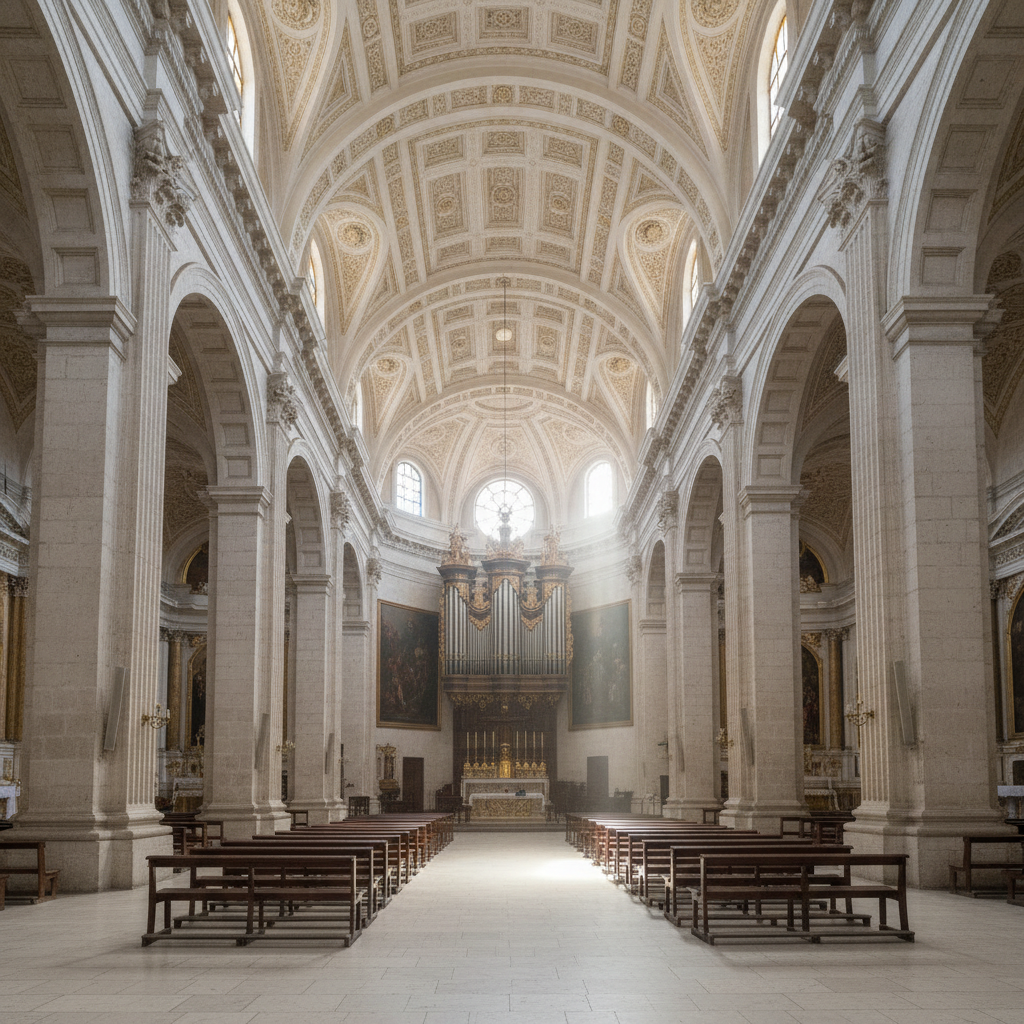
Arequipa's Mestizo Baroque: Churches of Sillar Stone
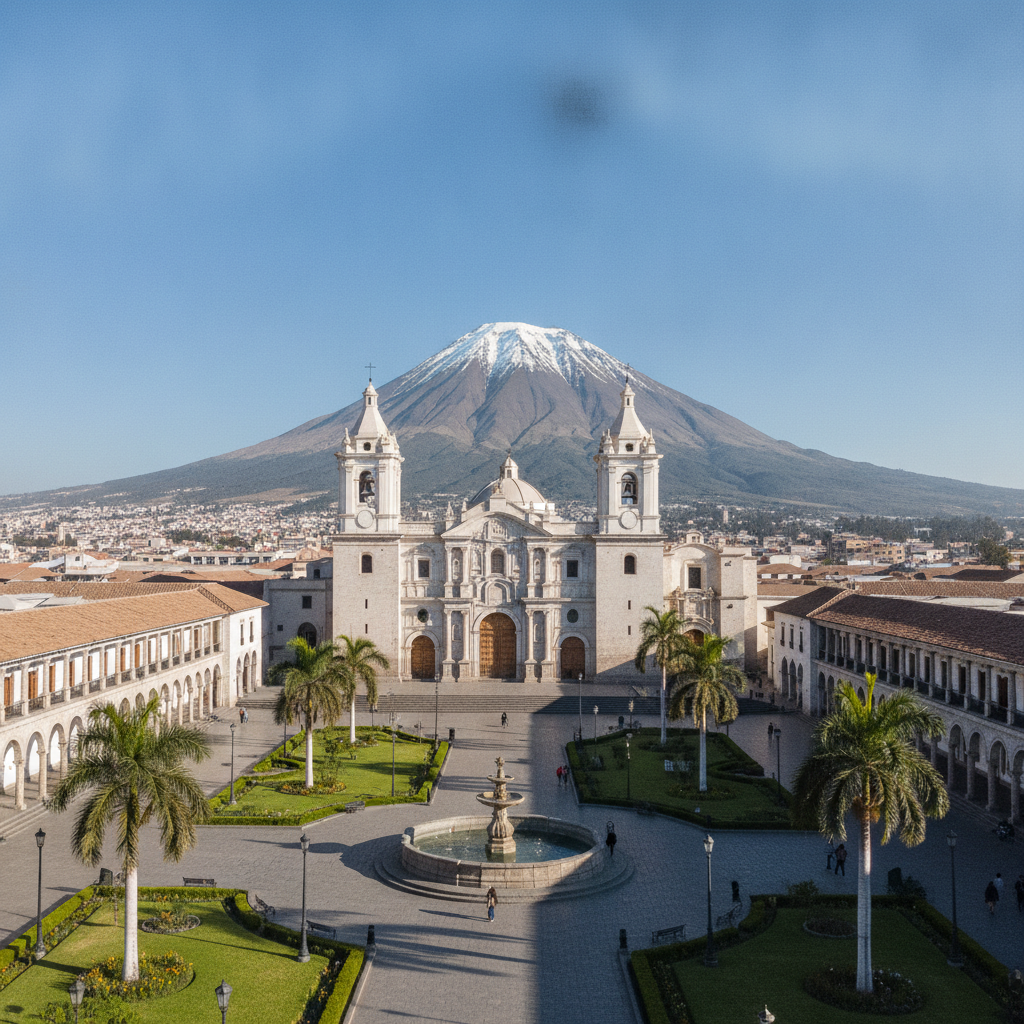
Arequipa: Peru's White City Under Three Volcanoes