Arequipa Cuisine: Peru's Second Capital of Gastronomy
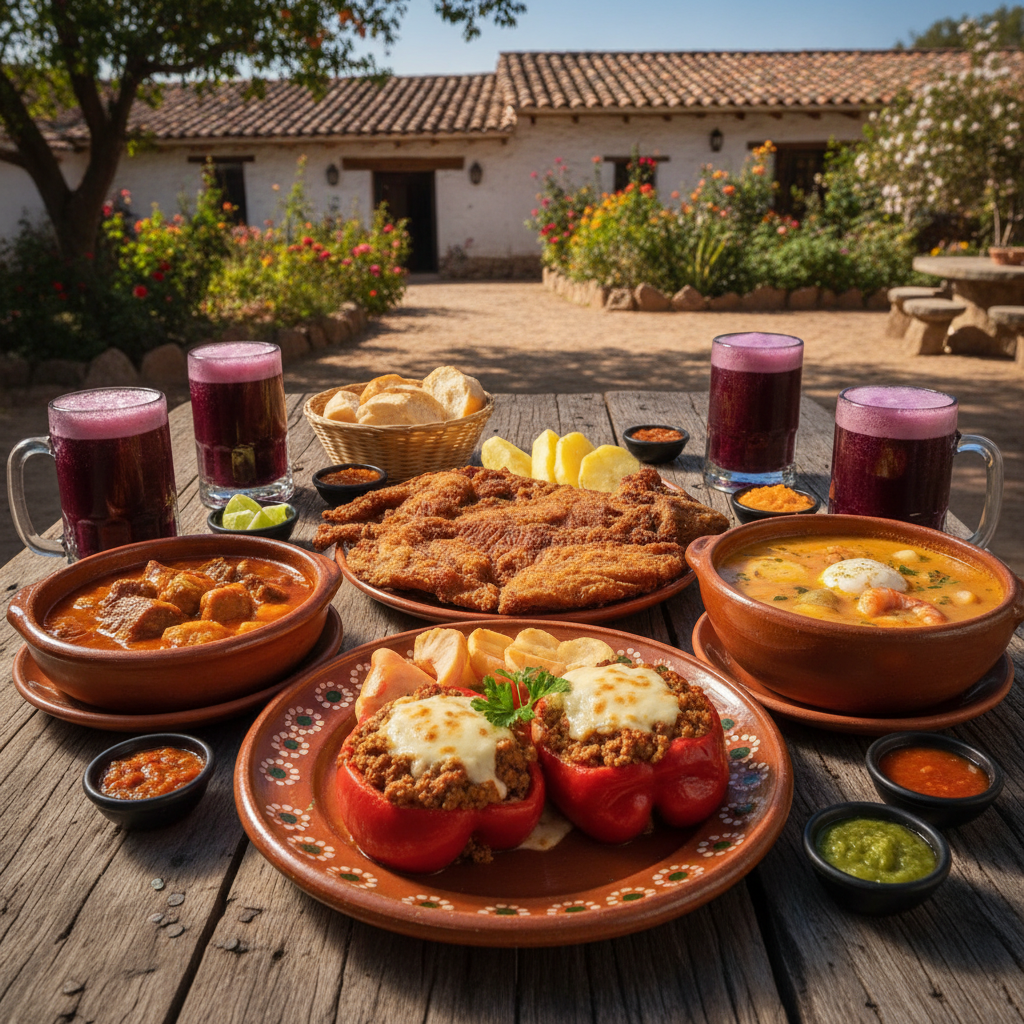
Arequipa has Peru's most distinctive regional cuisine — the picanterías (traditional restaurants) serving rocoto relleno, cuy chactado, and chupe de camarones are the heartbeat of a food culture considered the most complex in the Andes
- 1
Rocoto Relleno
Rocoto relleno — the stuffed rocoto chili (the extremely hot Andean pepper) stuffed with ground beef, onion and egg, then baked — is Arequipa's signature dish; The intense heat of the rokoton is tamed by boiling, but the second course remains a serious spice experience; it is Peru's most demanding traditional recipe
- 2
Chupe de Camarones
Chupe de camarones - a hearty soup of fresh Andean river prawns, potatoes, corn, queso fresco and cream - is Arequipa's most celebrated soup; the prawns from the Río Chili below the city are the key ingredient; The complexity of the soup and the quality of the local shrimp make it one of Peru's finest dishes
- 3
Picantería culture
Arequipa picantería - a restaurant serving traditional food with chicha de guiñapo (fermented purple corn beer) - is a UNESCO protected cultural institution; picanterías serve food only at noon and the menu changes daily based on market availability; eating in an Arequipa picantería is a cultural immersion
- 4
Cuy Chactado
Cuy chactado - guinea pig flattened by a stone and fried until perfectly crispy - is Arequipa's most intense traditional preparation; the animal is served whole, presented on its back; the crispy skin and flavorful flesh are eaten with ají and boiled potatoes
- 5
Adobo Arequipeño
Adobo arequipeño — pork marinated in chicha de guiñapo, vinegar, dried chiles and spices, then slow cooked — is the traditional Sunday morning dish in Arequipa; the custom of eating adobo at dawn after a Saturday night of dancing is an Arequipa tradition that has survived for centuries
- 6
Chicha de Guiñapo
Chicha de guiñapo — fermented purple Andean corn beer — is Arequipa's most distinctive drink; the drink is traditionally made by women chewing the corn (the enzymes in the saliva start the fermentation); modern production uses less saliva; the complex sweet and sour character of the drink pairs perfectly with the region's spicy food
Walk this route with audio
Stories play automatically as you reach each stop — no tapping needed.
More in Arequipa

Colca Canyon: Condors Above the World's Deepest Gorge
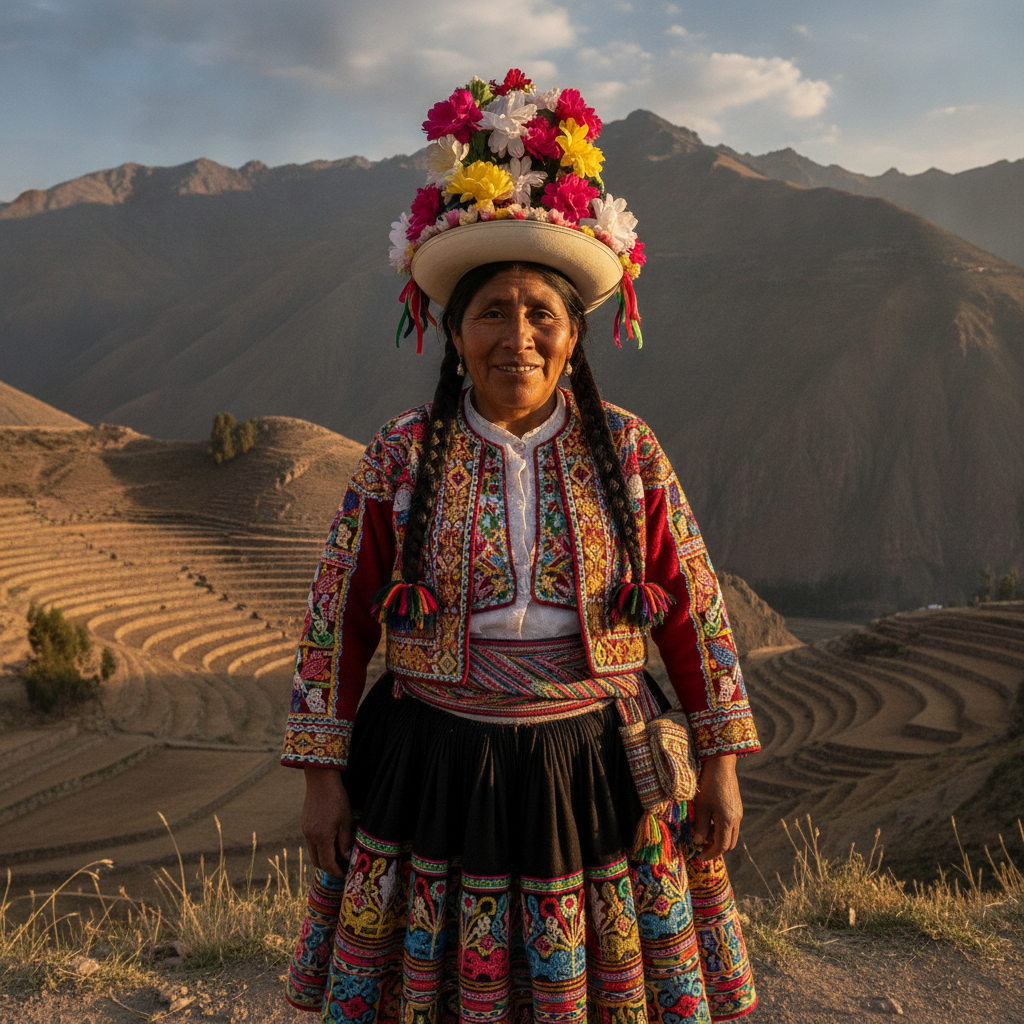
Collagua Textiles: The Living Art of the Colca Valley
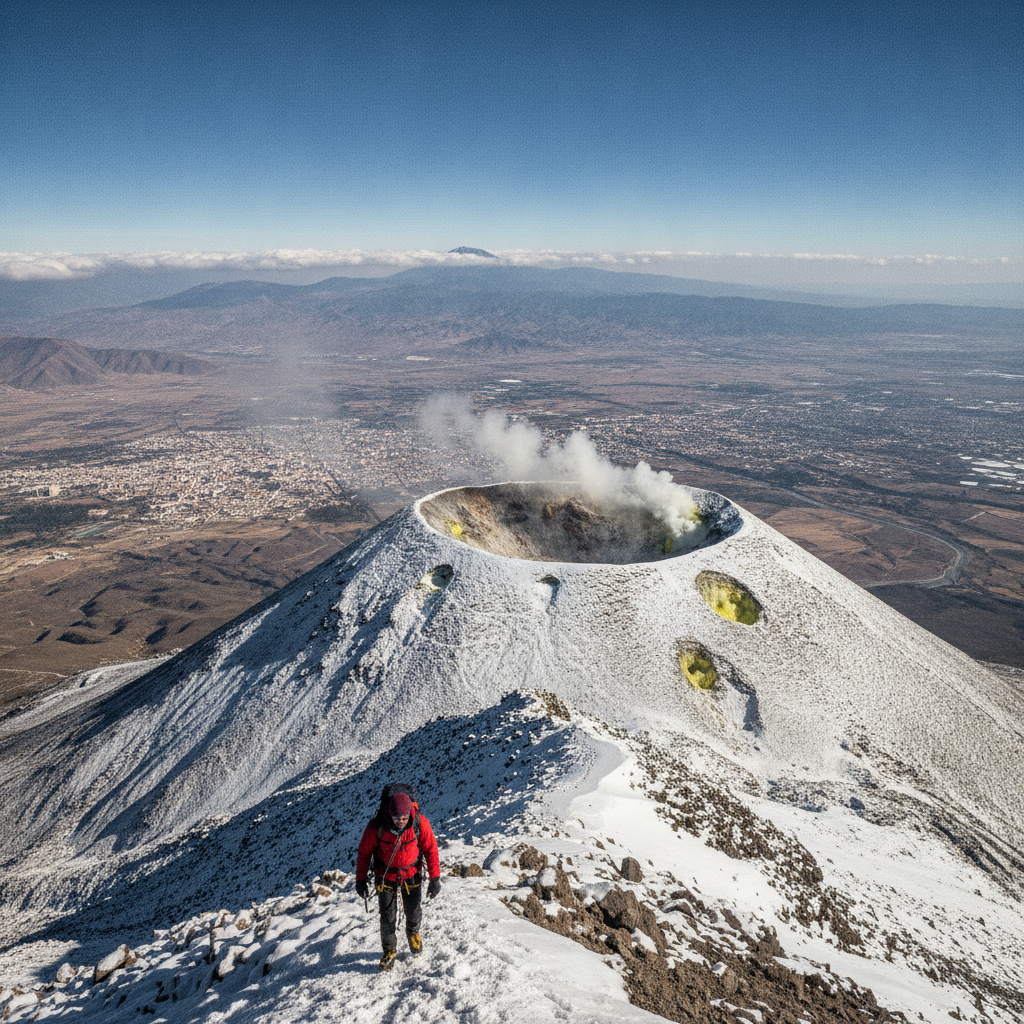
Climbing El Misti: The Volcano Above Arequipa

Arequipa's Mestizo Baroque: Churches of Sillar Stone
Arequipa: Peru's White City Under Three Volcanoes