Ayutthaya Buddhist Culture & Monk Walk
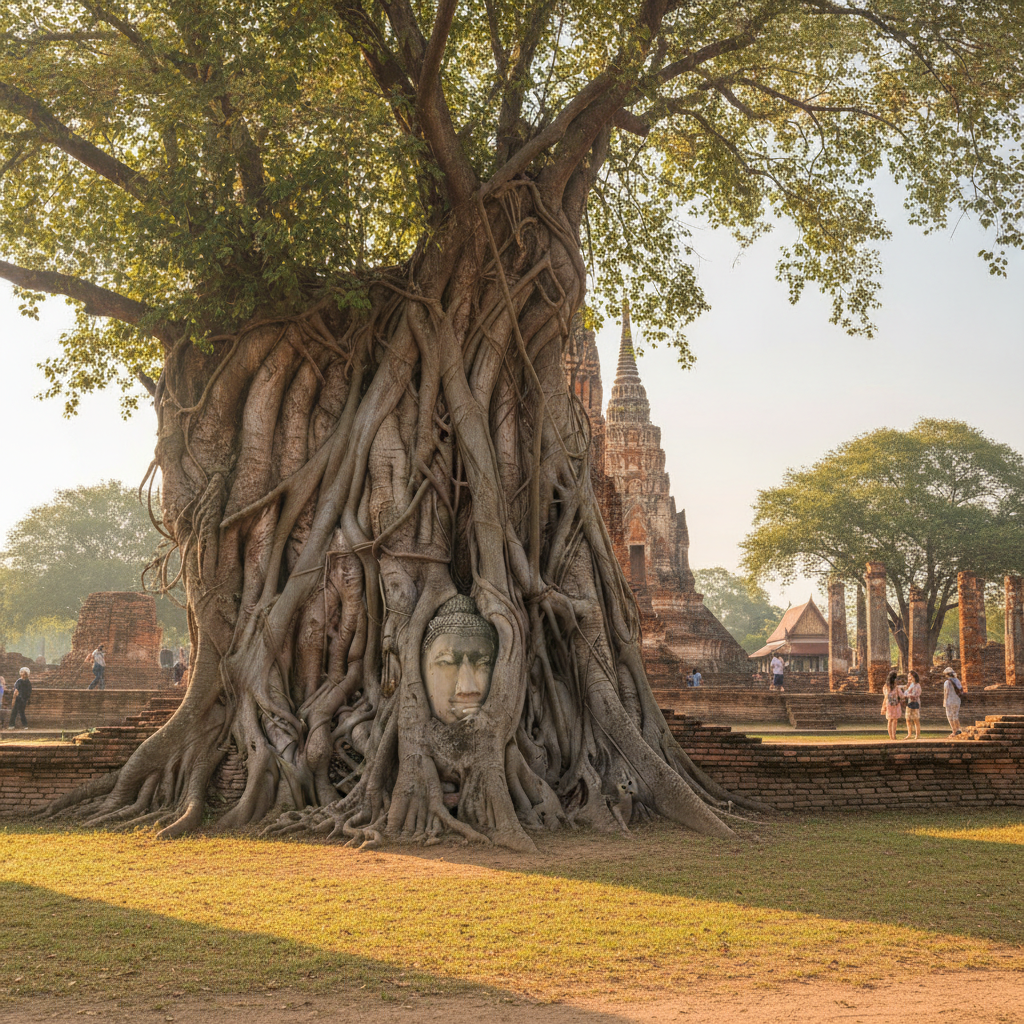
Experience the living Buddhist culture of Ayutthaya — beneath the archaeological historical park, the city maintains an active Buddhist monastic community with over 30 functioning temples, making it a centre of religious education and practice alongside its historical significance.
- 1
Morning Alms Round
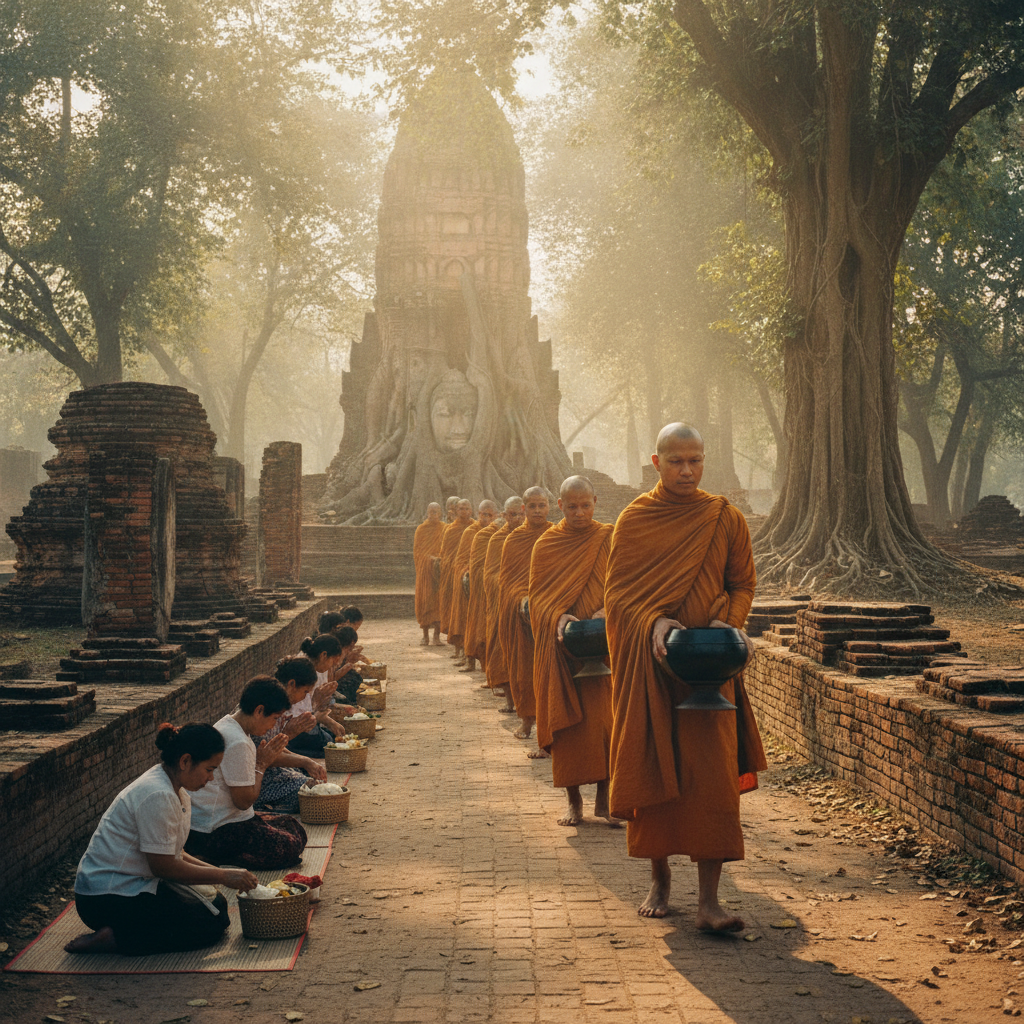
The morning alms round (tak bat) in Ayutthaya city at dawn (5-6:30am) is the most direct encounter with the living Buddhist religious tradition accessible from the historical park area — the procession of monks from the active temples (orange-robed, barefoot, carrying the lacquer alms bowls that receive the food offerings from the kneeling devotees on the pavement) moves through the residential streets of the city at first light in a ceremony that is unchanged in its essential form from the founding of the Theravada monastic tradition. The morning alms round connects the daily devotional practice of the lay Buddhist community (the merit-making of offering food to the monks) with the monastic community's economic dependence on lay support, creating the reciprocal social contract that has sustained the Buddhist sangha (community) in Thailand for seven centuries.
- 2
Wat Suwan Dararam Active Temple
Wat Suwan Dararam in the eastern section of the historical park island is one of the most beautiful active temples accessible in Ayutthaya — the temple's ordination hall (bot) with its original Ayutthaya period murals (restored in the 19th century but based on the original iconographic programme) provides the most accessible encounter with the Thai Buddhist narrative mural painting tradition in the Ayutthaya context. The murals' depiction of the Jataka tales (the previous lives of the Buddha) and the Traibhumikatha (the Three Worlds cosmology) in the characteristic central Thai painting style of the Ayutthaya-Bangkok transition period creates the most visually rich religious interior accessible in the historical park area.
- 3
Buddhist School Monk Training
The Buddhist educational institutions in the Ayutthaya city area (the Pali language schools where monks study the canonical language of Theravada Buddhism, the dharma study programmes, and the meditation retreat centres) represent the continuation of the educational function that has been the central social role of the Thai Buddhist temple community since the Ayutthaya period — the temple school (wat school) was for centuries the only formal education available to Thai boys, and the literacy of the Thai population before the modern state education system was entirely a product of temple education. The monk student population visible in the temple compound areas of the active Ayutthaya temples represents the continuation of this educational tradition.
- 4
Relic Worship Chedi
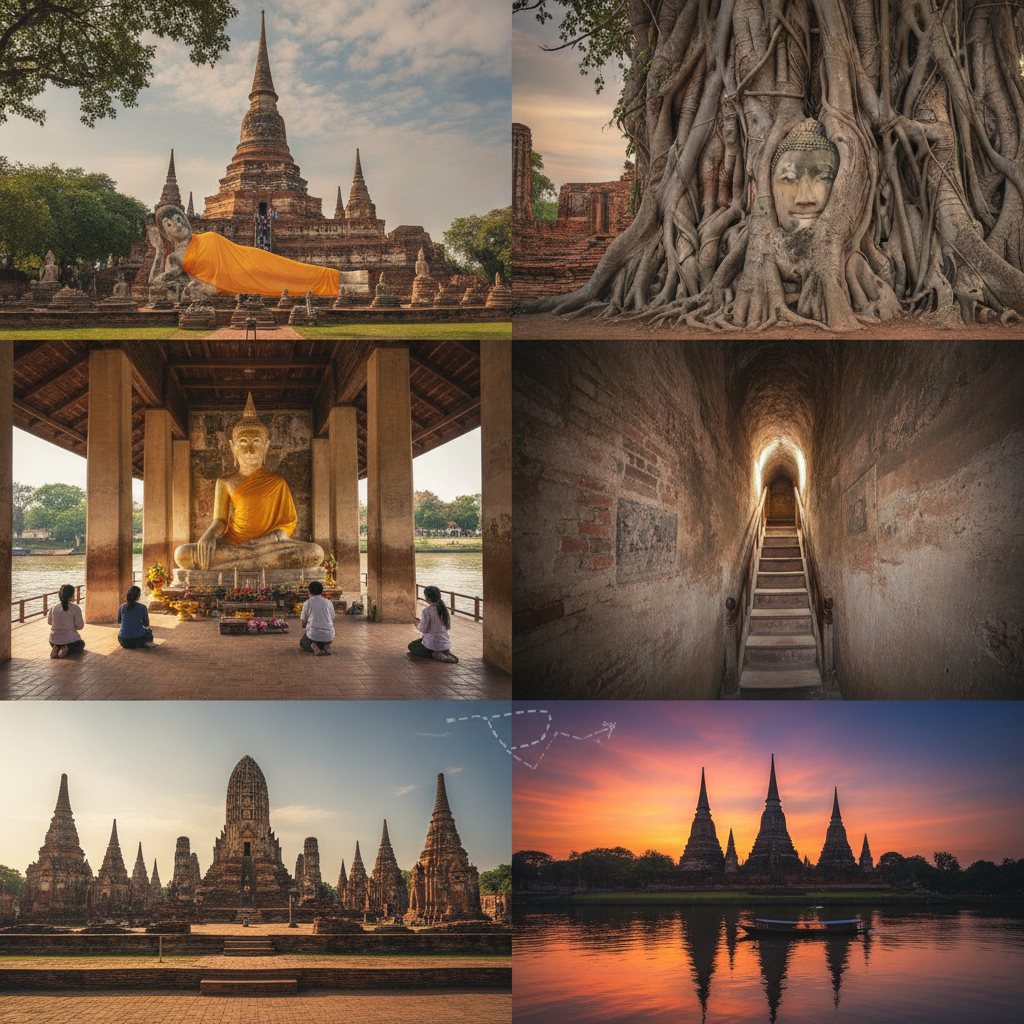
The Buddhist relic worship tradition visible at the Wat Phra Sri Sanphet chedis (the royal reliquary stupas that house the ashes of the Ayutthaya kings) represents the most ancient layer of the Buddhist devotional practice accessible in the historical park — the circumambulation of the chedi (walking clockwise around the stupa while holding flowers, incense, and candles, as the physical enactment of the devotee's respect for the Buddha's relics contained within) is the fundamental devotional act at every Thai Buddhist stupa, and the merit-making power attributed to the relic stupas at Wat Phra Sri Sanphet made the temple compound the most spiritually charged space in the kingdom. The ongoing circumambulation visible at the active chedis on Buddhist holy days connects the current devotional practice directly to the 15th-century religious building programme.
- 5
Makha Bucha Festival
The Makha Bucha festival (the full moon of the third lunar month, typically in February) at the Ayutthaya historical park creates one of the most atmospheric candlelit temple events accessible in Thailand — the ceremony commemorating the occasion when 1,250 enlightened monks spontaneously gathered to hear the Buddha's teaching involves the evening circumambulation of the major temples with candles, incense, and flowers, creating the most collectively devotional encounter with the historical ruins available at any single annual event. The Makha Bucha ceremony at the Ayutthaya temples (with the monks and lay devotees circling the illuminated chedis in the evening darkness) provides the most direct connection between the living Buddhist practice and the historical religious architecture of the former capital.
- 6
Monk Chat Programme
Several of the active temples in Ayutthaya participate in the monk chat programme (informal conversation sessions where monks practise their English and visitors can ask questions about Buddhism and Thai monastic life) — the programme provides the most direct personal encounter with the Buddhist monastic tradition available at any historical park tourist destination and allows the visitor to move beyond the purely archaeological experience of the ruins to a genuine human exchange about the living religious tradition that the ruins represent. The monk chat sessions (typically in the afternoons at temples that advertise the programme) are the most accessible single activity for understanding the contemporary relevance of the historical park's religious heritage.
Walk this route with audio
Stories play automatically as you reach each stop — no tapping needed.