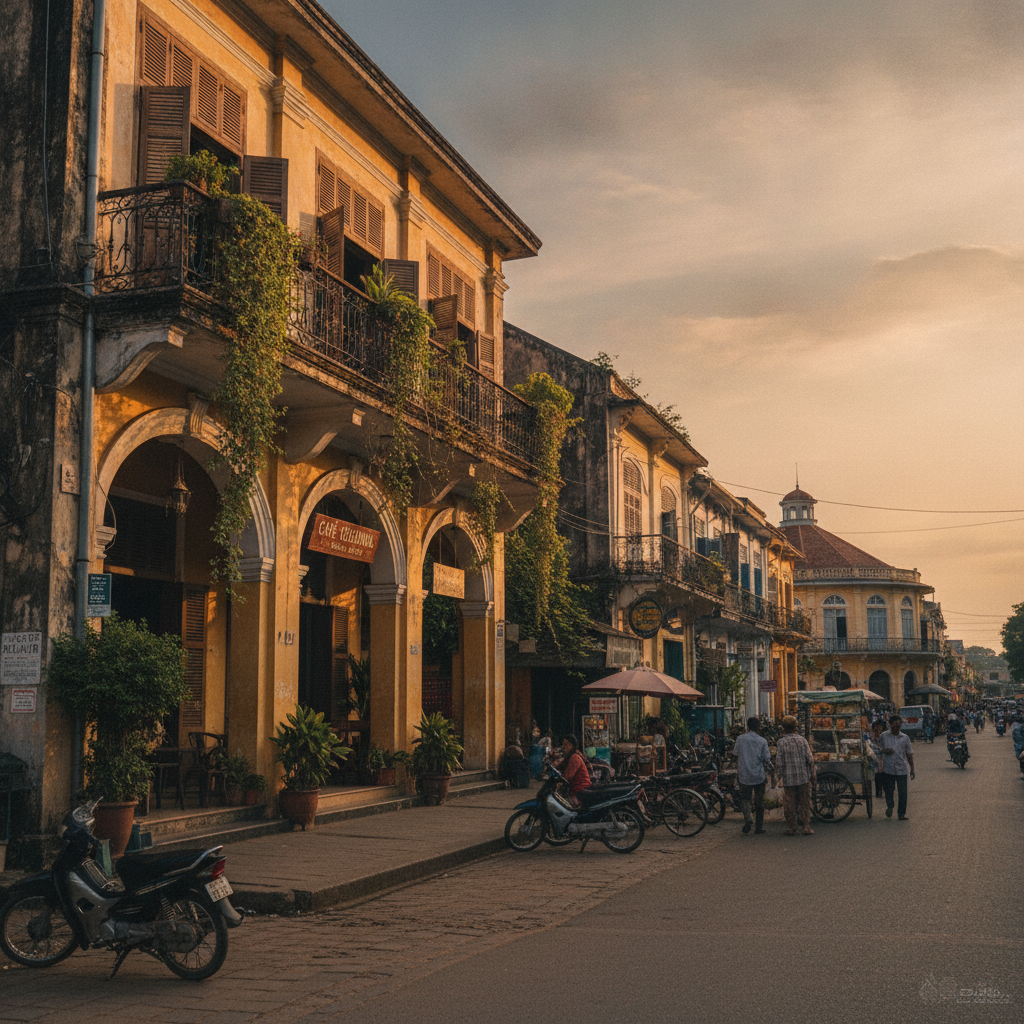
Battambang Rice & Wine Country Walk
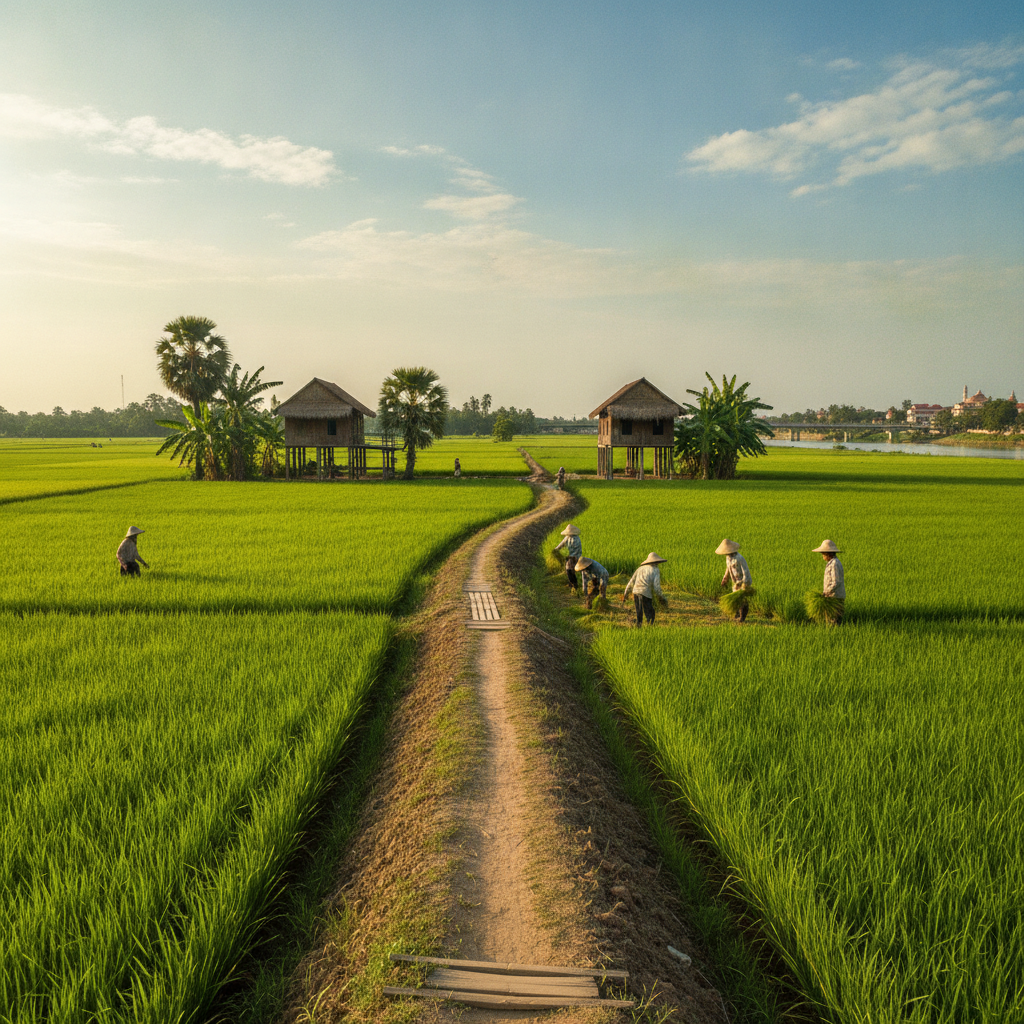
Explore Battambang's agricultural heartland — the province is known as the rice basket of Cambodia, and its tangerine orchards, rice wine production, and the agricultural villages of the Sangker River valley create a food-and-farming cultural walk unlike anywhere else in the country.
- 1
Battambang Tangerine Orchards
The tangerine (krtaunh) orchards of the Battambang province are the most famous single agricultural product of northwestern Cambodia — the Battambang tangerines (harvested November through January, the small, sweet, easily-peeled citrus whose distinctive flavour is attributed to the particular soil and water conditions of the Sangker River valley) are sold throughout Cambodia and are the most recognisable regional food product associated with the Battambang name. The orchards southwest of the city (accessible by bicycle or tuk-tuk on the unpaved roads through the village communities) are at their most accessible and most atmospheric during the harvest season, when the fruit is visible on the trees and the family orchards have their temporary market stalls at the farm gates selling the fresh harvest.
- 2
Rice Noodle Workshop
The family workshops producing rice noodles (num banh chok, the thin rice vermicelli that is the most important ingredient in the traditional Cambodian breakfast soup) in the villages near Battambang are the most accessible demonstration of the traditional Khmer food production techniques — the process (the soaked rice ground to a paste, then forced through the noodle press into the boiling water, then cooled and bundled for market) is conducted in the family's open cooking area and is observable by visitors who arrange to visit in the early morning when production is active. The num banh chok noodle is the most distinctively Cambodian breakfast food, eaten with the green curry or the fish gravy of the traditional morning meal, and the Battambang province production (using the local jasmine rice varieties for the highest quality noodles) is considered the finest accessible in the country.
- 3
Palm Sugar Production
The palm sugar production in the villages around Battambang (the toddy palm trees visible throughout the flat agricultural plain, with the collection pots attached to the flower buds and the palm climbers ascending the 20-metre trunks twice daily to collect the sweet sap) is the most characteristically Cambodian artisanal food production visible in the rural landscape — the boiling of the collected sap in the large woks to concentrate it into the soft brown palm sugar (tnaot) is conducted in the open-sided family shelters adjacent to the palm trees, creating the most directly observable artisanal food production in the Battambang area. The palm sugar produced in the Battambang villages (darker, more flavourful, and less refined than the commercial coconut sugar sold in urban markets) is the most sought-after ingredient for the traditional Cambodian desserts and the aromatic Khmer curries.
- 4
Rice Wine Village
The villages in the Battambang plain that maintain the traditional rice wine (sra) production (the fermented and distilled rice alcohol that has been produced in Cambodian rural communities for generations) provide the most directly accessible encounter with the traditional Cambodian alcohol culture — the home distillation of rice wine (the small still operating in the family compound, the fermented rice mash produced from the local rice varieties, and the clear spirit collected and bottled for domestic sale) is an important part of the rural household economy in the Battambang villages. The rice wine production is most accessible through the village guesthouse operators who organise market and village tours that include visits to the active production households.
- 5
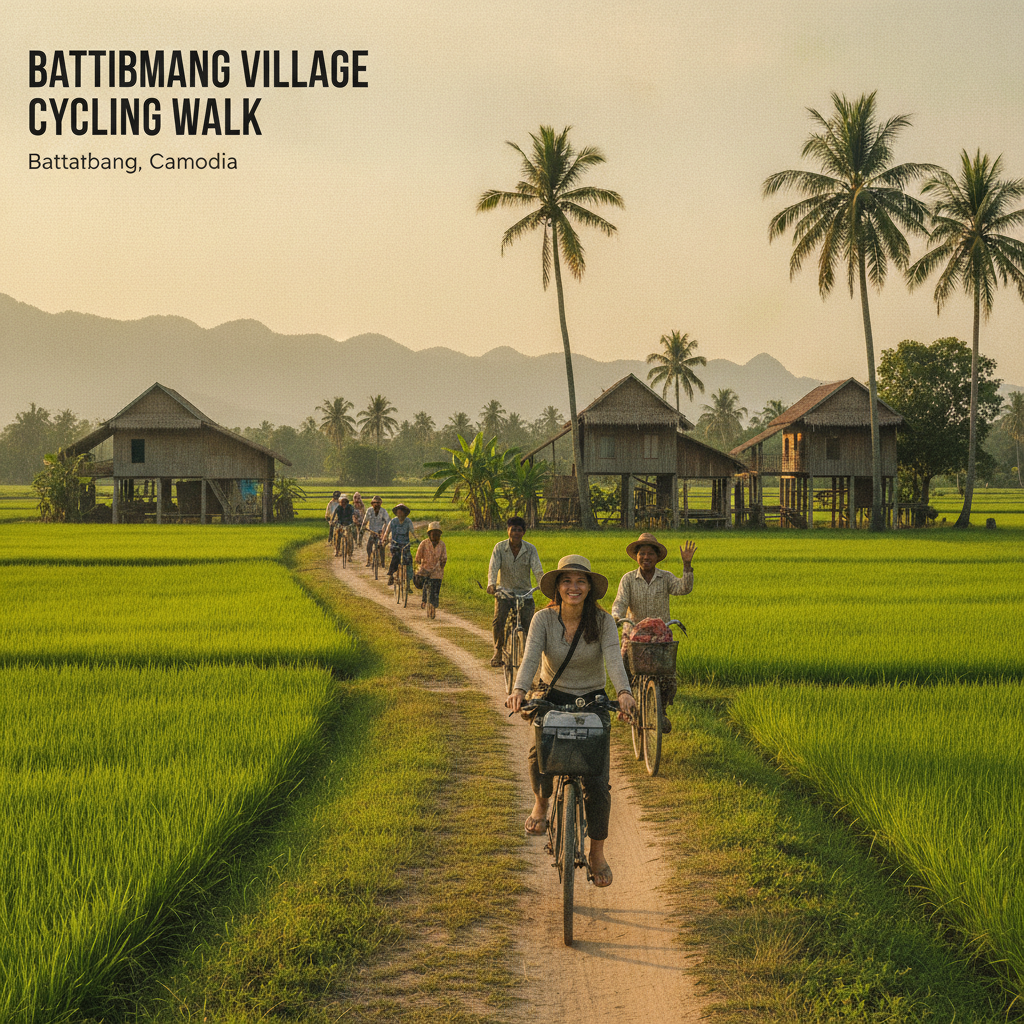
Sangker River Valley Farm
The Sangker River valley farms accessible by bicycle from the city centre provide the most complete single-day encounter with the Cambodian agricultural landscape — the flat rice paddies (planted twice annually in the irrigated sections, once annually in the rain-fed fields), the vegetable gardens producing the fresh produce for the Battambang market, and the fruit orchards in the raised areas above the flood plain create a varied agricultural landscape that is the most accessible single farming environment in Cambodia. The cycling route through the Sangker valley (the unpaved roads following the river bank through the village communities) is the most popular cycling itinerary in Battambang and the most common context for the encounters with rural Cambodian daily life that the guesthouse cycle tours are designed to facilitate.
- 6
Traditional Khmer Kitchen
The traditional Khmer cooking classes available in Battambang (conducted at several of the restaurants and cafes in the colonial district, or in the village community settings organised by the social enterprise tour operators) are the most educational food encounter accessible in the city — the classes focusing on the specific Battambang food culture (the fish amok using the fresh river fish from the Sangker River, the green mango salad using the Battambang province mangoes, and the coconut-based desserts using the palm sugar from the village production) provide the most comprehensive single-session introduction to the Khmer culinary tradition available outside Phnom Penh. The cooking class format (the market visit to select the fresh ingredients, the instruction in the paste-pounding technique for the Khmer curry base, and the communal meal at the end) is the most practically useful tourist experience for understanding the Battambang food culture.
Walk this route with audio
Stories play automatically as you reach each stop — no tapping needed.