Campo Grande's Cultural Scene: Museums, Music & Frontier Arts
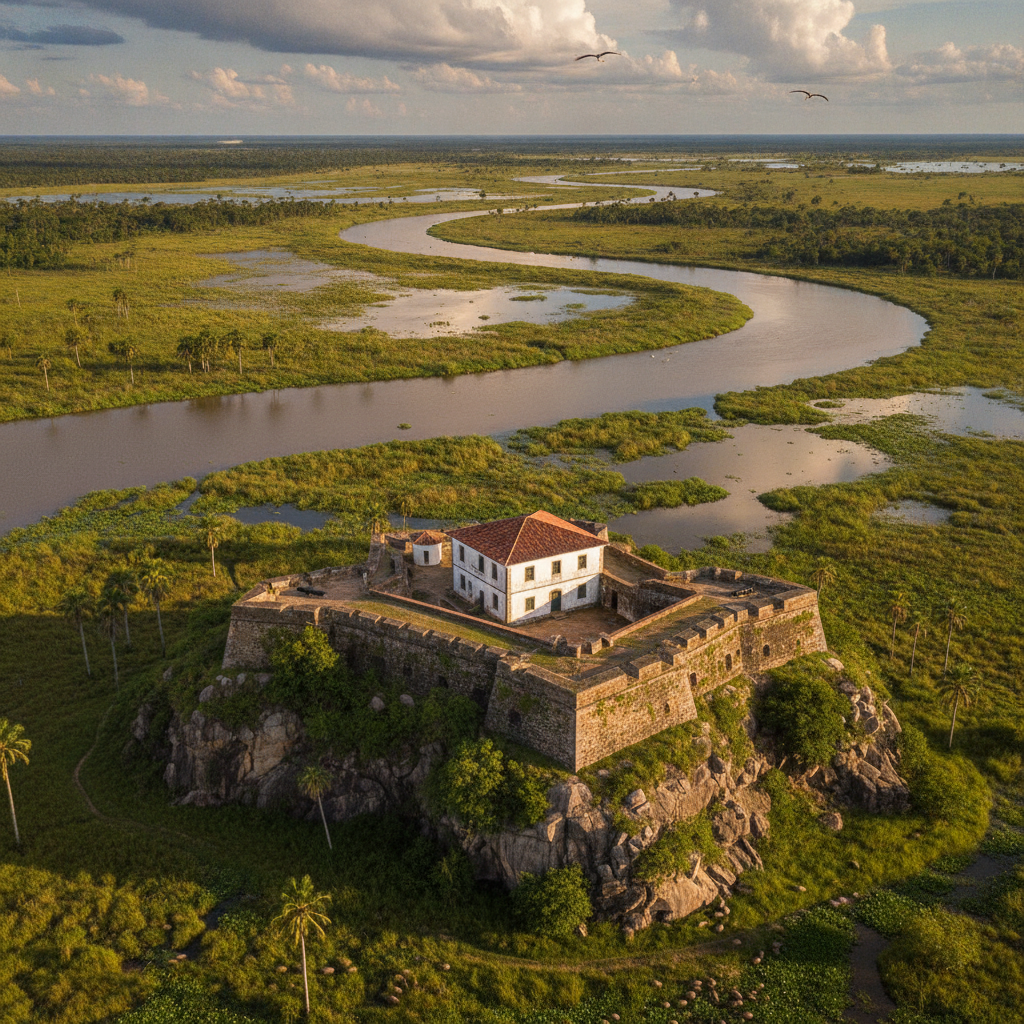
Campo Grande's cultural scene reflects its position as the capital of Brazil's frontier state — the indigenous collections, the contemporary art, and the mixed Brazilian-Paraguayan-Japanese cultural life create distinctive cultural expressions
- 1
Museu Dom Bosco
The Dom Bosco Museum – founded by Salesian missionaries – has one of Brazil's finest collections of indigenous objects and natural history specimens from Mato Grosso do Sul, with extraordinary butterfly and mineral collections
- 2
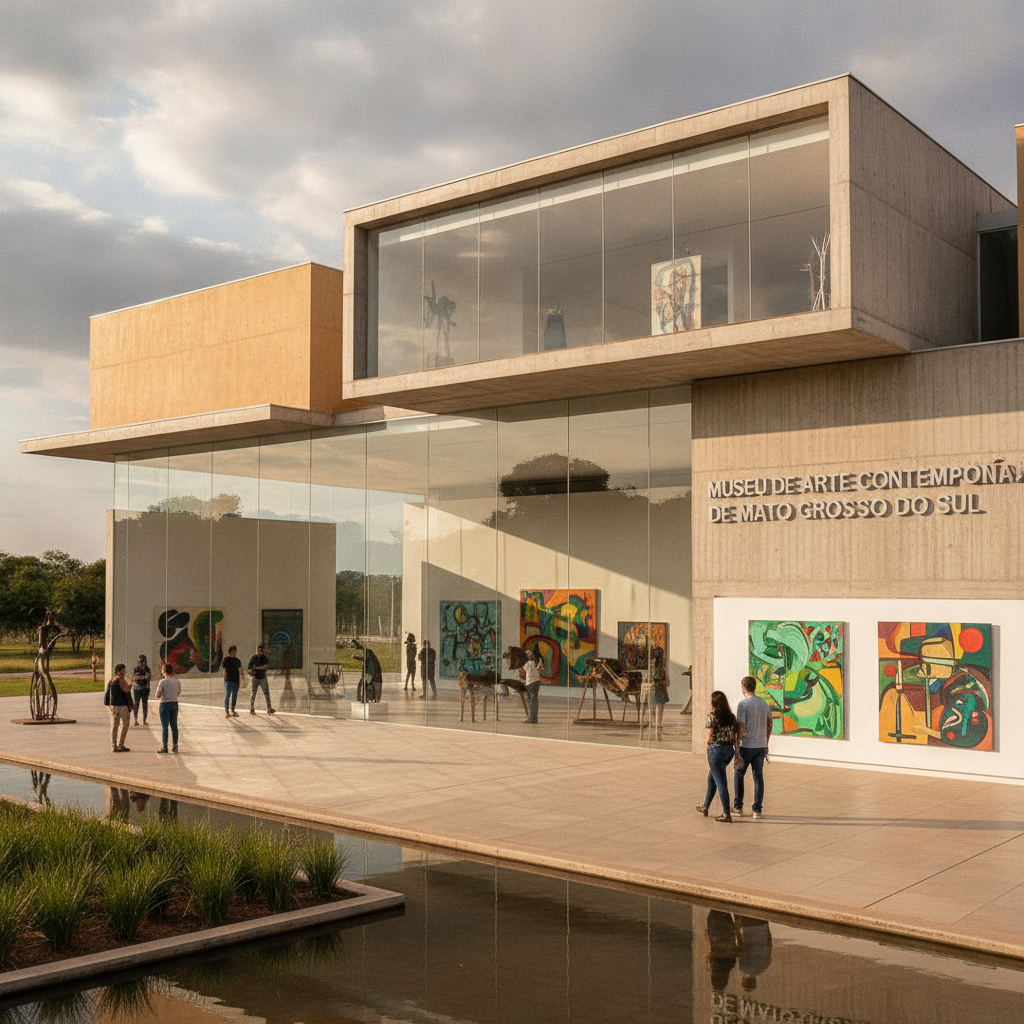
Museu de Arte Contemporânea
The Museum of Contemporary Art presents Brazilian artists working on themes such as border, nature and indigenous culture – the cerrado and Pantanal landscapes are recurring subjects in the state's visual arts
- 3
Japanese-Brazilian Community Culture
Campo Grande has the fourth largest Japanese-Brazilian community in Brazil — the sobá noodle tradition, Buddhist temples, Japanese garden and annual cultural festival reflect this community's integration
- 4
Feira Central Saturday night
The Saturday night Feira Central - a large outdoor food and craft market that runs from 6pm to midnight - is Campo Grande's major social event; tereré, churrasco and local ingredients create a festive atmosphere
- 5
Pantanal Photography Festival
The annual Pantanal Photography Festival brings nature photographers from all over Brazil and internationally — the Pantanal's photographic opportunities attract some of the world's best nature photographers
- 6
Regional Music: Sertanejo Roots
Mato Grosso do Sul's sertanejo music has deep roots in frontier cattle culture — the traditional modas de viola and the stories of the pantaneiro cowboys are the musical heart of the region's culture
Walk this route with audio
Stories play automatically as you reach each stop — no tapping needed.
More in Campo Grande
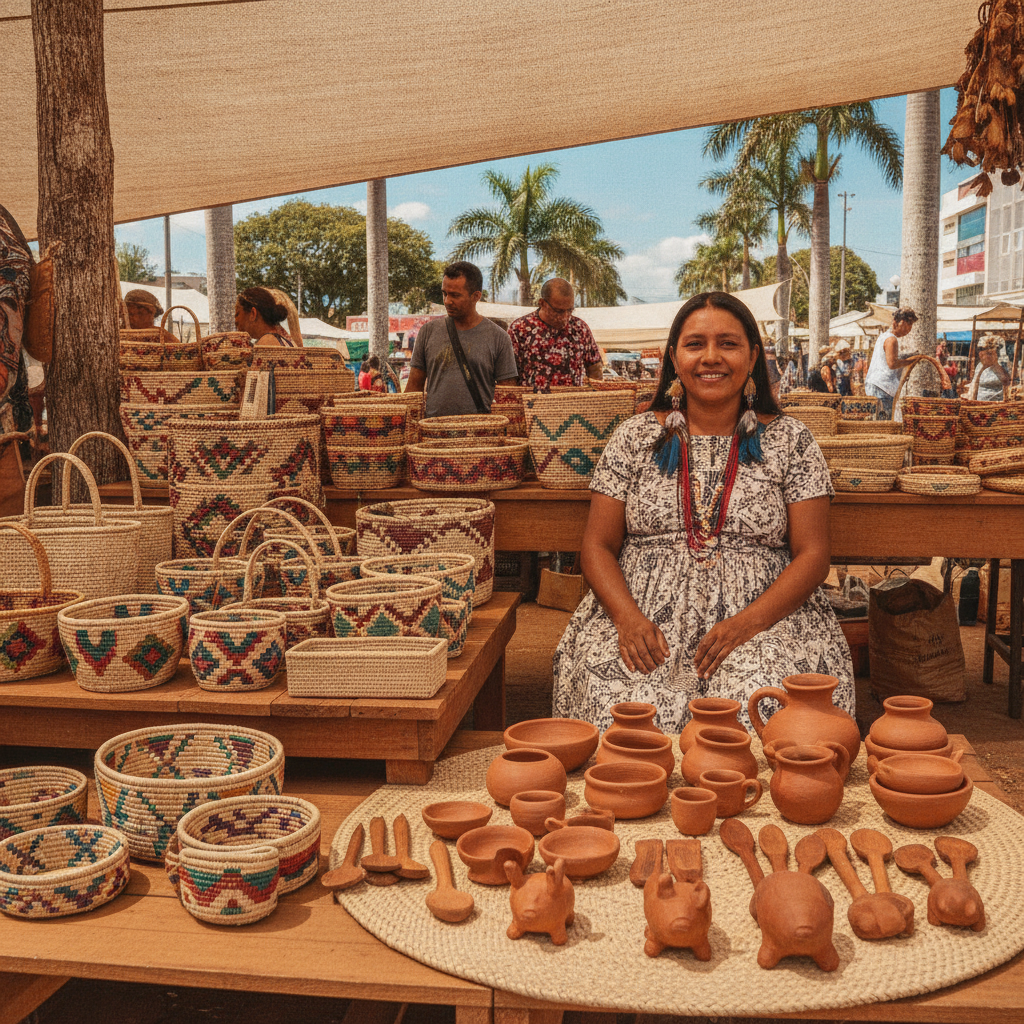
Indigenous Mato Grosso do Sul: Guarani, Terena & Living Cultures
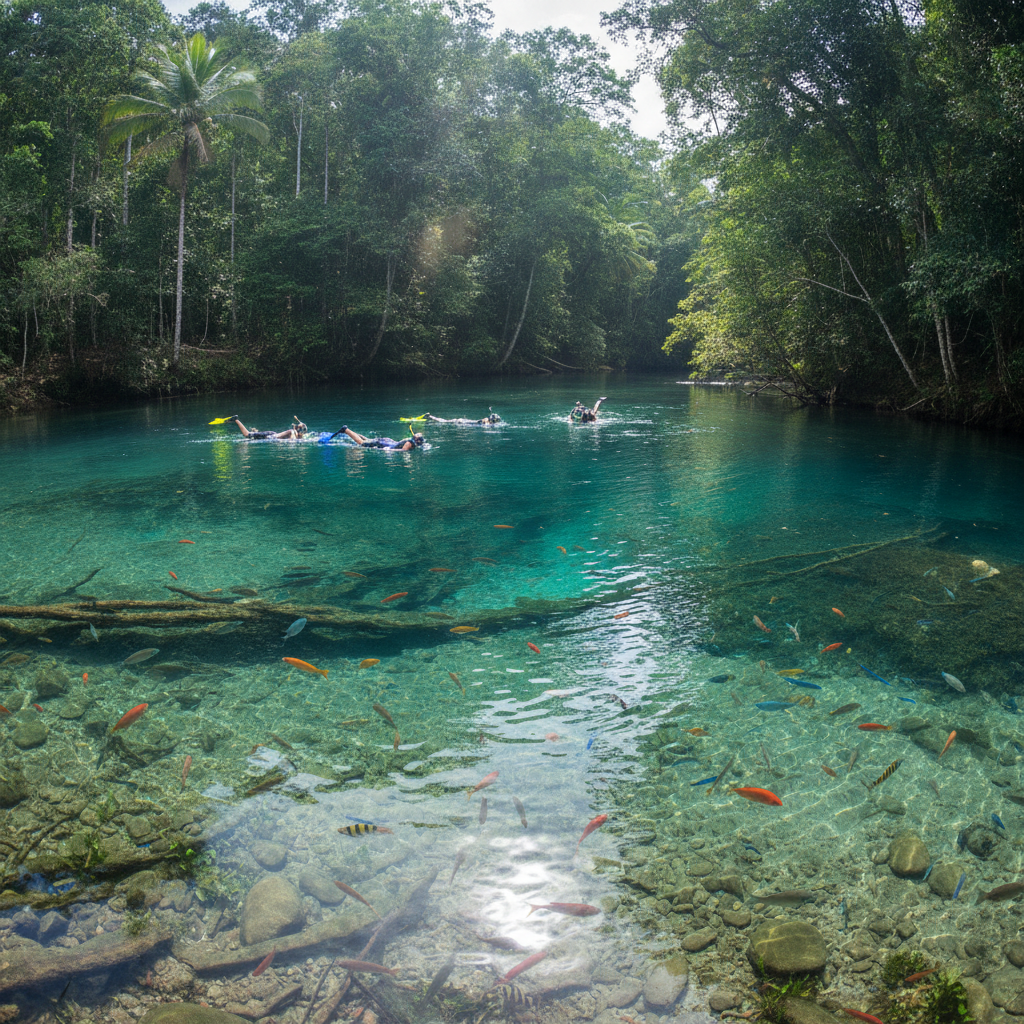
Bonito: South America's Crystal Clear River Capital
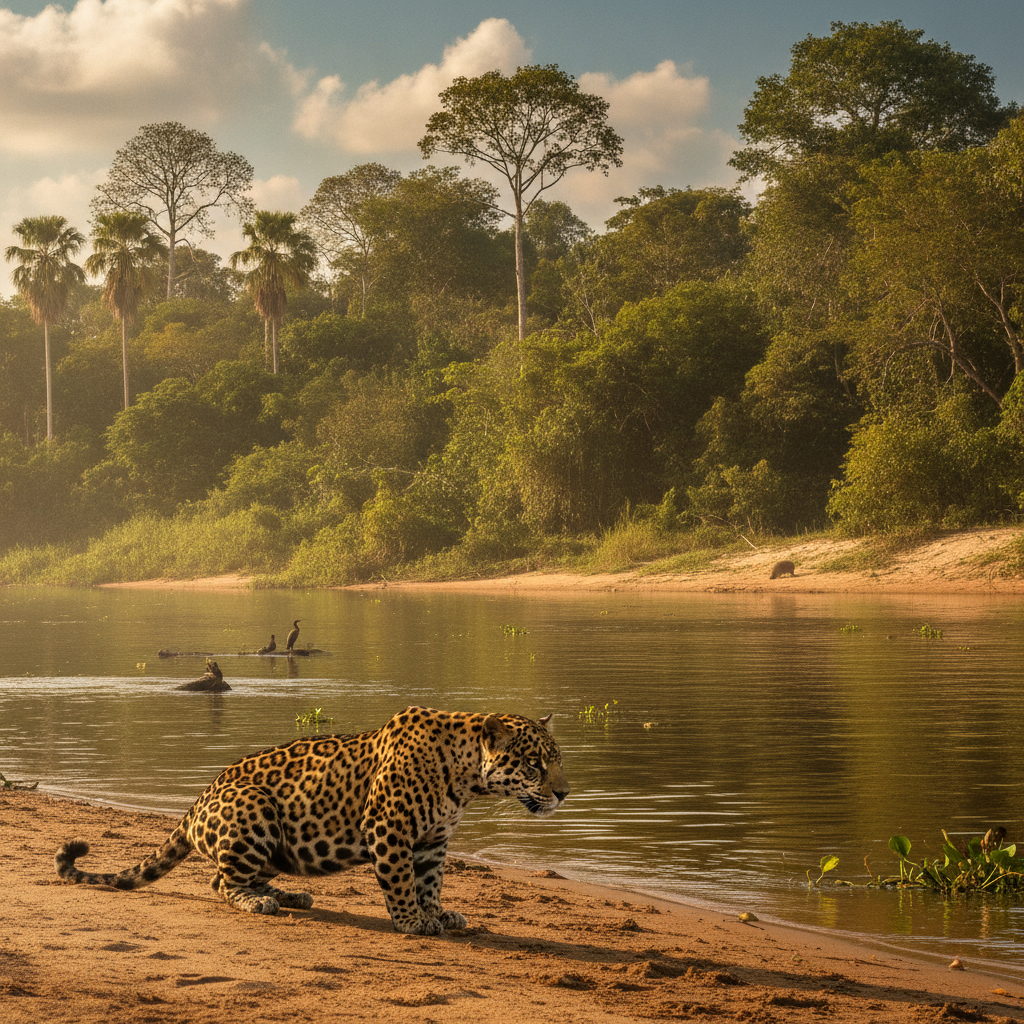
Pantanal: World's Greatest Wildlife Refuge Near Campo Grande
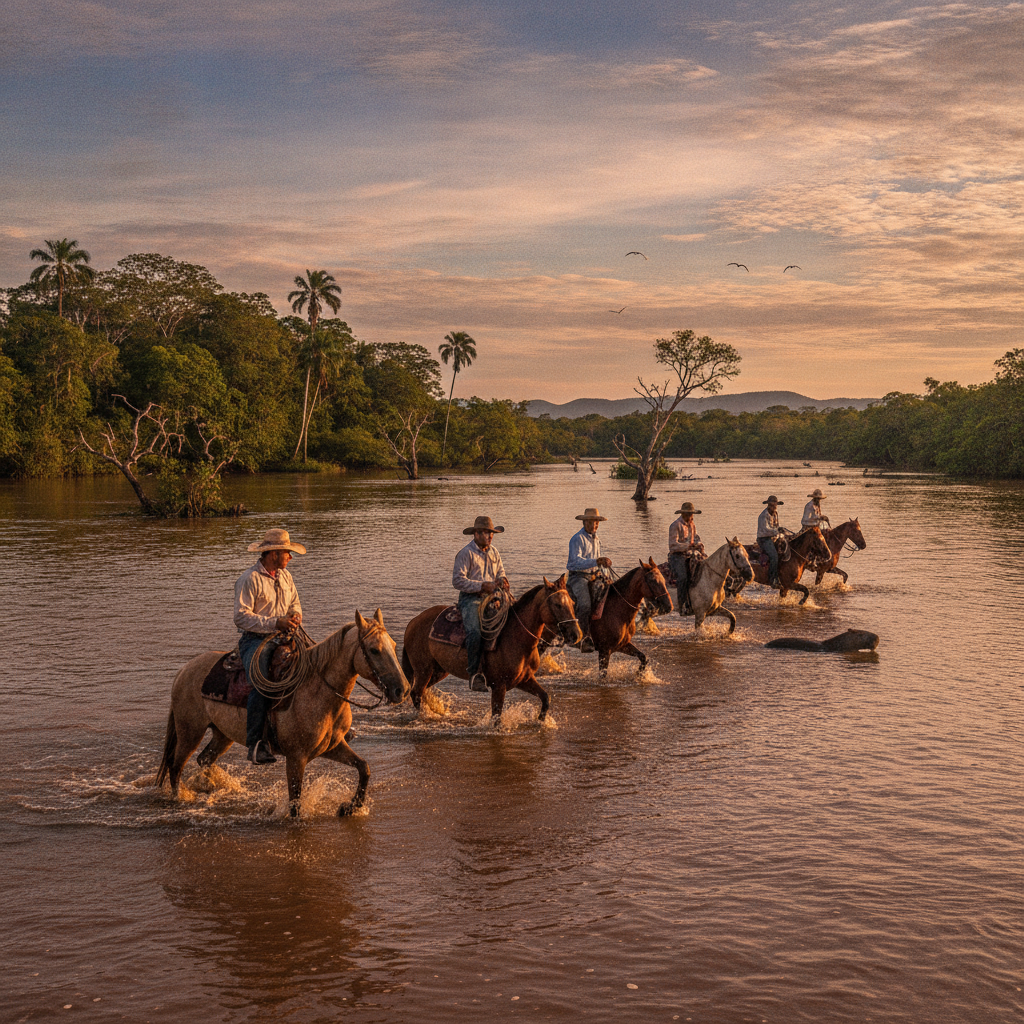
Aquidauana: Pantaneiro Cowboys & Southern Pantanal Life
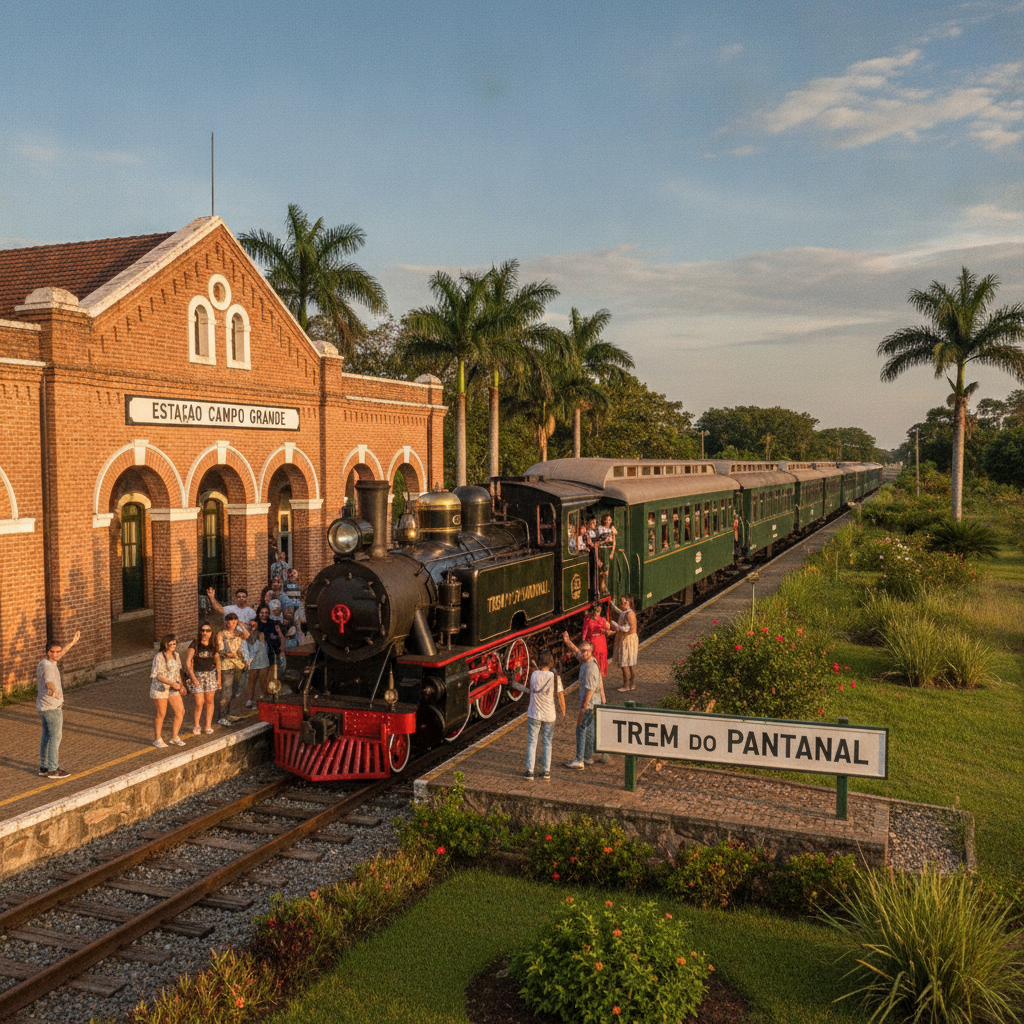
Campo Grande's Railway Heritage & the Trem do Pantanal