Campo Grande's Railway Heritage & the Trem do Pantanal
Campo Grande was built by the railway — the Noroeste do Brasil line that reached the city in 1914 and connected the frontier to São Paulo; the historic station and the scenic Pantanal railway are living history
- 1
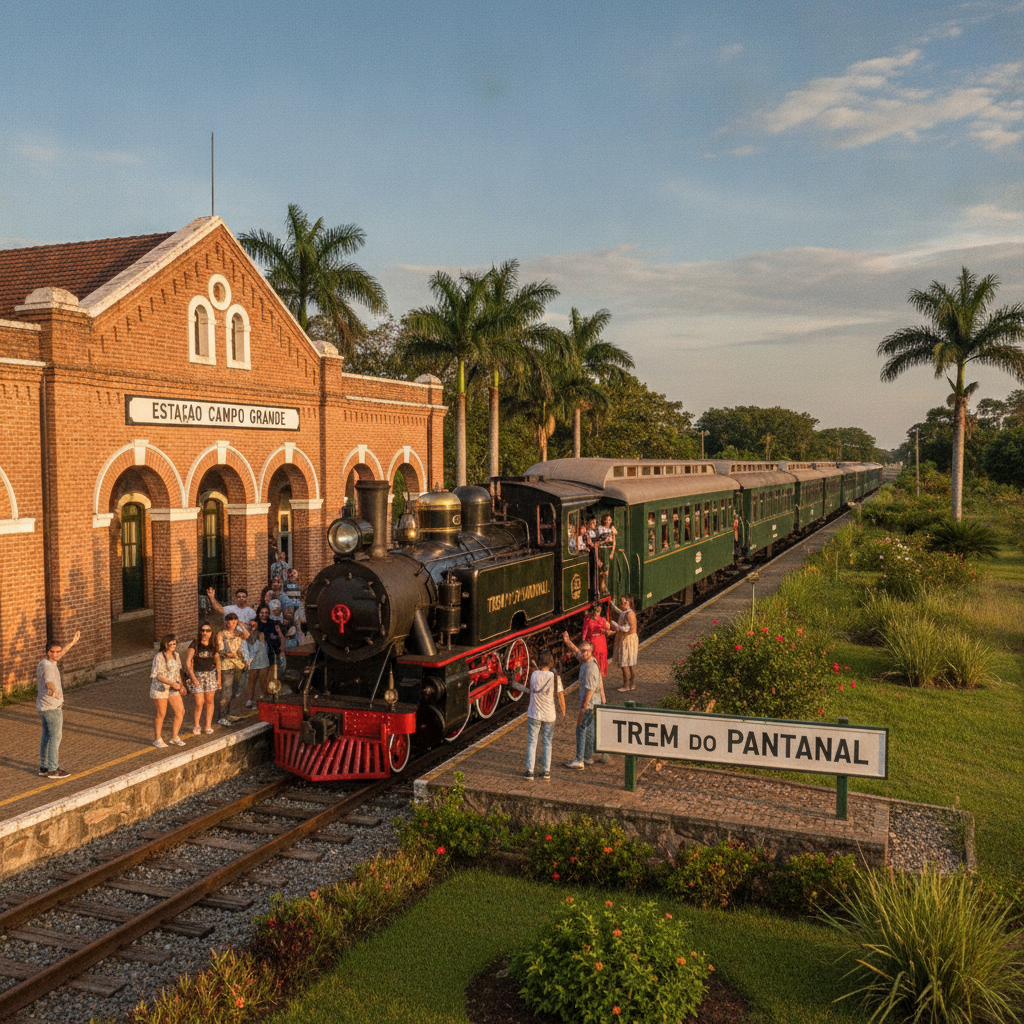
Campo Grande Railway Station
The historic Campo Grande station – built in the 1920s – is an Art Deco building that documents the railway era that created the city; the station has been restored and serves as a cultural space
- 2
Trem do Pantanal Journey
The tourist railway from Campo Grande to Miranda crosses the Mato Grosso do Sul cerrado and the Pantanal rim — the seven-hour journey is an old-fashioned train experience through spectacular scenery
- 3
Noroeste do Brasil Railway History
The Noroeste railway – running from Bauru in São Paulo to Corumbá on the Bolivian border – was the engineering project that opened Mato Grosso do Sul to settlement; its construction was the state's founding event
- 4
Corumbá: Pantanal Border Town
The end of the railway at Corumbá on the Bolivian border is a fascinating border town — the gateway to the northern Pantanal by boat, and a border crossing point with Bolivia through the border town of Puerto Quijarro
- 5
Rail connection to Bolivia
The Corumbá-Santa Cruz rail link to Bolivia — part of the transcontinental rail system — is used primarily for freight; the historic locomotive shed in Corumbá preserves the machinery of the frontier period
- 6
Campo Grande Historical Museum
Museu de Arte e Cultura da UFMS and Museu Dom Bosco document the history of Mato Grosso do Sul — the indigenous collections and border history are among the museum's most significant holdings
Walk this route with audio
Stories play automatically as you reach each stop — no tapping needed.
More in Campo Grande
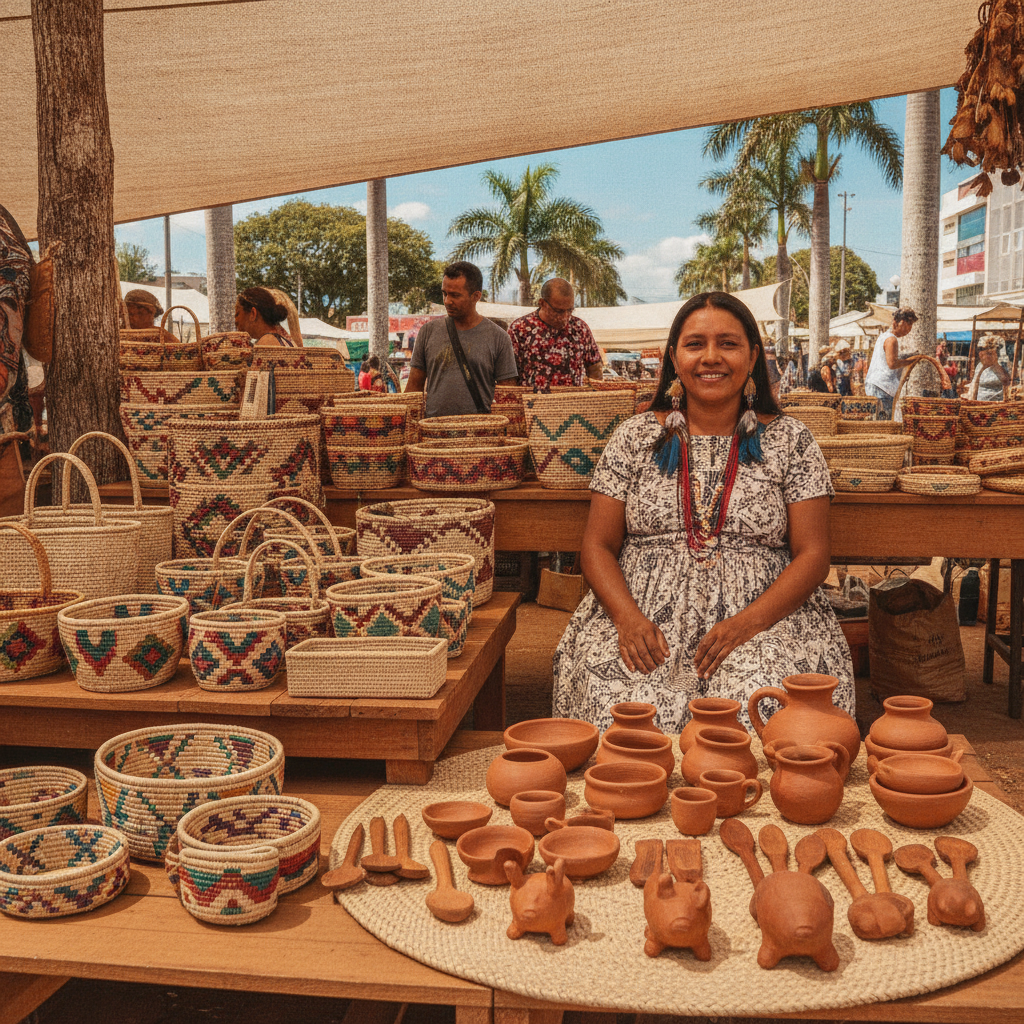
Indigenous Mato Grosso do Sul: Guarani, Terena & Living Cultures
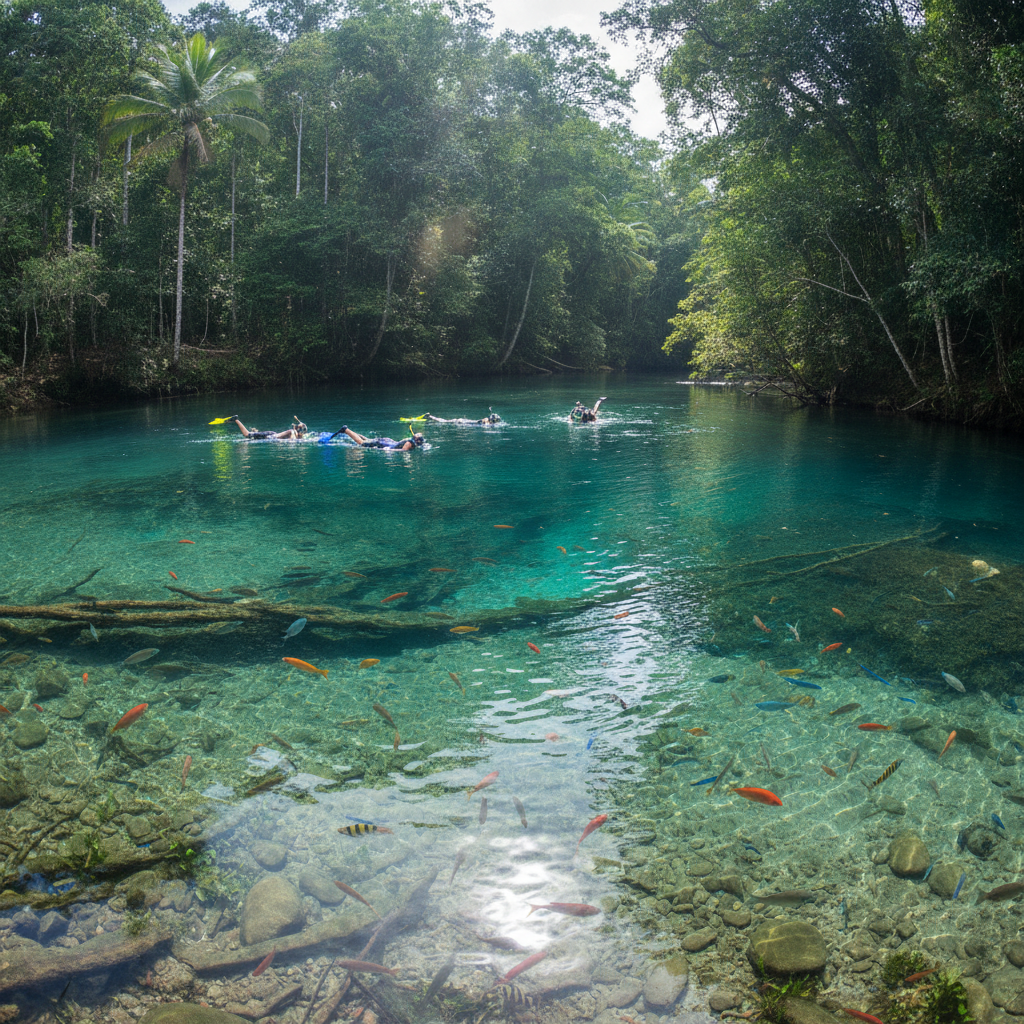
Bonito: South America's Crystal Clear River Capital
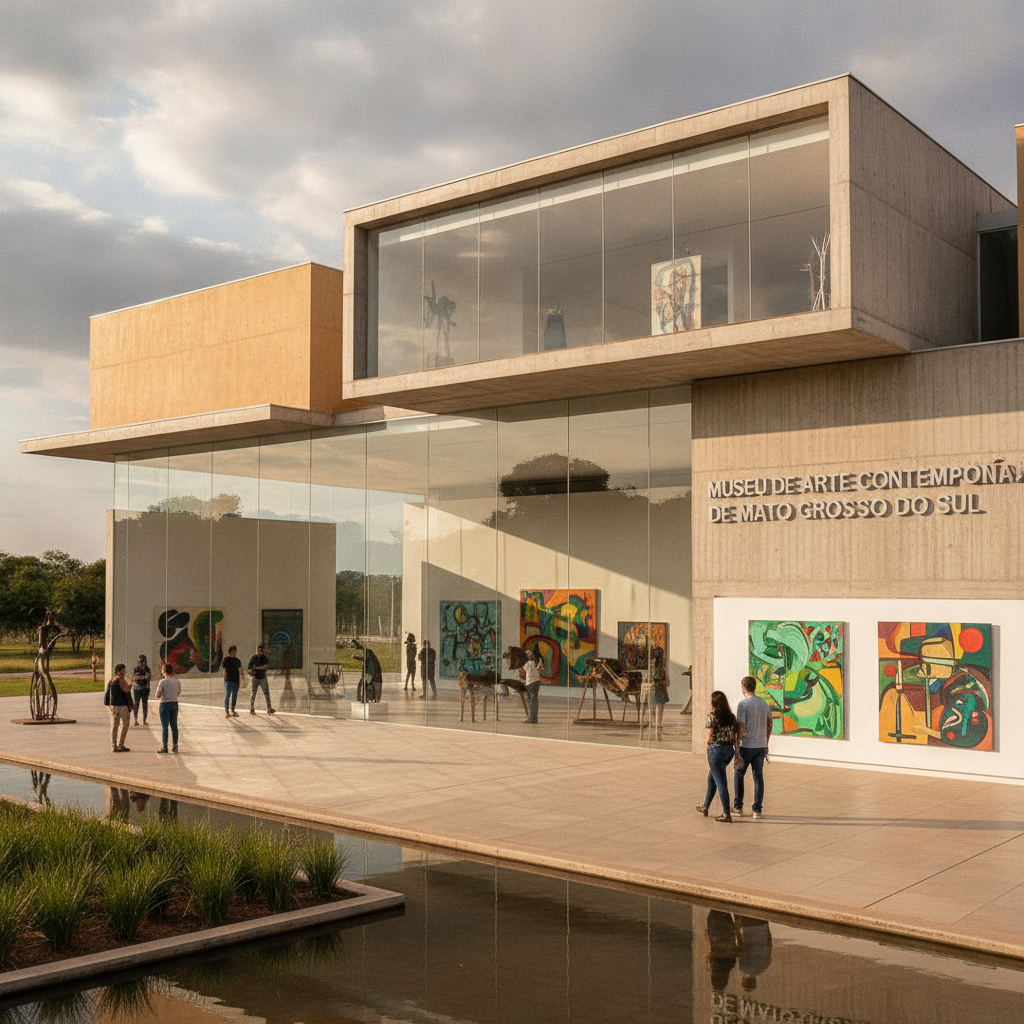
Campo Grande's Cultural Scene: Museums, Music & Frontier Arts
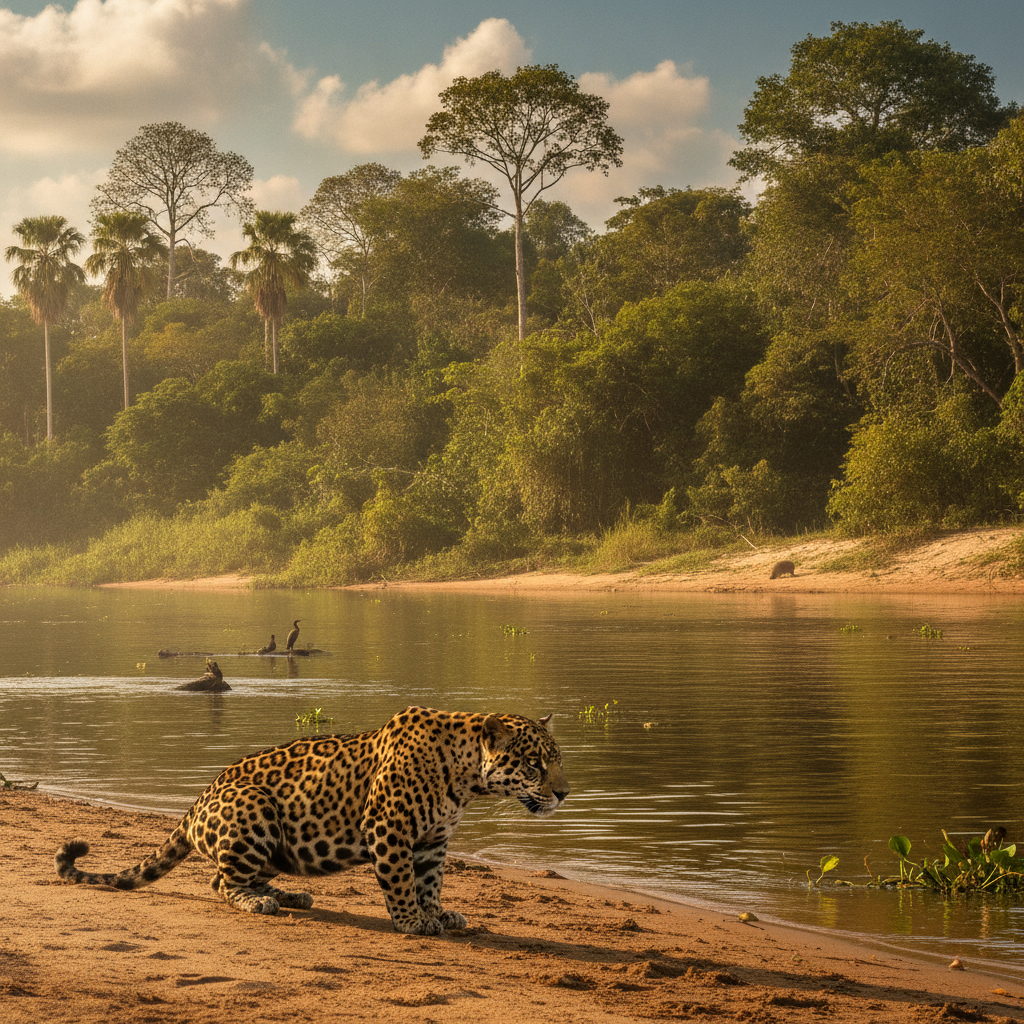
Pantanal: World's Greatest Wildlife Refuge Near Campo Grande
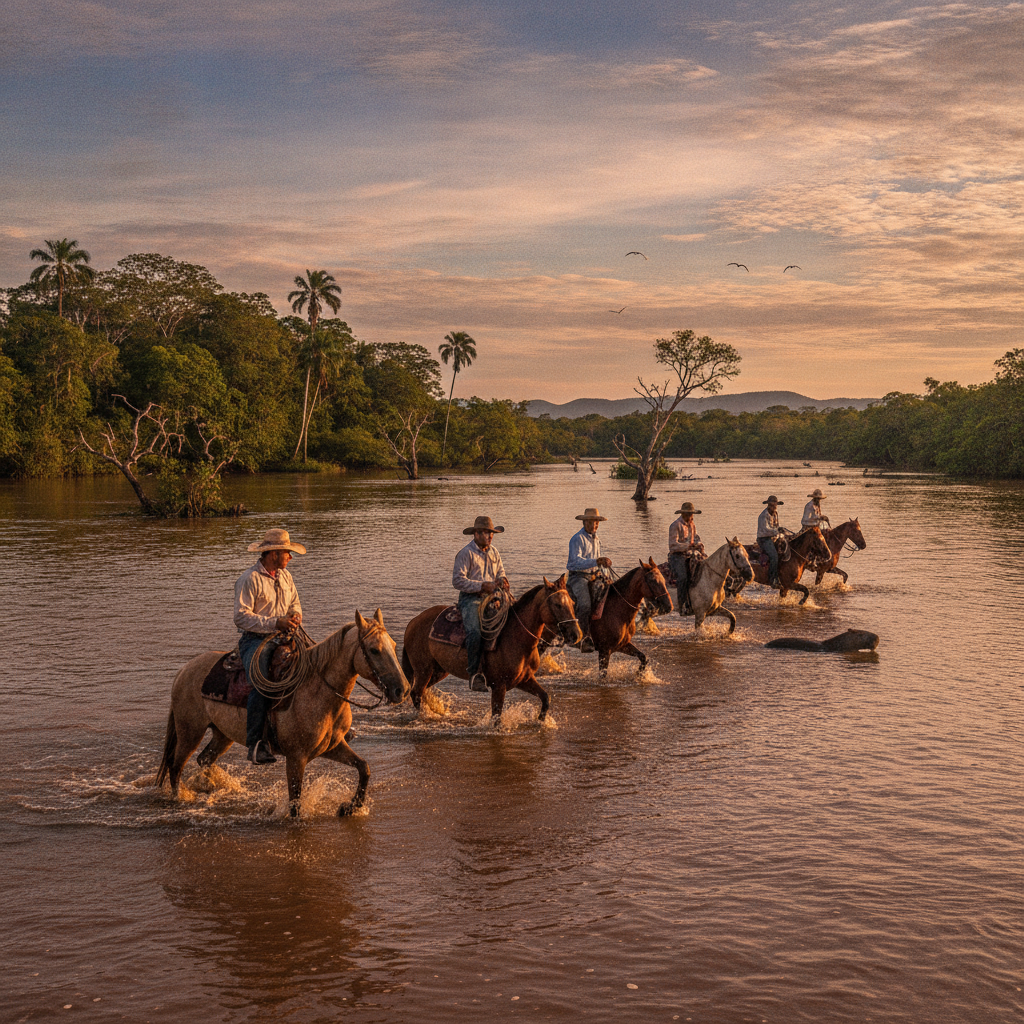
Aquidauana: Pantaneiro Cowboys & Southern Pantanal Life