The Roman Senate Ordered the Mago Agricultural Treatise Translated Into Latin After Destroying Carthage Because It Was Too Valuable to Lose; Gaiseric's Vandals May Have Brought the Jerusalem Temple Menorah to Carthage in 455 CE Before Belisarius Captured It for Constantinople in 533 CE; Cato the Younger at Utica Re-Read Plato's Phaedo on the Immortality of the Soul Then Stabbed Himself Rather Than Submit to Julius Caesar
The Roman Senate translating Mago's 28-book agricultural treatise after destroying Carthage because it was too valuable to lose; Gaiseric potentially bringing the Jerusalem Temple Menorah to Carthage in 455 CE with Procopius recording it in Constantinople's triumph in 534 CE; Cato the Younger at Utica re-reading Plato's Phaedo then stabbing himself and tearing out the stitches doctors applied; the Carthage Circus Maximus holding 45,000-60,000 spectators for chariot racing; the Acropolium (former French cathedral) on the Byrsa Hill as a concert venue among Punic ruins; and the Carthage photography guide for the single re-erected Antonine column at sunset.
- 1
Carthaginian Agriculture – The Mago Treatise and the Olive Revolution
Carthaginian agriculture (the agricultural tradition of the Carthaginian civilization — which the Roman Senate considered important enough to have translated into Latin after destroying the city that produced it): the agricultural heritage guide. The Mago treatise (the Mago agricultural treatise — 28 books on agriculture written by the Carthaginian author Mago: the only major Carthaginian literary work to survive in any form: the original Punic text was lost with the destruction of Carthage in 146 BCE: the Roman Senate, in the same decree that ordered the libraries of Carthage to be given to the Numidian kings, ordered the Mago treatise to be translated into Latin: the translation was considered so valuable that Roman agricultural writers (Varro, Columella, Pliny) cite Mago extensively: the content (the surviving citations and descriptions indicate that the Mago treatise covered: viticulture (the cultivation of grapes and winemaking): olive cultivation and oil production: other fruit cultivation: vegetable gardens: animal husbandry: bee-keeping: the North African agricultural revolution (the Carthaginians developed intensive agriculture in the Tunisian Sahel and Tell regions: the primary Carthaginian agricultural innovation: the systematic cultivation of olive trees at a commercial scale: the olive groves (the olive grove system first developed by the Carthaginians in the Tunisian interior has been in continuous cultivation for 2,500 years: the ancient olive trees of the Sahel region of Tunisia (some estimated at 1,500-2,000 years old): the Olive Oil museum at Sfax documents the continuity: the Roman adoption (the Romans adopted the Carthaginian agricultural system wholesale after the conquest of North Africa: the Roman province of Africa Proconsularis became the primary agricultural supplier of the Roman Empire in grain and olive oil using essentially Carthaginian techniques: the modern Tunisia (Tunisia today is the world's third largest olive oil exporter — a direct continuation of the Carthaginian agricultural legacy).
- 2
The Roman Circus Maximus of Carthage – Chariot Racing and Entertainment
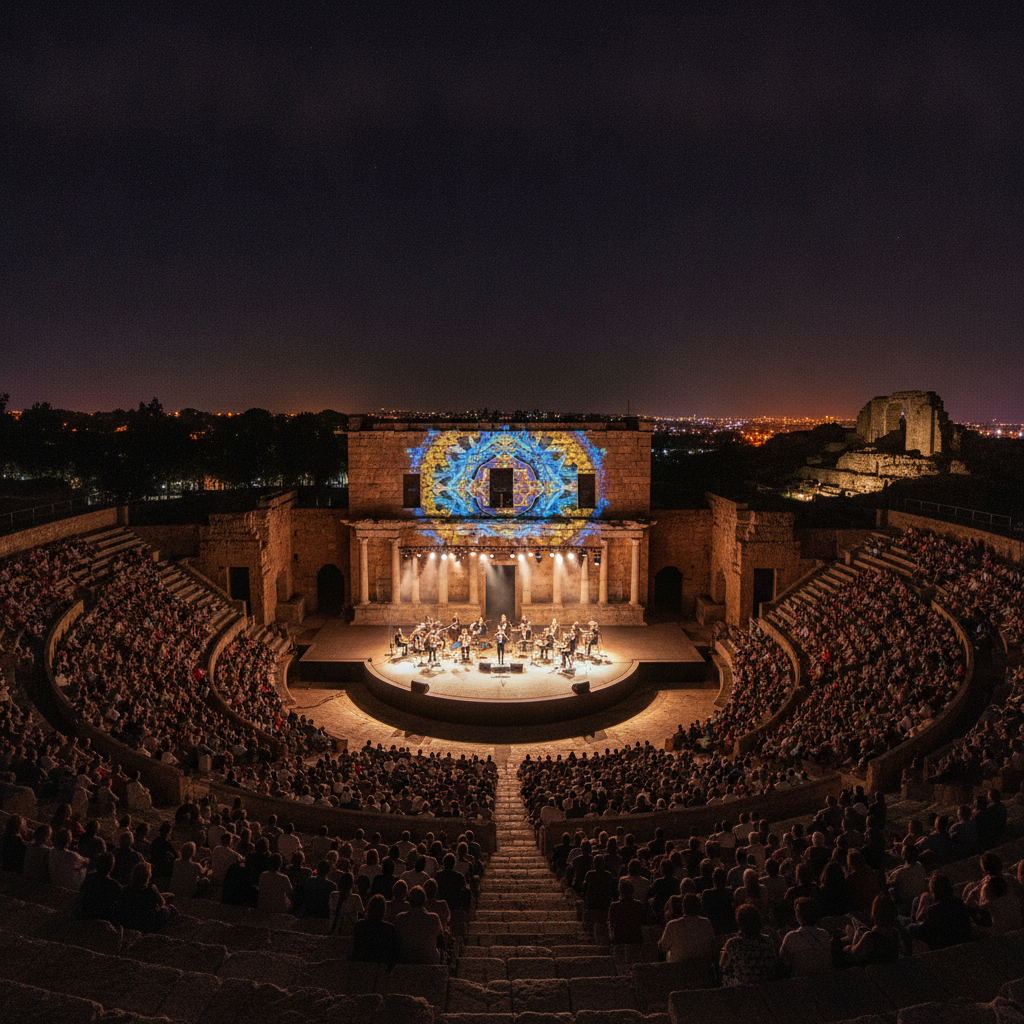
Entertainment in Roman Carthage (the circus maximus, theatrical performances, gladiatorial games, and the urban entertainment culture of the fourth largest city in the Roman Empire): the entertainment guide. The Circus Maximus of Carthage (the Circus Maximus of Carthage (Circus Maximus Carthaginensis) was the largest Roman circus in Africa: the dimensions: approximately 490m long x 85m wide: chariot racing capacity: approximately 45,000-60,000 spectators: the circus was located in the western sector of Roman Carthage outside the city walls (the standard Roman placement of circuses outside the city): the racing (the Roman circus spectacle: four-horse chariots (quadrigae) racing 7 laps around a central barrier (spina): the spina (the decorated central barrier) of the Carthage circus was approximately 240m long and decorated with statues, obelisks, and counting devices (7 wooden eggs and 7 bronze dolphins that were removed one by one to count the laps): the factions (Roman chariot racing was organized into 4 color-coded factions: the Blues: the Greens: the Reds: the Whites: the Greens and Blues were the dominant factions throughout the Roman and Byzantine periods: chariot racing fans were as fanatical as modern football fans: riots between Blues and Greens occurred in multiple Roman cities: the Nika Riots in Constantinople (532 CE) killed approximately 30,000 people: the amphitheatre (the Roman Amphitheatre of Carthage — where gladiatorial combat and beast hunts (venationes) were staged: where the Christian martyrs including Perpetua and Felicitas were executed in 203 CE: the theatre (the Odeum of Carthage — the primary theatre for musical and literary performances: now reconstructed for the Carthage International Festival): the baths (the Antonine Baths as social gathering space — the Roman baths served not only hygienic but social and intellectual functions).
- 3
Utica – The Older Phoenician City and Where Cato the Younger Died
Utica (the Phoenician city older than Carthage and the scene of the death of Cato the Younger — one of the most celebrated acts of Republican martyrdom in Roman history): the guide. The history (Utica (ancient Phoenician name: Utiqqa or Euthikua) is traditionally dated as the oldest Phoenician colony in the western Mediterranean: the traditional foundation date of approximately 1100 BCE (though archaeological evidence suggests settlement from at least the 8th century BCE): Utica was older than Carthage (814 BCE) and initially more important: Utica sided with Rome during the Third Punic War (149-146 BCE) and was rewarded with political prominence after the destruction of Carthage: Utica served as the Roman provincial capital of Africa until Augustus refounded Carthage as a Roman colony (approximately 29 BCE) and the center of gravity shifted back to Carthage: Cato the Younger (Marcus Porcius Cato Uticensis — 95-46 BCE): the Stoic philosopher and Roman senator who represented Republican resistance to Julius Caesar: after Caesar's victory at the Battle of Thapsus (46 BCE) the last Republican forces under Metellus Scipio were defeated: Cato was at Utica as the governor of the Republican forces in Africa: when it became clear that Caesar would arrive at Utica Cato organized the escape of remaining Republican troops and allies who wished to leave: Cato then re-read Plato's Phaedo (the dialogue on the immortality of the soul) and stabbed himself: Cato's doctors stitched his wound: Cato tore out the stitches and died: the location (Utica is now an archaeological site near the modern town of Utique 35 km northwest of Tunis: the site contains Roman domestic architecture, mosaics, and the small Utica Museum).
- 4
The Sack of Carthage 455 CE – Vandals, Rome, and the Jerusalem Treasures
The Vandal Sack of Rome from Carthage (455 CE) — the second sack of Rome in 45 years and the event that gave the Vandals their lasting reputation for wanton destruction: the historical guide. The context (the Vandal kingdom of North Africa (429-534 CE) had its capital at Carthage: the Vandal king Gaiseric (428-477 CE — the greatest ruler of the Vandals) had built a powerful naval fleet based at Carthage: the invitation (the widow of the assassinated Roman Emperor Valentinian III (murdered April 455 CE) reportedly invited Gaiseric to come to Rome: the invitation is disputed by some historians: Gaiseric led his fleet from Carthage to Rome: the sack (the Sack of Rome by the Vandals (June 2-16, 455 CE — 14 days of systematic looting): Gaiseric and his fleet arrived at Ostia (Rome's port): Pope Leo I met Gaiseric and reportedly negotiated a pledge not to burn the city or murder its inhabitants: the 14-day sack was systematic looting rather than wanton destruction — the Vandals removed as much of value as could be loaded on their ships: the plunder (the Vandal plunder of Rome included: the treasures from the Temple of Peace (the Forum of Vespasian): the golden tables and the golden lampstand (Menorah) from the Temple of Jerusalem (the Temple treasures had been brought to Rome by Titus after the Sack of Jerusalem in 70 CE and displayed in the Temple of Peace: the Vandal fleet brought this plunder back to Carthage: the fate of the Jerusalem treasures (the ultimate fate of the Jerusalem Temple treasures: the Vandal treasures were seized by the Byzantine general Belisarius when he conquered the Vandal kingdom in 533 CE and brought to Constantinople: the historian Procopius describes seeing the Temple treasures in the Byzantine Emperor Justinian I's triumph in Constantinople: Procopius records that Justinian subsequently returned them to Jerusalem where they disappear from the historical record).
- 5
Modern Carthage – A Presidential Palace Among Ancient Ruins
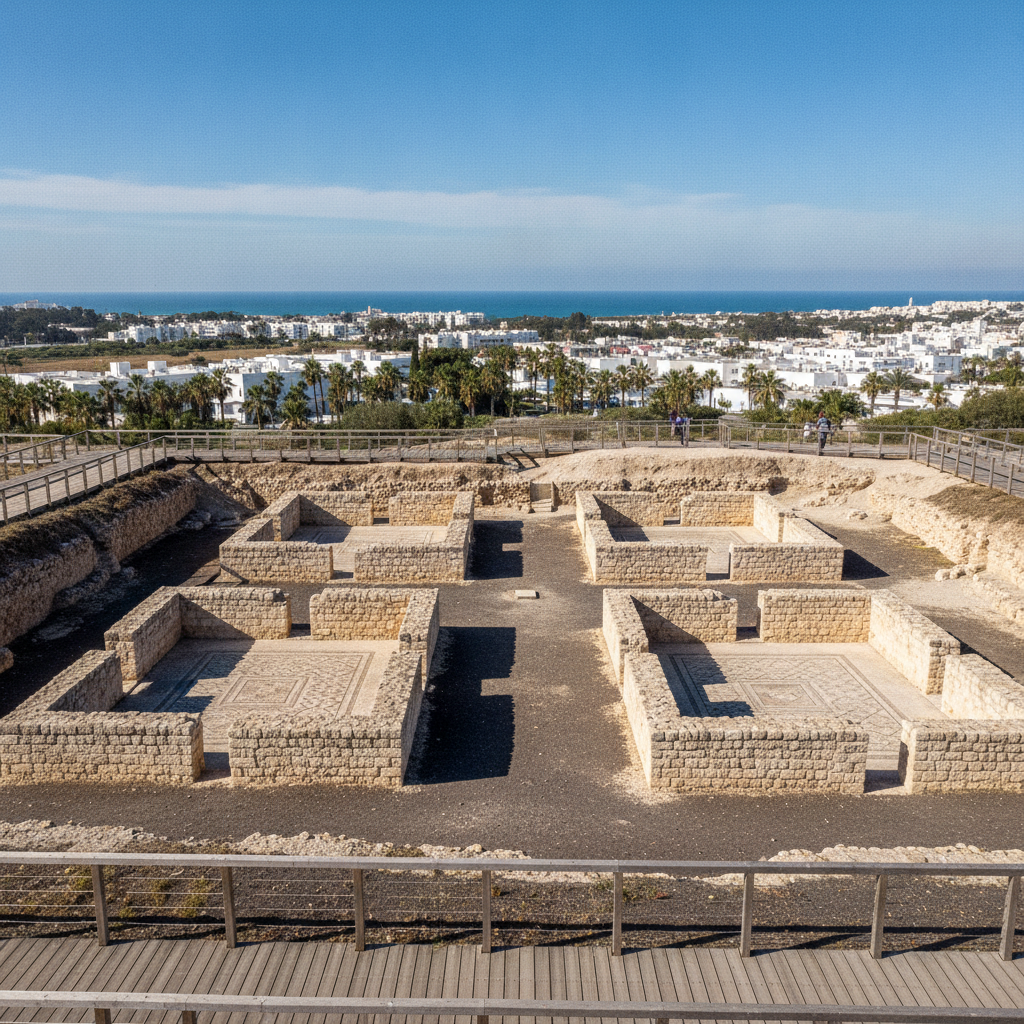
Modern Carthage (the contemporary suburb that grew over the ancient ruins and its unique status as the seat of the Tunisian Presidency): the contemporary guide. The modern suburb (Carthage today is an affluent residential suburb of Tunis: population approximately 20,000: the suburb occupies the same limestone hills on which ancient Carthage was built: the residential development of the suburb began in the French Protectorate period (1881-1956) with the establishment of the Dermech and Hannibal neighborhoods: the suburb continued to expand through the independence period and particularly in the 1970s-1990s: the Presidential Palace (the Carthage Palace (Palais de Carthage) — the official residence and office of the President of Tunisia: the palace is on the Carthage peninsula with views over the Gulf of Tunis: the palace complex is heavily guarded and not open to visitors: the irony (the seat of Tunisian presidential power is literally built over the ruins of one of the ancient world's great civilizations: the modern suburb sits atop a dense layer of Punic and Roman remains: construction projects throughout the Carthage suburb routinely uncover new archaeological material: the archaeology law (Tunisian law requires that archaeological discoveries during construction must be reported to the Institut National du Patrimoine (INP): in practice, some small finds are concealed to avoid construction delays: the Acropolium (the Acropolium de Carthage — the former Cathedral of Saint Louis (1890): the cathedral was built on the Byrsa Hill in Gothic-Byzantine style by the French Protectorate authorities on the site attributed to the death of the French Crusader King Louis IX (Saint Louis) who died during the Eighth Crusade (1270 CE) outside Carthage: after Tunisian independence the cathedral was deconsecrated and is now used as an art and concert venue: the Acropolium is one of the most visible landmarks on the Carthage skyline).
- 6
Carthage Photography Guide – Ruins, Light, and the Gulf of Tunis
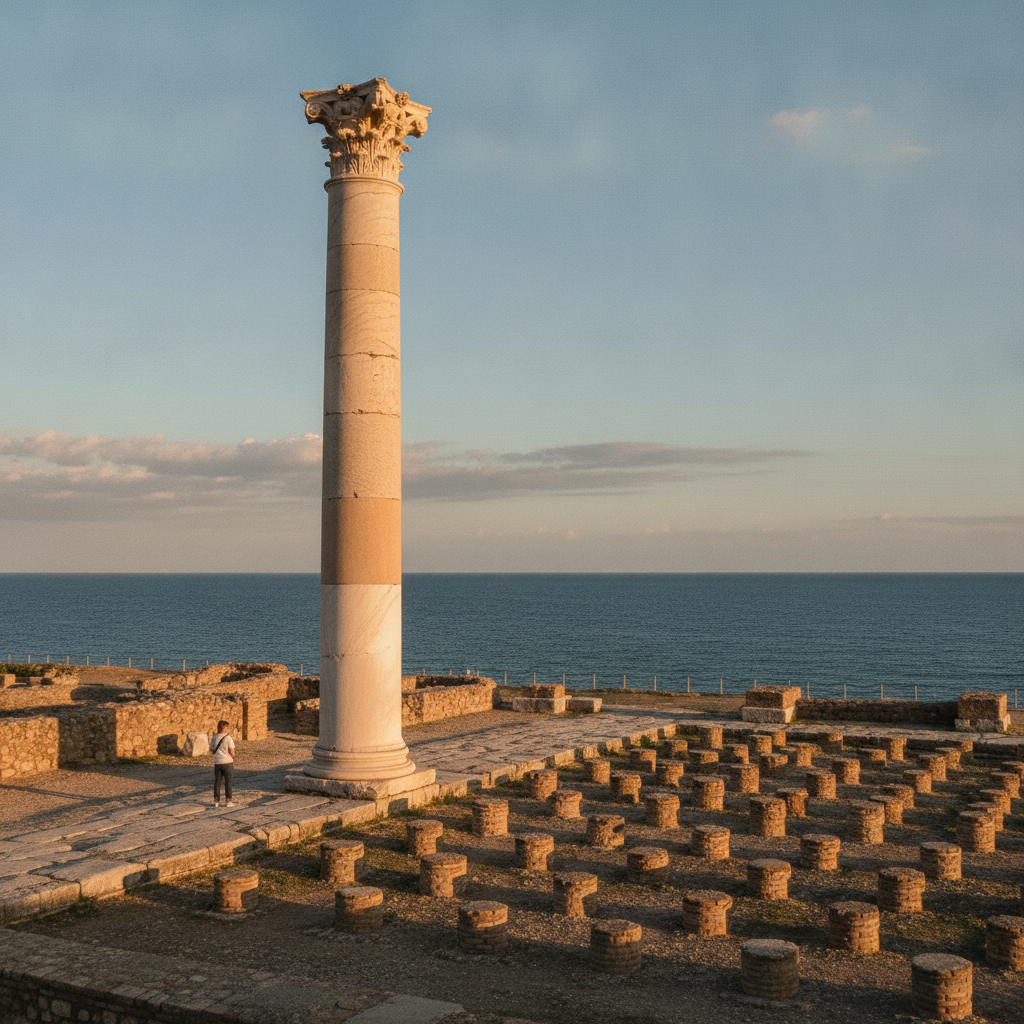
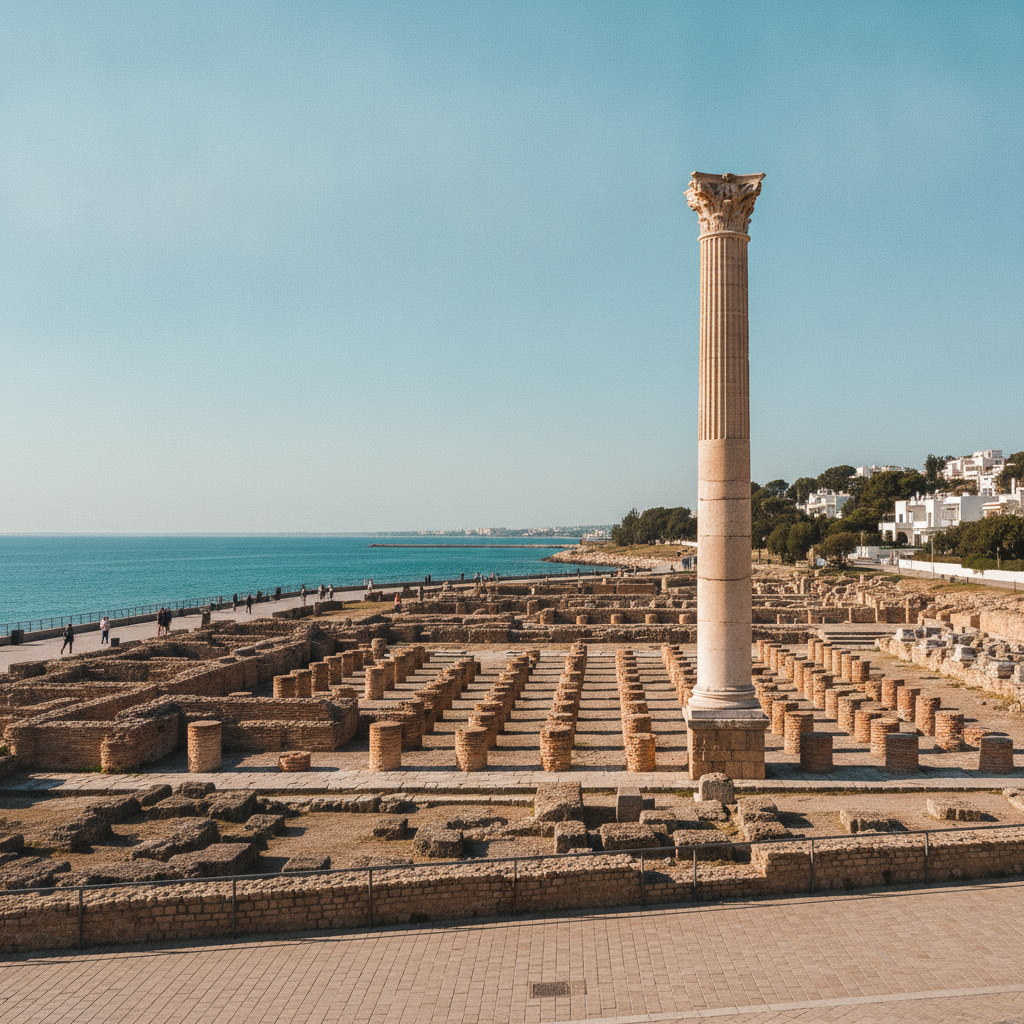
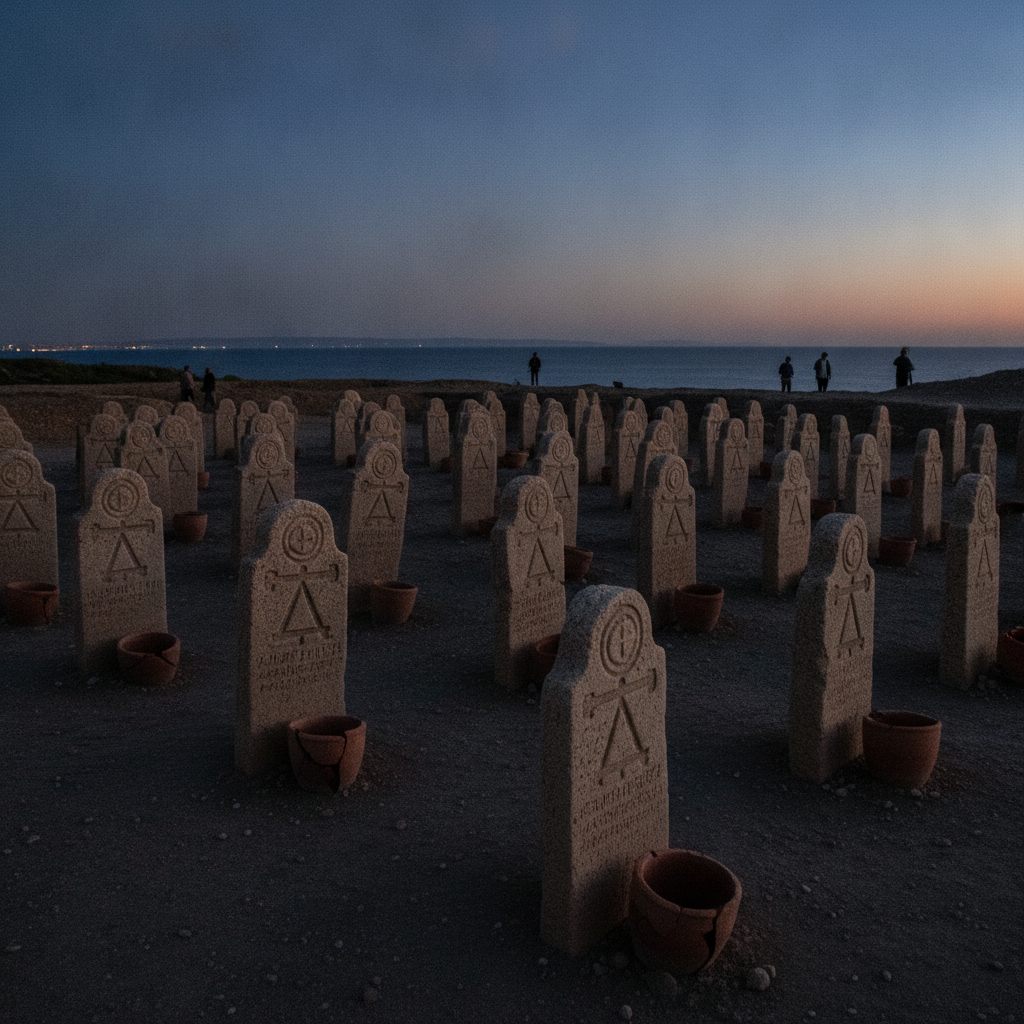
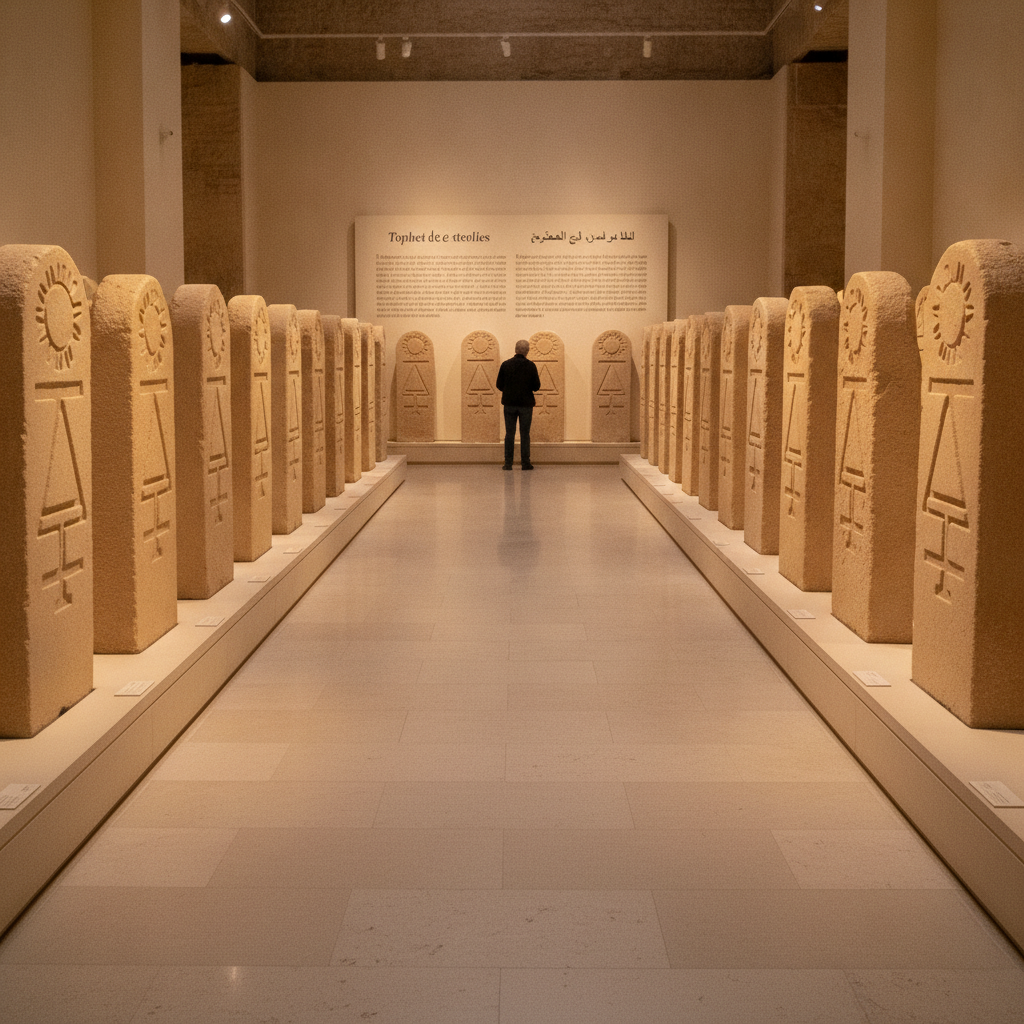
The Carthage photography guide (the optimal photography locations, timing, and approaches for the Carthage archaeological zone): the photography guide. The Antonine Baths (the primary photography subject in Carthage: the re-erected Corinthian column (approximately 14m) against the Mediterranean sky: the best time: late afternoon (16:00-18:00) when the column and the hypocaust pillars below are in warm directional light: the column at sunset with the Gulf of Tunis behind it is the classic Carthage shot: use a wide-angle lens (16-24mm) to include both the single tall column and the scattered hypocaust brick stubs on the terrace floor: the Tophet at dusk (17:00-19:30): the rows of Tanit stelae catch the last directional light: the individual stelae with their Sign of Tanit carvings photograph best in oblique light that emphasizes the carved relief: a 50mm lens captures individual stelae in detail: the Byrsa Hill Punic quarter (morning — 08:00-10:00 when the excavated house floors and low walls are in oblique morning light: the mosaic floor fragments catch the early light distinctively: the Roman mosaics in the National Museum (the museum allows photography without flash: the figurative mosaics (hunting scenes, marine scenes) photograph best with a 50-85mm lens close to the mosaic surface to capture the individual tesserae detail: the view from Byrsa (the panoramic view from the Byrsa Hill terrace over the Gulf of Tunis and the Tunis lagoons: the best time: late afternoon when the water surface is golden: the distant skyline of Tunis and the white cube houses of Sidi Bou Said on the opposing hills: the Acropolium (the former Cathedral of Saint Louis on the Byrsa Hill: its Gothic-Byzantine facade: a high-contrast shot from a low angle looking up at the facade against a bright blue sky captures the visual incongruity of a French Gothic building among Punic ruins).
Walk this route with audio
Stories play automatically as you reach each stop — no tapping needed.
More in Carthage
Hanno the Navigator Led a Fleet of 60 Galleys with 30,000 Colonists Along West Africa Around 500 BCE and His Word Gorillai Became the Scientific Name Gorilla Gorilla in 1847; Tertullian of Carthage Invented the Latin Theological Words Trinity, Person (in the theological sense), and Sacrament; Dido's Curse in Virgil's Aeneid (Let There Arise From My Bones Some Avenger) Is Read as Predicting Hannibal
Dido Cut an Ox-Hide Into the Thinnest Possible Strips to Encircle Carthage's Founding Hill (Byrsa) and the Tophet Contains the Most Controversial Archaeological Debate in Mediterranean History; The Antonine Baths Were the Third Largest Roman Baths in the Empire and Their Single Re-Erected Column Represents a Frigidarium Once 52m x 42m; Perpetua's Prison Diary (203 CE) Written Before Her Execution in the Carthage Amphitheatre Is the Earliest Known Text Written by a Christian Woman
The Romans Captured a Beached Carthaginian Quinquereme and Built 120 Copies in 60 Days to Create the Navy That Won the First Punic War; Augustine of Hippo Wrote the First Autobiography in Western Literary Tradition (Confessions, 397 CE) Having Studied Rhetoric in Carthage; Cato the Elder Reportedly Ended Every Senate Speech With Carthage Must Be Destroyed After Returning With Fresh Carthaginian Figs to Show the Senate How Close Carthage Was to Rome
The Word Africa Derives From Afri the Berber-Punic People Near Carthage Making the Entire African Continent Named for a Carthaginian-Adjacent People; Purcell's Dido and Aeneas (1689) Aria When I Am Laid in Earth Is One of the Most Celebrated Baroque Arias; Tertullian of Carthage Coined Trinity, Person, and Sacrament and Cyprian's Extra Ecclesiam Nulla Salus (Outside the Church No Salvation) Shaped Catholic Theology for 1,600 Years