The Numidian Cavalry Rode Without Saddles, Bridles, or Stirrups Using Only a Stick and Their Legs and Were the Decisive Factor in Hannibal's Victories at Trebia, Lake Trasimene, and Cannae; Scipio Aemilianus Wept as Carthage Burned in 146 BCE and Quoted Homer's Description of the Fall of Troy; the Tuareg People of the Sahara Still Use the Tifinagh Script Derived from the Ancient Punic-Phoenician Alphabet as Their Everyday Writing System
Numidian cavalry riding without saddles or bridles using only a stick — the decisive factor in Hannibal's three great victories; Scipio Aemilianus weeping as Carthage burned and quoting Homer's Troy; the Tuareg Sahara nomads using the Tifinagh script derived directly from the ancient Phoenician-Punic alphabet in daily use; the UNESCO Save Carthage campaign (1972-1992) with 20 national archaeological teams excavating simultaneously; the 220 confirmed Punic warship shipsheds matching ancient literary descriptions; and the complete Carthage 8-site UNESCO circuit guide with TGM station stops.
- 1
The Numidians – Berber Kings and Hannibal's Essential Allies
The Numidians (the Berber kingdom that bordered Carthage to the west and whose cavalry was the decisive military factor in the Second Punic War): the history guide. The Numidian kingdom (Numidia — the ancient Berber kingdom occupying roughly modern Algeria: the Numidians were a confederation of Berber tribes traditionally divided into two confederations: the Massylii (eastern Numidia — the more powerful, bordering Carthage): the Masaesyli (western Numidia): the cavalry (the Numidian light cavalry was the finest cavalry in the ancient Mediterranean world: the Numidian horsemen rode without saddles, bridles, or stirrups — controlling their horses with only a stick and their legs: the maneuverability of the Numidian cavalry was unmatched: the Roman phrase for the best cavalry was always equites Numidae (Numidian horsemen): Hannibal's use (Hannibal's army in Italy included an estimated 9,000-12,000 Numidian cavalry: the Numidian cavalry won the decisive flanking maneuvers at Trebia, Lake Trasimene, and Cannae: the split (the crucial split in Numidian politics: Masinissa (the son of the Massylian king) supported Carthage initially but switched to Rome after the Roman general Scipio promised him kingship over all Numidia: the Battle of the Great Plains (203 BCE — the Numidian cavalry of Masinissa fighting for Rome destroyed the Carthaginian and Numidian cavalry fighting for Carthage: the follow-up (Masinissa unified Numidia under his rule after Rome's victory: the kingdom of Numidia became the primary Roman client state in North Africa: Masinissa reigned for 54 years (202-148 BCE) dying at approximately age 90: the legacy (the Numidian kings developed sophisticated urban centers: Cirta (modern Constantine in Algeria) was the Numidian capital: Jugurtha (the Numidian king Jugurtha (160-104 BCE) fought Rome to a standstill for 7 years (the Jugurthine War 112-105 BCE) before being captured by treachery).
- 2
The Siege of Carthage 146 BCE – House by House, Street by Street
The Fall of Carthage (146 BCE) — the Roman siege and destruction of Carthage: one of the most complete destructions of a major city in ancient history and a watershed in the history of the Mediterranean world: the military history guide. The context (the Third Punic War began in 149 BCE when Rome declared war on Carthage for having fought the Numidian king Masinissa without Roman permission: the Roman demands (the Romans initially demanded that Carthage hand over 300 noble hostages and all its weapons: Carthage complied with both demands: then the Romans delivered the final ultimatum: abandon Carthage and build a new city at least 16 km from the sea: the Carthaginian response (the Carthaginian senate answered the consul Lucius Marcius Censorinus: We will die rather than abandon our city: the preparation (with no weapons left the Carthaginians melted down bronze and copper objects, cut women's hair for bowstrings, and built new weapons from raw materials: the defence (Carthage was protected by triple walls on the landward side: the outer wall (the fossa (ditch)): the middle wall: the main wall (the wall of Carthage — according to ancient measurements: 12m high, 6m wide, 10 km long): the siege (the Roman siege of Carthage lasted 3 years (149-146 BCE): the first two commanders failed to make significant progress: the command passed to Scipio Aemilianus (the adopted grandson of Scipio Africanus): Scipio built a mole across the harbor mouth to prevent Carthaginian maritime resupply: the Carthaginian response (the Carthaginians secretly built a new harbor exit: when it was completed the Carthaginian fleet emerged and engaged the Roman fleet in a naval battle — nearly two years after all their ships had been surrendered: the final assault (spring 146 BCE — Scipio's forces breached the outer wall: the battle moved into the city: fighting house by house for 6 days: the final stronghold (the Byrsa Hill citadel: 50,000 survivors surrendered: 17 days of burning: the deliberate destruction of the city by demolition crews: Scipio wept and quoted Homer).
- 3
Archaeological Carthage – 150 Years of Excavation
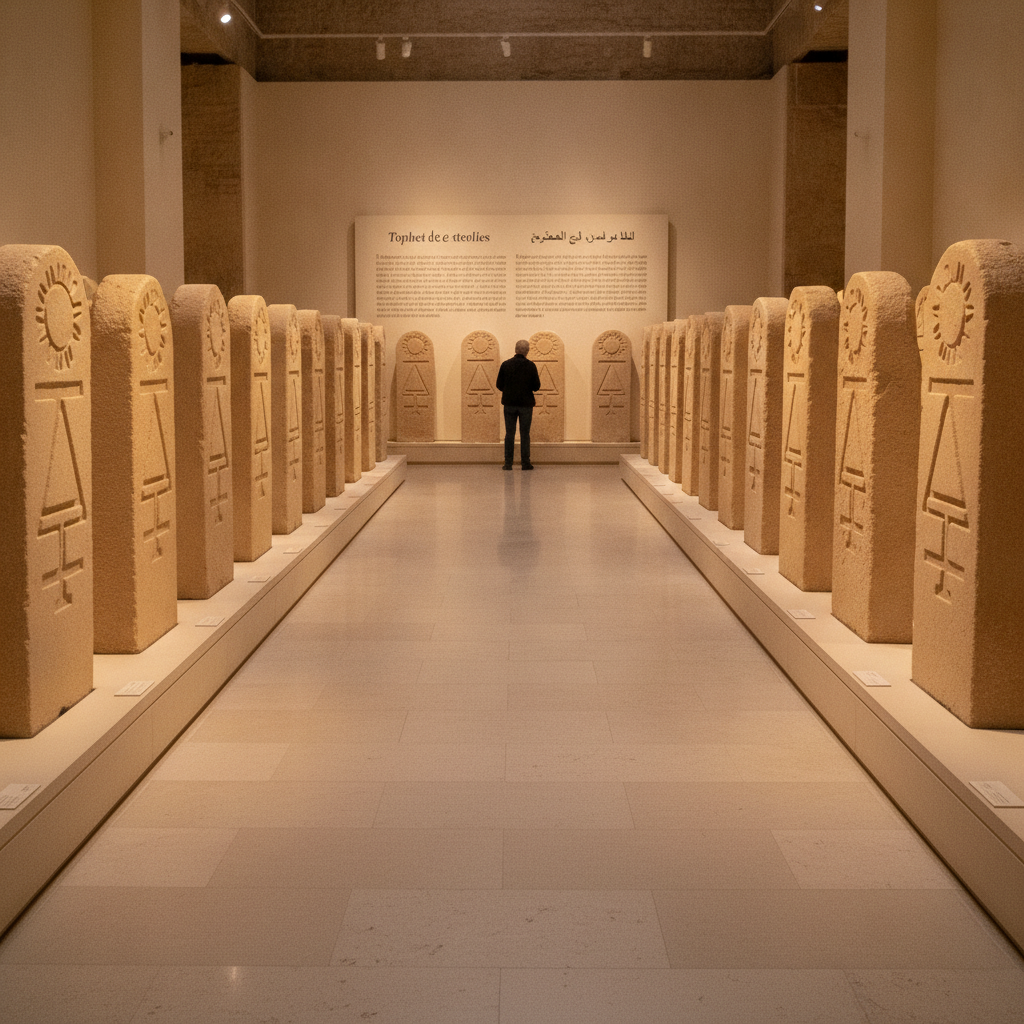
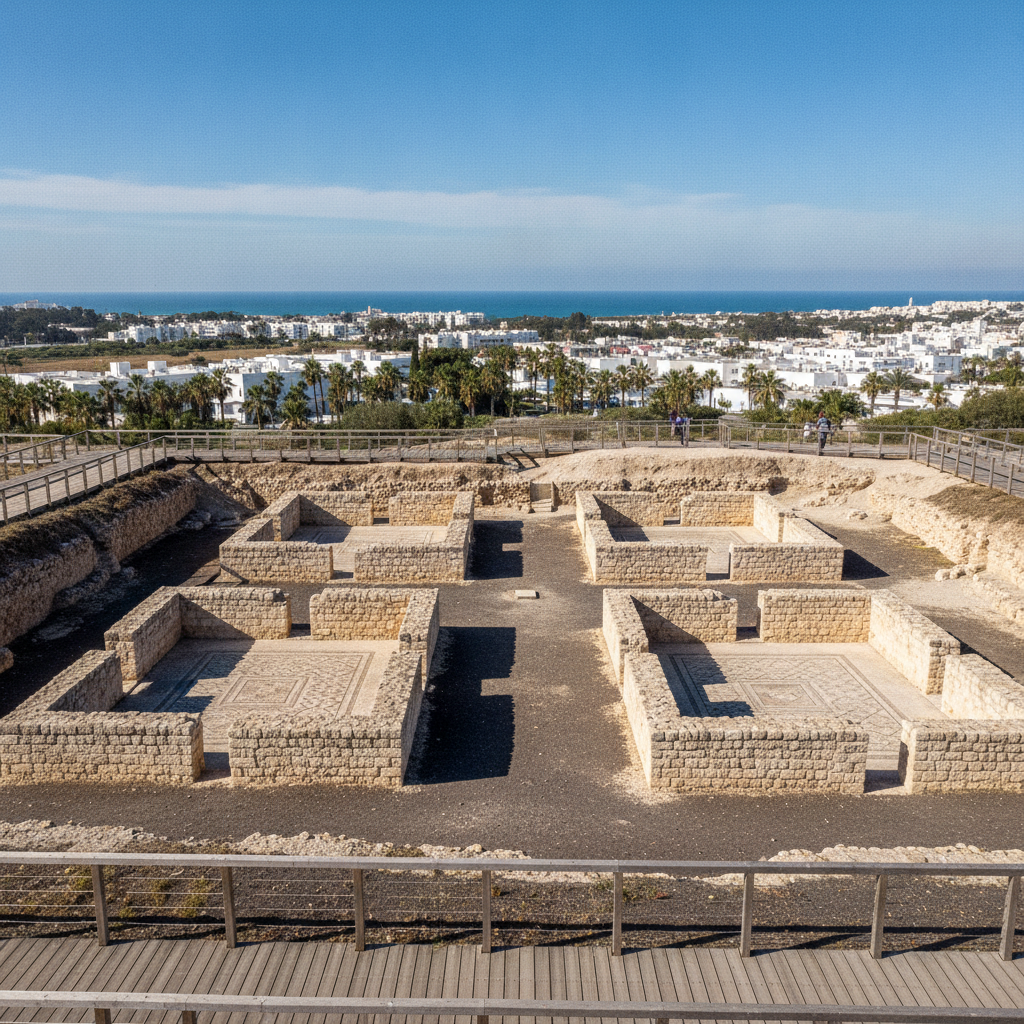
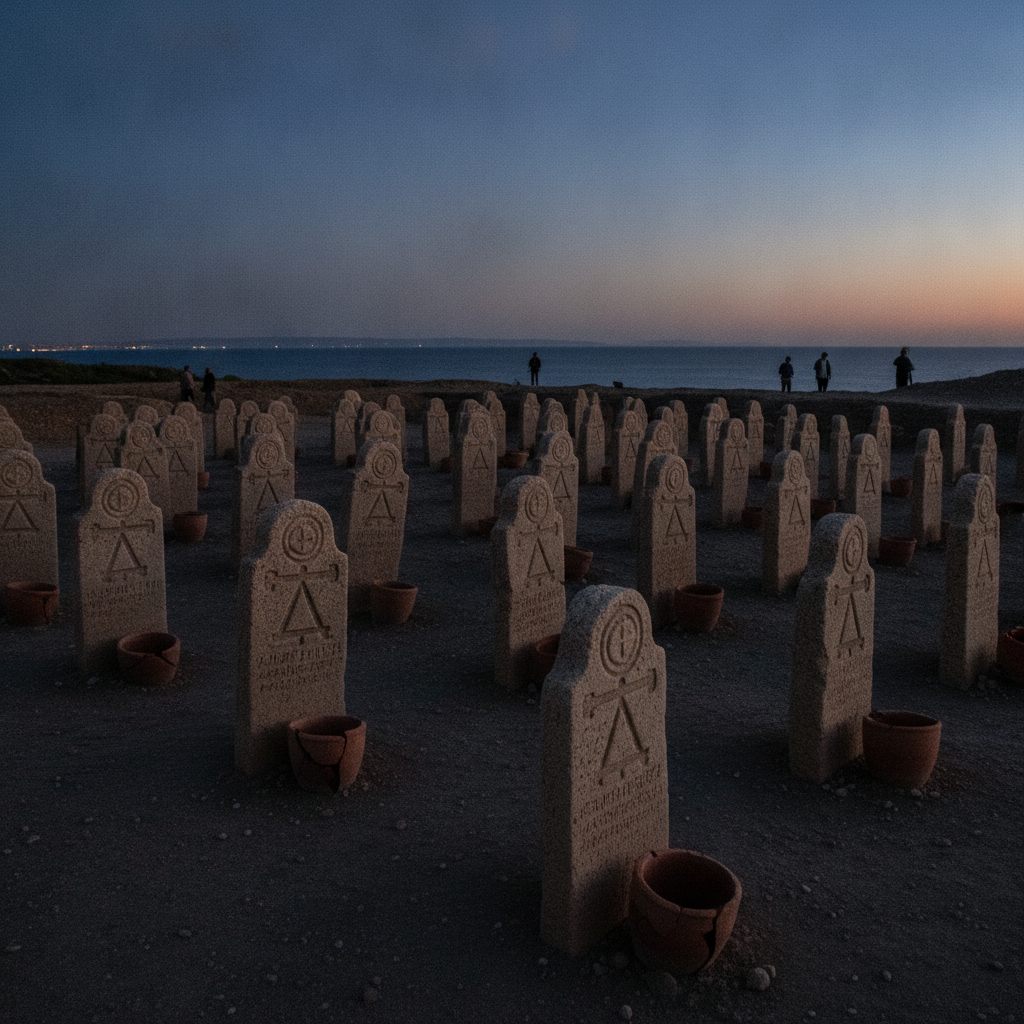
The archaeology of Carthage (the history of archaeological investigation at Carthage from the first 19th-century excavations to the UNESCO campaign of the 1970s-1980s): the archaeological history guide. The early excavations (the first systematic excavation of Carthage began in the 1830s when Charles-Ernest Beule (later a French archaeologist and politician) identified the Punic ports: the main period of French excavation (1874-1920s): Alfred Louis Delattre (a French Catholic priest who lived at Carthage for 50 years and excavated continuously from 1874 to 1921): Delattre's primary finds: the Punic necropolis: the early Christian mosaics: thousands of artifacts now in the Bardo National Museum: the tophet (the Tophet was first identified and excavated by the American diplomat and archaeologist Byron Khun de Prorok and his colleagues in 1921: the UNESCO international campaign (the UNESCO Save Carthage campaign 1972-1992) — one of the largest international archaeological campaigns in history: 20 national archaeological teams from the USA, France, UK, Germany, Italy, Denmark, Canada, and other countries excavated simultaneously: the primary results: the confirmation of the extent of the Punic city under the Roman overlay: the complete excavation of the Punic ports: the Byrsa Hill Punic quarter: the tophet extent: the National Museum (the Musee National de Carthage on the Byrsa Hill — opened 1963: the primary collection of Punic and Roman artifacts from Carthage: the display includes: Punic stelae: terracotta figurines: jewelry: Roman mosaics: the Punic quarter (the best open-air exhibition of Punic domestic architecture — the 2nd century BCE residential quarter on the southern slope of the Byrsa Hill).
- 4
Carthage's Berber Heritage – The North African People Before the Phoenicians
The Berber (Amazigh) heritage of the Carthage region (the indigenous North African populations that preceded Phoenician colonization and that coexisted with and eventually absorbed the Punic culture): the heritage guide. The earliest North Africans (North Africa has been continuously inhabited since the late Paleolithic: the Aterian tool culture (approximately 145,000-35,000 BCE): the Capsian culture (approximately 10,000-6,000 BCE — named for the site of Capsa, modern Gafsa in Tunisia): the primary rock art (the Tassili n'Ajjer rock paintings in southern Algeria date to approximately 10,000-6,000 BCE and show the Sahara when it was a green savanna with elephants, hippopotami, and cattle — the Green Sahara period: the Berber kingdoms (the pre-Punic Berber kingdoms of the North African coast: Libu (Libya — the origin of the name): the Meshwesh: the Sea Peoples (the Libu (Libyans) participated in the Sea Peoples migrations of approximately 1200 BCE that disrupted the Bronze Age Mediterranean civilizations): the Amazigh identity (the Amazigh (free people) — the Berbers' self-designation: the Amazigh cultural continuity (despite successive Phoenician, Roman, Vandal, Byzantine, and Arab conquests of North Africa the Berber population maintained a distinct identity and language: the current Berber population of North Africa: approximately 40 million people with some Berber ancestry: the primary Berber-speaking populations: Morocco (Tarifit, Tachelhit, Tamazight): Algeria (Kabyle, Shawi): Tunisia (primarily southern Tunisia and Djerba): Libya: Mali and Niger (Tuareg): the Tuareg (the Tuareg nomads of the Sahara are the Berber people who have most fully maintained their traditional culture: the Tuareg use the Tifinagh script (derived from ancient Punic/Phoenician via Numidian) as their writing system: the Tifinagh script is the only living descendant of the Punic alphabet in active daily use).
- 5
Archaeology of the Punic Ports – Excavating Carthage's Secret Harbor
The archaeology of the Punic Ports of Carthage (the ongoing scientific excavation of the twin harbors that were the foundation of Carthaginian commercial and military power): the archaeological guide. The excavation history (the systematic archaeological investigation of the Punic Ports began in the 1970s as part of the UNESCO Save Carthage campaign: the primary excavation teams: the British team (Henry Hurst of Cambridge University — who led the British component of the port excavations from 1974 onwards): the American team: the German team: the commercial harbor (the rectangular outer harbor — the commercial harbor: excavations revealed the quayside structures: the warehouses (horrea) along the harbor edge: the cobbled road surfaces between the warehouses: the scale (the commercial harbor measured approximately 456m x 325m: the circular military harbor (the cothon — the circular inner harbor: excavated under the modern lagoon: the primary discoveries: the shipsheds (the individual covered slipways for the Punic warships: each shipshed measured approximately 37m long x 6m wide — large enough for a trireme or quinquereme: the total count of shipsheds (approximately 170 on the island and approximately 50 on the circular harbor shore for a total of approximately 220 — matching the ancient literary description: the island (the central circular island of the military harbor: the admiral's headquarters were on this island: a two-story building with a view of both harbors and the open sea: the current state (both harbors are now shallow lagoons partially silted up: the lagoon water covers the remains of the ancient harbor structures: the Oceanographic Museum on the harbor island displays the primary artifacts from the port excavations: the future (the remaining unexcavated portions of both harbors are under the water of the lagoons and under the modern road network of the Carthage suburb).
- 6
Carthage Complete Guide – UNESCO Sites, TGM Circuit, and What Survived
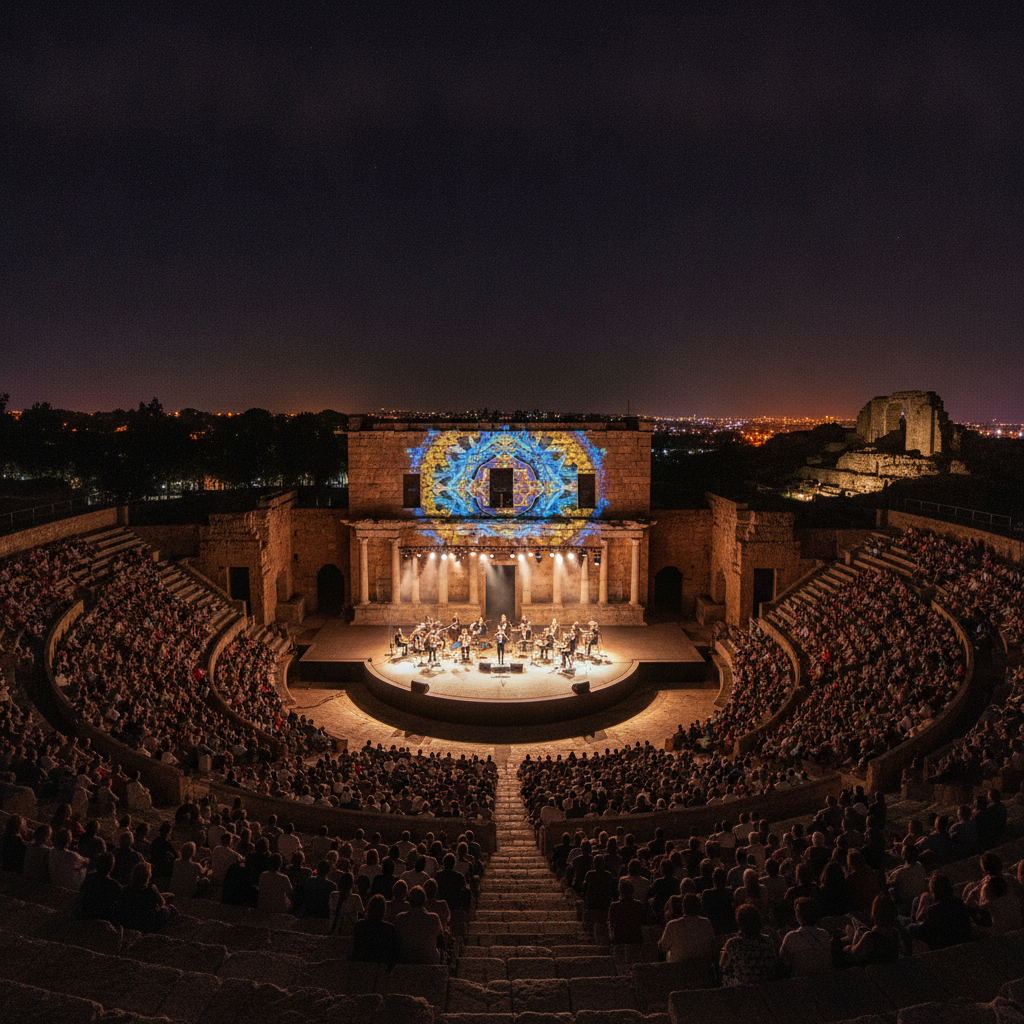
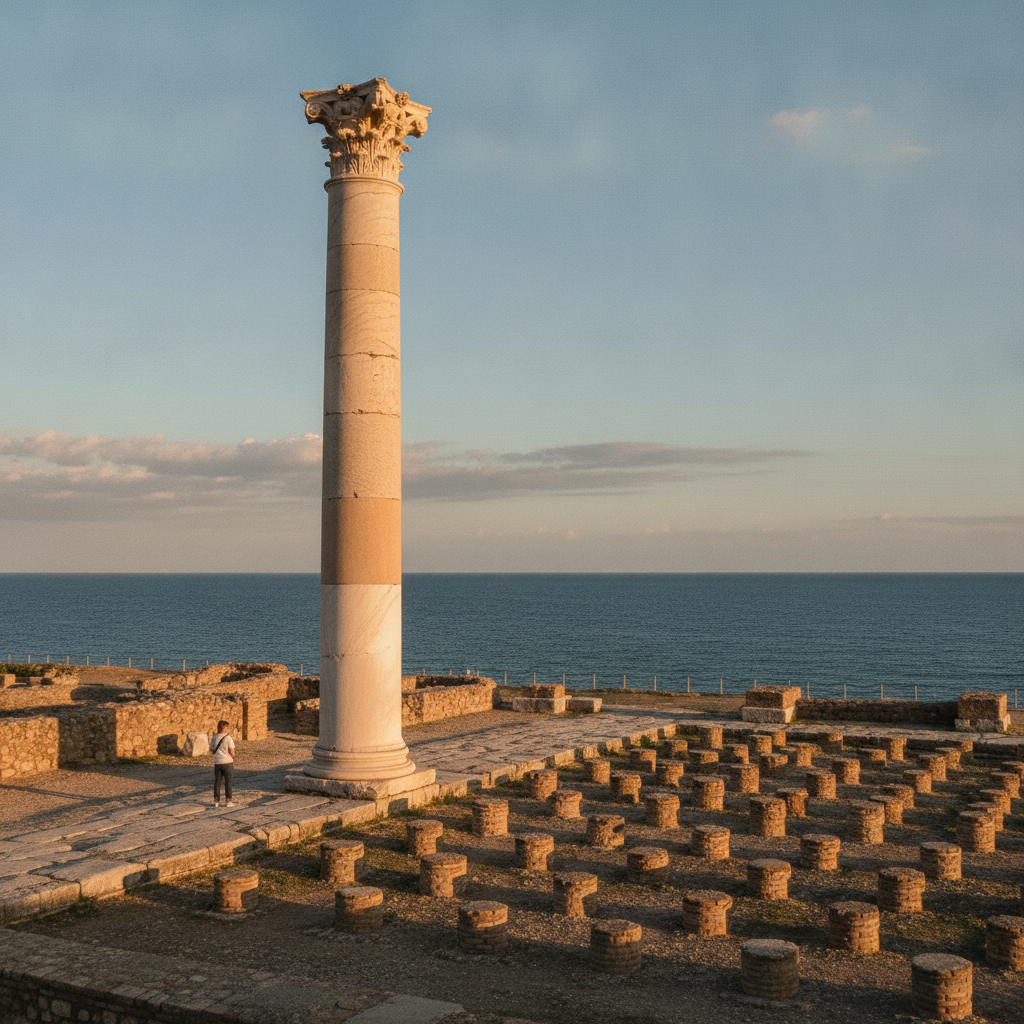
The comprehensive Carthage archaeological zone guide (all essential information for visiting the UNESCO World Heritage archaeological zone of Carthage): the complete guide. The UNESCO inscription (the Archaeological Site of Carthage — UNESCO World Heritage Site 1979: the inscription covers the entire Carthage archaeological zone within the modern Carthage suburb: the zone is divided into 8 primary visitor sites: the Byrsa Hill (the hilltop citadel with the Carthage National Museum and the visible Punic residential quarter): the Antonine Baths (the seafront bath ruins with the re-erected column): the Tophet (the sacred precinct with the rows of votive stelae): the Punic Ports (the twin harbor lagoons with the Oceanographic Museum): the Roman Theatre (the reconstructed theatre used for the Carthage International Festival): the Roman Amphitheatre (the excavated gladiatorial arena): the Paleo-Christian Museum (the early Christian mosaics and architectural fragments): the Villa of the Aviary (a Roman villa with mosaic floors): the combined ticket (a combined ticket for all 8 sites is available from the first site entered: approximately 12 TND (2025): the TGM route (the TGM suburban railway provides the most convenient access: Carthage-Salambo station (Tophet, Punic Ports): Carthage-Hannibal station (Antonine Baths, Oceanographic Museum): Carthage-Dermech station (Roman Theatre, Amphitheatre): Carthage-Byrsa station (Byrsa Hill, National Museum): the practical timing (a full Carthage circuit (all 8 sites) takes approximately 5-6 hours: the minimum Carthage visit (the 3 must-see sites in 2-3 hours): the Byrsa Hill and Museum: the Antonine Baths: the Tophet: the context (visiting Carthage requires imagination — the above-ground remains are fragmentary: the Punic layers are mostly buried under Roman Carthage which is itself mostly buried under the modern suburb: the Byrsa Punic quarter and the Tophet stelae rows are the most evocative above-ground Punic remains: the Antonine Baths single re-erected column represents what was the third largest bath complex in the Roman Empire).
Walk this route with audio
Stories play automatically as you reach each stop — no tapping needed.
More in Carthage
Hanno the Navigator Led a Fleet of 60 Galleys with 30,000 Colonists Along West Africa Around 500 BCE and His Word Gorillai Became the Scientific Name Gorilla Gorilla in 1847; Tertullian of Carthage Invented the Latin Theological Words Trinity, Person (in the theological sense), and Sacrament; Dido's Curse in Virgil's Aeneid (Let There Arise From My Bones Some Avenger) Is Read as Predicting Hannibal
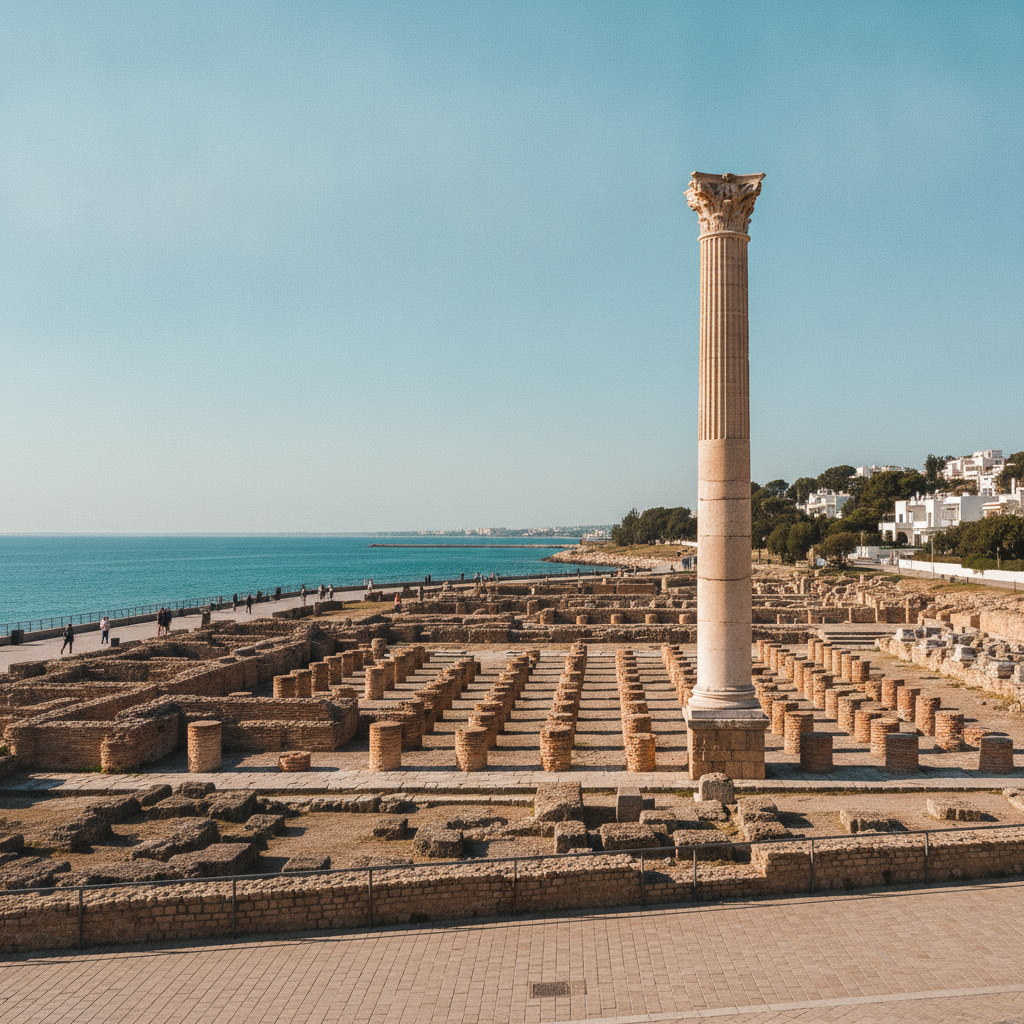
Dido Cut an Ox-Hide Into the Thinnest Possible Strips to Encircle Carthage's Founding Hill (Byrsa) and the Tophet Contains the Most Controversial Archaeological Debate in Mediterranean History; The Antonine Baths Were the Third Largest Roman Baths in the Empire and Their Single Re-Erected Column Represents a Frigidarium Once 52m x 42m; Perpetua's Prison Diary (203 CE) Written Before Her Execution in the Carthage Amphitheatre Is the Earliest Known Text Written by a Christian Woman
The Romans Captured a Beached Carthaginian Quinquereme and Built 120 Copies in 60 Days to Create the Navy That Won the First Punic War; Augustine of Hippo Wrote the First Autobiography in Western Literary Tradition (Confessions, 397 CE) Having Studied Rhetoric in Carthage; Cato the Elder Reportedly Ended Every Senate Speech With Carthage Must Be Destroyed After Returning With Fresh Carthaginian Figs to Show the Senate How Close Carthage Was to Rome
The Roman Senate Ordered the Mago Agricultural Treatise Translated Into Latin After Destroying Carthage Because It Was Too Valuable to Lose; Gaiseric's Vandals May Have Brought the Jerusalem Temple Menorah to Carthage in 455 CE Before Belisarius Captured It for Constantinople in 533 CE; Cato the Younger at Utica Re-Read Plato's Phaedo on the Immortality of the Soul Then Stabbed Himself Rather Than Submit to Julius Caesar