Chefchaouen Practical: Transport from Fes and Tangier, the Best Stay Duration, the Optimal Season, the Accommodation Guide, the Northern Morocco Circuit, and the Departure Summary
The Chefchaouen practical route covers the CTM bus connections from Fes and Tangier, the optimal stay of two nights, the best season to avoid the Instagram crowds, the medina guesthouse accommodation guide, the northern Morocco circuit from Tangier to Fes, and the departure summary.
- 1
Transport to Chefchaouen: Bus and Grand Taxi
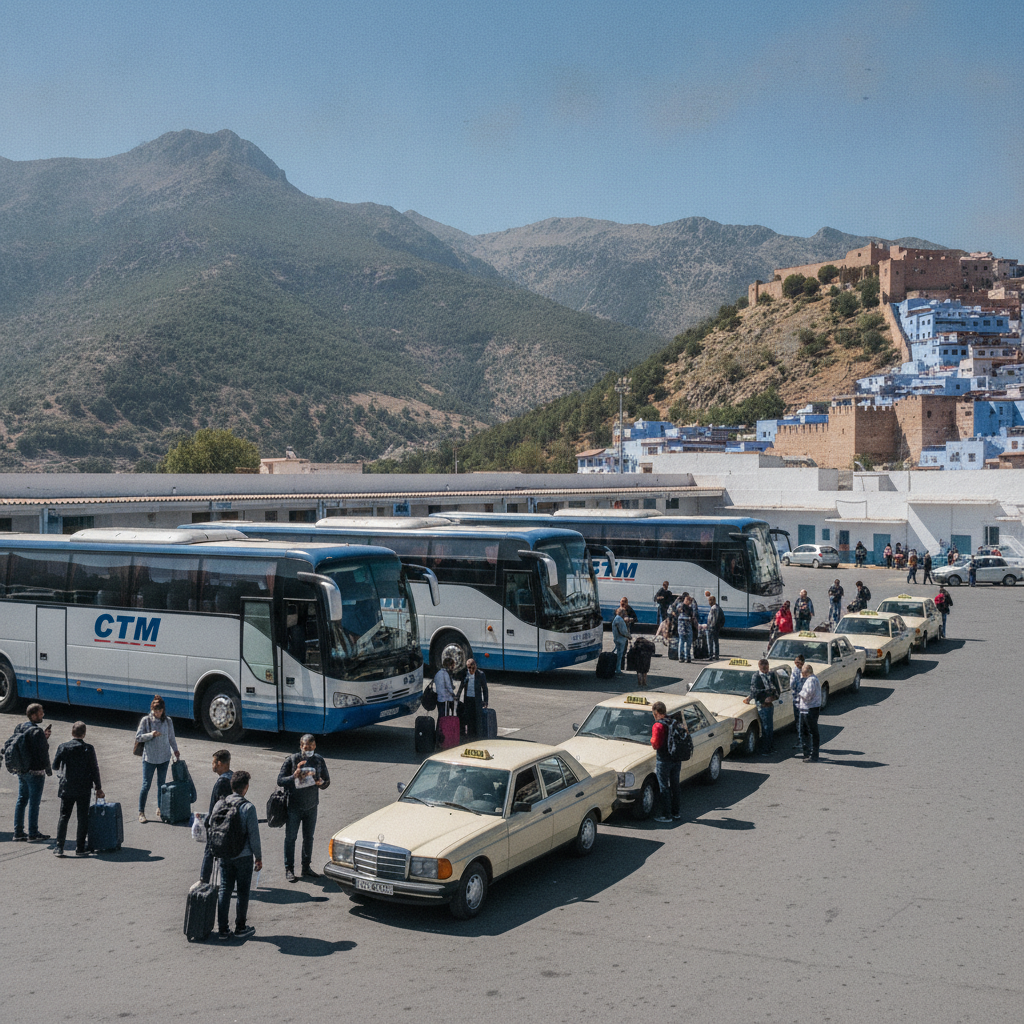
The CTM and Supratours buses connect Chefchaouen to Fes (4 hours, 2 departures daily), Tangier (3 hours, 2 departures daily), and Casablanca (7 hours, 1 departure daily). The grand taxi from Tetouan (45 minutes) and from Ouezzane (45 minutes) provides the most flexible single transport connection at the most competitive price with the shared taxi system that fills to the standard 6-passenger capacity before departure. The most scenic single approach to Chefchaouen is from the Tetouan direction where the road descends from the Mediterranean coast view to the Rif valley and the city appears below as the blue smudge in the mountain green.
- 2
Optimal Stay Duration: Two Nights in Chefchaouen
The two-night Chefchaouen stay is the single most consistently recommended duration by every Morocco travel guide and by the visitors who have stayed both one night and two nights. The first day covers the medina circuit, the Kasbah, the Ras el-Maa, and the Uta el-Hammam evening. The second day is the Akchour waterfall hike (leaving 8am, returning 5pm) or the Jebel el-Kelaa hike (half day) plus the afternoon medina photography golden hour. The third morning (check-out day) provides the second golden hour photography opportunity before the mid-morning bus departure.
- 3
Best Season: Avoiding the Blue City Crush
The optimal Chefchaouen season is mid-October to mid-November when the summer Instagram visitor peak has subsided, the Rif mountain temperature is 18-22 degrees (ideal for walking), the hiking trails are dry, and the blue walls are freshly repainted after the Ramadan repainting cycle. April is the second best month for the wildflower bloom on the Rif mountain trails. The July-August peak brings the Spanish and the northern European summer visitor peak combined with the international Instagram visitor at the maximum single annual density. The February-March shoulder offers the lowest prices and the snow possibility on the upper Rif peaks.
- 4
Chefchaouen Accommodation: The Guesthouse Guide
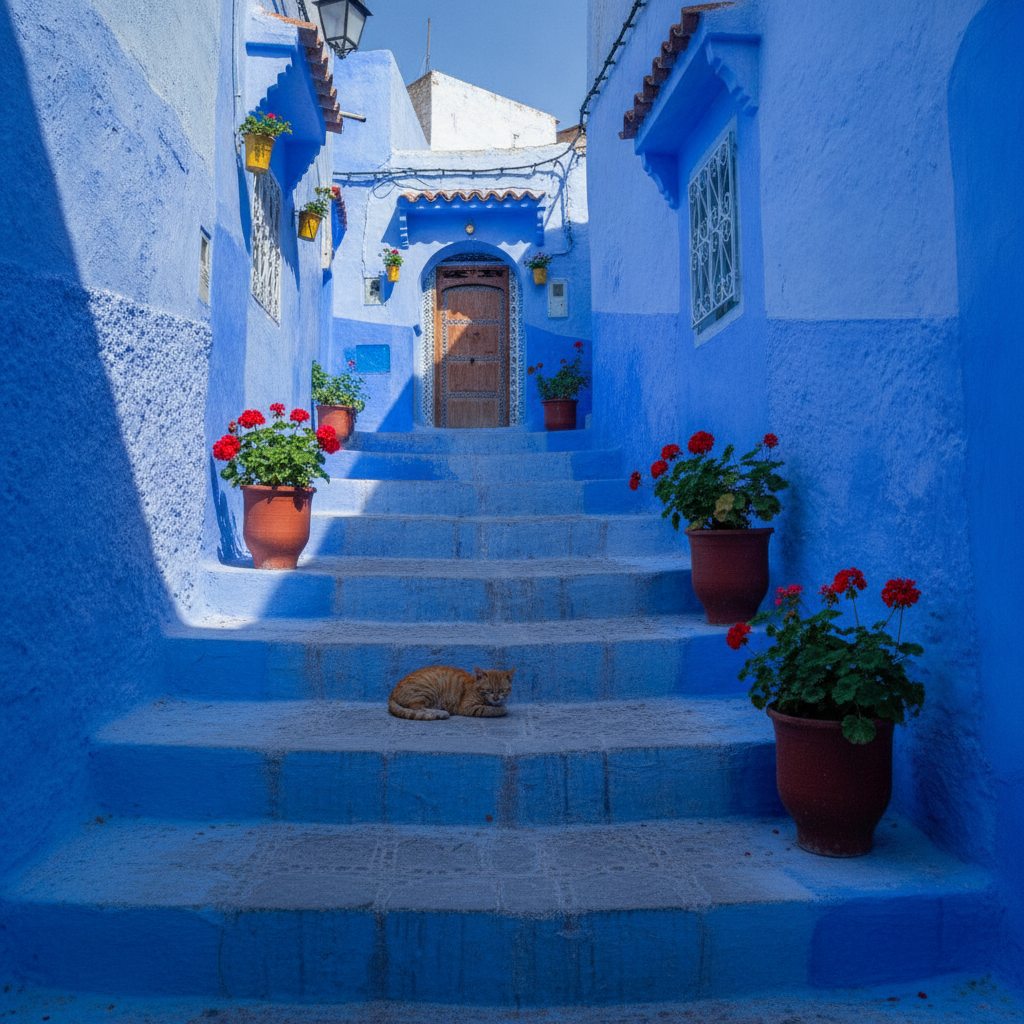
The optimal Chefchaouen guesthouse (maison d'hotes) is in the upper medina above the Uta el-Hammam square within 5 minutes of the Ras el-Maa spring where the morning bird sounds, the stream noise, and the first light on the blue walls are audible and visible from the room. The Casa Hassan is the longest-established single boutique guesthouse in Chefchaouen and the breakfast terrace view is the most consistently photographed single hotel breakfast view in Morocco. The budget traveler is best served by the 100-150 MAD basic rooms in the family houses on the upper medina lanes.
- 5
Northern Morocco Circuit: The Tangier-Tetouan-Chefchaouen-Fes Route
The northern Morocco circuit from Tangier through Tetouan, Chefchaouen, Volubilis, and Meknes to Fes of 5 to 7 days is the most complete single introduction to the northern Morocco cultural geography, connecting the European gateway city of Tangier, the most Andalusian Moroccan city of Tetouan, the most photographed blue city, the most impressive Roman site at Volubilis, the Ismaili baroque capital at Meknes, and the oldest Islamic university at Fes. This circuit is the most historically diverse single sub-week Morocco itinerary and the route that most completely documents the Andalusian-Moroccan cultural exchange.
- 6
Chefchaouen Farewell: The Blue Memory
The departure from Chefchaouen, whether by the morning bus to Fes through the Rif mountain road, the bus north to Tangier with the sea view approaching, or the grand taxi west to Ouezzane, concludes the most visually distinctive single medina visit in Morocco. Chefchaouen is unique among Moroccan cities in that the most complete single memory the visitor carries is a color - the specific blue of the medina walls at the specific golden hour light - rather than a monument or a historical event. The blue city is the most sensorially singular single destination in North Africa.
Walk this route with audio
Stories play automatically as you reach each stop — no tapping needed.
More in Chefchaouen
The Chefchaouen Jewish Community Spoke Haketia (15th Century Castilian Spanish) for 430 Years After the 1492 Expulsion and Spanish Military Officers Who Entered the City in 1920 Could Understand the Jewish Residents; The Rif Mountain Wild Thyme Honey Is the Primary Product of Chefchaouen's Traditional Agricultural Economy; Chefchaouen Receives 300,000-400,000 Visitors Per Year in a 0.4 km2 Medina
The Jebala Berbers of Chefchaouen's Western Rif Mountains Have Largely Lost Their Tamazight Language to Arabic Over the 17th-18th Centuries But Maintain a Distinct Cultural Identity in Dress, Music, and Agricultural Practices; Chefchaouen Spring (March-May) Offers the Best Combination of Wildflower Bloom, Mild Temperatures, Good Light, and Moderate Crowds; The Ouezzane Wazzaniyya Sufi Zawiya 44 km South of Chefchaouen Was Historically One of the Most Powerful Religious-Political Institutions in Morocco
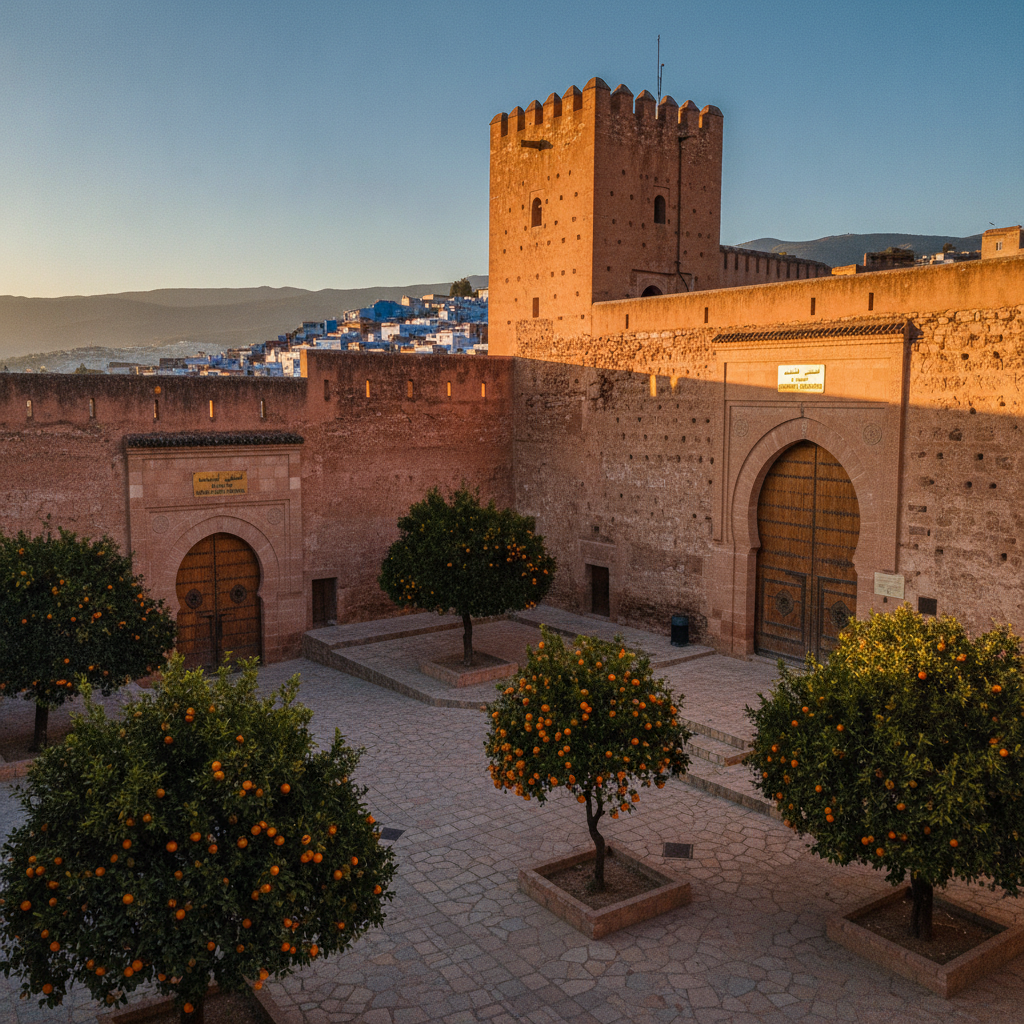
Chefchaouen History: The Spanish Protectorate Era, the Rif War and Abd el-Krim, the Closed City Period, the Independence and Reopening, and the Bilingual Spanish-Arabic Culture
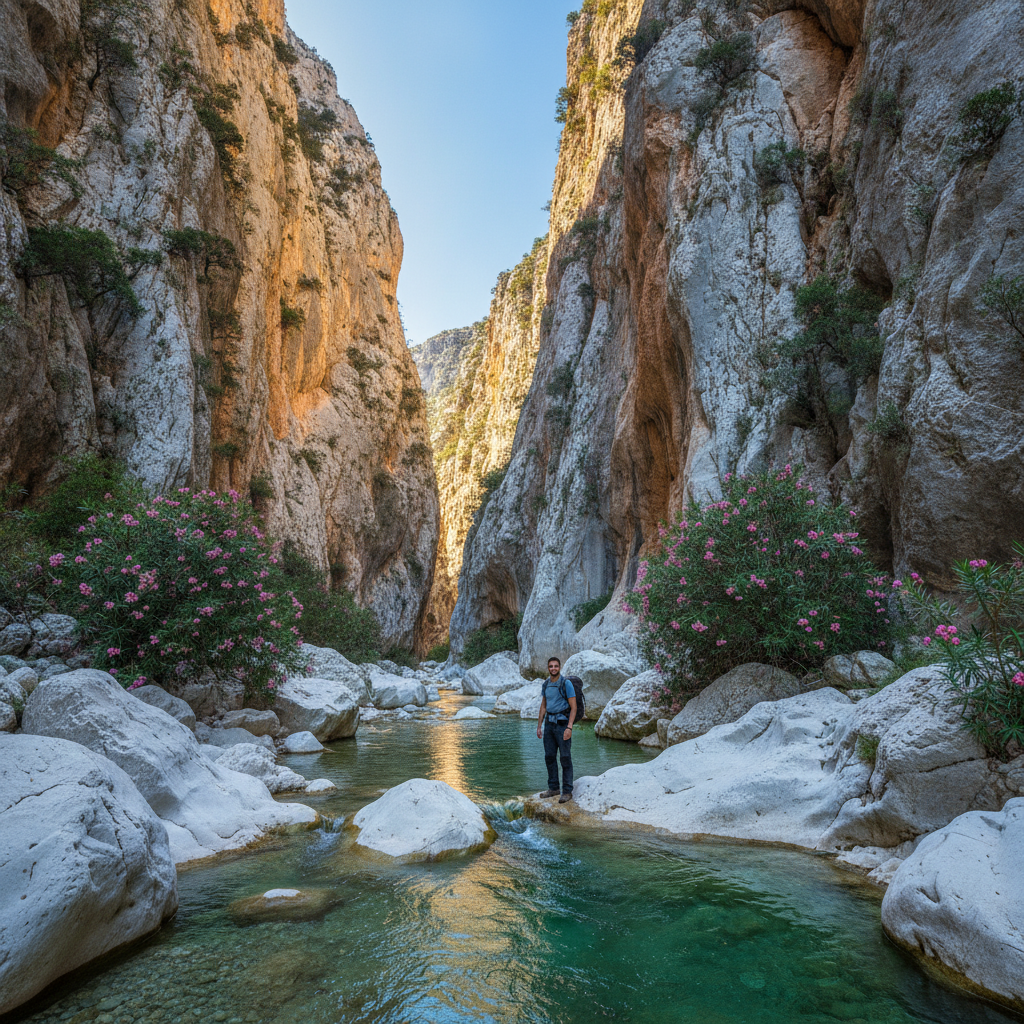
The Talassemtane National Park Protects the Only Significant Moroccan Population of the Abies Pinsapo Spanish Fir Tree Whose Primary Habitat Is the Sierra de las Nieves in Southern Spain; Chefchaouen Medina Was Described by Spanish Military Officers Entering in 1920 as the Most Perfectly Preserved Medieval Andalusian City Outside Andalusia Itself; The Beat Generation Writers Paul Bowles William S. Burroughs and Allen Ginsberg Were All Connected to Tangier During Its International Zone Period (1923-1956)
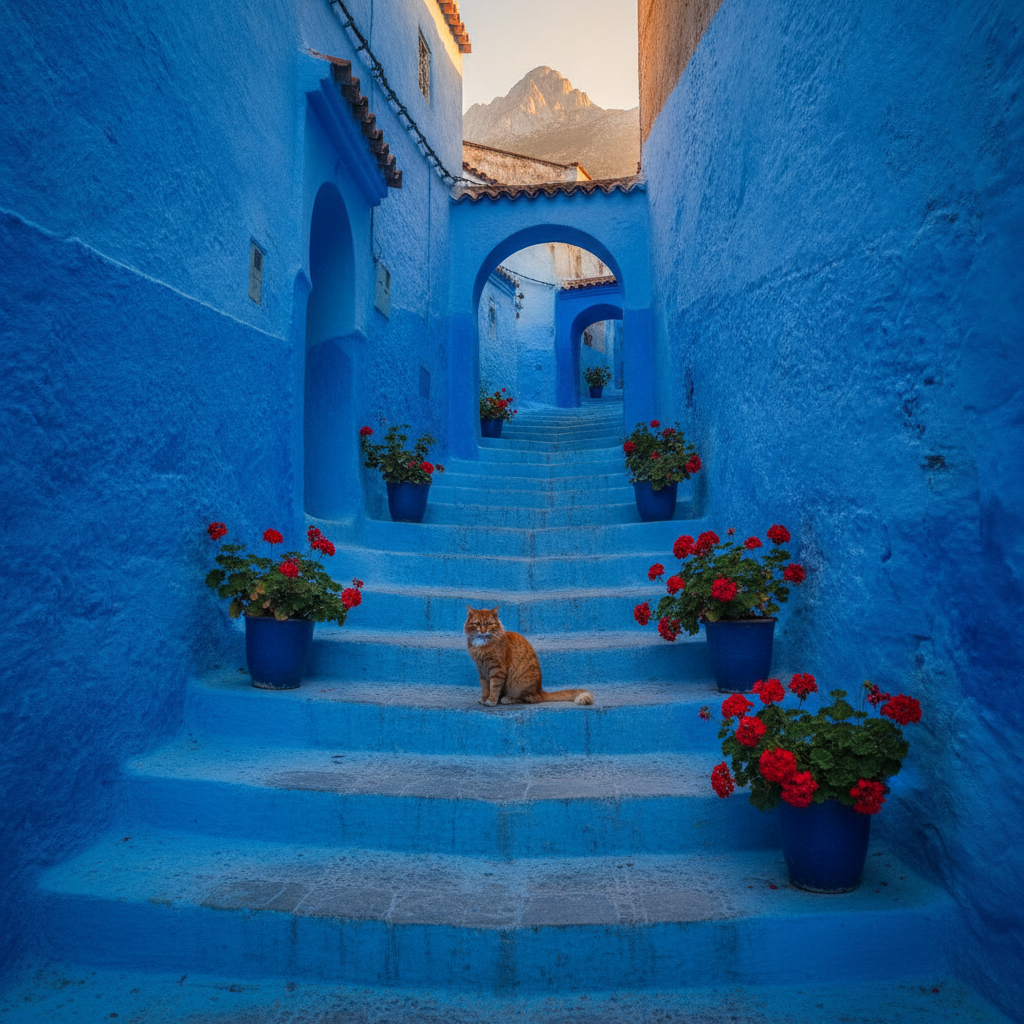
Chefchaouen's Blue Medina May Have Been Painted Blue By Jewish Refugees From the 1492 Spanish Expulsion Who Painted Doorways the Color of Heaven; The Rif Mountains Produce Approximately 40-60% of the Hashish Consumed in Europe With 90,000 Farming Families Dependent on Cannabis Cultivation; Morocco Legalized Cannabis Cultivation Under License in 2021 After Decades of the Largest Illegal Cannabis Production Zone in the World