Chefchaouen Beyond the Blue: The Ras el-Maa Waterfall, the Akchour Waterfall Hike, the Rif Cannabis Culture Reality, the Andalusian Muslim Heritage, and the Rif Berber Identity
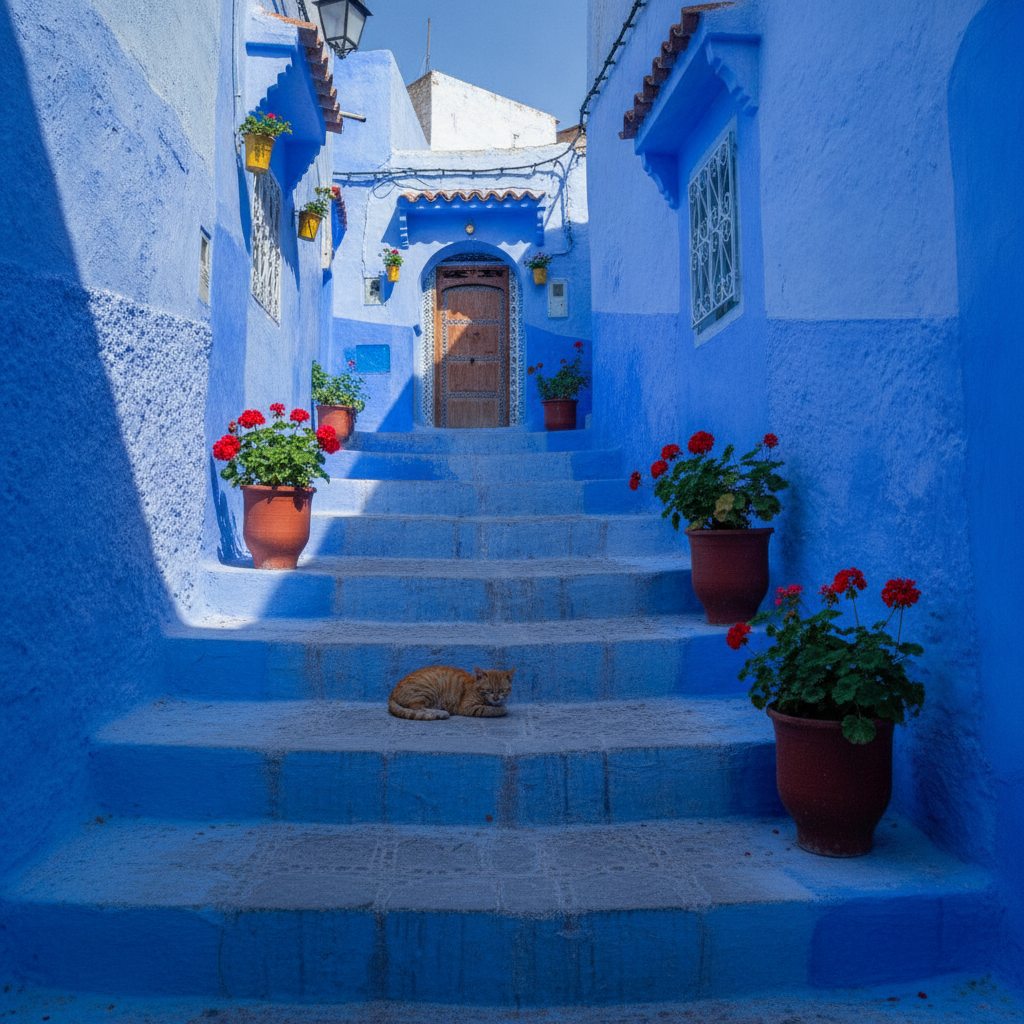
The Chefchaouen beyond-the-blue route covers the Ras el-Maa waterfall at the medina edge, the Akchour waterfall day hike in the Rif park, the reality of the Rif cannabis agricultural culture, the Andalusian Muslim refugee founding heritage, and the Rif Berber identity that makes Chefchaouen culturally distinct from the Arab Moroccan cities of the plain.
- 1
Ras el-Maa: The Medina Waterfall
Ras el-Maa (Head of the Water), the cold mountain spring that emerges at the top of the Chefchaouen medina and descends as the public washing stream through the medina to the Uta el-Hammam square, is the most directly accessed single waterfall in any Moroccan medina - a 10-minute walk from the main square to the spring source where the laundry washing, the vegetable cleaning, and the stream side lunch restaurants create the most socially active single water-edge environment in the Rif mountain cities. The Ras el-Maa spring source is the historic reason for the medina foundation at this specific valley location.
- 2
Akchour Waterfalls: The Rif Park Day Hike
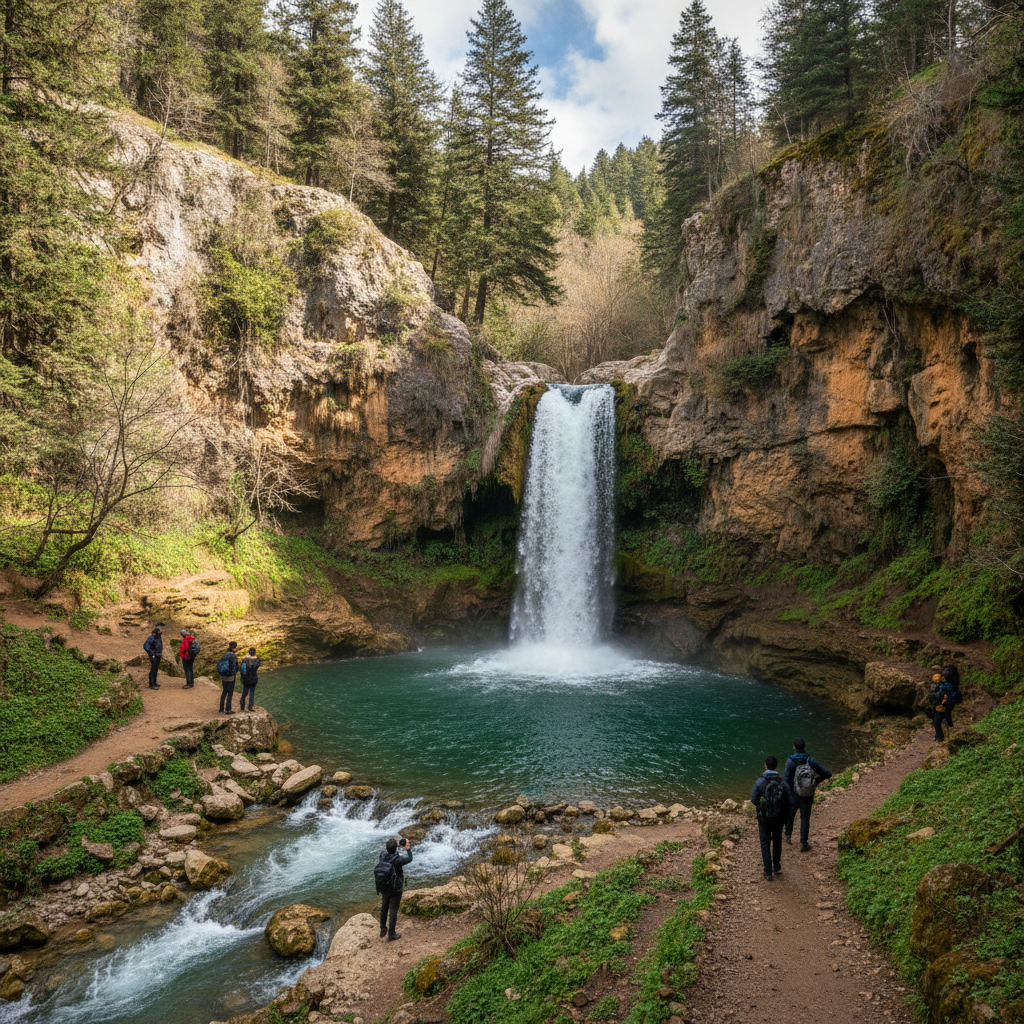
The Akchour waterfalls in the Talassemtane National Park 28 kilometers from Chefchaouen are the most dramatically positioned single waterfall complex in Morocco with the Grand Cascade (a 100-meter single drop into the emerald green pool) and the God Bridge (a natural limestone arch spanning the Oued Kelaa gorge) accessible by the 4-hour round trip hiking trail through the Rif park forest. The Akchour day hike is the most physically rewarding single outdoor activity available from the Chefchaouen base and the waterfall and the natural arch combination is the most scenically complete single natural landscape in the Rif mountain range.
- 3
Rif Cannabis: The Agricultural Reality
The Rif mountain region around Chefchaouen is the world largest single production zone of cannabis resin (kif/hashish) with approximately 60,000 hectares under cannabis cultivation providing the primary agricultural income for the Rif Berber rural community. The Rif cannabis production supplies 70 percent of the European hashish market through the smuggling routes across the Strait of Gibraltar. The visitor to Chefchaouen will encounter the most persistent single drug offer in Morocco and the social reality that the cannabis cultivation is the economic foundation of the region despite the Moroccan government decriminalization debate that has continued since 2020.
- 4
Andalusian Heritage: The 1492 Refugee Community
The Chefchaouen Jewish and Muslim refugee community from Andalusia, arriving in waves after the 1492 Reconquista completion, maintained the Andalusian Arabic dialect (Darija Jbala), the Andalusian music (malhun and al-ala), and the Andalusian architectural style (the whitewashed house, the interior courtyard, the tilework) in the most completely Andalusian-influenced single mountain city in Morocco. The Jbala dialect of the Chefchaouen Andalusian descendants is the most archaic surviving Arabic dialect in Morocco and the closest single linguistic connection to the medieval Andalusian Arabic.
- 5
Rif Berber Identity: The Amazigh Mountain Culture
The Rif Berber (Amazigh) identity is the cultural foundation of the Chefchaouen region with the Tarifit Rif Berber language still spoken by the majority of the rural Rif population as the primary language alongside the Moroccan Arabic. The Rif Berber identity is the most politically charged single regional identity in Morocco because of the 1958-59 Rif Uprising and the 2016-17 Hirak Rif protest movement that challenged the Makhzen (central government authority) from the Rif mountain region most associated with resistance to Moroccan central authority.
- 6
Jebel el-Kelaa: The Mountain Above the City
The Jebel el-Kelaa, the mountain peak directly above Chefchaouen visible from every medina lane, is accessible by the 2-hour hiking trail from the Ras el-Maa spring above the medina and provides the single most complete overhead view of the blue medina layout visible as the complete urban basin of blue from the summit. The Spanish Mosque (Mosquee Espagnole) on the lower Jebel el-Kelaa slope, built by the Spanish Protectorate administration in the 1920s and now abandoned, provides the most accessible single hillside viewpoint of the complete Chefchaouen medina from the 400-meter elevation above the medina floor.
Walk this route with audio
Stories play automatically as you reach each stop — no tapping needed.
More in Chefchaouen
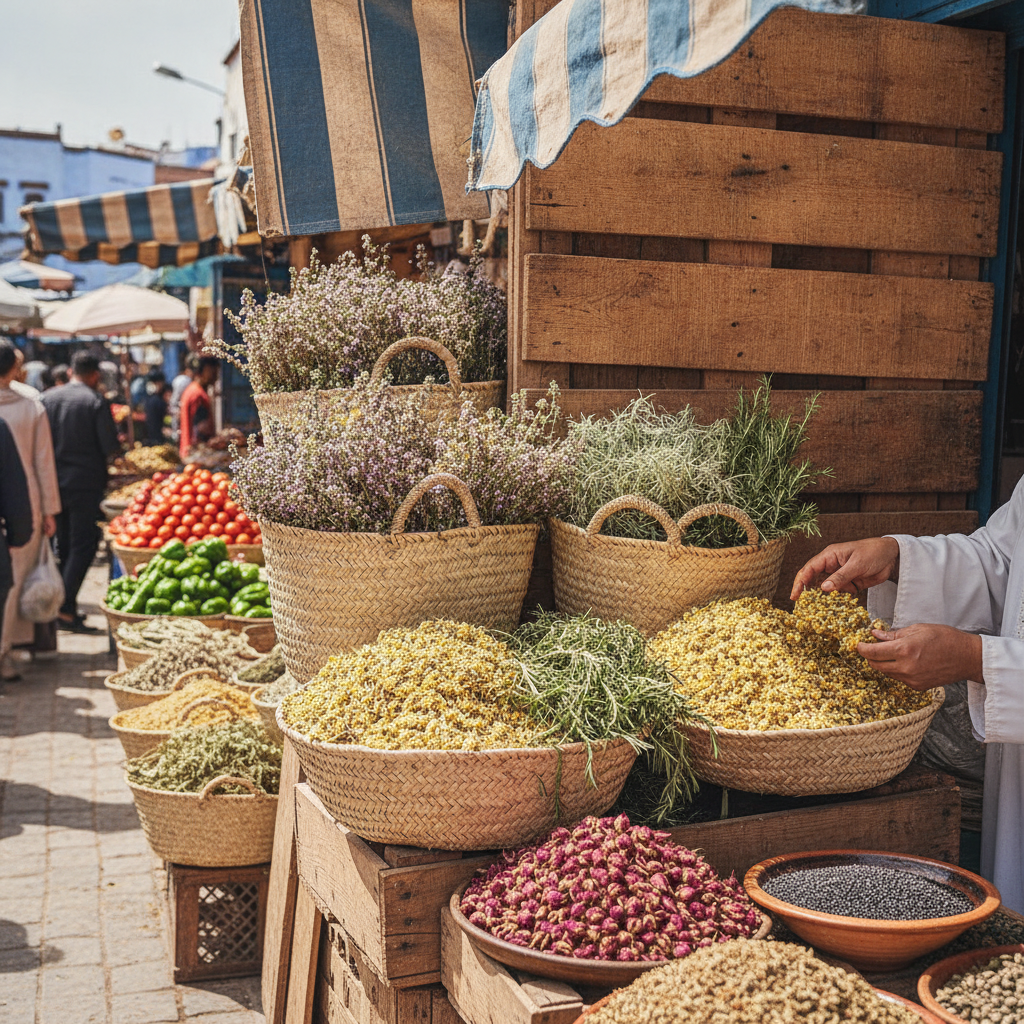
The Chefchaouen Jewish Community Spoke Haketia (15th Century Castilian Spanish) for 430 Years After the 1492 Expulsion and Spanish Military Officers Who Entered the City in 1920 Could Understand the Jewish Residents; The Rif Mountain Wild Thyme Honey Is the Primary Product of Chefchaouen's Traditional Agricultural Economy; Chefchaouen Receives 300,000-400,000 Visitors Per Year in a 0.4 km2 Medina
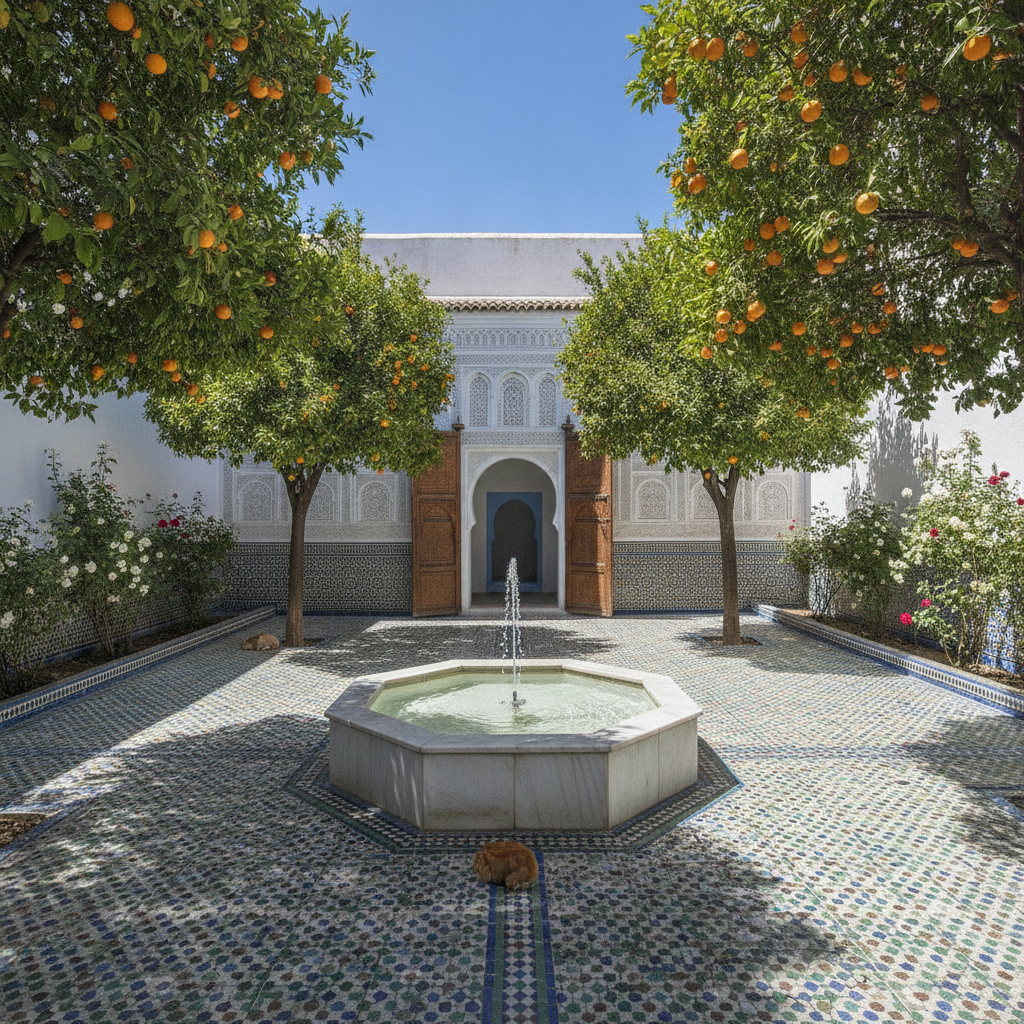
The Jebala Berbers of Chefchaouen's Western Rif Mountains Have Largely Lost Their Tamazight Language to Arabic Over the 17th-18th Centuries But Maintain a Distinct Cultural Identity in Dress, Music, and Agricultural Practices; Chefchaouen Spring (March-May) Offers the Best Combination of Wildflower Bloom, Mild Temperatures, Good Light, and Moderate Crowds; The Ouezzane Wazzaniyya Sufi Zawiya 44 km South of Chefchaouen Was Historically One of the Most Powerful Religious-Political Institutions in Morocco
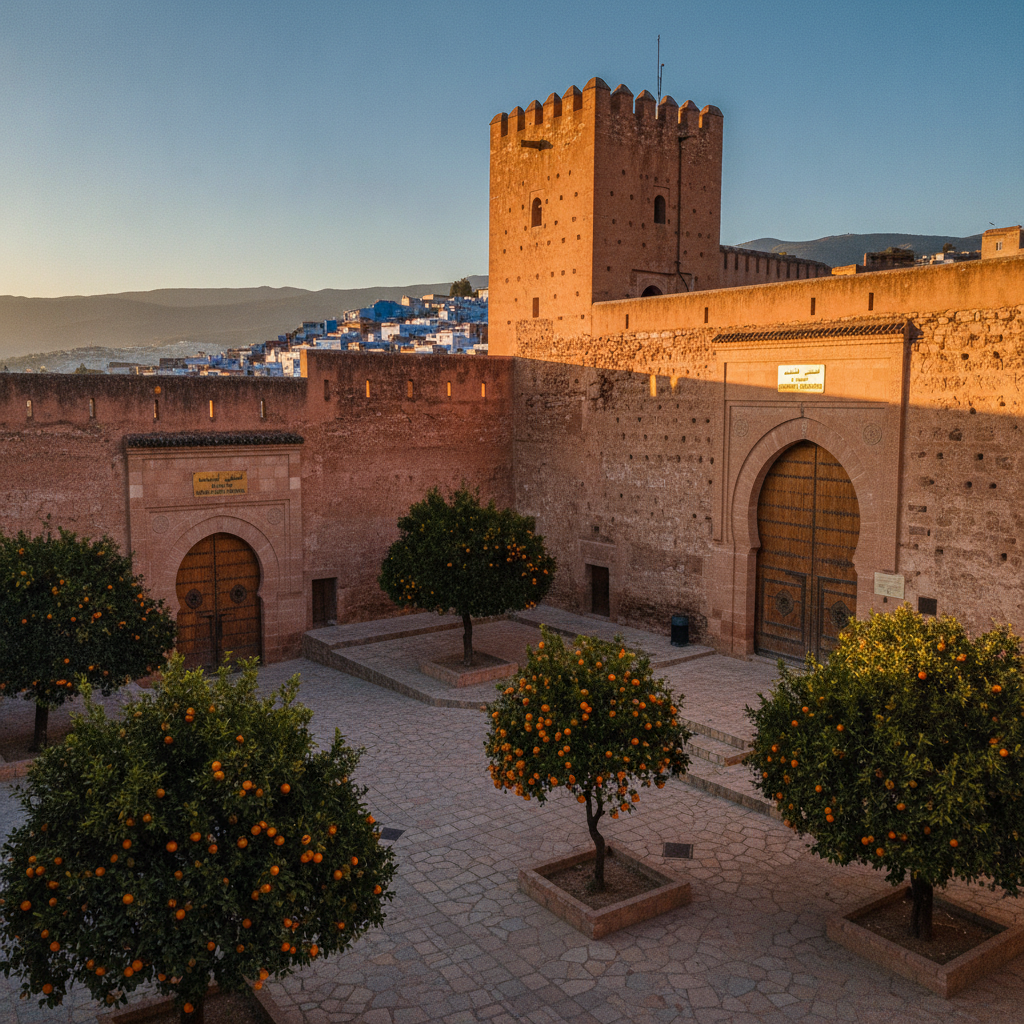
Chefchaouen History: The Spanish Protectorate Era, the Rif War and Abd el-Krim, the Closed City Period, the Independence and Reopening, and the Bilingual Spanish-Arabic Culture
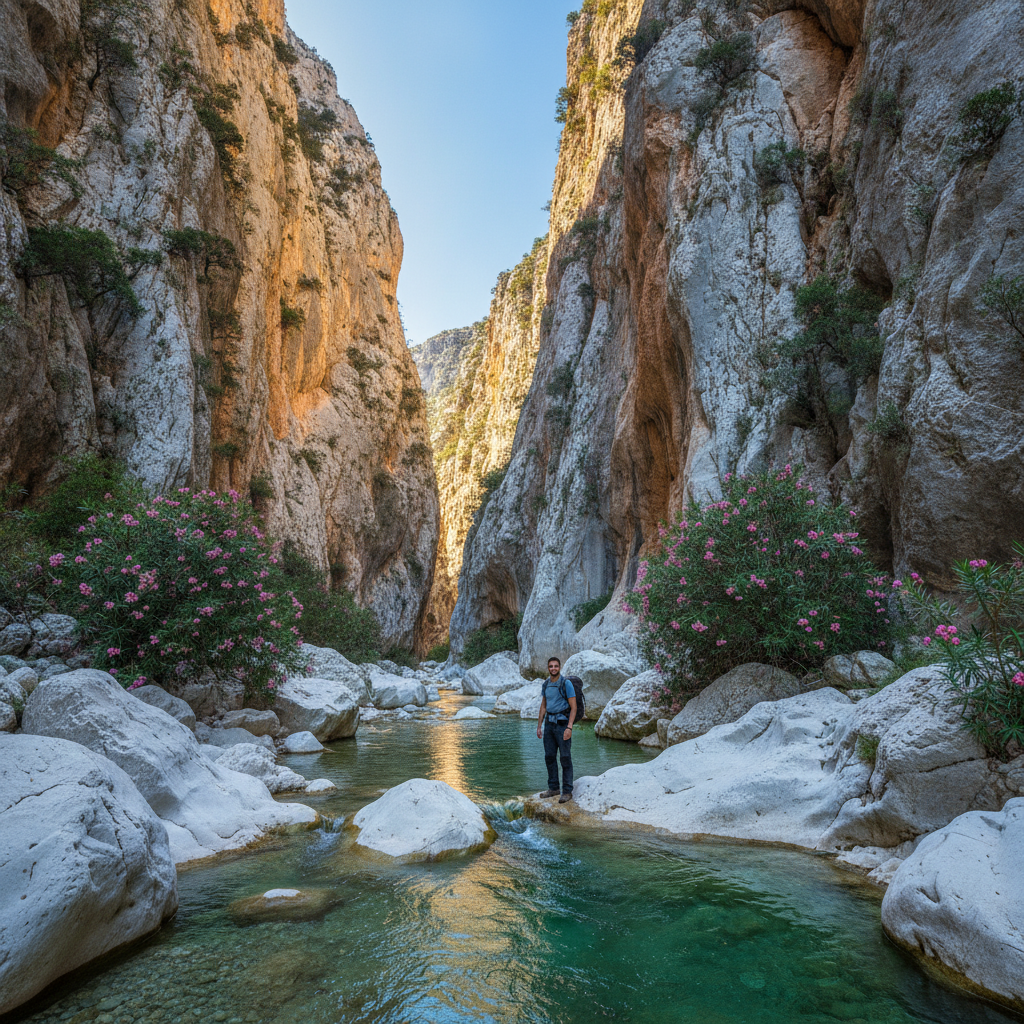
The Talassemtane National Park Protects the Only Significant Moroccan Population of the Abies Pinsapo Spanish Fir Tree Whose Primary Habitat Is the Sierra de las Nieves in Southern Spain; Chefchaouen Medina Was Described by Spanish Military Officers Entering in 1920 as the Most Perfectly Preserved Medieval Andalusian City Outside Andalusia Itself; The Beat Generation Writers Paul Bowles William S. Burroughs and Allen Ginsberg Were All Connected to Tangier During Its International Zone Period (1923-1956)
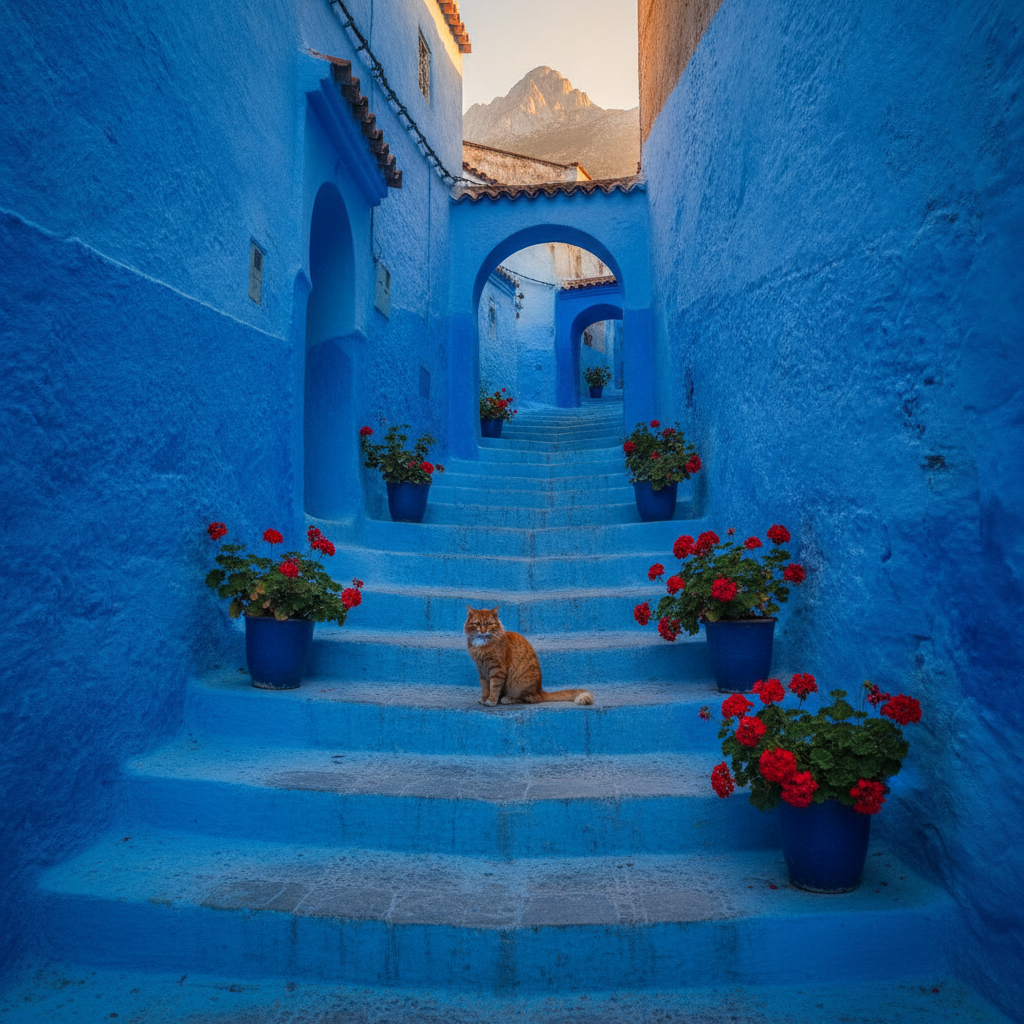
Chefchaouen's Blue Medina May Have Been Painted Blue By Jewish Refugees From the 1492 Spanish Expulsion Who Painted Doorways the Color of Heaven; The Rif Mountains Produce Approximately 40-60% of the Hashish Consumed in Europe With 90,000 Farming Families Dependent on Cannabis Cultivation; Morocco Legalized Cannabis Cultivation Under License in 2021 After Decades of the Largest Illegal Cannabis Production Zone in the World