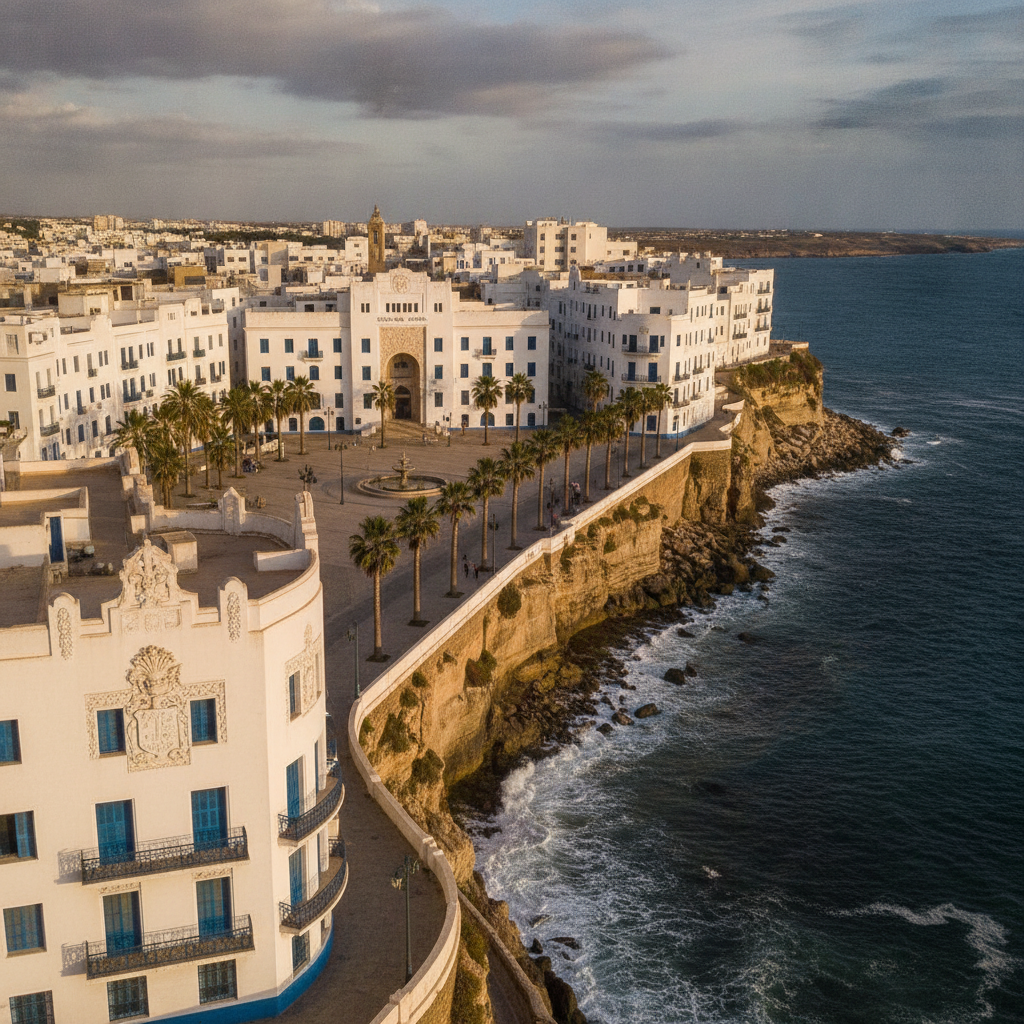
Essaouira Craft and Food: The Argan Oil Cooperatives, the Thuya Wood Marquetry Tradition, the Fishing Harbor Fresh Catch, the Medina Spice Market, and the Essaouira Food Culture
The Essaouira craft and food route covers the argan oil cooperatives in the Essaouira-Agadir argan forest zone, the thuya wood marquetry as the most distinctive single Essaouira craft, the fishing harbor fresh catch and the harbor restaurant, the medina spice market, and the Essaouira food culture combining the Gnawa, the Berber, and the Atlantic seafood traditions.
- 1
Argan Oil: The Essaouira Forest Gold
The Essaouira-Agadir coastal plain is the center of the argan forest (Argania spinosa) that produces the argan oil used in the Moroccan cooking, the beauty, and the cosmetic industry. The Essaouira women argan oil cooperatives (the first was established in 1995 with Zoubida Charrouf of Mohammed V University) are the most commercially successful single fair-trade women empowerment project in Morocco with 47 cooperatives employing 10,000 Berber women in the manual argan nut cracking and the cold-press oil extraction. The cooperatives represent the most directly transparent single supply chain in the Moroccan artisan food production.
- 2
Thuya Wood Marquetry: The Essaouira Signature Craft
The thuya (Tetraclinis articulata) tree root burl marquetry is the most distinctive single craft of Essaouira, using the fragrant reddish-brown root burl of the Moroccan cypress relative that grows in the Essaouira hinterland to create the inlaid decorative boxes, the chess boards, the picture frames, and the furniture decorated with the geometric mother-of-pearl and the lemon wood inlay. The thuya smell - the most distinctive single wood aroma in the Moroccan craft tradition - lingers on the medina craft shops and the workshops where the craftsmen hand-turn and inlay the thuya burl objects. The Essaouira thuya craft is the most artistically original single Moroccan wood craft tradition outside the cedar carving.
- 3
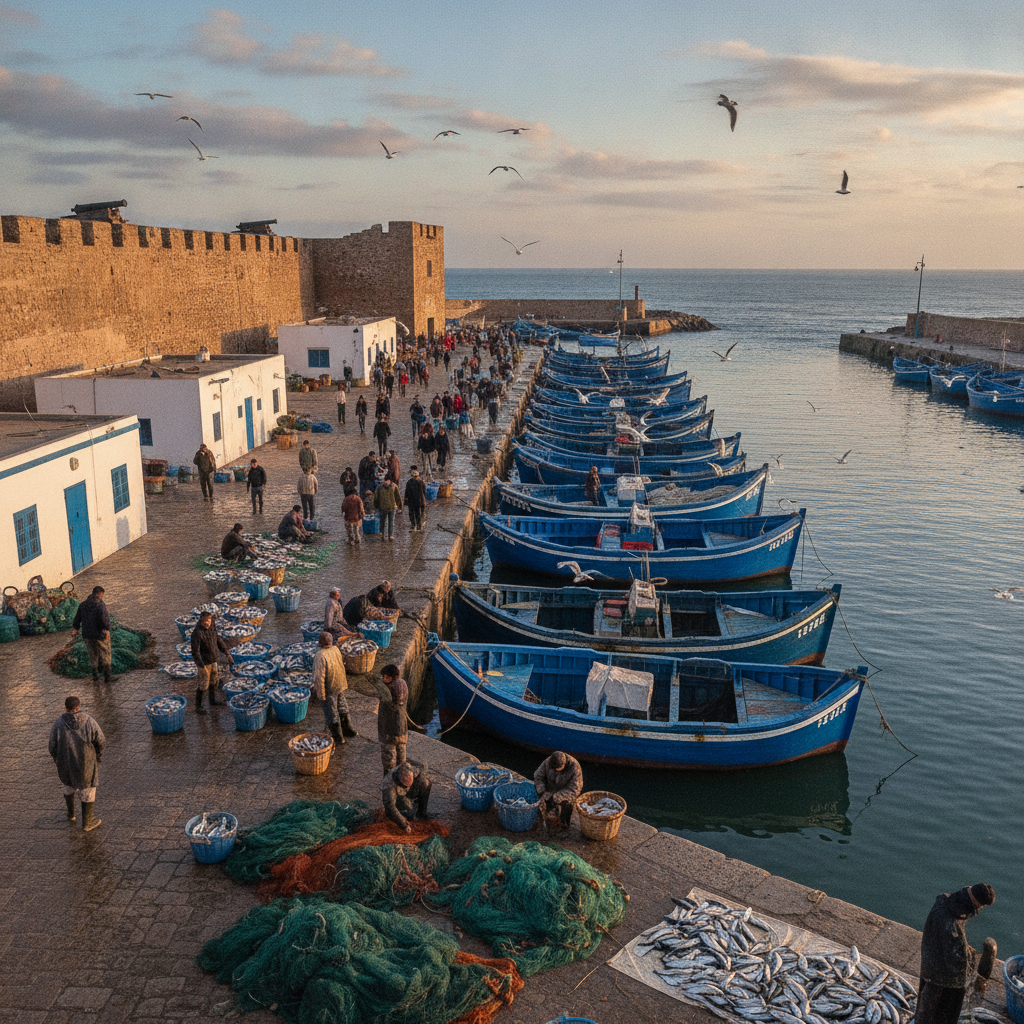
Essaouira Fishing Harbor: The Fresh Catch Restaurant Row
The Essaouira fishing harbor, the second largest sardine fishing port in Morocco after Agadir, generates the freshest single source of grilled sardines, calamari, and Atlantic sole available in the Moroccan coastal city restaurant market. The harbor-side restaurant row where the fishermen offer the just-caught grilled sardines at the most competitively priced single seafood meal in Morocco is the most atmospherically complete single harbor dining experience on the Moroccan Atlantic coast. The Essaouira sardine, grilled on the charcoal immediately after landing, is the most directly sourced single fish in the Moroccan coastal food culture.
- 4
Essaouira Spice Market: The Medina Herbalist
The Essaouira medina spice market concentrated in the Souk Jdid (New Market) is the most extensively curated single herbal and spice market on the Atlantic coast with the saffron from the Taliouine valley, the argan oil in every form from the culinary to the cosmetic, the dried rose petals from the Dades Valley, the orange blossom water, the cumin, and the specific Essaouira chermoula spice blend that the local cook uses for the most distinctively Atlantic Moroccan fish marinade. The Essaouira herbalist shops also offer the traditional Gnawa herbal incense blends used in the lila ceremony.
- 5
Essaouira Food Culture: The Atlantic Gnawa Synthesis
The Essaouira food culture synthesizes the Atlantic seafood tradition of the Portuguese-era Mogador trading post, the Gnawa sub-Saharan spice influence from the West African culinary tradition, the Berber coastal agricultural cooking, and the Marrakech-Soussi Berber specialty food in the most multicultural single Moroccan coastal kitchen. The Essaouira fish tagine with the chermoula, the caramelized fennel, and the preserved lemon is the most specifically Essaouiran single dish and the preparation that most completely expresses the Atlantic Morocco coastal food identity.
- 6
Essaouira Wine: The Atlantic Morocco Grape Tradition
The Essaouira region produces the most westerly single commercial wine in Morocco at the Domaine du Val d'Argan estate 10 kilometers south of the city where the Atlantic sea breeze, the argan soil, and the Mediterranean climate create the most distinctive single terroir for the Moroccan wine production. The Domaine du Val d'Argan rosé is the most internationally recognized single Moroccan wine and the product most associated with the Essaouira culinary identity. The Moroccan wine culture centered on Meknes and Essaouira is the most actively growing single luxury agricultural sector in the Moroccan economy.
Walk this route with audio
Stories play automatically as you reach each stop — no tapping needed.
More in Essaouira
The Guanche Indigenous Population of the Canary Islands Were Amazigh (Berber) Speakers Linguistically Related to the Tamazight Populations of the Moroccan Atlantic Coast Who Were Progressively Conquered by Spanish Settlers in the 15th Century; The Battle of Alcacer Quibir in 1578 Where the Moroccan Saadians Killed Portuguese King Sebastian I Triggered the Portuguese Succession Crisis Leading to the 60-Year Iberian Union of Portugal and Spain Under Philip II; The Essaouira Pastilla au Fruits de Mer (Shrimp, Crab, and White Fish in Warqa Pastry With Saffron Cream) Was Invented in Essaouira as a Seafood Adaptation of the Classic Fassi Bastilla
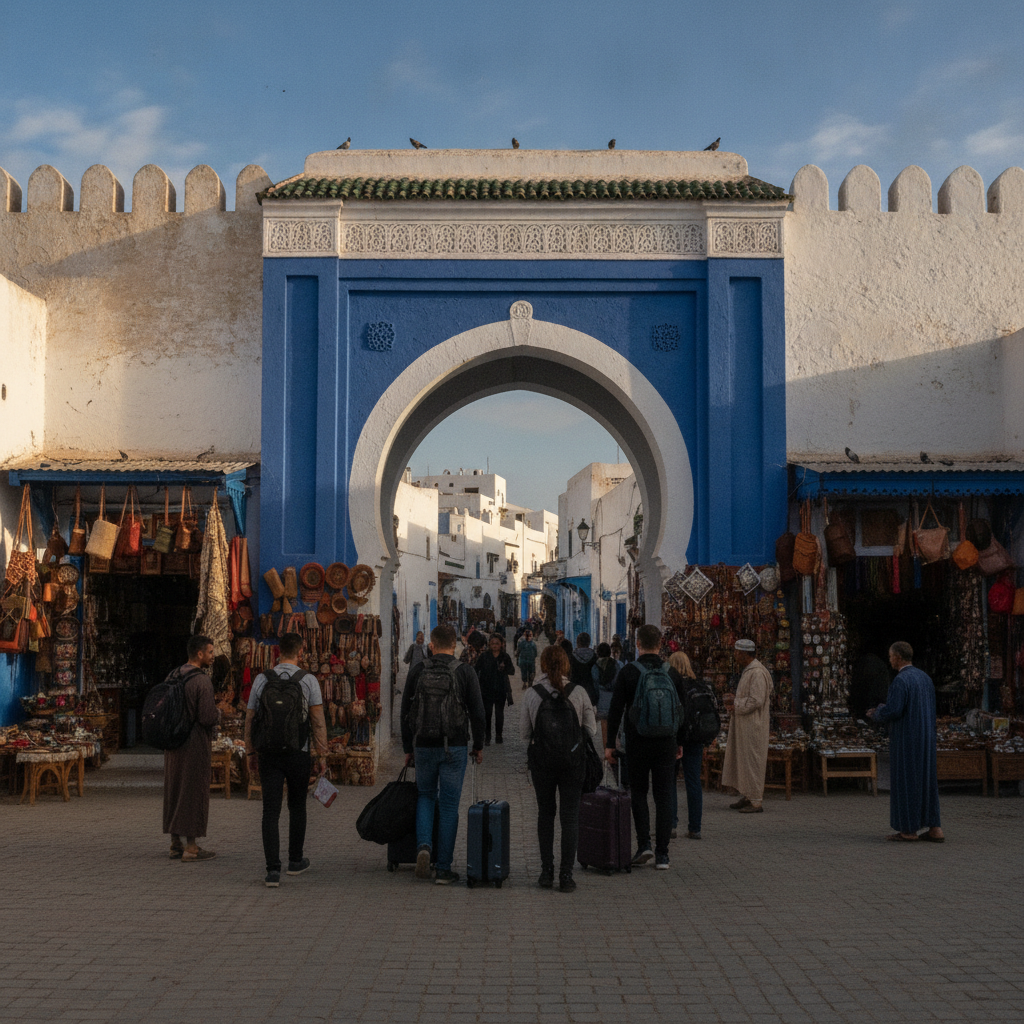
Essaouira Practical: Transport from Marrakech and Agadir, the Best Riad Accommodation, the Optimal Visit Timing, the Wind Season Implications, and the Departure Summary
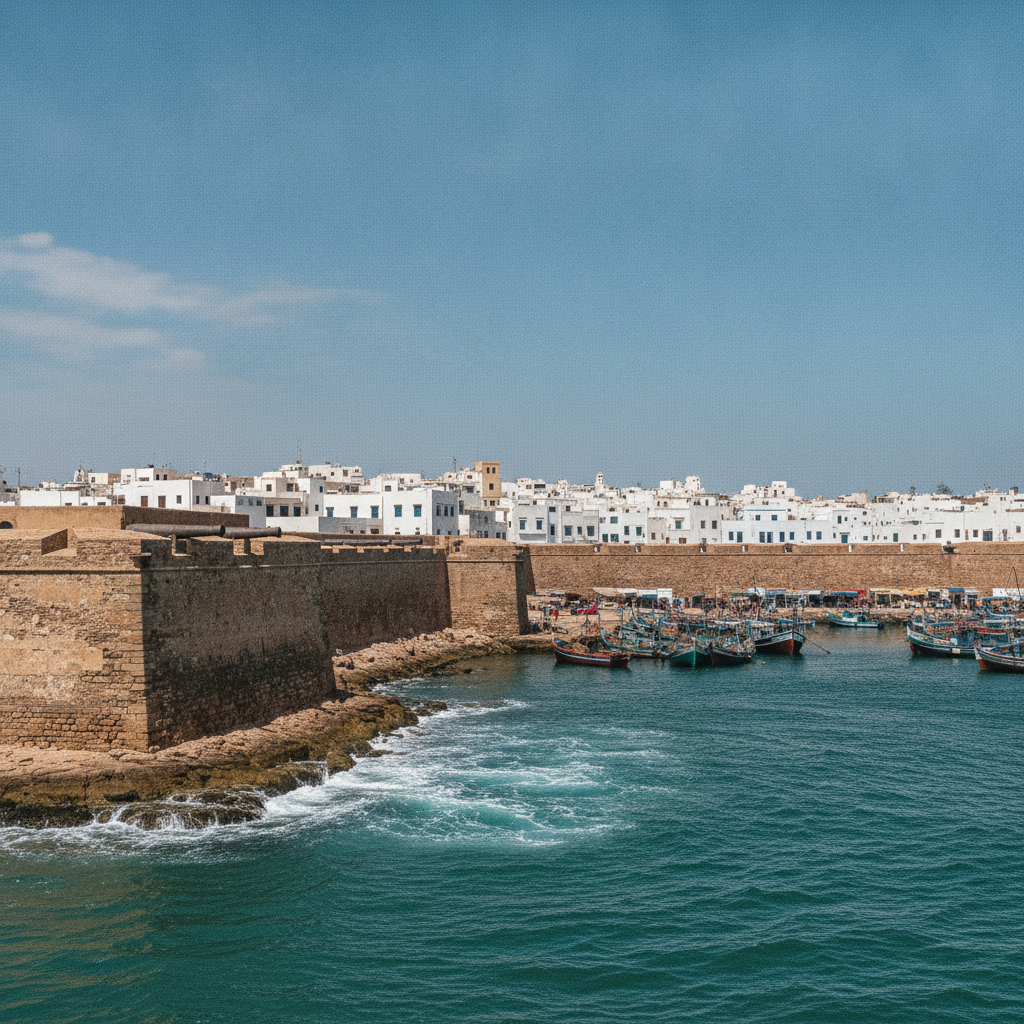
Essaouira Essential: The Atlantic Ramparts, the UNESCO Medina, Gnawa Music, the Mogador Portuguese Heritage, the Orson Welles and Jimi Hendrix Connections, and the Wind City Character
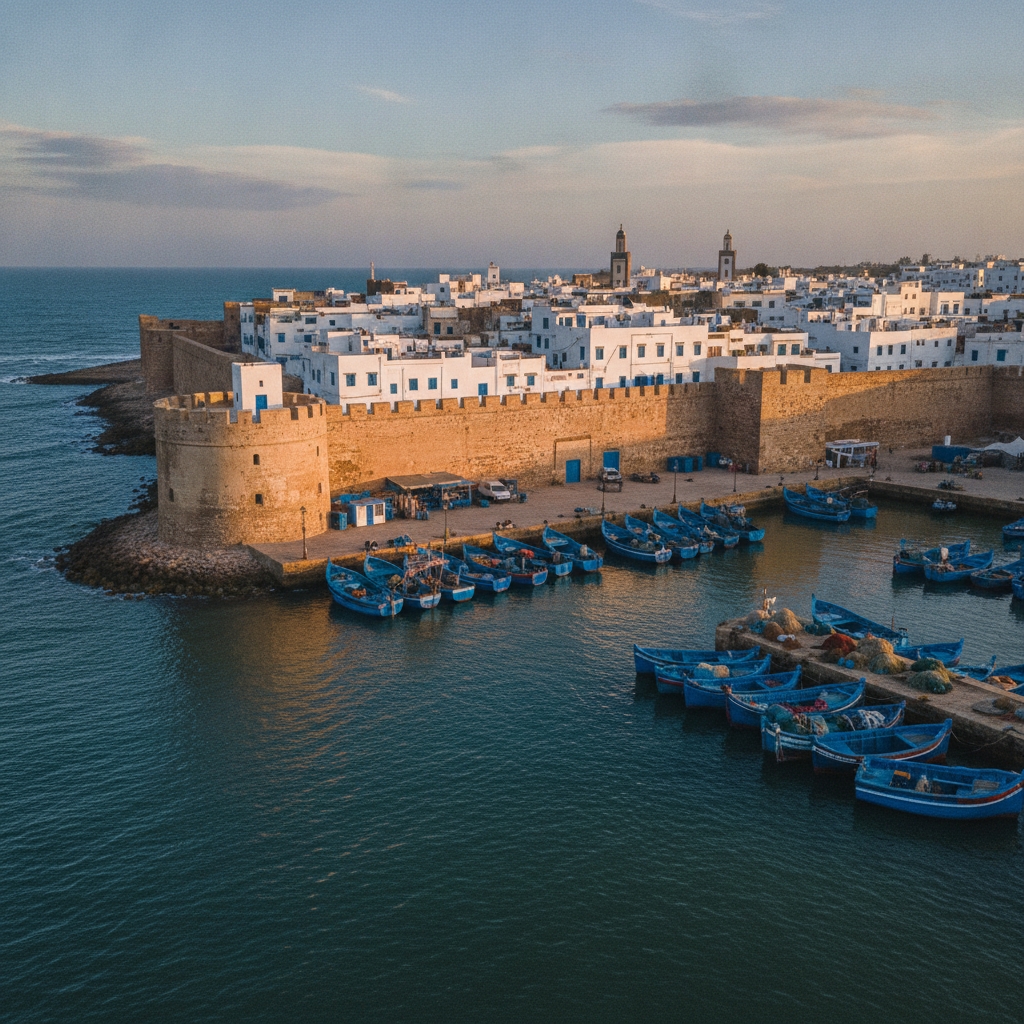
Essaouira History: The Mogador Portuguese Trading Post, the Phoenician Foundation, the Jewish Merchant Community, the Gnawa Slave Trade Origins, the 18th Century Sultan Rebuilding, and the UNESCO Recognition
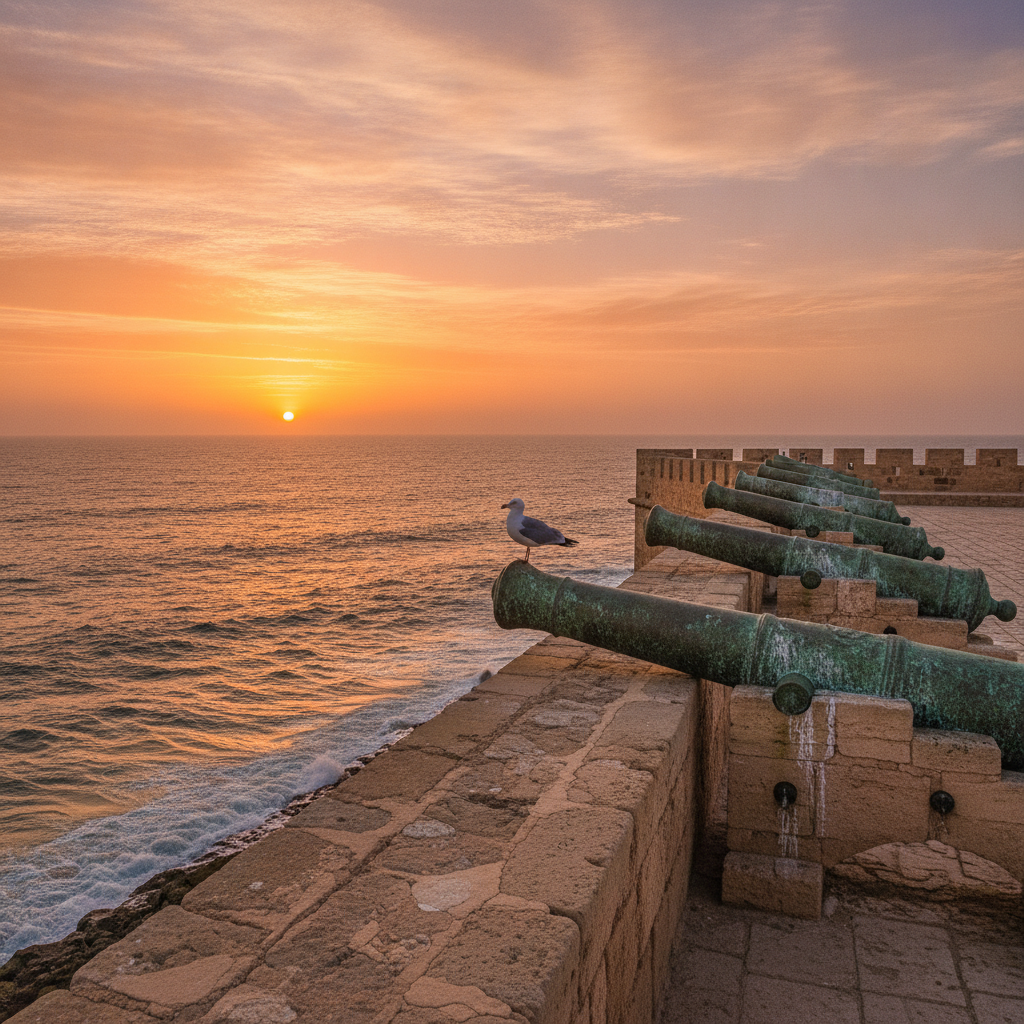
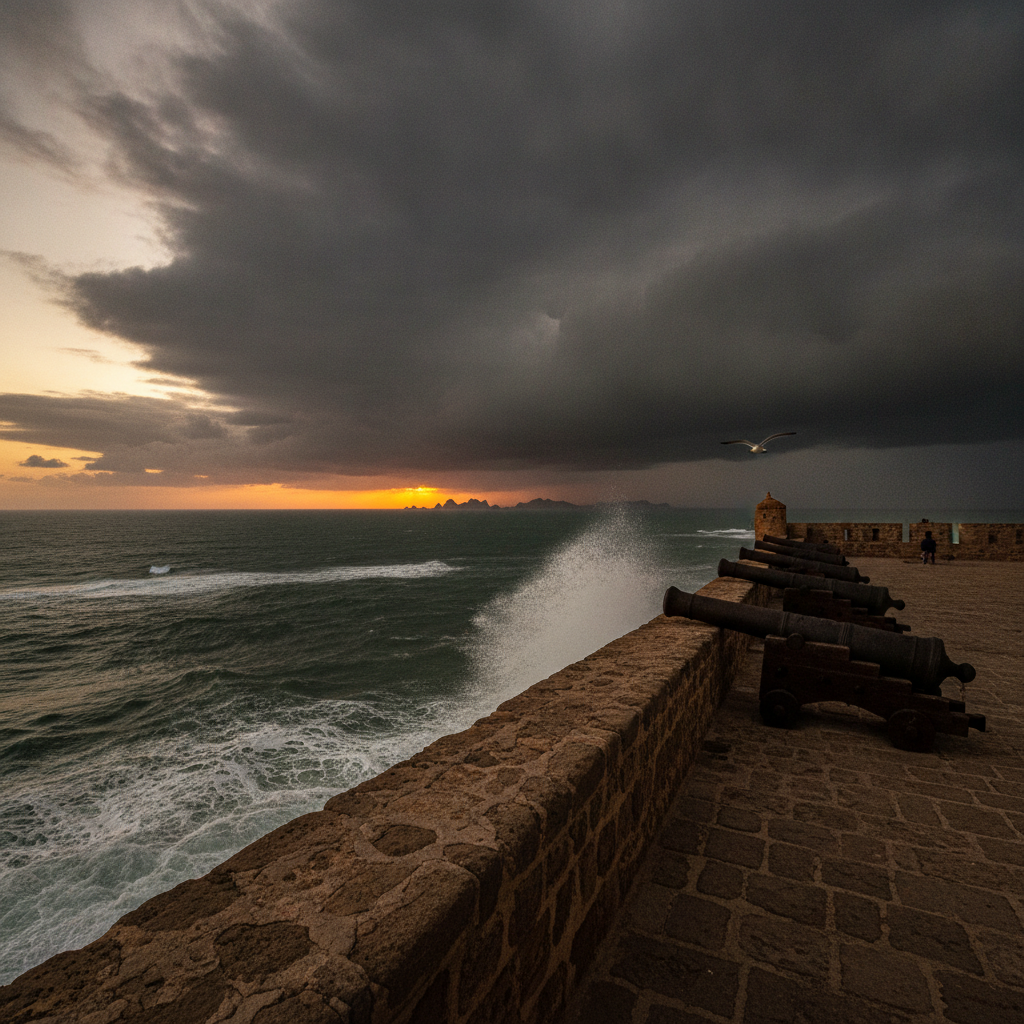
Essaouira's UNESCO-Listed Ramparts Were Designed by French Engineer Theodore Cornut in 1764-1765 Under Sultan Mohammed III and Line the Atlantic With 17th-18th Century Bronze Cannons Seized From European Ships; The Gnawa and World Music Festival of Essaouira Attracts 450,000-500,000 Visitors Over 4 Days in June and Is the World's Largest Gnawa Festival; The Thuya Arborvitae Root Burl Exploitation for the Essaouira Marquetry Craft Is Not Sustainable as Burl Harvesting Kills the Root System Preventing Tree Regeneration