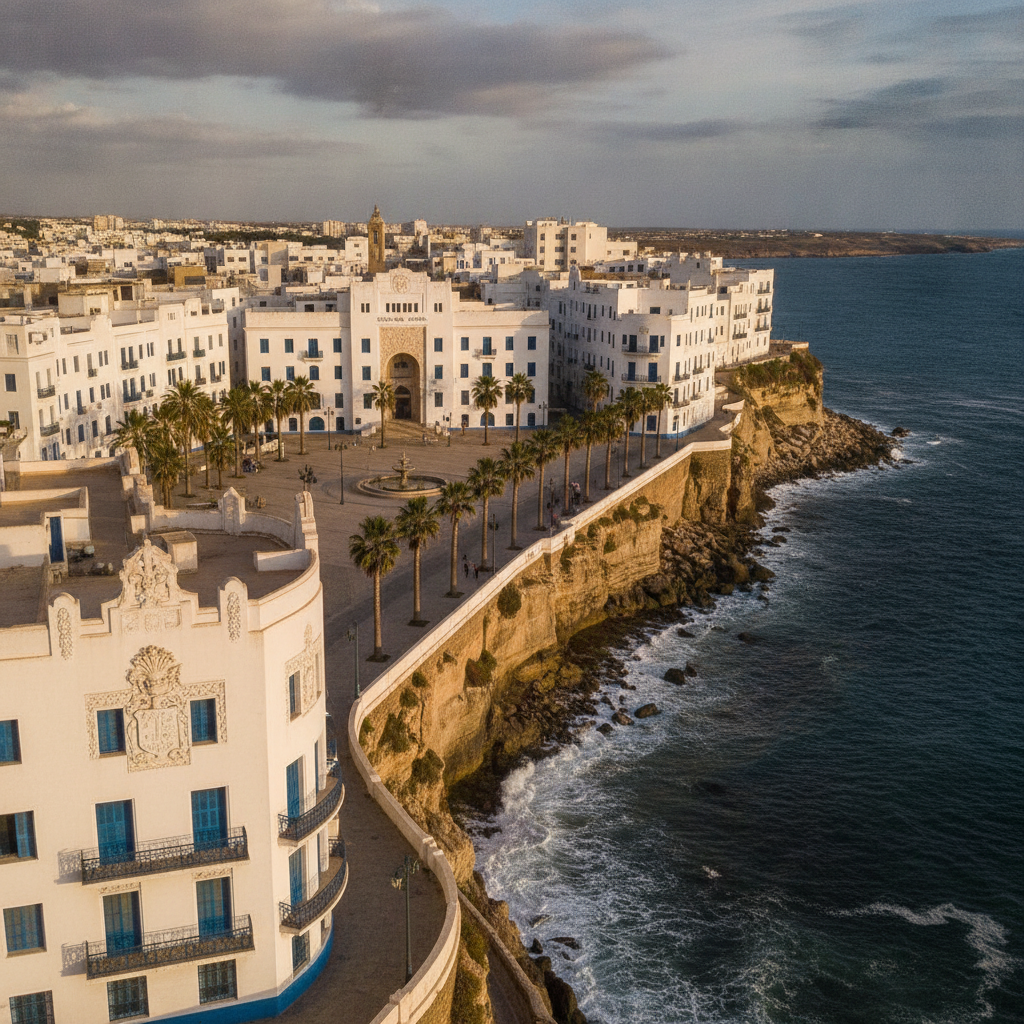
Essaouira Outdoor: The Kitesurfing Capital, Windsurfing at Moulay Bouzerktoun, the Sidi Kaouki Beach Surf Camp, the Horse Riding on the Atlantic Beach, and the Outdoor Adventure Culture
The Essaouira outdoor route covers the kitesurfing at the Essaouira bay as the most consistently windy single surf destination in Africa, the windsurfing at Moulay Bouzerktoun beach, the Sidi Kaouki surf camp village, the horse and camel riding on the Atlantic beach, and the Essaouira outdoor adventure culture.
- 1
Essaouira Kitesurfing: The African Wind Capital
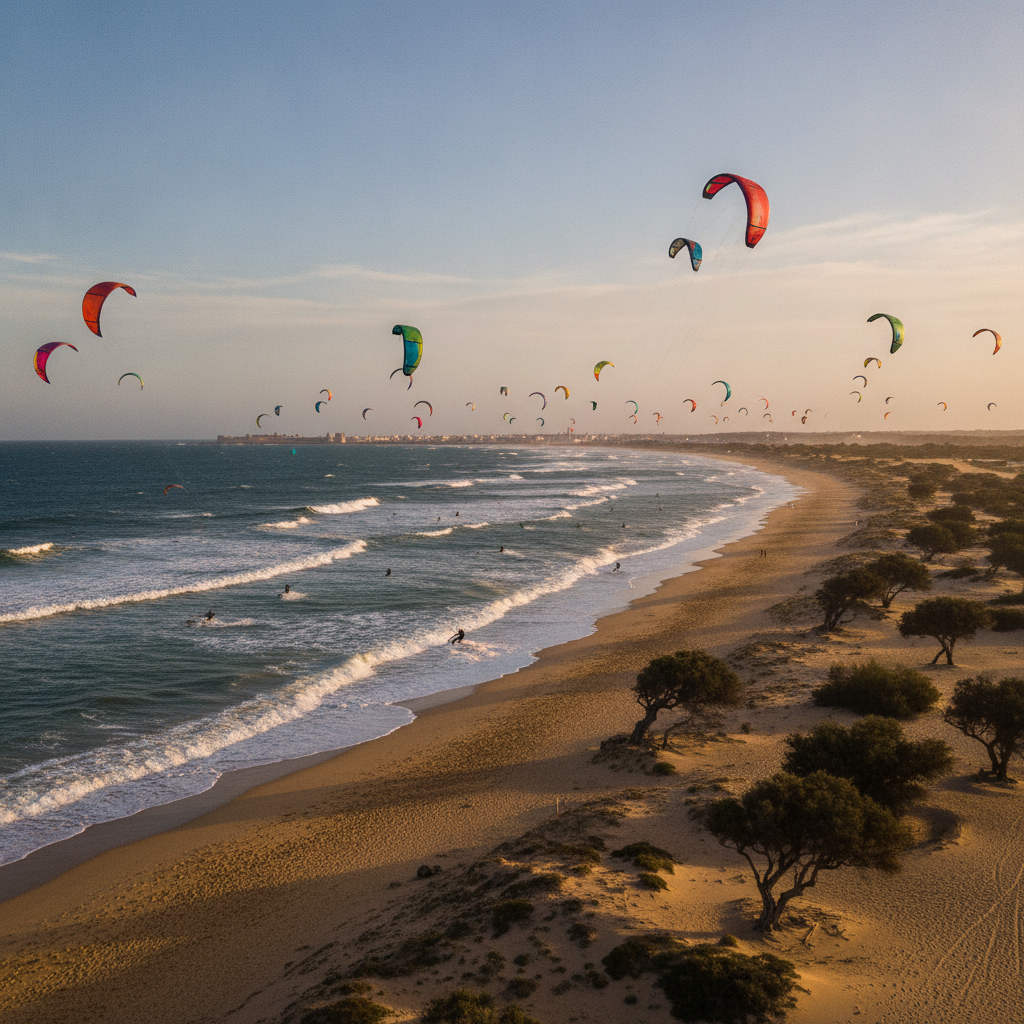
The Essaouira bay kitesurfing, centered on the 5-kilometer beach north of the medina, is the most consistently reliable single kitesurfing destination in Africa with the Alizee trade wind blowing at 20 to 35 knots from May to August and the 15 to 25 knot range from September to April providing the most diverse single wind condition range for the advanced to the beginner kite rider. The Essaouira International Kitesurfing Federation competition is the most important single kitesurfing event in Africa and the event that established the Essaouira bay as the reference single location for the sport in the continent.
- 2
Moulay Bouzerktoun: The Windsurfing Beach
Moulay Bouzerktoun beach 30 kilometers south of Essaouira is the most dedicated single windsurfing location in Morocco with the consistent wind and the flat water lagoon section on the south side of the beach providing the most ideal single windsurfing conditions for the freestyle and the wave riding disciplines. The Moulay Bouzerktoun beach is the most internationally registered single windsurfing location in North Africa and the destination that the Professional Windsurfer Association has used as the Africa qualifying competition site.
- 3
Sidi Kaouki: The Surf Camp Village
Sidi Kaouki village 25 kilometers south of Essaouira, the small Atlantic coastal village known for the surf break and the marabout (Sufi saint shrine) on the headland, is the most popular single surf camp destination on the Moroccan Atlantic coast south of Taghazout with the consistent Atlantic swell, the beginner-friendly beach break, the Sidi Kaouki auberge accommodation, and the camel ride on the beach combining the most complete single Atlantic Morocco surf camp culture. The Sidi Kaouki village simplicity - no restaurant beyond the surf camp kitchen, no nightlife, no tourist shops - is the most deliberately anti-Essaouira single beach destination within day trip range.
- 4
Horse Riding: The Atlantic Beach Gallop
The horse riding on the Essaouira Atlantic beach, offered by the Diabat Horse Ranch and several stable operators near the Essaouira beach, provides the most cinematically dramatic single equestrian experience available in Morocco with the gallop on the 10-kilometer sand beach between the Essaouira ramparts and the Diabat village in the Atlantic surf spray and the trade wind. The Essaouira beach horse riding is the most frequently cited single horse riding memory in the Morocco traveler community and the experience that most completely captures the Essaouira Atlantic character.
- 5
Diabat Village: The Hippie Trail Ruin and the Jimi Hendrix Field
Diabat village, the ruin-studded dune village 5 kilometers south of Essaouira on the Oued Ksob river mouth, is associated with the Jimi Hendrix 1969 Morocco visit and the planned (but never realized) Essaouira studio that the Hendrix myth-making has developed into the most romantically embellished single rock music legend in Morocco. The Diabat ruins - the collapsed Alaouite casbah walls and the Oued Ksob estuary - and the Hendrix Field where the Gnawa musicians still gather for the informal afternoon sessions provide the most atmospheric single music pilgrimage destination in the Essaouira area.
- 6
Atlantic Beach Walk: The 10-Kilometer Meditation
The Essaouira Atlantic beach walk north from the ramparts through the kitesurfing zone to the Moulay Bouzerktoun dune section is the most completely free single outdoor experience in Morocco and the walk that most directly conveys the Essaouira character: the constant wind, the Atlantic surf sound, the argan trees behind the dune, the kite colors against the blue sky, and the historical medina visible behind on the coastal promontory. The beach walk is the most reliable single Essaouira recommendation for the visitor who has already seen the medina and the ramparts.
Walk this route with audio
Stories play automatically as you reach each stop — no tapping needed.
More in Essaouira
The Guanche Indigenous Population of the Canary Islands Were Amazigh (Berber) Speakers Linguistically Related to the Tamazight Populations of the Moroccan Atlantic Coast Who Were Progressively Conquered by Spanish Settlers in the 15th Century; The Battle of Alcacer Quibir in 1578 Where the Moroccan Saadians Killed Portuguese King Sebastian I Triggered the Portuguese Succession Crisis Leading to the 60-Year Iberian Union of Portugal and Spain Under Philip II; The Essaouira Pastilla au Fruits de Mer (Shrimp, Crab, and White Fish in Warqa Pastry With Saffron Cream) Was Invented in Essaouira as a Seafood Adaptation of the Classic Fassi Bastilla
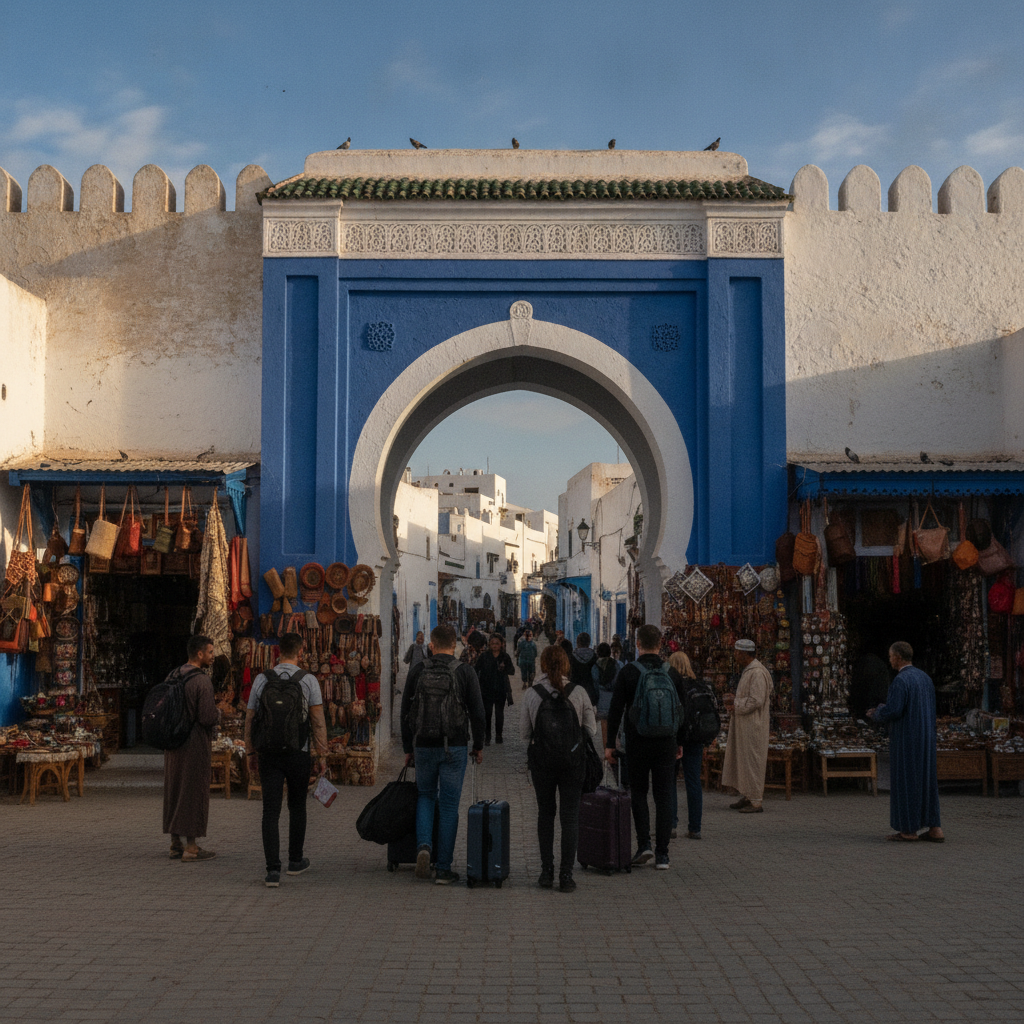
Essaouira Practical: Transport from Marrakech and Agadir, the Best Riad Accommodation, the Optimal Visit Timing, the Wind Season Implications, and the Departure Summary
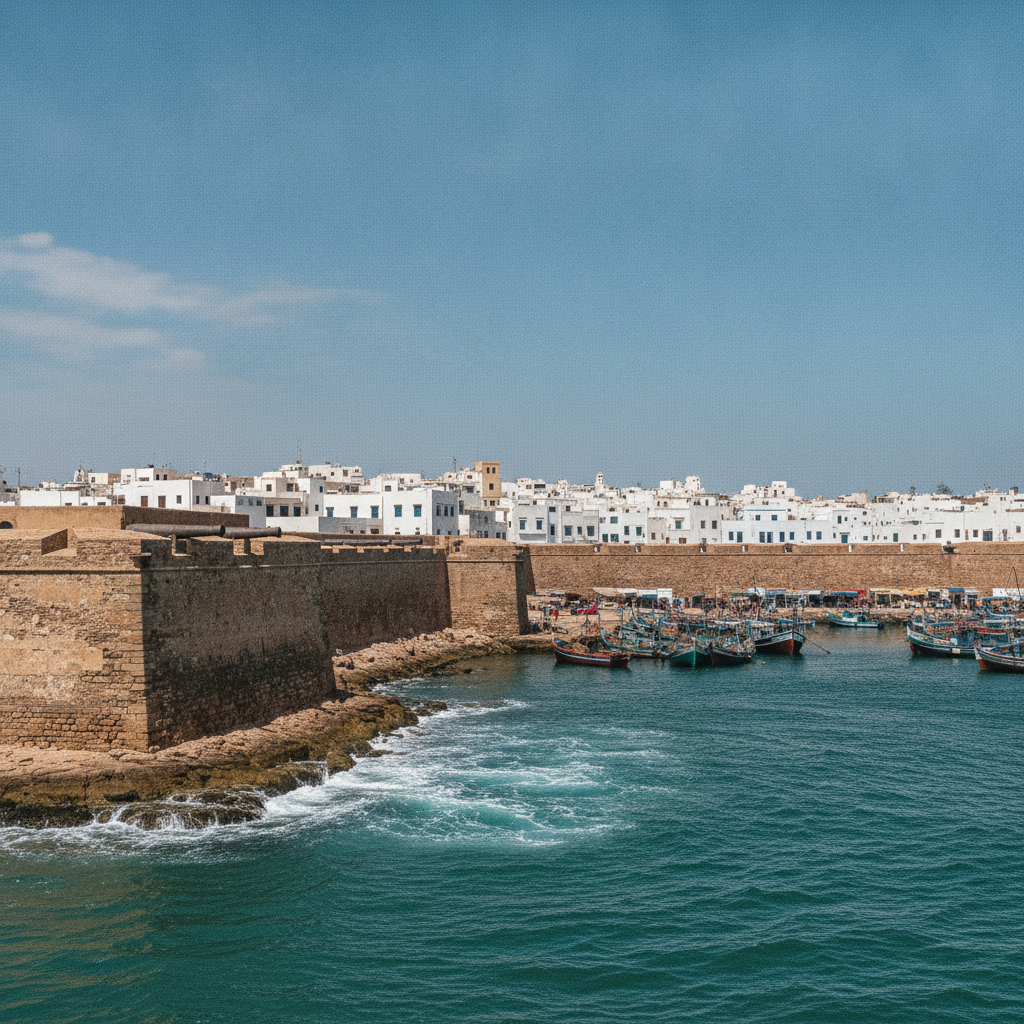
Essaouira Essential: The Atlantic Ramparts, the UNESCO Medina, Gnawa Music, the Mogador Portuguese Heritage, the Orson Welles and Jimi Hendrix Connections, and the Wind City Character
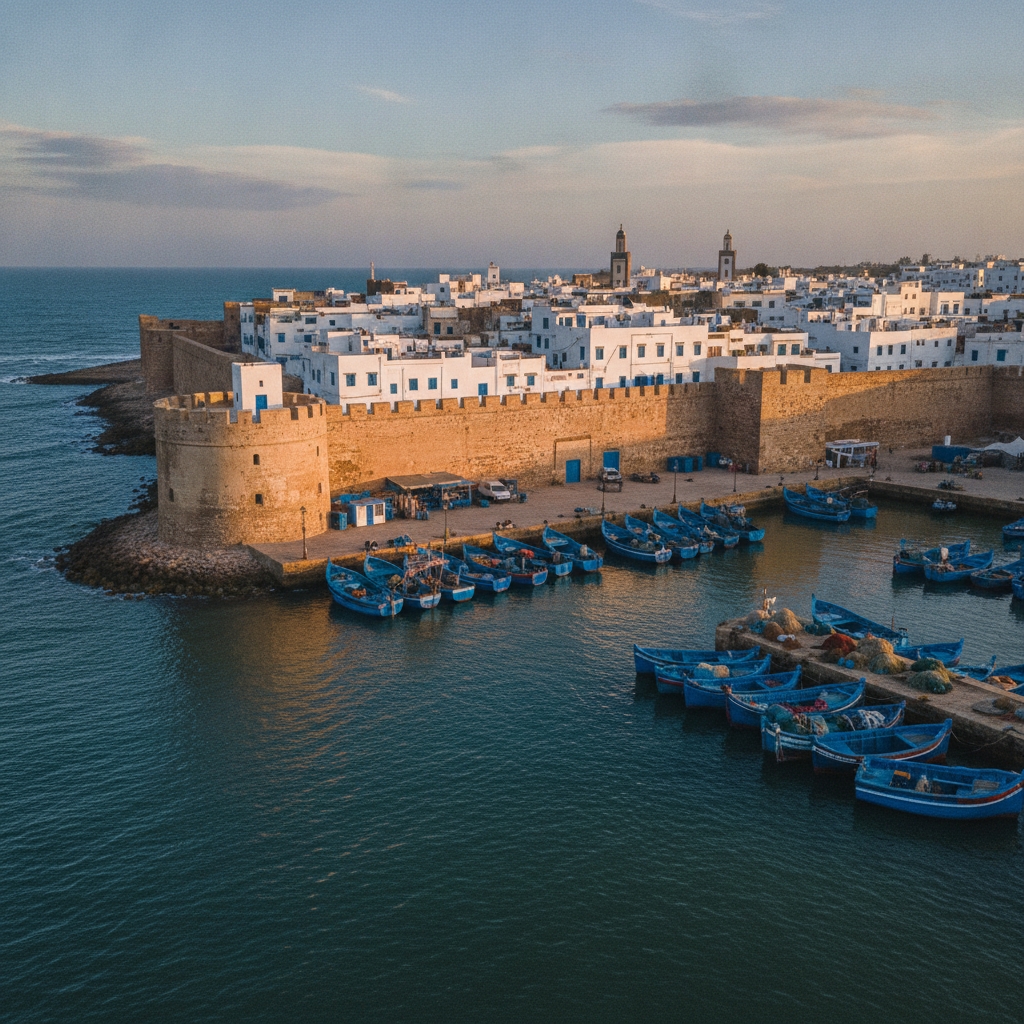
Essaouira History: The Mogador Portuguese Trading Post, the Phoenician Foundation, the Jewish Merchant Community, the Gnawa Slave Trade Origins, the 18th Century Sultan Rebuilding, and the UNESCO Recognition
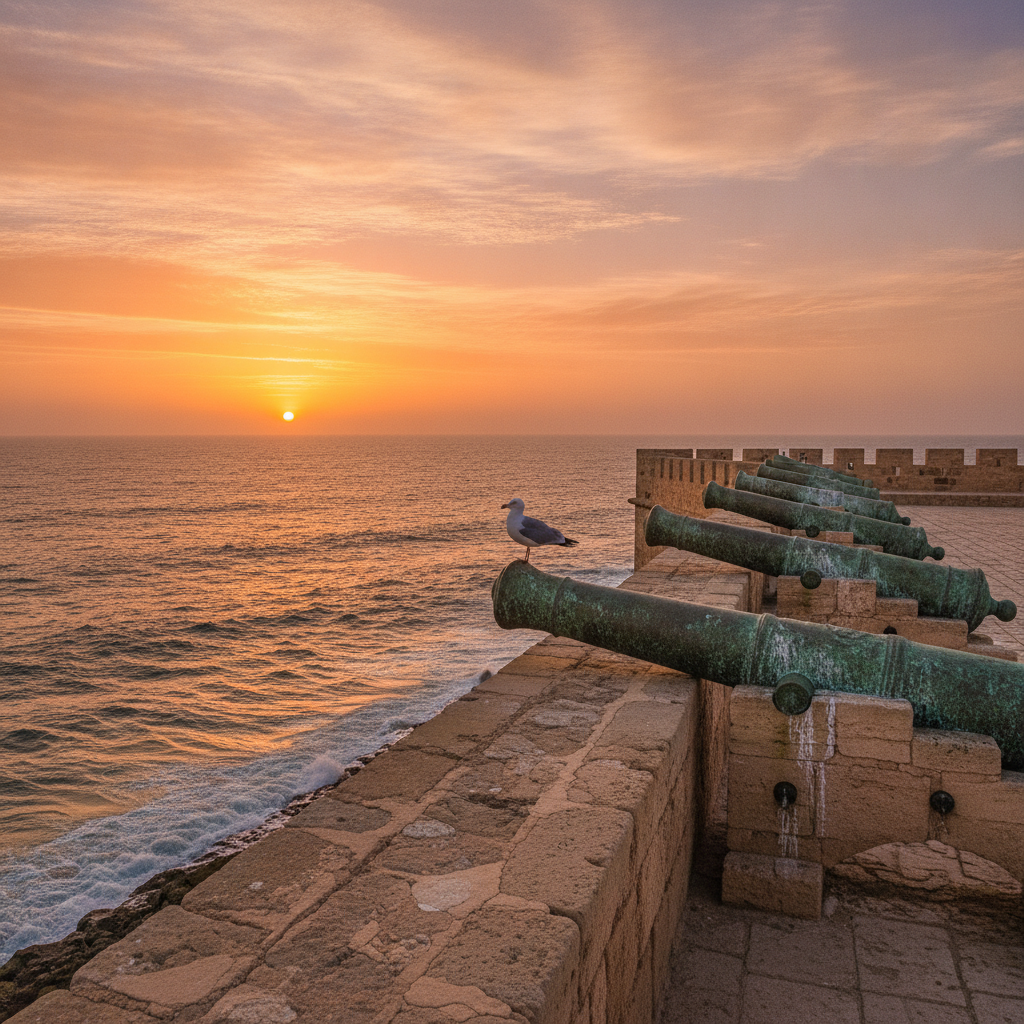
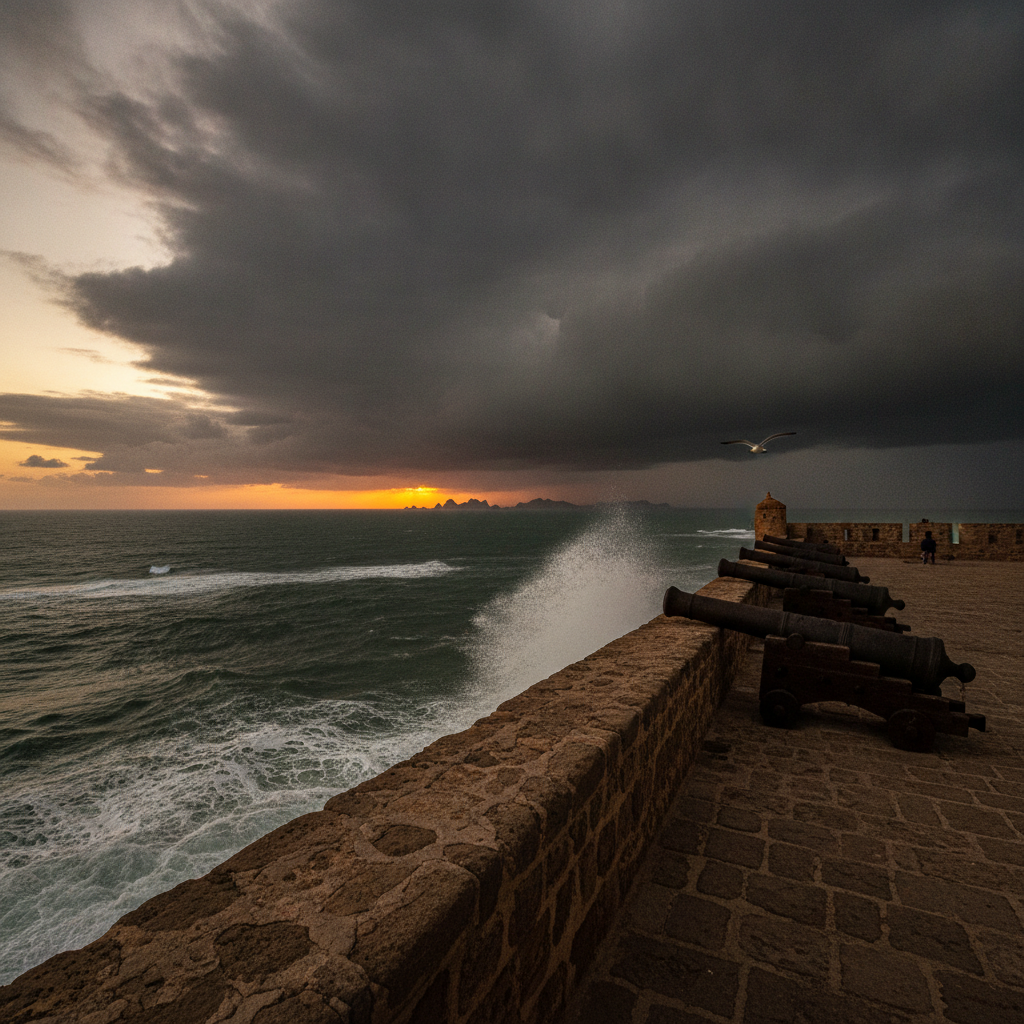
Essaouira's UNESCO-Listed Ramparts Were Designed by French Engineer Theodore Cornut in 1764-1765 Under Sultan Mohammed III and Line the Atlantic With 17th-18th Century Bronze Cannons Seized From European Ships; The Gnawa and World Music Festival of Essaouira Attracts 450,000-500,000 Visitors Over 4 Days in June and Is the World's Largest Gnawa Festival; The Thuya Arborvitae Root Burl Exploitation for the Essaouira Marquetry Craft Is Not Sustainable as Burl Harvesting Kills the Root System Preventing Tree Regeneration