Fes Craft Heritage: The Al-Attarine Madrasa, the Nejjarine Fountain and Museum, the Funduq Carpenter Tradition, the Fes Pottery Blue Ceramic, and the Living Craft Guilds
The Fes craft heritage route covers the Al-Attarine Madrasa as the most architecturally refined single Islamic school in Morocco, the Nejjarine fountain and the Nejjarine Museum of wooden arts, the funduq inn-workshop tradition of the medina craft guilds, the distinctive Fes blue pottery, and the living craft guild system that makes Fes the most completely maintained craft city in North Africa.
- 1
Al-Attarine Madrasa: The Spice Market School
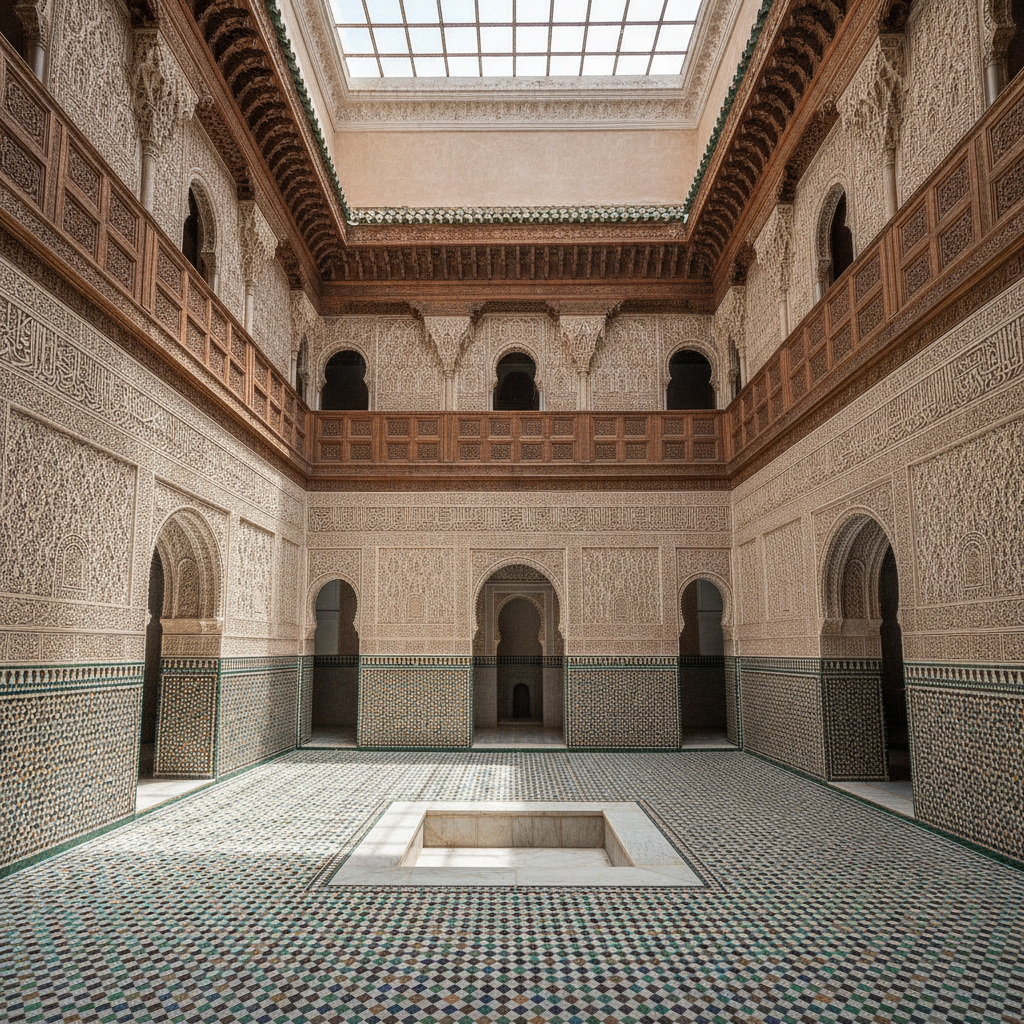
The Al-Attarine Madrasa (Madrasa of the Spice Sellers), built between 1323 and 1325 by Sultan Abu Said Uthman II of the Marinid dynasty adjacent to the al-Qarawiyyin University and facing the attarine spice souk, is considered by the architectural historian Titus Burckhardt to be the most perfectly proportioned single Islamic building in Morocco with the most completely resolved single combination of the zellige lower wall, the carved stucco middle register, and the carved cedar upper register in any Moroccan interior. The Al-Attarine represents the peak of the early Marinid decorative synthesis before the later Bou Inania elaborated the same vocabulary at a larger scale.
- 2
Nejjarine Fountain: The Public Water Monument
The Nejjarine fountain at the Place Nejjarine in the carpentry district, built in the 18th century by Sultan Moulay Abdallah, is the most architecturally elaborate single public water provision monument in the Fes medina with the carved cedar wood canopy, the zellige tile basin, and the calligraphic inscription band that together make the most formally complete single neighborhood fountain in North Africa. The adjacent Funduq Nejjarine, the 18th century merchant inn converted to the Nejjarine Museum of Wooden Arts and Crafts, is the most architecturally intact single funduq in Morocco with the three-story arcade courtyard open to the sky.
- 3
Nejjarine Museum: The Cedar Wood Heritage
The Nejjarine Museum of Wooden Arts and Crafts in the Funduq Nejjarine houses the most important single collection of Moroccan carved cedar wood crafts in Morocco including the architectural woodwork panels, the carved and painted cedar wood furniture, the wood-turning (khardala) products, and the historical marquetry (zellige of wood) technique that the Fes woodworkers developed. The museum building itself with its 18th century cedar wood balconies, the painted ceiling, and the carved muqarnas brackets is the most atmospherically appropriate single setting for the wood craft collection in any Moroccan museum.
- 4
Fes Pottery: The Blue Ceramic Tradition
The Fes pottery, the tin-glazed earthenware decorated in the cobalt blue and white arabesque patterns that the potters of the Ain Khaled pottery district (a 30-minute walk south of the medina) have produced since the 13th century, is the most internationally recognizable single Moroccan craft product and the ceramic tradition that inspired the Delft blue and white pottery of Holland after the Portuguese brought Fes pottery to Europe in the 16th century. The Fes pottery cooperative workshops at Ain Khaled are the most complete single pottery production facility accessible to visitors in Morocco.
- 5
Fes Craft Guilds: The Living Medieval System
The Fes craft guild system (hanta), the medieval organization of the craftsmen by trade that occupies the separate souk districts organized around the al-Qarawiyyin - the potters, the carpenters, the leather workers, the metalworkers, the silk weavers, the embroiderers, the candle makers, and the spice merchants in their separate quarter - is the most completely surviving single medieval craft guild organization in the Islamic world. The Fes craft guild maintains the apprenticeship system, the quality standards, and the material traditions that have been maintained in the same building fabric in the same medina location for 700 years without interruption.
- 6
Fes Embroidery: The Silk Thread Tradition
The Fes embroidery (tiraz), the silk thread embroidery on the linen and the cotton base that Fes craftswomen produce in the geometric and the floral patterns particular to the Fes regional tradition, is the most technically demanding single textile craft in Morocco with the reversible embroidery stitch that produces the identical pattern on both the front and the back of the fabric. The Dar Batha Museum in Fes el-Jedid houses the most important single collection of Fes embroidery in Morocco and the comparison of the Fes, the Meknes, the Sale, and the Azemmour embroidery regional styles in the same museum is the most instructive single introduction to the regional diversity of the Moroccan decorative arts tradition.
Walk this route with audio
Stories play automatically as you reach each stop — no tapping needed.
More in Fes
Morocco's King Bears the Title Amir al-Muminin (Commander of the Faithful) Giving the Moroccan Monarchy a Unique Theocratic Religious Legitimacy Distinct From All Other Arab Monarchies; The Andalusian Music Tradition al-Ala Was Brought to Fes by Refugees From the 1492 Expulsion of Muslims and Jews From Spain and Is Still Performed in Three Regional Schools; Fes Is Arguably the Most Important Single City in the Spiritual Life of West African Islam Through the Tijaniyya Sufi Order With 100-150 Million Adherents
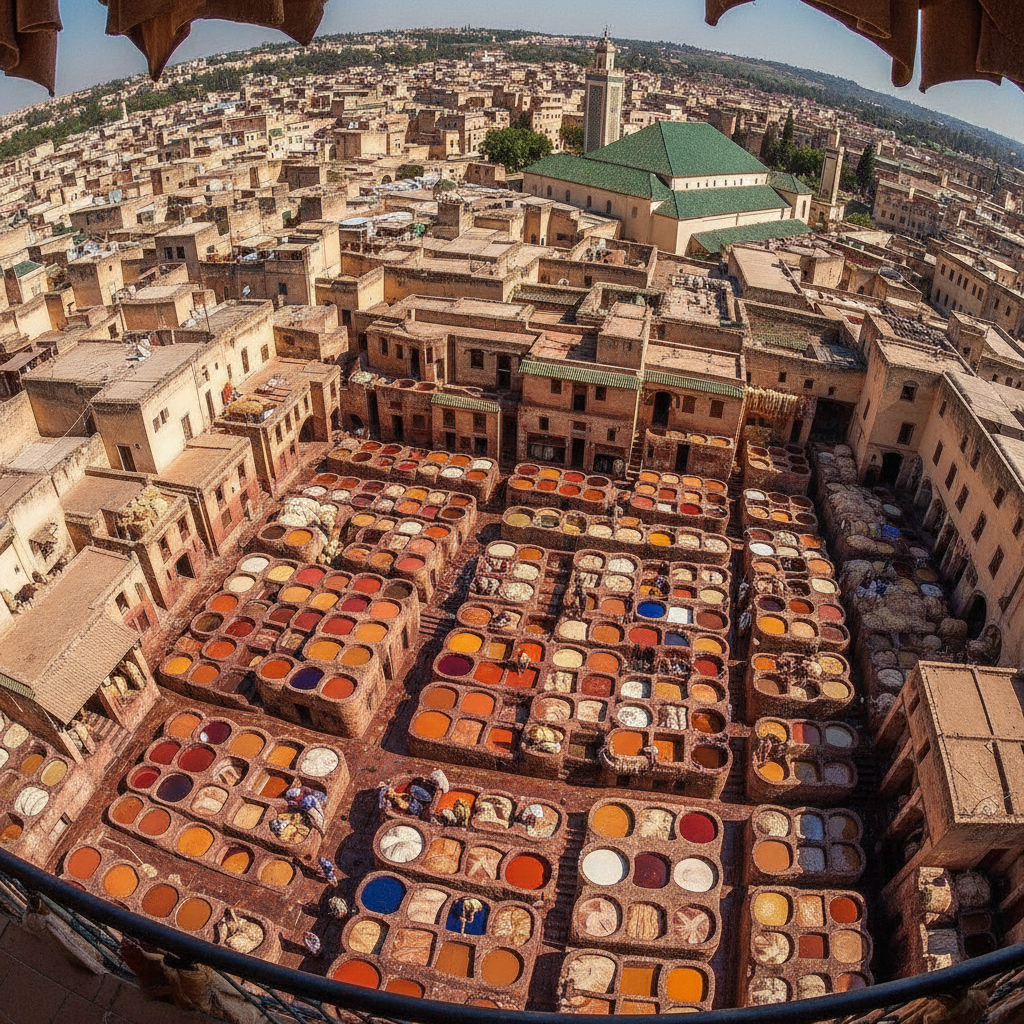
The Fes el-Bali Medina Is the Largest Car-Free Urban Area in the World With 9,000 Streets and 150,000 Inhabitants; The University of al-Qarawiyyin Founded in 859 CE by Fatima al-Fihri Is the Oldest Continuously Operating University in the World; The Chouara Tannery Uses Pigeon Dung as an Ammonia Source to Soften Hides in a Process Unchanged Since the Medieval Period
The Fes Festival of World Sacred Music Founded in 1994 Presents Sufi, Gnawa, Gregorian, Jewish, Hindu, and Buddhist Sacred Music in Venues Within the 1,200-Year-Old Medina; The Almohad Dynasty (1147-1244) Was the Most Hostile to Jews in Moroccan History Forcing Conversion or Emigration and Driving Fassi Jews to Flee to Christian Spain; The Fes Medina Has No Single Tourist Focal Square Like Marrakech's Djemaa el-Fna Making It More Authentically Urban and Less Tourist-Organized
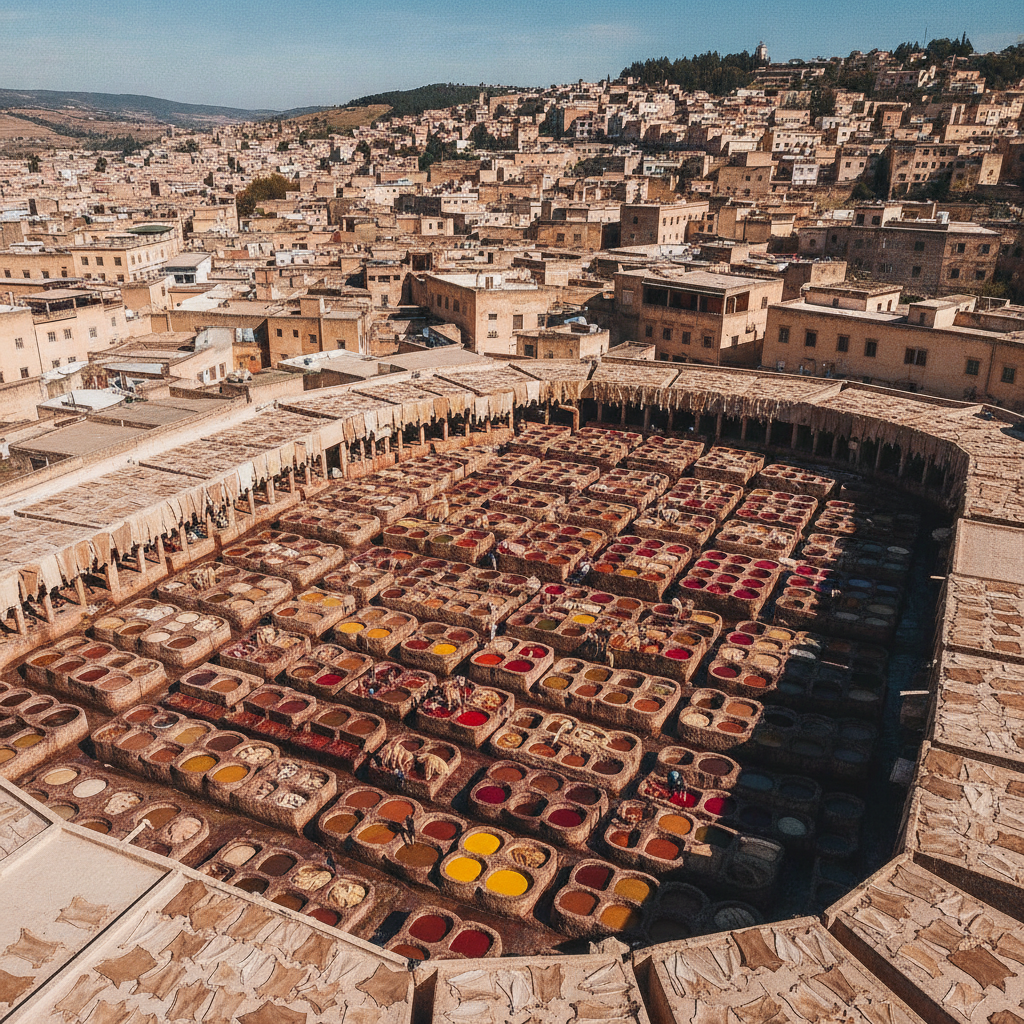
Fes Essential: Fes el-Bali the World Oldest Living Medina, the Bou Inania Madrasa, al-Qarawiyyin University, the Chouara Tanneries, the Blue Gate, and the Medieval City Character
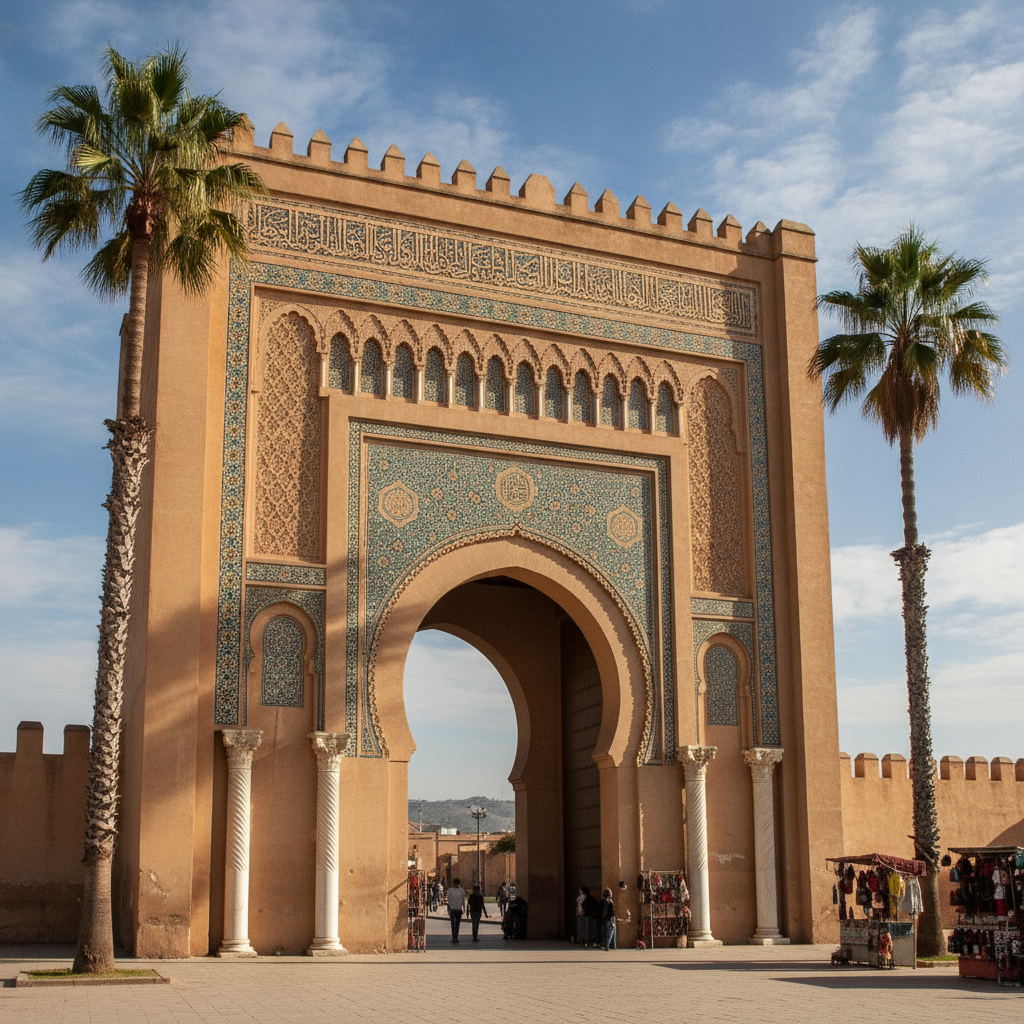
Fes History: The Idrisid Foundation, the Marinid Golden Age, the Wattasid and Saadian Decline, the Alaouite Revival, the French Protectorate, and the Contemporary Fes Identity