Fes Practical: Train from Casablanca and Marrakech, the Medina Riad Experience, the Optimal Visit Duration, the Morocco Grand Circuit, and the Departure Summary
The Fes practical route covers the train connections from Casablanca and Marrakech, the medina riad accommodation as the optimal Fes base, the optimal 3-day visit structure, the Fes position in the complete Morocco grand circuit, and the departure summary of Fes as the most intellectually rewarding Moroccan destination.
- 1
Fes by Train: The Morocco Rail Network
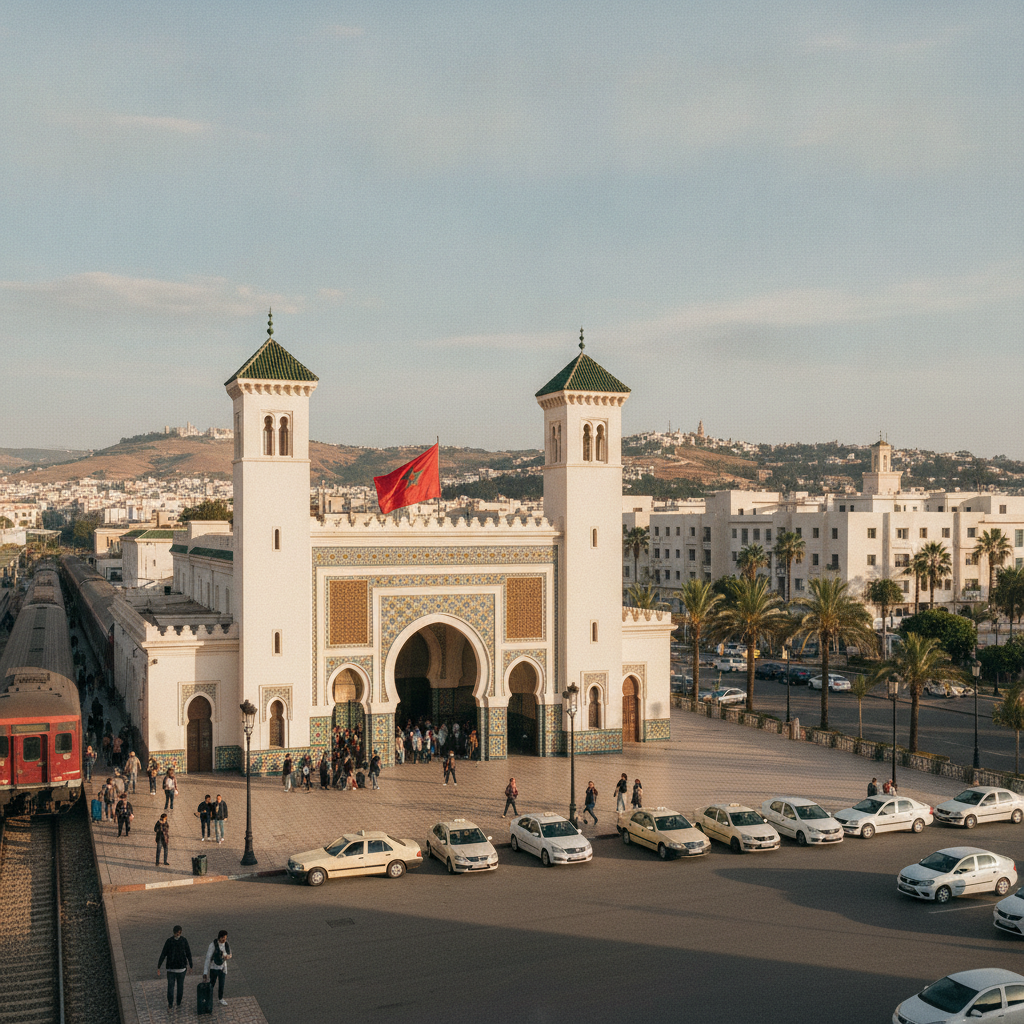
The Fes train station connects directly to Casablanca (3 hours 50 minutes by the ONCF Tanger-Marrakech express), Rabat (2 hours 30 minutes), and Meknes (45 minutes) and requires a change at Sidi Kacem for the Marrakech service (total 7 to 8 hours). The Fes train station is 10 minutes from the medina by petit taxi and the ONCF rail service is the most comfortable single intercity transport in Morocco with the most reliable departure time adherence. The Casablanca Airport to Fes train via Casa Voyageurs is the most efficient single direct connection from the main international entry point to the most historically significant Moroccan destination.
- 2
Fes Medina Riad: The Optimal Accommodation
The Fes medina riad accommodation is the most immersive single accommodation experience in Morocco because the Fes medina riad, unlike the Marrakech riad that has been heavily commercialized, still includes a significant proportion of the family-run original riads (the Riad Laaroussa, the Riad Salama, the Dar Bensouda) where the host family lives in the upper floor while the guest rooms occupy the former reception rooms. The riad breakfast on the terrace with the medina morning soundscape of the muezzin and the donkey traffic and the Merenid Tomb view is the single most atmospheric morning meal in Morocco.
- 3
Optimal Fes Visit: The Three-Day Structure
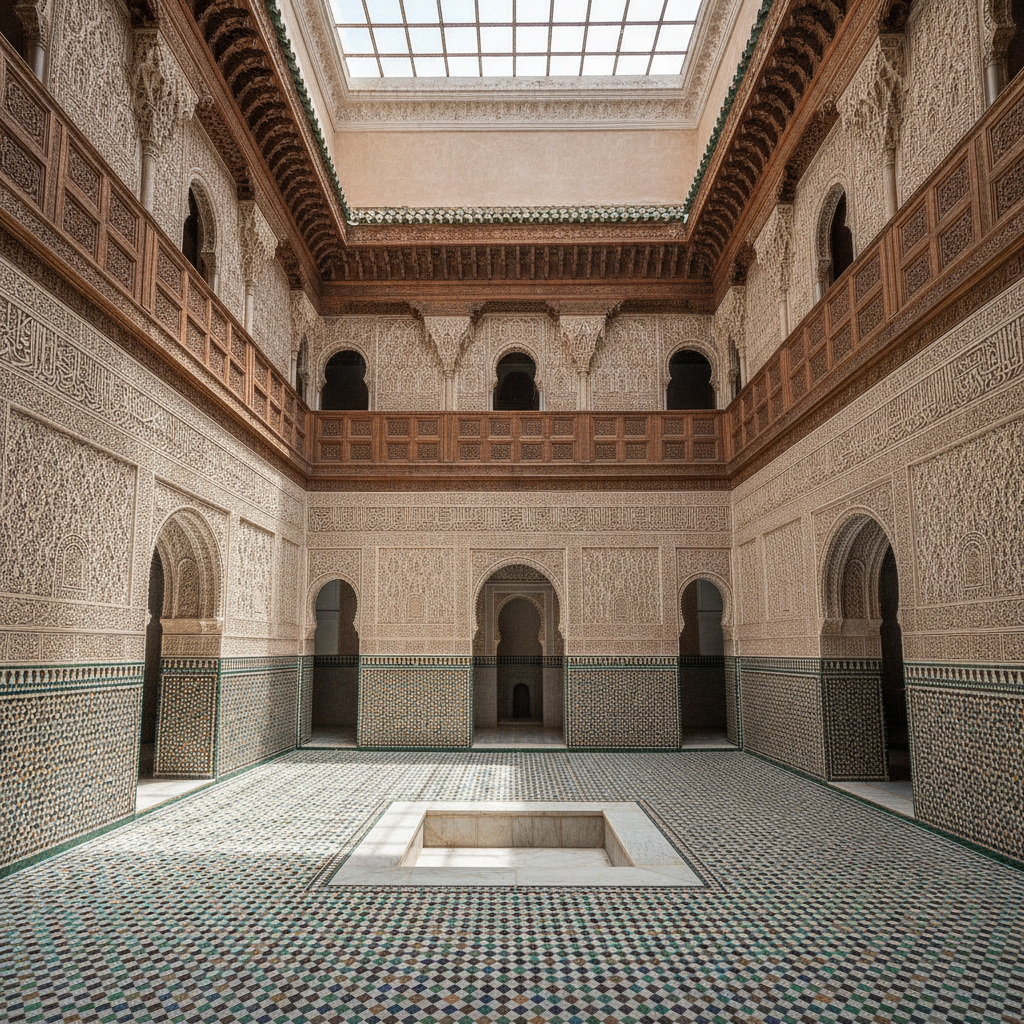
The optimal Fes visit structure for the first-time visitor is: Day 1 the north medina circuit (Bab Bou Jeloud, Bou Inania Madrasa, the Talaa Kebira, the tannery view, the Al-Attarine Madrasa, the al-Qarawiyyin doorway), Day 2 the south medina and the Andalusian quarter plus the Merenid Tombs sunset, Day 3 the Volubilis and Moulay Idriss day trip with the Meknes Bab Mansour gate stop. This 3-day structure covers the most complete single introduction to Fes without the inevitable direction repetition that the medina navigation complexity creates in the unstructured visit.
- 4
Morocco Grand Circuit: Fes Position
The Morocco Grand Circuit from Casablanca through Rabat, Meknes, Fes, the Middle Atlas, the Sahara desert at Merzouga, the Dades and the Draa valley, Ouarzazate, Marrakech, Essaouira, and back to Casablanca of 10 to 14 days is the most geographically complete single Morocco travel itinerary and the circuit that most comprehensively demonstrates the Moroccan landscape diversity from the Atlantic coast to the Sahara. Fes is the most historically justified single entry point for the Grand Circuit beginning because the Fes medina experience sets the highest single cultural baseline from which every subsequent Moroccan city is evaluated.
- 5
Meknes: The Forgotten Imperial Capital Day Trip
Meknes, 60 kilometers from Fes and accessible by the frequent shuttle taxi (grand taxi), is the least internationally visited of the four Moroccan imperial capitals but contains the most monumental single city gate in Morocco - the Bab Mansour el-Aleuj gate with the Marinid marble columns and the most elaborate single zellige and stucco gateway composition in North Africa. The Meknes day trip from Fes visiting the Bab Mansour, the Moulay Ismail Mausoleum, the Heri es-Souani granary ruin, and the Volubilis Roman city is the most completely historical single day excursion available from the Fes base.
- 6
Fes Departure: The Intellectual Capital Summary
Fes, the oldest of the four Moroccan imperial capitals and the only one that has maintained the complete medieval urban fabric from its foundation, is the most intellectually rewarding single destination in Morocco because the depth of the historical layering - from the 789 AD Idrisid foundation through the 14th century Marinid golden age to the living craft tradition of the zellige, the leather, and the silk - is the most concentrated single introduction to the Islamic urban civilization available anywhere in the Mediterranean world. The visitor who leaves Fes understands Morocco more completely than any other single city departure can provide.
Walk this route with audio
Stories play automatically as you reach each stop — no tapping needed.
More in Fes
Morocco's King Bears the Title Amir al-Muminin (Commander of the Faithful) Giving the Moroccan Monarchy a Unique Theocratic Religious Legitimacy Distinct From All Other Arab Monarchies; The Andalusian Music Tradition al-Ala Was Brought to Fes by Refugees From the 1492 Expulsion of Muslims and Jews From Spain and Is Still Performed in Three Regional Schools; Fes Is Arguably the Most Important Single City in the Spiritual Life of West African Islam Through the Tijaniyya Sufi Order With 100-150 Million Adherents
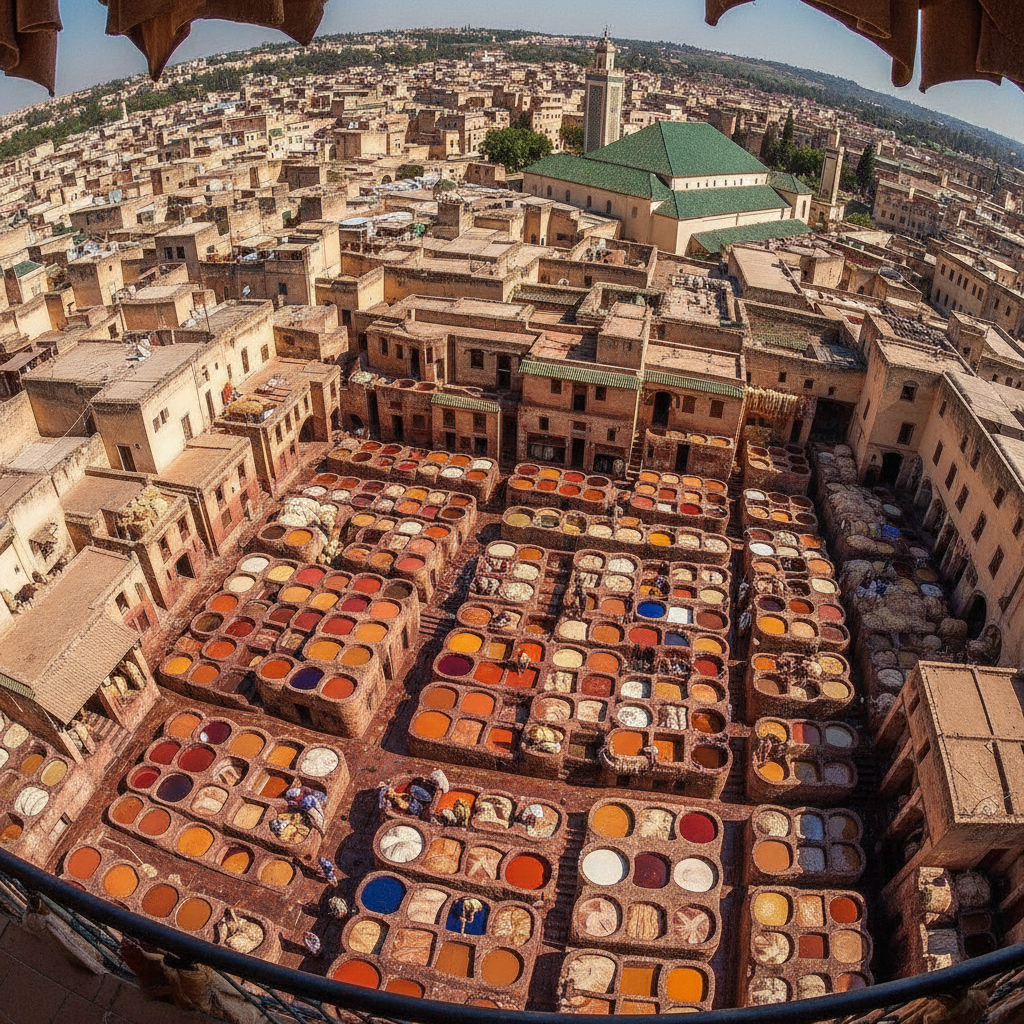
The Fes el-Bali Medina Is the Largest Car-Free Urban Area in the World With 9,000 Streets and 150,000 Inhabitants; The University of al-Qarawiyyin Founded in 859 CE by Fatima al-Fihri Is the Oldest Continuously Operating University in the World; The Chouara Tannery Uses Pigeon Dung as an Ammonia Source to Soften Hides in a Process Unchanged Since the Medieval Period
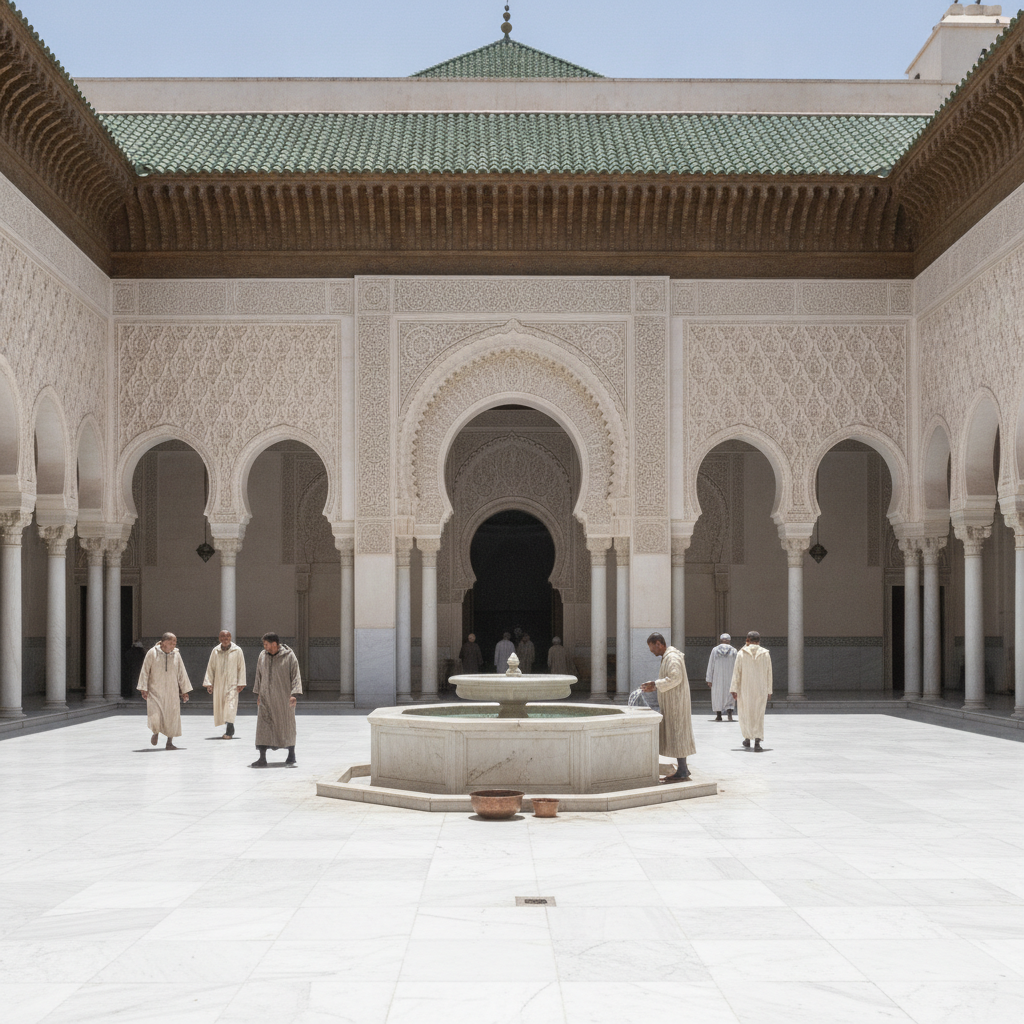
The Fes Festival of World Sacred Music Founded in 1994 Presents Sufi, Gnawa, Gregorian, Jewish, Hindu, and Buddhist Sacred Music in Venues Within the 1,200-Year-Old Medina; The Almohad Dynasty (1147-1244) Was the Most Hostile to Jews in Moroccan History Forcing Conversion or Emigration and Driving Fassi Jews to Flee to Christian Spain; The Fes Medina Has No Single Tourist Focal Square Like Marrakech's Djemaa el-Fna Making It More Authentically Urban and Less Tourist-Organized
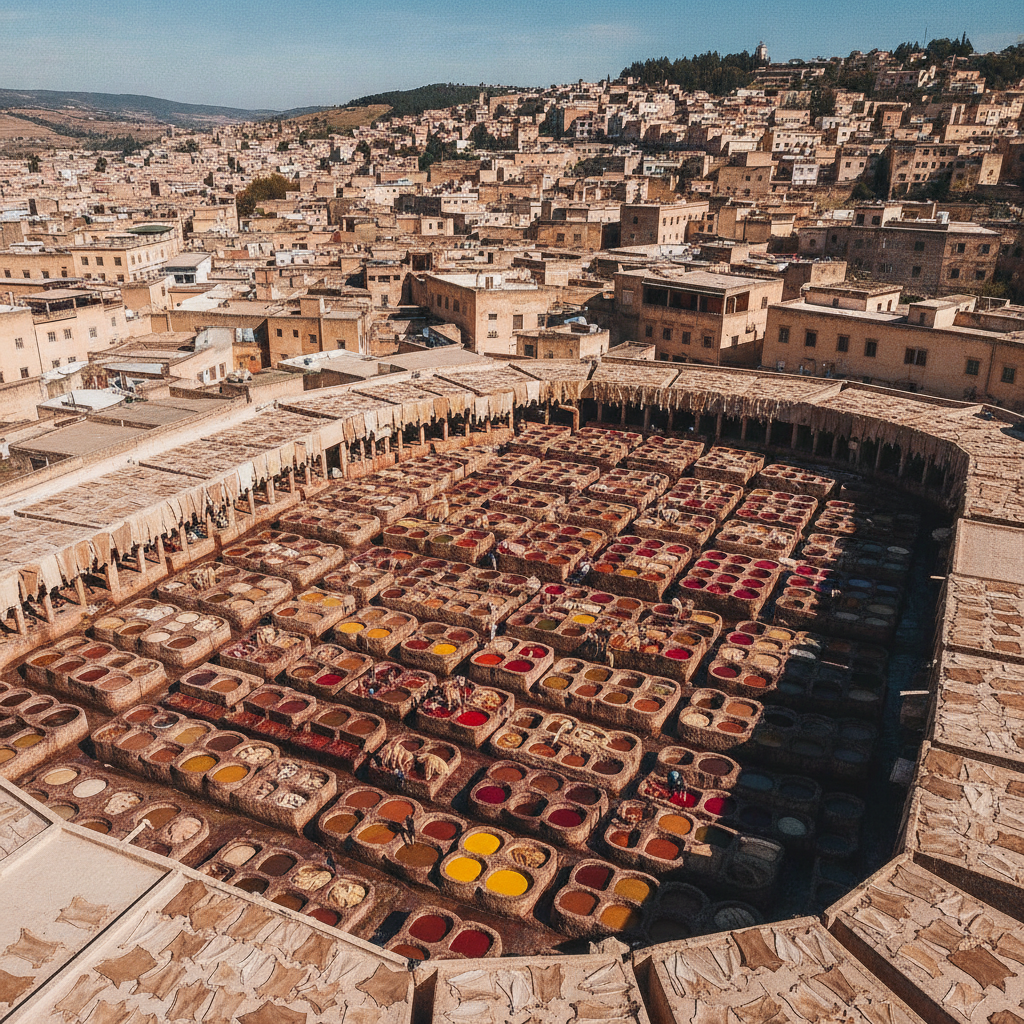
Fes Essential: Fes el-Bali the World Oldest Living Medina, the Bou Inania Madrasa, al-Qarawiyyin University, the Chouara Tanneries, the Blue Gate, and the Medieval City Character
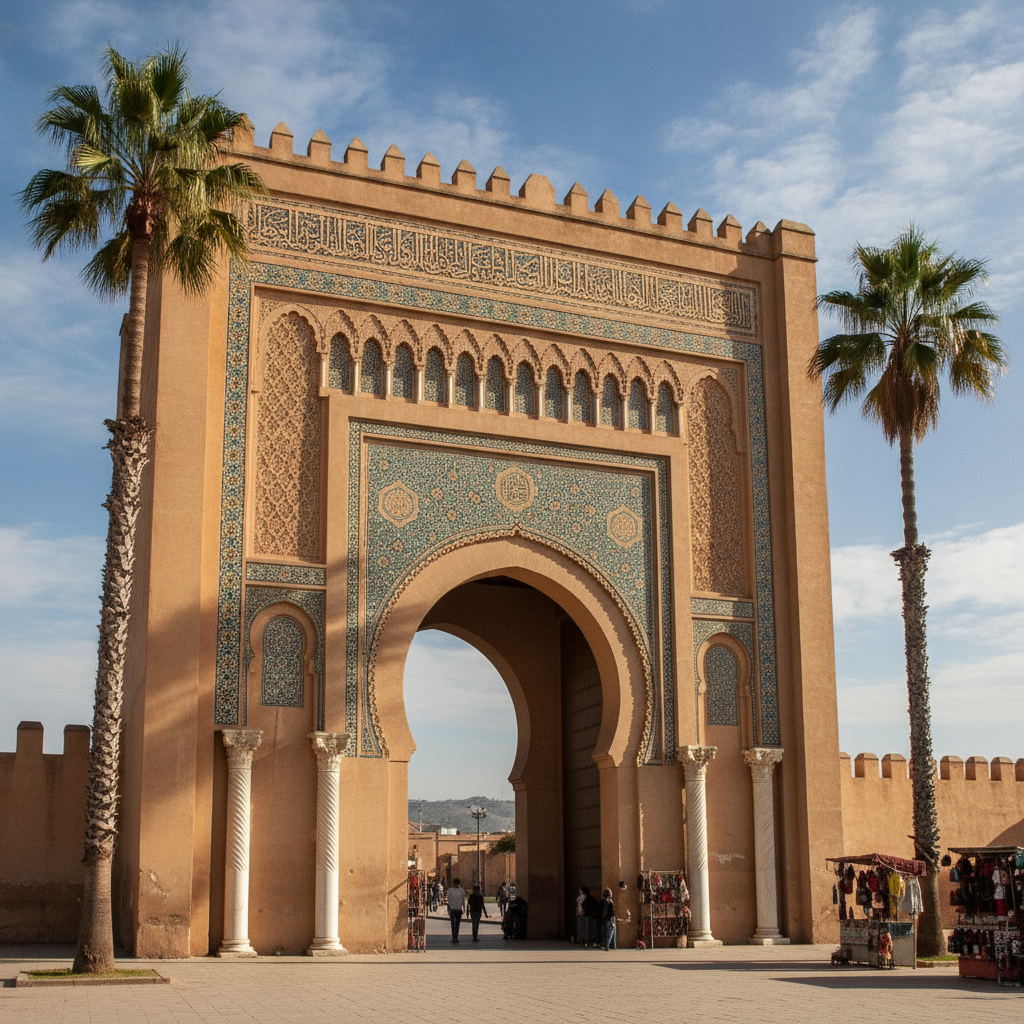
Fes History: The Idrisid Foundation, the Marinid Golden Age, the Wattasid and Saadian Decline, the Alaouite Revival, the French Protectorate, and the Contemporary Fes Identity