Ceara Natural Wonders: Stone Arches, Freshwater Lagoons, Cave Systems, and Cloud Forest
The natural landscapes of Ceara state extend far beyond the famous beaches to include the advancing dunes burying Tatajuba, the freshwater lagoons inland from Jericoacoara, the cave systems of Ubajara, and the cloud forest highlands of the Serra da Ibiapaba.
- 1
Tatajuba: The Village the Dunes Are Consuming
Tatajuba, a small fishing community on the Ceara coast that is being gradually covered by advancing sand dunes, is the most dramatic visible example of the dune migration processes of the Brazilian northeast coast and a destination for beach buggy excursions from Jericoacoara. The partially buried houses and the community's negotiation with the advancing dune create a landscape simultaneously geological and human.
- 2
Pedra Furada: The Arch Rock of Jericoacoara
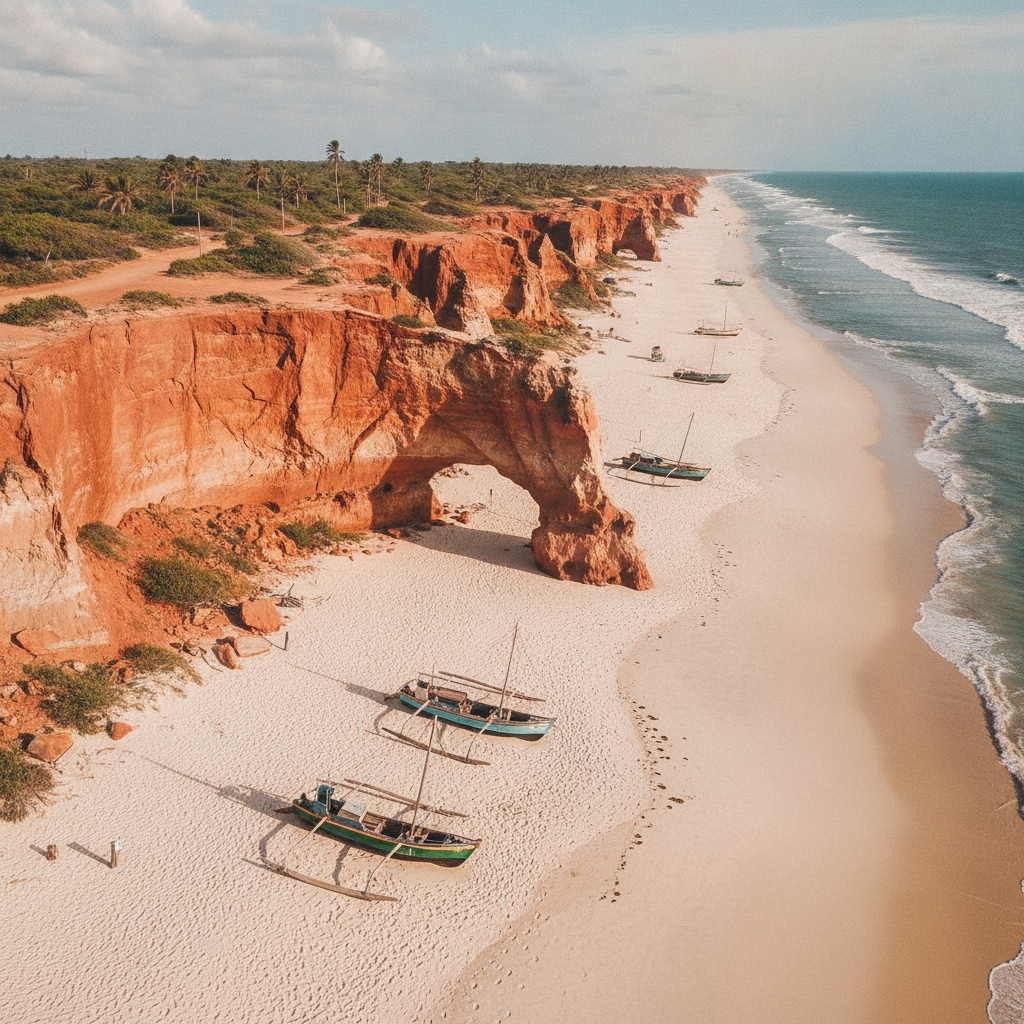
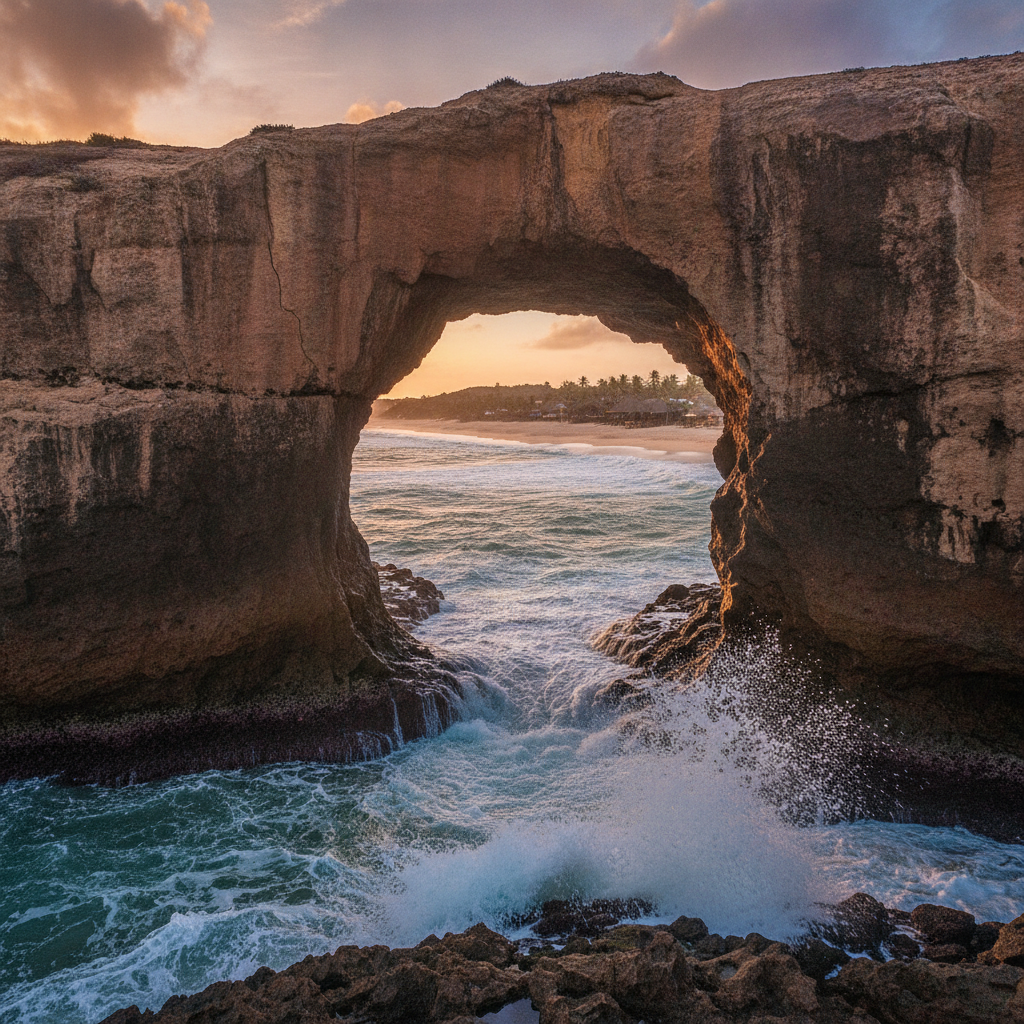
Pedra Furada, the natural stone arch on the headland east of Jericoacoara village, is one of the iconic images of the Brazilian northeast and the viewpoint for the eastern side of the Jericoacoara bay. The arch is accessible by foot from the village at low tide and serves as the secondary sunset viewpoint for those who prefer the quieter side of the headland.
- 3
Lagoa Azul and Lagoa do Paraiso: The Inland Lagoons
The freshwater lagoons accessible by buggy excursion from Jericoacoara, including Lagoa Azul and Lagoa do Paraiso, are formed in the valleys between the coastal dunes by the annual rainfall percolating through the sand. The calm, warm, clear blue water of the lagoons, surrounded by dunes and palm trees, provides a swimming experience quite different from the wind-driven ocean beach and is particularly popular with children.
- 4
Camocim and the Barrinhas Lagoon
Camocim on the western end of the Ceara coast, accessible by boat from Jericoacoara, is a functional fishing port at the mouth of the Corea River with a lagoon landscape of calm water, mangroves, and sand banks that provides an alternative to the ocean beach environment. The transition from the Ceara coast to the Maranhao coast at this western edge of the state is marked by changes in the landscape from open dune fields to the more enclosed estuary environments.
- 5
Ubajara National Park: The Serra Cave
Ubajara National Park in the Serra da Ibiapaba range in the western interior of Ceara state protects the Ubajara cave system, accessible by cable car from the park entrance and notable for its stalactite and stalagmite formations in a humid forest environment completely different from the coastal dune landscape. The park represents the diversity of natural environments within Ceara state beyond the dominant beach tourism image.
- 6
Chapada da Ibiapaba: The Cloud Forest Highlands
The Serra da Ibiapaba plateau on the Ceara-Piaui border, rising to approximately 900 meters above sea level, supports a cloud forest ecosystem that is a biological island of humid forest in the semi-arid caatinga environment of the northeastern interior. The cooler temperatures and the cloud forest vegetation of the plateau create a landscape completely different from the coast and the caatinga and provide a respite from the heat of the coastal lowlands.
Walk this route with audio
Stories play automatically as you reach each stop — no tapping needed.
More in Fortaleza
Fortaleza Practical Guide: Getting There, When to Visit, Neighborhoods, and Coastal Transport
Ceara Coastline: Kite Surfing, Lencois Maranhenses, and the White Dune Coast
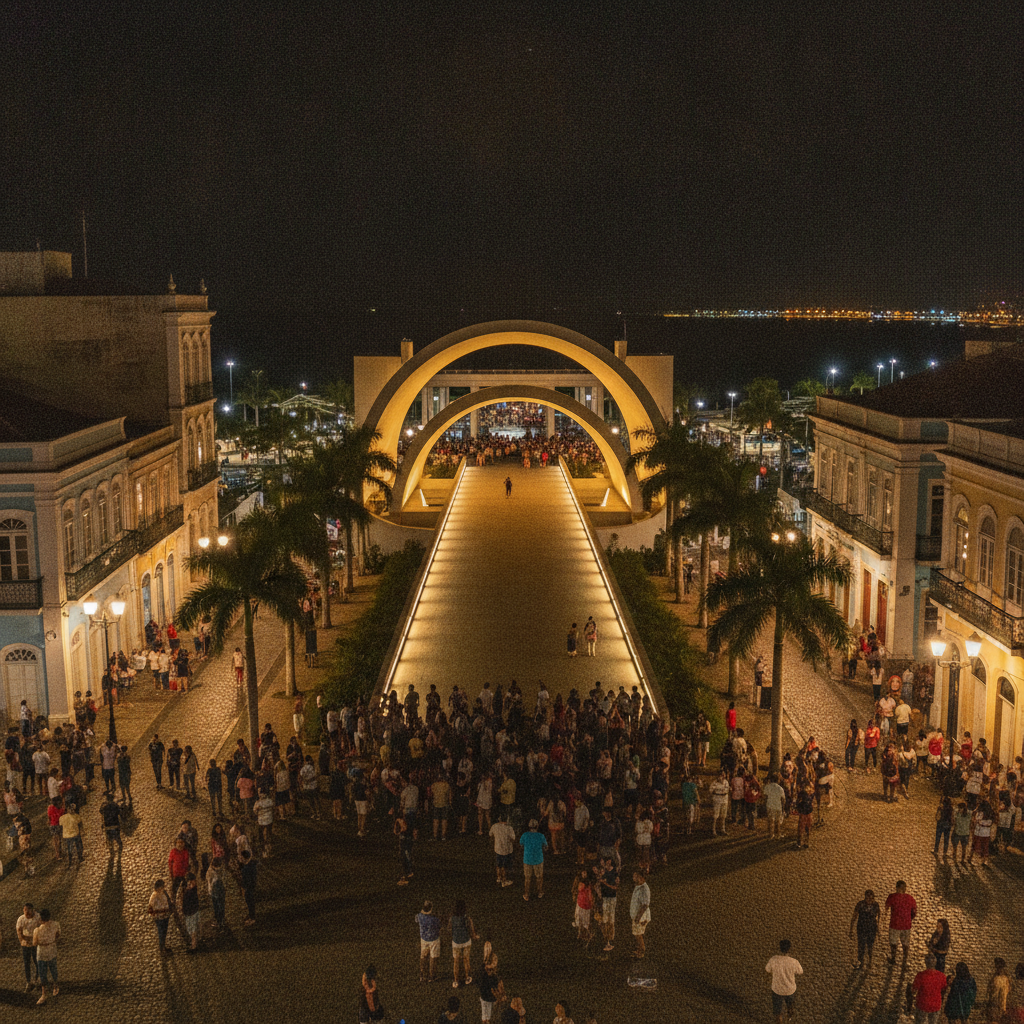
Fortaleza Arts and Culture: Dragao do Mar, the Iron Theater, Northeast Carnival, and Padre Cicero
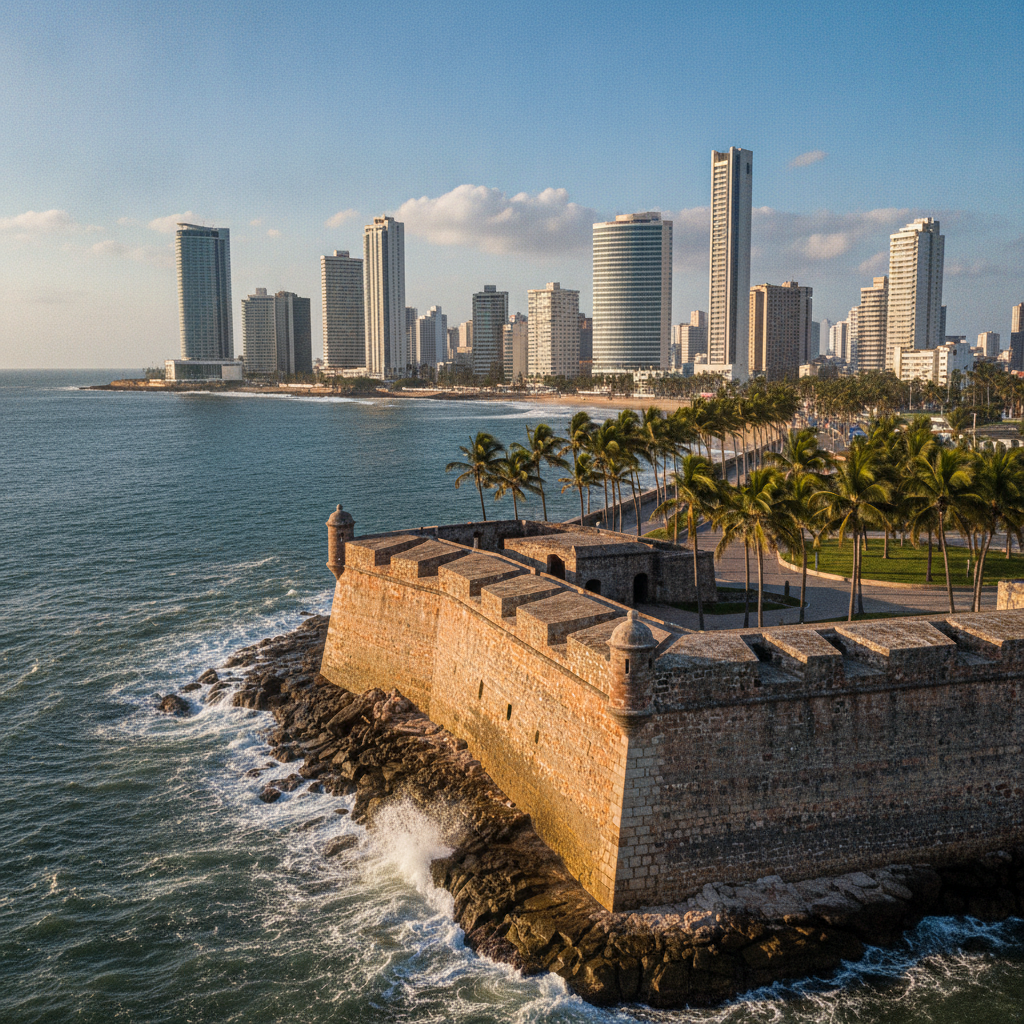
Fortaleza History: The Dutch Fort, the Great Drought, and the Capital of Brazilian Abolition
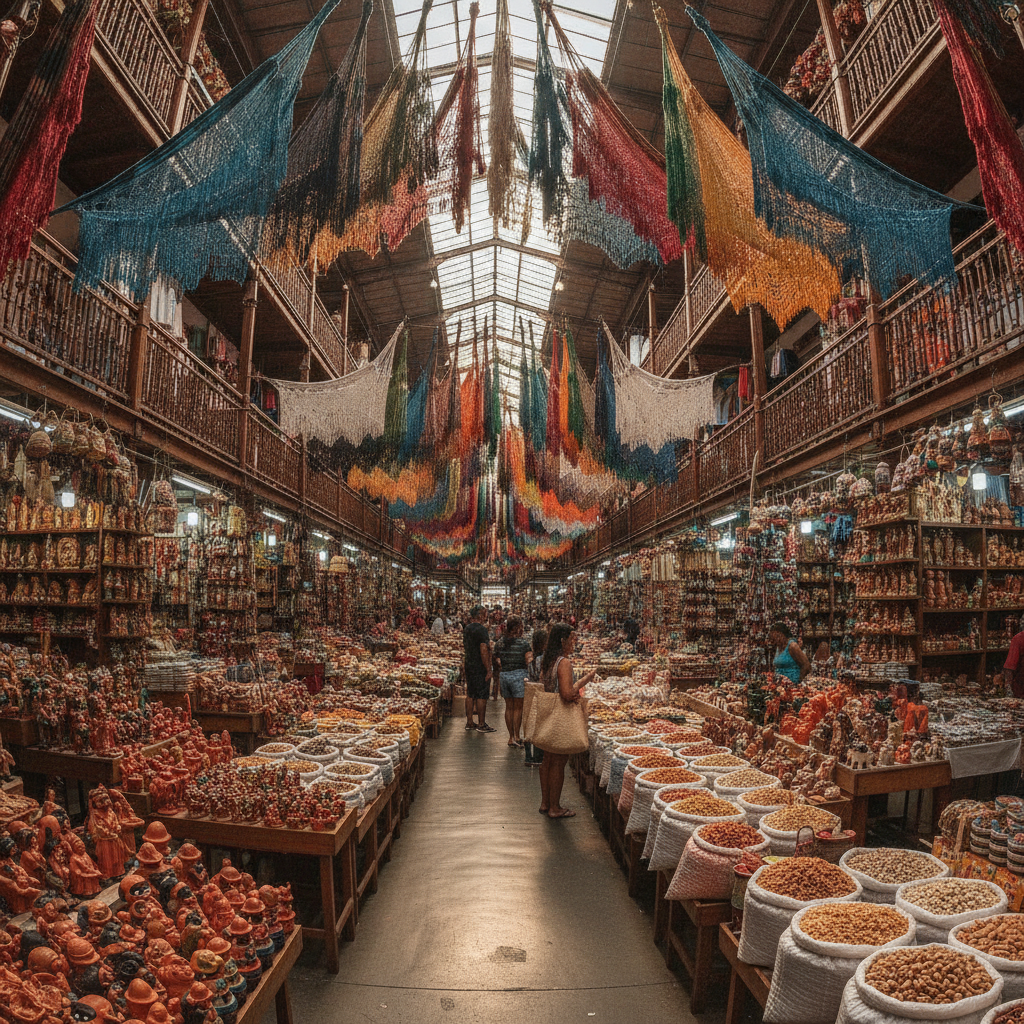
Fortaleza Food and Culture: Carne de Sol, Cashew, Forro Music, and Northeast Crafts