Ipoh Tin Mining Heritage Walk
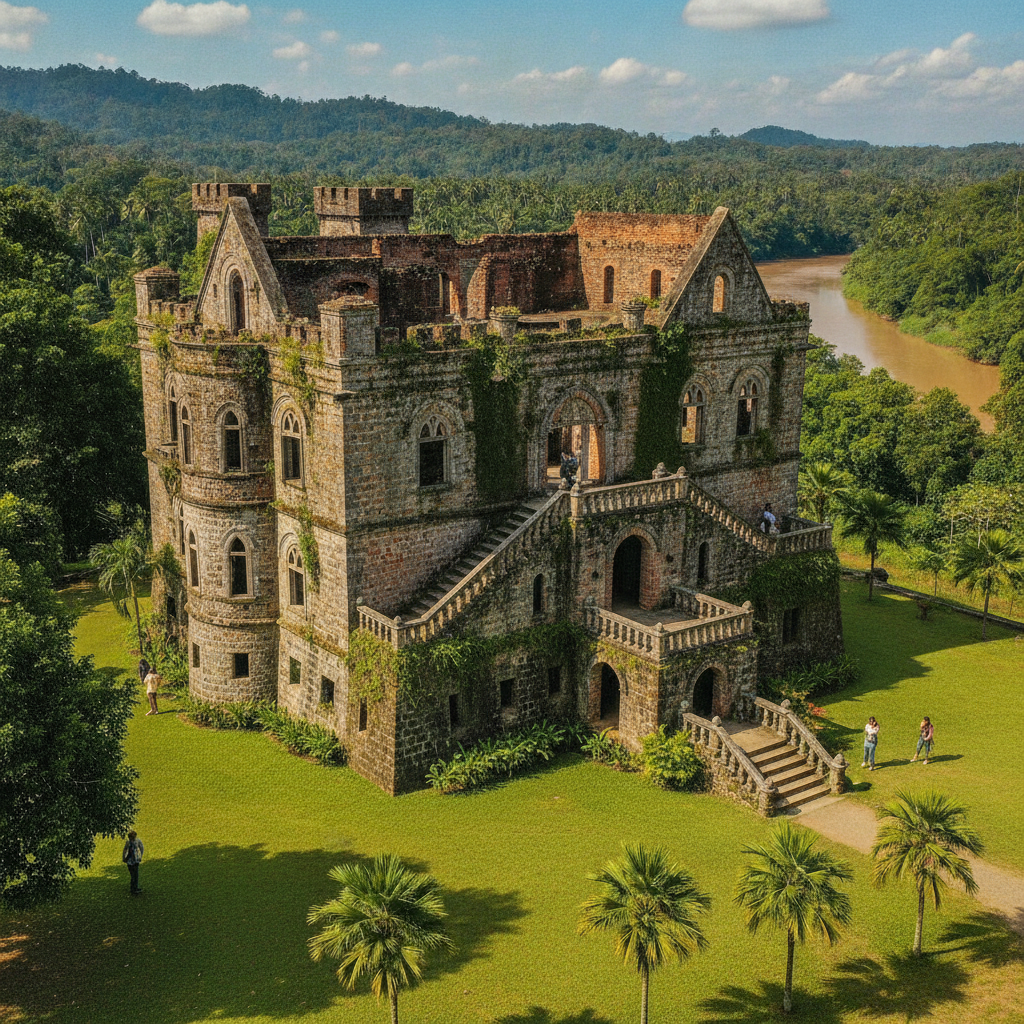
Trace the tin mining history that made Ipoh Malaysia's wealthiest colonial city — the Kinta Valley around Ipoh produced half the world's tin supply at the peak of the tin mining era (1880s-1930s), creating the wealth that built the colonial architecture of the old town and the mansions of the Chinese tin mining towkays.
- 1
Ipoh Town Hall Colonial Architecture
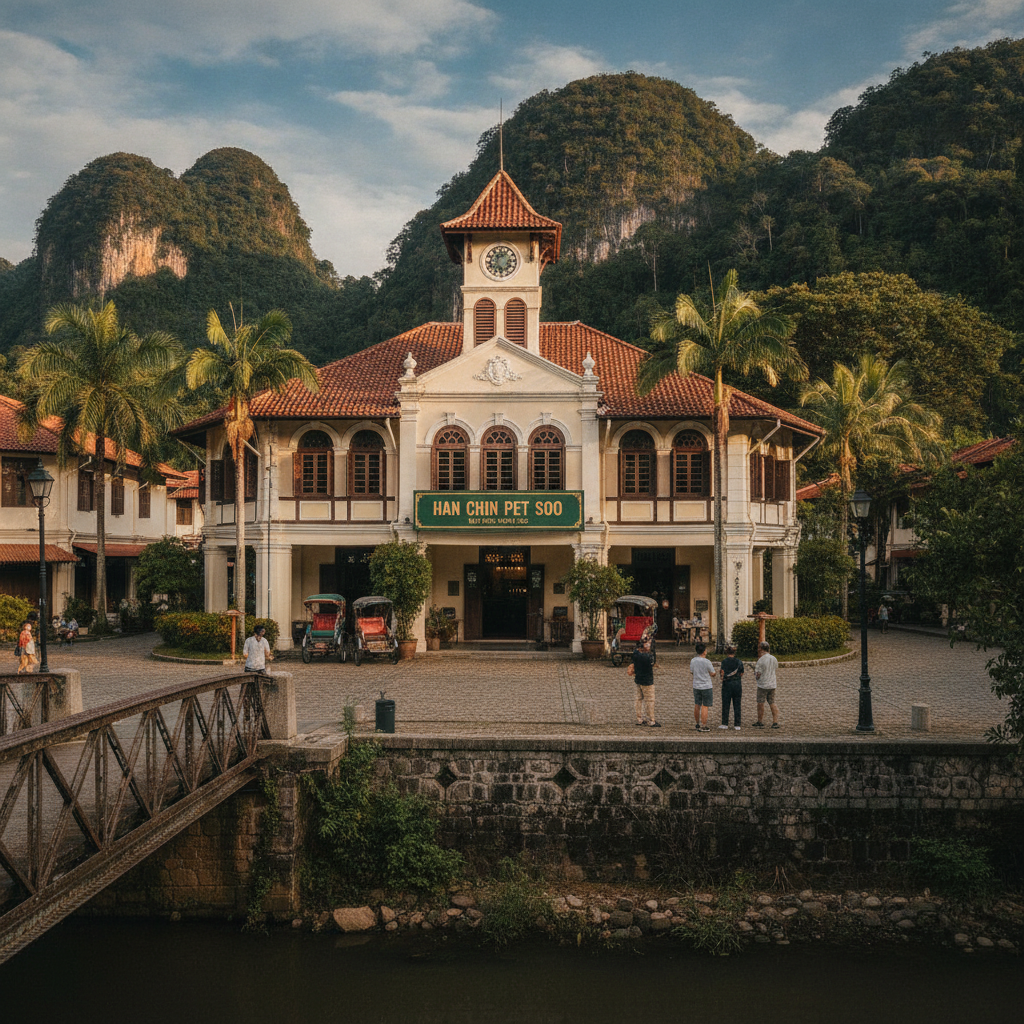
The Ipoh Town Hall (1916) and the surrounding colonial buildings in the administrative centre of old Ipoh document the ambitions of a British colonial administration funded by extraordinary tin mining wealth — the Moorish-influenced colonial architecture of the public buildings built by the architectural firm of A.B. Hubback demonstrates the eclectic style favoured in the Federated Malay States at the height of colonial prosperity. The scale and quality of Ipoh's colonial public buildings, comparable in ambition to the contemporary buildings in Singapore and Kuala Lumpur, reflects the position of the Kinta Valley as the most productive tin mining area in the world.
- 2
Tin Mining Legacy
The tin that made Ipoh wealthy came from the alluvial deposits in the Kinta Valley — the tin-bearing gravel deposited in the valley by the erosion of the surrounding hills over millions of years was accessible by hydraulic sluicing (using high-pressure water jets to break up the ground) and by the bucket dredges that excavated the valley floor, leaving the distinctive mining pond landscape that still covers much of the Kinta Valley today. The tin mining industry at its peak employed tens of thousands of Chinese labourers imported through the coolie trade system, creating the large Cantonese and Hakka Chinese community that defines contemporary Ipoh's demographic character.
- 3
Chinese Clan Houses Ipoh
The Chinese clan houses (kongsi) of Ipoh's old town were the social and financial institutions of the tin mining Chinese community — the clan associations organised along dialect group lines (Cantonese, Hakka, Hailanese) provided the social welfare, dispute resolution, and community governance functions for the Chinese miners who had no access to the British colonial legal and social system. The clan house buildings in the old town, with their ceremonial halls, ancestral tablets, and the association offices that continue to function in some cases, document the self-governing social structure of the immigrant Chinese mining community.
- 4
Birch Memorial and Perak War
The Perak War (1875-1876) that followed the assassination of British Resident J.W.W. Birch was the event that established British control over the tin-rich Kinta Valley — the conflict between the British colonial administration and the Malay chiefs who resisted the imposition of British political control over the revenues of the tin trade was resolved by a British military expedition that defeated the Malay resistance and established the Residential system under which British advisors controlled state policy while the Malay sultan retained ceremonial authority. The outcome of the Perak War defined the political framework within which Ipoh's tin mining boom occurred.
- 5
Mining Ponds Landscape
The former tin mining ponds that cover much of the Kinta Valley around Ipoh have become one of the most distinctive landscape features of the city's surroundings — the shallow lakes created by the bucket dredge excavation of the valley floor have been partially developed as fish farms, recreational parks, and golf course water features, while others remain as undeveloped wetlands that have become important habitats for migratory birds. The Birdwatching Club of Malaysia has identified the Ipoh mining ponds as one of the most important wetland sites for migratory wader birds in Peninsular Malaysia, with species from Siberia and China using the artificial wetlands as a staging post during their annual migration.
- 6
Geological Museum Ipoh
The Geological Museum of Malaysia in Ipoh (near the Department of Mineral and Geoscience) houses one of the most comprehensive collections of Malaysian minerals, gemstones, and geological specimens — the museum's tin ore collection and the documentation of the geological history of the Kinta Valley tin deposits provides the scientific context for the economic history that the colonial buildings and clan houses document from the human perspective. The museum's specimens include the cassiterite (tin ore) crystals, the associated minerals, and the geological maps that document the distribution of tin deposits that made the Kinta Valley the most productive tin mining region in the world.
Walk this route with audio
Stories play automatically as you reach each stop — no tapping needed.