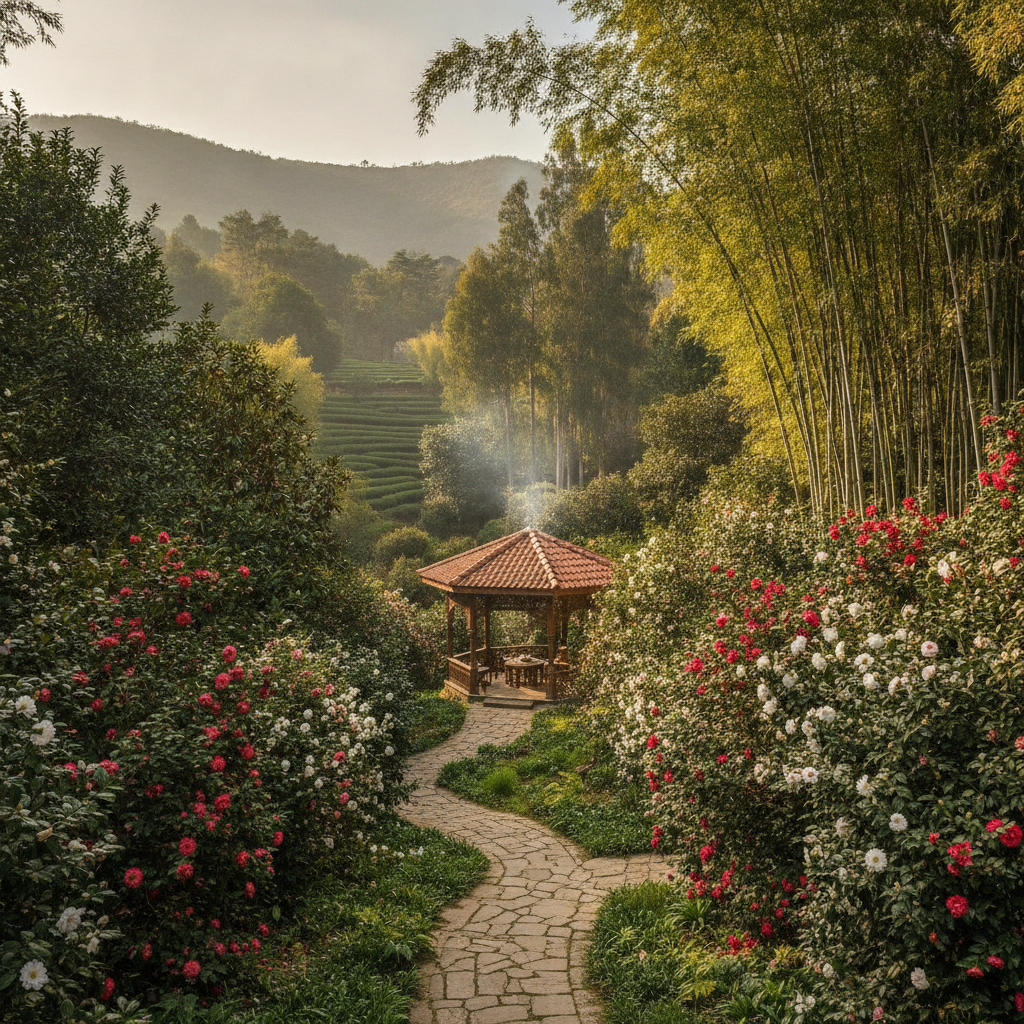
Subtropical Gardens and Lankaran Tea Culture
Discover the subtropical character of the Lankaran region through its gardens and tea plantations, where the warm humid climate — the most subtropical in Azerbaijan — supports a vegetation of citrus, tea, and exotic plants that gives this corner of the Caspian coast a distinctly southern feel.
- 1
Lankaran Botanical Garden
Explore the Lankaran Botanical Garden where the subtropical climate allows the cultivation of species from across the warm temperate world — camellias, bamboos, eucalyptus, and the Caucasian subtropical flora — in a living demonstration of the exceptional biodiversity potential of this climatic zone.
- 2
Tea Plantation
Visit one of the surviving tea plantations in the Lankaran foothills where Camellia sinensis tea bushes are cultivated in the moist cool mountain conditions, the Azerbaijan tea industry having been established in the Soviet era to reduce dependency on Georgian and Chinese tea imports.
- 3
Tea Processing Factory
Tour a tea processing facility where the harvested leaves are withered, rolled, oxidized, and dried to produce black tea in the traditional method, the factory operation representing the industrial heritage of Soviet agricultural planning that brought tea cultivation to Soviet Azerbaijan.
- 4
Citrus Orchards
Walk through the citrus orchards near Lankaran where lemon, mandarin, and orange trees grow in the mild winter climate of the Talysh foothills, the citrus production that thrives here being possible only in this corner of Azerbaijan where frost is rare and rainfall is abundant.
- 5
Lotus Lake
Visit one of the lotus lakes near Lankaran where the sacred lotus (Nelumbo nucifera) naturalized in the warm shallow coastal lagoons creates spectacular floral displays in late summer, the pink blooms rising above the water in one of the most unexpected natural spectacles in Azerbaijan.
- 6
Subtropical Evening
Experience a warm subtropical evening in Lankaran where the combination of Caspian sea breeze, the scent of subtropical vegetation, and the mild temperatures produces an atmospheric environment unlike anywhere else in Azerbaijan, explaining why this region attracts Azerbaijanis seeking a warmer, greener alternative to Baku.
Walk this route with audio
Stories play automatically as you reach each stop — no tapping needed.
More in lankaran
Bird Watching Caspian Wetlands and Migratory Species
Lankaran Rice Paddies Traditional Agriculture

Lankaran Old Fortress and Russian Imperial History
Astara Border Town and Iranian Cultural Influence
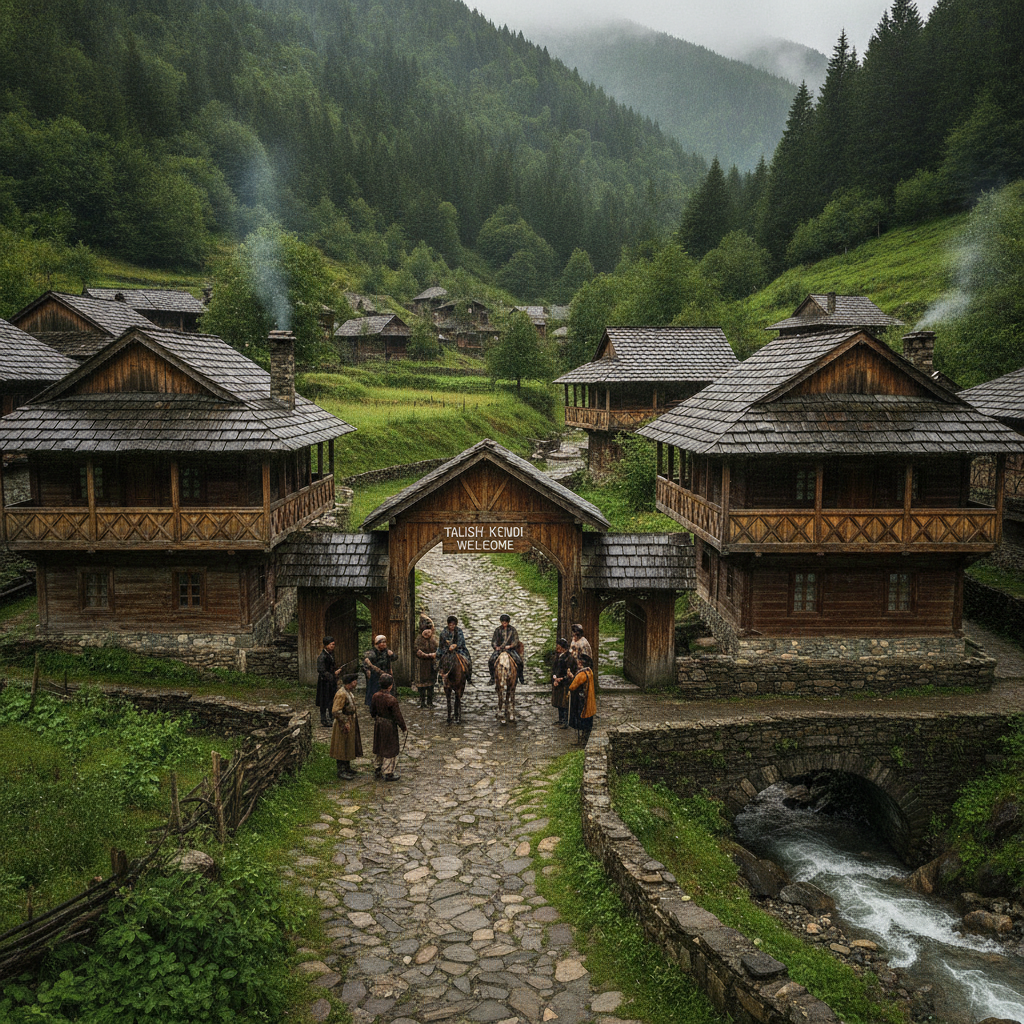
Talysh Mountain Culture and People