Talysh Mountain Culture and People
Discover the distinctive culture of the Talysh people in the mountains above Lankaran, an ancient Iranian-speaking ethnic group whose language, traditions, music, and way of life represent one of the most culturally distinctive communities in Azerbaijan.
- 1
Talysh Village Entry
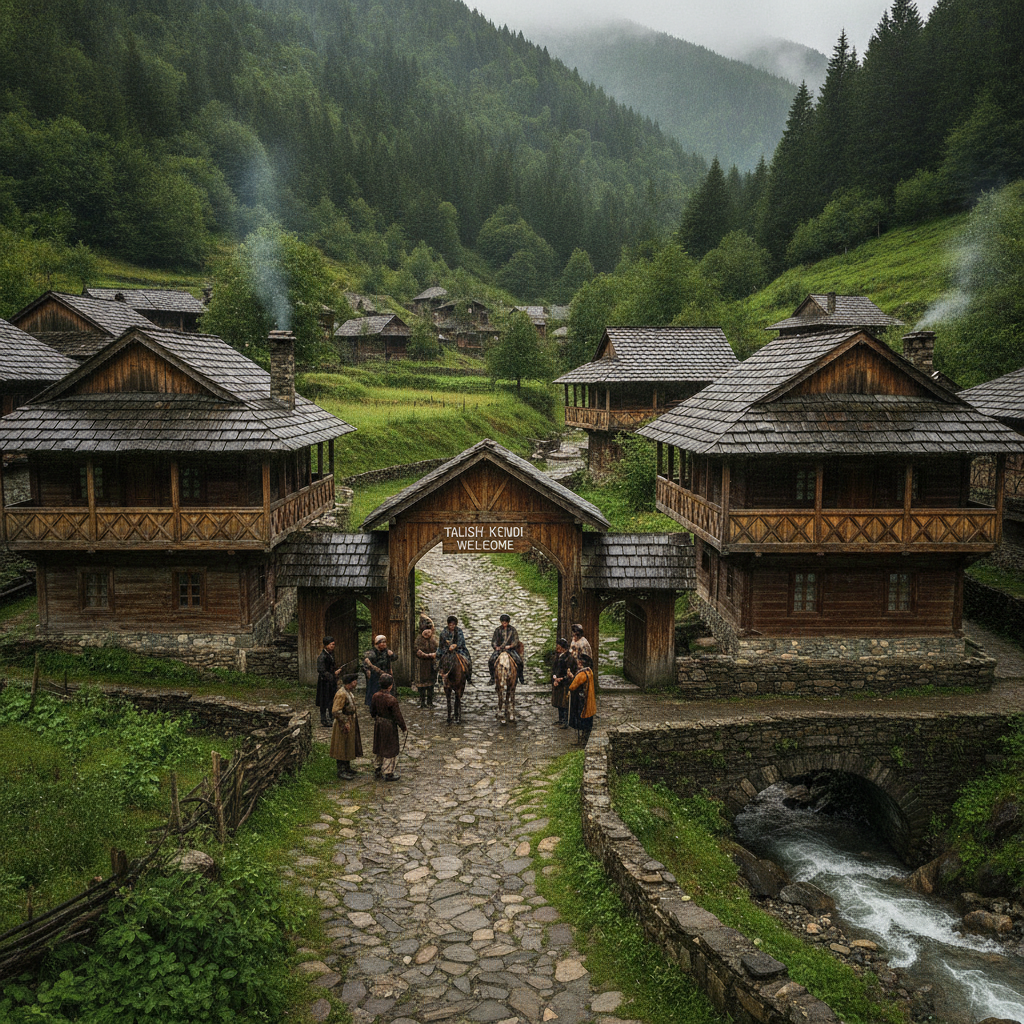
Enter a Talysh mountain village above Lankaran where the distinctive architecture of wooden houses with steeply pitched roofs adapted to the heavy rainfall of these mountains creates a visual environment quite different from the rest of Azerbaijan.
- 2
Talysh Language Encounter
Hear the Talysh language spoken by village elders — an Iranian language more closely related to Persian than to Azerbaijani Turkic — a reminder that the Talysh people represent a pre-Turkic population of the Caspian coast whose cultural roots extend to the ancient Iranian civilization.
- 3
Traditional Music
Listen to Talysh traditional music where the tar and kamancha string instruments produce melodies with modal scales and ornamental styles that reflect the Persian musical heritage of this community, distinct from the Turkic-influenced music of most Azerbaijani folk traditions.
- 4
Craft Traditions
Visit workshops where Talysh women weave the distinctive kilims and textile products of the region, the geometric patterns and color combinations representing a visual tradition specific to the Talysh community that has been passed down through generations of women weavers.
- 5
Mountain Tea Gardens
Visit the tea gardens in the foothills where the humid subtropical climate of the Lankaran region supports Azerbaijan's only significant tea cultivation, the Talysh people having developed tea drinking traditions influenced by their geographic position between Iran, Russia, and the Azerbaijani lowlands.
- 6
Village Feast
Participate in a Talysh village meal where the cuisine — fish from the Caspian, rice dishes influenced by Persian cooking, and mountain herbs unique to the Talysh highlands — expresses a cultural identity that resists assimilation by its geographically isolated position between mountain and sea.
Walk this route with audio
Stories play automatically as you reach each stop — no tapping needed.
More in lankaran
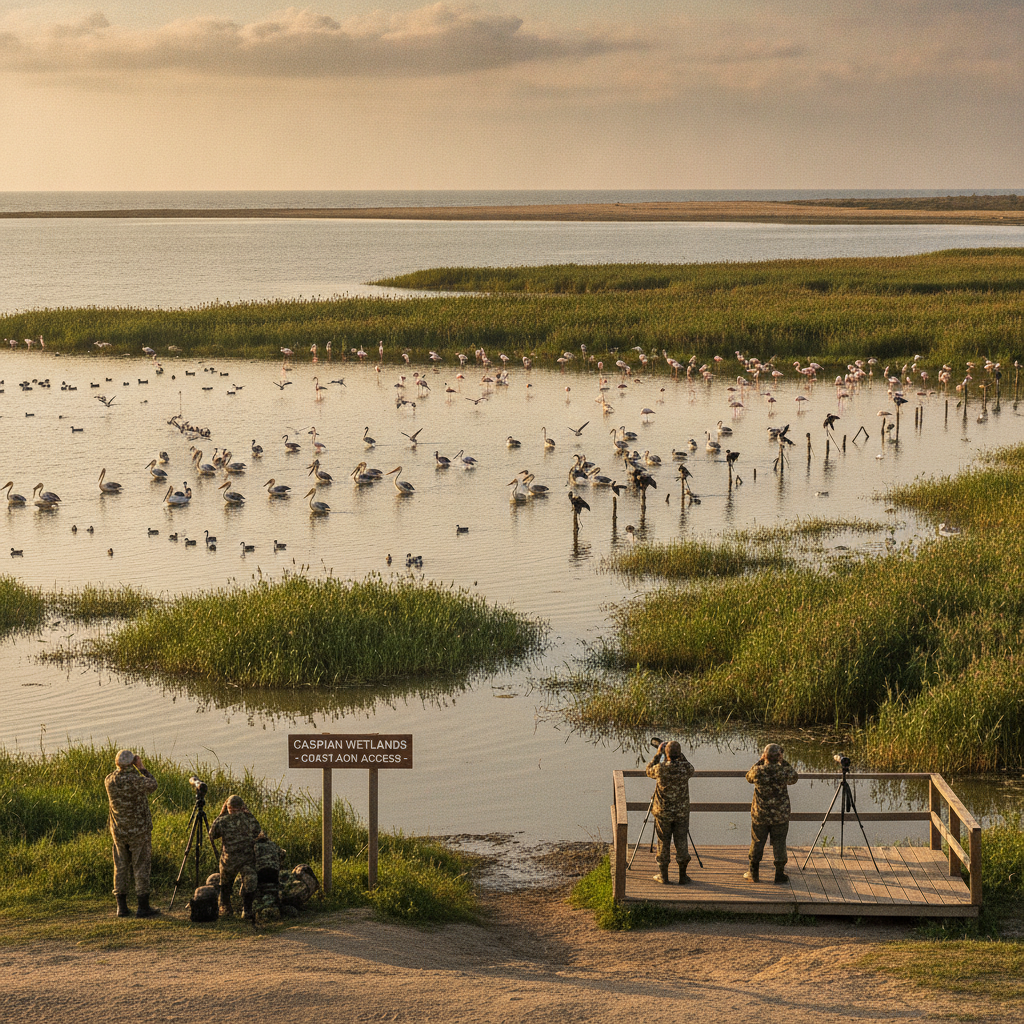
Bird Watching Caspian Wetlands and Migratory Species
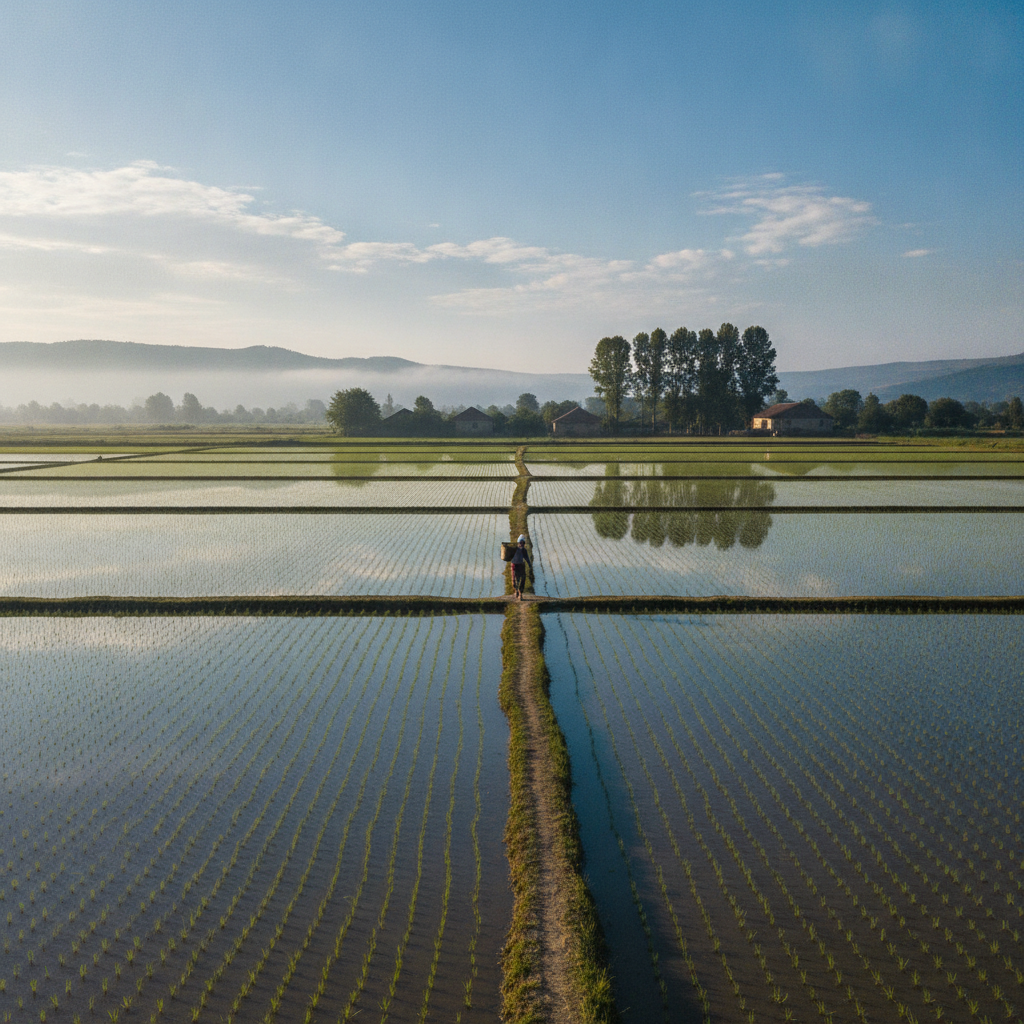
Lankaran Rice Paddies Traditional Agriculture
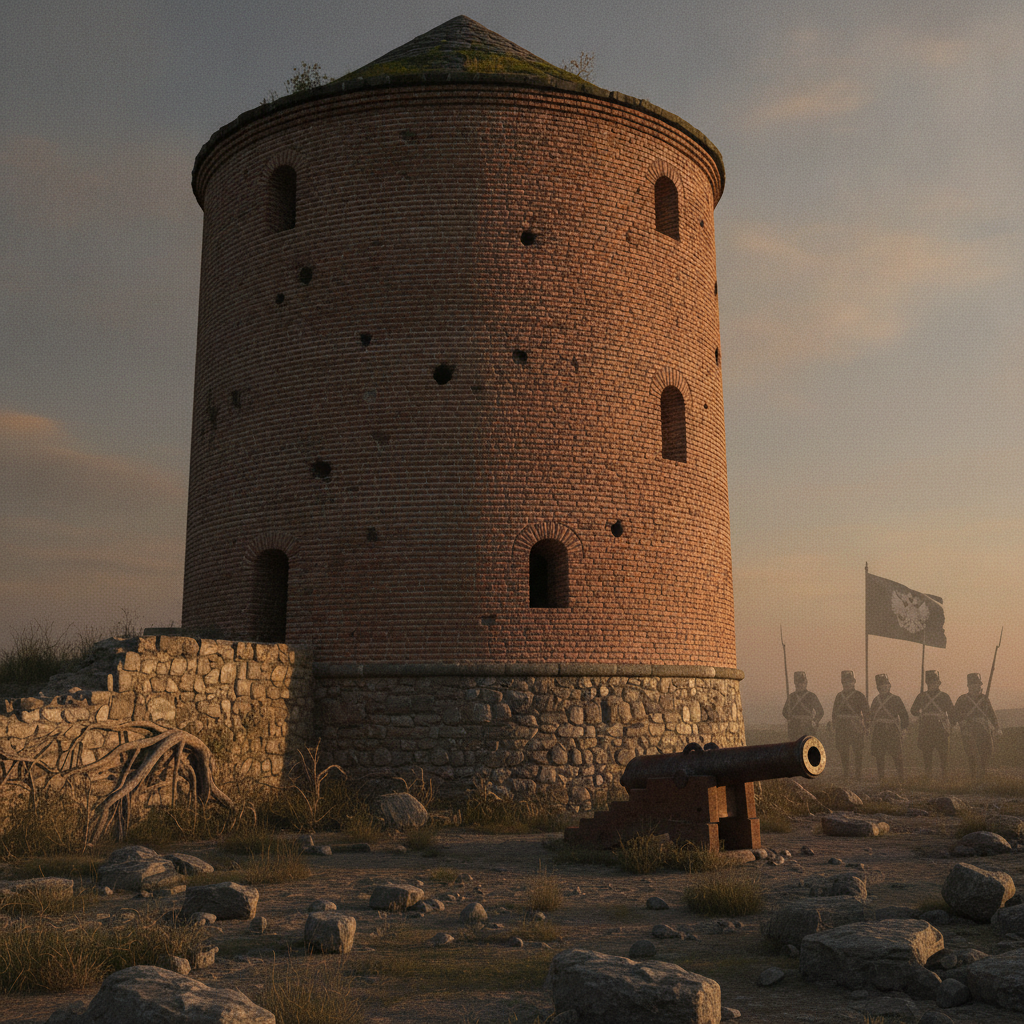
Lankaran Old Fortress and Russian Imperial History
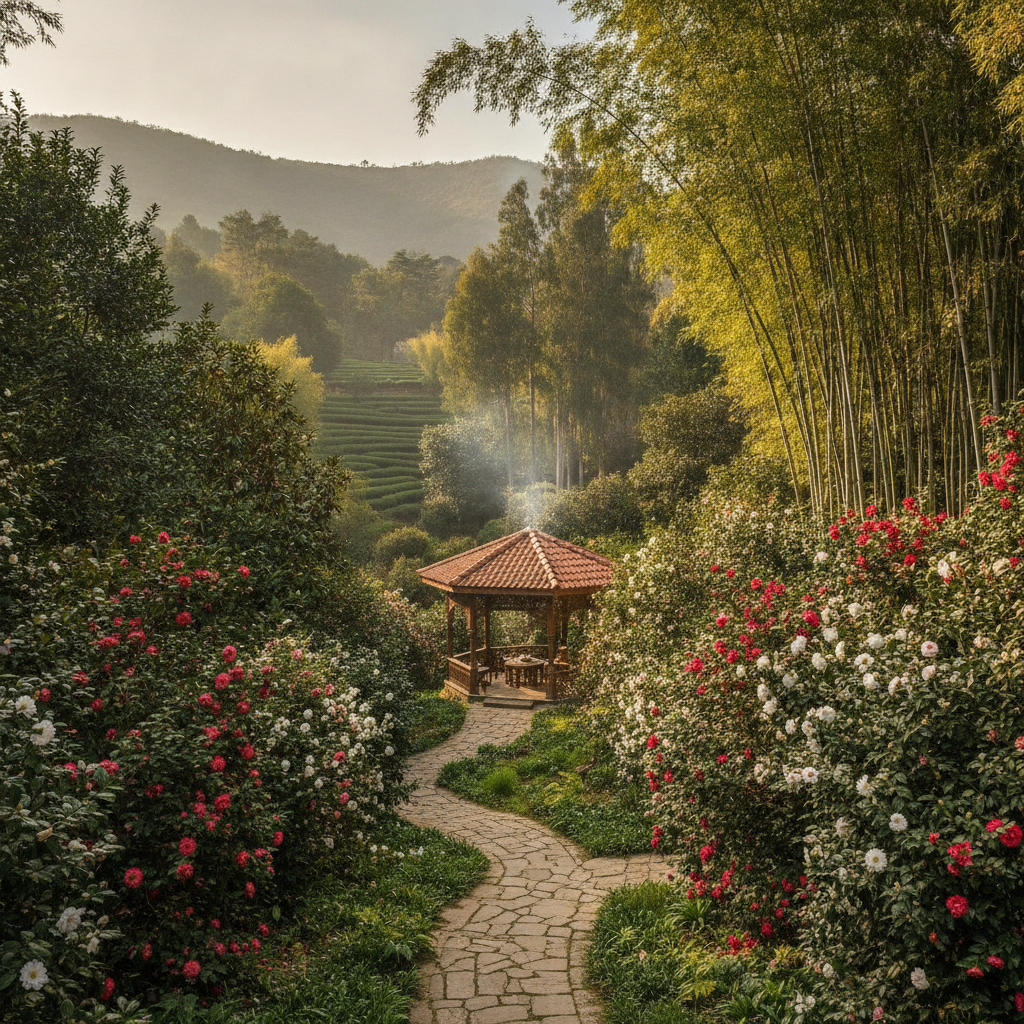
Subtropical Gardens and Lankaran Tea Culture
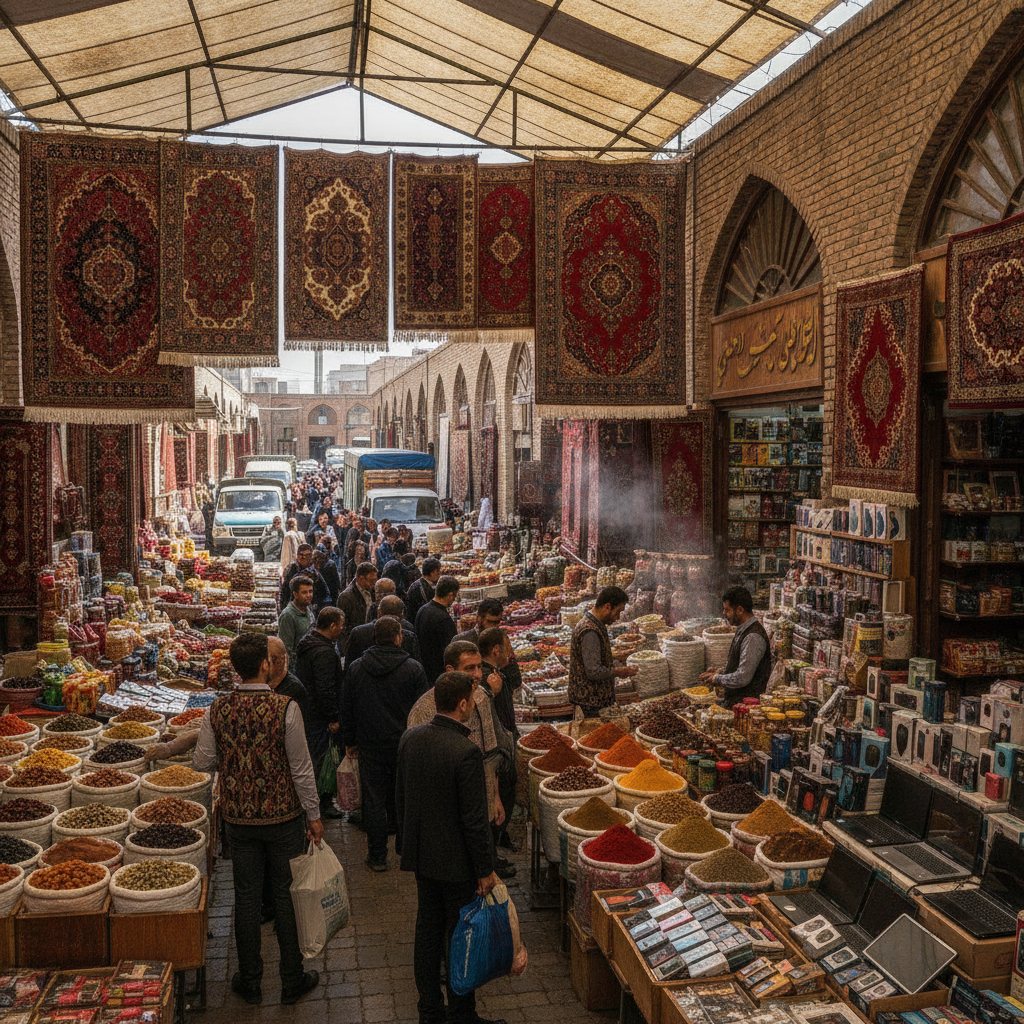
Astara Border Town and Iranian Cultural Influence