Lumbini Sacred Garden & Buddha's Birthplace Walk
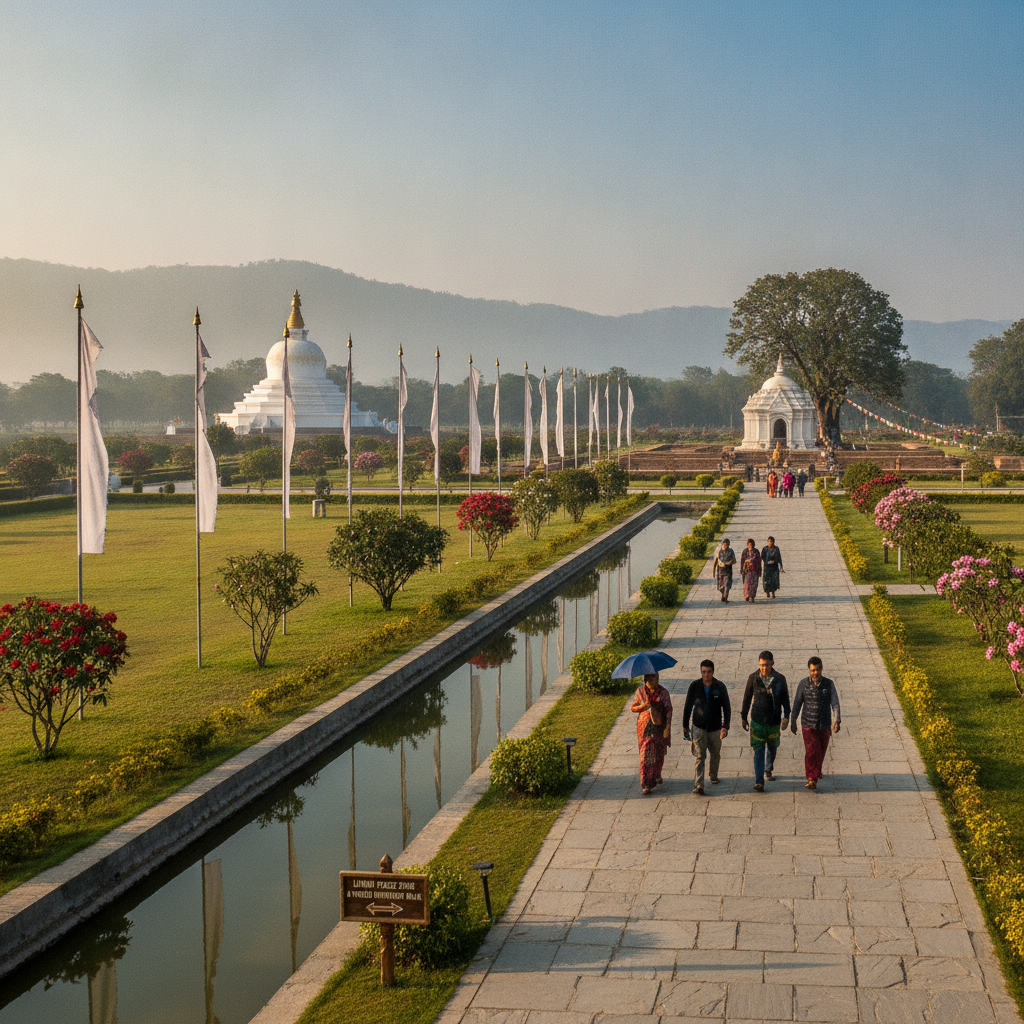
Walk where the Buddha was born — the UNESCO World Heritage Site at Lumbini in southern Nepal marks the exact spot where Siddhartha Gautama was born in 623 BCE, the Sacred Garden containing the Maya Devi Temple, the Ashoka Pillar, and the ancient ruins making it the most historically significant single Buddhist site accessible in the world.
- 1
Maya Devi Temple
The Maya Devi Temple at Lumbini (the Buddhist shrine built over the exact spot where Queen Maya Devi gave birth to Siddhartha Gautama — who would become the Gautama Buddha — in 623 BCE, the temple's most sacred inner chamber containing the marker stone that identifies the precise birthplace and the ancient sandstone sculpture of Maya Devi giving birth) is the most spiritually significant single structure accessible in the Buddhist world — the temple's historical layering (the modern protective structure built over the ancient temple remains, which themselves were built over the successive structures dating back to the Mauryan Emperor Ashoka's 3rd century BCE renovation, creating the most archaeologically complete single sacred site stratigraphy accessible in South Asian Buddhist heritage) and the birthplace marker stone (the sandstone slab marking the exact birth spot, worn smooth by the prostrations of two millennia of Buddhist pilgrims and now protected behind the museum-quality enclosure within the inner sanctum) create the most directly sacred single spot accessible in the entire Buddhist tradition. The temple's active pilgrimage function (the monks, the nuns, and the lay Buddhist pilgrims from all Buddhist countries visible in the circumambulation path around the temple, the most geographically diverse single gathering of the Buddhist world's faithful accessible in Nepal) makes the Maya Devi Temple the most living single sacred site accessible in the country.
- 2
Ashoka Pillar
The Ashoka Pillar at Lumbini (the sandstone column erected by the Mauryan Emperor Ashoka during his pilgrimage to the birthplace in 249 BCE, one of the best-preserved examples of the Ashokan pillar inscriptions that record the Emperor's conversion to Buddhism and his identification of Lumbini as the Buddha's birthplace) is the most historically authenticated single document accessible in the Buddhist world — the pillar's inscription (in the Brahmi script, the earliest written form of the Indian subcontinent's language, the text identifying the site as the birthplace and recording Ashoka's tax exemption granted to the Lumbini village in commemoration) provides the most historically precise single piece of evidence accessible for the Buddha's birth at this location, the pillar itself predating any other surviving built structure at the site. The pillar's physical condition (the crack visible near the mid-section where a lightning strike in the medieval period damaged but did not destroy the column, the original polished surface partially surviving and the inscription clearly legible despite the two and a half millennia of exposure) and the pillar's current setting (surrounded by the excavated ruins of the ancient monastery courtyard visible in the archaeological park around the pillar's base) create the most completely historically contextualised single ancient monument accessible in Nepal.
- 3
Sacred Pond Puskarini
The Puskarini Sacred Pond (the ancient bathing pool where Queen Maya Devi bathed before giving birth to Siddhartha Gautama according to the Buddhist tradition, the pool's original form restored and the ancient brick-lined edges visible through the clear water of the restored sacred tank) is the most ritually significant single water body accessible in the Buddhist pilgrimage circuit — the pond's specific sacred narrative (the bathing that preceded the miraculous birth, the lotus flowers visible in the Puskarini's water during the flowering season that directly echo the account of the lotus flowers that appeared beneath the infant Buddha's first footsteps, and the newly-born infant's ritual bathing in the same pool after the birth creating the complete birth-narrative sequence visible in the single sacred garden enclosure) and the pond's archaeological authenticity (the original brick lining of the ancient tank visible below the water surface, confirmed by archaeological excavation as the structure contemporary with the earliest devotional activity at the site) create the most directly narrative-corroborating single sacred landscape accessible in Lumbini. The pond's bird community (the pond herons and the various wading birds visible in the shallow margins of the sacred tank, the natural life continuing undisturbed in the most spiritually charged single water body accessible in Nepal) provides the most naturally animated single sacred landscape detail accessible at the Lumbini Sacred Garden.
- 4
Archaeological Excavation Zone
The archaeological excavation zone in the Lumbini Sacred Garden (the ongoing archaeological work that continues to reveal the successive layers of Buddhist monastery construction dating from the 3rd century BCE to the medieval period, the exposed brick structures and the sealed excavation trenches visible through the protective covering of the active dig sites) is the most directly historical-discovery-in-progress single experience accessible at any Nepal heritage site — the excavation's findings (the successive monastery floor levels, the votive stupa remains, and the personal devotional objects left by pilgrims across the two millennia of the site's active use, all visible in the display cases at the interpretive centre adjacent to the excavation) and the site's ongoing revelations (the continued confirmation of the site's continuous use from the pre-Buddhist Vedic period through the ancient, medieval, and modern Buddhist pilgrimage tradition) create the most temporally comprehensive single heritage site experience accessible in Nepal. The excavation's significance (the Lumbini archaeological programme constituting the most important single active Buddhist archaeology accessible anywhere in the world, each season's findings adding to the understanding of the earliest Buddhist monastic organisation and the physical form of the 3rd century BCE sacred complex) makes the excavation zone visit the most academically significant single heritage encounter accessible in Nepal's pilgrimage destinations.
- 5
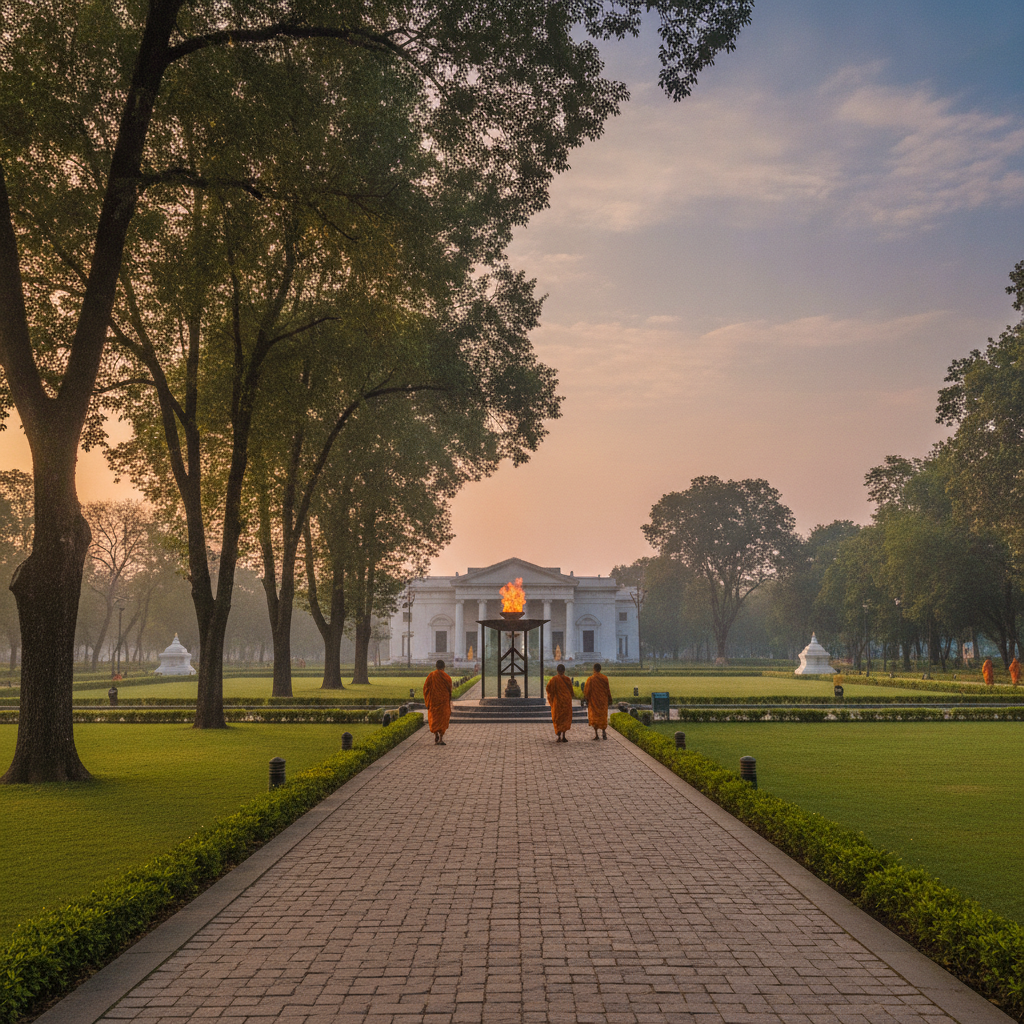
Eternal Peace Flame
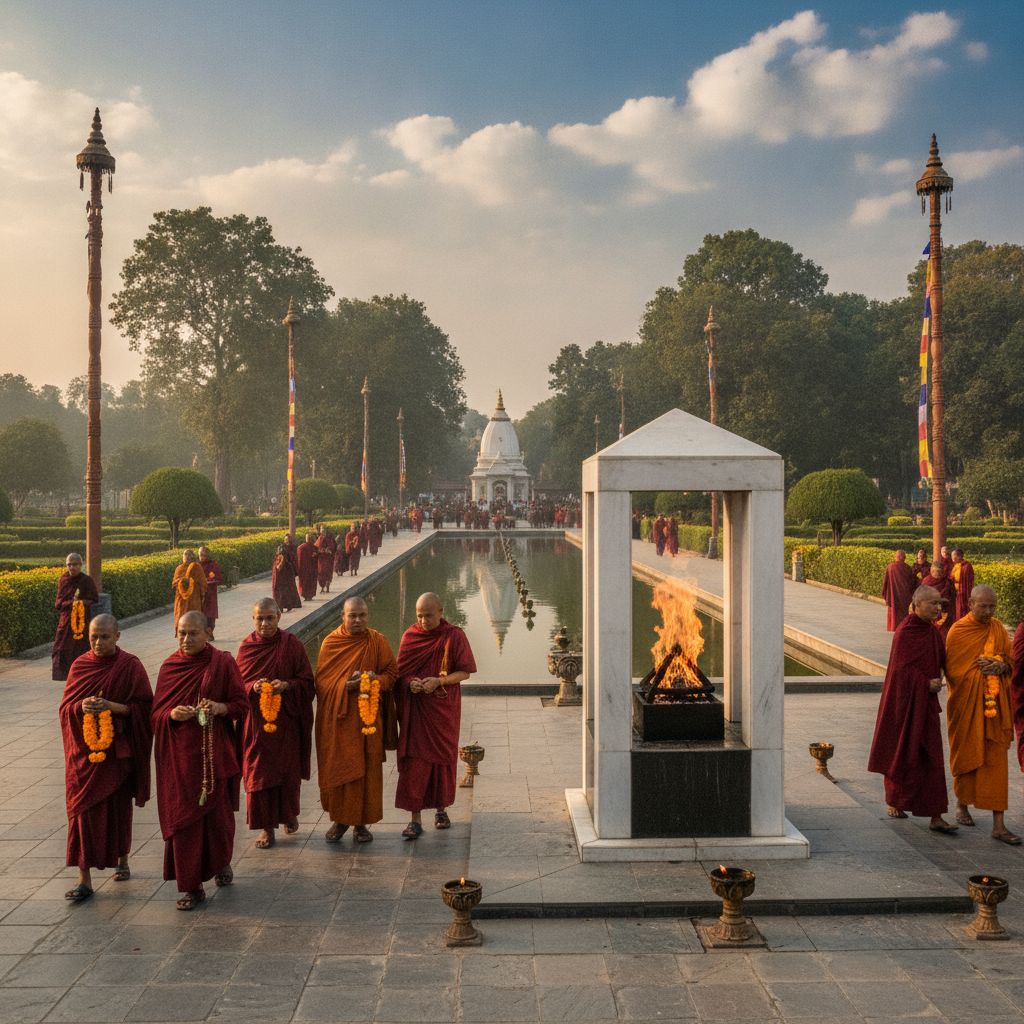
The Eternal Peace Flame at Lumbini (the flame burning continuously at the memorial plaza near the Sacred Garden entrance, symbolising the world's aspiration for peace that the birth of the Buddha represents in the Buddhist understanding of non-violence and universal compassion) is the most symbolically charged single monument accessible in the Lumbini heritage complex — the flame's specific meaning at this location (the fire maintained at the birthplace of the teacher whose fundamental message was the end of suffering through the abandonment of hatred and craving — the most philosophically concentrated single fire visible in the world's peace memorial tradition) and the memorial plaza's atmosphere (the flame visible from the path approaching the Sacred Garden, the reflective pool and the inscribed peace texts from the world's religious traditions surrounding the flame, and the silence observed by the visitors at the most frequently contemplative single outdoor space accessible in Nepal) create the most philosophically weighted single entrance ritual accessible before the Buddhist pilgrimage site visit. The flame's background (the Sacred Garden's ancient trees visible beyond the memorial, the morning mist over the archaeological site visible in the distance, and the first birds audible in the silence of the early pilgrimage hour) provides the most meditative single arrival backdrop accessible at any world heritage religious site.
- 6
Sacred Garden Dawn
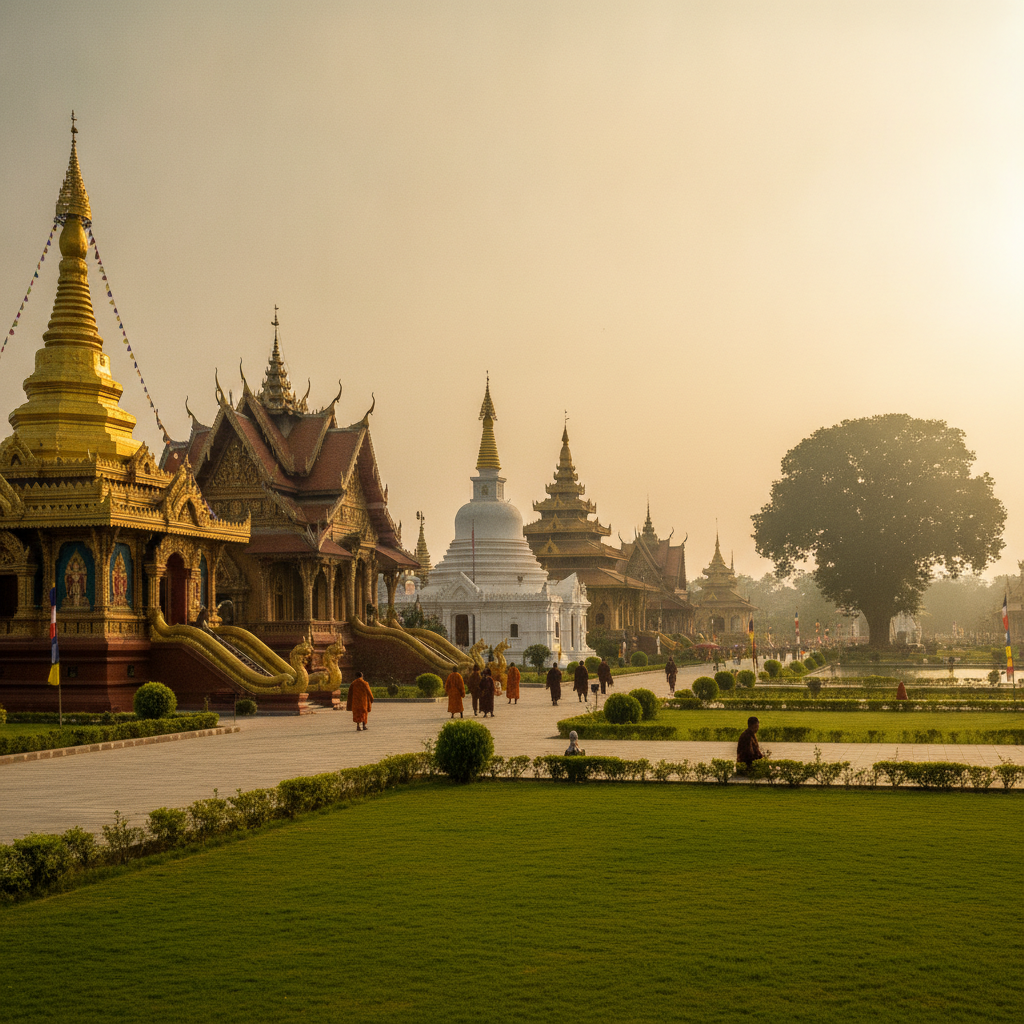
The Lumbini Sacred Garden at dawn (the most atmospherically evocative single hour accessible at the birthplace, when the monks from the international monasteries walk in silent circumambulation in the early light, the mist from the adjacent wetland rising over the archaeological park, and the first bird calls in the ancient trees creating the most contemplatively complete single religious site morning accessible in Nepal) is the most spiritually immersive single hour available at the world's most significant Buddhist site — the dawn's specific quality at Lumbini (the soft light on the Ashoka Pillar and the Maya Devi Temple, the archaeological ruins visible under the morning fog, and the occasional pilgrim prostrating in the shadow of the temple creating the most directly devotional single scene accessible at any South Asian heritage site) and the garden's ancient trees (the large old sal trees whose predecessors witnessed the first pilgrimage traffic to the birthplace, the doves and the mynas active in the branches above the silent meditating monks) create the most complete single sacred landscape experience accessible in Nepal. The dawn silence at Lumbini (broken only by the monks' footsteps and the bird calls, the complete absence of commercial activity and the total dedication of the space to the religious function creating the most genuinely devotional single heritage site atmosphere accessible in Nepal) makes the Lumbini dawn the most personally transformative single experience accessible at any Nepal pilgrimage destination.
Walk this route with audio
Stories play automatically as you reach each stop — no tapping needed.