Lumbini Terai Countryside & Village Walk
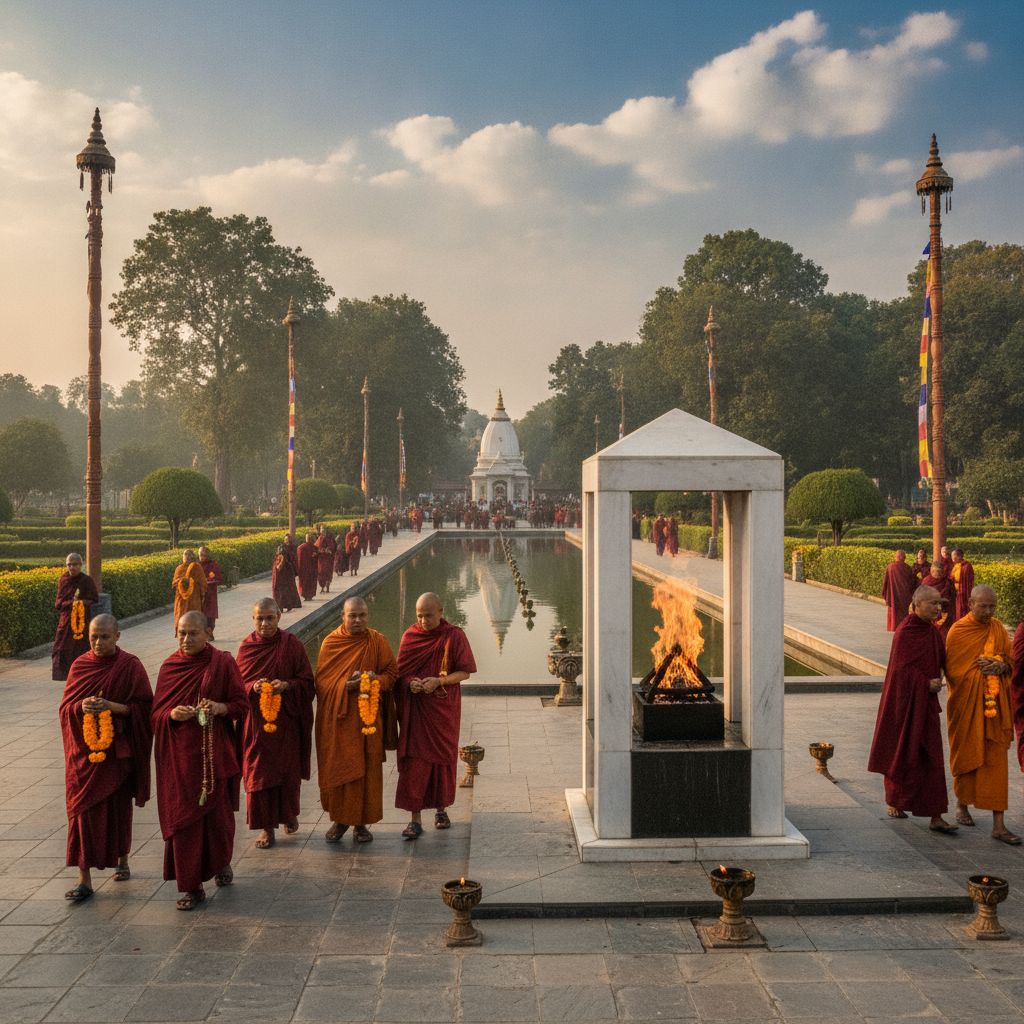
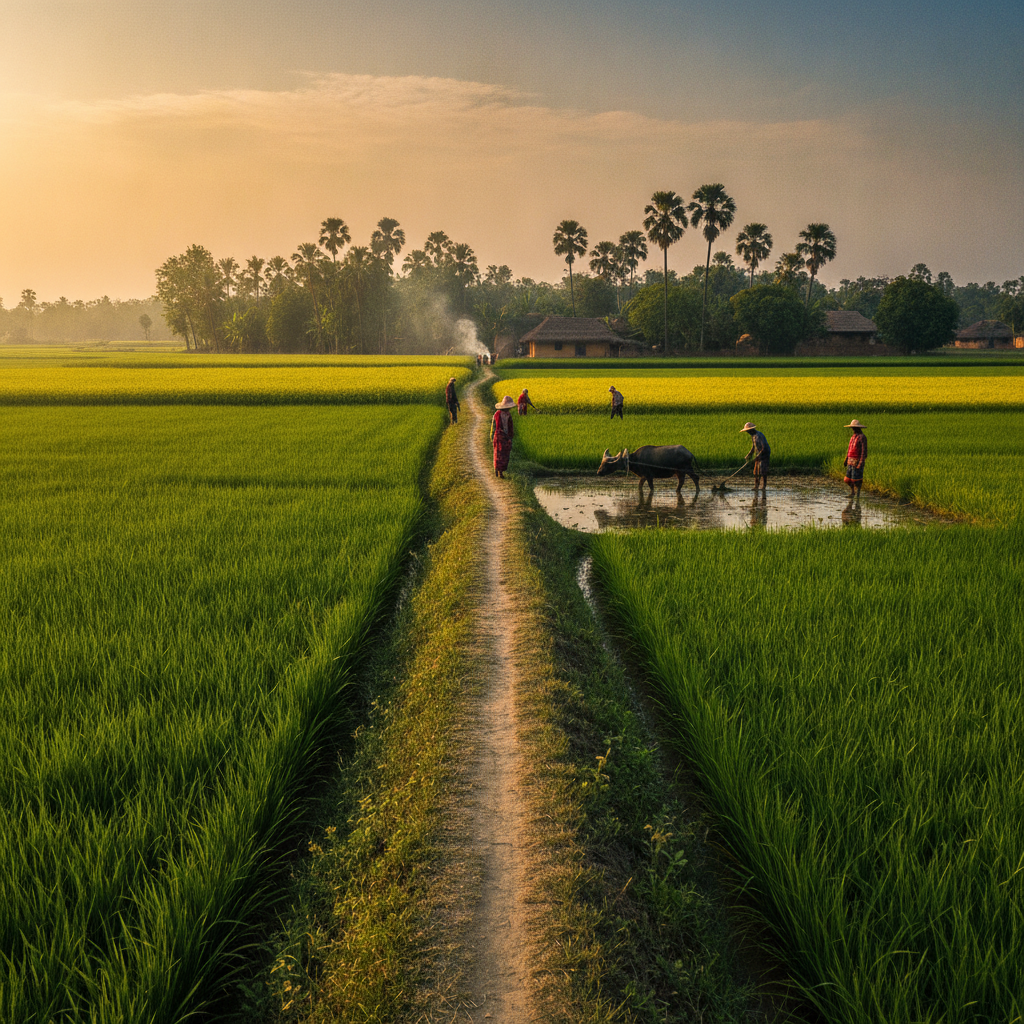
Explore the Terai landscape around Lumbini — the flat agricultural plain of the Nepal lowland surrounding the world heritage site contains the traditional Tharu villages, the mustard fields, the sugar cane harvest, and the rural markets that make the Lumbini countryside the most authentically unchanged single agricultural landscape accessible near any world heritage site in Nepal.
- 1
Mustard Field Morning
The mustard fields surrounding Lumbini in the winter season (the brilliant yellow carpet of Brassica juncea flowers visible across the flat Terai plain from December through February, the most visually spectacular single agricultural landscape accessible in southern Nepal during the dry season) are the most colour-dramatically impactful single natural feature accessible near the Lumbini heritage site — the mustard's specific significance in the Terai agricultural system (the most economically important single winter crop of the Nepal lowland, the mustard oil produced from the December-February flowering providing the most widely used single cooking fat and the most important single agricultural income of the Tharu farming household in the Lumbini buffer zone) and the flowering season's visual effect (the flat Terai landscape transformed by the mustard's yellow into the most vividly monochromatic single agricultural landscape accessible in Nepal, the white of the Maya Devi Temple visible above the yellow field horizon creating the most dramatically composed single sacred-natural landscape view accessible in the winter Lumbini visit) create the most seasonally spectacular single natural sight accessible near the world heritage Buddhist site.
- 2
Sugarcane Harvest Route
The sugarcane harvest route in the Lumbini countryside (the agricultural roads through the tall sugarcane fields visible from October through December, the most economically productive single agricultural crop of the Nepal Terai visible in the dramatic scale of the 3-4 metre stalks that create the most enclosed single agricultural walking route accessible near Lumbini, the harvest activity visible in the fields with the farmers cutting, loading, and transporting the cane to the sugar mill) is the most directly agricultural-economy-informative single rural walk accessible at the Lumbini destination — the harvest's specific activity (the hand-cutting of the sugarcane with the traditional curved knife, the bundling of the cut stalks, and the loading onto the ox-drawn carts and the tractors that transport the cane to the nearest processing facility) and the sugarcane's role in the Terai rural economy (the primary cash crop of the lowland Nepal agricultural sector, the factory-processed product visible at every level of the Nepal food and drink market providing the most completely farm-to-consumer single crop journey accessible in the Nepal agricultural education) create the most practically economic-agriculture-informative single walk accessible at the Lumbini buffer zone countryside.
- 3
Rural Water Tank Birdwatch
The rural water tank birdwatching (the irrigation ponds and the village water tanks of the Lumbini buffer zone villages that attract the most diverse single bird community accessible in the countryside around the heritage site — the winter migratory waders and ducks visible at the larger tanks, the resident kingfisher and heron community at the smaller village ponds, and the various terrestrial species in the surrounding agricultural land) is the most wildlife-encounter-productive single countryside walk accessible near the Lumbini heritage destination — the water tank's bird community in winter (the pintail duck, the garganey, and the various teal species visible at the larger tanks alongside the resident spotbill duck, creating the most duck-species-diverse single water body accessible near Lumbini) and the farmland bird community (the sarus crane pairs — the largest single flying bird accessible in Nepal and the most majestic single creature visible in the Terai farmland — visible in the agricultural fields adjacent to the water tanks, their 1.8m height and the red-capped head visible above the sugarcane stubble providing the most dramatically scale-contrasting single bird encounter accessible in the Nepal Terai countryside) create the most wildlife-rewarding single countryside walk accessible near the world heritage Buddhist site.
- 4
Tharu Homestay Village
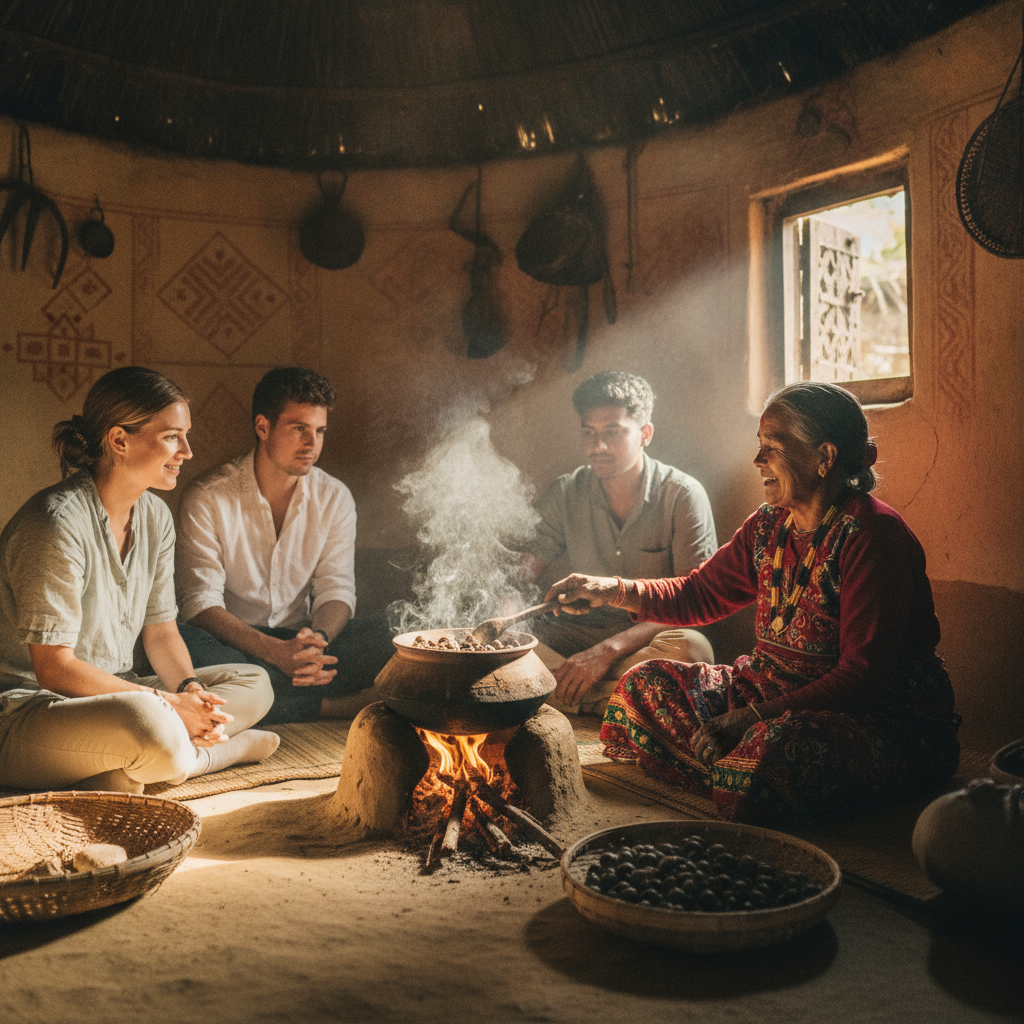
The Tharu homestay village in the Lumbini buffer zone (the community-based tourism programme that places the visitors with the Tharu farming families for the overnight stay, the most directly immersive single community-lived-experience accessible at the Lumbini destination) is the most personally community-integrating single cultural experience available near the world heritage site — the homestay's specific character (the shared evening meal with the host family, the sleeping arrangements in the traditional Tharu house, and the pre-dawn wake-up to observe the family's agricultural morning routine creating the most completely daily-cycle-experiencing single cultural encounter accessible at any Nepal heritage destination) and the Tharu family's life (the balance of the agricultural work, the livestock care, and the community obligations that constitute the most directly observable single traditional rural family life accessible in Nepal's lowland) create the most directly human-connection-producing single cultural accommodation experience available at the Lumbini heritage destination. The homestay's specific contribution to the heritage site visit (the contrast between the managed international pilgrimage site of Lumbini and the unmanaged organic community life of the Tharu village revealing the most complete single picture of the living landscape around the world heritage site) makes the Tharu homestay the most contextually enriching single overnight option accessible at the Lumbini destination.
- 5
Countryside Cycle Path
The countryside cycle path from Lumbini (the network of village roads and agricultural tracks accessible by bicycle from the heritage site, the flat Terai terrain making the most cycling-appropriate single countryside exploration available at any Nepal heritage destination) is the most independently accessible single rural experience available at Lumbini — the cycle path's specific character (the farm tracks through the mustard fields and the sugarcane plots, the village lanes connecting the Tharu settlements, and the occasional canal bank path offering the most scenically varied single cycling route accessible in the Lumbini buffer zone) and the encounters accessible from the bicycle (the Tharu women at the village wells, the farmers loading the harvest at the field edge, and the children walking to school creating the most naturally encountered single rural community observation accessible at any Nepal heritage site) create the most independently rewarding single half-day exploration available near the Buddhist birthplace. The cycle path's specific advantage in the flat Terai (the physical ease of the cycling — even the visitor unused to cycling can cover 20-30km in the half-day circuit — allowing the most geographically comprehensive single buffer zone survey accessible to the self-directed Lumbini visitor) makes the bicycle the most effective single independent exploration tool available at the world heritage Buddhist site.
- 6
Sunset Agricultural Return
The sunset return to Lumbini through the agricultural countryside (the late afternoon walk or cycle back to the heritage site through the surrounding fields, the low sun illuminating the mustard flowers or the sugarcane harvest activity and the first fires of the village evening visible in the cooking fires of the Tharu homesteads) is the most completely sensory-Terai single conclusion accessible to the Lumbini countryside day — the sunset's effect on the agricultural landscape (the golden light on the mustard fields creating the most colour-intensely beautiful single natural scene accessible in the Nepal lowland, the farmers visible in the fields in the low-angled light of the day's end providing the most photogenically-lit single agricultural scene accessible in the winter Terai) and the return to the heritage site (the white dome of the World Peace Pagoda catching the last direct sunlight above the horizon of the agricultural plain, the most immediately landmark-identifying single sight visible in the flat Terai landscape) create the most satisfyingly complete single day-in-the-Terai conclusion available at the Lumbini heritage destination. The arrival back at the heritage zone (the transition from the agricultural countryside to the managed heritage landscape, the contrast between the natural and the designed environment most visible at the zone boundary) completes the most thoroughly Terai-agricultural-and-heritage-integrating single full day accessible at the world's most significant Buddhist birthplace.
Walk this route with audio
Stories play automatically as you reach each stop — no tapping needed.