Malacca Food Heritage Walk
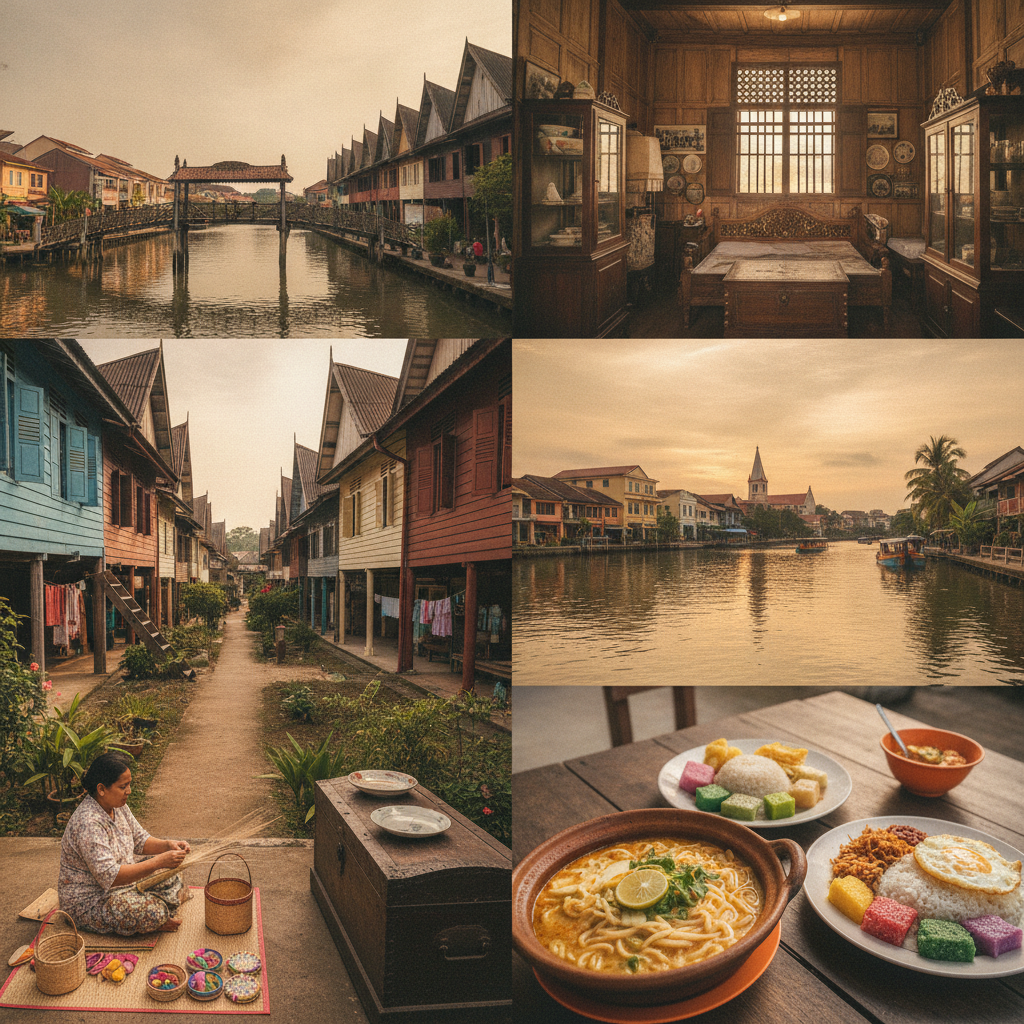
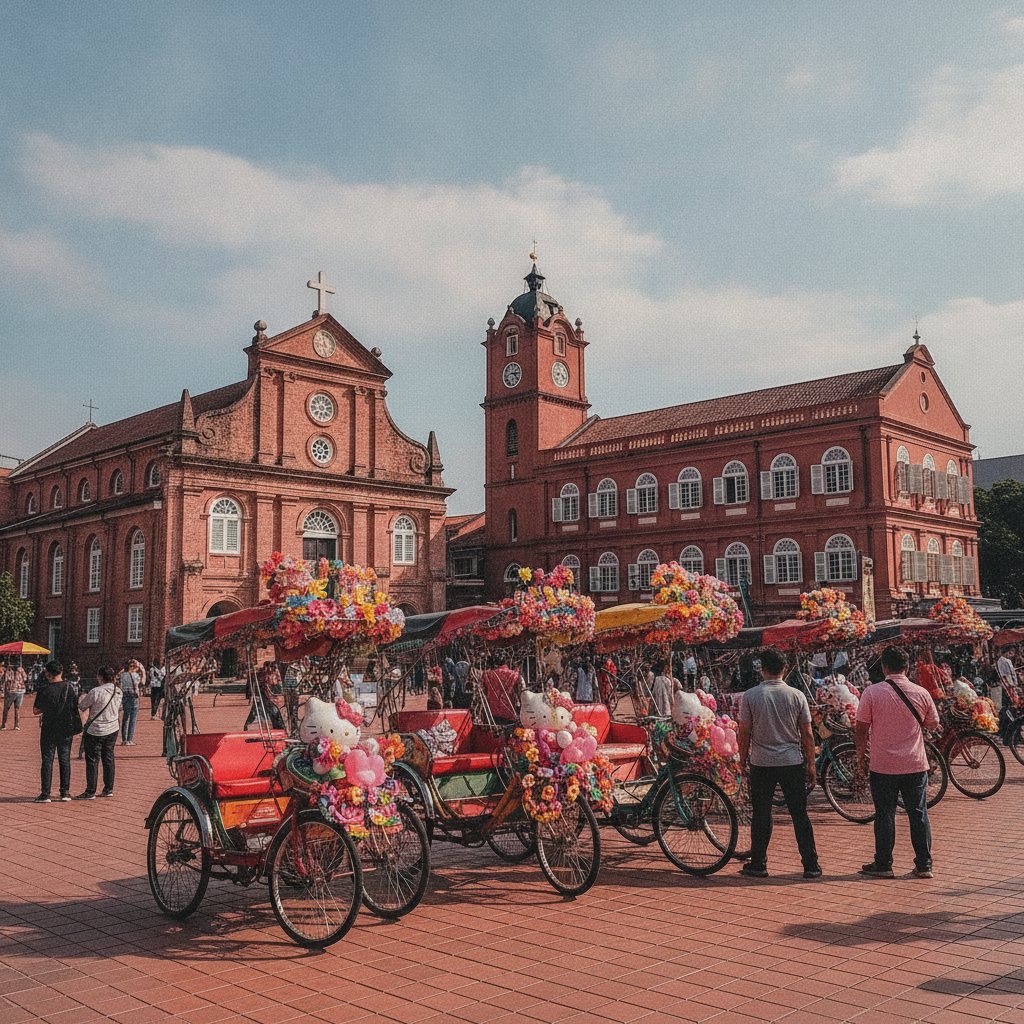
Eat through Malacca's extraordinary food heritage — the synthesis of Malay, Chinese, Indian, Portuguese, and Dutch culinary influences in this most multicultural of Malaysian cities produced the Nyonya cuisine, the satay celup fondue, the cendol dessert, and the Portuguese-influenced seafood that make Malacca one of the most rewarding food destinations in Southeast Asia.
- 1
Satay Celup Malacca
Satay celup is Malacca's most distinctive street food — the fondue-style dish where raw and par-cooked ingredients on bamboo skewers (prawn, fish cake, squid, tofu, quail egg, vegetables) are dipped into a communal pot of boiling spiced peanut sauce by the diners at the table is found only in Malacca. The satay celup tradition at the famous Capitol Satay restaurant on Lorong Bukit China, where plastic skewers are left on the table and the chef circulates to count them at the end, is one of the most participatory dining experiences in Malaysian food culture and represents the Peranakan fusion of Malay satay with a format derived from the Chinese steamboat (hotpot) tradition.
- 2
Cendol Heritage Stall
Malacca's cendol is claimed by Malaysians to be the best version of this iconic dessert — the shaved ice dessert with coconut milk, pandan-flavoured green rice flour jelly (the worm-shaped cendol strands), palm sugar syrup (gula Melaka), and the option of adding red beans, grass jelly, or creamed corn is ubiquitous in Southeast Asia but the version served at the heritage stalls on Jonker Street and Jalan Hang Jebat is considered by food enthusiasts to have the most authentic balance of flavours. The gula Melaka (Malacca palm sugar) produced from the sago palm of the Malacca hinterland is considered the finest palm sugar in Malaysia, contributing a distinctive caramel depth to the cendol that differentiates the Malacca version.
- 3
Nyonya Food Morning Market
The Malacca morning market (pasar pagi) where the ingredients for Nyonya cooking are sold — the fresh herbs (lemongrass, galangal, turmeric, candlenut), the dried shrimp paste (belacan) whose characteristic pungency defines the Nyonya flavour base, the tamarind paste, the palm sugar, and the fresh coconut milk squeezed to order — provides the most direct encounter with the ingredients that make Nyonya cuisine distinctive. The morning market operates from 6-11am in the areas around Jalan Bunga Raya and is the working commercial system behind the heritage food culture that tourists encounter at the restaurants.
- 4
Chicken Rice Ball
Malacca-style chicken rice ball (nasi ayam bola) is the city's most famous variation of the Hainanese chicken rice that is beloved throughout Malaysia and Singapore — the rice cooked in chicken stock and shaped into compressed spheres (bola = ball) that are served alongside steamed or roasted chicken and the ginger, chilli, and dark soy sauce accompaniments is a Malacca innovation developed in the Hainanese Chinese community of the city. The presentation difference (balls vs. flat-served rice) creates a textural variation, and the Malacca chicken rice balls served at the famous Chung Wah restaurant at the edge of Jonker Street are the most photographed and written-about version.
- 5
Asam Pedas Fish Curry
Asam pedas (sour and spicy) is Malacca's signature Malay-Nyonya fish dish — the tamarind-soured curry of stingray, mackerel, or the locally prized ikan bawal (pomfret) with lady's fingers (okra), tomato, and torch ginger flower in a spiced coconut-free gravy (unlike most Malay curries, asam pedas is not coconut-based) is the dish that defines the Malacca Malay-Nyonya food continuum. The finest asam pedas in Malacca is debated among food enthusiasts with the same intensity as laksa debates in Penang, with the stall asam pedas and the restaurant version each having dedicated advocates.
- 6
Portuguese Eurasian Cuisine
The Kristang Portuguese Eurasian cuisine of Malacca's Portuguese Settlement is the rarest cuisine in Malaysia — the debal curry (devil curry of pork or chicken in a vinegar, mustard, and chilli sauce), the sugee (semolina cake with brandy and almonds eaten at Christmas and Easter), and the Portuguese-influenced seafood preparations maintain culinary traditions carried across from 16th-century Portugal and transformed by 500 years of adaptation to local ingredients. The Portuguese Settlement seafood restaurants serving grilled stingray, chilli crabs, and the black pepper shellfish preparations on the eastern waterfront provide the most accessible encounter with this exceptional culinary heritage.
Walk this route with audio
Stories play automatically as you reach each stop — no tapping needed.
More in Malacca
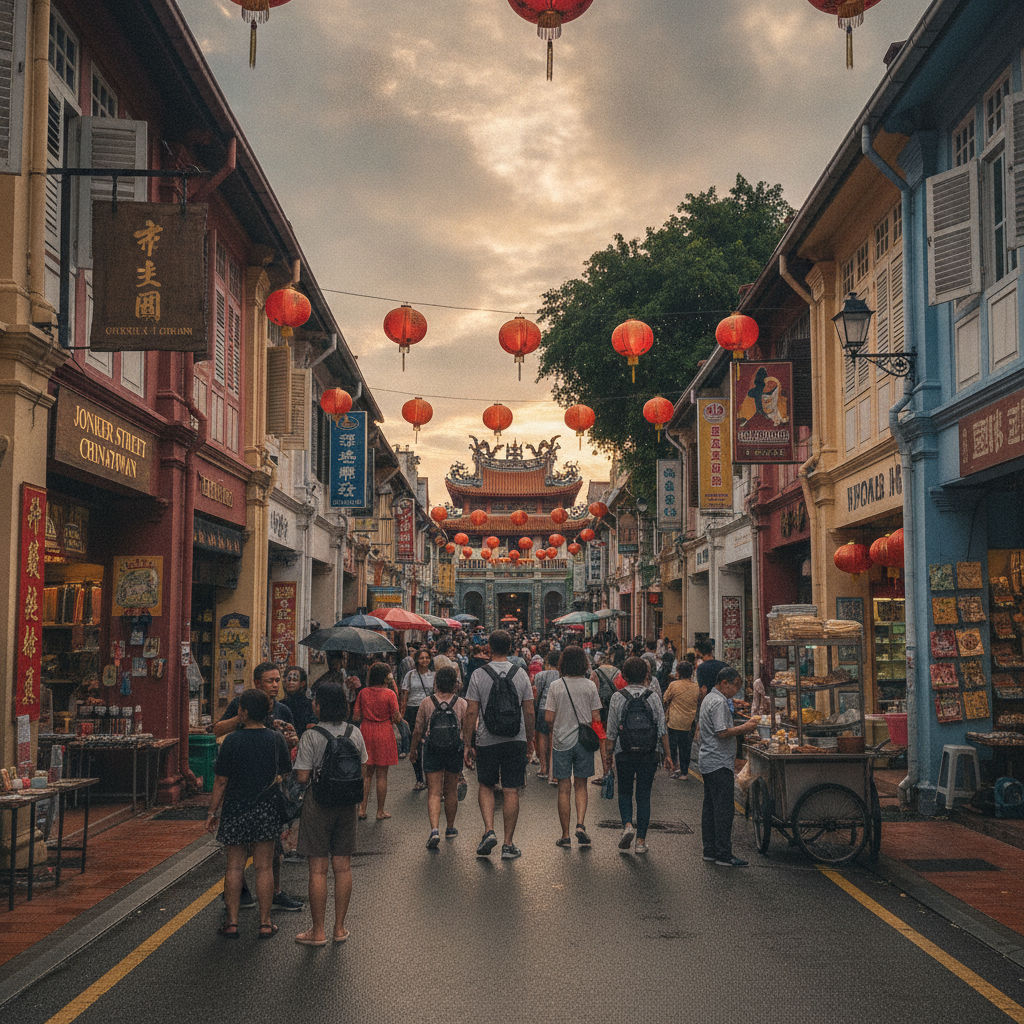
Malacca Jonker Street & Chinatown Heritage Walk
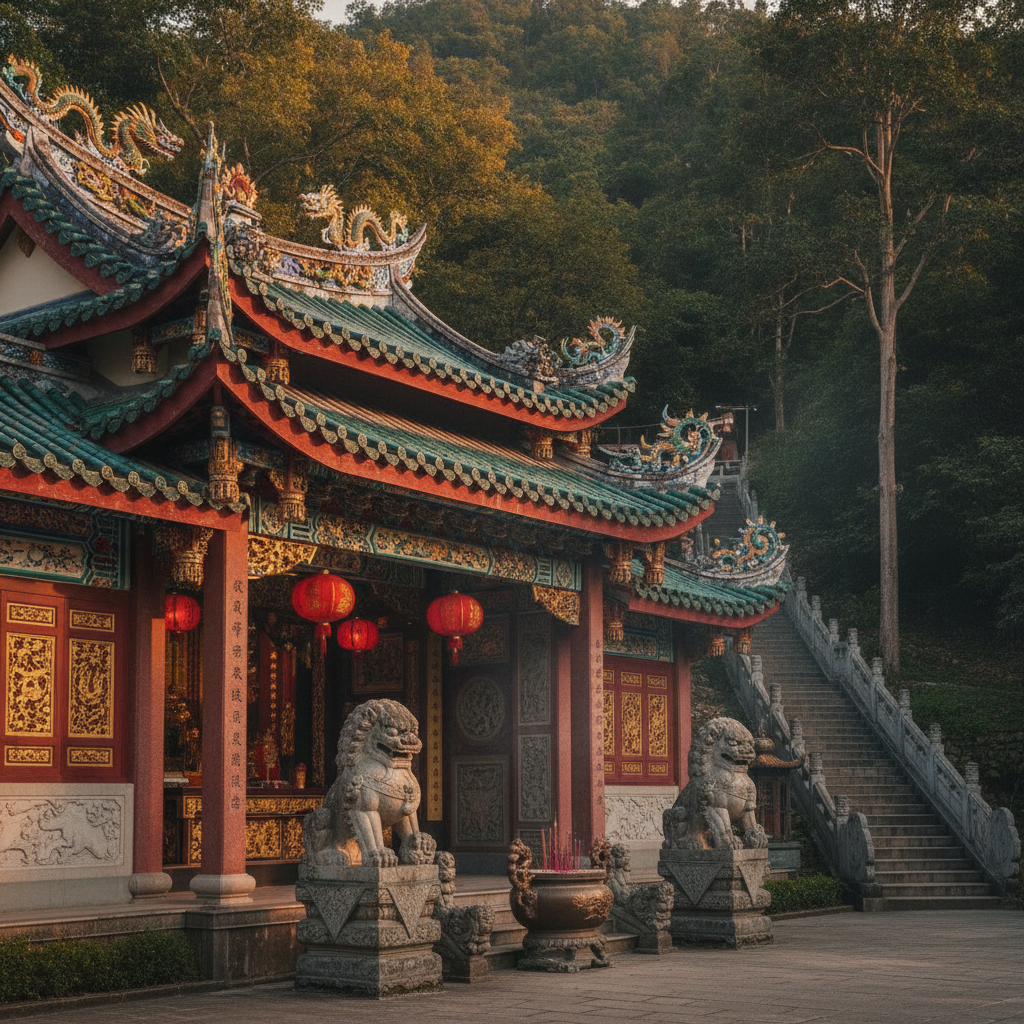
Malacca Bukit China & Chinese Heritage Hill Walk
Malacca Peranakan & Nyonya Culture Walk
Malacca Dutch Square & Colonial Heritage Walk

Malacca Spice Trade & Medieval Port History Walk