Malacca Jonker Street & Chinatown Heritage Walk
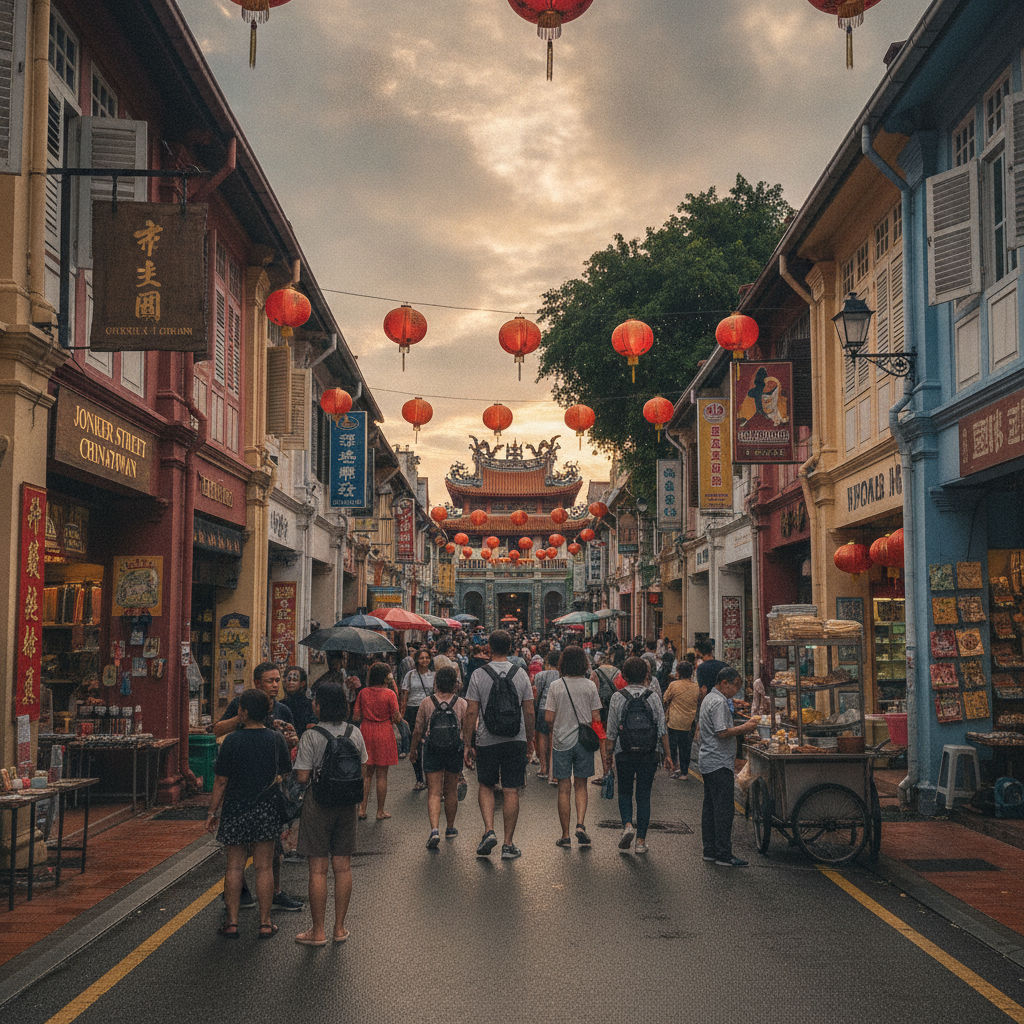
Walk through Malacca's extraordinary Chinatown — Jonker Street (Jalan Hang Jebat) is the heart of the UNESCO World Heritage city's Chinese quarter, a street of antique shops, Peranakan restaurants, clan temples, and weekend night markets that documents five centuries of Chinese settlement in the most historically significant port city in Southeast Asia.
- 1
Jonker Street Antique Row
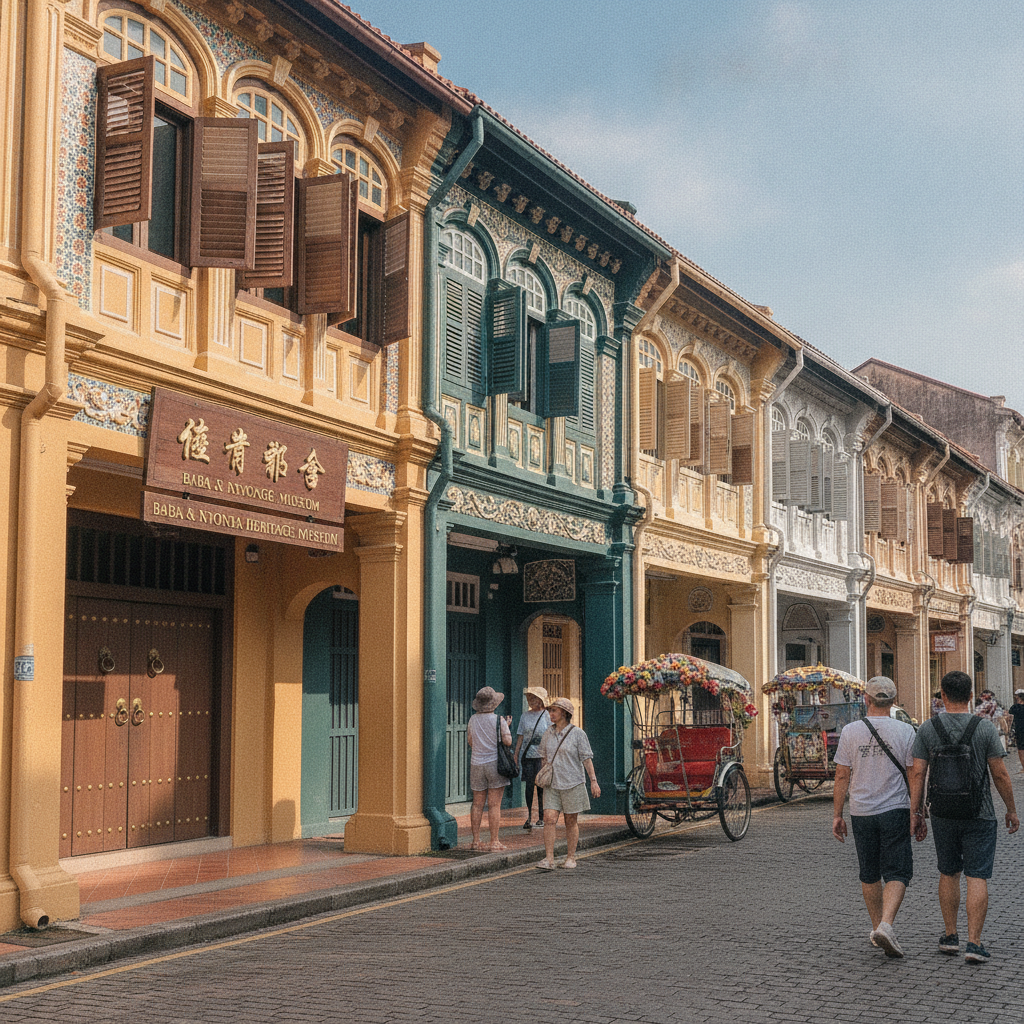
Jonker Street (Jalan Hang Jebat) is Malacca's most famous street — the two-storey Chinese shop-houses dating from the Dutch and British colonial periods are now occupied almost entirely by antique dealers, souvenir shops, and restaurants catering to the heritage tourism that has transformed this former working commercial street into one of Malaysia's most visited heritage precincts. The street's transformation from a genuine antique market district (where antique dealers acquired pieces from the estates of declining Peranakan families) into a tourist destination selling manufactured 'antiques' alongside genuine pieces reflects the tensions in all Southeast Asian heritage tourism between authentic preservation and economic development.
- 2
Cheng Hoon Teng Temple
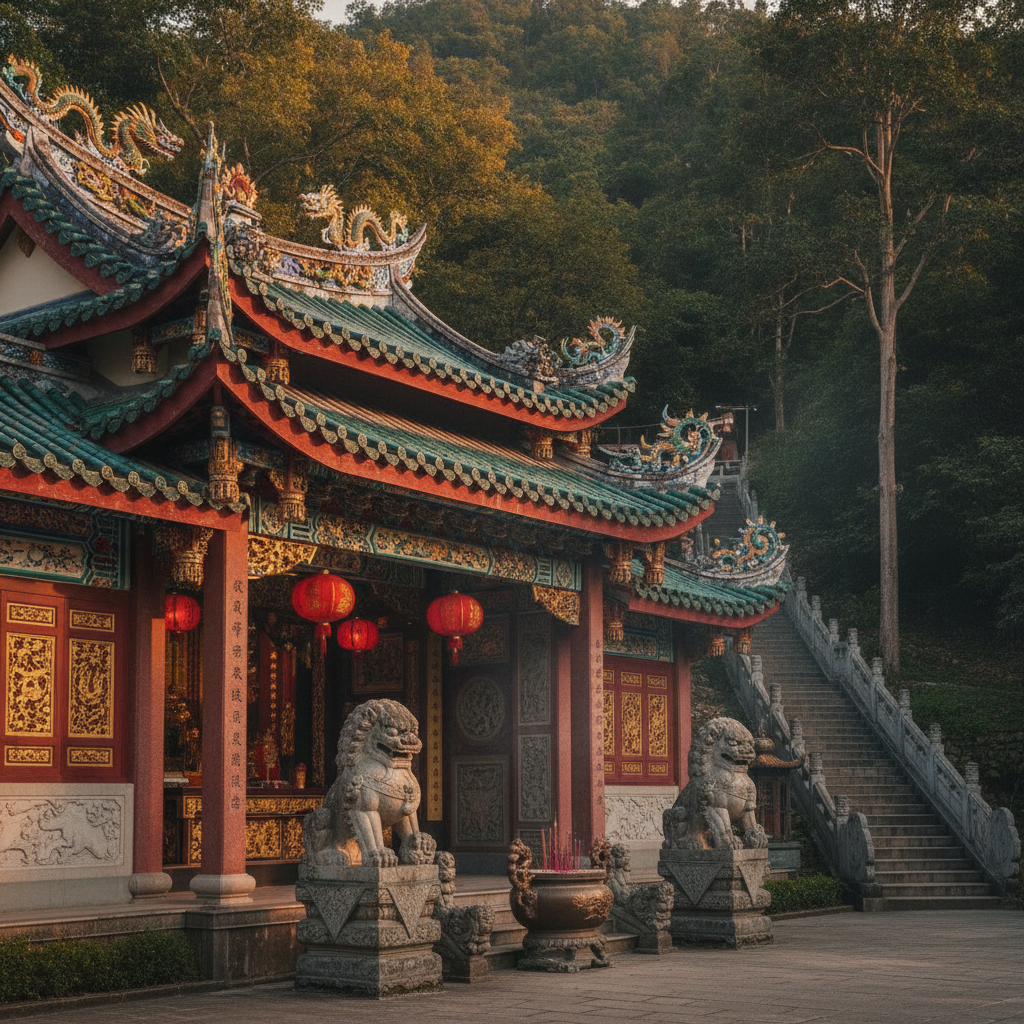
Cheng Hoon Teng Temple (Temple of the Green Clouds) is the oldest functioning Chinese temple in Malaysia, established in 1646 — the temple complex honouring Guanyin (Goddess of Mercy), Ma Tsu (Goddess of the Sea), and other deities was built by the Chinese merchant community that had settled in Malacca under Portuguese, then Dutch, then British colonial administration. The temple's architectural elements were shipped from China (the ceramics, the carved roof tiles, the granite pillars) and its preservation as an active place of worship for Malacca's Chinese community through four centuries of colonial change makes it the most historically continuous religious institution in Malaysian Chinese history.
- 3
Sri Poyyatha Vinayagar Moorthi Temple
The Sri Poyyatha Vinayagar Moorthi Temple on Jalan Tukang Emas (Goldsmith Street) is the oldest Hindu temple in Malaysia, built in 1781 — the temple dedicated to Vinayagar (Ganesha) was established by the Tamil community that came to Malacca as traders and labourers during the Dutch period. The temple's location directly across from Cheng Hoon Teng temple and adjacent to the Kampung Kling Mosque creates the most remarkable religious plurality on a single street in Malaysia, where a Chinese temple, a Hindu temple, and a mosque stand within metres of each other as a lived document of Malacca's mercantile cosmopolitanism.
- 4
Kampung Kling Mosque
The Kampung Kling Mosque on Jalan Tukang Emas is one of Malacca's oldest mosques, with origins in the 18th century — the mosque built for the Indian Muslim (Kling) trading community that settled in Malacca incorporates a striking hybrid architectural style combining the tiered pagoda-style roof common in Malay mosque architecture with the Corinthian columns and Moorish arched windows of the colonial period. The mosque's distinctive architecture documents the syncretic building traditions of Southeast Asia's Muslim communities, where local, Chinese, and colonial European architectural forms were combined in religious buildings.
- 5
Jonker Street Night Market
The Jonker Street Night Market (Friday and Saturday evenings) transforms the heritage street into Malacca's most popular evening destination — the market stalls selling satay celup (a Malacca-specific skewered meat and vegetable fondue in spiced peanut sauce), cendol (a dessert of shaved ice, coconut milk, green rice flour jelly, and palm sugar), Nyonya kuih (Peranakan cakes), and the durian from the Malacca hinterland create a street food experience that mixes the commercial energy of the weekend market with the heritage backdrop of the colonial shop-houses.
- 6
Peranakan Heritage Houses
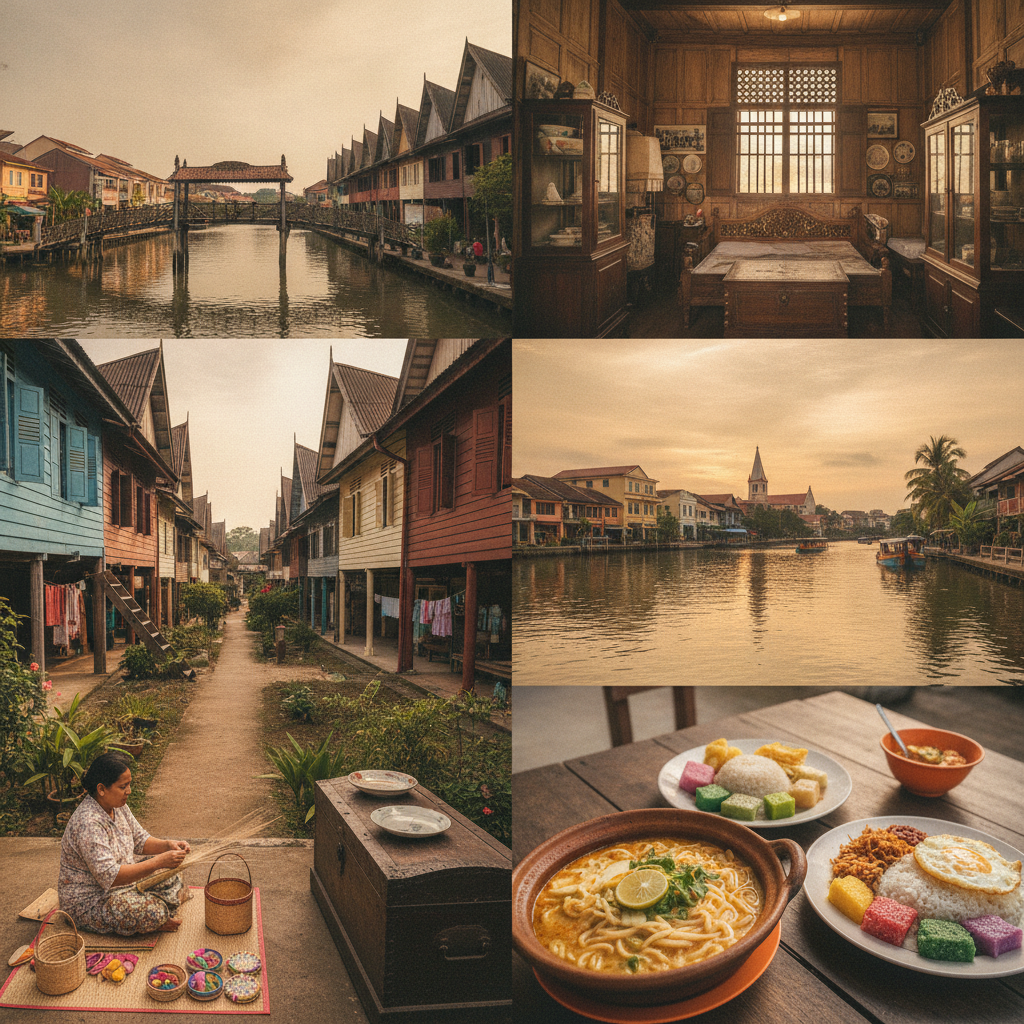
The Peranakan (Straits Chinese) shop-houses of Jonker Street and the surrounding heritage quarter represent the architectural achievement of the Baba-Nyonya community — the Chinese merchants who settled in Malacca from the 15th century and intermarried with local Malay women created a hybrid culture (Peranakan = 'locally born') with a distinctive domestic architecture that combined the Chinese shophouse plan (deep narrow rooms opening off a central air well) with Malay decorative traditions, European tiled floors, and the ornate carved timber and stucco work that made the finest Peranakan houses among the most elaborate domestic buildings in colonial Southeast Asia.
Walk this route with audio
Stories play automatically as you reach each stop — no tapping needed.