Malacca Kampung Morten & Malay Village Walk
Explore Malacca's surviving traditional Malay village — Kampung Morten beside the Malacca River is one of the few traditional Malay kampung (villages) surviving within the urban boundary of a Malaysian heritage city, preserving wooden houses, community life, and Malay cultural traditions in the heart of the UNESCO World Heritage zone.
- 1
Kampung Morten Village Entry
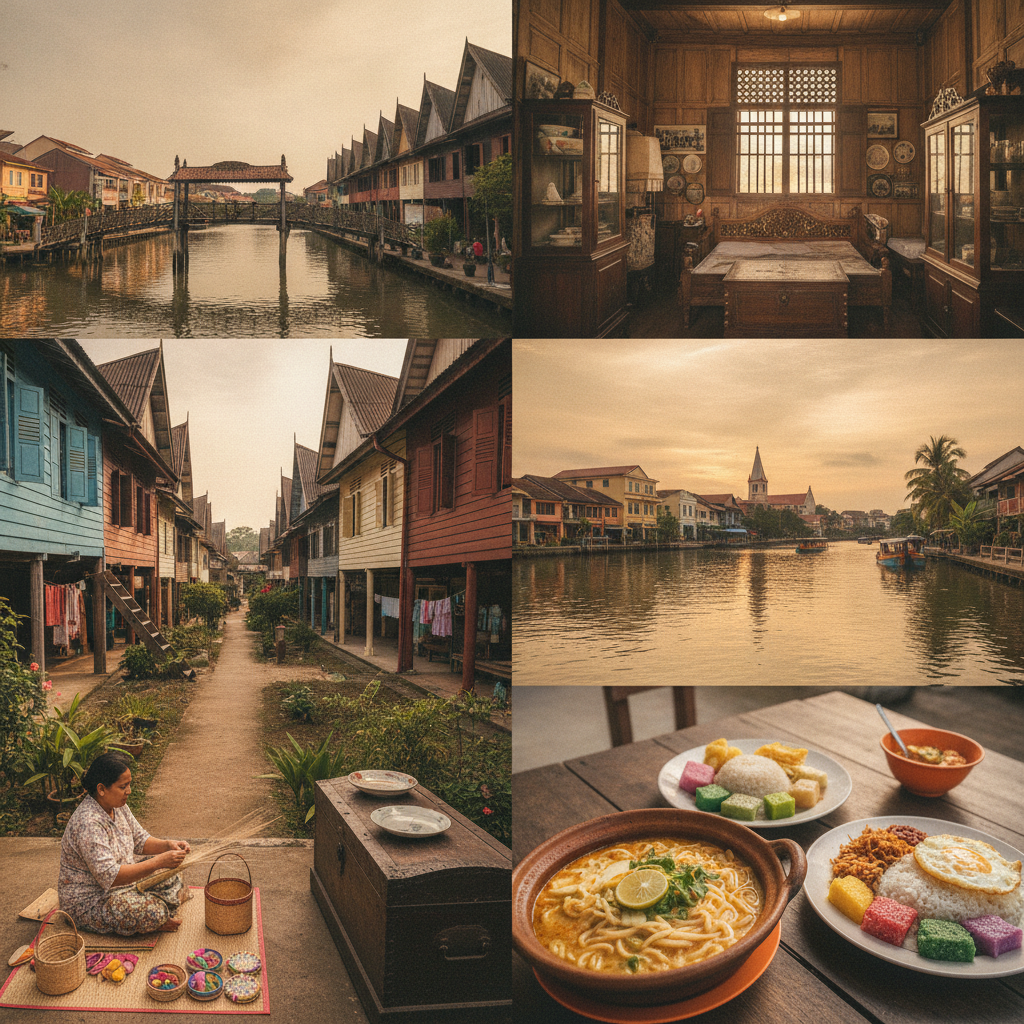
Kampung Morten on the north bank of the Malacca River is a functioning traditional Malay village within walking distance of the Dutch Square — the village of approximately 100 traditional Malay houses, most of them elevated wooden structures with the distinctive steep roofs and carved timber screens of the Malacca Malay architectural tradition, was established in the early 20th century and has been preserved as a heritage residential area despite intense development pressure in the surrounding UNESCO heritage zone. The village's survival as a living community (not a museum reconstruction) makes it the most authentic encounter with traditional Malay residential culture available in any Malaysian heritage city.
- 2
Villa Sentosa Heritage House
Villa Sentosa is an 80-year-old Malay house in Kampung Morten that has been opened to visitors as a private heritage home museum — the house maintained by the same family across four generations demonstrates the interior arrangement, furnishings, and domestic objects of a traditional Malay middle-class home of the early 20th century. The homeowner's guided tour through the house — including the front reception room (with its formal seating arrangement for guests), the family rooms, the kitchen, and the ancestral photographs — provides the most personal encounter with Malay domestic culture available in Malacca, contrasting with the more formal and curated presentations at the official museums.
- 3
Malacca River Walk
The Malacca River walk between Kampung Morten and the Dutch Square passes through the most atmospheric section of the heritage city — the restored colonial godowns (warehouses) on the southern bank, the brightly coloured murals on the retaining walls, the traditional wooden fishing boats moored beside the quay, and the views of Kampung Morten's traditional houses on the north bank create a layered visual experience of Malacca's multicultural heritage. The evening river cruise that operates from the quay near the Dutch Square provides the same journey by boat, with the colonial and traditional architecture illuminated against the dusk sky.
- 4
Traditional Malay Architecture
The traditional Malay houses of Kampung Morten demonstrate the specific architectural traditions of the Malacca Malay community — the elevated wooden structure on timber posts (protecting against floods and providing ventilation), the steep timber-shingle or corrugated iron roof with wide eaves, the carved ventilation panels above the windows, and the progression of spaces from the public front porch (serambi) to the family reception room (rumah ibu) to the kitchen and service area (dapur) at the back represents a domestic plan that has been adapted to the Malacca climate over centuries of practice. The Malacca Malay house differs from the Minangkabau-influenced houses of Negeri Sembilan and the Kelantanese houses of the northeast in details that reflect the specific history and trade connections of each region.
- 5
Boria Street Performance
Boria is the traditional street theatre performance of the Malay and Peranakan communities of Malacca and Penang — the festive performance tradition combining singing, comedy, drama, and dance performed by troupes on a temporary stage during celebrations (Hari Raya, weddings, political campaigns) has its deepest roots in the Peranakan and Indian Muslim communities that developed the performance for the Muharram festival in the 19th century. Contemporary boria in Malacca is performed at cultural festivals and is maintained as a heritage performance tradition by community groups who recognise its distinctiveness within the broader Malay performing arts.
- 6
Malacca State Museum Complex
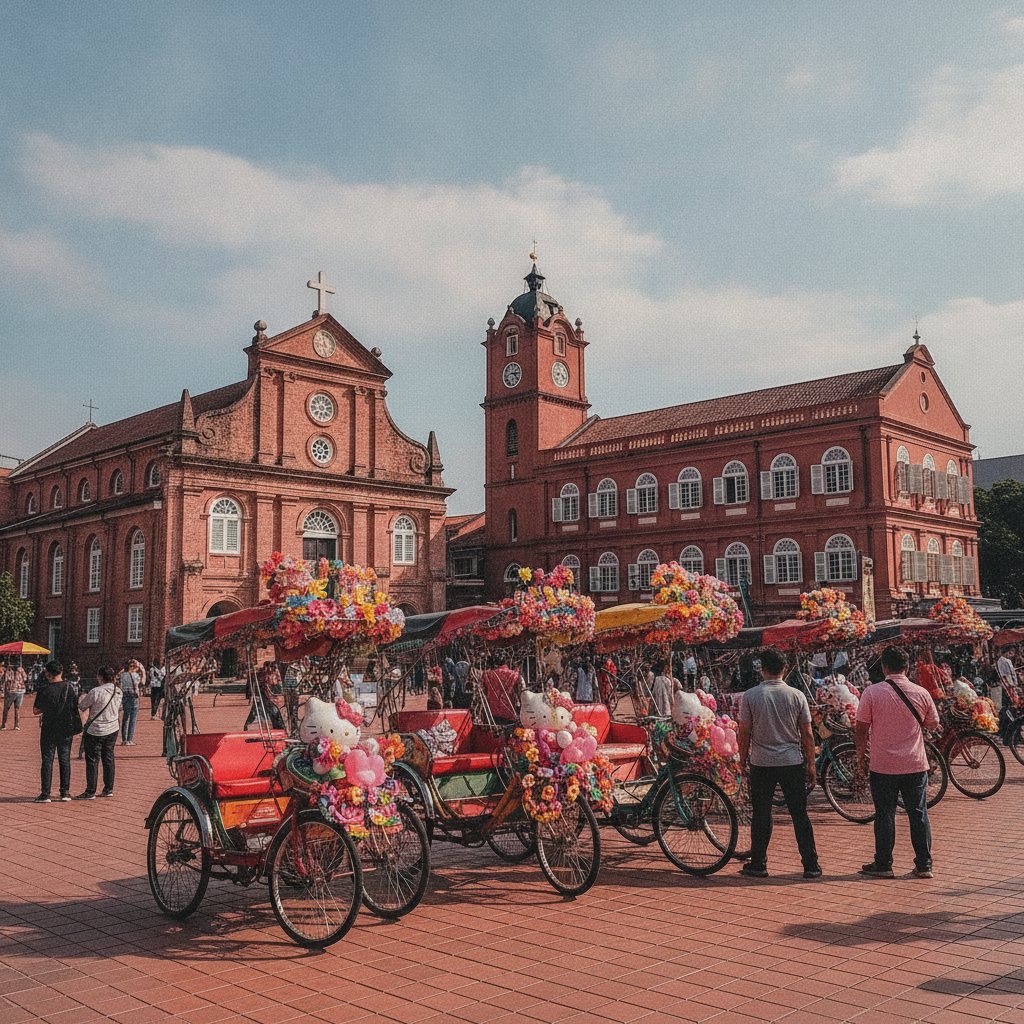
The Malacca State Museum complex near the Stadthuys encompasses multiple museum buildings in converted colonial-era structures — the History and Ethnography Museum (in the Stadthuys), the Literature Museum, the UMNO Museum, the Islamic Museum, the Architecture Museum, and the Governor's Museum collectively document the full complexity of Malacca's history from the sultanate period to contemporary Malaysian politics. The ensemble of museums in the heritage core allows a comprehensive engagement with Malacca's layered history in a single walkable precinct that makes the UNESCO heritage city one of the most museum-rich small cities in Southeast Asia.
Walk this route with audio
Stories play automatically as you reach each stop — no tapping needed.