Marrakech Medina Craft and Heritage: The Ben Youssef Madrasa, the Tanneries, the Dar Si Said Museum, the Mouassine Fountain District, and the Living Medina Craft Tradition
The Marrakech medina craft and heritage route covers the Ben Youssef Madrasa as the most elaborate Moroccan theological college, the leather tanneries where the medieval dyeing tradition continues, the Dar Si Said Museum of Moroccan arts, the Mouassine fountain neighborhood, and the living medina craft tradition of the zellige, the stucco, and the cedar wood.
- 1
Ben Youssef Madrasa: The Medina Theological College
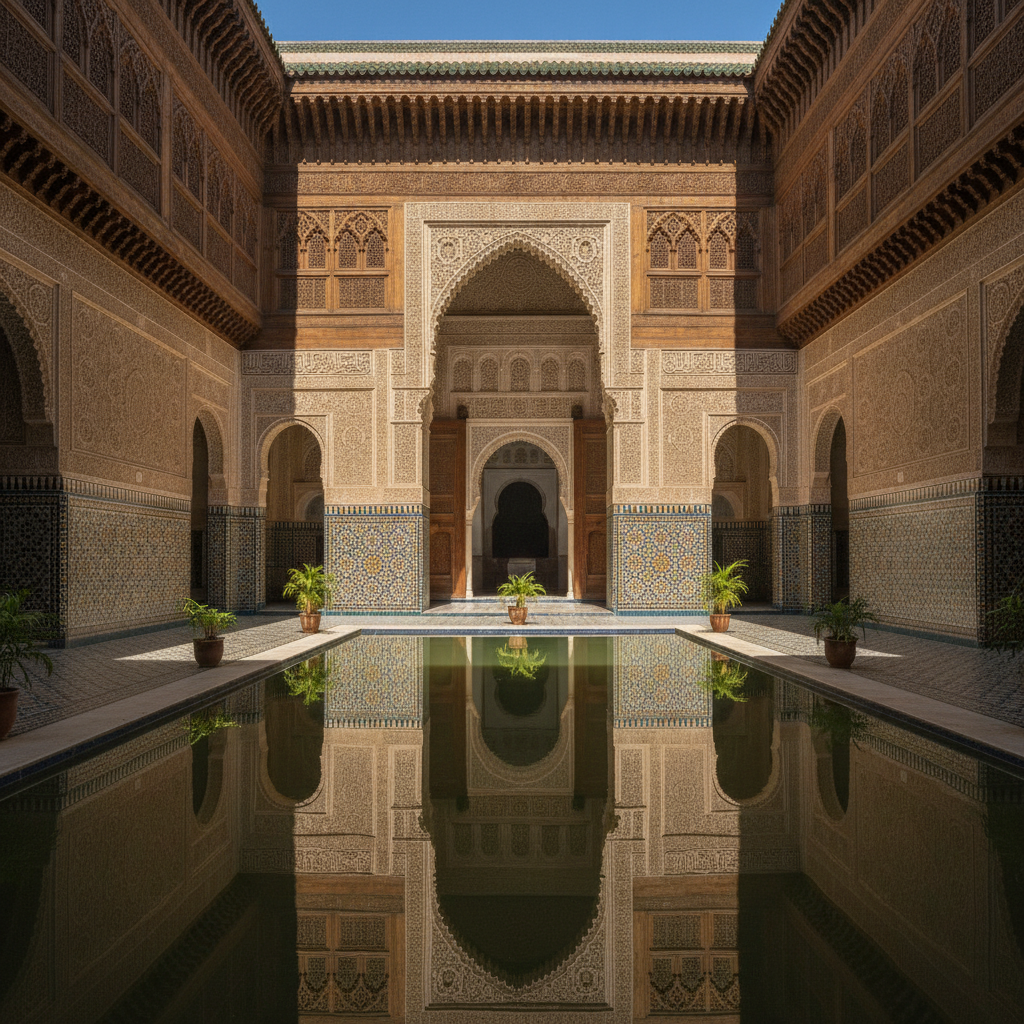
The Ben Youssef Madrasa, the 16th century Saadian theological college adjacent to the Ben Youssef Mosque, is the largest single madrasa in North Africa with 132 student cells on the upper floors and the most completely elaborated interior decoration in Moroccan Islamic architecture - the zellige tile lower walls, the carved stucco middle register, and the cedar wood muqarnas upper register creating the most layered single decorative surface in the Marrakech medina. The central courtyard pool reflecting the carved stucco walls is the single most photographed interior space in Morocco and the room that most completely encapsulates the Moroccan concept of decorative elaboration as the expression of the divine.
- 2
Marrakech Tanneries: The Medieval Dyeing Tradition
The Marrakech leather tanneries north of the souk des tapis, smaller than the famous Fes tanneries but equally atmospheric, maintain the medieval dyeing tradition of the goat and the sheep hide tanning in the limestone, the pigeon guano, and the natural plant dyes of the saffron (yellow), the indigo (blue), the poppy (red), and the henna (orange) in the open-air stone vat dyeing pits that create the most olfactorily powerful single working craft site in Morocco. The tannery viewing platforms on the surrounding leather goods shops provide the most complete single bird-eye view of the vat dyeing process that the medieval Islamic city perfected.
- 3
Dar Si Said Museum: The Moroccan Art Collection
The Dar Si Said Museum in the medina, the 19th century palace of the vizier Si Said converted to a Museum of Moroccan Arts in 1932, is the most important single collection of the traditional Moroccan decorative arts including the cedar wood carved panels, the Berber silver jewelry, the Moroccan carpet and kilim, the embroidered textiles, the musical instruments, and the pottery from the Marrakech and the High Atlas region. The museum building itself - the palace courtyard with the painted cedar ceilings, the zellige floors, and the carved stucco loggia - is the most complete single example of 19th century Alaouite period palatial decoration accessible to visitors in Marrakech.
- 4
Mouassine Quarter: The Living Medina Neighborhood
The Mouassine quarter in the northern medina, centered on the 16th century Mouassine Mosque and its public fountain that provided water to the surrounding neighborhood houses, maintains the most architecturally intact single residential medina neighborhood in Marrakech with the narrow riad-fronted lanes, the neighborhood fountain in the carved cedar wood and zellige niche, and the artisan workshops on the ground floors of the traditional houses. The Mouassine fountain with its Saadian-period carving is the most elaborate single public water distribution monument in the Marrakech medina and the neighborhood that most successfully resists the boutique riad conversion pressure.
- 5
Zellige and Stucco: The Moroccan Craft Tradition
The Moroccan zellige tilework - the individually cut ceramic tile fragments assembled into the geometric mosaic that covers the dado walls of every mosque, madrasa, fountain, and palace in Morocco - is the most labor-intensive single decorative art tradition in North Africa with each individual tile piece cut by hand with the hammer and the chisel from the fired ceramic blank, requiring the most skilled single artisan hand in the Moroccan craft system. The Marrakech zellige workshops in the medina produce the most complex single geometric compositions in Morocco and the zellige masters of the Marrakech tradition are the most sought-after individual craftsmen in the North African decorative arts market.
- 6
Marrakech Riads: The Hidden Interior
The Marrakech riad (traditional courtyard house) with the blank exterior wall facing the street and the interior life organized around the central courtyard garden is the most distinctively different single urban house type from the European model in the Mediterranean world. The riad conversion to boutique hotel accommodation (1,000 riads registered in 2020) has made the Marrakech riad the most commercially transformed single building type in Morocco and the accommodation format most sought by the international visitor market. The best Marrakech riads - the Riad Kniza, the Riad Farnatchi, and the El Fenn - are the most atmospherically concentrated single architectural expressions of the Moroccan domestic tradition accessible to the overnight visitor.
Walk this route with audio
Stories play automatically as you reach each stop — no tapping needed.
More in Marrakech
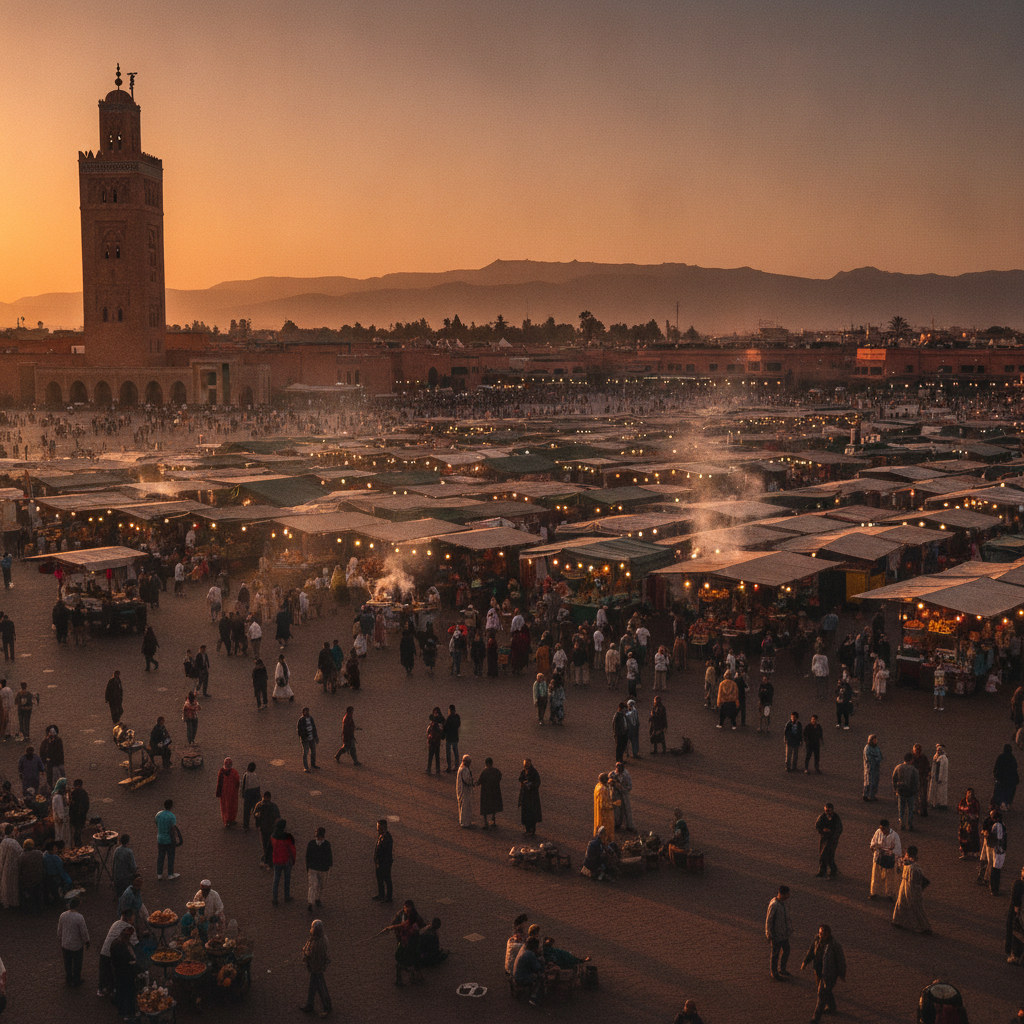
Djemaa el-Fna, the Medina & the Souks — Marrakech's Living UNESCO Heritage
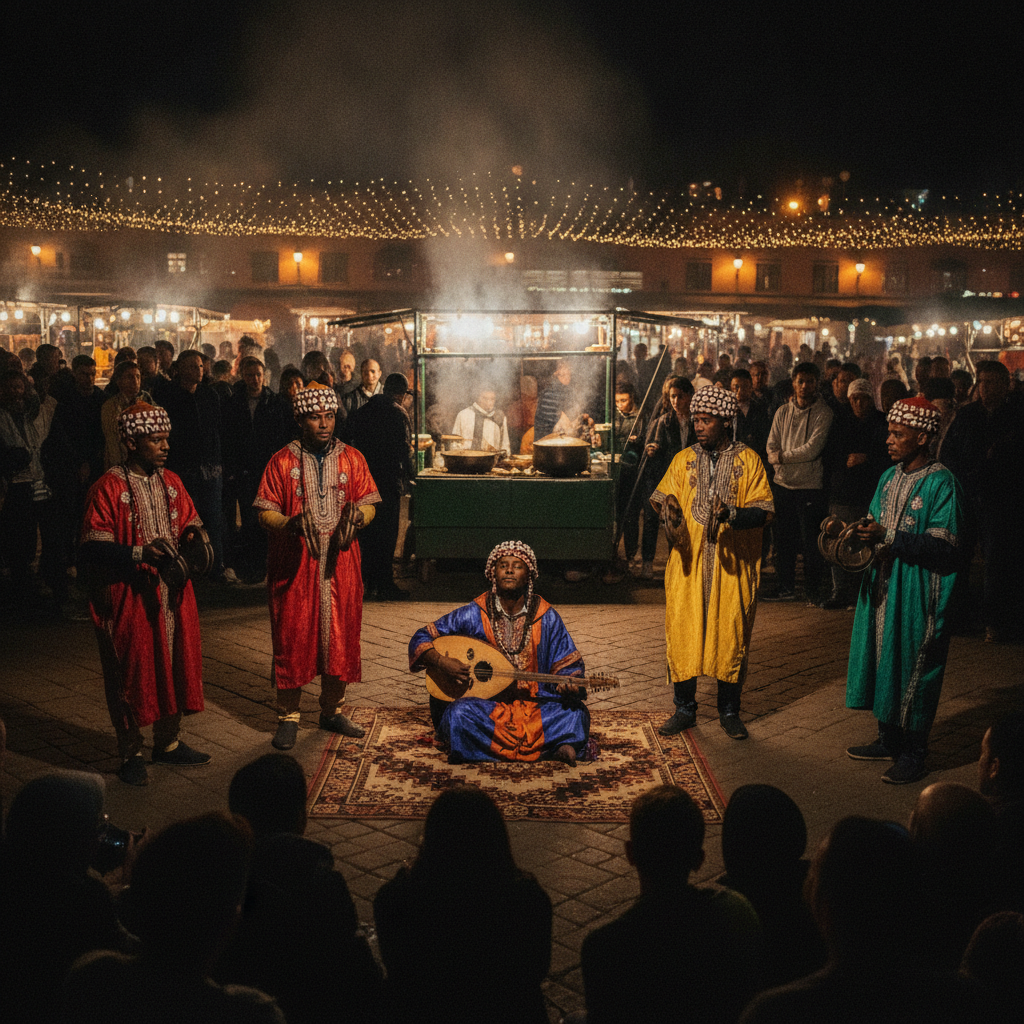
Gnawa Music, Sufi Culture & the Spiritual Heart of Marrakech
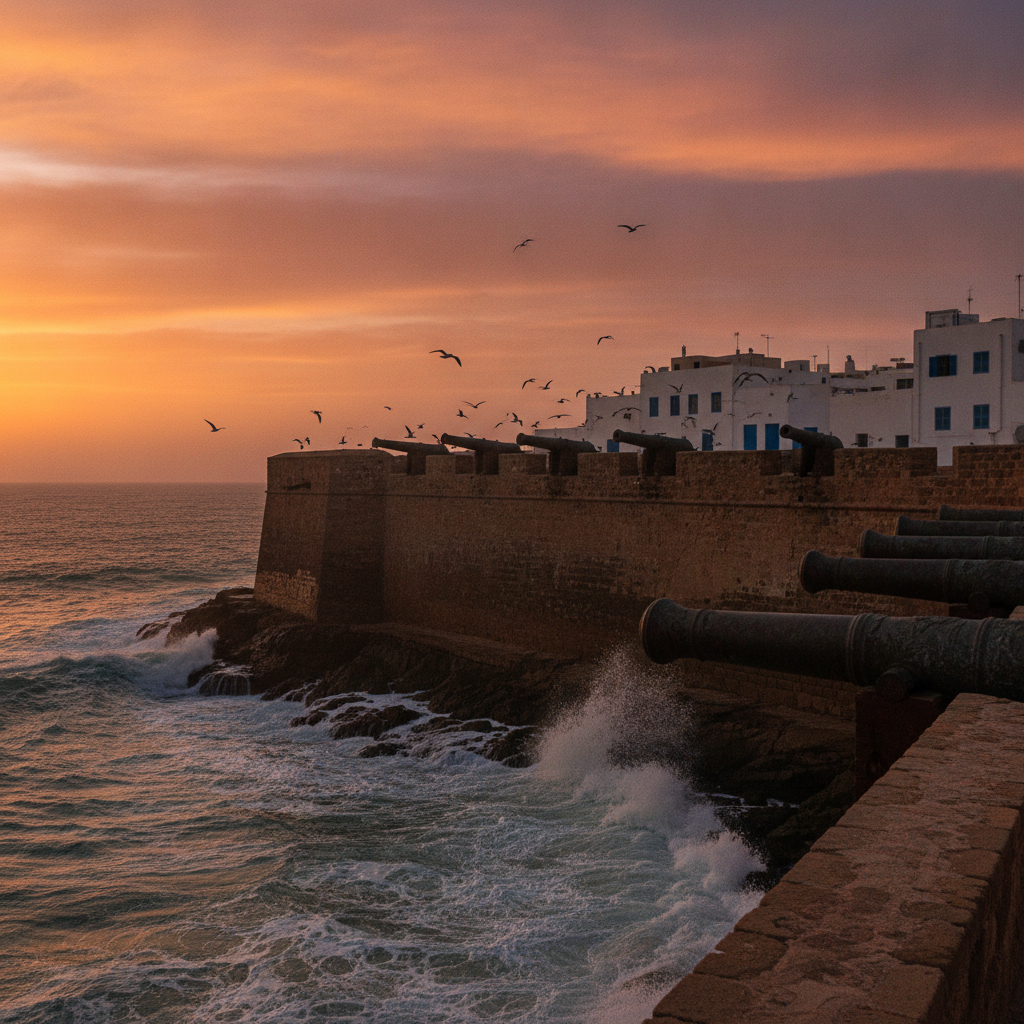
Essaouira — Marrakech's Atlantic Escape
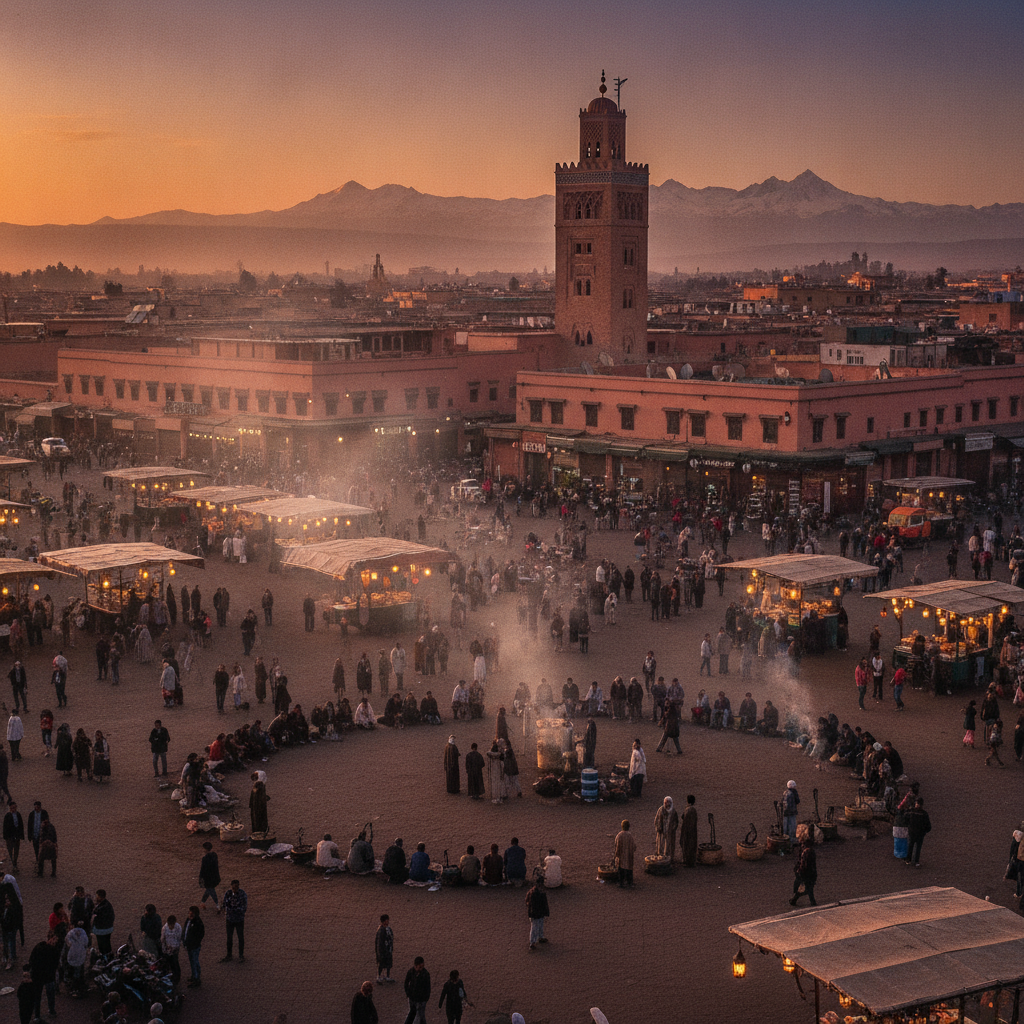
Marrakech Essential: Djemaa el-Fna the Living Square, the Medina Souks, the Koutoubia Mosque, the Bahia Palace, the Saadian Tombs, and the Pink City Character
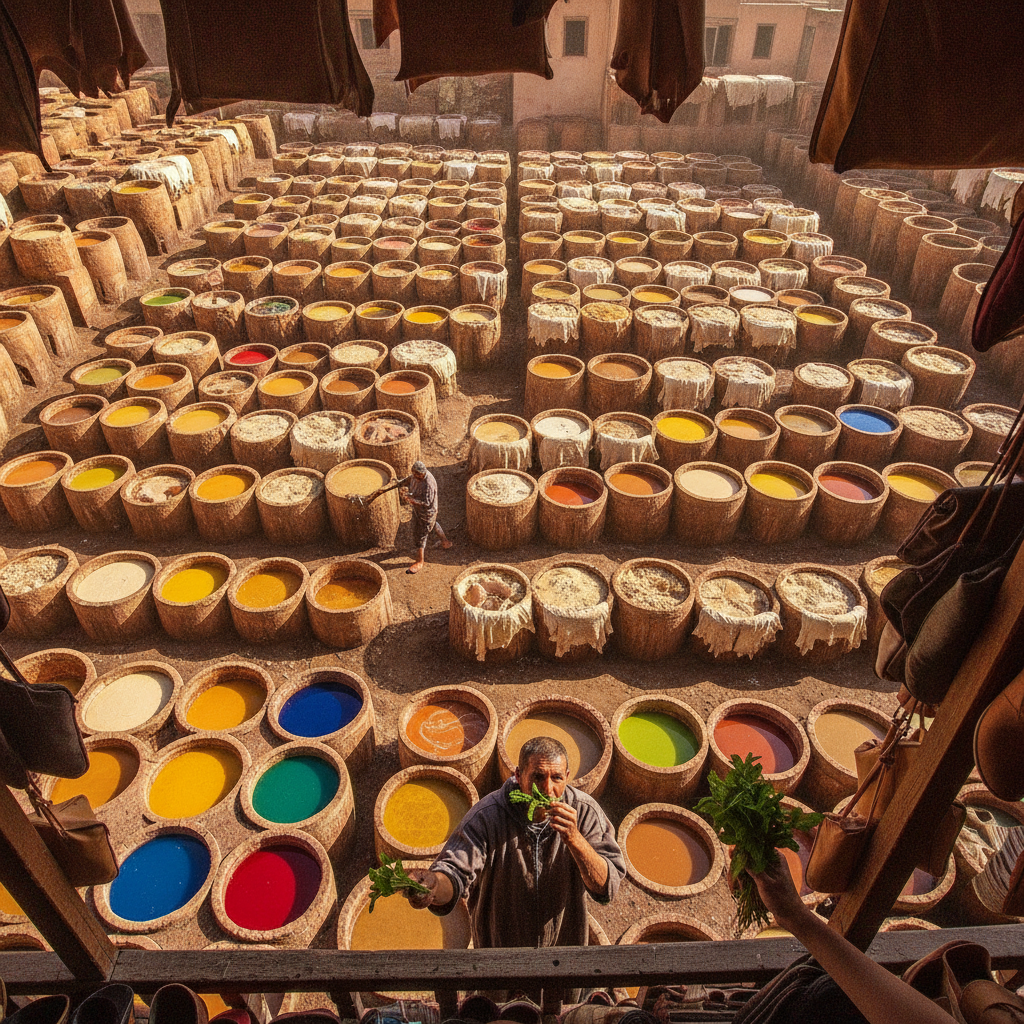
Moroccan Crafts — Leather Tanneries, Pottery & Artisans
