
Marrakech Hidden Heritage: The El Badi Palace Ruins, the Mellah Jewish Quarter, the Maison de la Photographie, the Contemporary Art Scene, and the Lesser-Known Medina Districts
The Marrakech hidden heritage route covers the El Badi Palace ruins as the greatest single Saadian architectural loss, the Mellah Jewish quarter and its synagogues, the Maison de la Photographie with its North African archive, the contemporary Marrakech art scene, and the lesser-known medina districts beyond the tourist circuit.
- 1
El Badi Palace: The Greatest Moroccan Architectural Loss
The El Badi Palace (Palace of the Incomparable), built by the Saadian Sultan Ahmad al-Mansur after his 1578 Battle of Three Kings victory using the Portuguese ransom gold, was the most splendid single palace in the Islamic world in its 16th century completeness with the 360 rooms, the Italian Carrara marble, the Sudanese gold inlay, the onyx, and the Indian alabaster decoration funded by the ton-for-ton exchange of the Moroccan sugar for the Carrara marble. Sultan Moulay Ismail stripped the El Badi of every decoration between 1696 and 1706 to build his new Meknes capital, leaving the most completely stripped single great architectural ruin in Morocco. The storks nesting on the ruined walls and the subterranean chambers are the most atmospheric single site in Marrakech.
- 2
Mellah: The Marrakech Jewish Quarter
The Mellah, the Jewish quarter established in 1558 by the Saadian sultan to house the Jewish community adjacent to the royal palace, is the most historically intact single Moroccan Jewish quarter after the Fes Mellah with the distinctive balconied houses, the Hebrew-inscription doorways, and the synagogues including the Lazama Synagogue still maintained by the tiny surviving Jewish community. The Marrakech Jewish community, once 40,000 strong and the most commercially significant single minority community in the Saadian economy, has declined to fewer than 200 residents since the post-1948 emigration to Israel and the post-independence departure for France. The Mellah represents the most poignant single monument to the Moroccan Jewish heritage.
- 3
Maison de la Photographie: The North African Archive
The Maison de la Photographie in the Marrakech medina, the private museum of the Moroccan photography collector Patrick Manac'h opened in 2009, houses the most important single archive of vintage photographs of Morocco and North Africa from the 1870s to the 1960s in the most atmospherically appropriate single installation space in the medina - the restored traditional house with the terrace overlooking the medina roofscape. The collection of the 19th century glass plate photographs, the early 20th century Orientalist studio photographs, and the documentary photographs of the Protectorate period is the most historically comprehensive single photographic archive of pre-independence Moroccan life.
- 4
Contemporary Marrakech Art: The Gallery Scene
The Marrakech contemporary art scene centered on the Gueliz gallery district and the annual Marrakech Biennale (established 2005, suspended 2017, revived) is the most internationally active single contemporary art scene in Africa after the South African market. The Galerie 127 (photography), the Matisse Art Gallery, and the David Bloch Gallery represent the most internationally connected single group of commercial galleries in North Africa. The Marrakech Art Fair and the residency programs that attract international artists to work in the Moroccan craft traditions create the most productive single contemporary art production environment in the Maghreb.
- 5
Riad Zitoun el-Kedim: The Undiscovered Medina District
The Riad Zitoun el-Kedim (Old Olive Tree Road) district of the Marrakech medina south of Djemaa el-Fna, less visited than the northern souk quarter, contains the most complete single concentration of the traditional riad house fabric in the medina with the Bahia Palace, the Dar Si Said Museum, and the residential riads accessible from the quiet lanes where the local medina life continues undisturbed by the tourist traffic. This southern medina quarter is the most architecturally intact single area of the Marrakech medina and the neighborhood that best preserves the traditional urban fabric of the Saadian and the Alaouite period city.
- 6
Bab Doukkala: The Western Gate Quarter
The Bab Doukkala gate area at the western medina wall, the least touristically developed single quarter of the Marrakech medina, contains the most authentic neighborhood market (the Bab Doukkala souk), the traditional Hammam Mouassine, and the working-class medina character that the Djemaa el-Fna tourist circuit has completely displaced from the central medina. The Bab Doukkala area is the most direct single contact point with the working Marrakech medina life as lived by the 300,000 residents who share the medina with the 2 million annual tourists and who concentrate their daily commerce and social life in the gateway districts where the tourist presence is lowest.
Walk this route with audio
Stories play automatically as you reach each stop — no tapping needed.
More in Marrakech
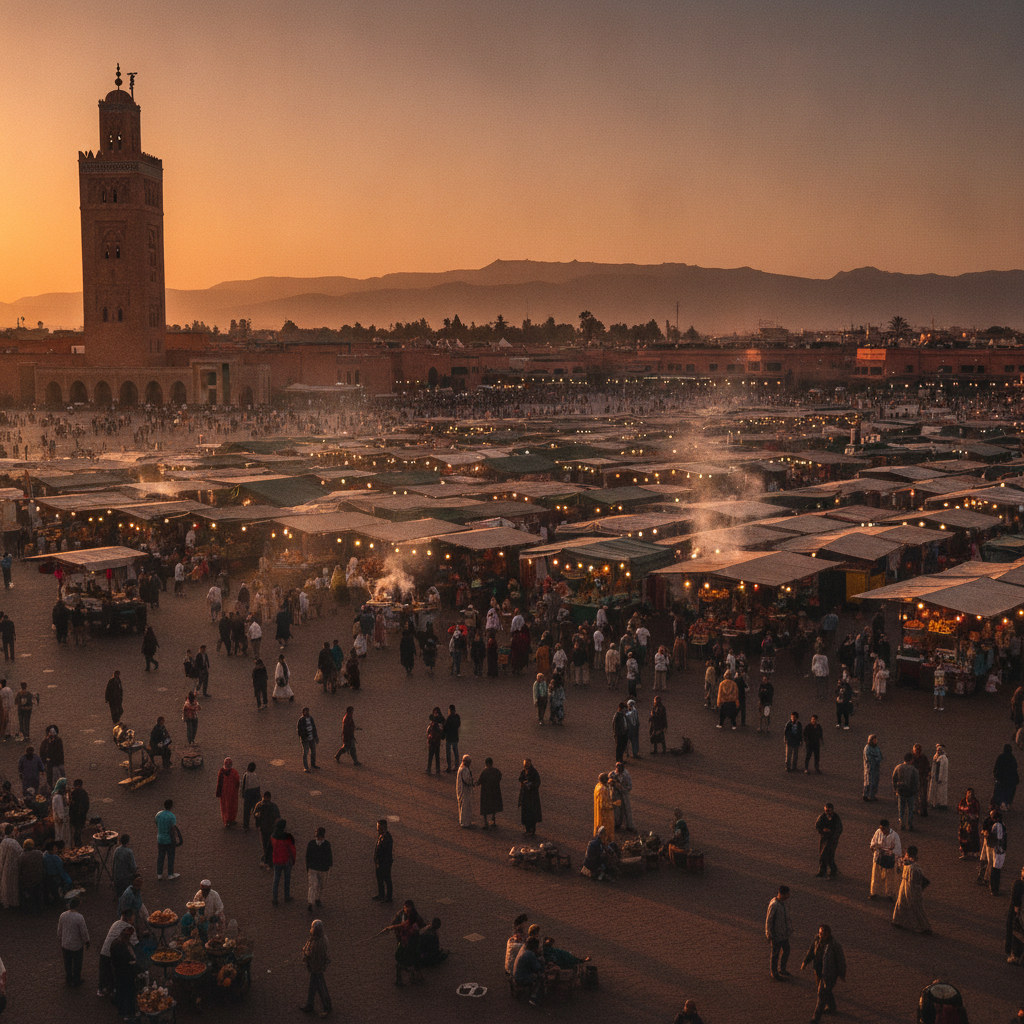
Djemaa el-Fna, the Medina & the Souks — Marrakech's Living UNESCO Heritage
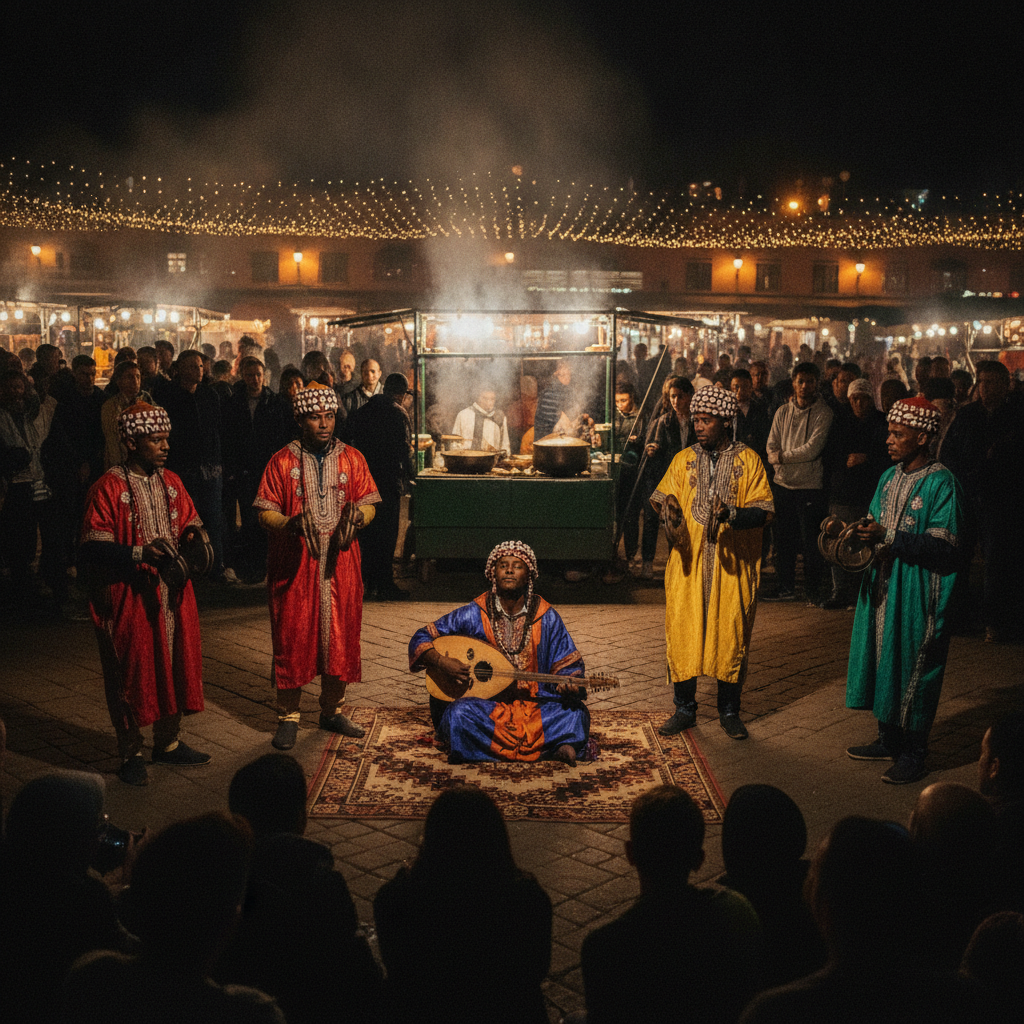
Gnawa Music, Sufi Culture & the Spiritual Heart of Marrakech
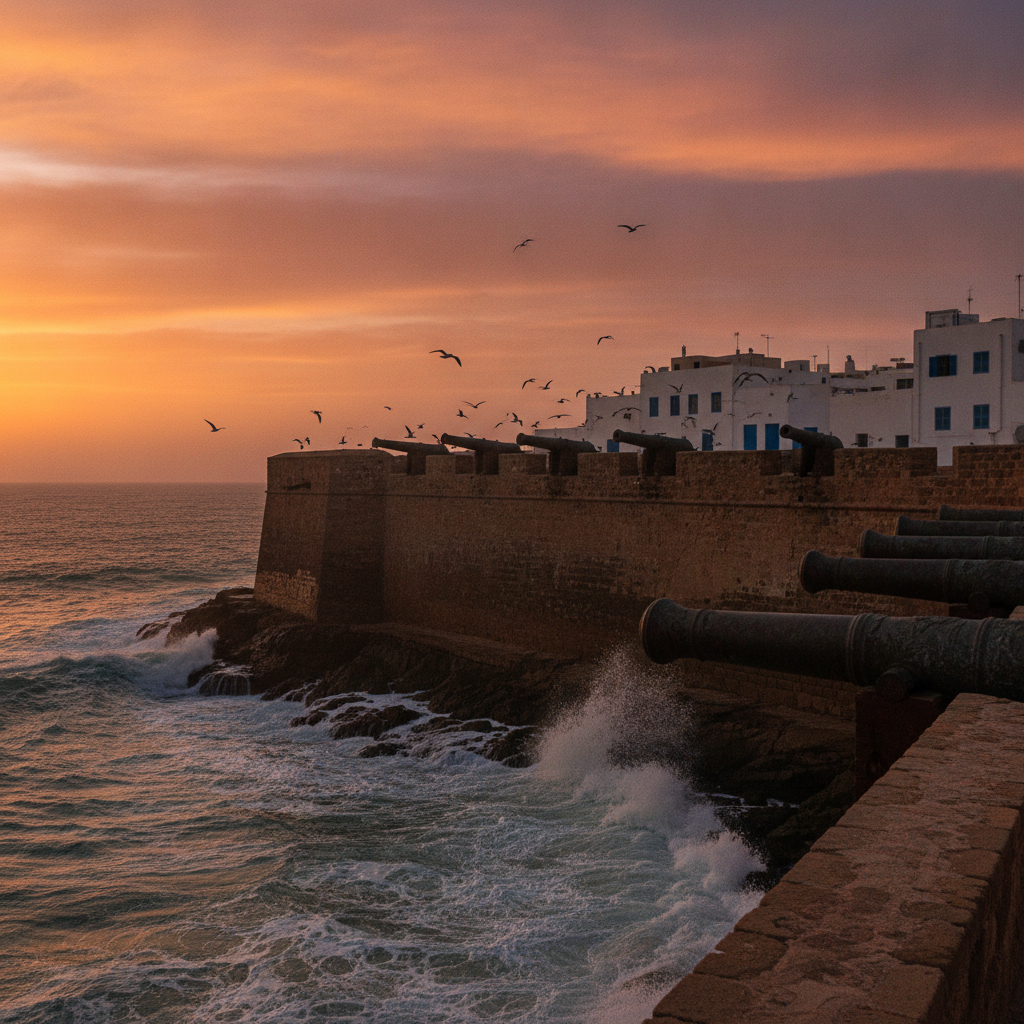
Essaouira — Marrakech's Atlantic Escape
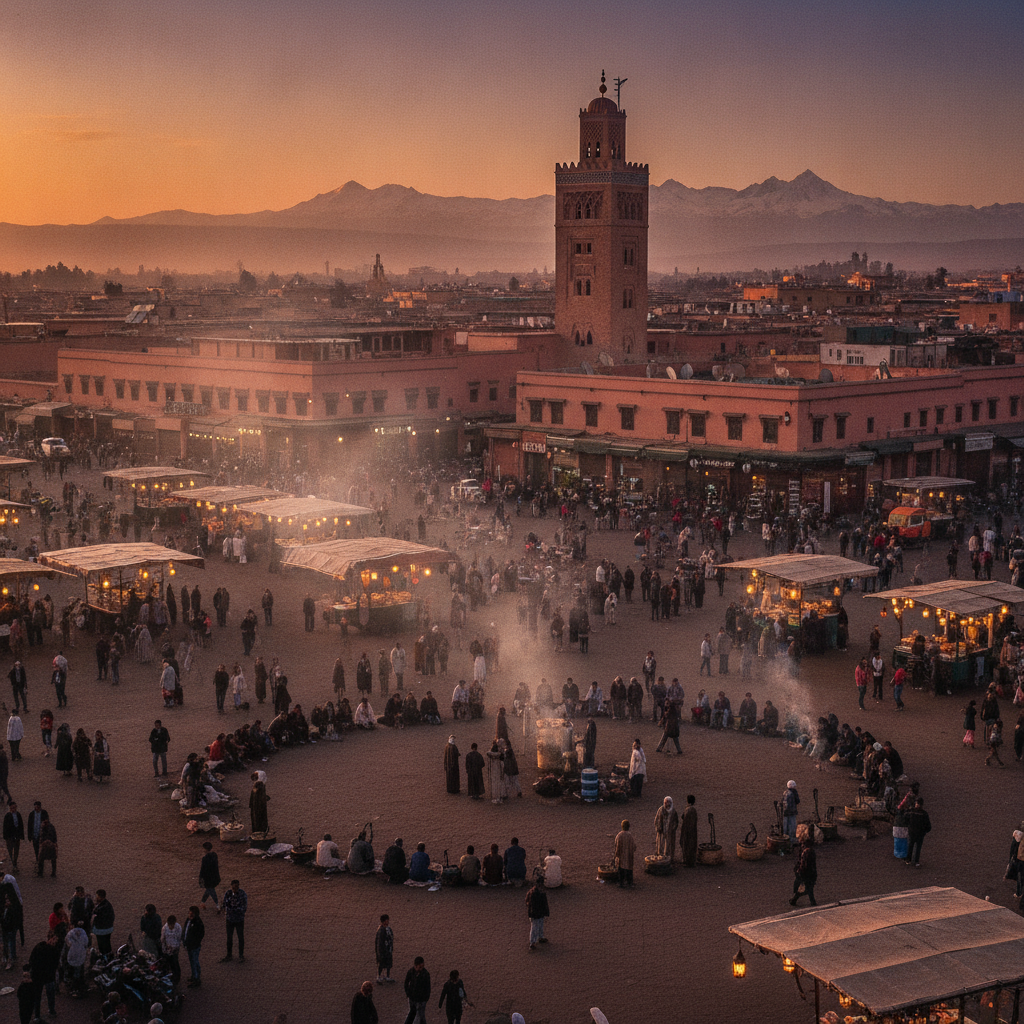
Marrakech Essential: Djemaa el-Fna the Living Square, the Medina Souks, the Koutoubia Mosque, the Bahia Palace, the Saadian Tombs, and the Pink City Character
Moroccan Crafts — Leather Tanneries, Pottery & Artisans
