Mawlamyine Market & Food Culture Walk
Taste Mawlamyine — the city's position at the confluence of the Mon, Burmese, Indian, and coastal food traditions makes it the most culinarily diverse single city in Myanmar, with the morning market, the street food culture, and the Mon cuisine restaurants providing the most complete regional food survey accessible at any Myanmar destination.
- 1
Zay Cho Market
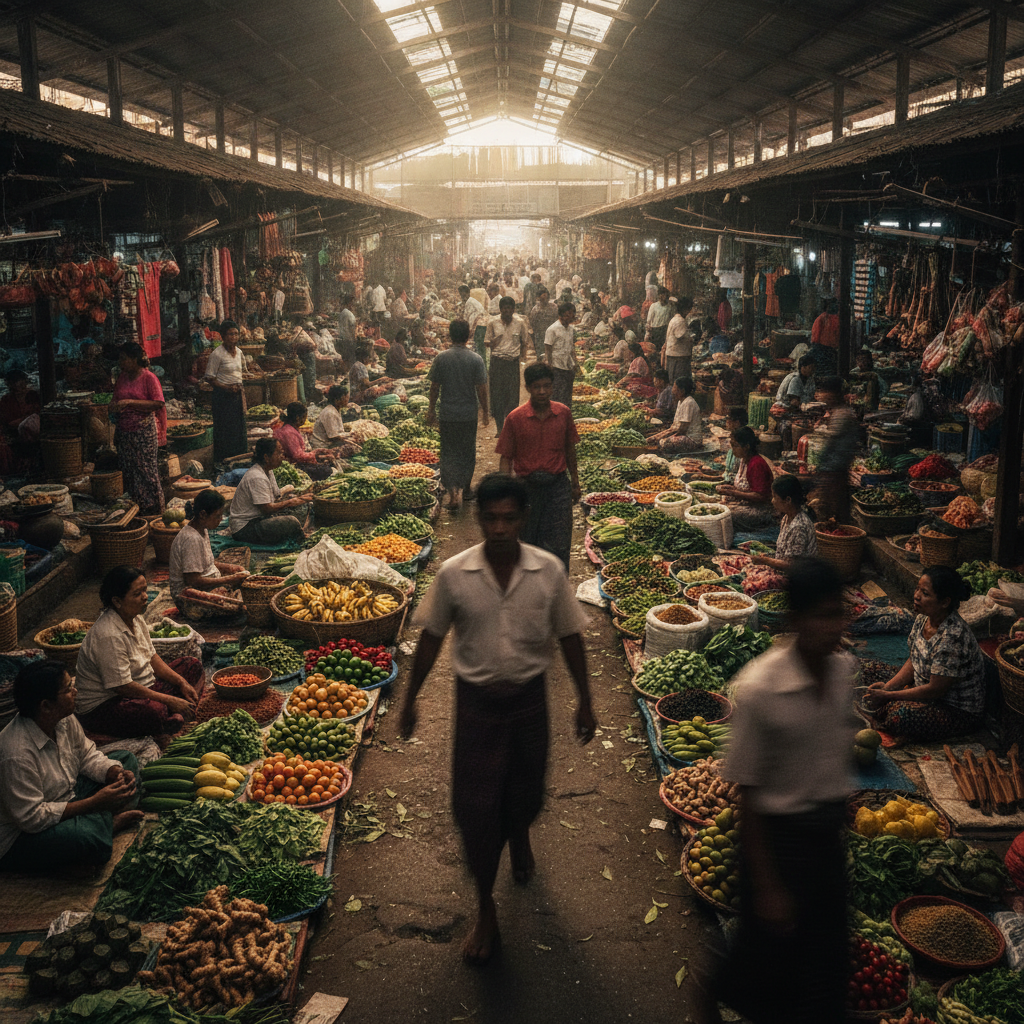
The Zay Cho market (the main municipal market of Mawlamyine, the largest and most diverse single market accessible in Mon State) is the most important single food and commerce encounter available in the city — the market's divisions (the wet market with the fresh fish, the meat, and the vegetables; the dry market with the dried seafood, the spices, and the preserved foods; and the cooked food section with the various prepared dishes available from the stalls that serve the market workers' breakfast and lunch) create the most complete survey of the Mawlamyine food economy accessible in a single location. The Zay Cho market's fish section (the Salween River and the Mon State coastal fish species available in a greater diversity than at any other Myanmar market accessible outside Yangon) is the most specifically regional single food encounter accessible in Mon State, documenting the full range of the river, estuary, and coastal seafood available at the Mawlamyine fishing landing.
- 2
Indian Muslim Biryani
The Indian Muslim biryani restaurants on the streets near the Mawlamyine mosque (the Indian Muslim community that has maintained the biryani and the halal food traditions in Mawlamyine since the British colonial period, when the Indian trading community established the most significant Indian presence at any city in British Burma outside Rangoon) provide the most unexpectedly Indian food encounter accessible in Myanmar — the Mawlamyine biryani (the fragrant rice dish cooked with the aromatic spices, the mutton or the chicken, and the caramelised onion in the Hyderabadi and the South Indian Muslim style brought by the traders from the Indian subcontract) is the most directly authentic single Indian food preparation accessible in Myanmar. The Indian Muslim community's food culture (the morning samosa and the chai at the street teashop, the biryani at the midday, and the curry with the roti at the evening) provides the most complete encounter with the sub-continental food tradition accessible in Mon State.
- 3
Mon Noodle Breakfast
The Mon-style noodle breakfast (the Mon version of the mohinga fish noodle soup, using the river catfish or the estuary fish broth with the Mon spice combination and the Mon-style accompaniment garnishes that distinguish it from the Burmese national version of the same dish) available at the Mon restaurants around the Mawlamyine market area is the most directly Mon cultural food encounter accessible in the city — the Mon mohinga's distinctive character (the slightly spicier broth, the use of the specific Mon ngapi variety that gives the base a more intensely fermented character, and the garnish of the fried onion rings and the fresh coriander that is the Mon-specific preparation) distinguishes the Mawlamyine mohinga from the versions accessible in the central Myanmar cities as clearly as the Mon culture itself differs from the Burmese mainstream. The breakfast ritual at the Mon noodle stall (the early morning gathering of the market workers, the monks collecting the food for the monastery's morning meal, and the traders stopping for the pre-market breakfast) is the most directly communal single food encounter accessible in the city's morning.
- 4
Coconut Jaggery Sweets
The Mon and Burmese sweets made from the coconut and the palm jaggery available at the Mawlamyine market confectionery section (the shwe gyi (semolina and coconut cake), the mon baung (rice cake steamed in the banana leaf with the coconut filling), and the various palm-jaggery-sweetened traditional confections that are the most specifically Mon sweet preparations accessible in the market) are the most culturally distinctive single sweets encounter accessible at any Myanmar city market — the palm jaggery (the concentrated palm sugar produced from the toddy palm sap, the dark brown crystalline sweetener that is the specific flavour of the Myanmar traditional sweet preparation, distinct from the refined white sugar used in the international confectionery) provides the most directly regional sweetness accessible in the Mon State market. The confectionery vendors' morning production (the steaming banana-leaf packets of the fresh-cooked rice cakes, the golden shwe gyi rounds still warm from the cooking, and the colourful display of the various traditional sweets on the bamboo tray) creates the most visually appetising single market section encounter accessible in Mawlamyine.
- 5
Riverside Tea Shop
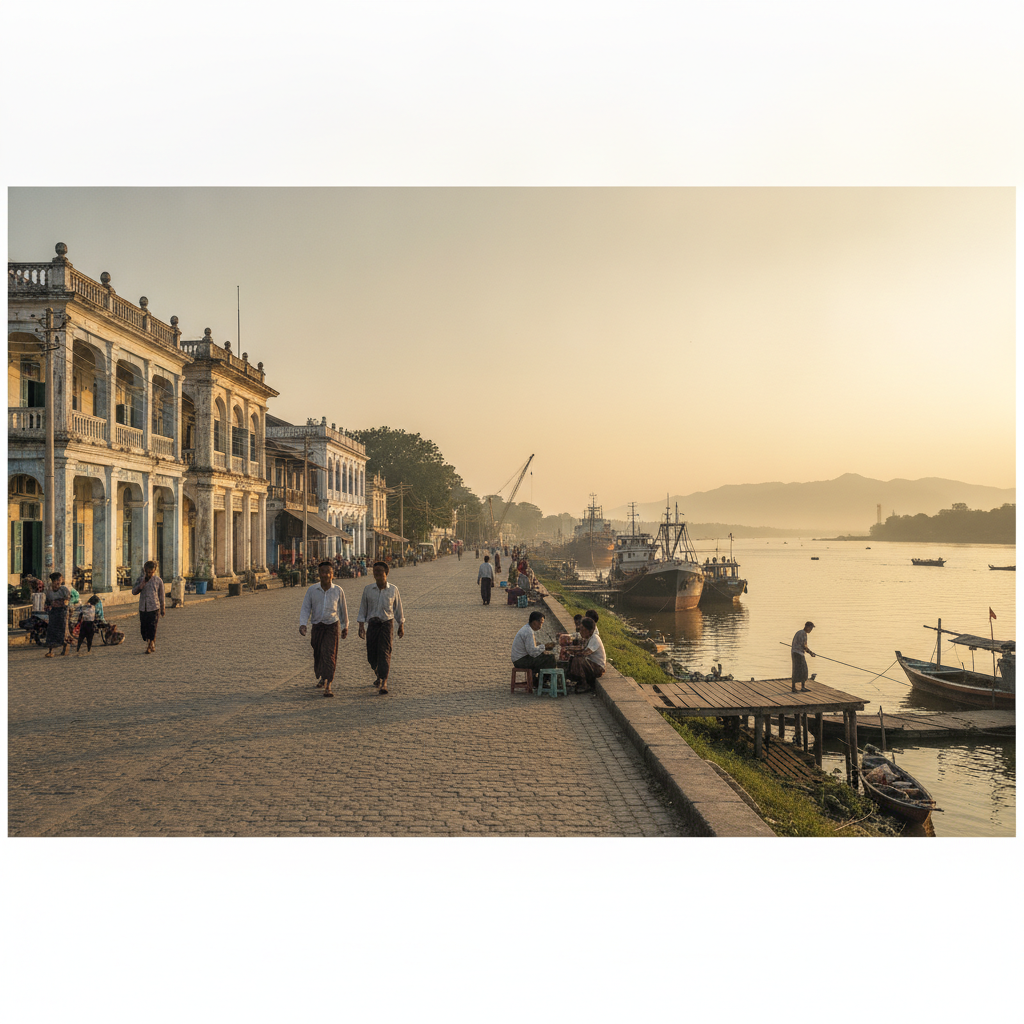
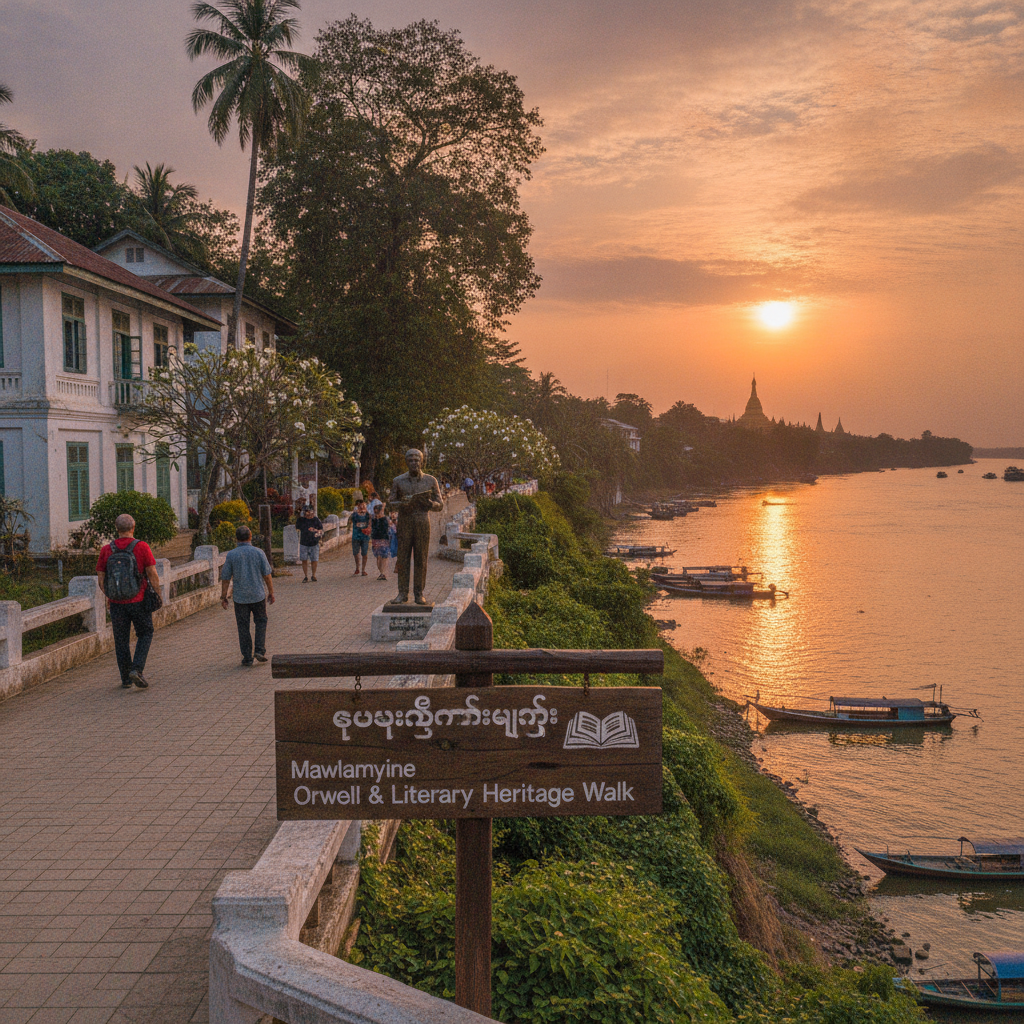
The teashops along the Mawlamyine Strand Road (the traditional Myanmar tea shop serving the sweet milk tea, the green tea, and the various breakfast preparations — the laphet thohk (fermented tea leaf salad), the Indian-influenced samosa and the dosa, and the traditional Burmese bread with the bean paste — in the open-fronted shop with the low tables and the small plastic stools that is the most universally accessible single social space in Myanmar) are the most directly social single encounter available at the Mawlamyine riverside — the tea shop's community function (the meeting point for the morning conversation, the business negotiation, and the political discussion that the tea shop hosts throughout the Myanmar day from 5am to 10pm) and the Strand Road's riverside location (the best possible views of the Salween River available from the teashop terrace) create the most contextually complete version of the Myanmar tea-shop experience accessible in Mawlamyine.
- 6
Evening Street Food
The Mawlamyine evening street food (the collection of the cooked food vendors and the temporary stalls that appear in the evening along the main streets of the city centre, selling the grilled corn, the deep-fried snacks, the noodle soup, and the Shan and Mon preparations that constitute the Myanmar street food tradition) is the most socially animated single food encounter accessible in Mawlamyine after the market's daytime hours — the evening food street's character (the combination of the local working community eating their evening meal from the street stalls and the occasional visitor sampling the Mon street food culture in the most naturally integrated way accessible without a restaurant booking) creates the most democratic single food experience available in the city. The evening's most distinctive offering (the Mon-style htamin gyin (sour rice) and the steamed glutinous rice preparation sold from the traditional bamboo-basket containers) are the most specifically Mon evening foods accessible in the street food environment.
Walk this route with audio
Stories play automatically as you reach each stop — no tapping needed.