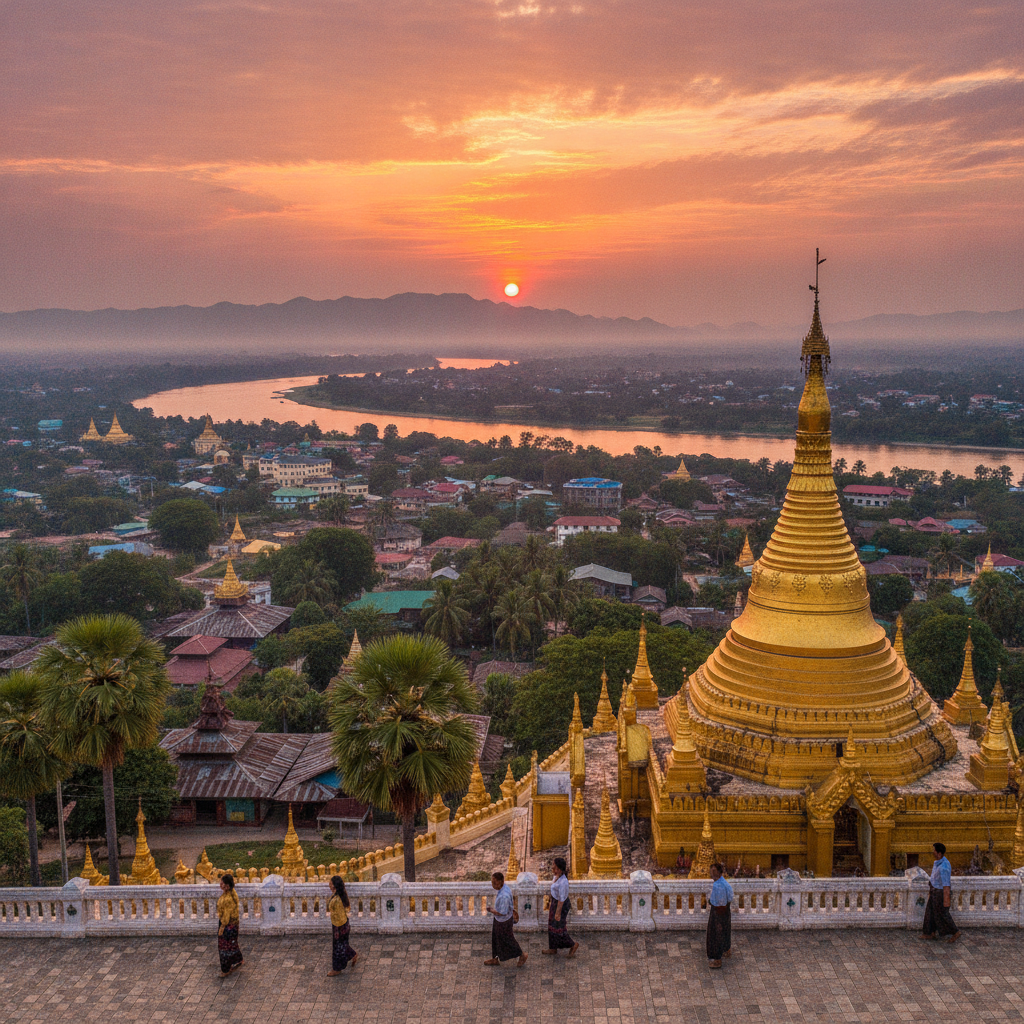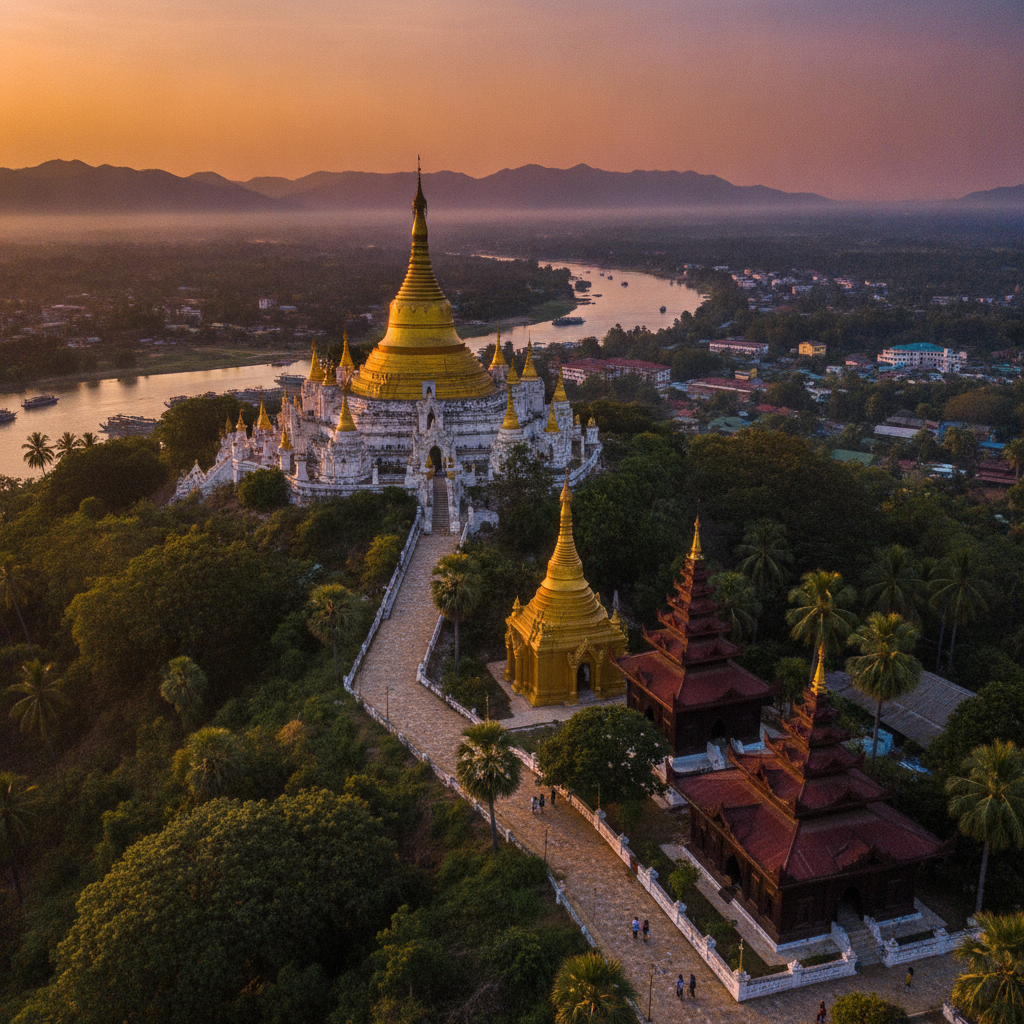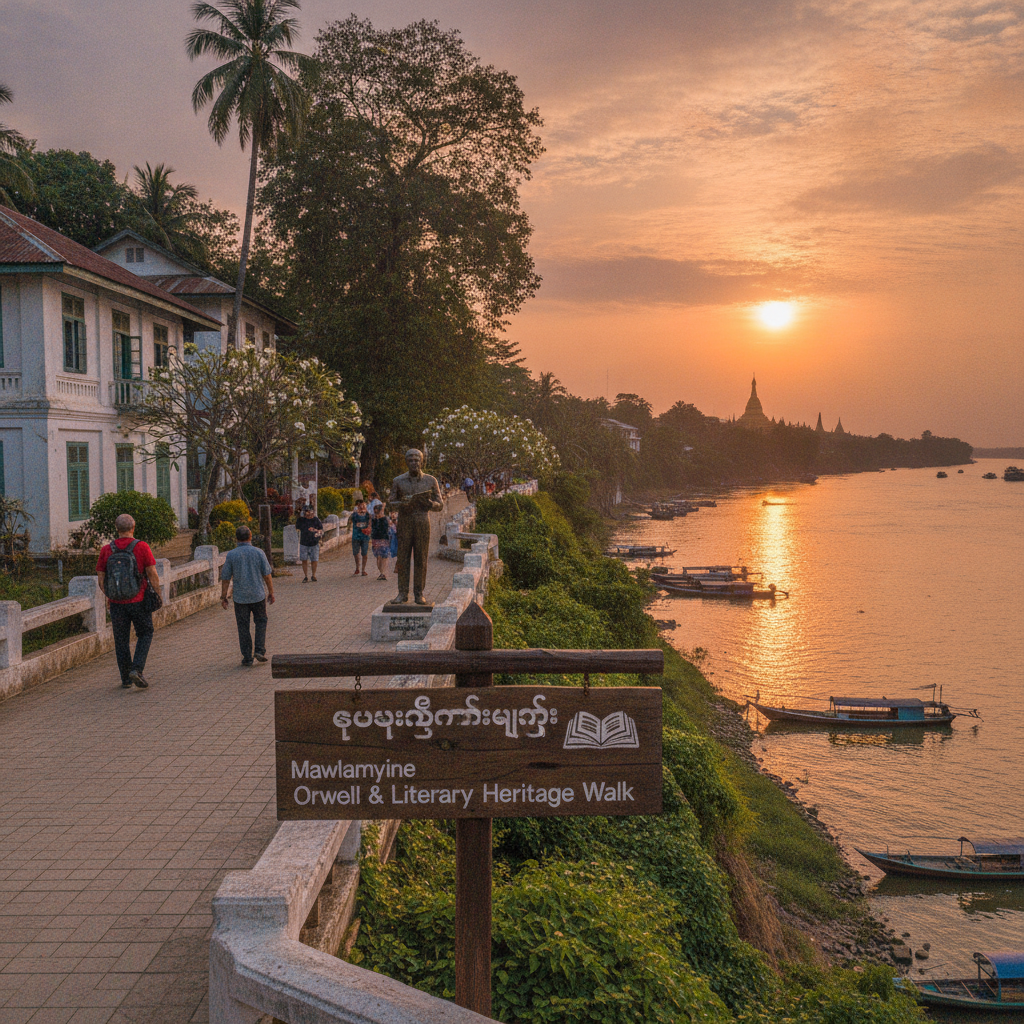
Mawlamyine Orwell & Literary Heritage Walk
Follow Orwell's footsteps in Mawlamyine — the young Eric Blair (later George Orwell) served as an imperial police officer in Burma in the late 1920s, and his experiences in Moulmein/Mawlamyine directly inspired 'Shooting an Elephant', 'A Hanging', and elements of 'Burmese Days', making the city the most significant single literary location connected to one of the 20th century's most important writers.
- 1
Orwell Police Station Site
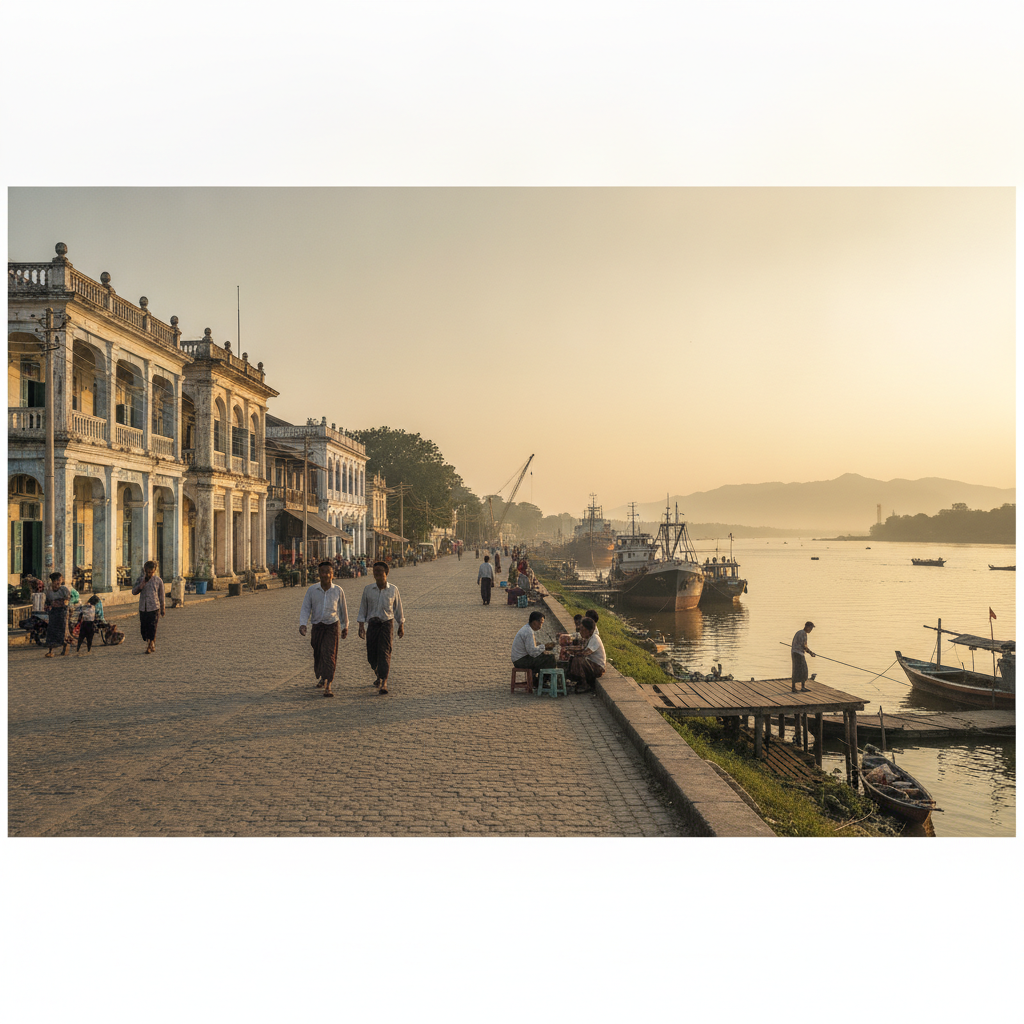
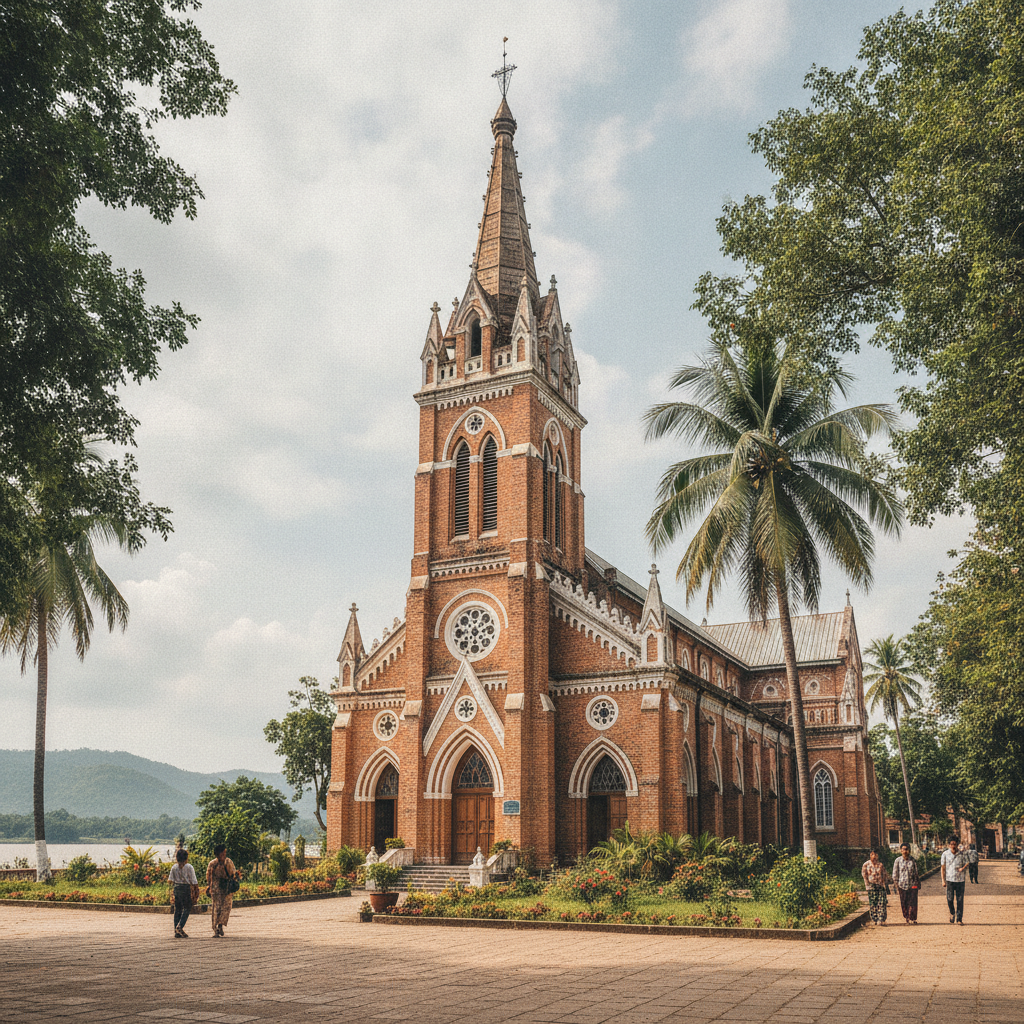
The former site of the colonial police station in Mawlamyine (the administrative building where the young Eric Blair served as an imperial police officer in the late 1920s, the institution that gave him the direct experience of colonial enforcement and the moral crisis that would eventually shape his political writing) is the most historically literary significant single location accessible in Mawlamyine — the police station's institutional role (the enforcement arm of the colonial administration, the instrument through which the Empire maintained order in the colonised population, and the position that placed Orwell in direct contact with both the violence of the colonial system and the local population's response to the British presence) provided the specific experiential basis for the two most direct literary expressions of Orwell's anti-colonial position. The building's location in the colonial administrative quarter (among the courthouse, the jail, and the other institutions that constituted the British government of Moulmein) documents the full architecture of the colonial administrative apparatus that Orwell experienced from the inside.
- 2
Shooting an Elephant Location
The location in Mawlamyine where Orwell's famous essay 'Shooting an Elephant' was set (the Burmese quarter where the working elephant ran amok, the crowd of thousands who gathered to watch the imperial policeman's response, and the open space where the elephant was eventually shot in the most famous single act described in any Orwell essay) provides the most directly experientially literary single walk available in Mawlamyine — the essay's central insight (the young policeman's realisation that he must shoot the elephant he does not want to kill in order to avoid losing face before the crowd, and the essay's conclusion that 'when the white man turns tyrant it is his own freedom that he destroys') is the most condensed single expression of Orwell's anti-imperialist politics available in his early work. The essay's conclusion (the policeman's reflection that he had done it 'solely to avoid looking a fool' before the crowd) provides the most direct single literary expression of the psychological mechanism of colonial authority accessible in the English literature of imperialism.
- 3
A Hanging Memorial Walk
The site of the Mawlamyine prison and the execution yard (the location of 'A Hanging', Orwell's essay describing the execution of a Hindu prisoner and the young policeman's moral awakening — the moment when the condemned man steps aside to avoid walking through a puddle, and the policeman's sudden realisation that this ordinary life-affirming reflex reveals the full moral horror of the execution about to occur) is the most directly moral-philosophically significant single literary location accessible in Mawlamyine — the essay's central image (the Hindu prisoner carefully walking around the puddle on the way to his execution, and Orwell's epiphany: 'this man was not dying, he was alive just as we were alive') is the most humanistically powerful single paragraph in Orwell's early work and one of the most cited passages in the English literature of capital punishment. The prison site's documentary significance (the colonial jail's role as the physical space where the coloniser's power over life and death was most directly exercised) makes it the most historically charged single location accessible in the literary Mawlamyine walk.
- 4
Kipling Moulmein Pagoda
The Kyaikthanlan Pagoda ('the old Moulmein Pagoda' of Kipling's poem 'Mandalay' — the poem that is the most famous single literary evocation of British Burma accessible in the English language) provides the most directly Kipling-connected single literary location accessible in Myanmar — the poem's opening line ('By the old Moulmein Pagoda, looking eastward to the sea') and its nostalgic evocation of the Burmese girl 'a-settin' by my side' have made the Kyaikthanlan the most romantically celebrated colonial-era landmark in the Mawlamyine literary landscape. The poem's specific geography (the 'road to Mandalay where the flying fishes play', the sound of the temple bells across the water, and the 'steamers a-wastin' smoke upon the sea') and the pagoda's ridge-top position overlooking the Salween River create the most directly verifiable single literary landscape accessible in the city. The contrast between Kipling's romantic imperialism and Orwell's moral rejection of the same colonial project makes the Kyaikthanlan the most dramatically paradoxically significant single literary site accessible in Myanmar.
- 5
Burmese Days Setting
The Mawlamyine setting of elements of Orwell's novel 'Burmese Days' (the fictional 'Kyauktada' that is based on Orwell's Burma postings including Mawlamyine, the English Club that is the central social institution of the novel's colonial community, and the landscape of the colonial town that Orwell renders with the most precisely observed specific detail accessible in the English-language fiction of Burma) provides the most novelistically contextualised single literary walk accessible in the city — the novel's portrait of the English colonial community (the traders, the administrators, and the wives who maintain the British social world in the tropical environment of colonial Burma) and the Burmese characters who navigate the moral compromises of collaboration with the colonial system create the most complex single fictional portrait of British Burma accessible in the literary tradition. The novel's contemporary significance (the questions it raises about cultural identity, moral compromise, and the human cost of the colonial project) makes the Mawlamyine literary walk the most ethically engaged single heritage activity accessible at any Myanmar city.
- 6
Colonial Quarter End Walk
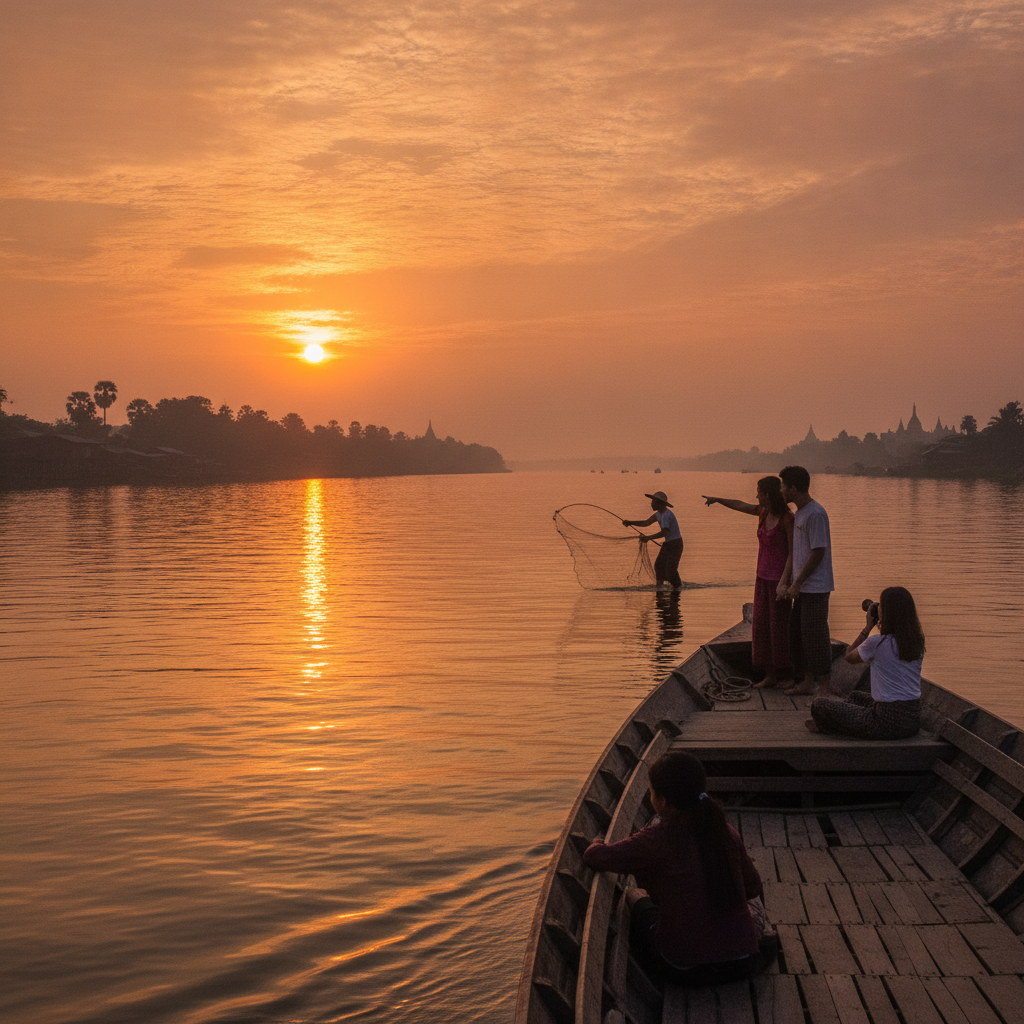
The conclusion of the Mawlamyine literary walk (the return through the colonial administrative quarter toward the Strand Road, passing the remaining colonial buildings and ending at the riverside where the sunset view across the Salween frames the most romantically Mawlamyine conclusion to the literary heritage day) consolidates the most complete single literary heritage experience accessible in Myanmar — the walk's synthesis (the physical landscape of the colonial city visible in the remaining architecture, the literary resonances of the Orwell and Kipling texts in the specific locations encountered, and the contemporary Mon State city visible simultaneously in the same streets and buildings) creates the most directly historical-literary experience accessible in the country. The final view from the Strand Road (the wide Salween, the pagoda ridge illuminated in the late afternoon light, and the departure point for the river crossing that would have been every colonial official's entry into Moulmein during the British period) completes the most atmospherically colonial single literary promenade accessible in Myanmar.
Walk this route with audio
Stories play automatically as you reach each stop — no tapping needed.