Mawlamyine Mon Ethnic Culture Walk
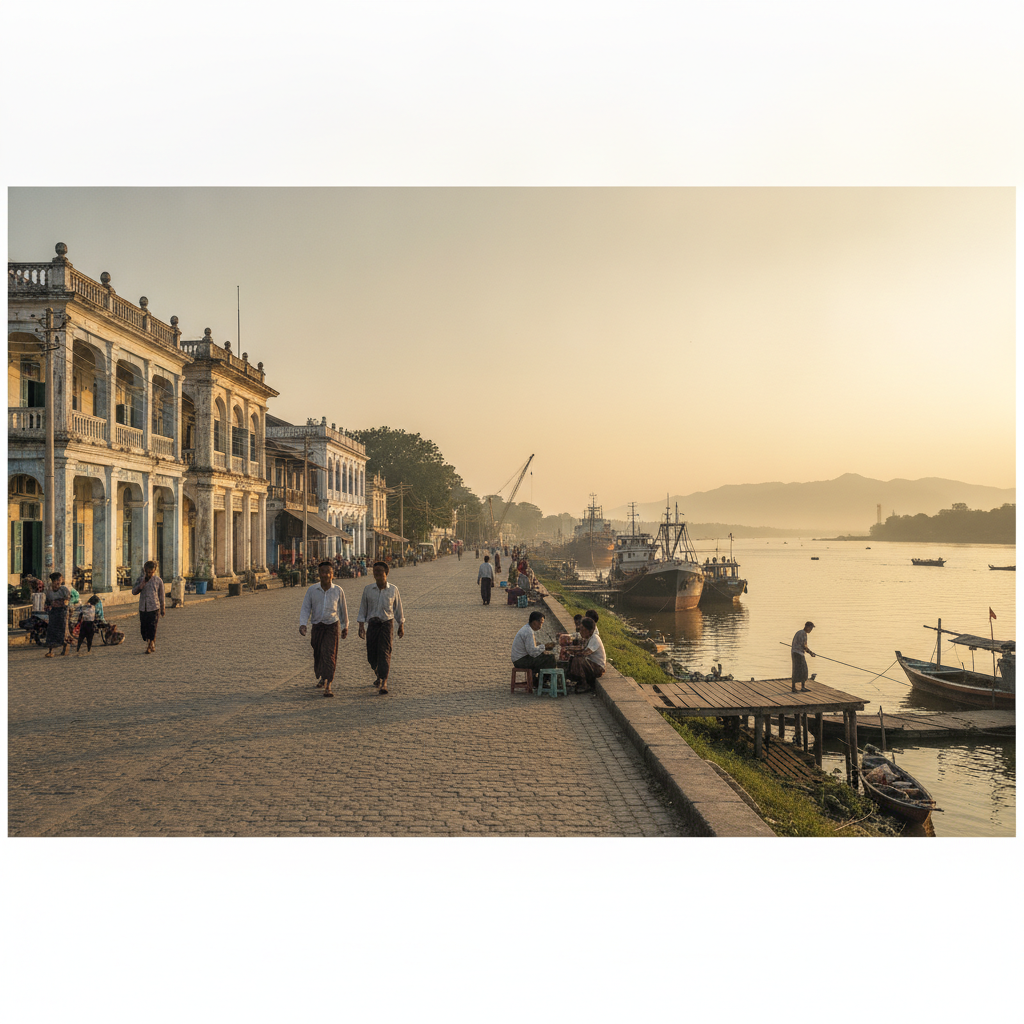
Discover Mon culture at Mawlamyine — the Mon people are the most historically significant ethnic group in lower Myanmar, and Mawlamyine as the capital of Mon State is the most accessible single city for encountering the Mon language, the Mon Buddhist tradition, the Mon cuisine, and the Mon cultural heritage that predates Burmese civilisation.
- 1
Mon State Cultural Museum
The Mon State Cultural Museum (the state museum documenting the history, the archaeology, and the material culture of the Mon people from the earliest inscriptions to the present) is the most systematically educational single encounter with the Mon civilisation accessible in Mawlamyine — the museum's collection (the replicas of the oldest Mon inscriptions, the traditional Mon costume and jewellery, the Buddhist bronze images in the distinctive Mon artistic style, and the documentation of the Mon kingdom's historical extent across the region that is now lower Myanmar and parts of Thailand) provides the most complete survey of the Mon civilisation's geographical and historical scope accessible at a single institution. The museum's exhibition of the Mon language (the Austroasiatic language with the oldest written tradition in Southeast Asia, the script that provided the basis for the Thai, Khmer, and Burmese writing systems) is the most directly linguistically significant collection accessible in the region.
- 2
Mon Traditional Dress
The Mon traditional dress visible at the Mawlamyine pagodas and the cultural events (the women's longyi in the traditional Mon woven silk with the characteristic geometric patterns in the dark background colours distinctive from the more colourful Burmese and Shan textiles, and the men's traditional Mon dress for the ceremonial occasions) is the most immediately visible single marker of Mon cultural identity accessible in the city — the Mon textile tradition (the hand-woven silk longyi production in the Mon State villages accessible from Mawlamyine, the weaving of the geometric patterns on the traditional loom that has been the most important single craft industry of the Mon community for centuries) creates the most directly artisanal cultural encounter accessible in the Mon State capital. The traditional dress's use (the Mon community members visible in the traditional textiles at the pagoda festivals, the monastery ceremonies, and the Mon cultural events that occur throughout the year in Mawlamyine) makes the cultural dress the most naturally observable single expression of the Mon ethnic identity.
- 3
Mon Cuisine Restaurant
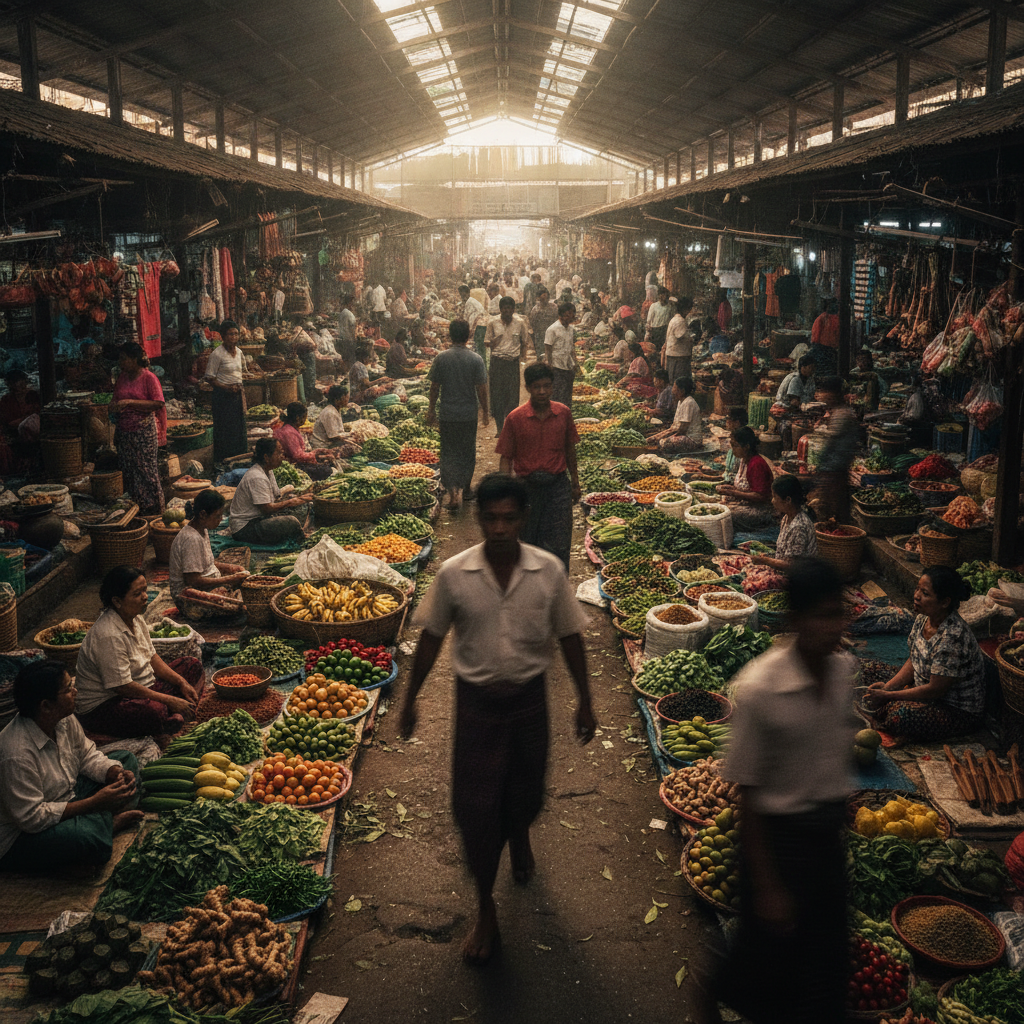
The Mon cuisine available at the traditional Mon restaurants in Mawlamyine (the most distinctively flavoured regional cuisine of lower Myanmar, characterised by the heavy use of the ngapi (fermented fish paste) as the base condiment, the incorporation of the fresh river and estuary fish in the curry preparations, and the specific Mon preparations that distinguish the cuisine from the central Burmese cooking) is the most directly culturally exclusive food experience accessible at any Myanmar city — the Mon fish curry (using the specific Mon-style ngapi base with the local fish species from the Salween River and the estuary), the Mon-style mohinga (the fish noodle soup preparation that is the Mon version of the national dish, using the catfish or the estuary fish varieties and the Mon spice combination), and the Mon rice preparations (the Mon preference for the fragrant rice varieties grown in the Mon State paddy fields) together create the most distinctly Mon culinary vocabulary accessible in a single restaurant visit. The Mon restaurant's cultural significance (the communal eating format, the traditional clay cooking vessels visible in the open kitchen, and the Mon language spoken by the staff and the regular customers) makes the food encounter the most naturally immersive single Mon cultural experience accessible in Mawlamyine.
- 4
Mon New Year Festival
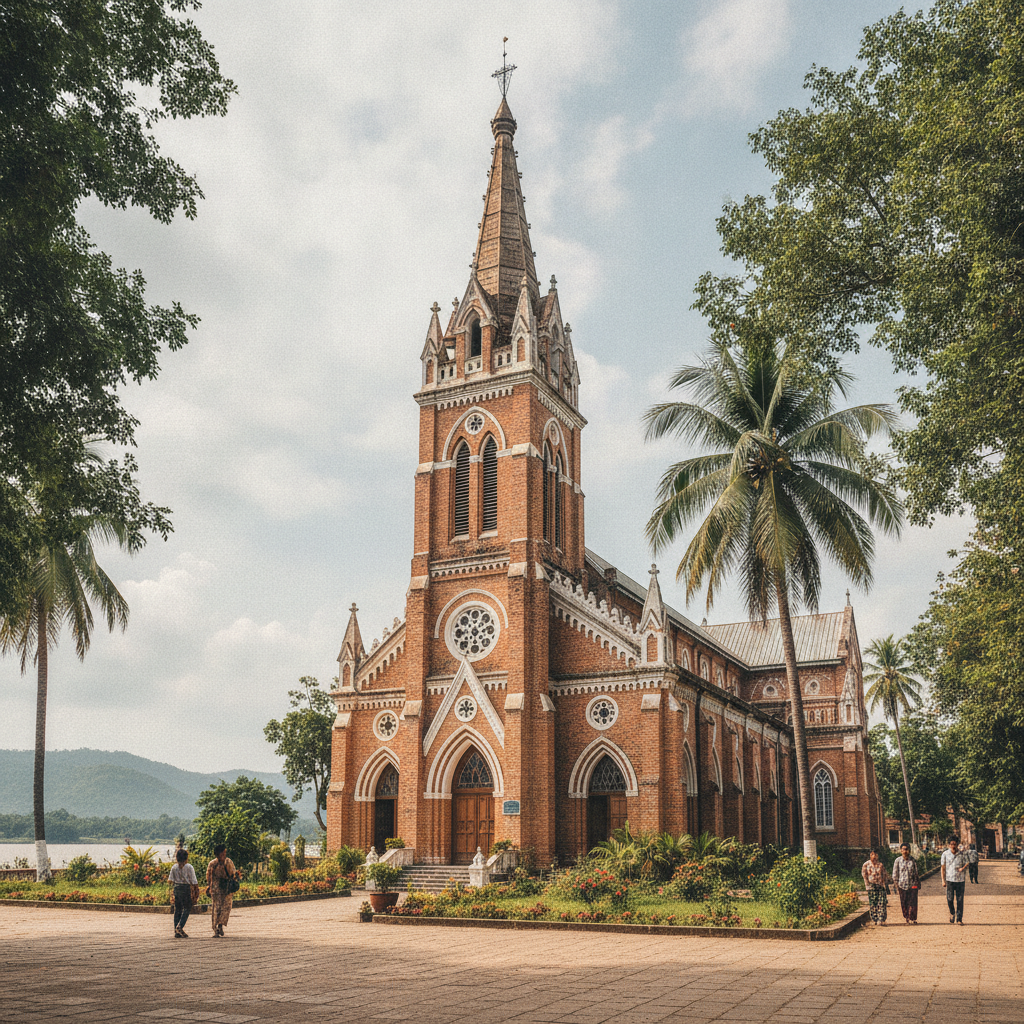
The Mon National Day celebration (held in the Kyaikthanlan Pagoda area, typically in mid-January, the most important single annual cultural event for the Mon community in Mawlamyine and the surrounding Mon State) is the most dramatically cultural single event accessible at the city — the festival's activities (the traditional Mon music and dance performances, the Mon traditional sports including the Mon wrestling and the boat racing on the Salween River, the exhibition of the traditional Mon crafts, and the community gathering in the traditional dress) create the most completely multi-dimensional single encounter with the living Mon culture accessible anywhere in Myanmar. The Mon National Day's significance (the commemoration of the founding of the Mon kingdom and the celebration of the Mon ethnic identity within the contemporary Myanmar national framework) makes the festival the most politically as well as culturally meaningful single event accessible at the Mawlamyine destination.
- 5
Mon Village Day Trip
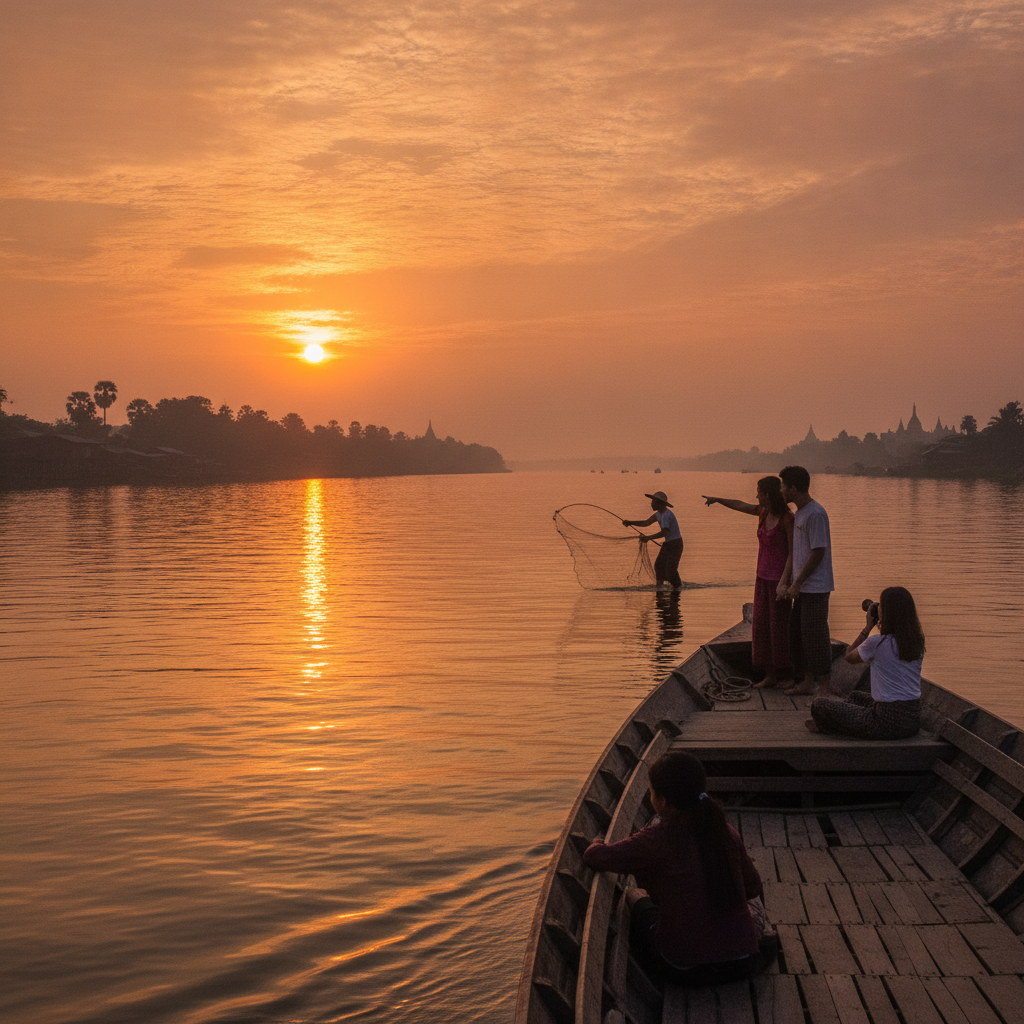
The Mon villages accessible by the local bus or by hired motorcycle from Mawlamyine (the agricultural communities in the Mon State countryside surrounding the city, where the Mon farming tradition, the traditional weaving, and the Mon Buddhist monastery life continue in the village context away from the urban environment of the state capital) provide the most directly rural encounter with the Mon community accessible from the Mawlamyine base — the village monastery (the focal point of the Mon village community's religious and social life, with the Mon monks in their distinctive darker robes, the village children attending the monastery school, and the daily alms-giving visible in the early morning) is the most completely traditional Mon community encounter accessible on the day trip. The village weaving operations (the women at the traditional hand looms producing the Mon textile in the family compound) and the agricultural landscape (the Mon State rice paddies and the rubber plantations that are the primary cash crops of the Mon State economy) provide the most complete picture of the rural Mon livelihood accessible from the city.
- 6
Mon Language Script
The Mon language and its script (the ancient Austroasiatic language written in the Mon script, the oldest continuously used writing system in Southeast Asia and the parent script of the Thai, Burmese, and Khmer writing systems — visible on the temple inscriptions, the Mon-language signage in the Mon State capital, and the Mon-language Buddhist texts in the monastery libraries) is the most linguistically historically significant single element accessible in the Mawlamyine cultural landscape — the Mon script's antiquity (the oldest surviving Mon inscriptions dating to the 6th century CE, predating the Burmese, Thai, and Khmer scripts that derived from it) and its continuing use (the Mon language spoken as the first language by approximately one million people in the Mon State and the Karen State, and taught in the Mon monastery schools as the language of Buddhist education) create the most directly historically foundational linguistic encounter accessible at any city in Southeast Asia.
Walk this route with audio
Stories play automatically as you reach each stop — no tapping needed.