Nukus Aral Sea Environmental Disaster Legacy
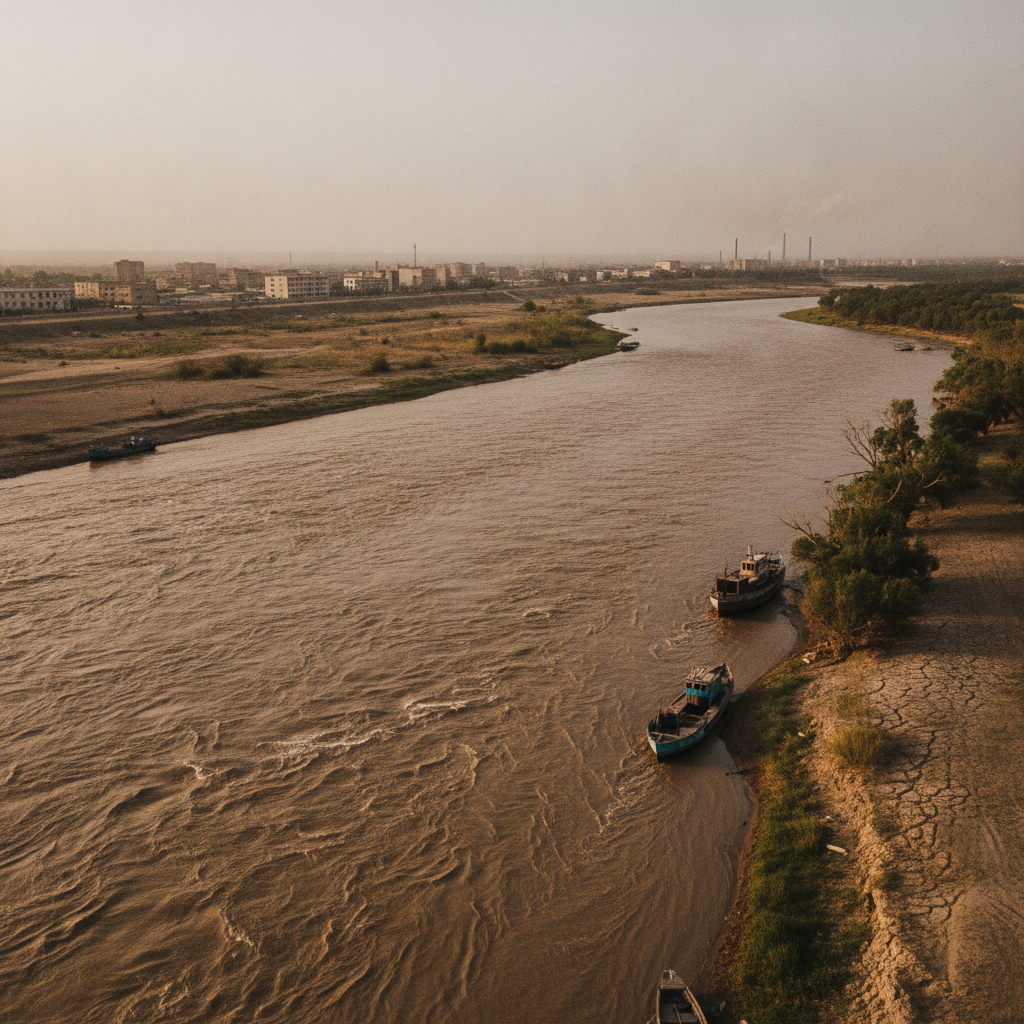
Explore the Aral Sea environmental disaster from Nukus — the city closest to what was once the world's fourth-largest lake, now largely a salt desert after Soviet irrigation projects diverted the Amu Darya and Syr Darya rivers to grow cotton, the disaster visible in the rusting ships stranded in the desert and the salt storms that blow across the former lake bed.
- 1
Muynak Ship Graveyard
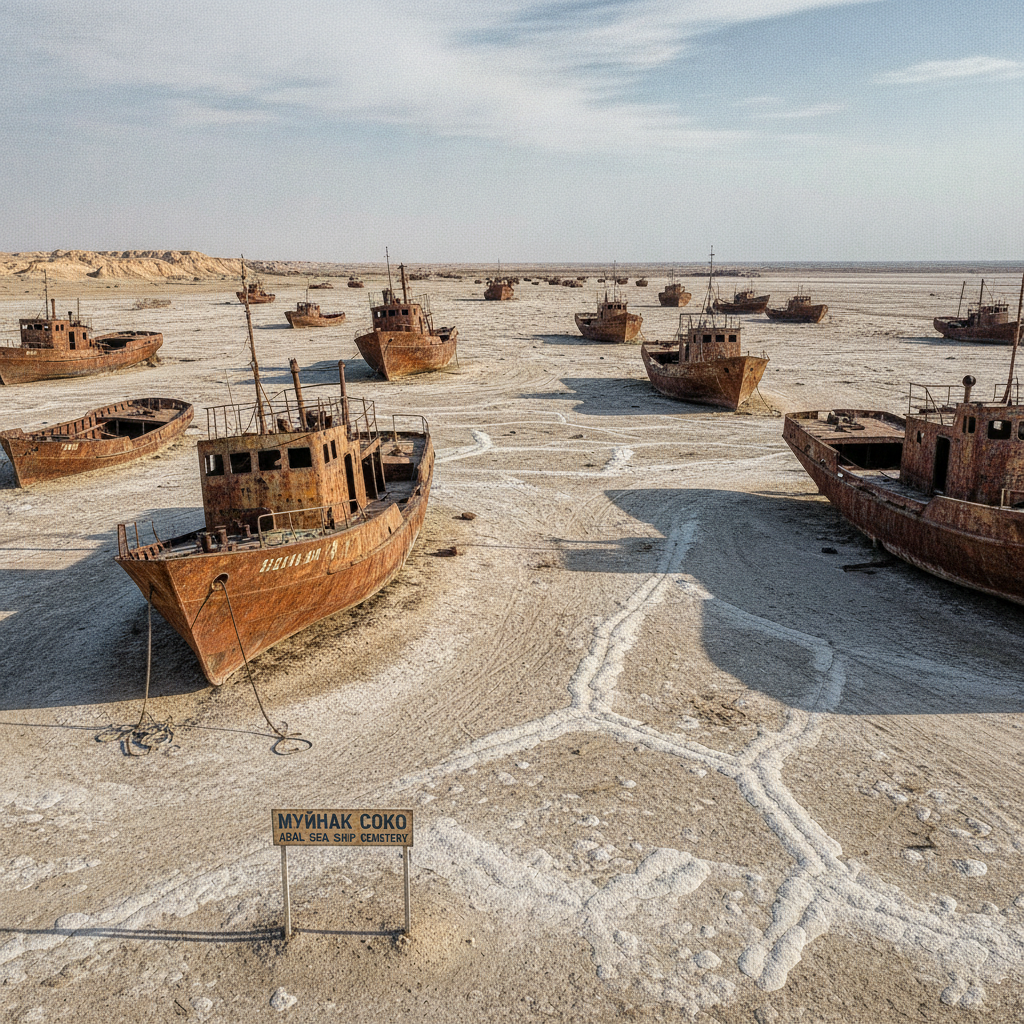
The Muynak ship graveyard — the collection of rusting fishing vessel hulls stranded in the desert 150 kilometers from the current shoreline, the boats that once fished the Aral Sea and now sit on cracked salt desert where the water was, the most photographed symbol of one of the world's greatest environmental disasters, accessible by road from Nukus.
- 2
Former Aral Sea Shoreline
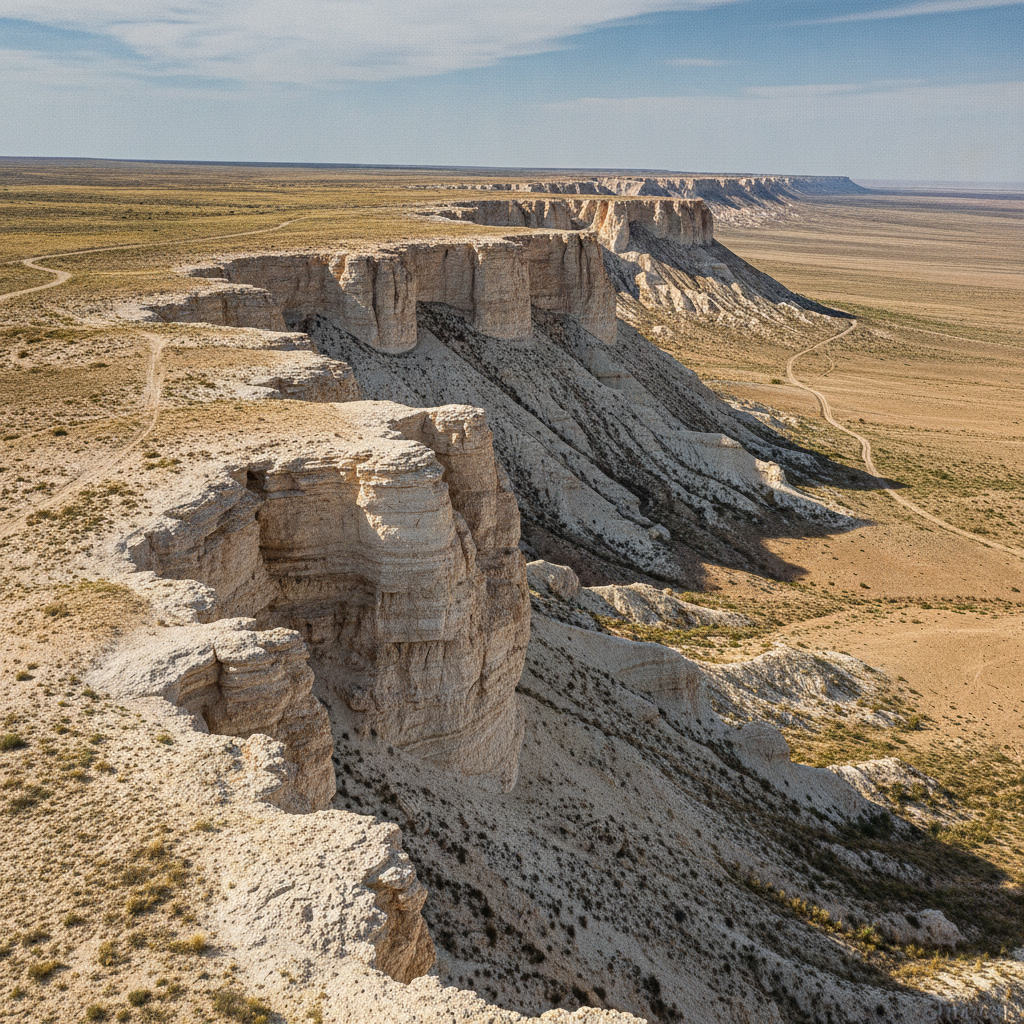
The former Aral Sea shoreline near Muynak — the cliff edge where the sea once lapped and where the canning factory and fishing port of the Soviet era processed the enormous Aral Sea catch, now standing at the edge of the white salt plain that was the sea bed, the view extending across the flat desert to the horizon where the water used to be.
- 3
Karakalpakstan Regional Museum
The Karakalpakstan Regional Museum in Nukus — the exhibits documenting the history of the Aral Sea and the catastrophic decline from 68,000 square kilometers in 1960 to less than 10% of that area by 2010, the environmental data and photographs showing the rate of recession and the human cost for the fishing communities that depended on the sea.
- 4
Salt Desert Landscape
The salt desert landscape of the former Aral Sea bed — the blindingly white expanse of salt and dried mud visible from the observation point above Muynak, the salt dust that blows across the region causing respiratory disease and contaminating the soil, the landscape of environmental catastrophe that has made the southern Aral Sea region one of the most polluted areas on Earth.
- 5
Fishing Industry Collapse
The fishing industry collapse visible in Nukus and Muynak — the canning factories that once processed up to 50,000 tonnes of fish annually now empty and rusting, the fishing fleet reduced to hulks in the desert, the community of 30,000 people in Muynak that has declined to a few thousand as economic life collapsed with the sea, the human tragedy behind the environmental statistics.
- 6
Current Conservation Efforts
The current conservation efforts for the Aral Sea — the Northern Aral Sea (in Kazakhstan) partially restored by a dam completed in 2005, the International Fund for Saving the Aral Sea, the efforts to stabilize the salt desert through plantations of salt-tolerant saxaul trees, the limited but real signs of environmental recovery that contrast with the continued degradation of the southern basin.
Walk this route with audio
Stories play automatically as you reach each stop — no tapping needed.