Nukus Karakalpak Steppe Desert Landscape
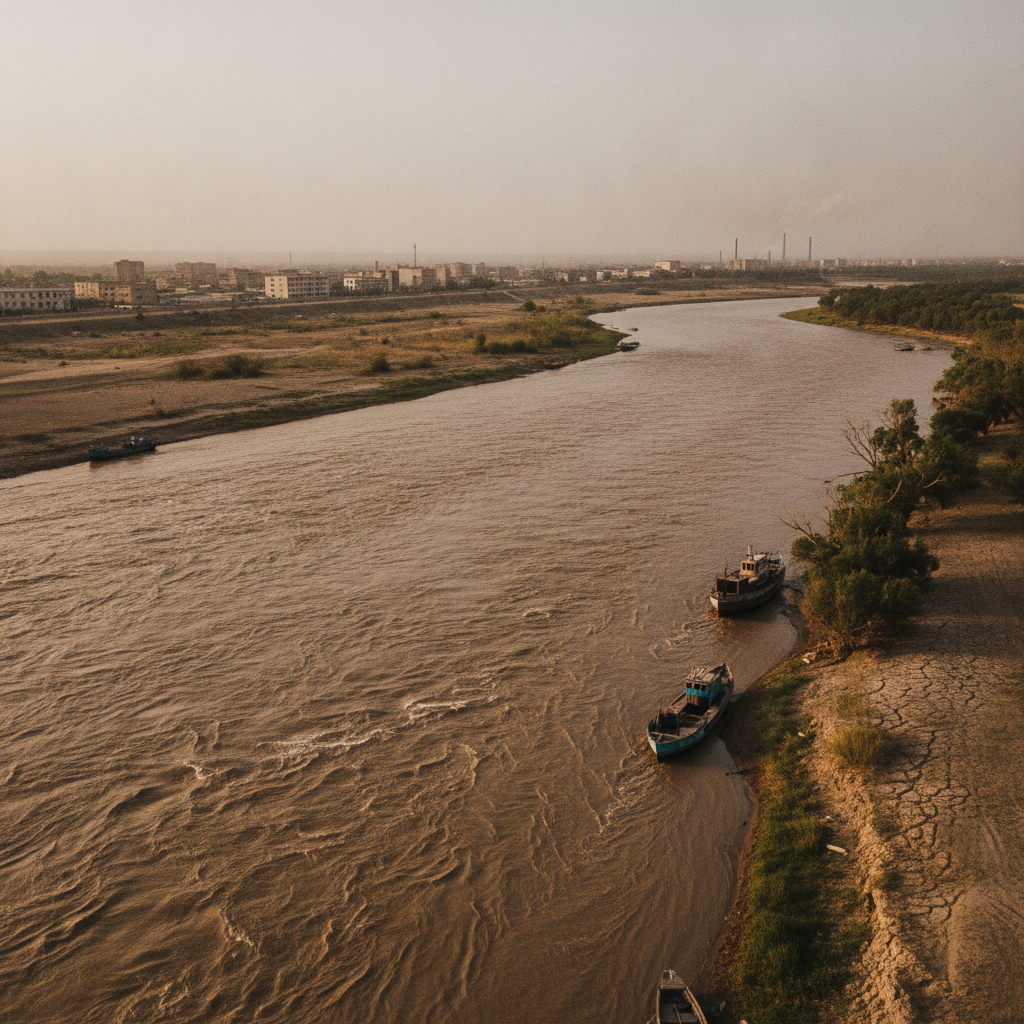
Explore the extraordinary desert landscape around Nukus — the Kyzylkum red sand desert to the east, the chalk plateau chinks of the Ustyurt to the west, and the flat steppe of the lower Amu Darya delta, landscapes of extreme beauty and harshness that shaped the Karakalpak nomadic culture and now preserve some of the world's most spectacular archaeological ruins.
- 1
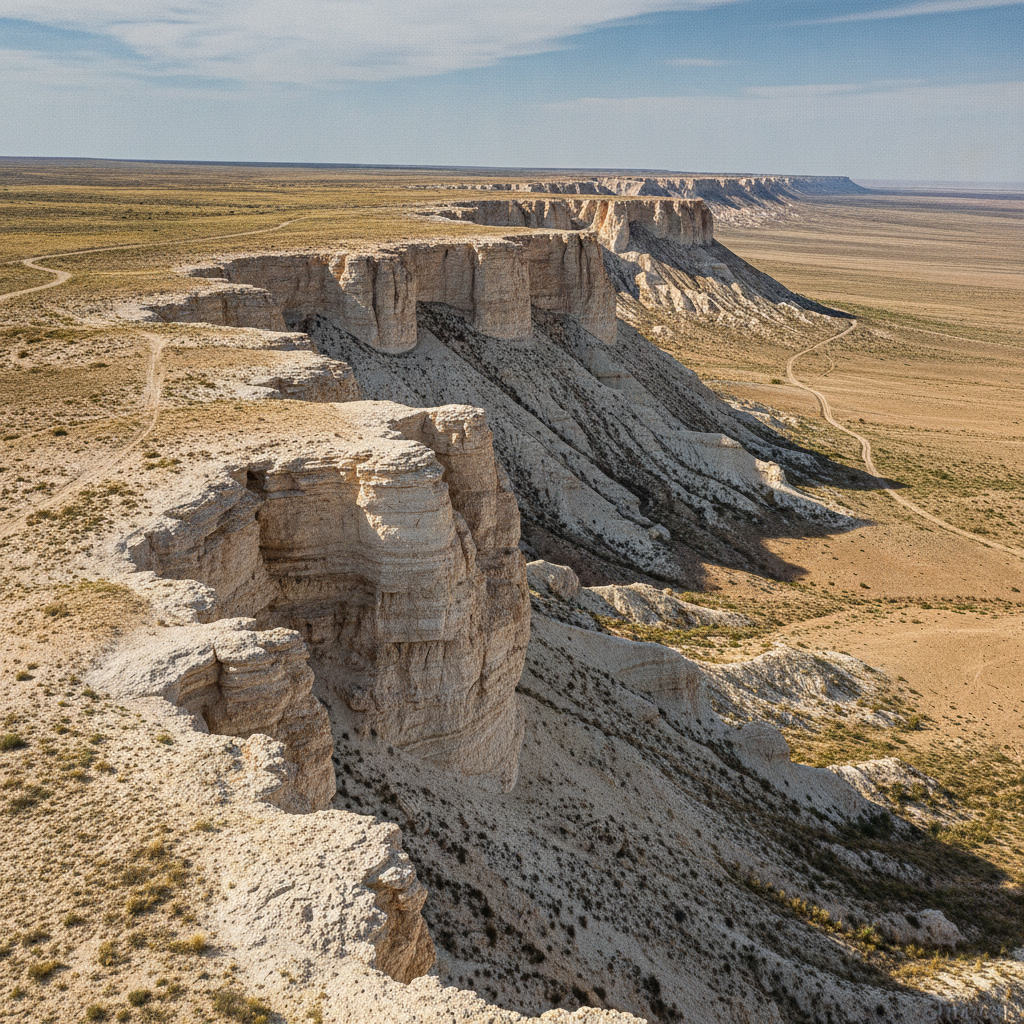
Ustyurt Plateau Chink Cliffs
The Ustyurt Plateau chink cliffs west of Nukus — the dramatic escarpment where the flat chalk plateau of the Ustyurt drops suddenly to the Aral Sea depression in cliffs up to 150 meters high, the eroded cliff faces showing the layered white chalk and the fossil-bearing sedimentary geology of the ancient Tethys Sea, the landscape of extraordinary geological drama accessible by jeep from Nukus.
- 2
Kyzylkum Red Sand Dunes
The Kyzylkum red sand dunes visible from the road east of Nukus — the red desert named for its iron-rich red sand, one of the largest deserts in Central Asia stretching across Uzbekistan and Kazakhstan, the shifting dunes stabilized in places by saxaul tree plantations but still mobile across large areas, the desert landscape that forms the context for the Khorezm fortress ruins.
- 3
Desert Saxaul Forest
The desert saxaul forest near Nukus — the stands of the halophytic saxaul tree (Haloxylon ammodendron) planted across the salt desert of the former Aral Sea bed to stabilize the toxic dust, the gnarled and woody trees that tolerate the extreme salinity and aridity of the desert, the plantations representing the most successful ecological intervention in the Aral Sea disaster zone.
- 4
Mirroring Salt Flats
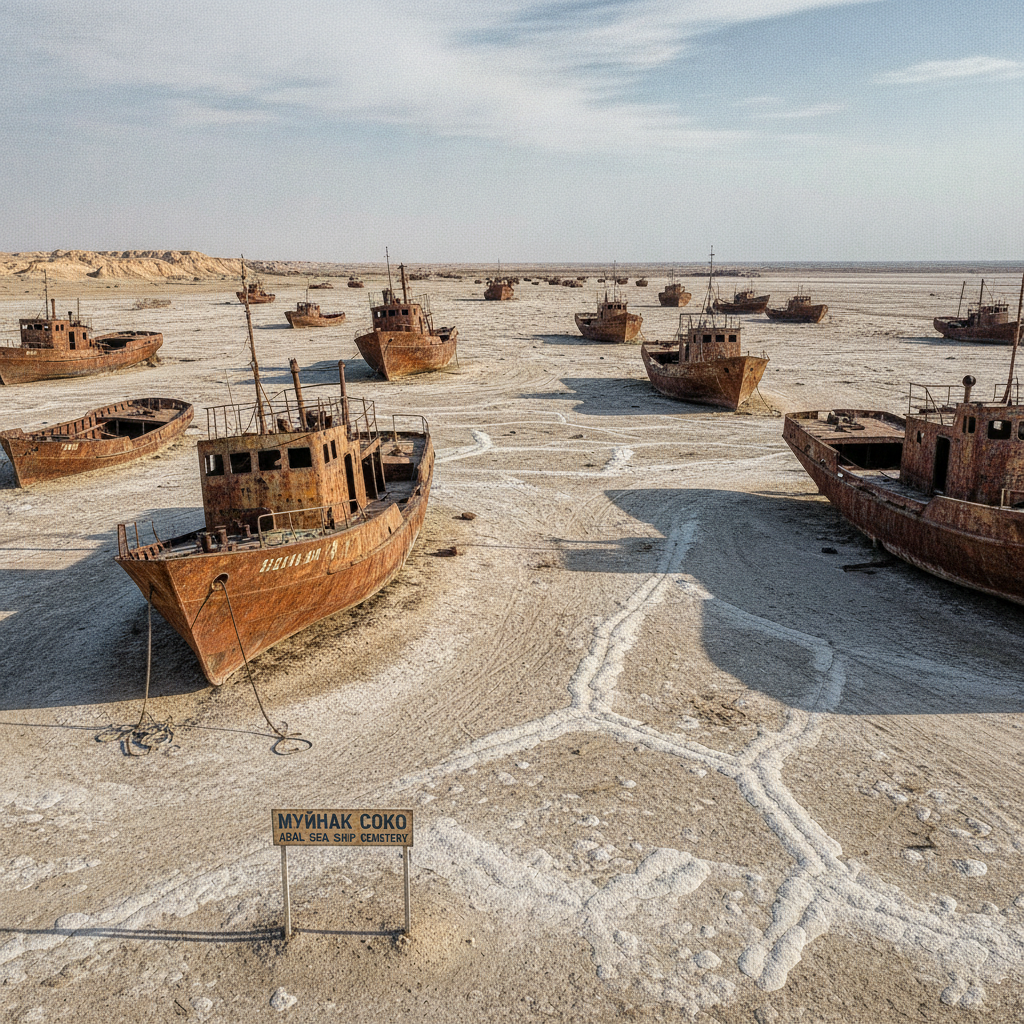
The mirroring salt flats of the former Aral Sea bed visible from elevated points around Nukus — the blinding white expanse of salt and dried mud extending to the horizon where the sea used to be, the mirages and the optical effects of the flat white surface creating the illusion of water in the distance, the surreal landscape that has become an unexpected tourist attraction.
- 5
Nocturnal Desert Camp
A nocturnal desert camp in the Kyzylkum near Nukus — the night sky of extraordinary clarity visible from the desert far from city light pollution, the temperature drop from the blazing daytime heat to cool desert night, the silence of the empty steppe broken only by the wind, the camp fire and the traditional Karakalpak hospitality of the desert guide providing the warmth of human culture in an inhuman landscape.
- 6
Desert Wildlife Sighting
Desert wildlife sightings around Nukus — the Karakalpak steppe supporting saiga antelope (critically endangered), the rare Bukhara deer in the Badai-Tugai reserve, the goitered gazelle, and a rich reptile fauna including the Central Asian monitor lizard (Varanus griseus), the wildlife that has survived despite the massive ecological disruption of the Aral Sea disaster and Soviet agricultural development.
Walk this route with audio
Stories play automatically as you reach each stop — no tapping needed.