
Peshawar Khyber Pass Historic Route
Drive the Khyber Pass — the legendary mountain corridor through the Safed Koh range linking Peshawar to Jalalabad in Afghanistan, the most strategically important mountain pass in the history of South Asian conquest, where Alexander the Great, Babur, Nadir Shah, and the British imperial army all passed, and where the Khyber Rifles have maintained their famous watch for over a century.
- 1
Jamrud Fort Pass Entry
The Jamrud Fort at the eastern entrance to the Khyber Pass — the 1836 Sikh fortress that guards the plains approach to the pass, the beginning of the 53-kilometer route through the mountains to the Afghan border at Torkham, requiring a political agent permit to enter the tribal areas.
- 2
Ali Masjid Fort Gorge
The narrowest section of the Khyber Pass at Ali Masjid — the gorge where the road squeezes through the rock walls, the small fort above the road built on the most defensible point of the pass, the mountain sides showing the remains of British-era military telegraph stations and watch posts.
- 3
Khyber Rifles Mess
The regimental mess of the Khyber Rifles — the Pakistani paramilitary force maintaining the tradition of the British-era Khyber Rifles who guarded the pass since 1878, the mess building displaying the regimental history and the famous collection of regiment badges contributed by visiting military units over a century.
- 4
Landi Kotal Bazaar
The bazaar town at the top of the Khyber Pass — the smugglers' market that has operated for decades outside the normal tax and customs system of Pakistan, the stalls selling everything from electronic goods to weapons in the informal economy of the tribal border zone.
- 5
Regiment Badges Rock Face
The cliff face in the Khyber Pass covered with the carved regimental badges of British Indian Army units who served in the pass — a unique military memorial where dozens of regiments carved their insignia into the rock, the accumulated record of imperial frontier warfare visible in the stone.
- 6
Torkham Border View
The view toward the Torkham border crossing with Afghanistan at the far end of the pass — the point where Pakistan ends and Afghanistan begins, the border crossing through which millions of Afghan refugees have passed and the international checkpoint whose security has defined the entire strategic significance of the Khyber Pass.
Walk this route with audio
Stories play automatically as you reach each stop — no tapping needed.
More in peshawar
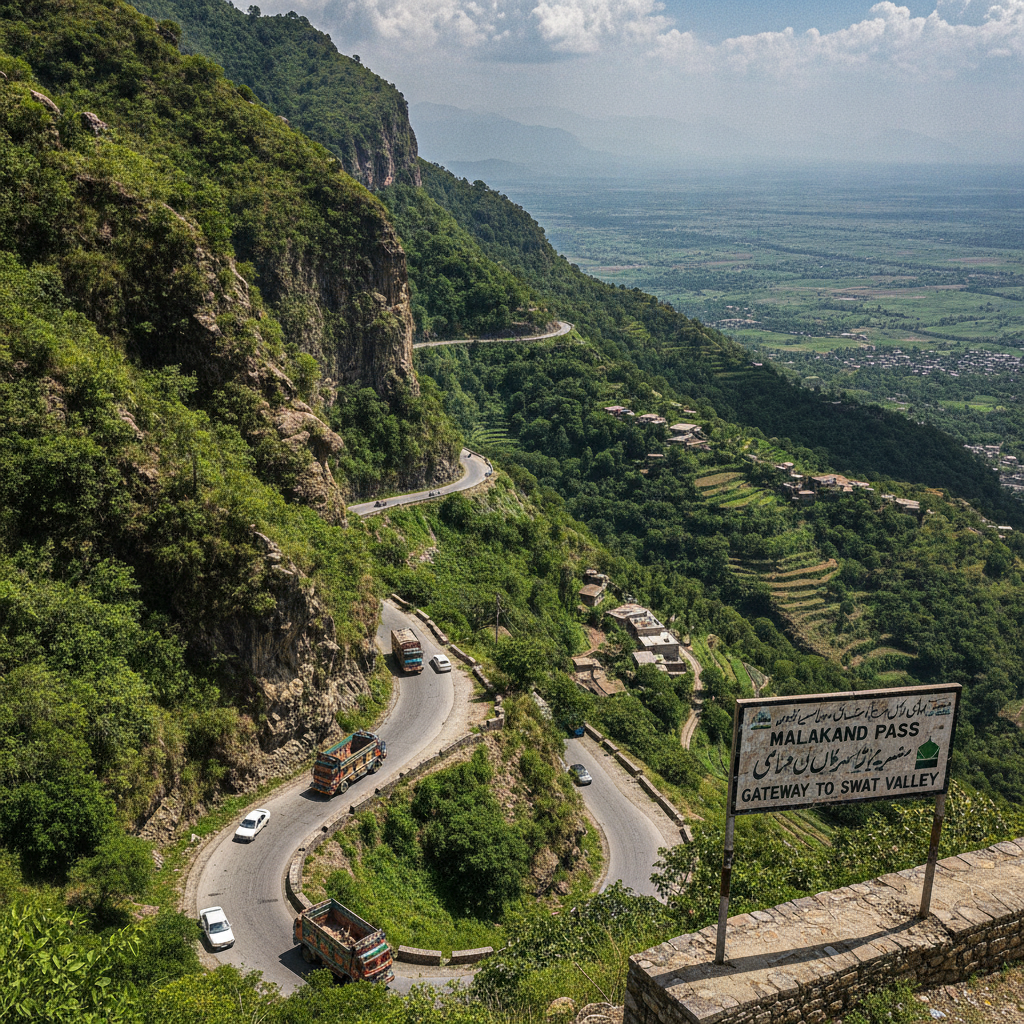
Peshawar to Swat Valley Green Mountain Drive
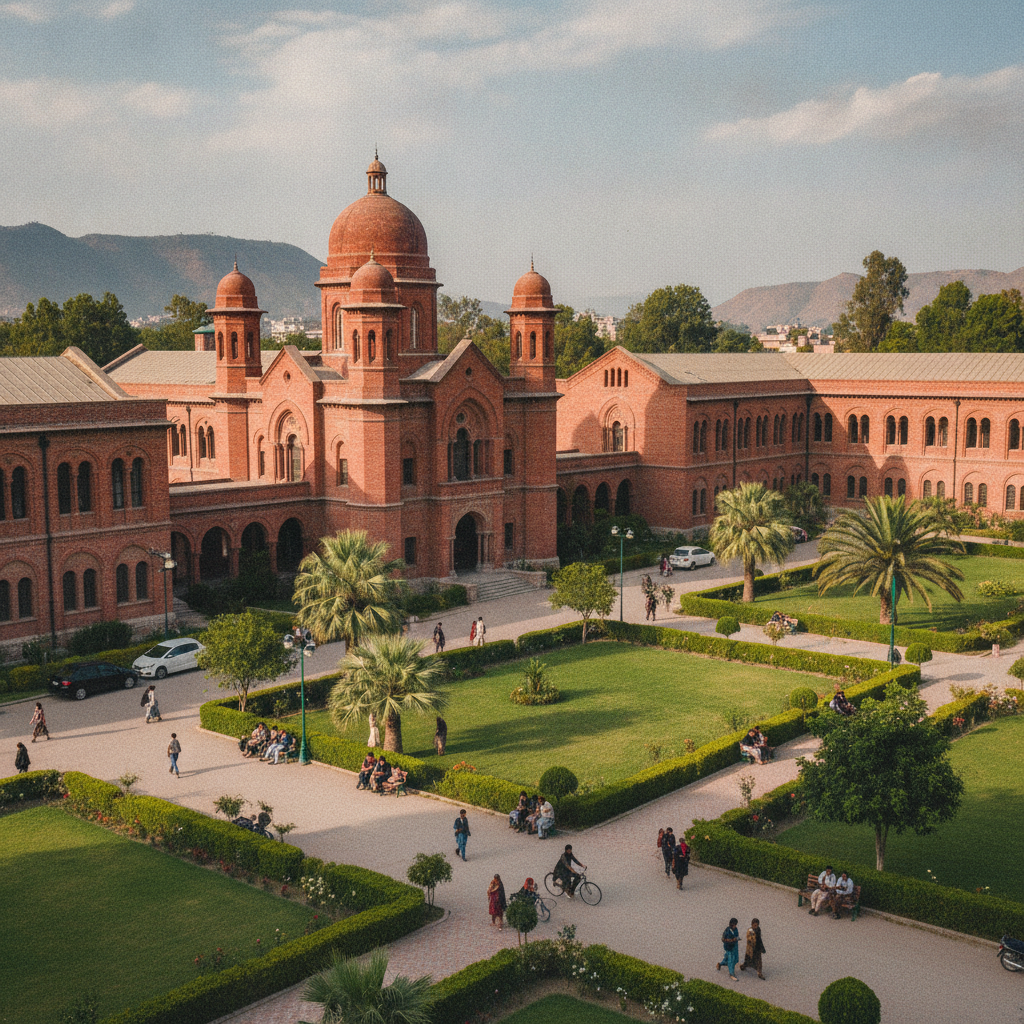
Peshawar University Town and Contemporary Life
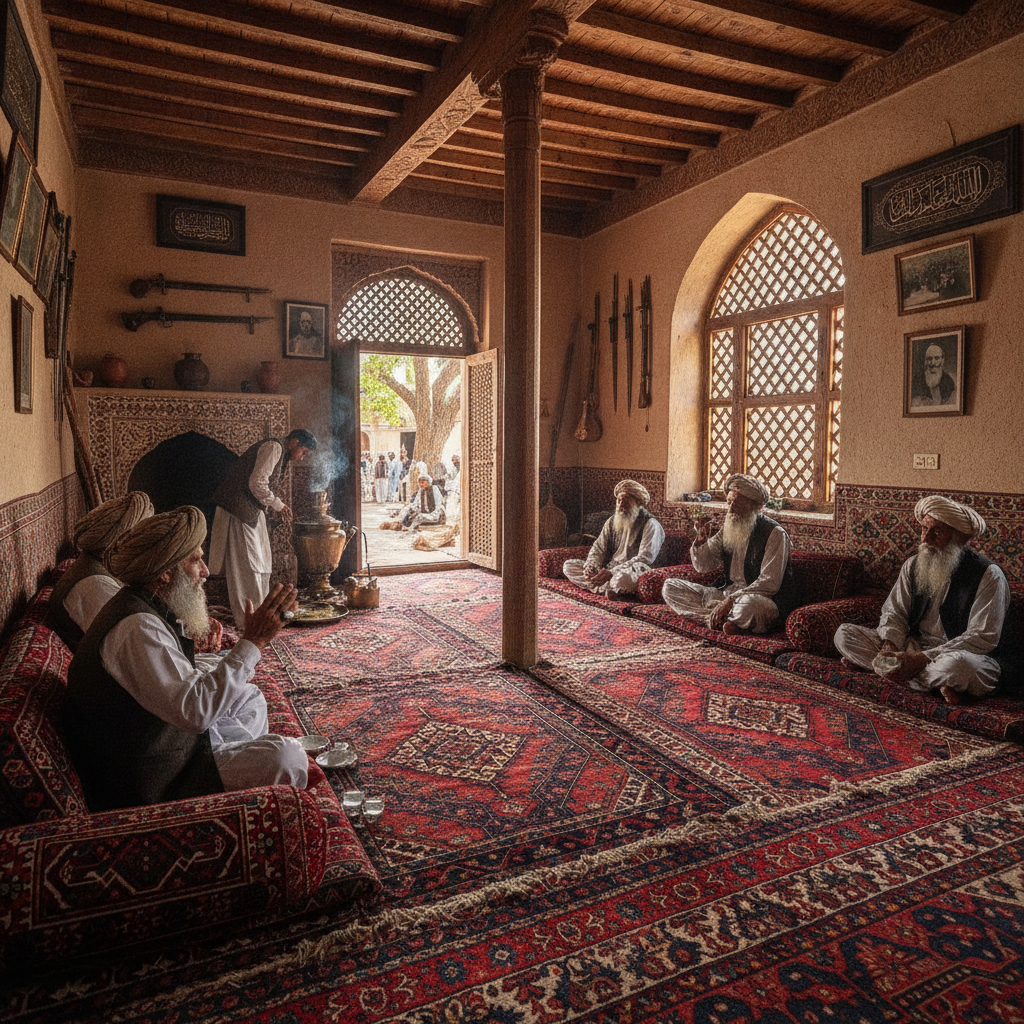
Peshawar Tribal Culture and Pashtun Heritage
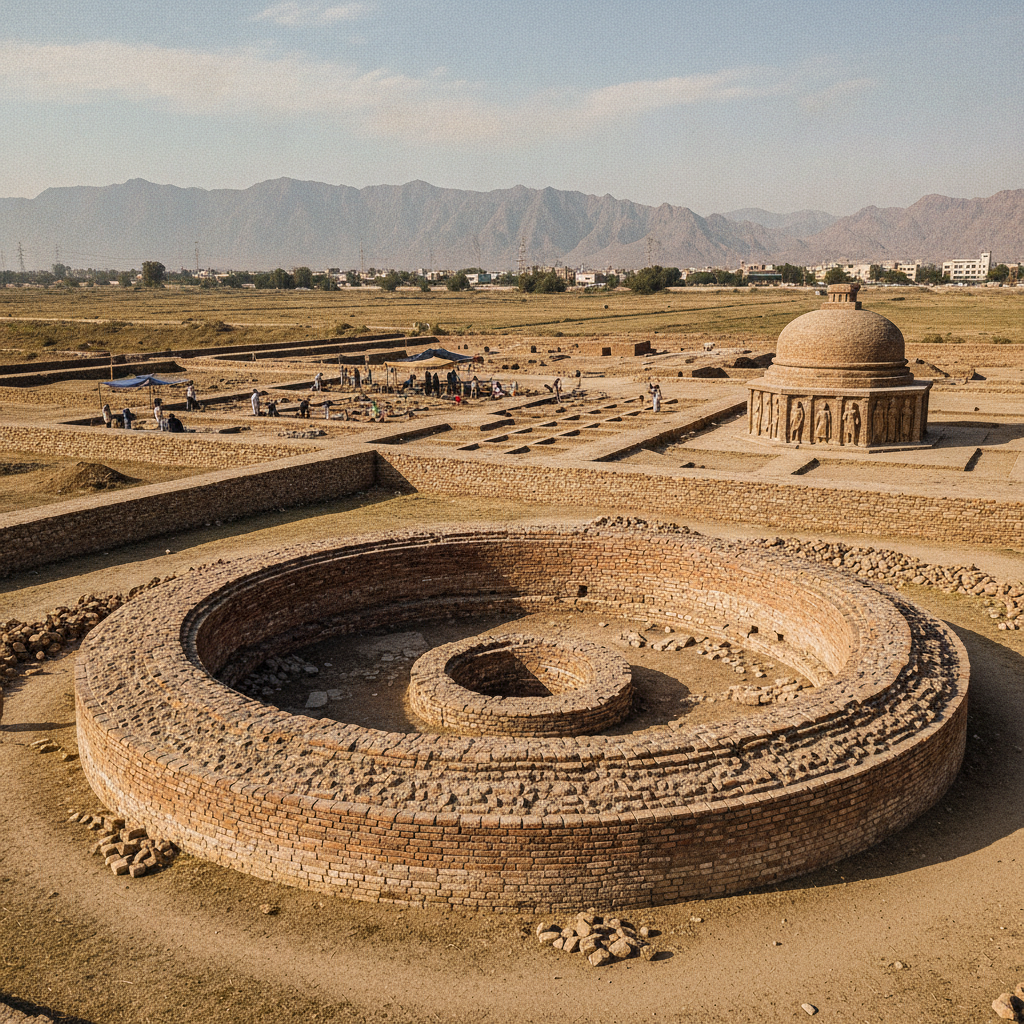
Peshawar Valley Buddhist Gandhara Sites
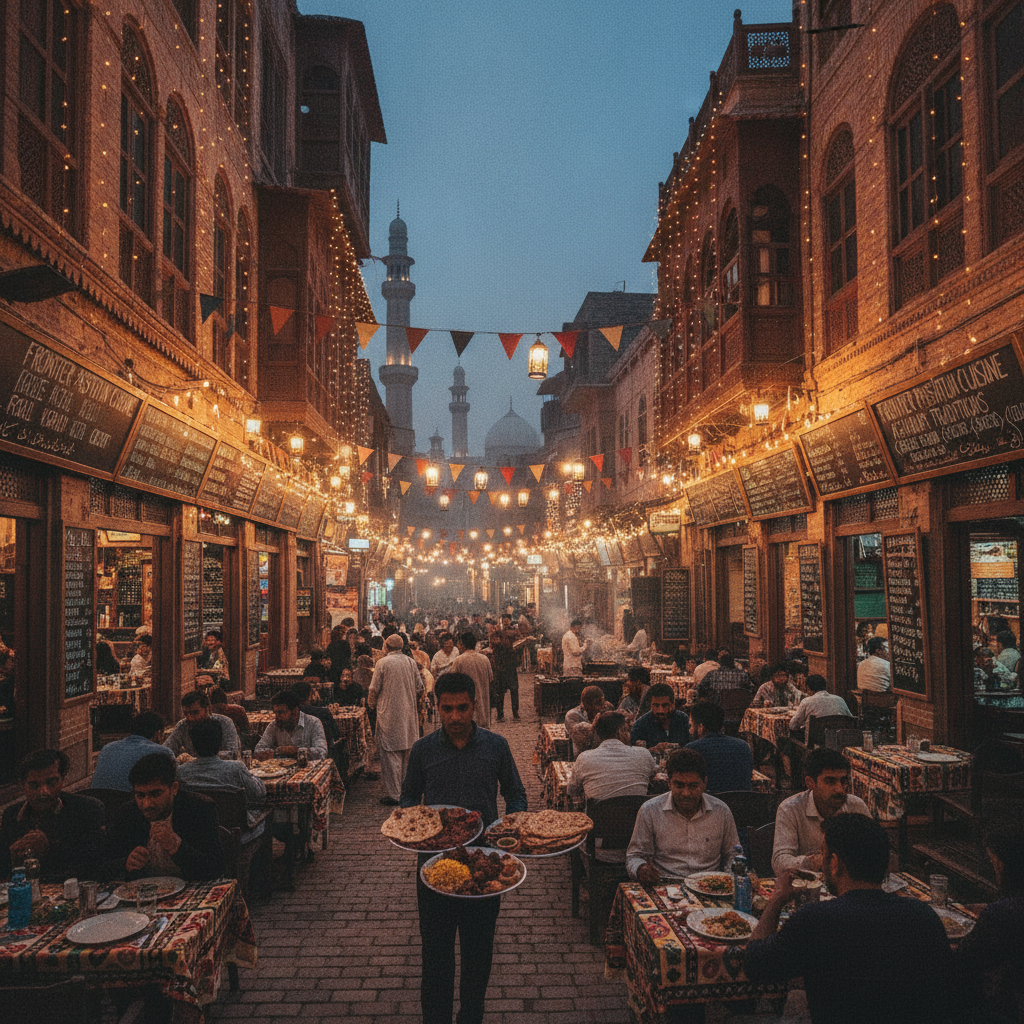
Peshawar Food Street and Afghan Culinary Traditions
