The Altiplano: The High Plain of the Andes
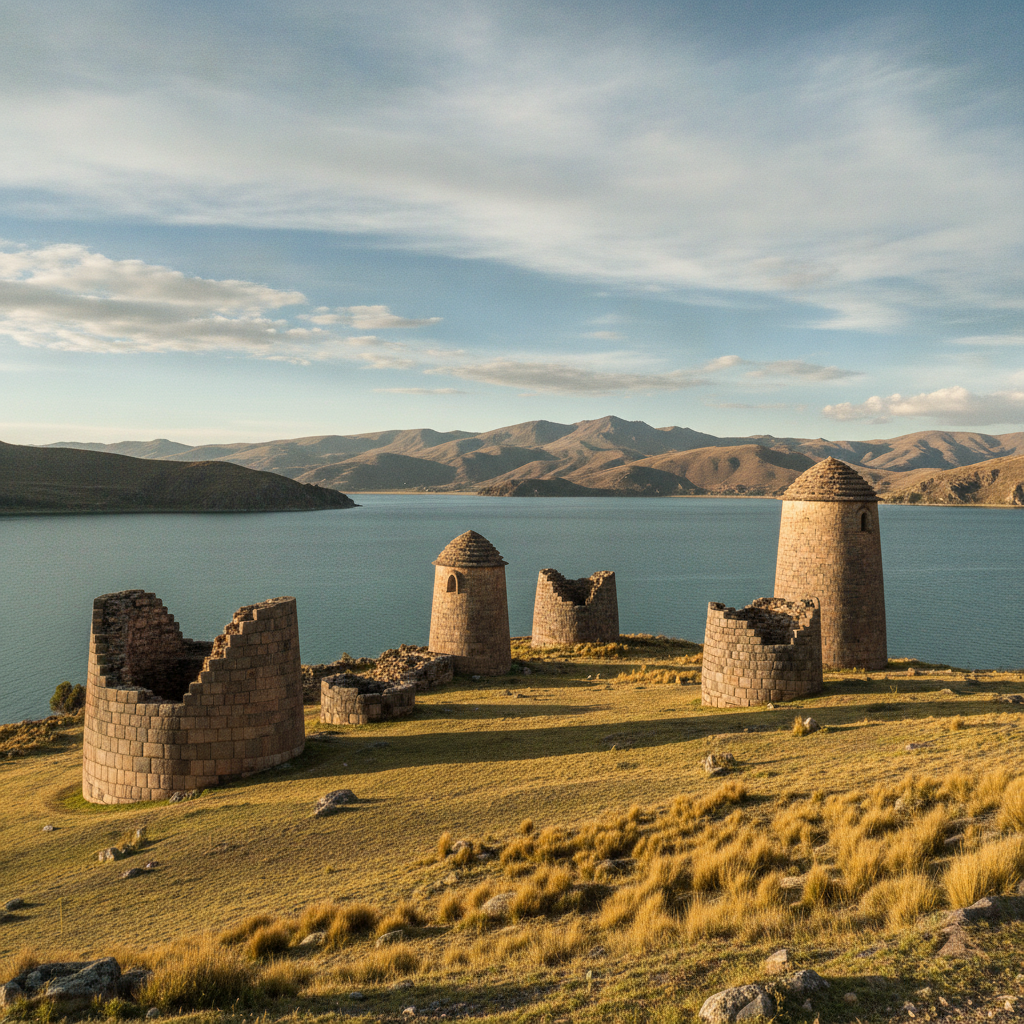
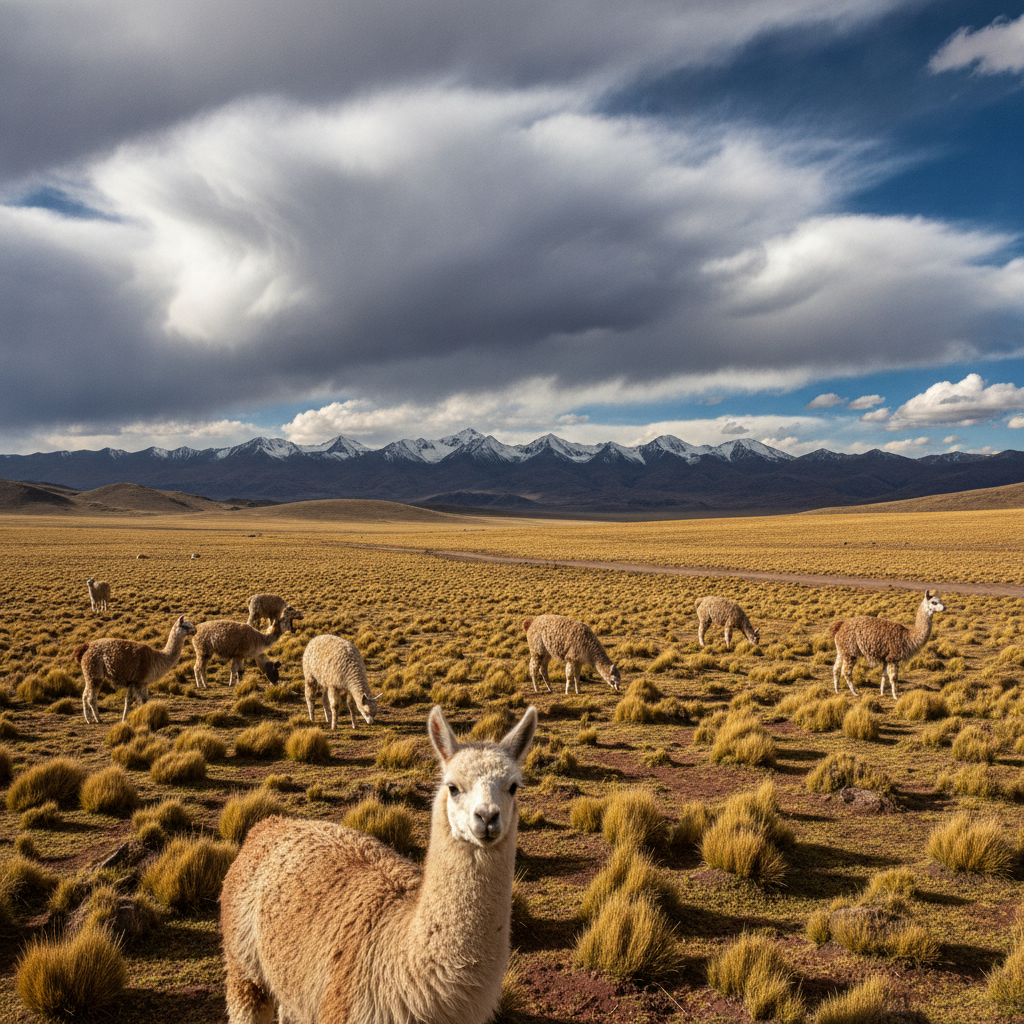
The altiplano — the high plateau surrounding Lake Titicaca at 3,800–4,500m — is one of the world's most extreme inhabited environments; the vast treeless grassland (puna), the intense light, the alpaca and llama herds, and the distance of the horizons create a landscape of singular grandeur
- 1
Puna Grassland
Puna - the Andes at a high altitude above 3,500 m - covers the altiplano around Lake Titicaca; the dominant plant is ichu grass; the cold, dry, UV-intensive conditions are extreme for agriculture but ideal for camel herding; The Puna landscape has a vast, gentle beauty unique to the high Andes
- 2
Alpaca and llama economy
The economy of the Altiplano is based on camel herding – alpacas (raised for fiber, considered the world's finest natural fibers) and llamas (raised for meat, transport and as pack animals); The Puno region produces about 80% of Peru's alpaca fiber; the herding societies maintain the pre-Inca tradition of camel domestication
- 3
Extreme climate
The Altiplano has a brutal climate - daily temperature swings of 30°C (cold nights near freezing, intense daytime sun), thin air, intense UV radiation and periodic frosts; the societies adapted to this climate developed specific agricultural techniques (field farming, freeze-drying of potatoes) that no other culture had developed
- 4
Raised Field Agriculture
The ancient raised field system (suka kollus) in the Lake Titicaca basin - artificial mounds separated by water channels - created a microclimate that protected crops from frost; abandoned for centuries, the system has been revived by non-governmental organizations and indigenous peoples as a resilient climate-adapted agriculture
- 5
Vicuña Conservation
The vicuña – the alpaca's wild camel cousin – was close to extinction in the 1960s (fewer than 5,000 animals); conservation programs on the altiplano have brought the population back to about 350,000; vicuñas fiber (the world's most expensive natural fiber) is harvested by communities in the traditional chaku (communal round-up)
- 6
Andean Condor
The Andean condor - the world's largest flying land bird - soars on the altiplano thermals above Lake Titicaca; The condor's wingspan (up to 3.3 m) and its light soaring over the vast open sky of the altiplano is one of South America's great wildlife actresses
Walk this route with audio
Stories play automatically as you reach each stop — no tapping needed.