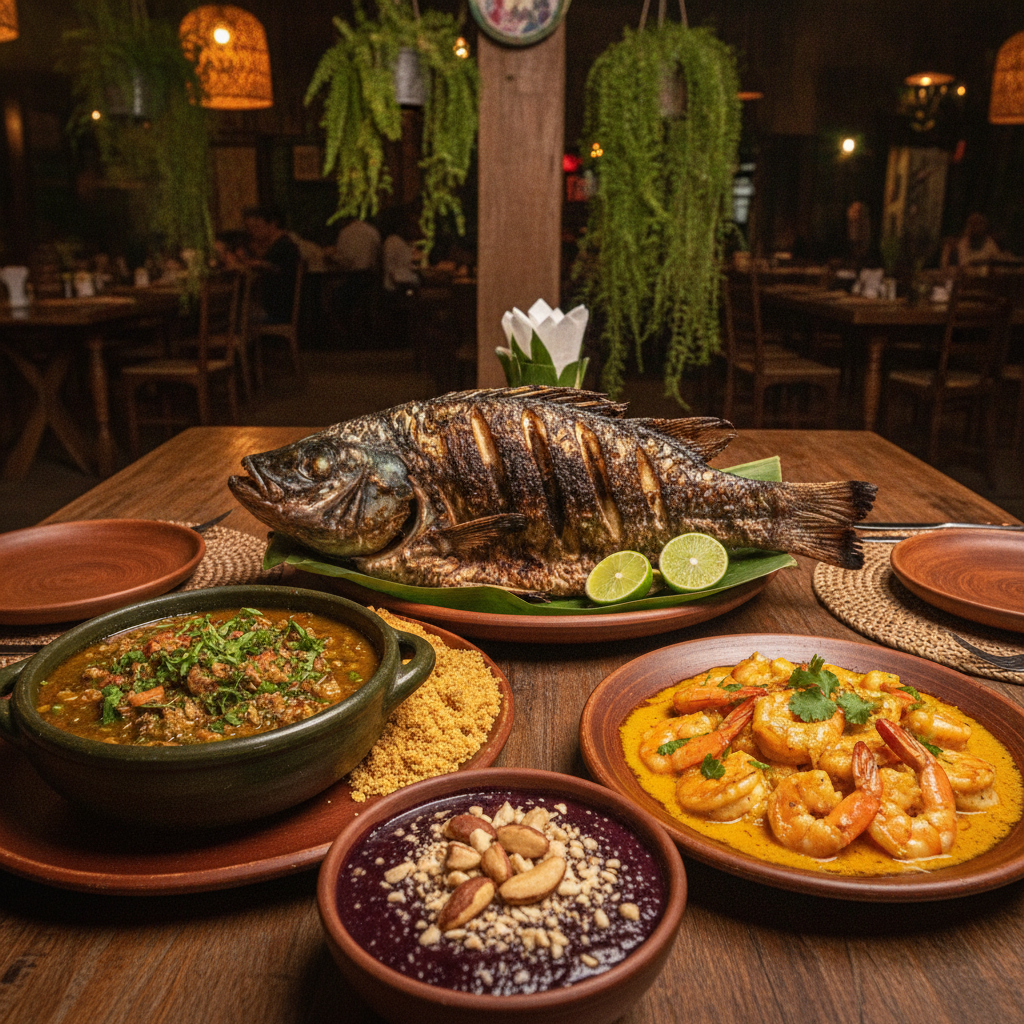
Acre's Amazon Table: Forest Foods & Rubber Tapper Cuisine
Rio Branco's food is shaped by the forest — the rubber tappers who lived from the forest developed a cuisine of extraordinary knowledge; forest fruits, river fish, and wild ingredients define Acre's table
- 1
Maniçoba: Forest Stew
Maniçoba — made from wild cassava leaves processed to remove cyanide and cooked for days with pork and smoked meat — is Acre's most complex dish; the technology to make the poisonous leaf safe is ancient
- 2
Brazil nut in everything
Brazil nuts are used throughout Acre's kitchen - as nut oil for cooking, as a milk substitute, roasted as a protein and ground into flour; the primary product of the extractive economy is also the primary ingredient of the kitchen
- 3
Pupunha Palm Heart
The Pupunha (peach palm) heart - harvested from a palm that regenerates after cutting - is Acre's most sustainable vegetable; softer and more flavorful than the imported palmito, it is served in every Rio Branco restaurant
- 4
Tapioca with forest ingredients
Rio Branco's tapioca crepes are filled with forest ingredients - Brazil nut paste, cupuaçu cream and local cream cheese - creating a specifically Amazonian version of the Northeast staple
- 5
Cupuaçu fruit
Cupuaçu - the largest fruit in the cacao family, with a creamy, complex taste between chocolate and vanilla - is the fruit of the Amazon; the juice, ice cream and chocolate made from cupuaçu are Rio Branco's most distinctive flavors
- 6
Rubber Tapper Comfort Food
Seringueiro cuisine used what the forest provided - hearts of palm, wild game, river fish and forest fruits cooked simply over wood fires; the working food of the people who defended the forest is Acre's culinary heritage
Walk this route with audio
Stories play automatically as you reach each stop — no tapping needed.
More in Rio Branco
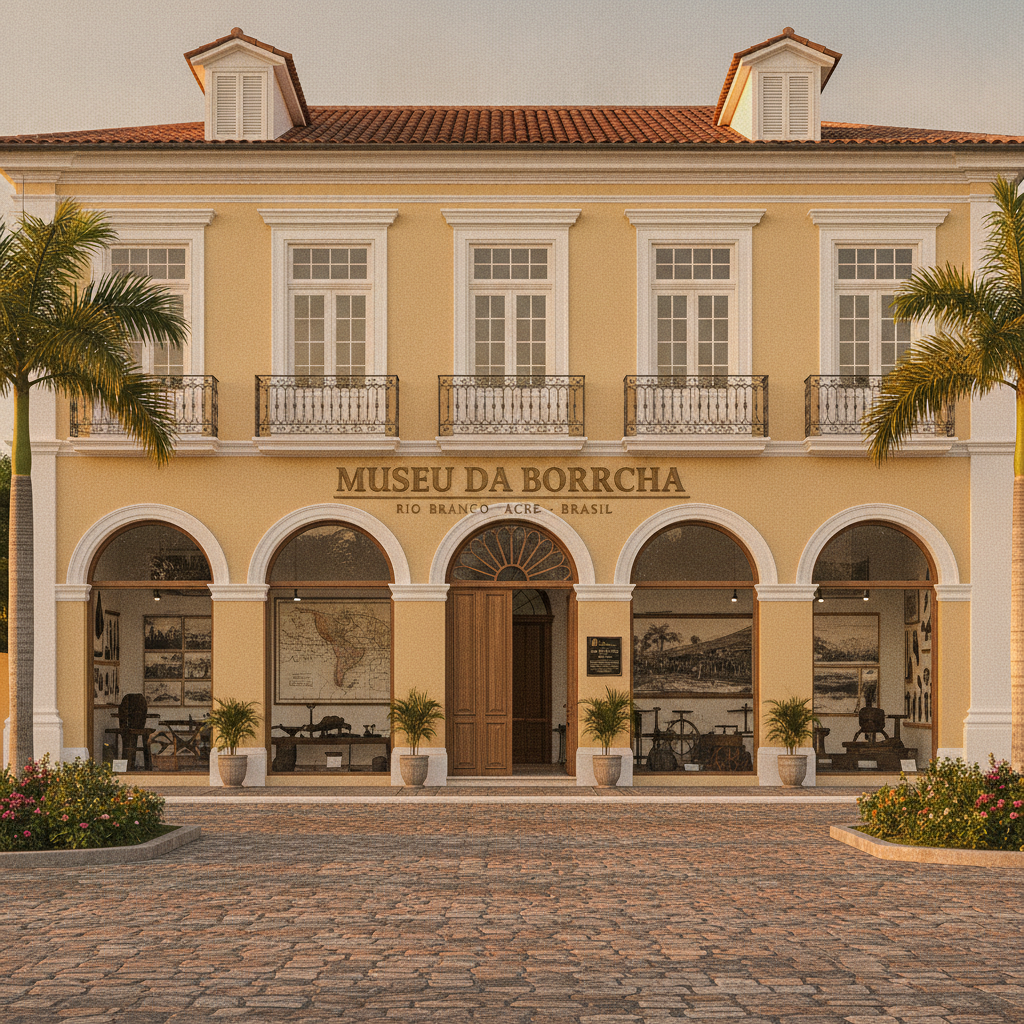
Rio Branco's Cultural Scene: Museums, Identity & Forest Art

Acre's Amazon: Brazil's Most Intact Western Forest
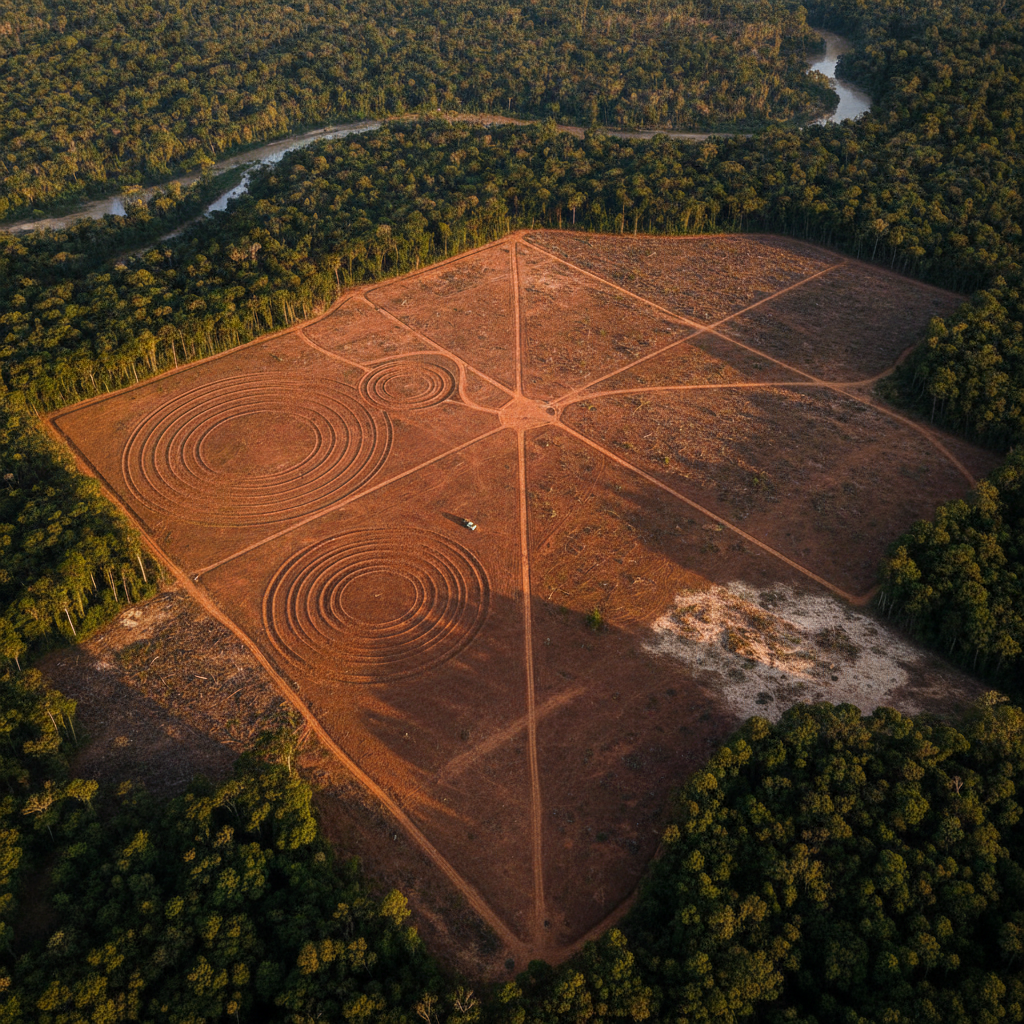
Amazon Geoglyphs: Pre-Columbian Cities Hidden in Acre's Forest
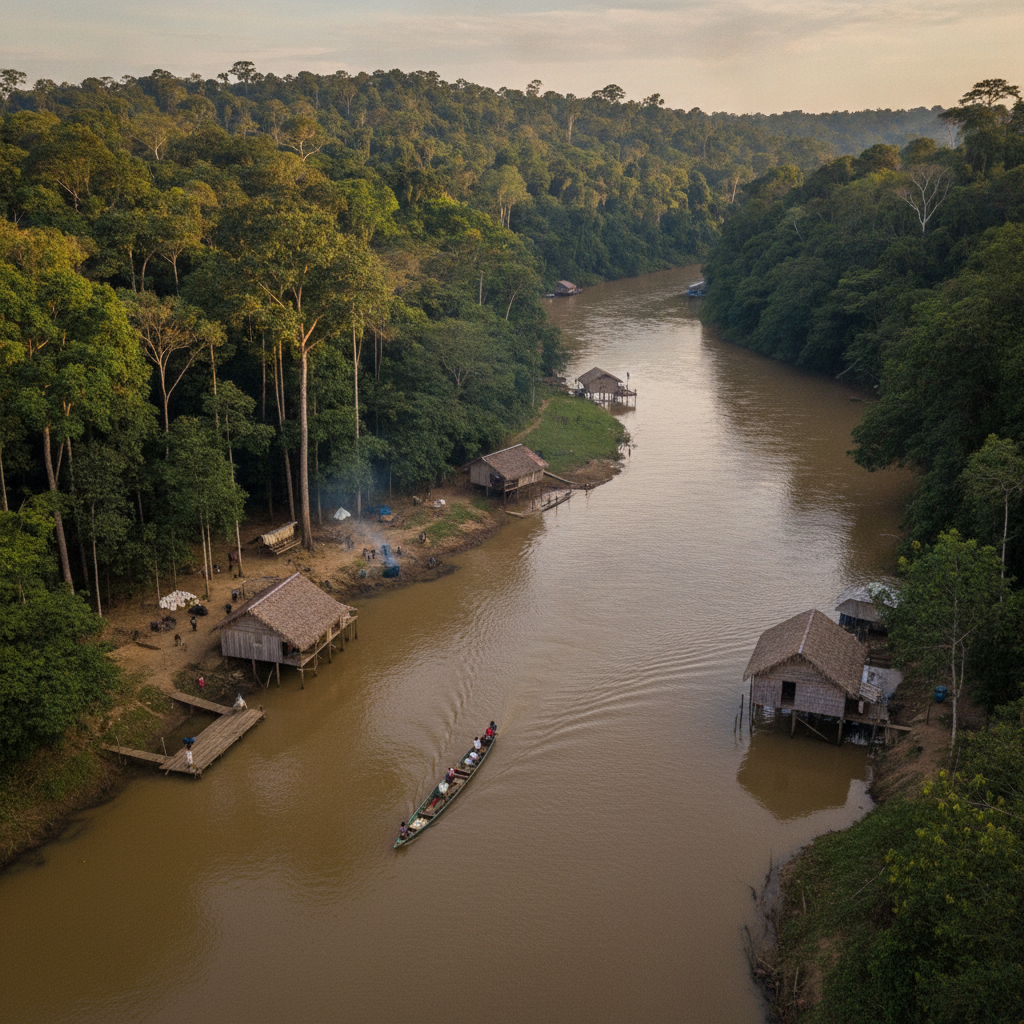
Juruá River: Acre's Remote Amazon Heartland
