
Acre's Amazon: Brazil's Most Intact Western Forest
Acre maintains over 80% of its original Amazon forest — the rubber tapper and indigenous communities whose livelihoods depend on the standing forest have been its most effective defenders
- 1
Extractive reserves of Acre
The extraction reserves of Acre - where rubber tappers and Brazil nut collectors live sustainably in the forest - were Chico Mendes' great invention; they now cover millions of hectares and support thousands of families
- 2
Brazil nut (Castanha do Pará)
The brazil nut tree only grows in intact Amazon forest — the extraction harvest of brazil nuts is Acre's main forest economy; the nuts require standing forest to reproduce and stimulate conservation
- 3
Juruá River Biodiversity
The Juruá River in western Acre—one of the Amazon's most meandering tributaries—flows through a floodplain of extraordinary biodiversity; the aquatic fauna includes giant river turtles and the rare Amazonian manatee
- 4
The indigenous population of Acre
Acre has several indigenous peoples including the Huni Kui (Kaxinawá), the Yawanapi and the Voluntary Isolated Peoples - the Acre government's indigenous policy is considered progressive in the Brazilian context
- 5
Rubber tapper forest paths
The rubber tree roads (estradas de seringa) wind through the forest between the trees — each tapper works 100-200 trees in a circuit of 10+ km; the knowledge of forestry encoded in these roads is irreplaceable
- 6
Acres State Forest Policy
Acre's government under Governor Jorge Viana pioneered "forest government" – integrating forest management into state economic planning; the model has been studied internationally as Amazon development option
Walk this route with audio
Stories play automatically as you reach each stop — no tapping needed.
More in Rio Branco

Rio Branco's Cultural Scene: Museums, Identity & Forest Art
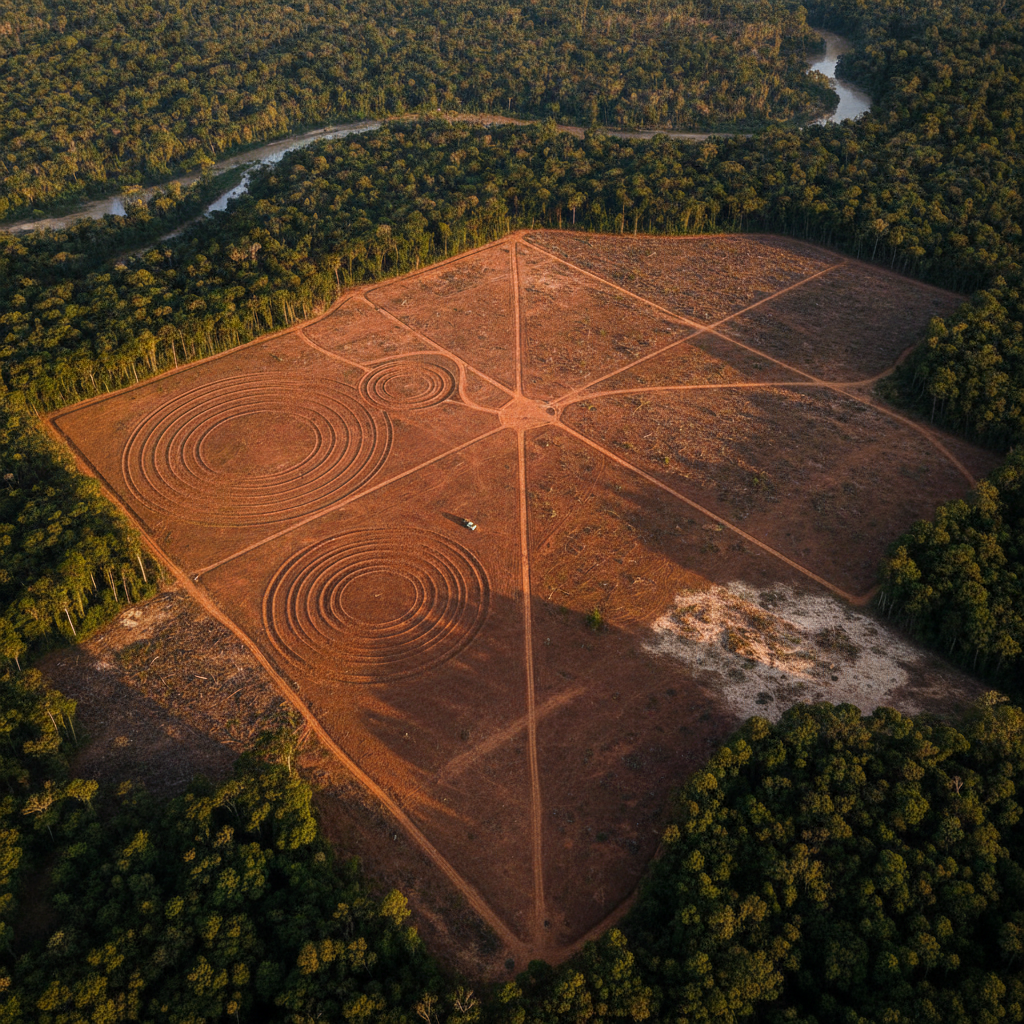
Amazon Geoglyphs: Pre-Columbian Cities Hidden in Acre's Forest
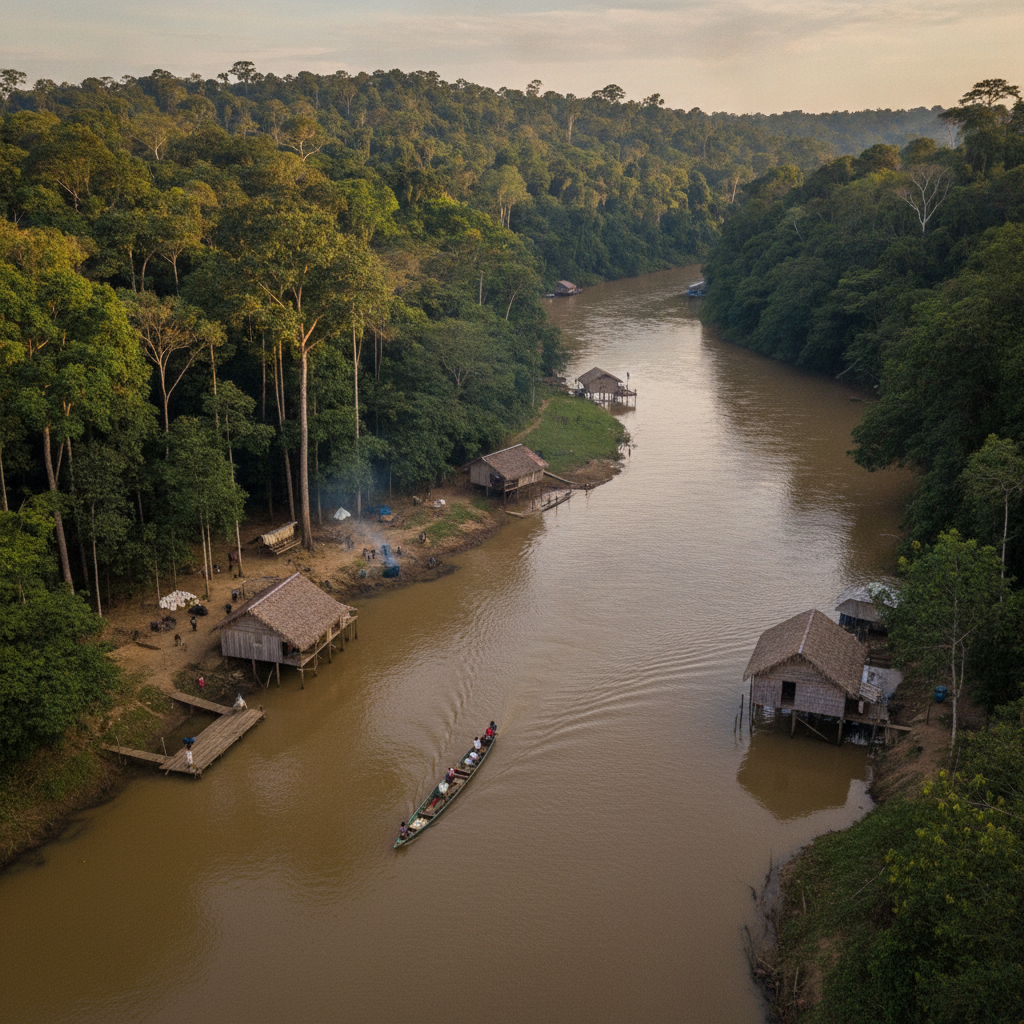
Juruá River: Acre's Remote Amazon Heartland
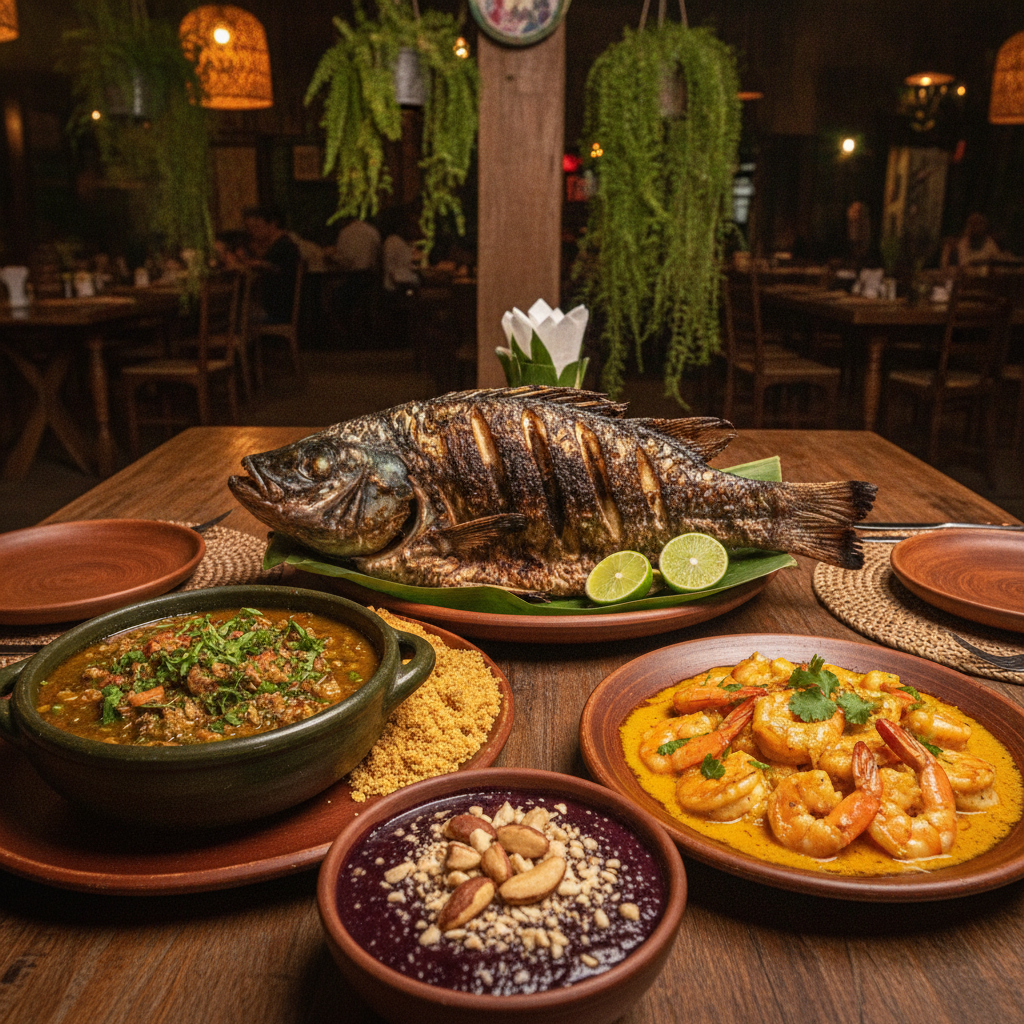
Acre's Amazon Table: Forest Foods & Rubber Tapper Cuisine
