Sucre's Food: Bolivia's Most Refined Cuisine
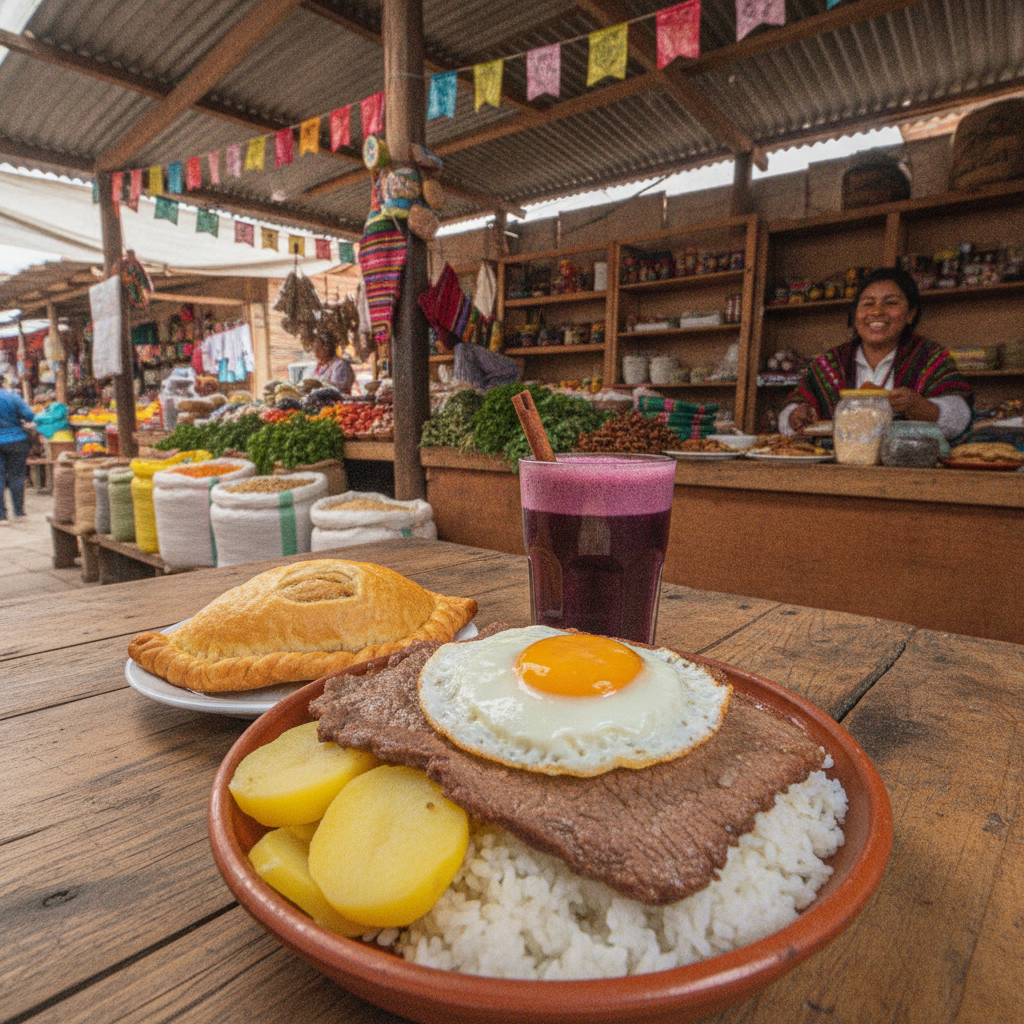
Sucre is considered the home of Bolivia's finest cuisine — the salteña (Bolivia's beloved stuffed pastry), the silpancho (breaded meat with potato and egg), and the api morado (purple corn drink) are all associated with the Chuquisaca region
- 1
Salteña
Salteña - a baked pastry filled with a slightly sweet, spicy broth of meat, potatoes, olive oil, raisins and eggs - is Bolivia's most beloved snack; the salteña is eaten standing up in the morning (never at lunch or dinner); the art of eating a salteña without spilling the broth is a skill every Bolivian learns in childhood; Sucre claims to make the finest
- 2
Silpancho
Silpancho — a breaded, flattened beef cutlet served on a bed of white rice and sliced boiled potatoes, topped with a fried egg and fresh tomato-onion salsa — is Sucre's signature lunch dish; the combination of the crispy meat, soft potatoes, rice and runny egg is simple, filling and deeply satisfying
- 3
Api Morado
Api morado — a thick hot drink made from purple corn (maíz morado), cinnamon, cloves and orange peel — is Bolivia's most beloved traditional hot drink; in Sucre, api is served at market stalls with buñuelos (fried dough fritters) in the morning; the dark purple color, spicy sweetness and warmth make it perfect for cool Andean mornings
- 4
Sucre Market Scene
The Mercado Central in Sucre – with its fresh produce sections, hot food stalls (salteñeras) and juice vendors – is the city's best dining experience; the morning market, when Sucre women in traditional bowler hats (not worn in Sucre but in La Paz) sell from stalls, is the social heart of the city
- 5
Chocolate and Sucre
Sucre has a surprising connection to Bolivia's fine chocolate industry — the Bolivian cocoa from the Beni region is processed and sold in Sucre's artisan chocolate shops; Taboada family chocolates (sold in small shops near Plaza 25 de Mayo) have become a benchmark for Bolivian artisanal chocolate quality
- 6
Chicha Bolivian
Bolivian chicha — fermented corn beer — is the traditional Andean beverage of the Chuquisaca region; the Sucre region's chicha is stronger and more complex than the Peruvian version; chicha is sold in chicherías identified by a white or colored flag on a pole; the social ritual of sharing a single large glass of chicha is a communion of Bolivian community life
Walk this route with audio
Stories play automatically as you reach each stop — no tapping needed.
More in Sucre
Sucre: Birthplace of Bolivia
Cal Orcko: The World's Largest Dinosaur Tracksite
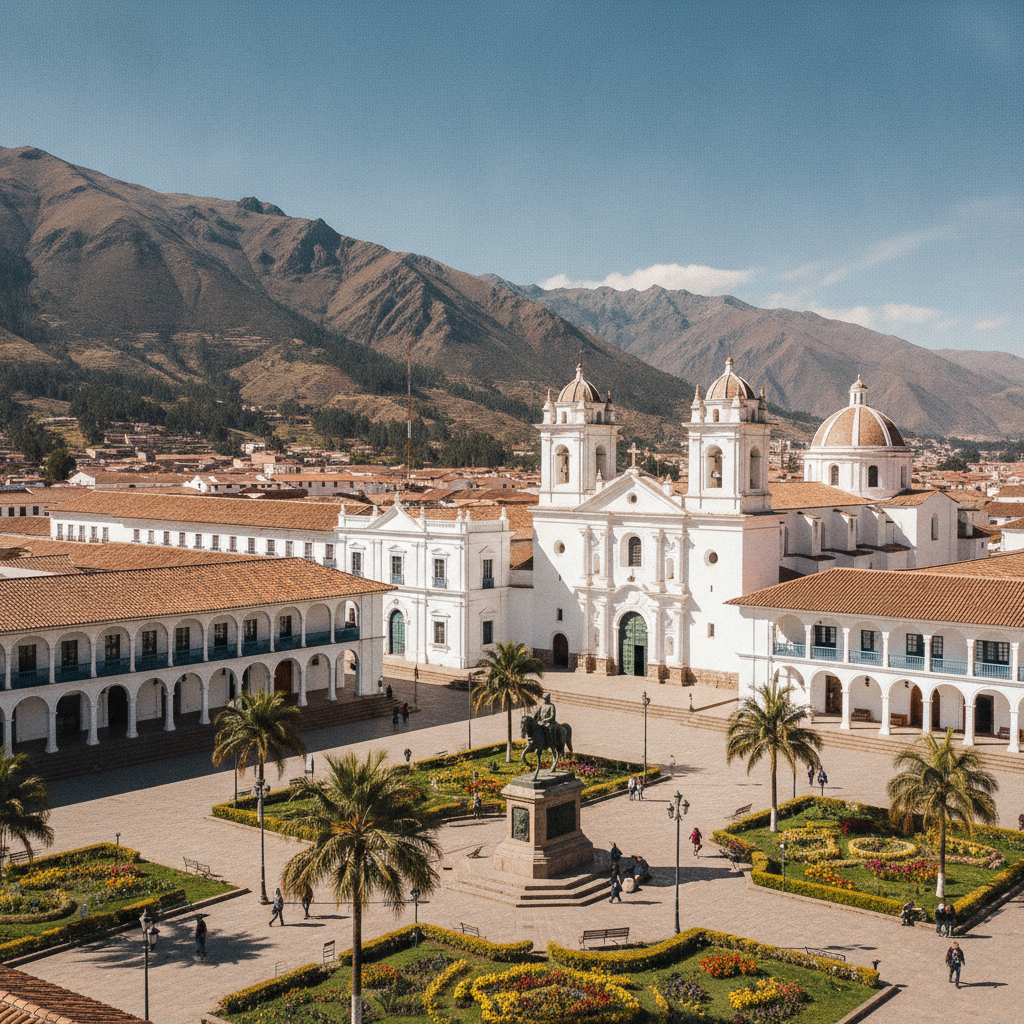
Sucre: Bolivia's White Colonial Capital
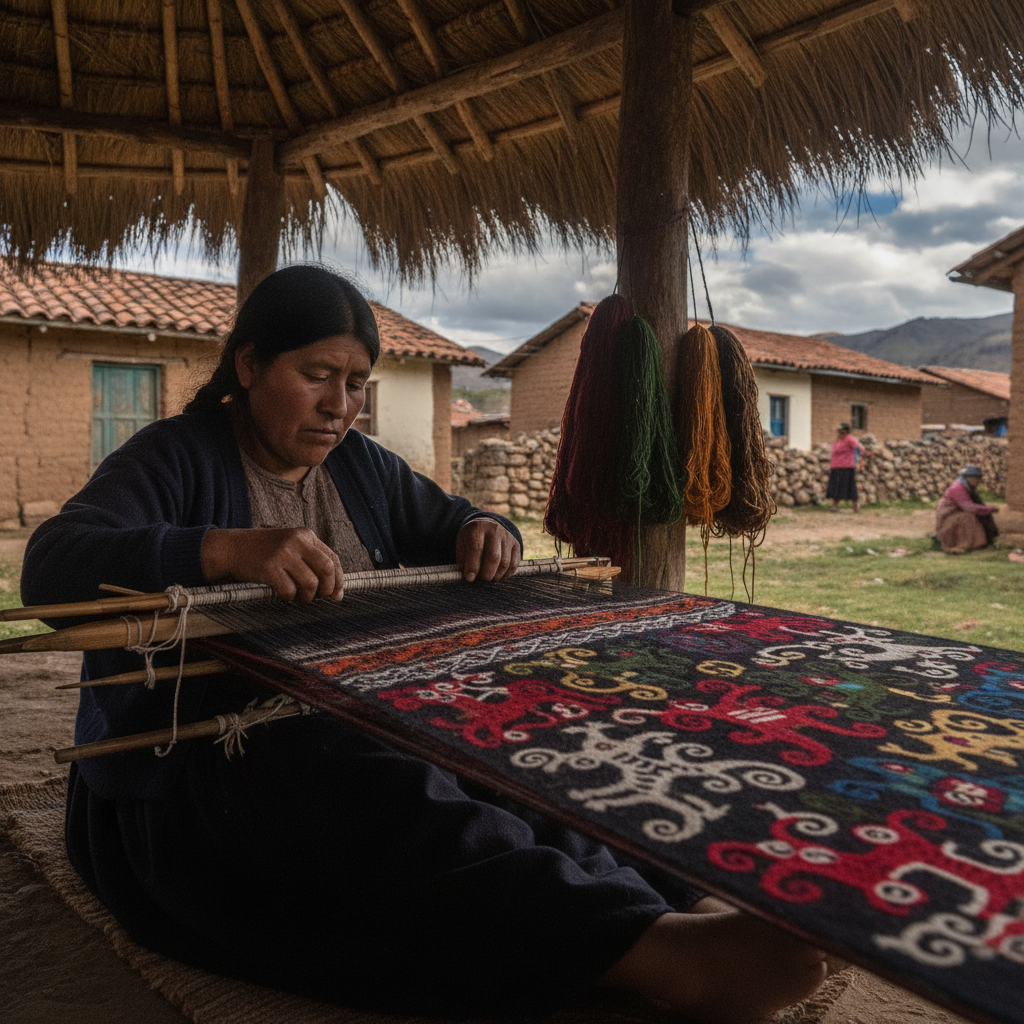
Chuquisaca Textiles: The Jalq'a and Yampara Traditions
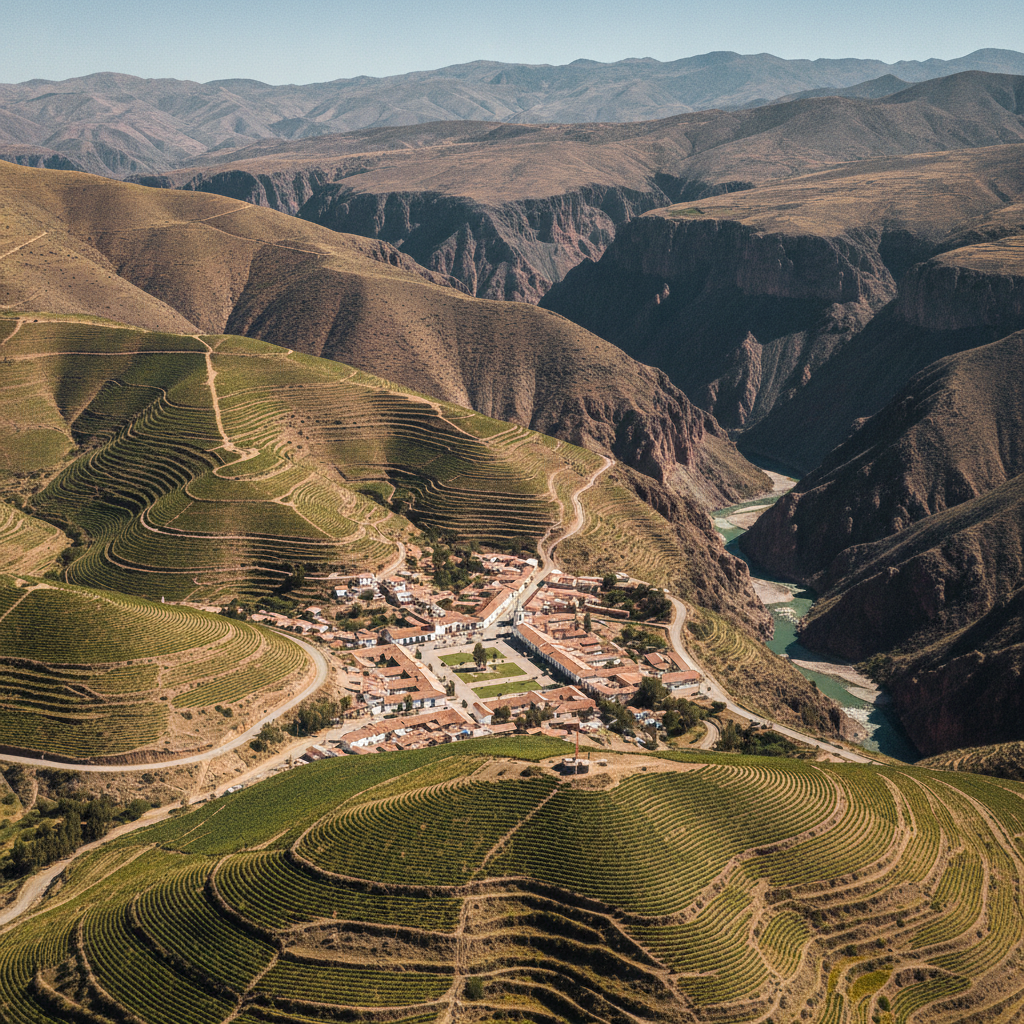
Day Trips from Sucre: Valleys, Vineyards, and Waterfalls