Day Trips from Sucre: Valleys, Vineyards, and Waterfalls
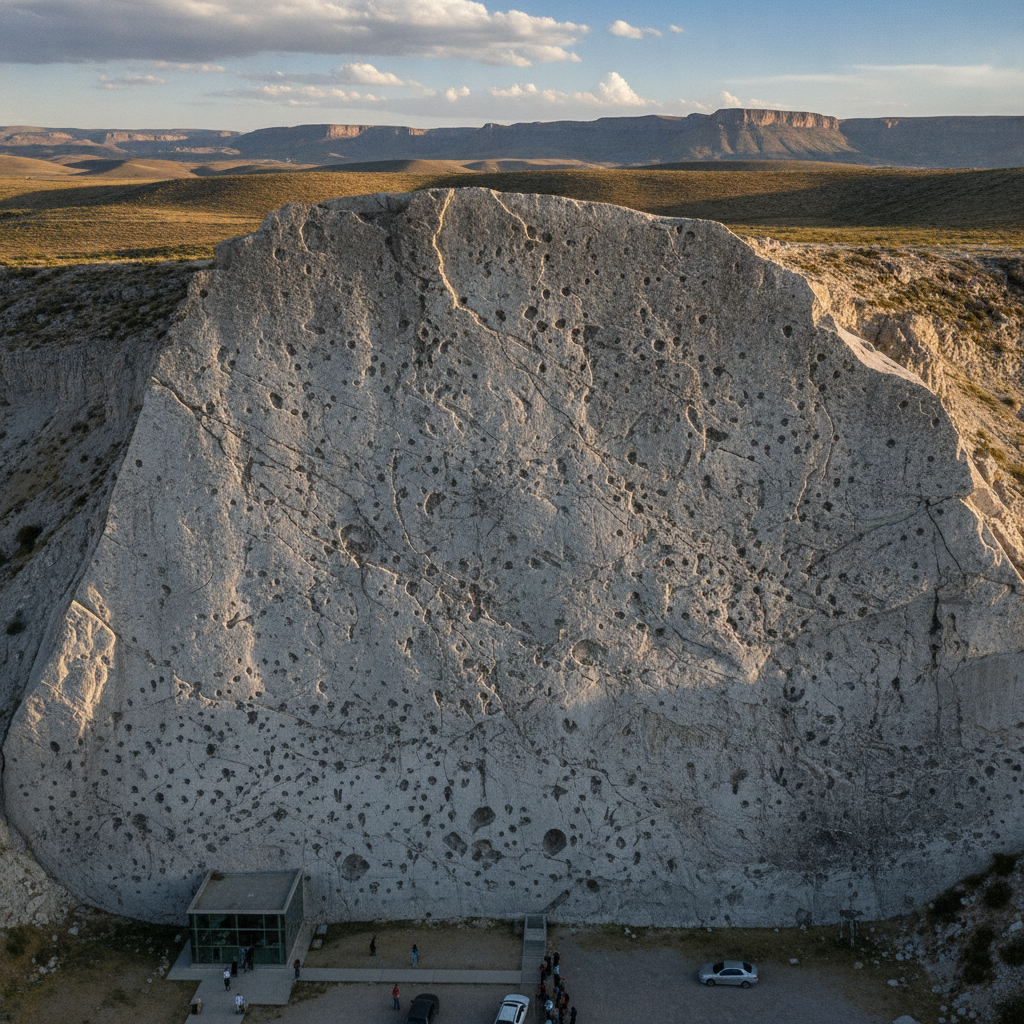
The countryside around Sucre offers remarkable day-trip options — the dinosaur tracks of Cal Orcko, the indigenous market of Tarabuco, the wine valleys of the Cintis, and the Maragua crater are all within 2-3 hours
- 1
Maragua Crater
The Maragua Crater — a natural geological bowl 40 km from Sucre — is often described as a meteor crater but is actually a geological fold (a syncline); the round depression filled with red rock layers, a small farming village and Jalq'a communities make it one of Bolivia's most beautiful and accessible day hikes
- 2
Cordillera de los Frailes
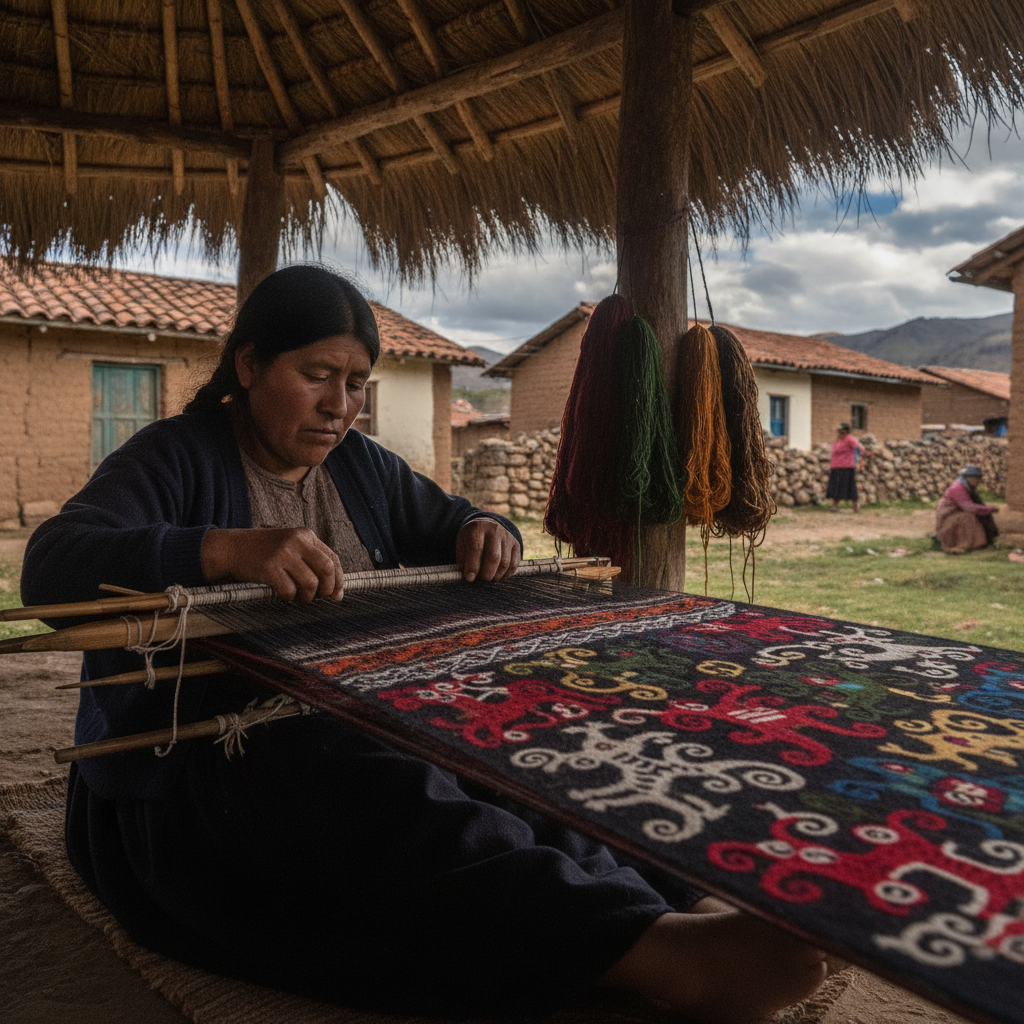
The Cordillera de los Frailes - the mountain range that surrounds Sucre - has hiking trails through Jalq'a communities, colonial haciendas, pre-Inca rock paintings and extraordinary geological formations; the 3-4 day tour through the cordillera is Bolivia's finest multi-day cultural tour near a big city
- 3
Valle de los Cintis Vineyards
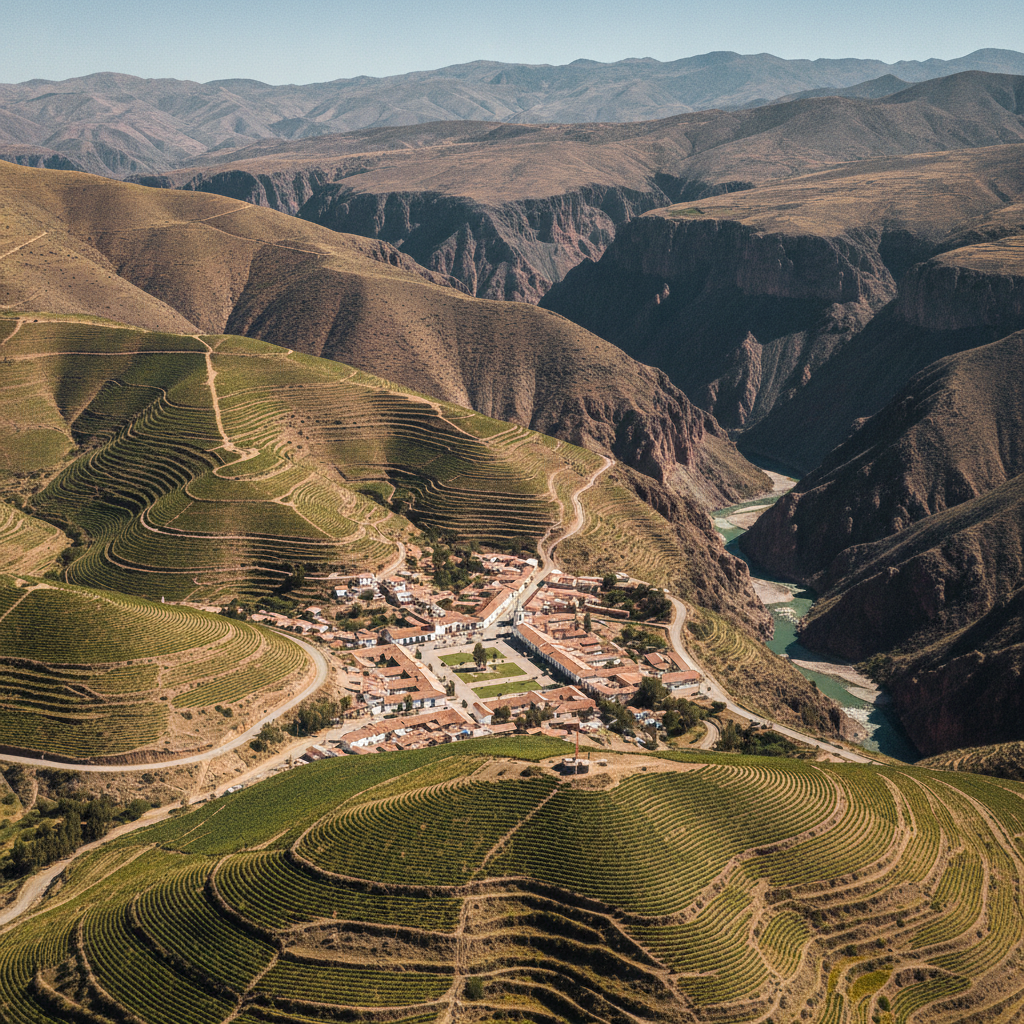
The Cintis Valley - 4-5 hours south of Sucre - is Bolivia's premier wine region; the vineyards at 2,000-2,500 m altitude produce singani (the Bolivian grape spirit) and table wines; the colonial wine towns, dramatic river canyons and terraced vineyards of Cintis combine for an extraordinary day trip
- 4
Chataquila Pre-Inca Ruins
Chataquila – the pre-Inca Chullpa site on the mountain above Tarabuco – has cylindrical funerary towers on the windswept ridge above the valley; the site is a 2-3 hour hike from Tarabuco and combines with the Sunday market for a full day excursion; the view of the Chuquisaca valleys from the ridge is outstanding
- 5
Quilaquila Rock Art
The Quilaquila performance art site — about 40 km from Sucre — has pre-Inca petroglyphs carved into the red sandstone at the foot of the Andes; the geometric designs and stylized animal figures are from the Yampara culture that preceded the Inca conquest of the region; the site is visited as part of the Jalq'a textile community circuit
- 6
Sucre Thermal Springs
The hot springs at Tarapaya — 25 km from Potosí and accessible from Sucre — have been used since the Inca period; the circular thermal pool (called Ojo del Inca — Eye of the Inca) is set in a dramatic volcanic landscape; the springs are Bolivia's most historically significant thermal spa destination
Walk this route with audio
Stories play automatically as you reach each stop — no tapping needed.