Sucre's Colonial Churches: A Baroque Treasury
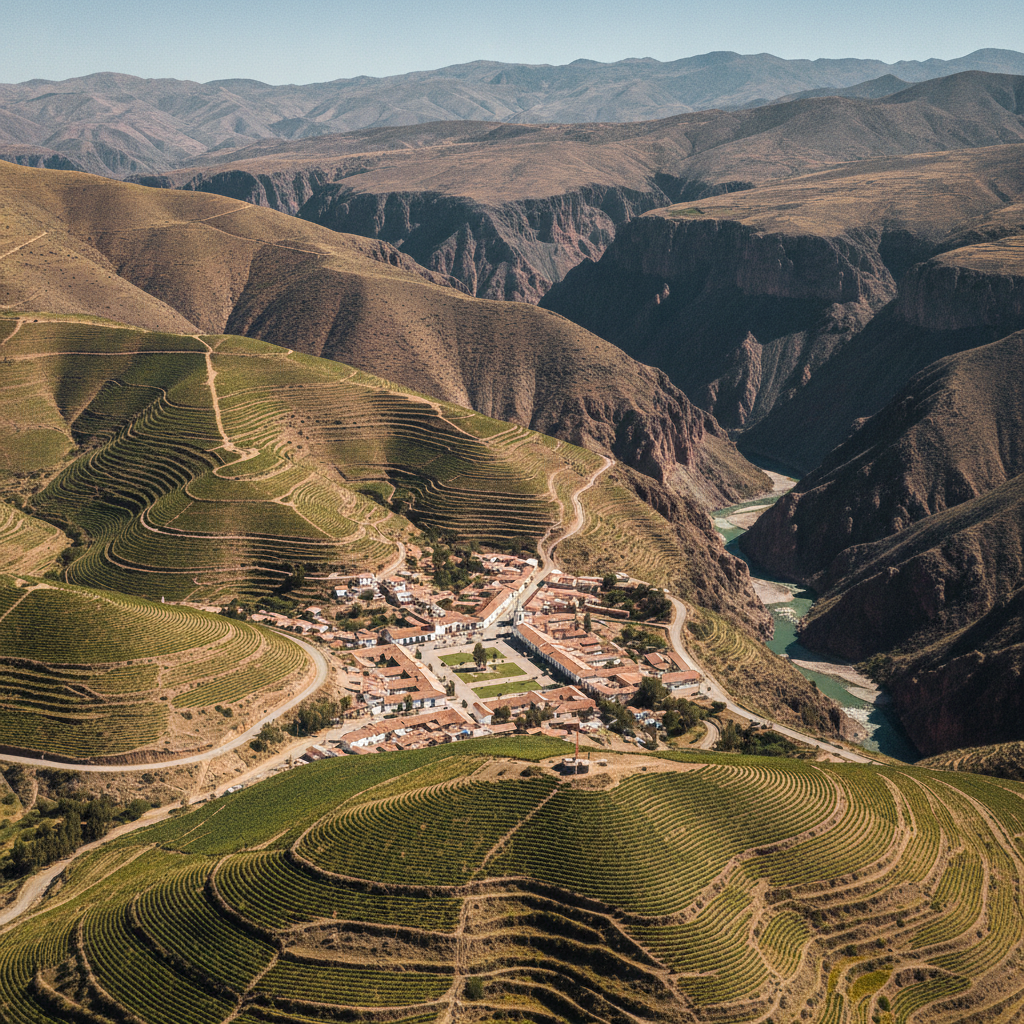
Sucre's colonial churches — built from the 16th century onward using the silver wealth of Potosí — are among the finest baroque architecture in South America; the white exteriors and the gilded, silver-encrusted interiors create a dramatic contrast that defines the city's character
- 1
La Merced Church
The La Merced church — with its pink and white facade (one of the few Sucre churches not entirely white) — has a distinctive Mudéjar (Moorish-influenced) design; the church's interior has one of the finest baroque altarpieces in Bolivia; the bell tower provides one of the best views over the city
- 2
San Miguel Church
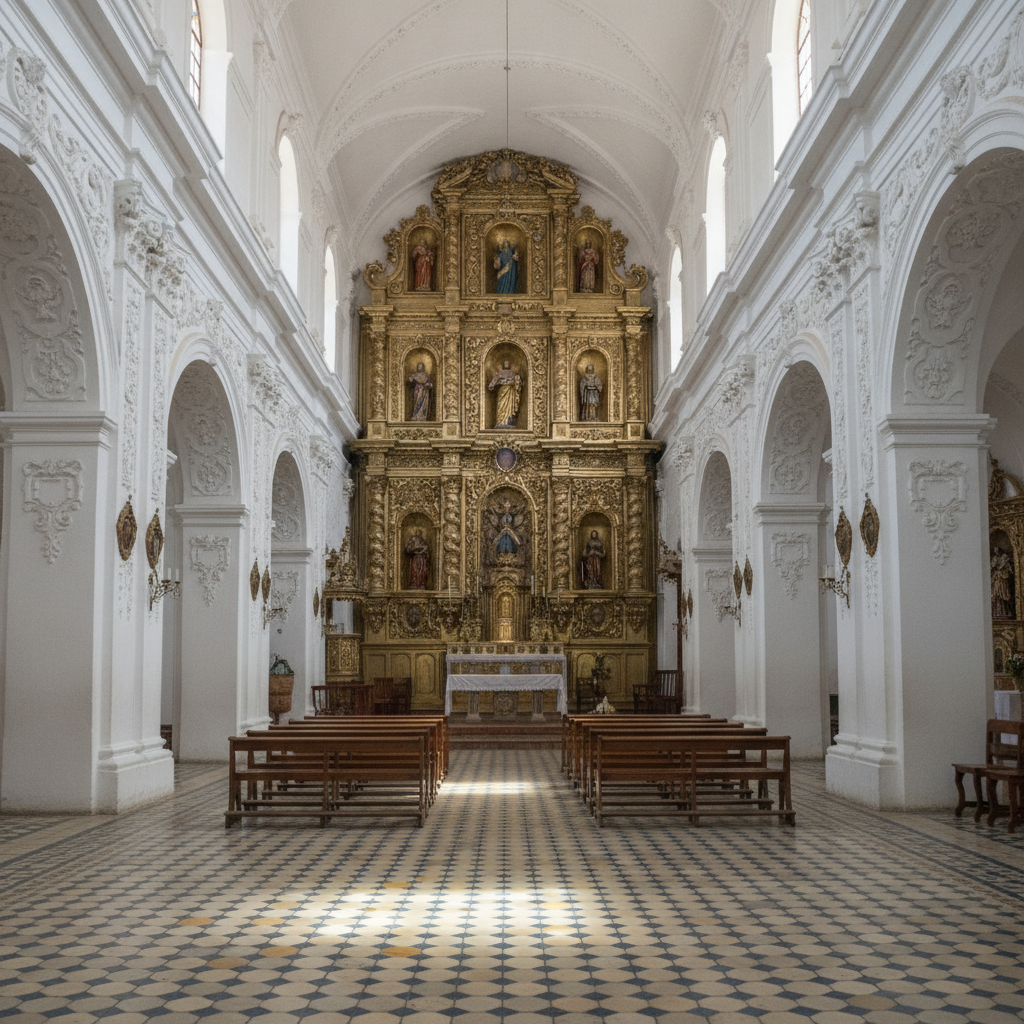
San Miguel — built by the Jesuits in the 17th century — has Sucre's most beautiful white baroque interior; the carved wooden ceiling (artesonado), the azulejo floor tiles, and the ornate gilded altarpiece represent the peak of colonial religious art in Bolivia; the white-on-white interior is serenely beautiful
- 3
San Francisco Church
The Iglesia de San Francisco — the oldest church in Sucre (founded 1540) — has a simple exterior contrasting with a richly decorated interior; the convent's cloister garden, the colonial paintings, and the church tower (climbable for panoramic views) make it one of the most rewarding colonial churches in the city
- 4
Cathedral Treasury
The Catedral Metropolitana's Museo Catedralicio holds the most important religious art collection in Bolivia — the Virgen de Guadalupe (covered in thousands of diamonds, emeralds, and pearls donated by colonial elites), the colonial silverwork, and the devotional paintings represent the accumulated artistic wealth of 300 years of colonial piety
- 5
Recoleta Monastery
The Recoleta Franciscan monastery — on the hill above Sucre with panoramic city views — has a beautiful colonial cloister, a collection of colonial art, and the carved baroque cedar choir stalls; the monastery's hilltop position makes it the finest viewpoint over the white city and the surrounding Andean mountains
- 6
Silver Wealth Connection
Sucre's churches were built with the silver wealth of Potosí — the nearby silver mining city that was the wealthiest city in the 17th-century world; the gilded altarpieces, the silver ornaments, and the imported European art in Sucre's churches are testimony to the extraordinary wealth generated (and extracted) by the Potosí mines
Walk this route with audio
Stories play automatically as you reach each stop — no tapping needed.
More in Sucre
Sucre: Birthplace of Bolivia
Sucre's Food: Bolivia's Most Refined Cuisine
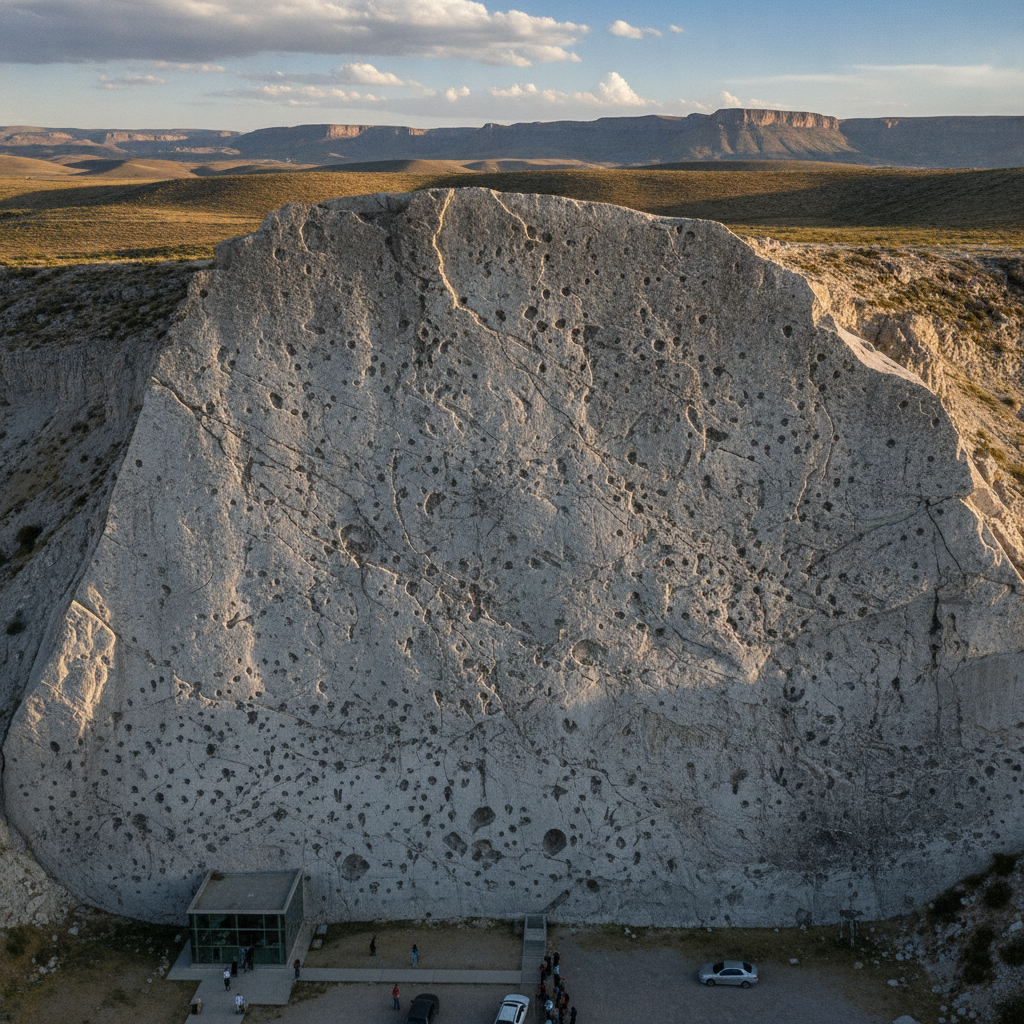
Cal Orcko: The World's Largest Dinosaur Tracksite
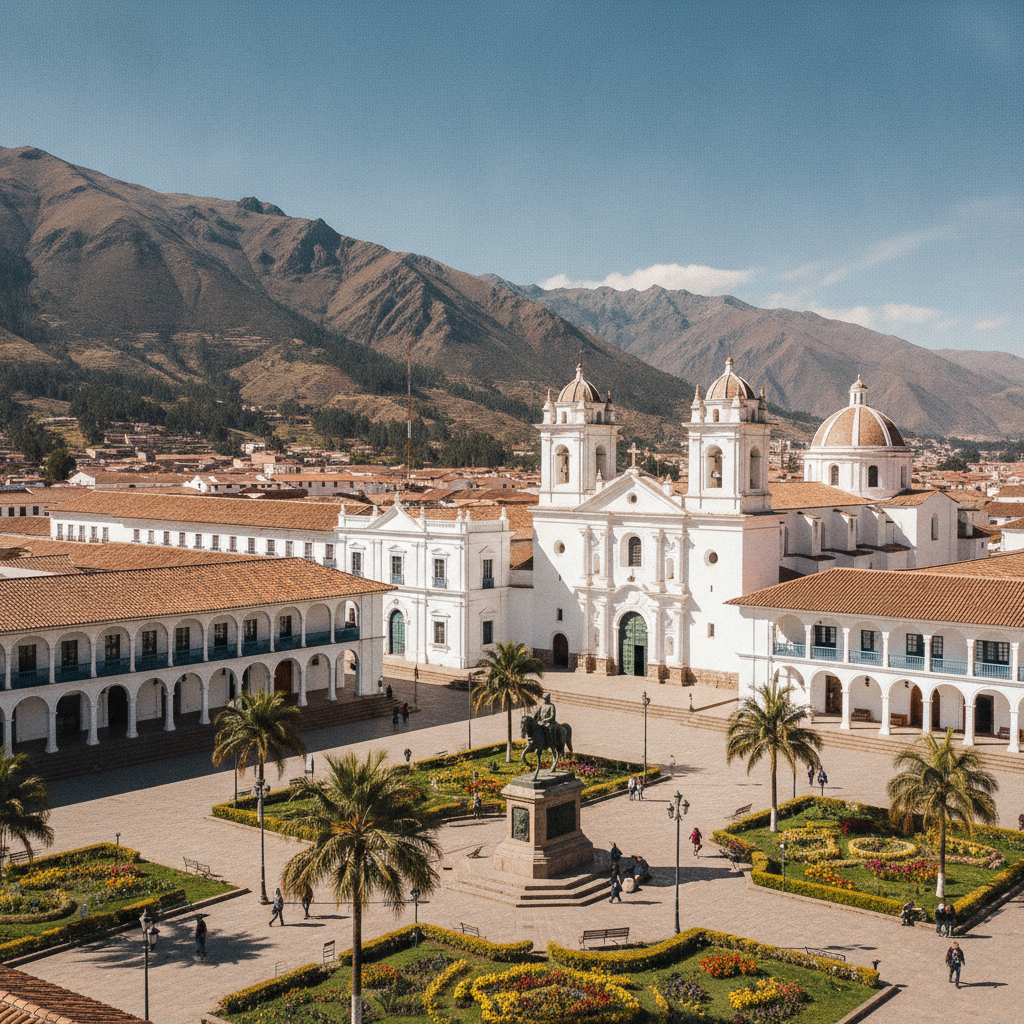
Sucre: Bolivia's White Colonial Capital
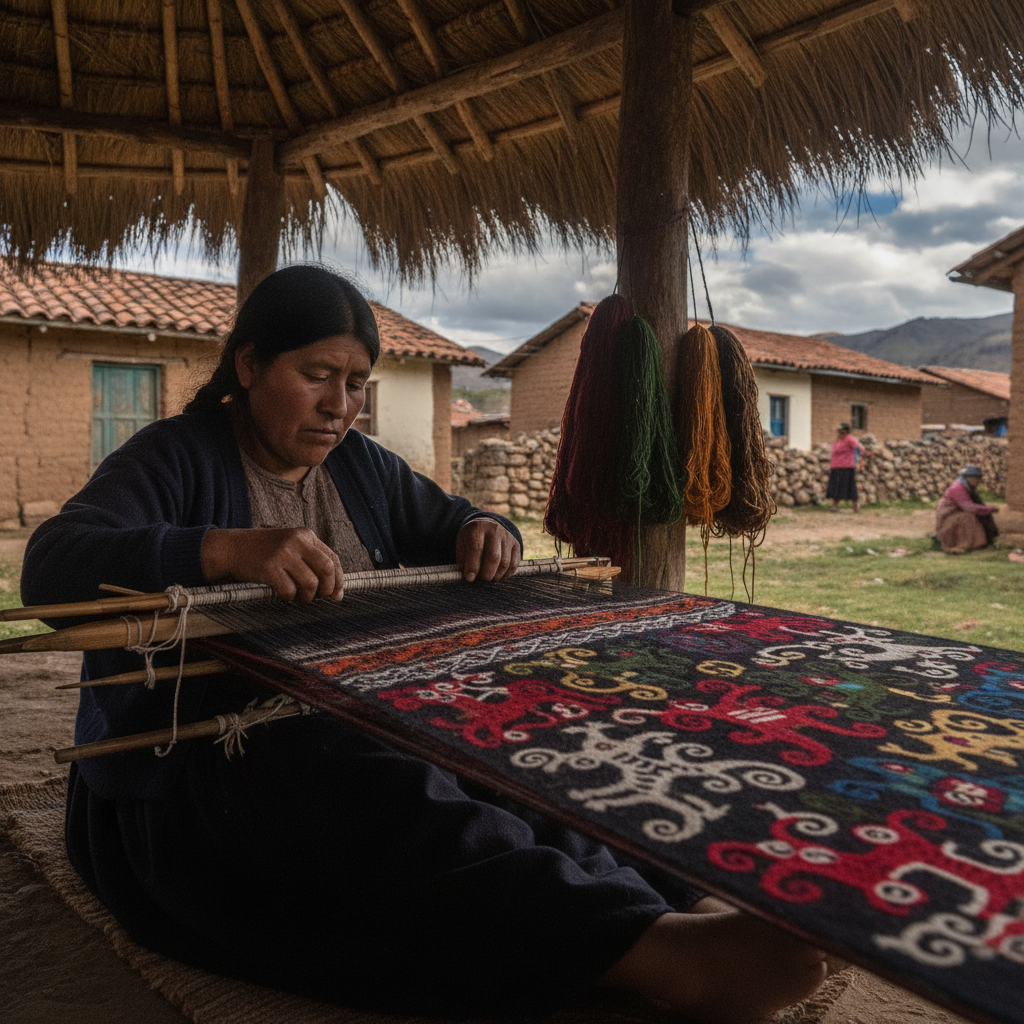
Chuquisaca Textiles: The Jalq'a and Yampara Traditions