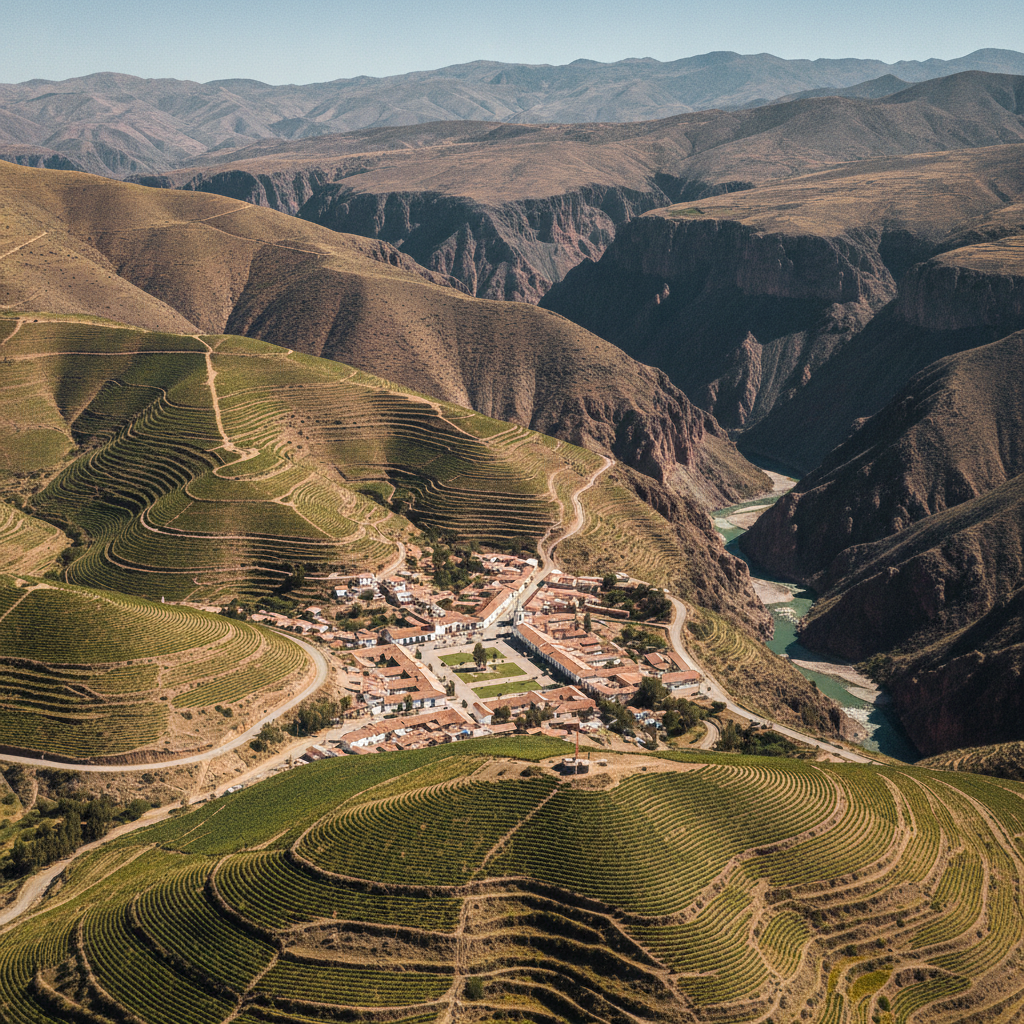
Tarabuco: The Finest Indigenous Market in Bolivia
Tarabuco — 64 km from Sucre — hosts Bolivia's most celebrated Sunday market; the Jalq'a and Yampara communities of the Chuquisaca region are known for the most complex textile weaving tradition in Bolivia and their distinctive colonial-era costumes
- 1
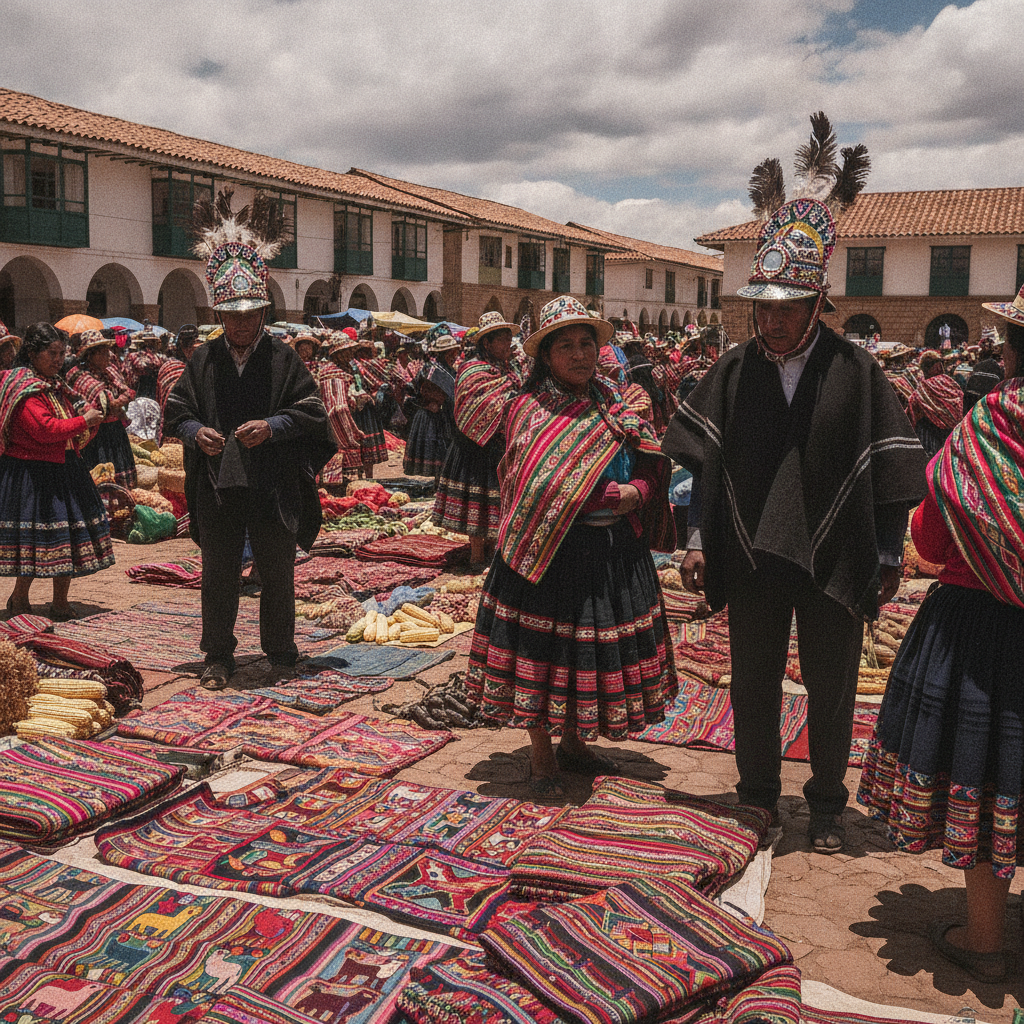
Tarabuco Sunday Market
Tarabuco's Sunday market – one of the most colorful and authentic indigenous markets in South America – draws the Jalq'a and Yampara communities from surrounding villages; the market sells textiles, food and agricultural products; the concentration of traditional costumes makes it one of Bolivia's most photographed events
- 2
Morion Helmet Hats
The Tarabuco men's costume – including the distinctive morion helmet (modeled on the Spanish conquistador's helmet, adopted as cultural appropriation in reverse) and the sandals made from car tires – is one of South America's most striking indigenous costume traditions; the suit is worn daily, not just for market days
- 3
Jalq'a textile tradition
The Jalq'a weaves – with their extraordinary dark background and fantastic creatures (khurus) woven into intricate patterns – are considered the most technically complex and artistically distinctive textiles of the Andes; the khuru creatures (neither realistic animals nor purely geometric) represent the supernatural realm between worlds
- 4
Pujllay Festival
The Pujllay Festival – celebrated in Tarabuco on the third Sunday of March – is one of Bolivia's most important festivals; it celebrates the 1816 Battle of Jumbate (when Tarabuco warriors defeated a Spanish force) with music, dance, the building of a ceremonial tree (pukara) and elaborate costume displays
- 5
Chuquisaca weaving schools
The Chuquisaca region has established weaving schools in Jalq'a and Yampara communities to transmit the complex textile traditions to younger weavers; ASUR (Foundation for the Support of Ethnic Identities of Bolivia) has been instrumental in supporting the commercialization of traditional textiles while maintaining quality
- 6
Market Food Culture
The Tarabuco market food section – featuring chicha de maíz served from clay pots, roasted corn, dried meats and traditional Bolivian market food – is the most authentic market food experience near Sucre; eating with the Tarabuco community on market day is an immersion in Bolivian indigenous food culture
Walk this route with audio
Stories play automatically as you reach each stop — no tapping needed.
More in Sucre
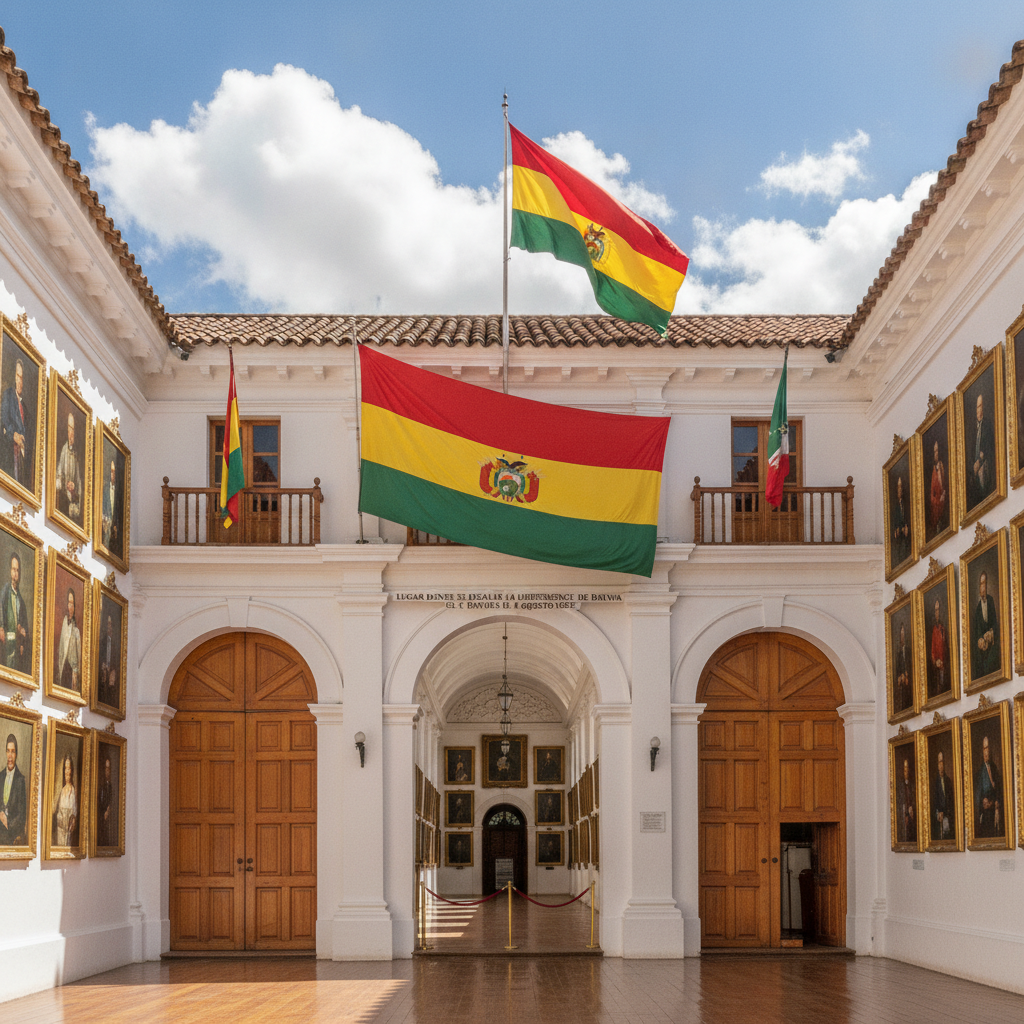
Sucre: Birthplace of Bolivia
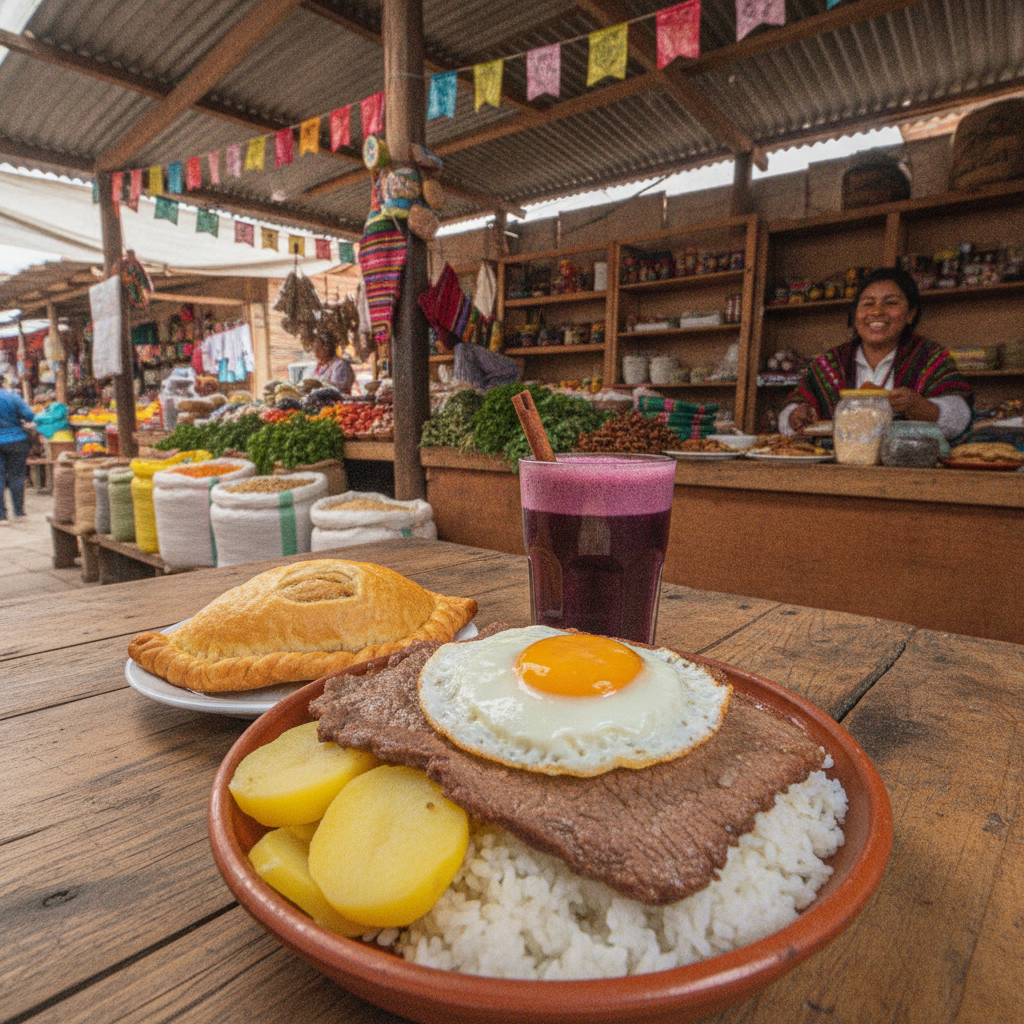
Sucre's Food: Bolivia's Most Refined Cuisine
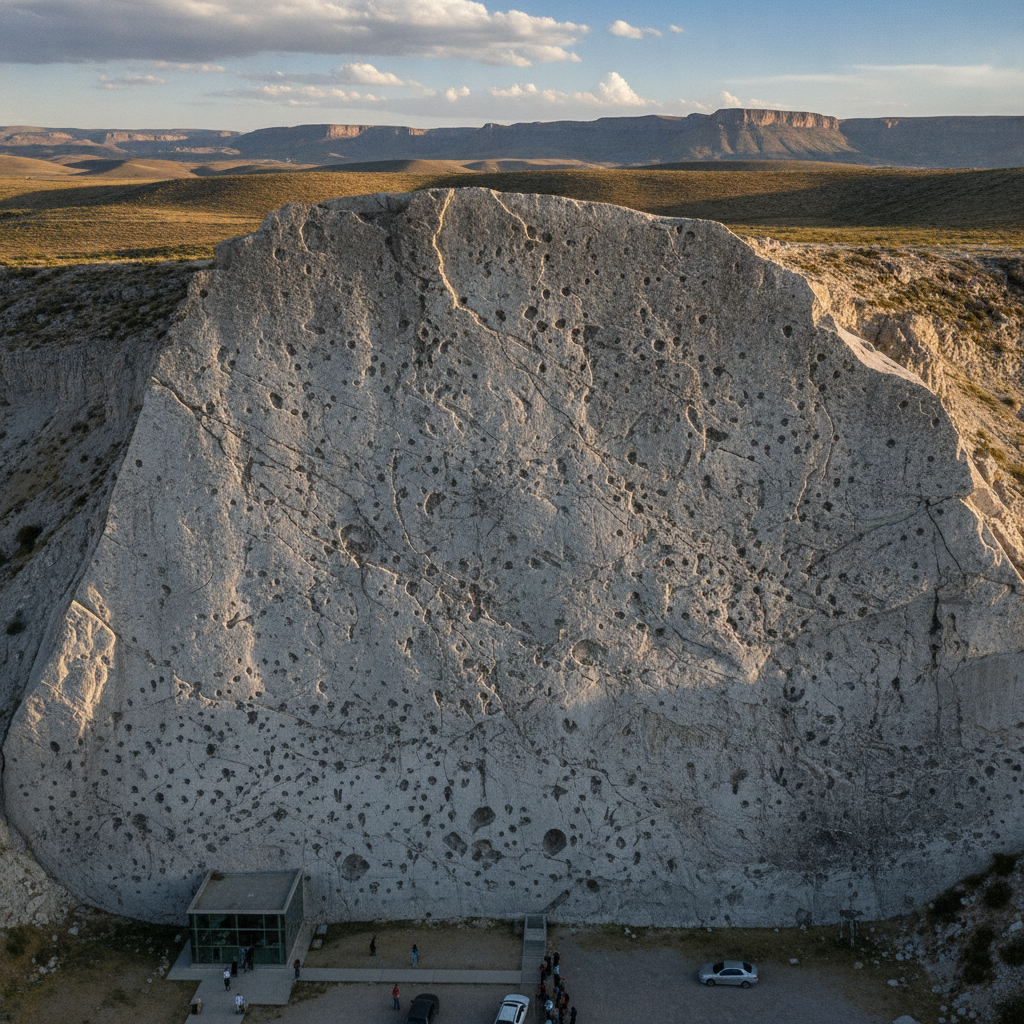
Cal Orcko: The World's Largest Dinosaur Tracksite
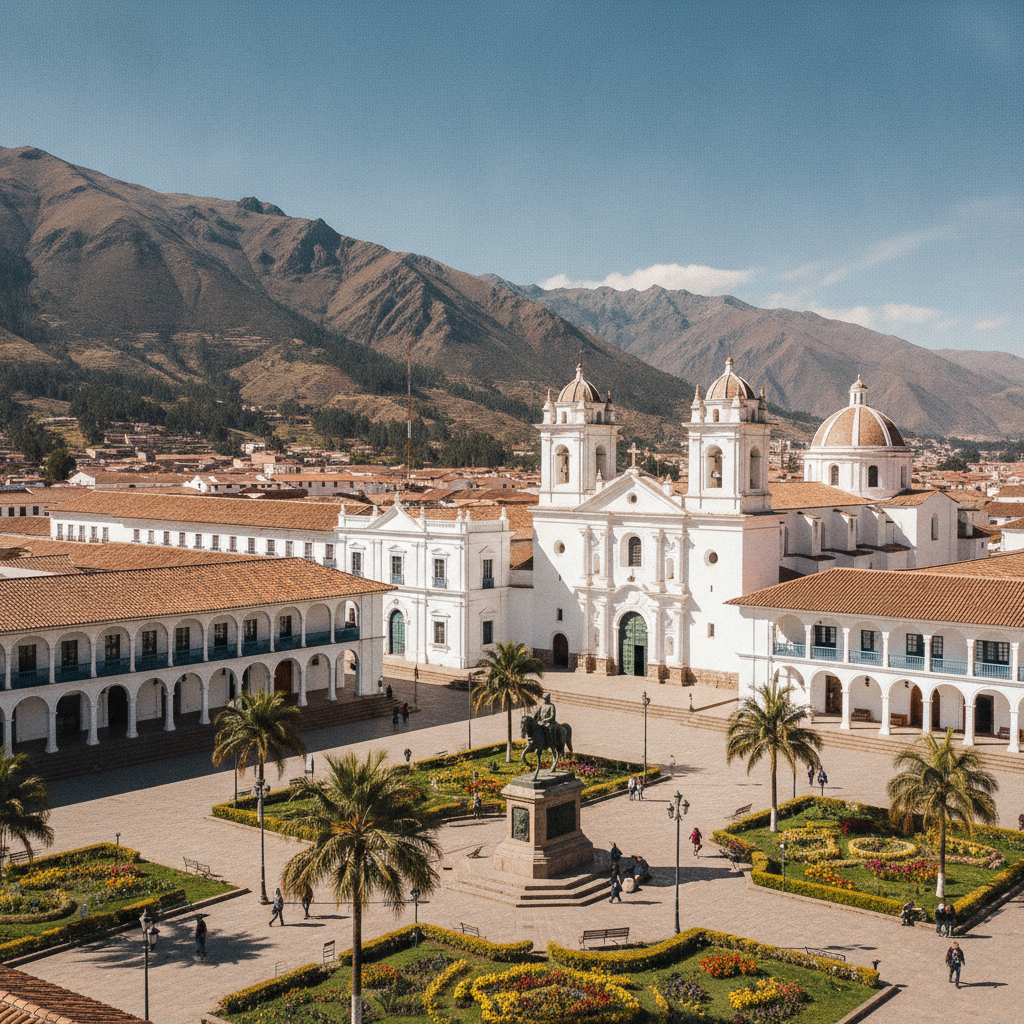
Sucre: Bolivia's White Colonial Capital
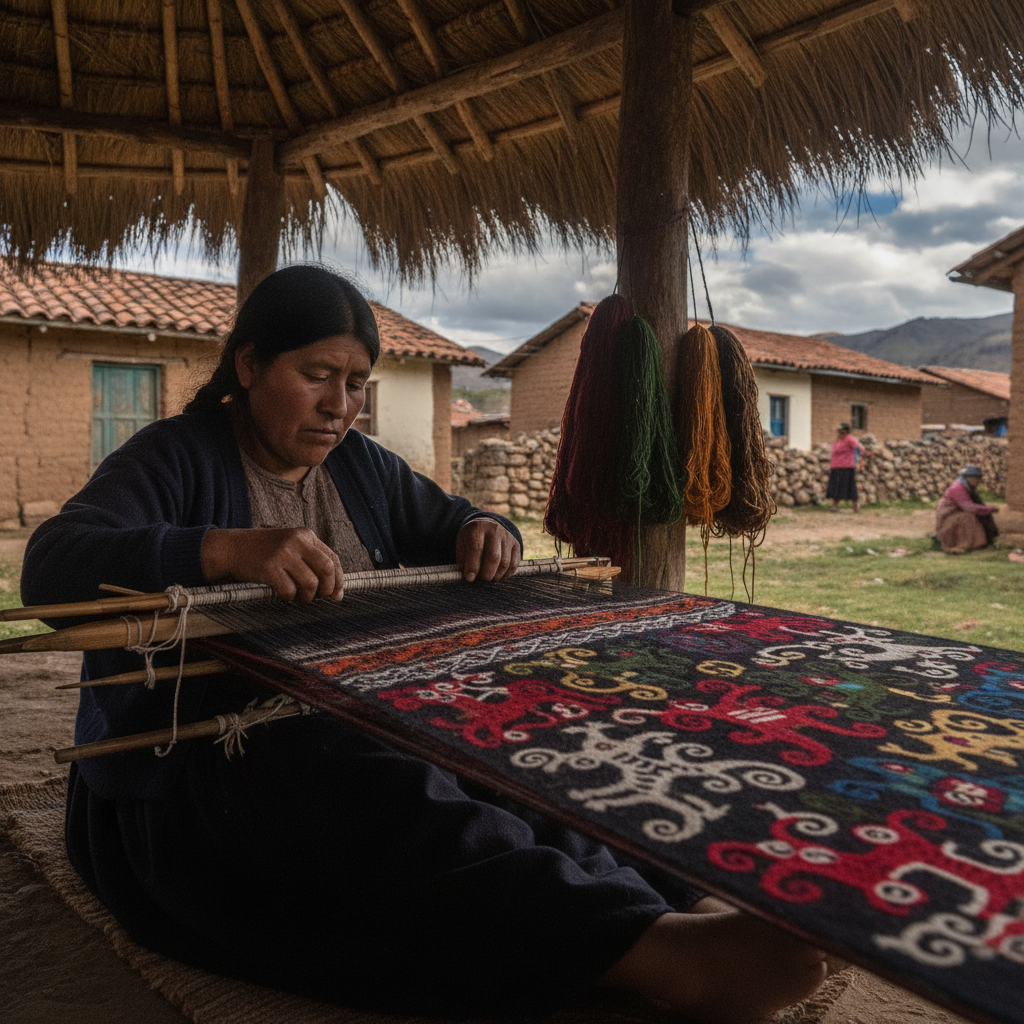
Chuquisaca Textiles: The Jalq'a and Yampara Traditions